CLEAR Model
A five-stage coaching structure — Contract, Listen, Explore, Action, Review — that centers real listening and reflection before rushing to a plan.
 Find this on the mind-map
Introduction
Peter Hawkins developed the CLEAR Model in the early 1980s at Bath Consultancy Group. It predates T-GROW and grew out of a supervision and organizational-development tradition rather than a performance-coaching one — which is exactly why it puts so much weight on the relationship and on reflection.
How It Works
| Stage | What happens |
|---|---|
| Contract | Agree on the focus, purpose, and boundaries of the conversation. What does the person want out of this session, and what's your role in it? |
| Listen | Actively listen. Give the person room to think out loud without interrupting, correcting, or judging. |
| Explore | Widen the frame. Dig into the assumptions, feelings, and beliefs shaping how they see the situation. |
| Action | Help them choose concrete next steps they're genuinely committed to. |
| Review | Reflect on the conversation itself — what was useful, what got learned, what should be different next time. |
Review is what sets CLEAR apart from most coaching structures. It reviews the coaching itself, not just the plan that came out of it, which is how your coaching gets better over time instead of just repeating the same session shape forever.
Why It Matters for Leaders
Your job in coaching is to ask better questions and listen more — not to hand over answers. CLEAR is built for exactly the situations where that's hardest: someone stuck for reasons they haven't named yet, a conflict that keeps recurring, a career decision that's really about identity.
Where a goal-first structure asks what someone wants, Explore asks why they see it the way they do. That's the right tool when the obstacle is a belief, not a missing action — which is more often the case than most managers assume.
Contract is the most underrated stage when you're busy. Thirty seconds of "what would be most useful to focus on today?" saves you from coaching the problem you find interesting while the person across from you is waiting to bring up something else entirely.
Review is what builds the habit. Most coaching conversations end the moment an action gets agreed on, so you never actually find out which parts of your coaching helped.
What to do next
Test your knowledge of CLEAR Model
Practice CLEAR Model
Apply CLEAR Model to a real situation
Skills related to CLEAR Model

Frameworks related to CLEAR Model

FUEL Model
A four-stage coaching model — Frame, Understand, Explore, Lay out a plan — built for managers, ending in an actual plan.

T-GROW
A five-stage coaching structure — Topic, Goal, Reality, Options, Way Forward — that names what's actually worth discussing before it moves you from where you are to where you want to be.
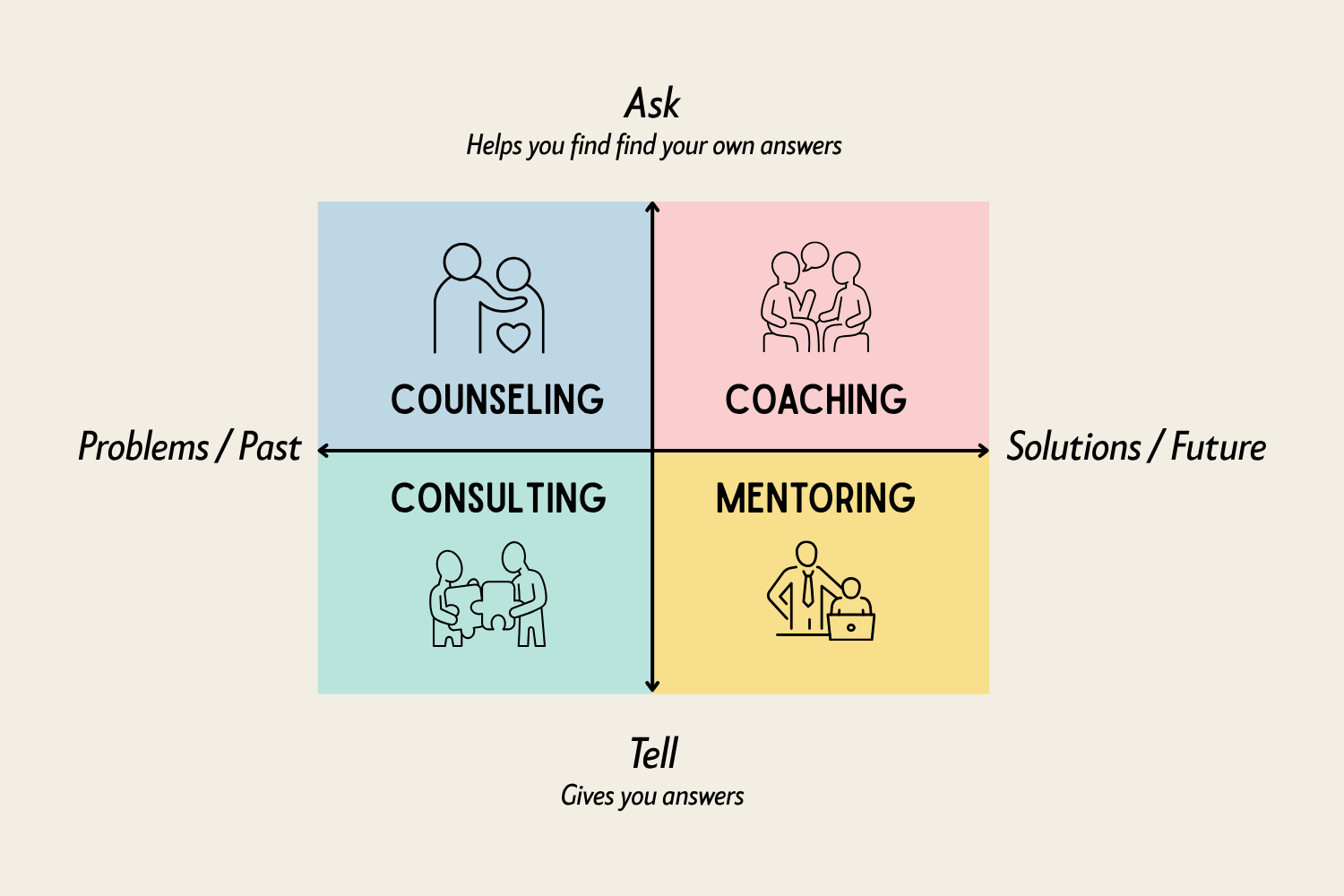
The Four Leadership Support Roles
A 2x2 separating four modes for helping someone — coaching, mentoring, counseling, consulting — plus a test for picking the right one.

The Thomas-Kilmann (TKI) Model
Five conflict styles, two dials — how hard you push, how much room you give — chosen on purpose, not by default.