FUEL Model
A four-stage coaching model — Frame, Understand, Explore, Lay out a plan — built for managers, ending in an actual plan.
 Find this on the mind-map
Introduction
John Zenger and Kathleen Stinnett of Zenger Folkman built FUEL for a very specific gap: most coaching frameworks were written for professional coaches who see someone once a month, not for you, a manager who has to coach your own people as part of the regular job. They laid it out in their book The Extraordinary Coach: How the Best Leaders Help Others Grow, and the whole shape of it reflects that difference — it's built to end with an actual plan, because you don't get to leave a conversation open the way an outside coach can.
How It Works
FUEL runs in four stages, always in this order:
| Stage | What happens |
|---|---|
| F. Frame the conversation | Agree on the topic, why it matters, and how the conversation will run. Build enough safety that honest answers are actually possible. |
| U. Understand the current state | Get into what's really happening right now, from the other person's point of view — what they've tried, what's working, what isn't. |
| E. Explore the desired state | Shift to the future. What does success look like? What would be different? What paths lead there? |
| L. Lay out a success plan | Turn the choice into actions, timelines, milestones, and whatever support the person needs to actually pull it off. |
The move that matters most is splitting Understand from Explore. Diagnosing where someone actually is and designing where they're going are two different conversations. Collapse them into one and you'll end up prescribing a destination before you've actually understood where the person is standing.
Why It Matters for Leaders
FUEL is your tool when someone is stuck and can't tell you clearly what they even want. Even T-GROW, despite opening with a Topic stage, moves to a goal almost immediately — it's built to name what to talk about, not to work with someone who can't yet say what they want at all. Ask that person for a goal and you'll get a made-up answer, and spend the rest of the conversation solving the wrong problem.
Starting with Understand also protects against the most common coaching mistake you'll make as a manager: hearing three sentences, recognizing a pattern from your own experience, and jumping straight to a prescription. The pattern is usually close but not identical to what's actually going on, and the person walks away executing your solution without any real conviction behind it.
The plan at the end is why this model fits you specifically. A coach who sees someone once a month can leave things open-ended. You can't — you're running this person's next sprint. Zenger Folkman's own research backs up why the structure is worth the discipline: employees whose managers gave frequent, honest feedback were three times more engaged than those who got vague feedback or none at all. Regular, structured conversations beat the occasional intense one.
What to do next
Test your knowledge of FUEL Model
Apply FUEL Model to a real situation
Skills related to FUEL Model

Frameworks related to FUEL Model

CLEAR Model
A five-stage coaching structure — Contract, Listen, Explore, Action, Review — that centers real listening and reflection before rushing to a plan.

T-GROW
A five-stage coaching structure — Topic, Goal, Reality, Options, Way Forward — that names what's actually worth discussing before it moves you from where you are to where you want to be.
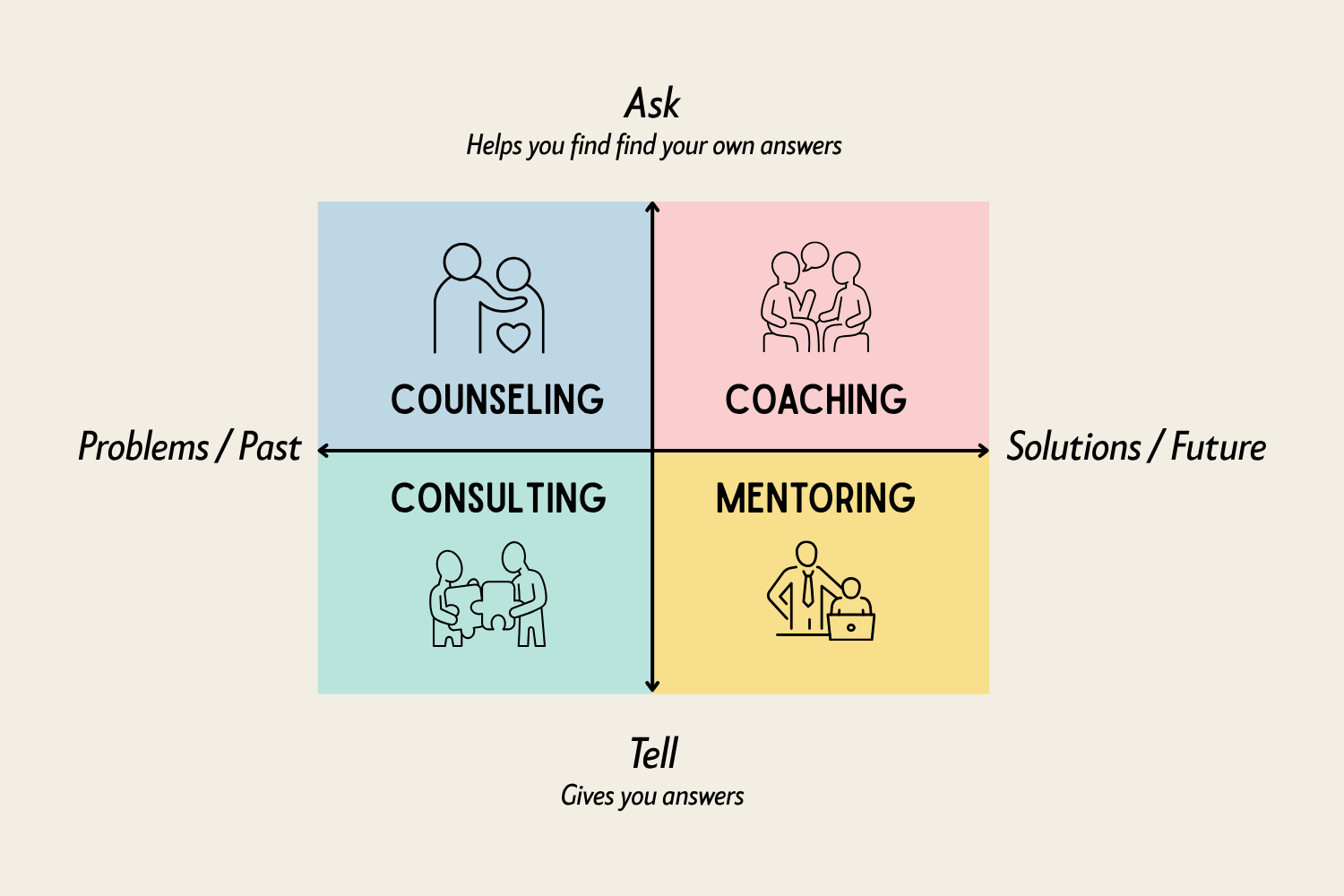
The Four Leadership Support Roles
A 2x2 separating four modes for helping someone — coaching, mentoring, counseling, consulting — plus a test for picking the right one.

The Thomas-Kilmann (TKI) Model
Five conflict styles, two dials — how hard you push, how much room you give — chosen on purpose, not by default.