Framework Library
The must-have tools and frameworks in your leadership toolkit.
All Frameworks

Abilene Paradox
A team can agree to something nobody wants — not from pressure, but because everyone assumes they're the only doubter.

ADKAR Model
Five building blocks — Awareness, Desire, Knowledge, Ability, Reinforcement — track change person by person, pinpointing exactly where it's stuck.

Agile Methodology
Short cycles beat long plans — build a slice, ship it, get real feedback, adjust, and repeat until it fits.
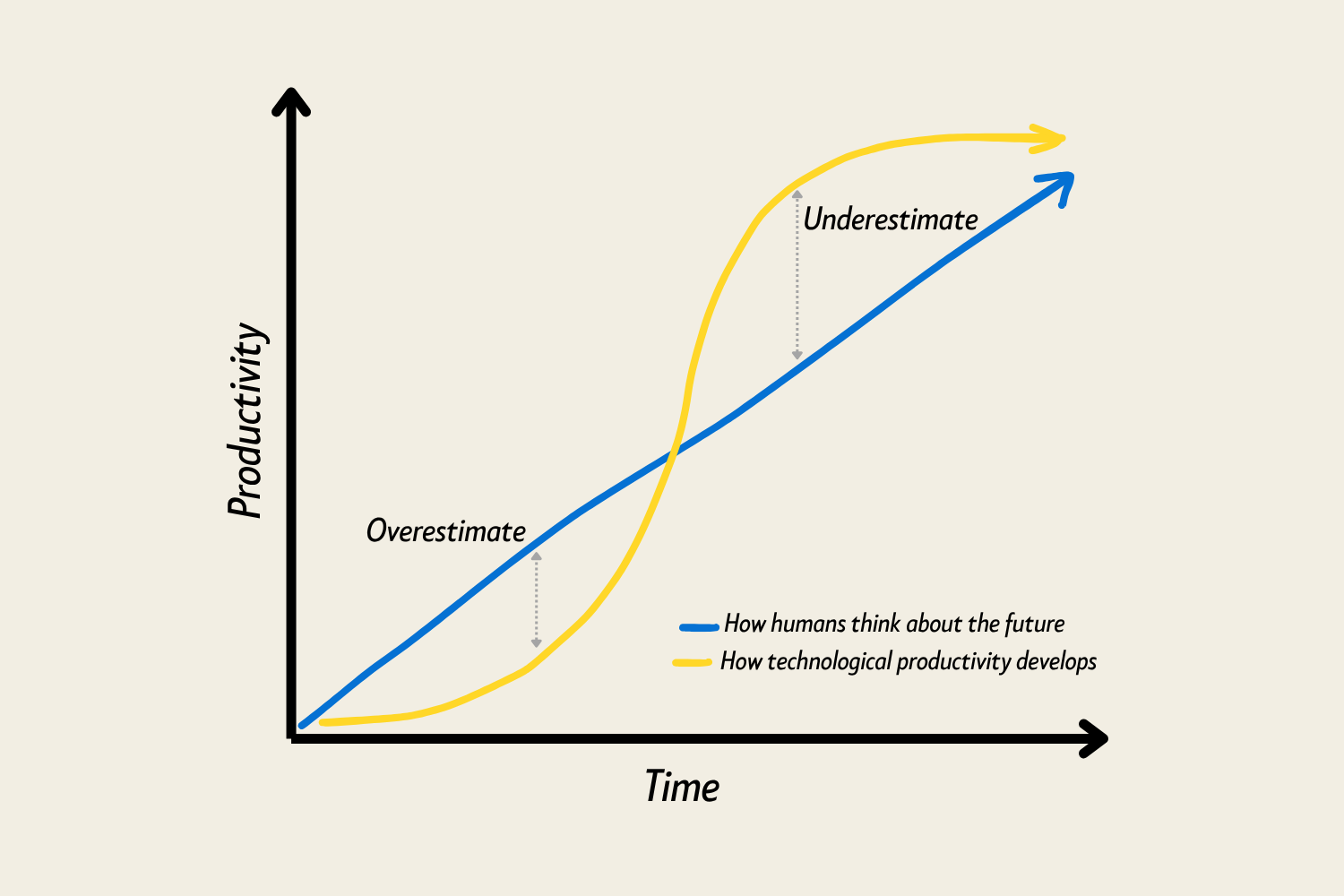
Amara's Law
You overestimate new tech's short-run impact and underestimate its long-run impact — so ask if you're early, not whether it's working.
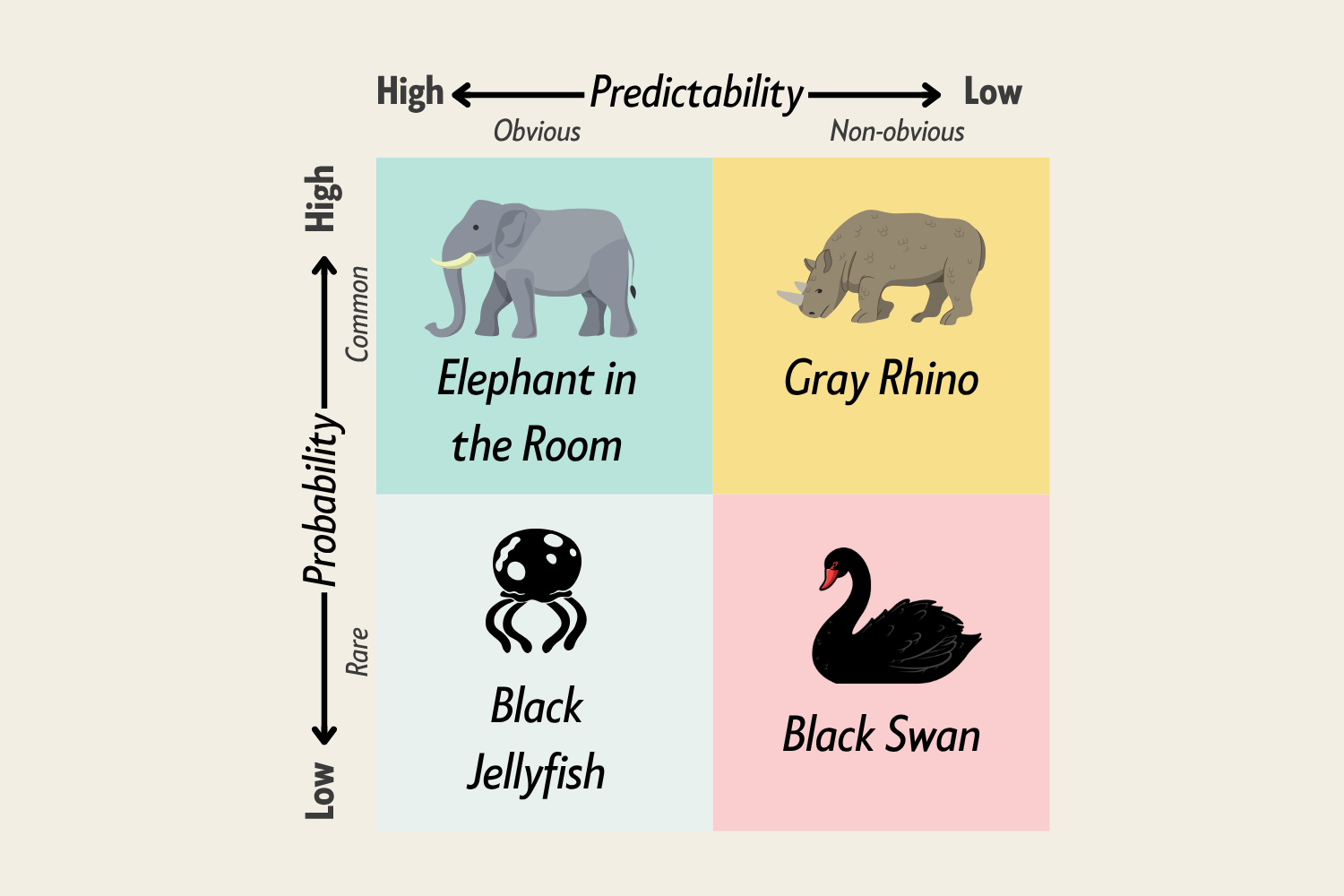
Animal Risk Matrix
Sort risk by predictability and probability into shapes — Elephant, Gray Rhino, Black Jellyfish, Black Swan — each needs a different response.
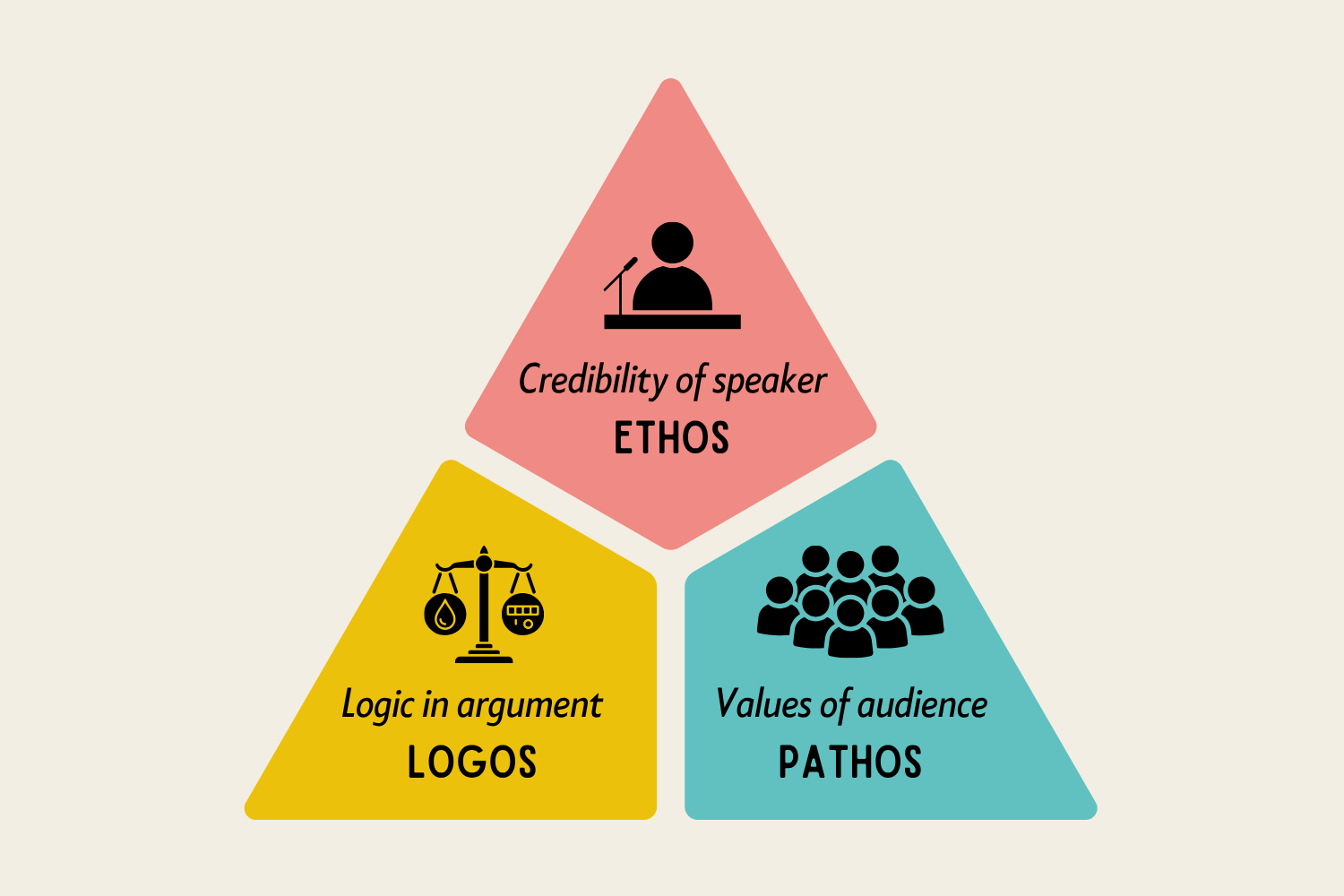
Aristotle's Rhetoric
Aristotle's persuasion rests on three appeals — ethos (credibility), pathos (emotion), logos (logic) — use all three or your message won't land.
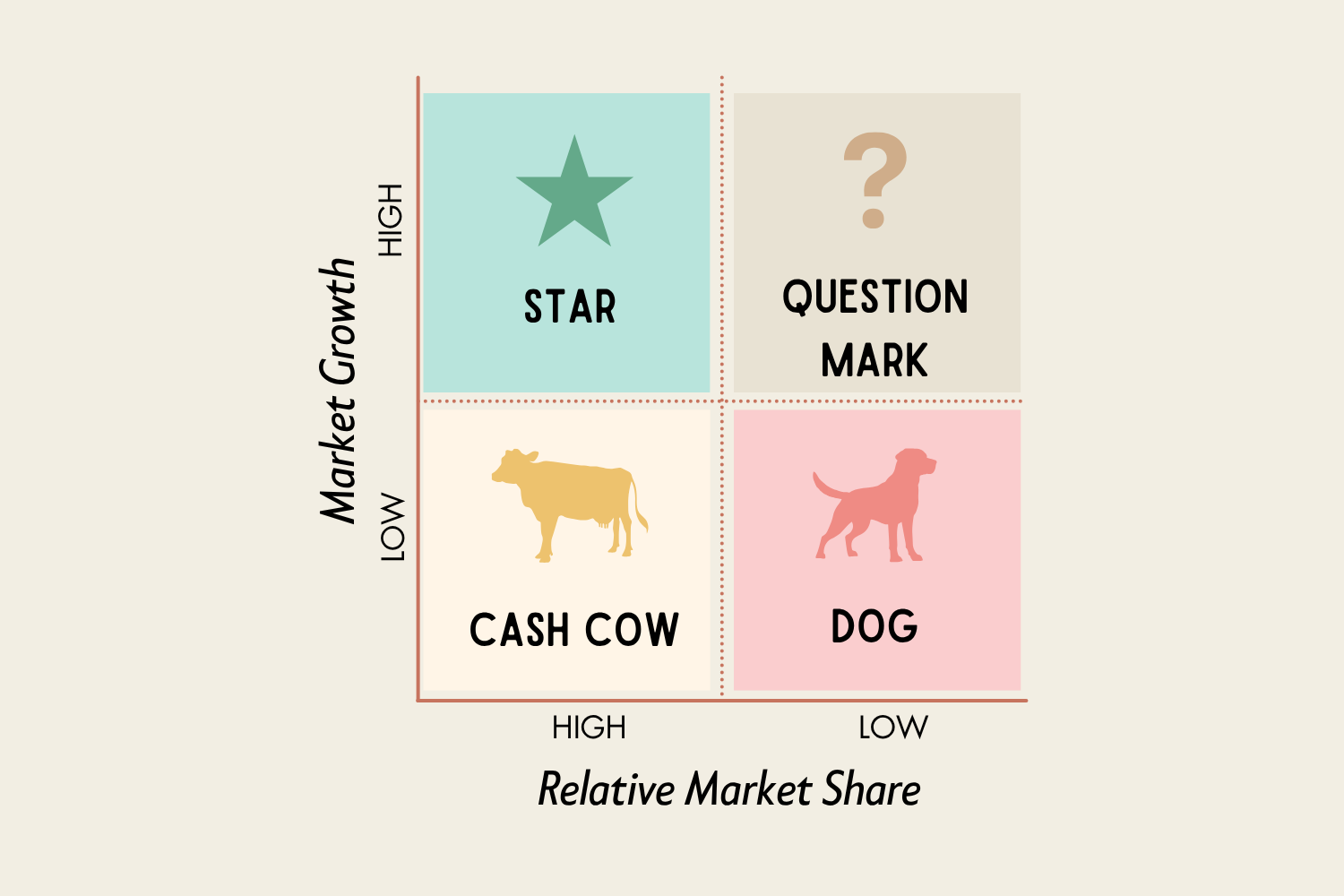
BCG Matrix
A 2x2 that sorts products or units by market growth and share — telling you what to fund, milk, or kill.

BHAG
A Big Hairy Audacious Goal: a 10-to-30-year target so bold it looks impossible — your organization's North Star.
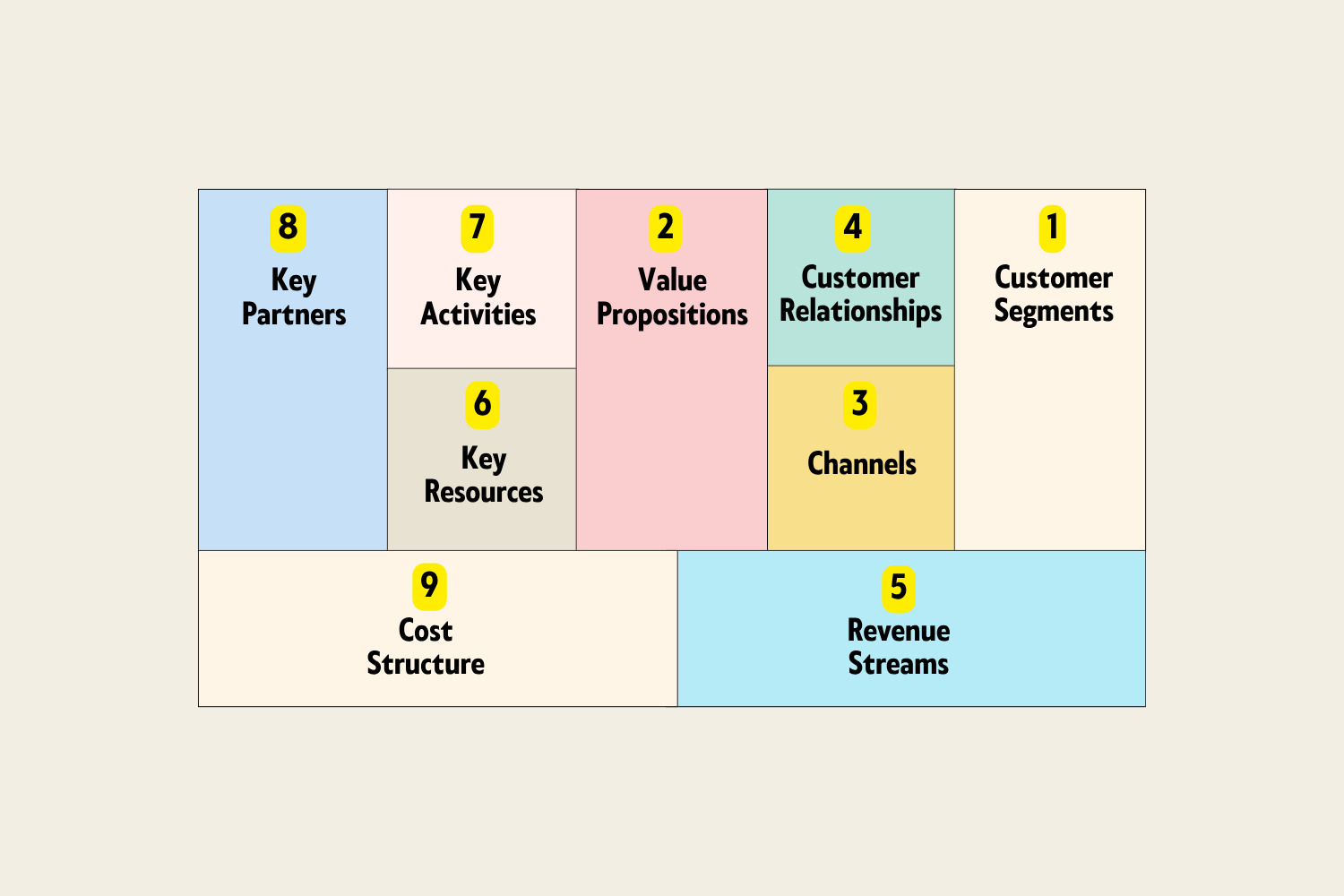
Business Model Canvas
A one-page map of how your business creates, delivers, and captures value, broken into nine blocks you see and debate.
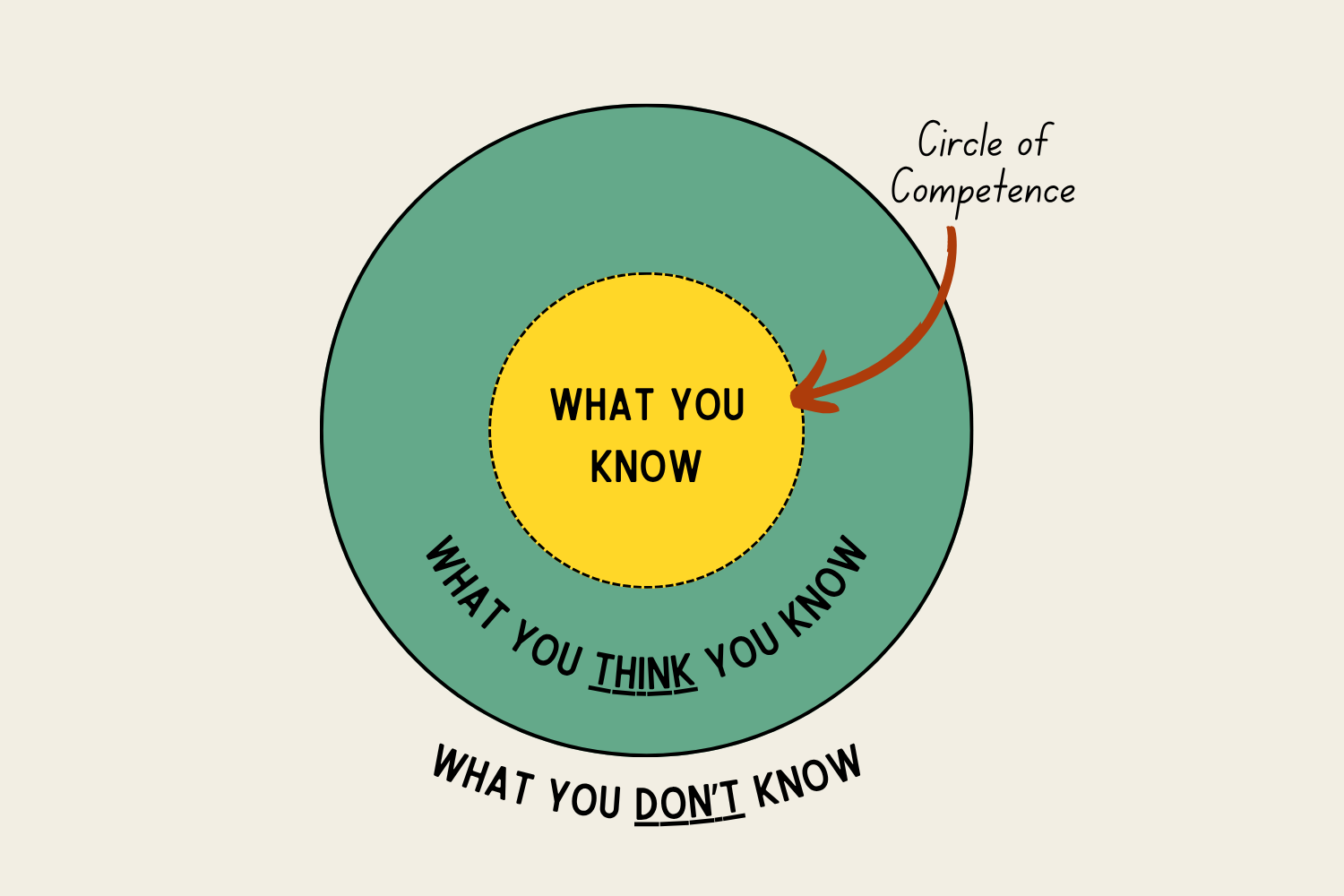
Circle of Competence
Buffett and Munger's model for knowing exactly where your understanding ends — size doesn't matter, honesty about the edge does.

CLEAR Model
A five-stage coaching structure — Contract, Listen, Explore, Action, Review — that centers real listening and reflection before rushing to a plan.
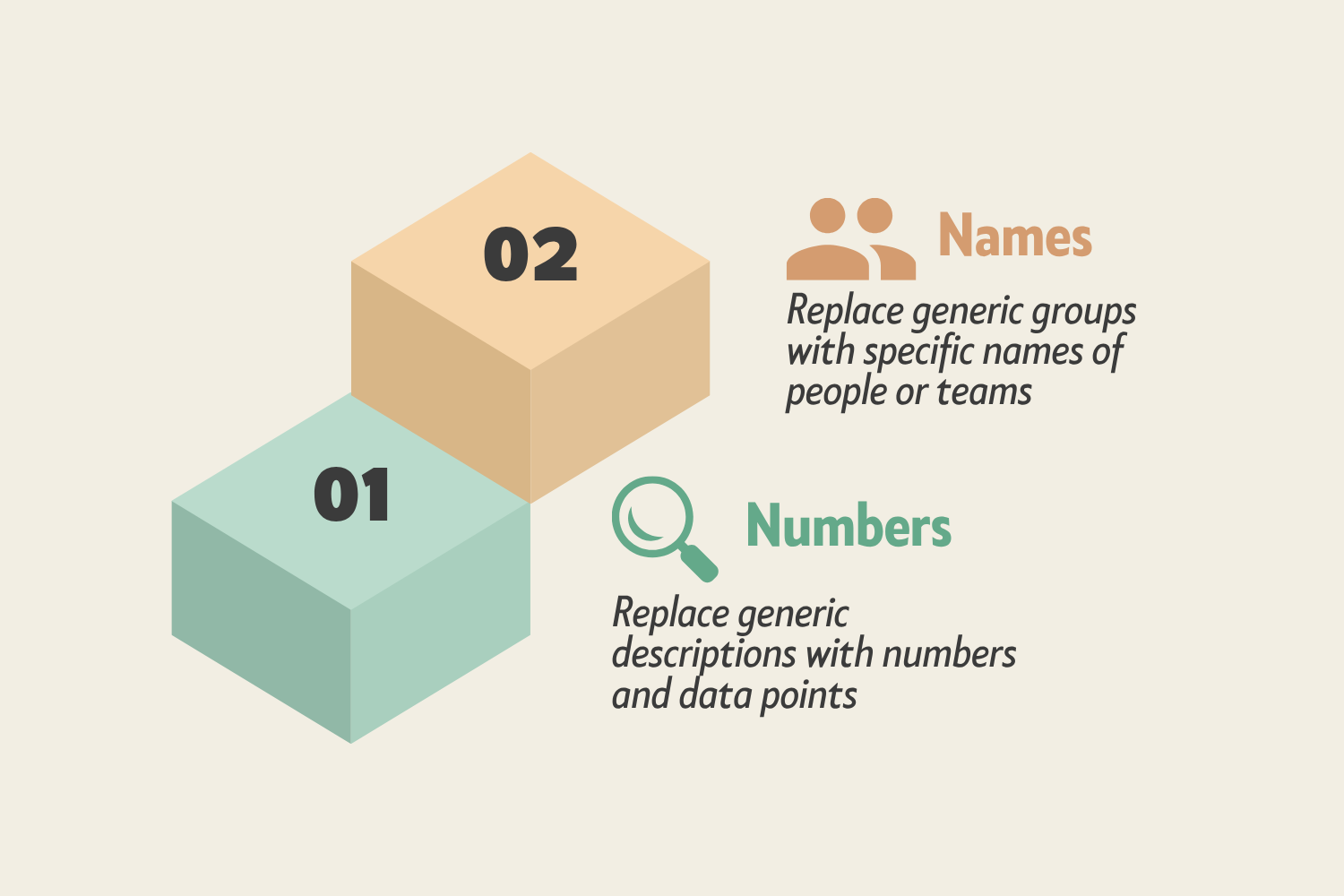
Cleverness to Clarity
Drop corporate jargon for clear, direct language — three reasons (trust, speed, growth) and the 2N Formula for doing it.

Conway's Law
Organizations build systems that mirror their own communication structure — your product's shape follows your org chart's shape.

Cynefin Framework
Dave Snowden's model sorts problems into four domains — Clear, Complicated, Complex, Chaotic — by cause-effect clarity, then matches your response.

Design Thinking
A human-centered process — empathize, define, ideate, prototype, test — for understanding the people living a problem before you design anything.

Dreamboxing
A model for turning vision into disciplined execution by cycling through three stages — Dream, Drive, Do — rather than favoring one.
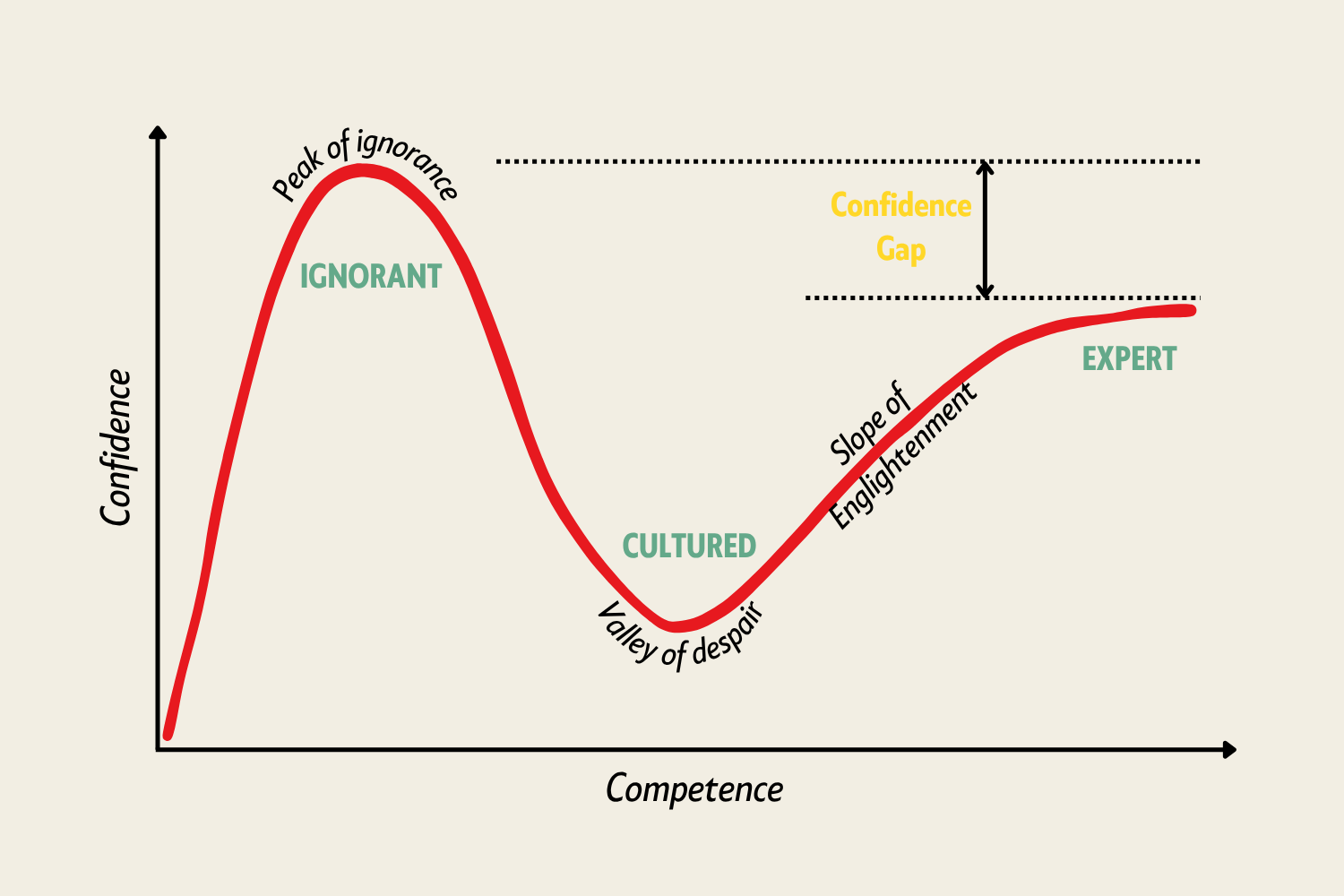
Dunning-Kruger Effect
Knowing little makes you feel unstoppable; knowing more makes you hesitate — the loudest voice is rarely the most reliable one.
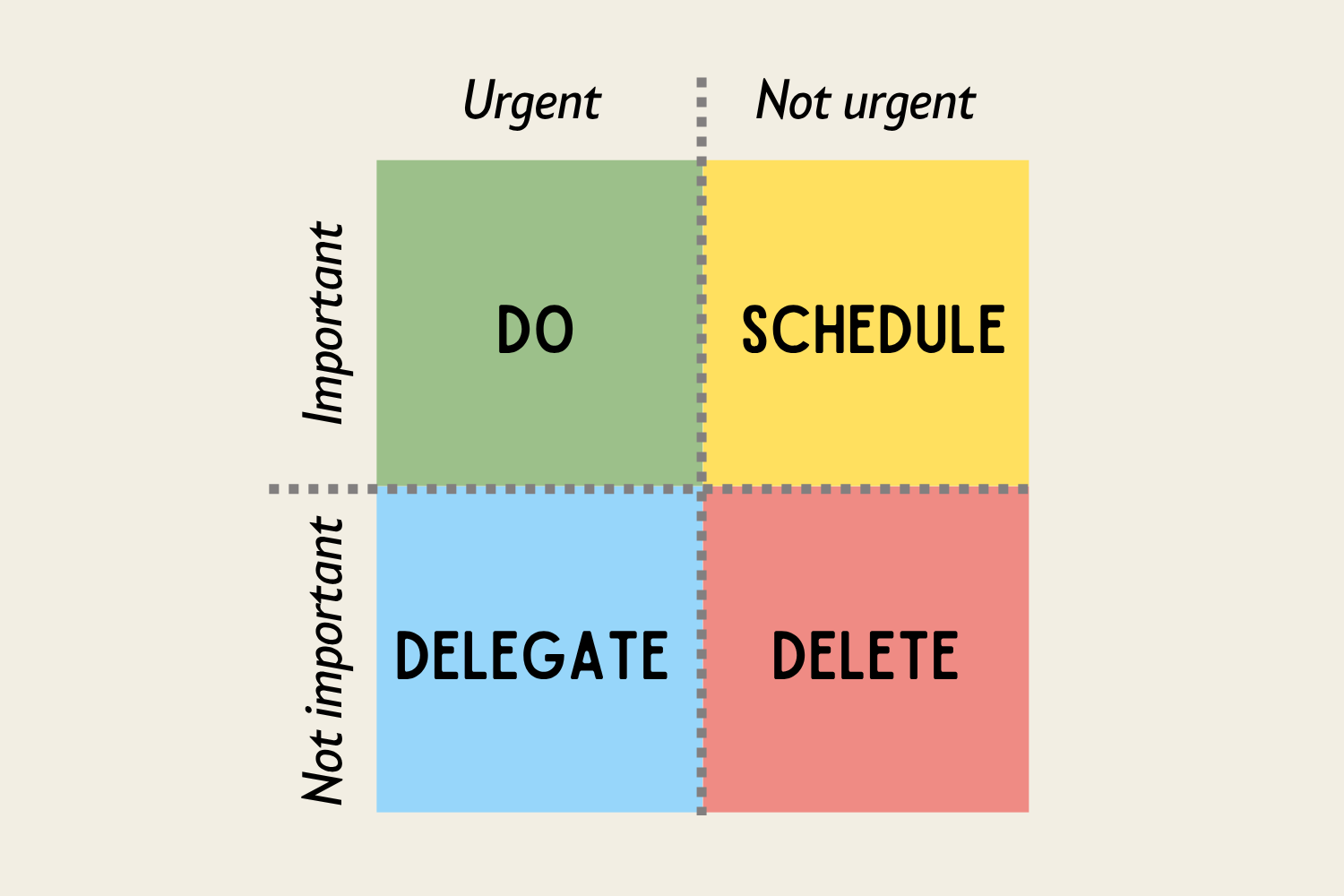
Eisenhower Matrix
A simple 2x2 that sorts tasks by urgency and importance, so what actually matters gets scheduled instead of whatever's loudest.

EQ Framework
A 2x2 of emotional intelligence — self or social, noticing or acting — giving four skills: self-awareness, self-management, social awareness, relationship management.

Feedback Sandwich
A feedback pattern that wraps criticism between two compliments — widely taught and used, and criticized for burying the message.

First Principles Thinking
Strip a problem to its foundational truths, discard every assumption, and rebuild your solution from the ground up.

FUEL Model
A four-stage coaching model — Frame, Understand, Explore, Lay out a plan — built for managers, ending in an actual plan.
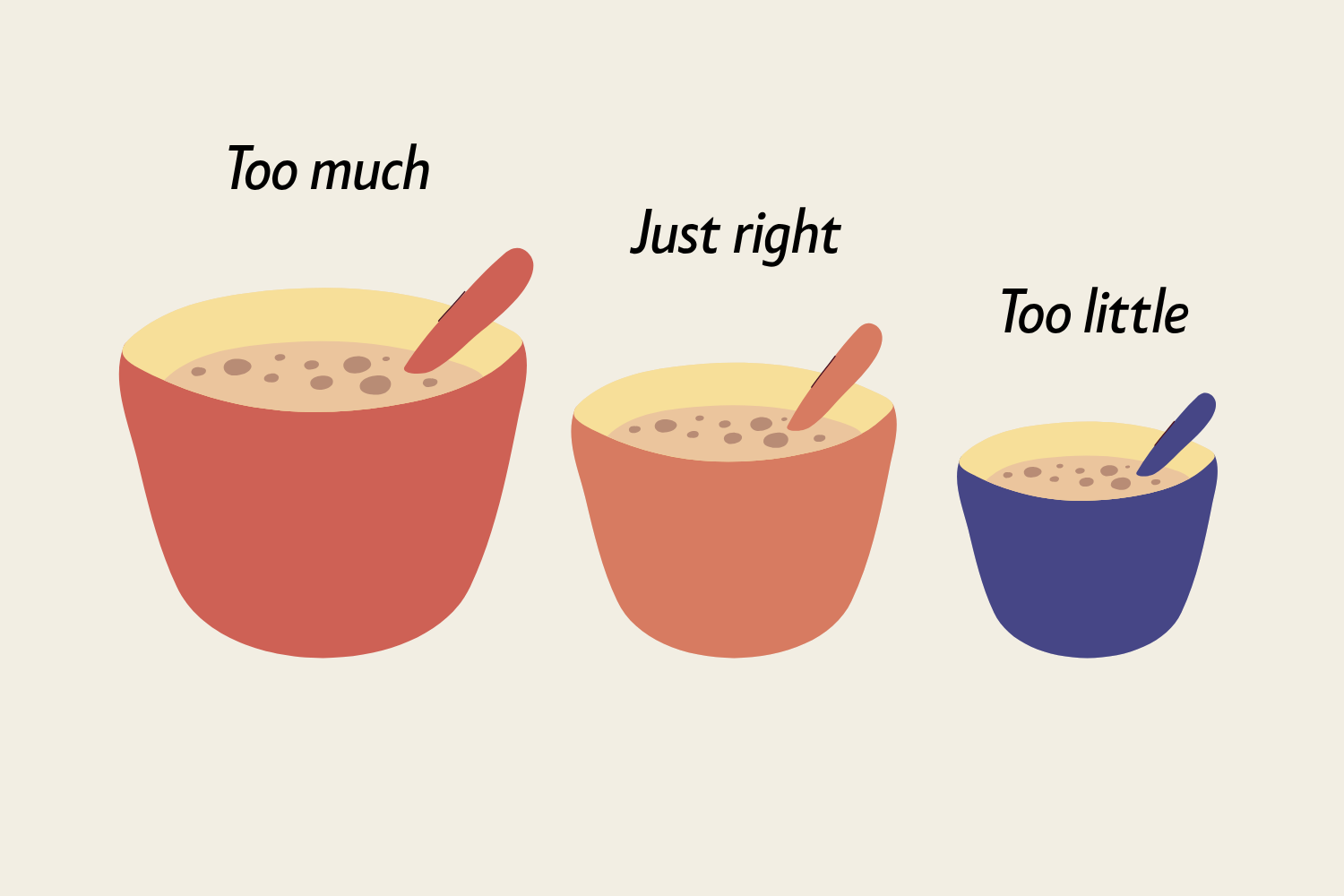
Goldilocks Principle
Support runs on a dial between micromanagement and abdication — enough direction for clarity, enough space for ownership, always moving.
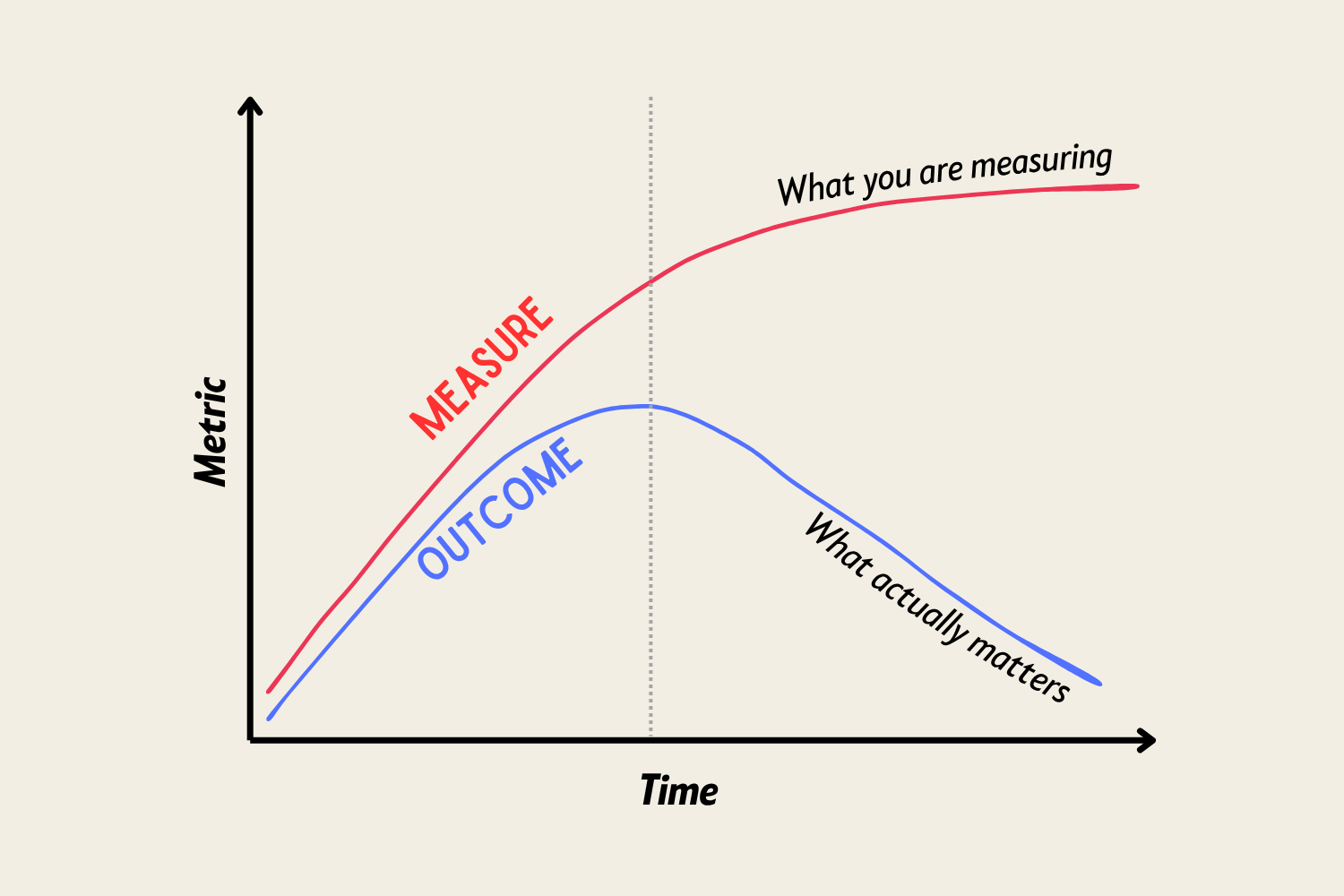
Goodhart's Law
"When a measure becomes a target, it stops being a good measure" — metrics with consequences get gamed.

Hawthorne Effect
People change how they behave when they know they're watched — your attention is an intervention that changes what you see.

IKEA Effect
You value things more when you helped build them — which is why a strategy handed to a team lands flat.

Ikigai
A Japanese concept locating your reason for being at the overlap of passion, skill, world need, and pay.
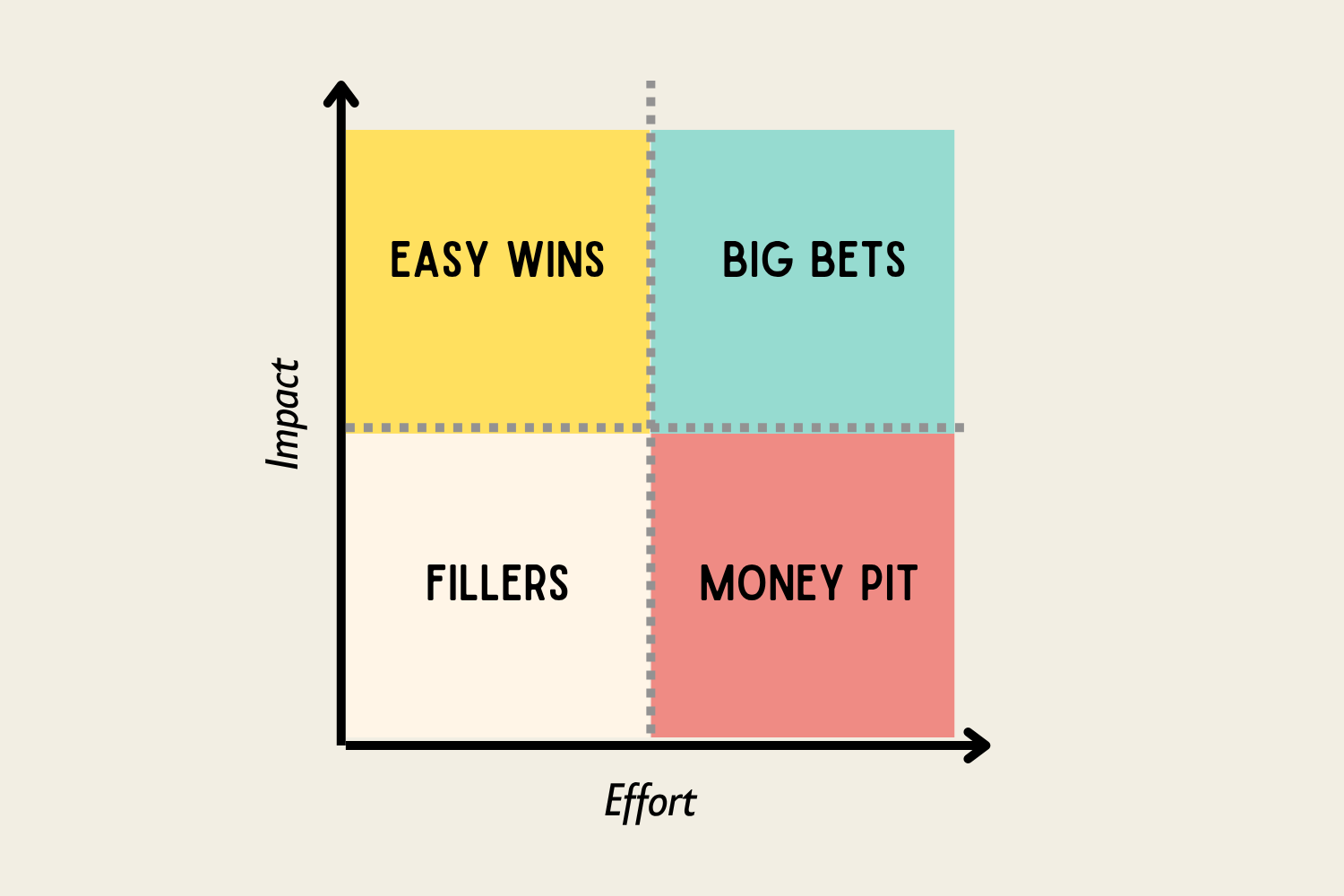
Impact-Effort Matrix
A 2x2 that plots initiatives by value against effort, so you see what to start now, plan for, or kill.

Inversion Principle
A thinking tool that swaps "how do I succeed?" for "how would this fail?" — surfacing failure modes forward planning misses.

Johari Window
A 2x2 mapping what you know about yourself against what others know — exposing blind spots, building trust through disclosure.

Kaizen
A continuous improvement philosophy built on small, repeated changes to the system your team works in — not big transformation programs.
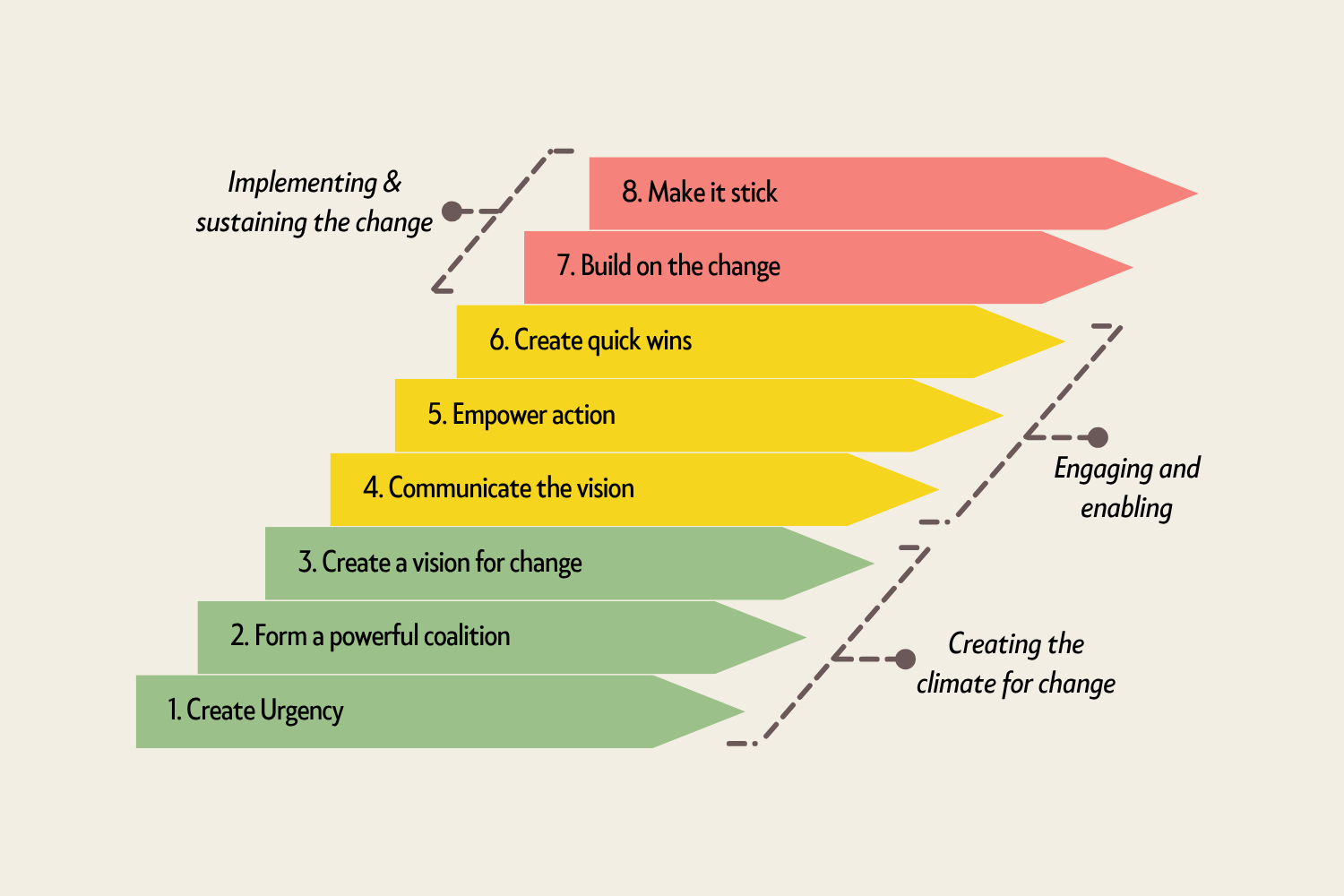
Kotter's 8-Step Change Model
John Kotter's eight-step process for leading change, from creating urgency to anchoring new behavior in culture — keeping transformations from reversing.
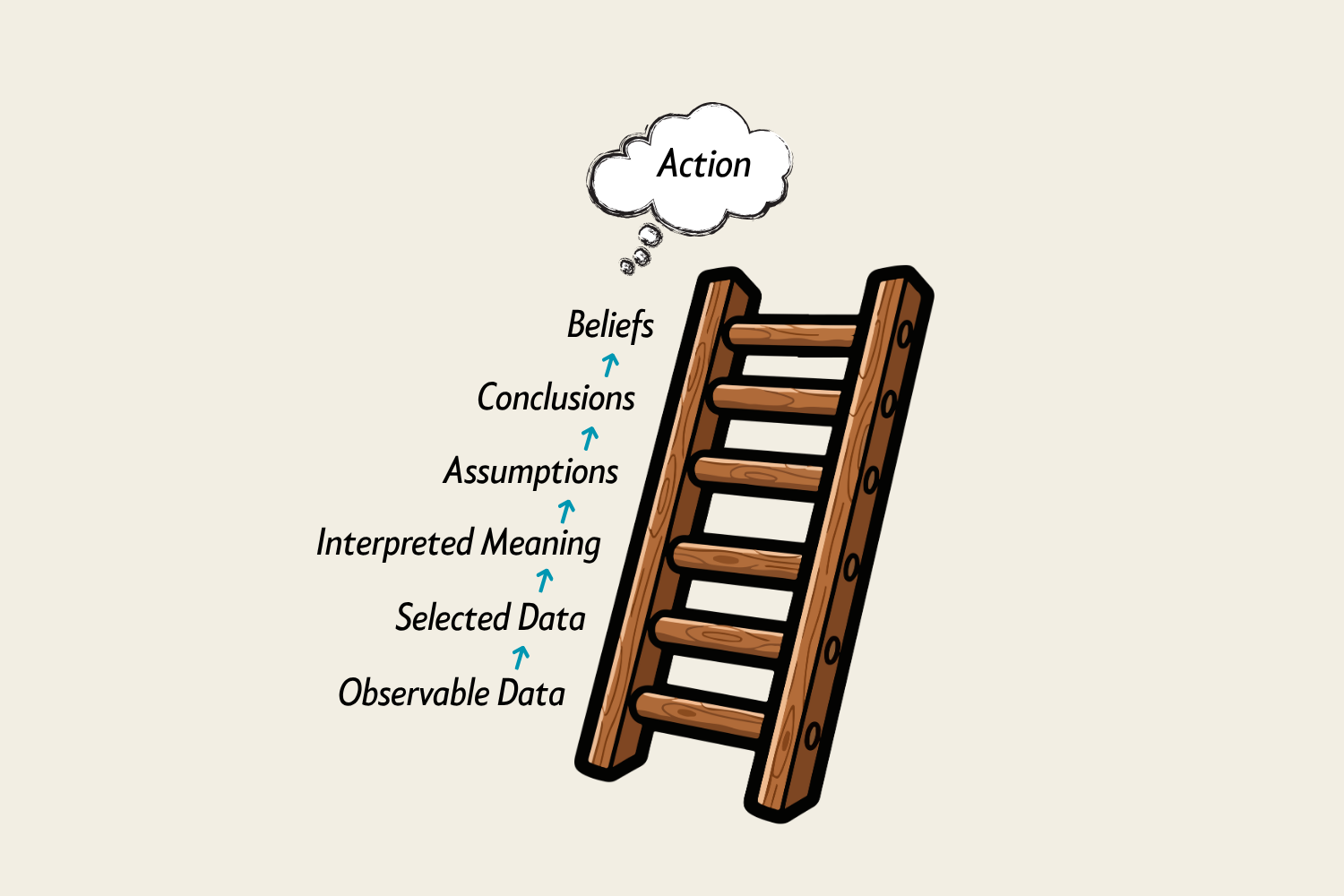
Ladder of Inference
Your mind turns a fact into belief through selection and assumption — you end up arguing with a story, not reality.

Lean Startup
Eric Ries's Build-Measure-Learn loop: test your riskiest assumption with the smallest product, measure what people do, then pivot or persist.

Lego Serious Play
A guided exercise building LEGO models as metaphors for a problem, then explaining them aloud, surfacing what discussions miss.
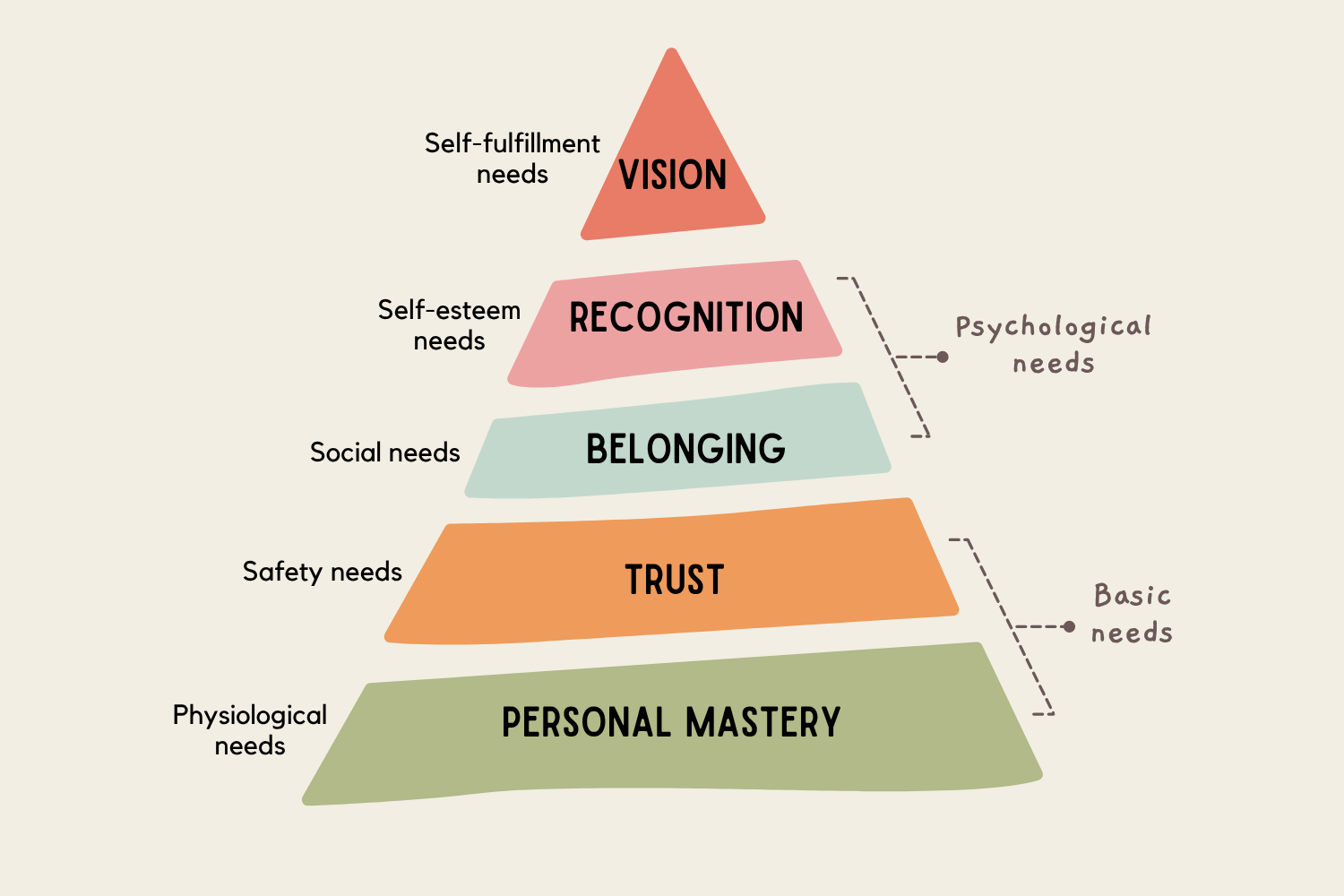
Maslow's Hierarchy of Needs
Abraham Maslow's five-level model of motivation, applied to leadership as a stack — mastery, trust, belonging, up through recognition and vision.

McKinsey 7S Framework
The McKinsey 7S model maps seven organizational pieces — Strategy, Structure, Systems, Shared Values, Style, Staff, Skills — to spot misalignment.
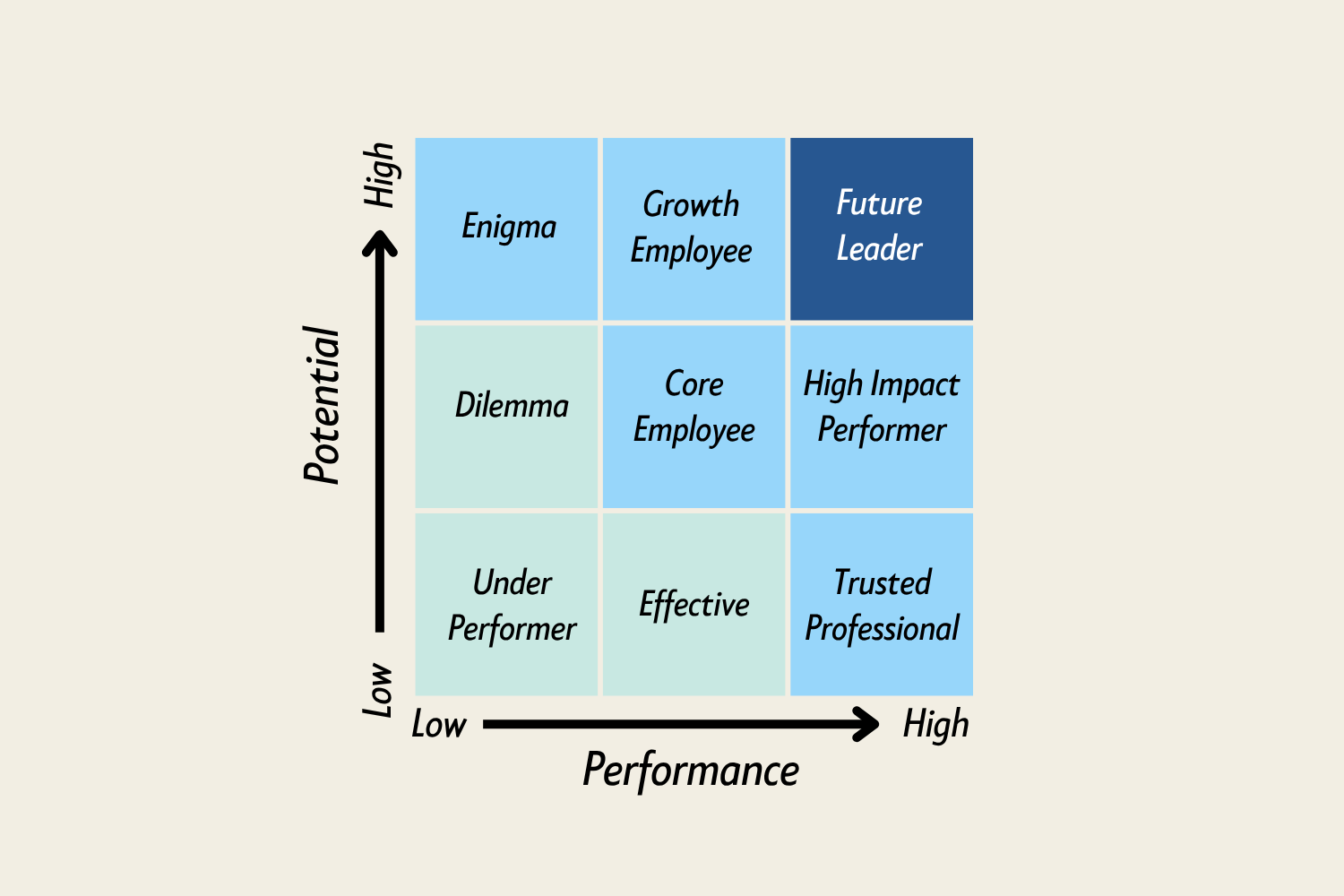
McKinsey 9-Box Model
A 3x3 grid that plots each person on performance against potential, giving nine distinct calls instead of one blurry verdict.

McKinsey's Three Horizons Model
Split your team's effort across three time frames — defend the core, grow what's emerging, seed future bets — without mortgaging tomorrow.

Mind Boxing
A six-box grid crossing People, Process, Product against Strategy and Tactics — deciding where your leadership time actually goes.

MoSCoW Method
A prioritization method sorting your plate into four buckets — Must have, Should have, Could have, Won't have — forcing trade-offs early.

Multipliers and Diminishers
Liz Wiseman's split between leaders who bring out best thinking in people around them, and those who shut it down.

Occam's Razor
Among competing explanations, pick the one with fewest assumptions — in leadership, diagnose simply, build lean, and say what actually matters.

OKR Model
Objectives and Key Results: pair an ambitious objective with measurable key results and the initiatives that move them.

OODA Loop
John Boyd's four-stage decision cycle — Observe, Orient, Decide, Act — for fast, adaptive calls under pressure, run as a loop.
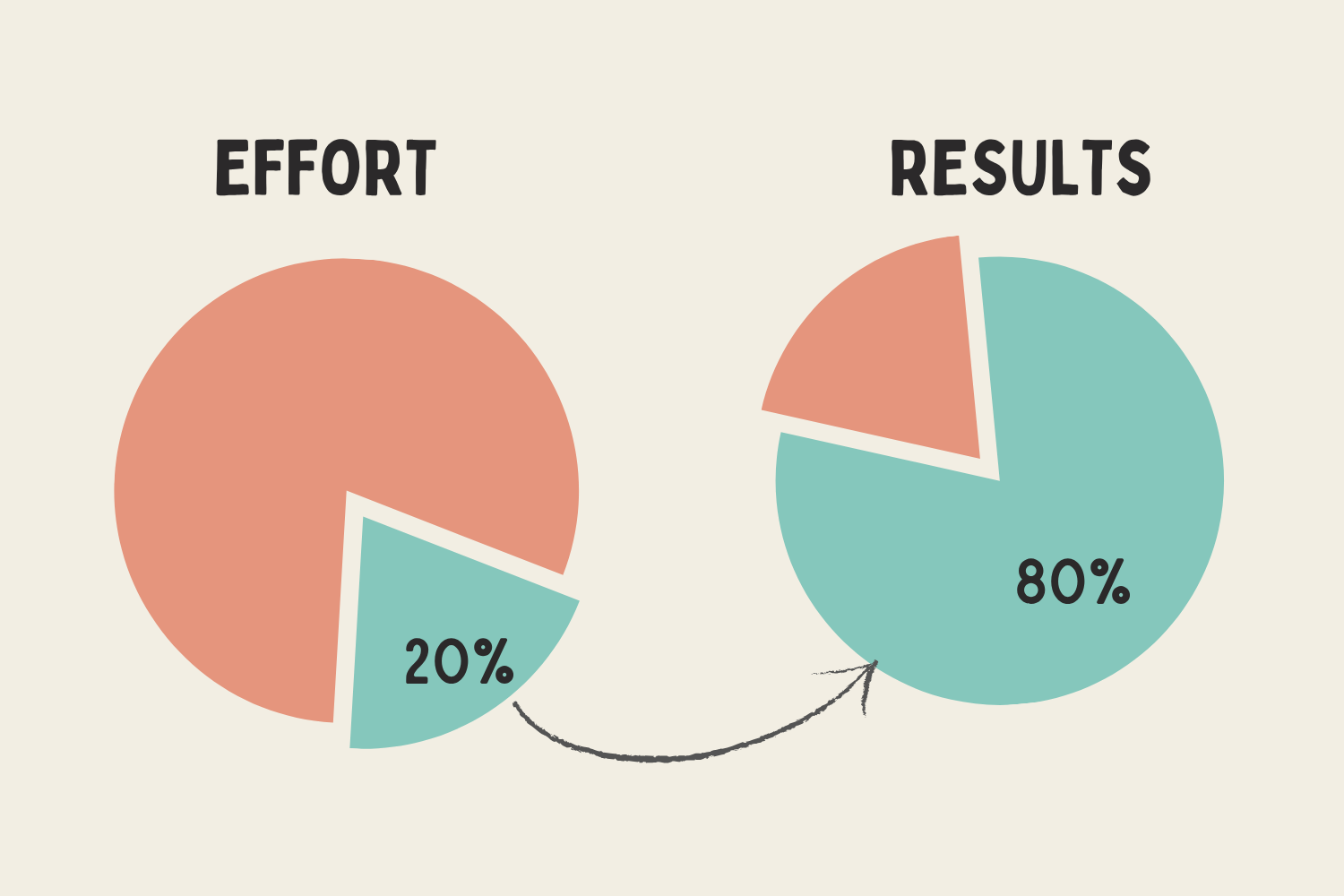
Pareto Principle
Roughly 80% of outcomes come from 20% of causes — find the vital few projects, people, and bottlenecks driving results.
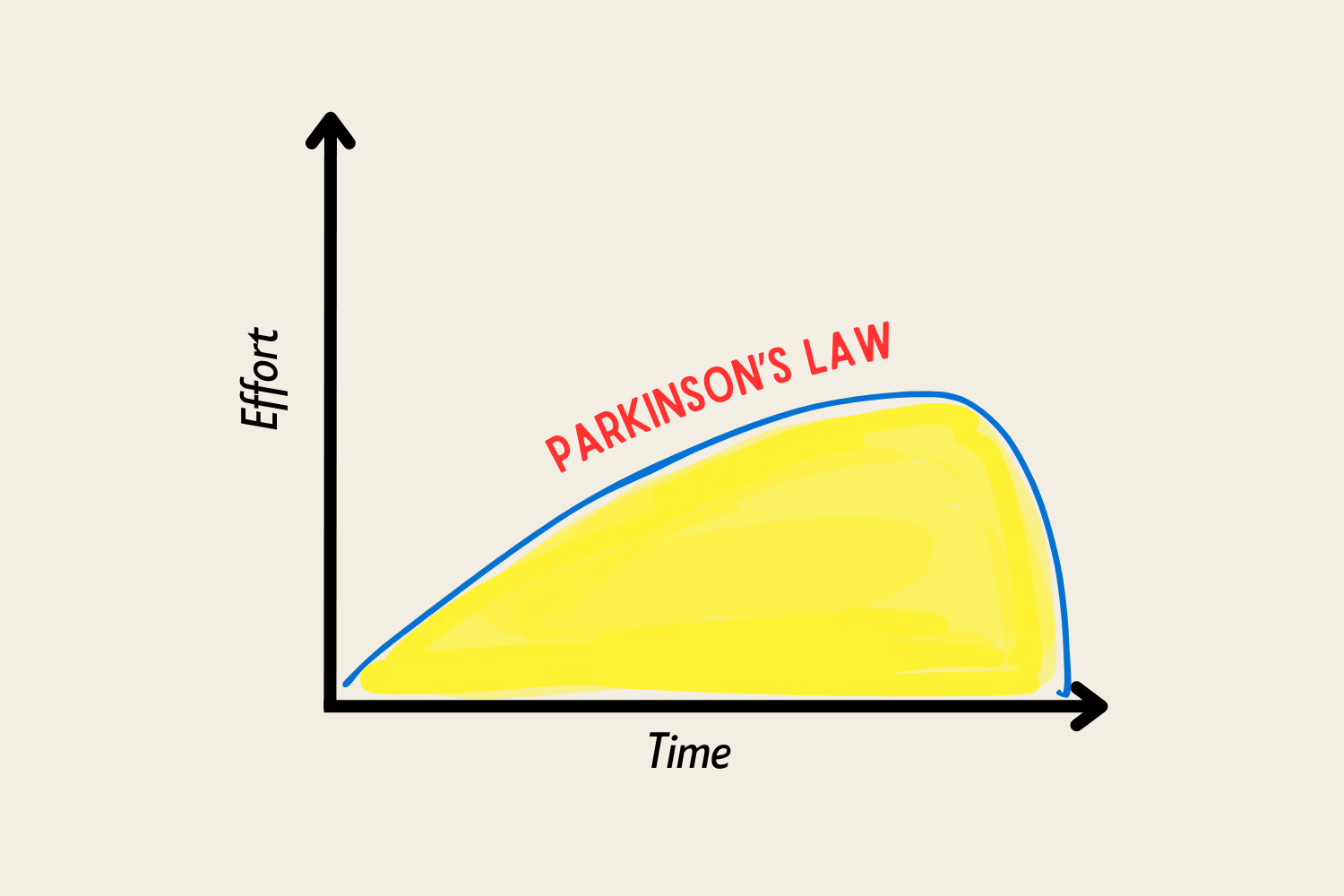
Parkinson's Law
Work expands to fill the time you give it — deadlines shape effort more than the work itself, so tighten deadlines.

Peter Principle
In a hierarchy, everyone rises to their level of incompetence, because promotion rewards your current job, not tomorrow's.

Porter's Five Forces
Porter's answer to why some industries are brutal for profit — five forces shaping any market, telling you where to compete.

Premortem Technique
Assume the project has failed by a specific date, then explain why — hindsight gets your team saying what they thought.

Probabilistic Thinking
Stop betting on one predicted future — assign real probabilities to outcomes, weigh them by impact, and let the math decide.
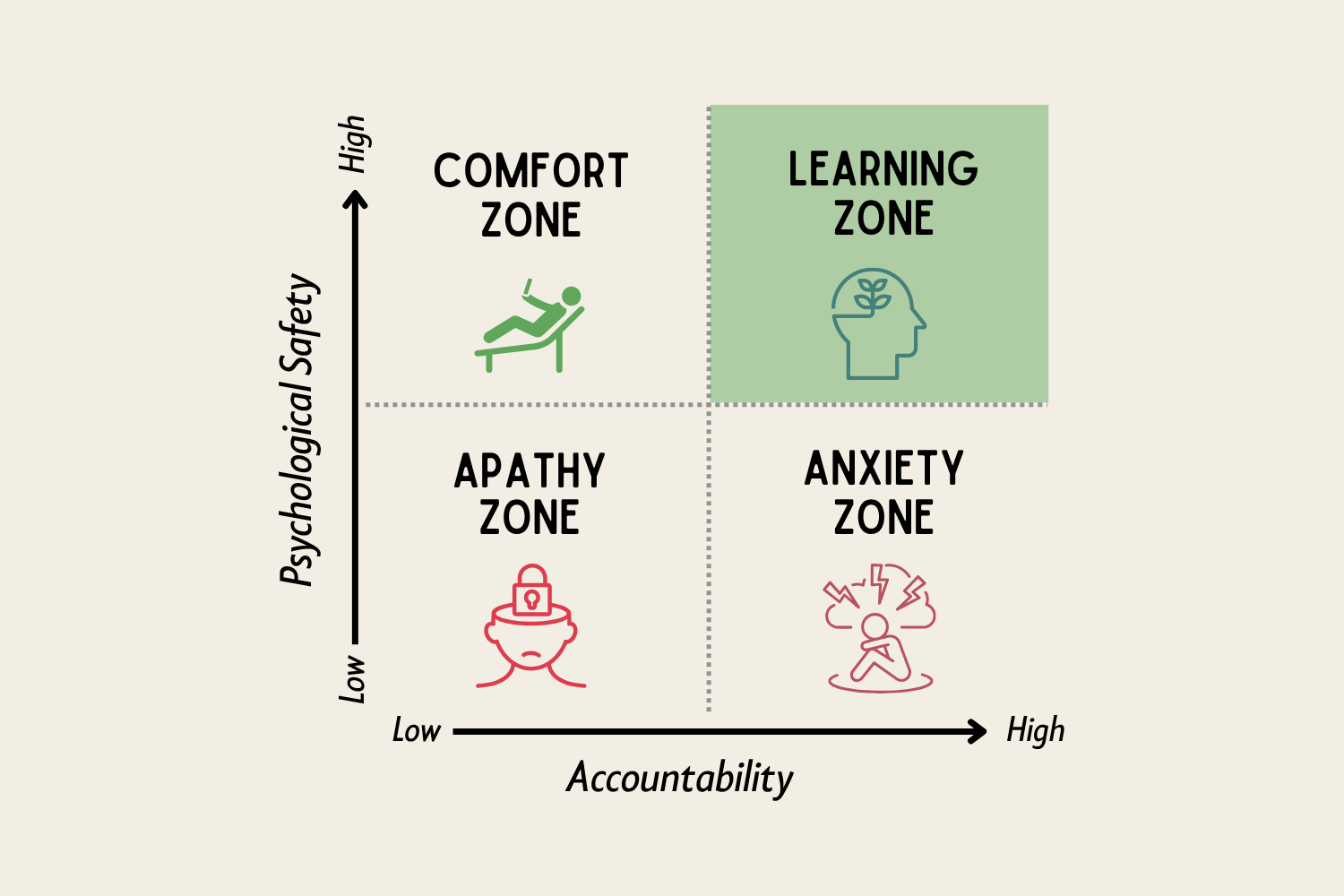
Psychological Safety
Amy Edmondson's finding that people must feel safe taking risks — a dumb question, a mistake — before a team can perform.
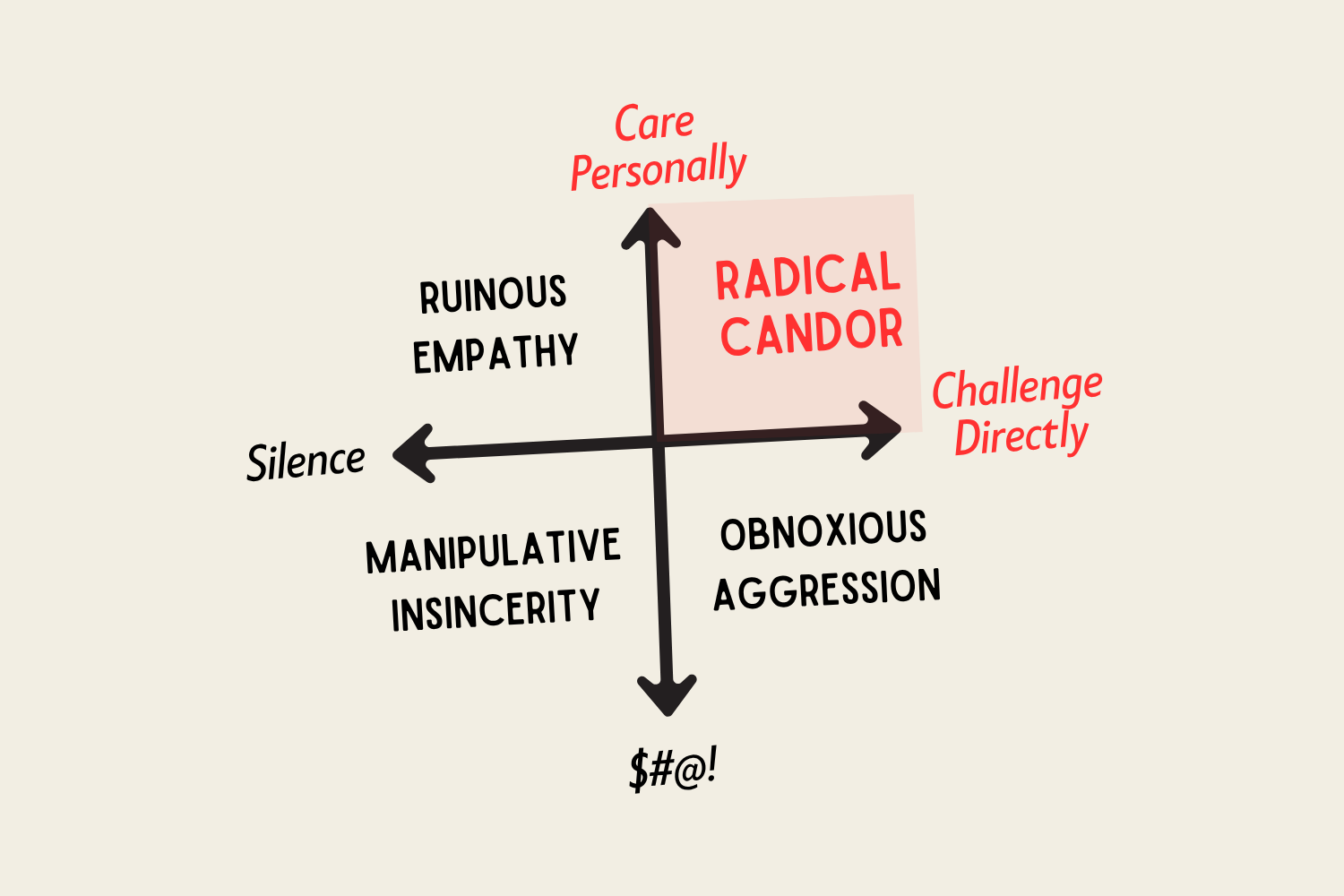
Radical Candor
Kim Scott's rule that good feedback means caring personally and challenging directly at once — a 2x2 for what goes wrong.
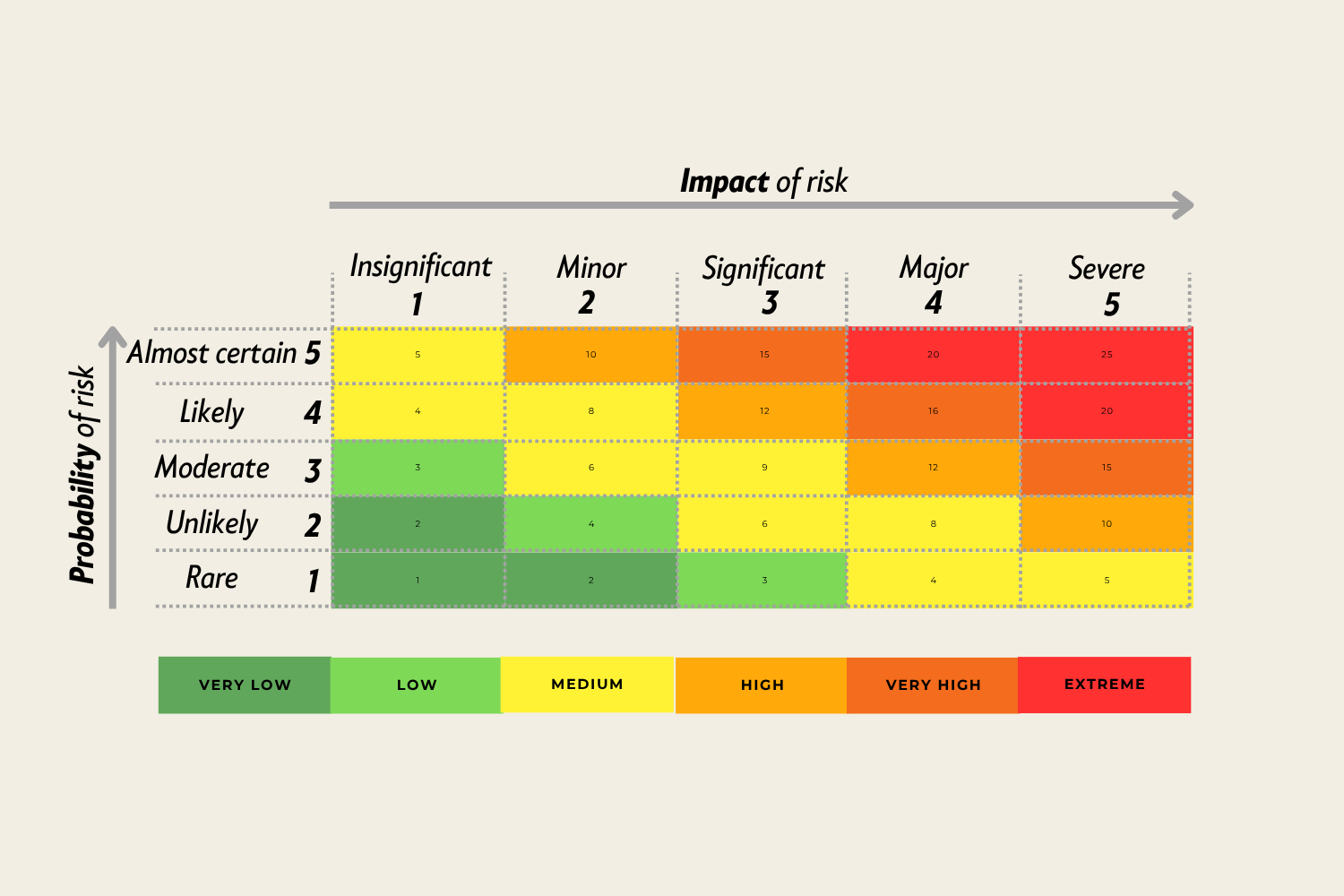
Risk Assessment Matrix
The grid for scoring risks by likelihood and impact, turning a messy list of worries into a ranked priority order.
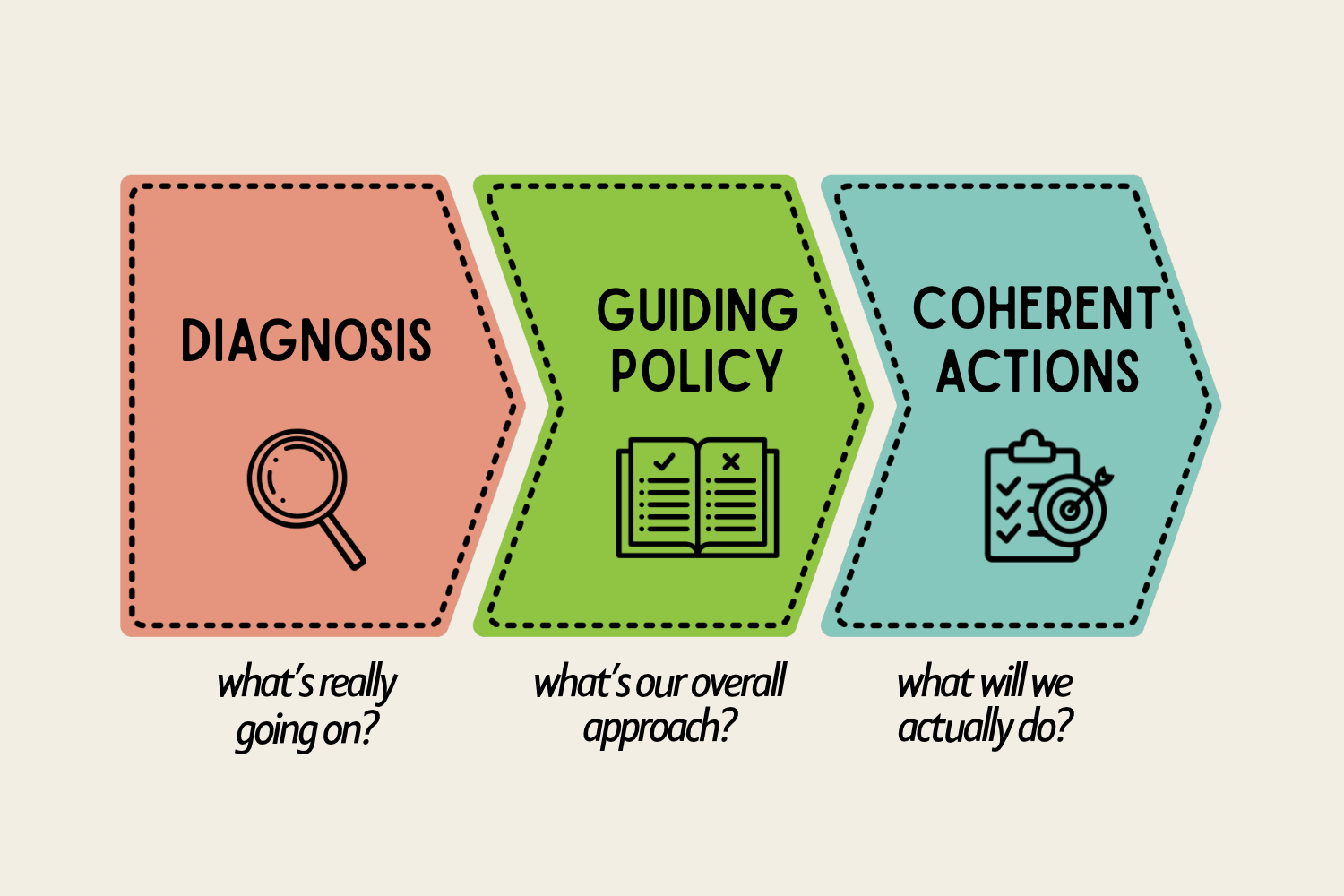
Rumelt's Kernel
Richard Rumelt's test for telling a real strategy from a list of goals — a diagnosis, a guiding policy, and coherent actions. Miss any one of the three and what you have is a wish, not a strategy.

SBI Model
Situation, Behavior, Impact — a three-part way to give feedback that stays specific and observable instead of judging someone's character.

SCAMPER Technique
Seven forced questions — Substitute, Combine, Adapt, Modify, Put to another use, Eliminate, Reverse — generating ideas by twisting what exists.
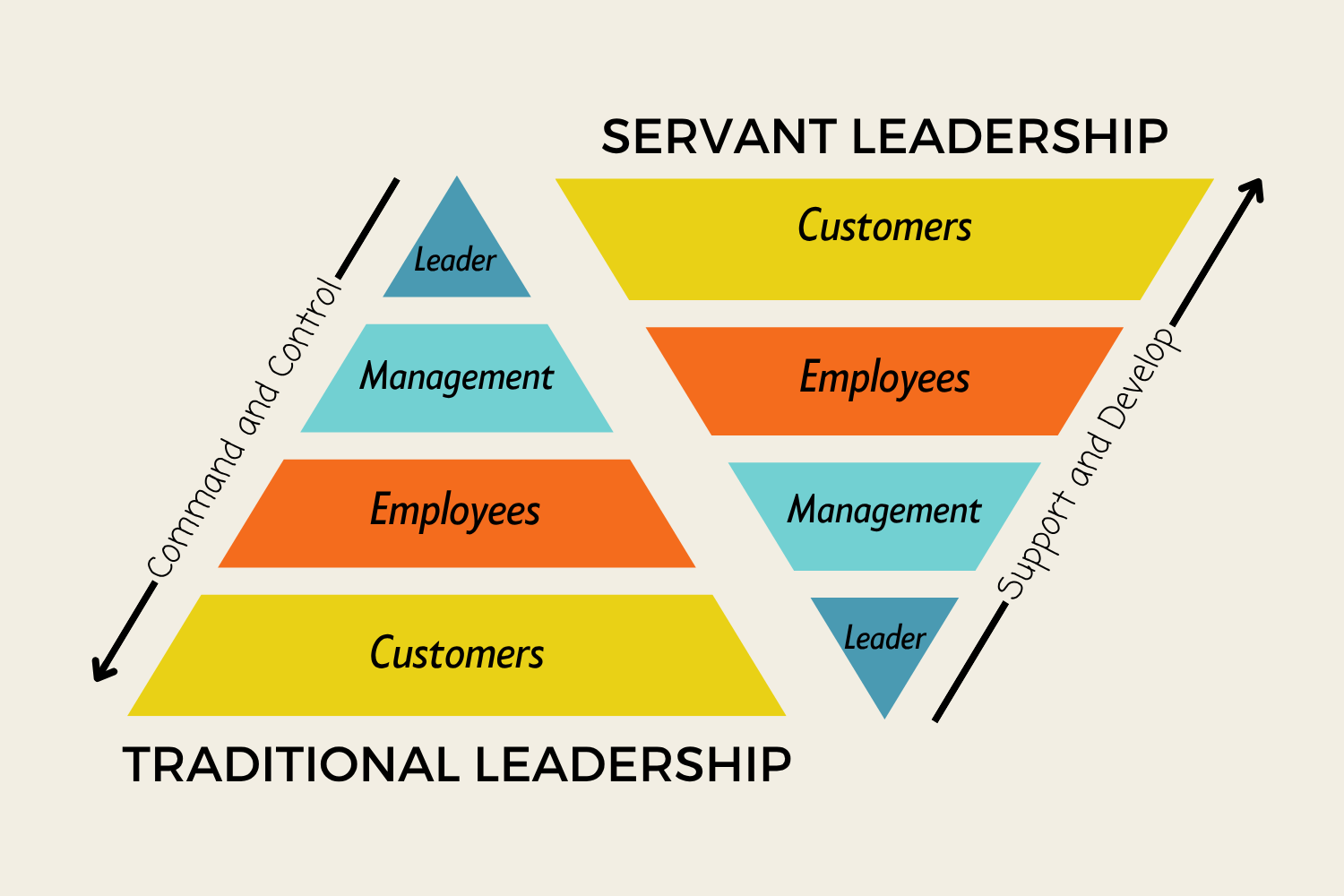
Servant Leadership
Flip "how can my team help me?" to "how can I help my team?" — job becomes removing obstacles, growing people.
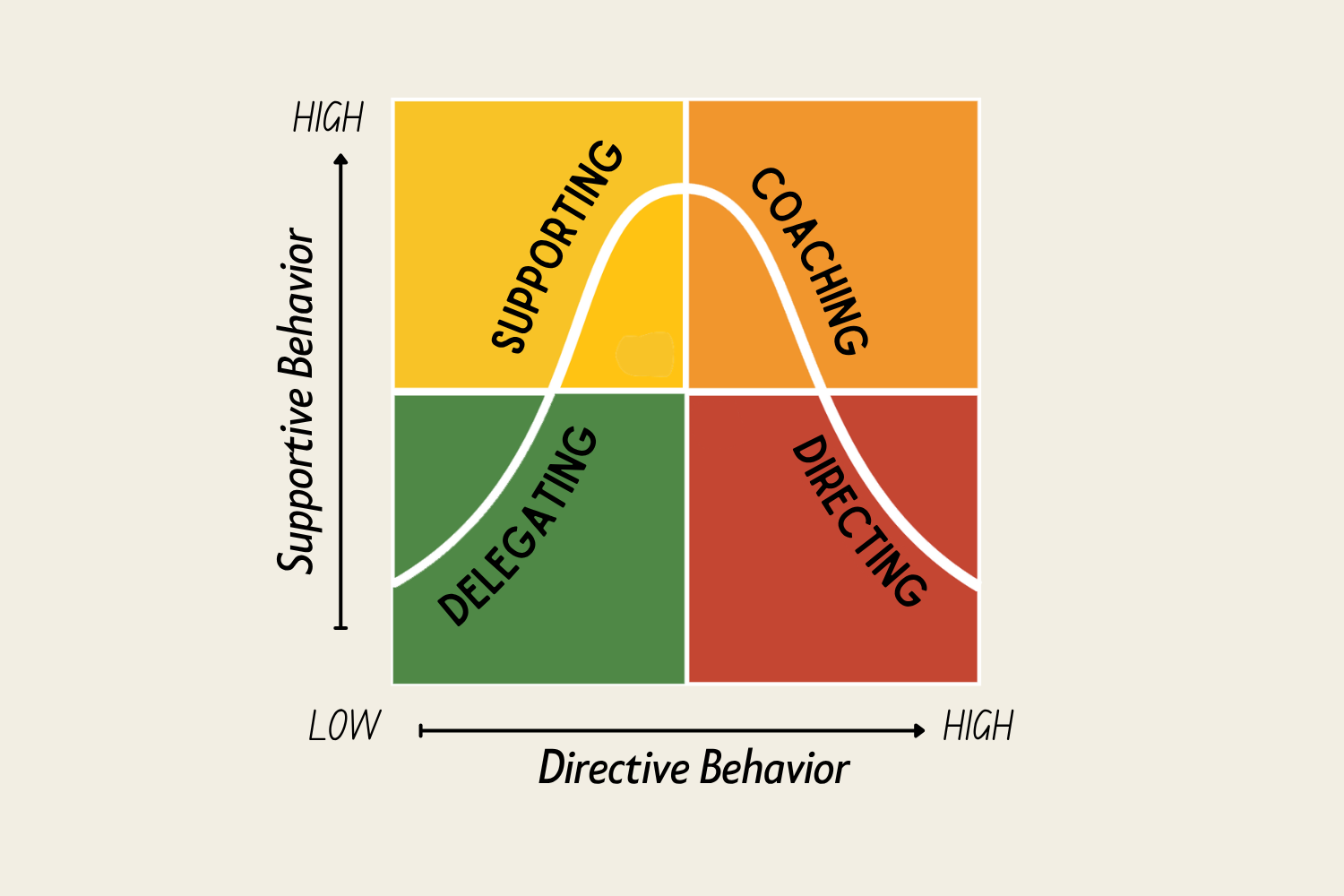
Situational Leadership
There's no right way to lead — only the right way for this person right now: direct, coach, support, or delegate.

Six Sigma
A data-driven way to remove root causes of defects, via the DMAIC cycle: define, measure, analyze, improve, control.

SMART Goals
A five-letter test for turning an intention into an executable goal: Specific, Measurable, Achievable, Relevant, Time-bound — easy to get wrong.

Spiral Dynamics
Eight color-coded value systems shaping what people care about at work — success, purpose, relationships — matched to stop guessing motivation.

STAR Technique
Turn an experience into evidence in four parts — Situation, Task, Action, Result — to advocate for your people, make the case.
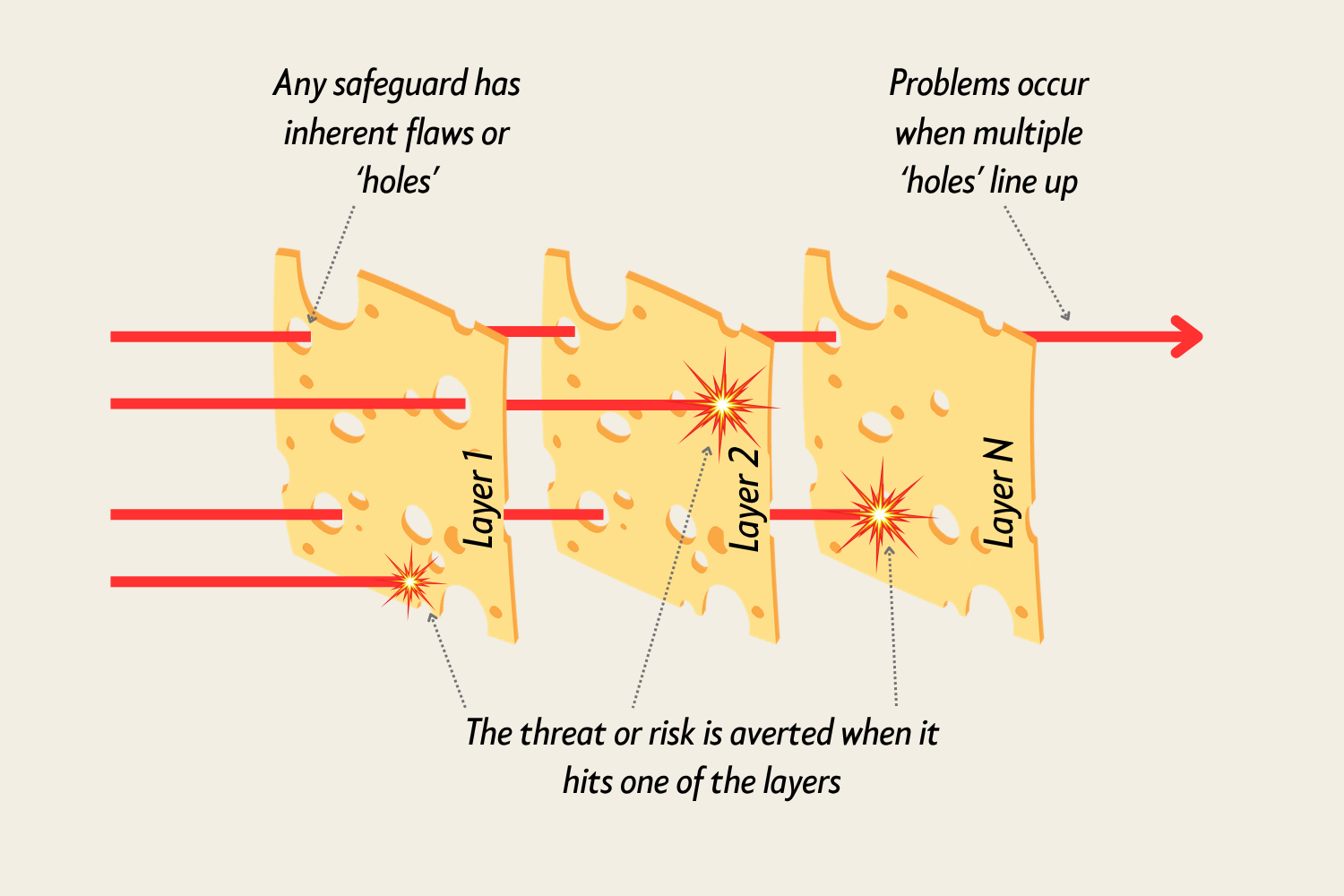
Swiss Cheese Model
Every layer of defense has holes — failure gets through only when several holes line up — fix is redundancy, not perfection.

SWOT Analysis
A four-box check on Strengths, Weaknesses, Opportunities, Threats — splitting what you control from what you don't before deciding what's next.
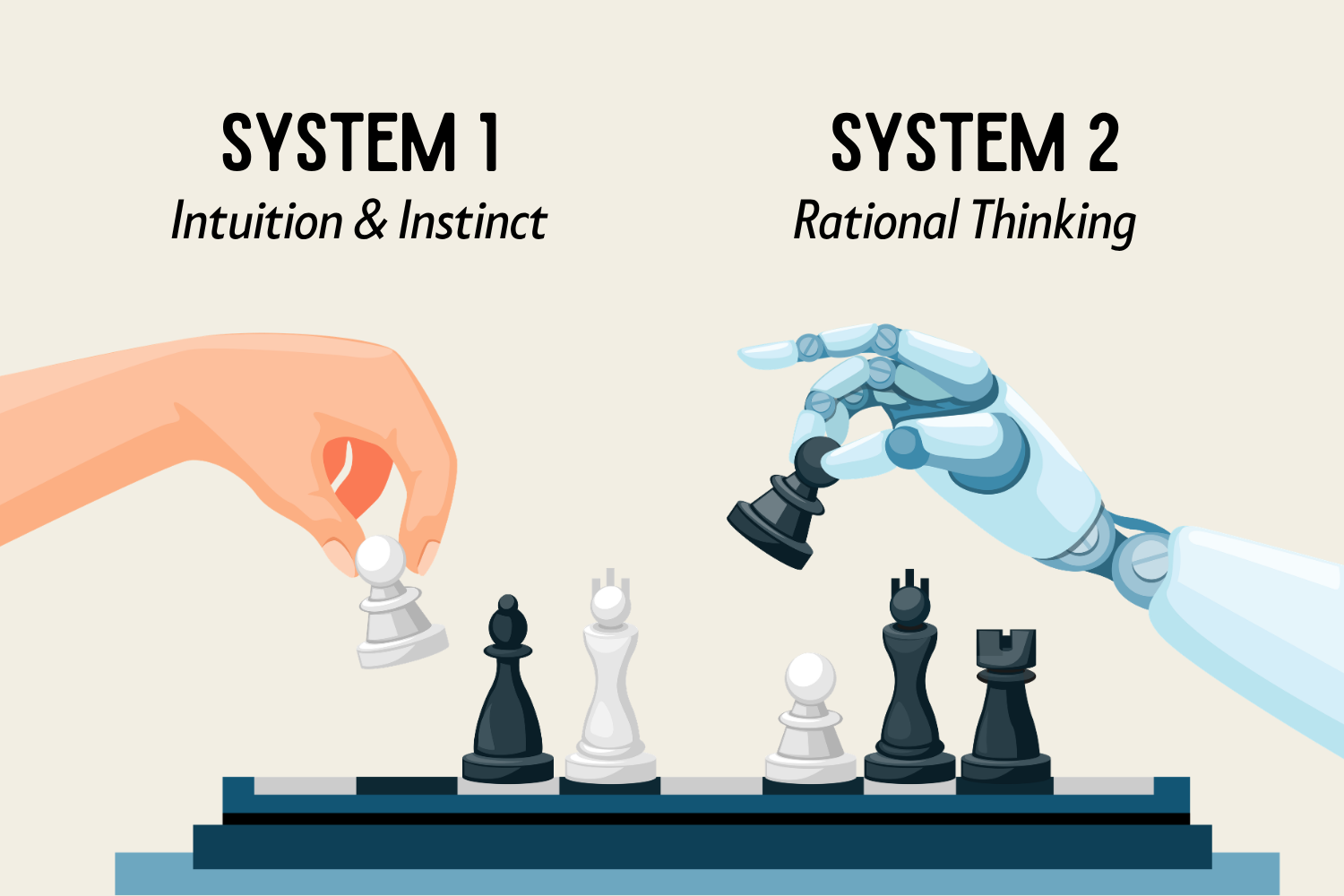
System 1 and System 2 Thinking
Your brain runs fast, gut-level System 1 and slow, deliberate System 2 — knowing which a moment needs is the skill.
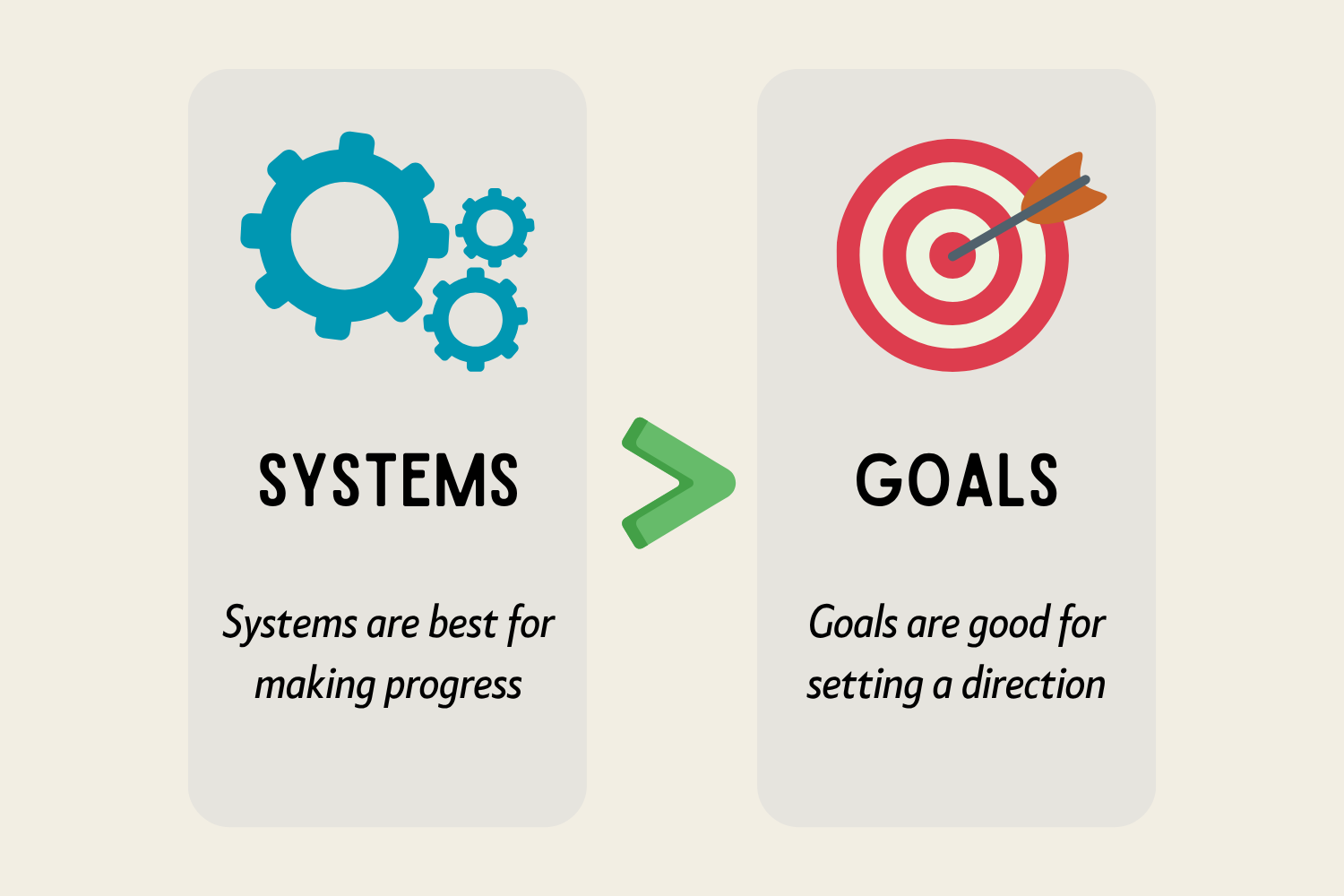
Systems > Goals
Results come from repeatable habits, not targets — turn every goal into a system of leading behaviors you design and track.

T-GROW
A five-stage coaching structure — Topic, Goal, Reality, Options, Way Forward — that names what's actually worth discussing before it moves you from where you are to where you want to be.

The 3 Conditions for Change
A team can agree in the room and change nothing after — change needs three conditions at once: Willingness, Desire, Courage.

The 3 Pillars of Smart Work
Smart work isn't doing less — it's efficiency, creativity, and discipline together, not permission to coast on "work smart, not hard."
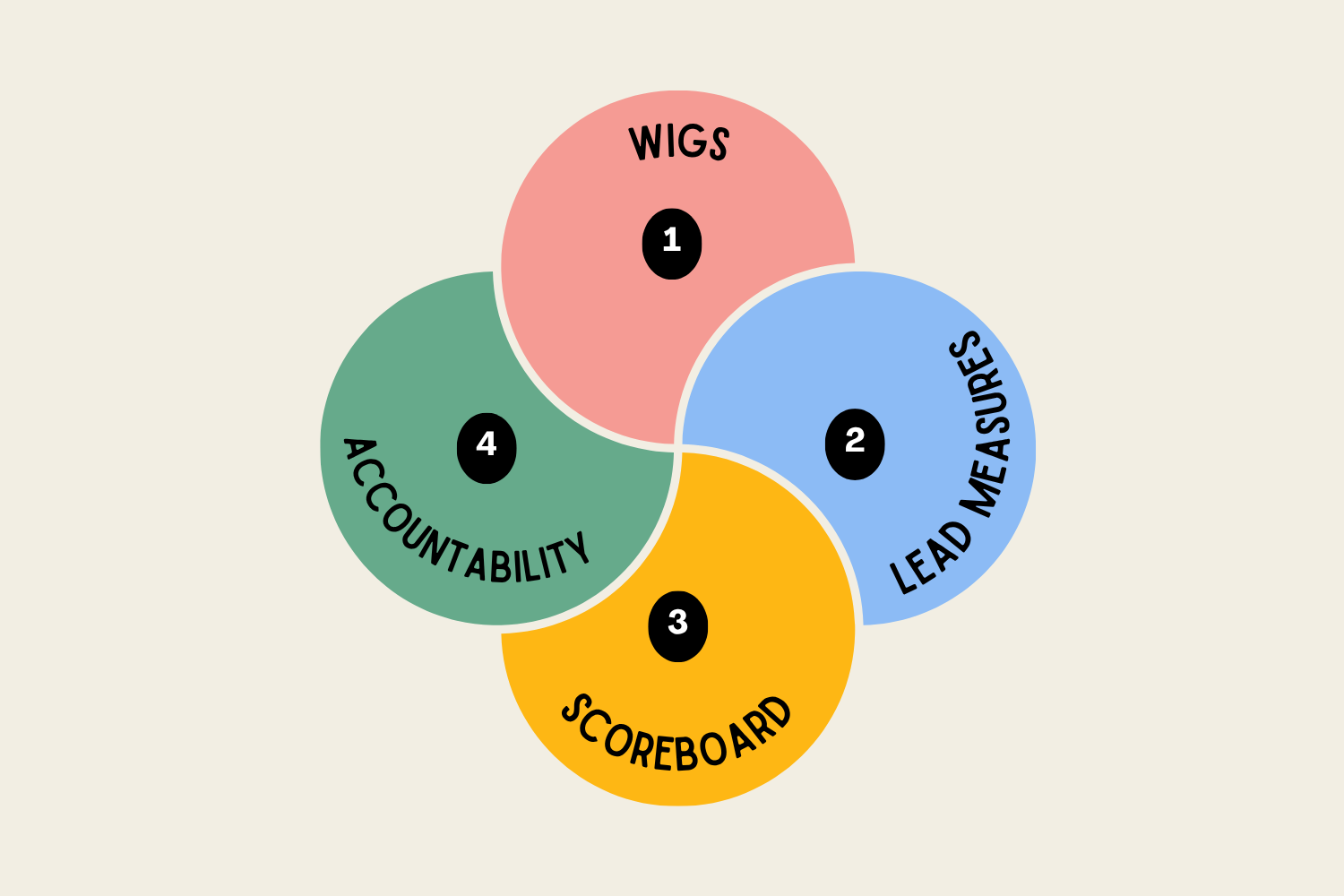
The 4 Disciplines of Execution
Four disciplines for hitting your important goals: narrow focus, act on lead measures, keep a visible scoreboard, run weekly accountability.

The 5 Whys
Ask "why" repeatedly — about five times — until you move past the symptom and land on the cause you can fix.

The 6 Human Needs
Every behavior at work is really an unmet need in disguise — six needs, popularized by Tony Robbins, worth checking first.
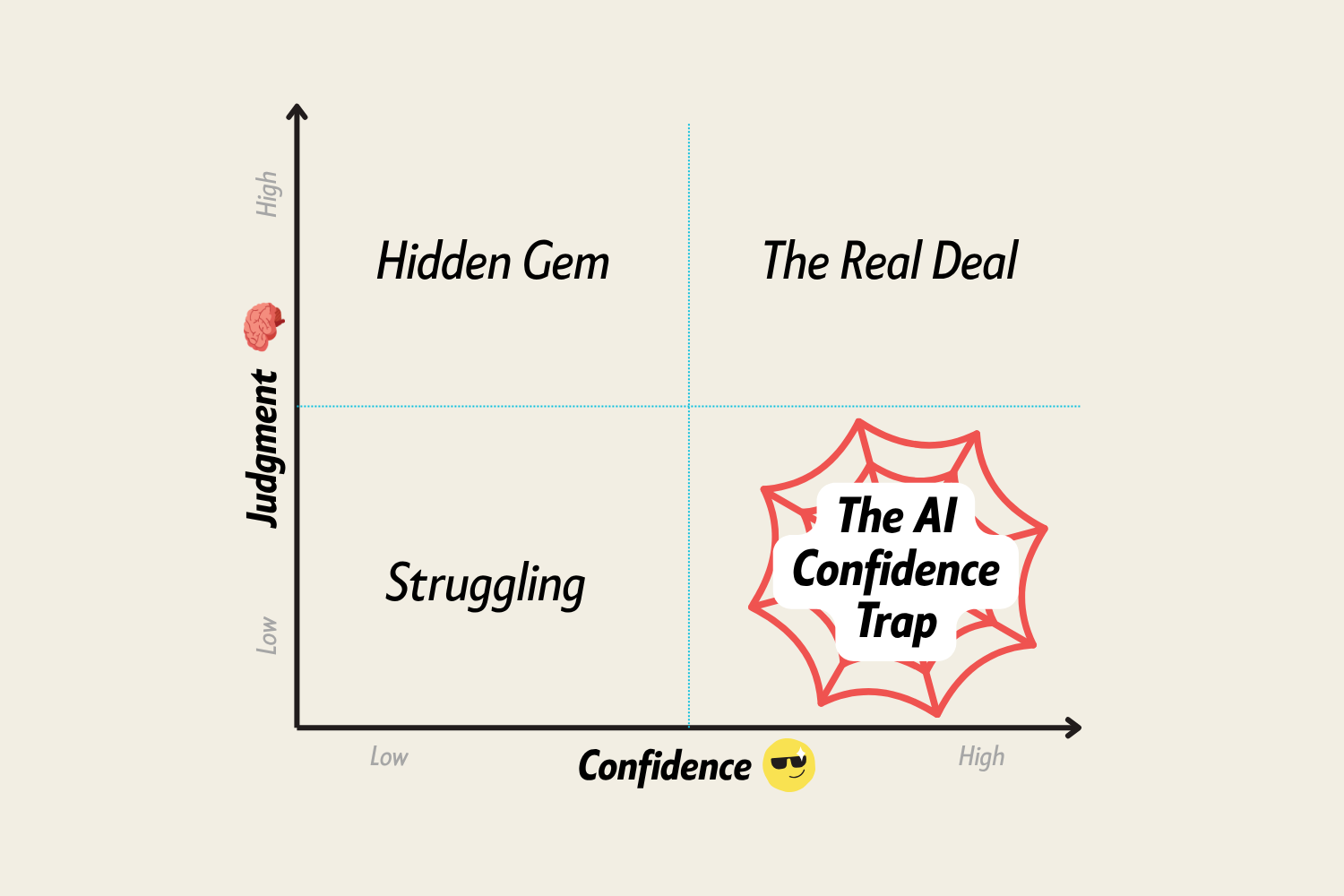
The AI Confidence Trap
AI-polished output can look like real competence when the thinking behind it isn't there — judge the reasoning, not the polish.

The AI Culture Stack
Same AI tools and budget, wildly different results — the gap isn't the technology, it's three layers underneath: permission, fluency, judgment.

The AI Fluency Framework
AI fluency isn't a prompting skill — it's the same four competencies that make someone a good manager: delegating, briefing, reviewing, and owning.
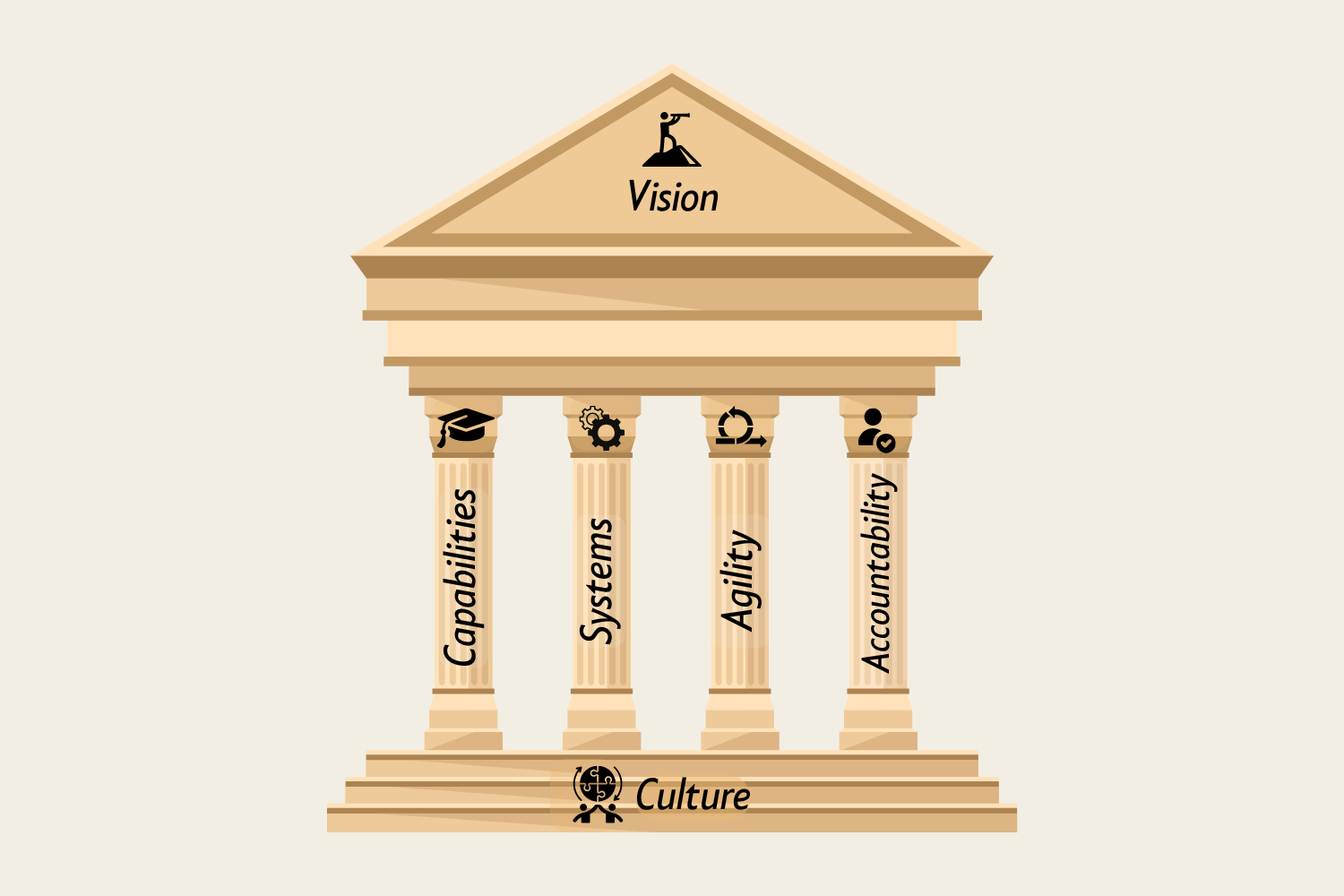
The Architecture of High-Performing Teams
Six elements, built like a temple — culture as the base, four pillars, vision as the roof — name the missing piece.

The Bannister Effect
One person breaking a barrier makes it stop being fixed for everyone else — break the unspoken belief in public first.

The Double Diamond
A four-stage process that separates problem space from solution space — expand then narrow each — so you solve the right problem.

The Five Dysfunctions of a Team
Lencioni's pyramid of five team-killing behaviors — a lack of trust at the base drags everything above it down.
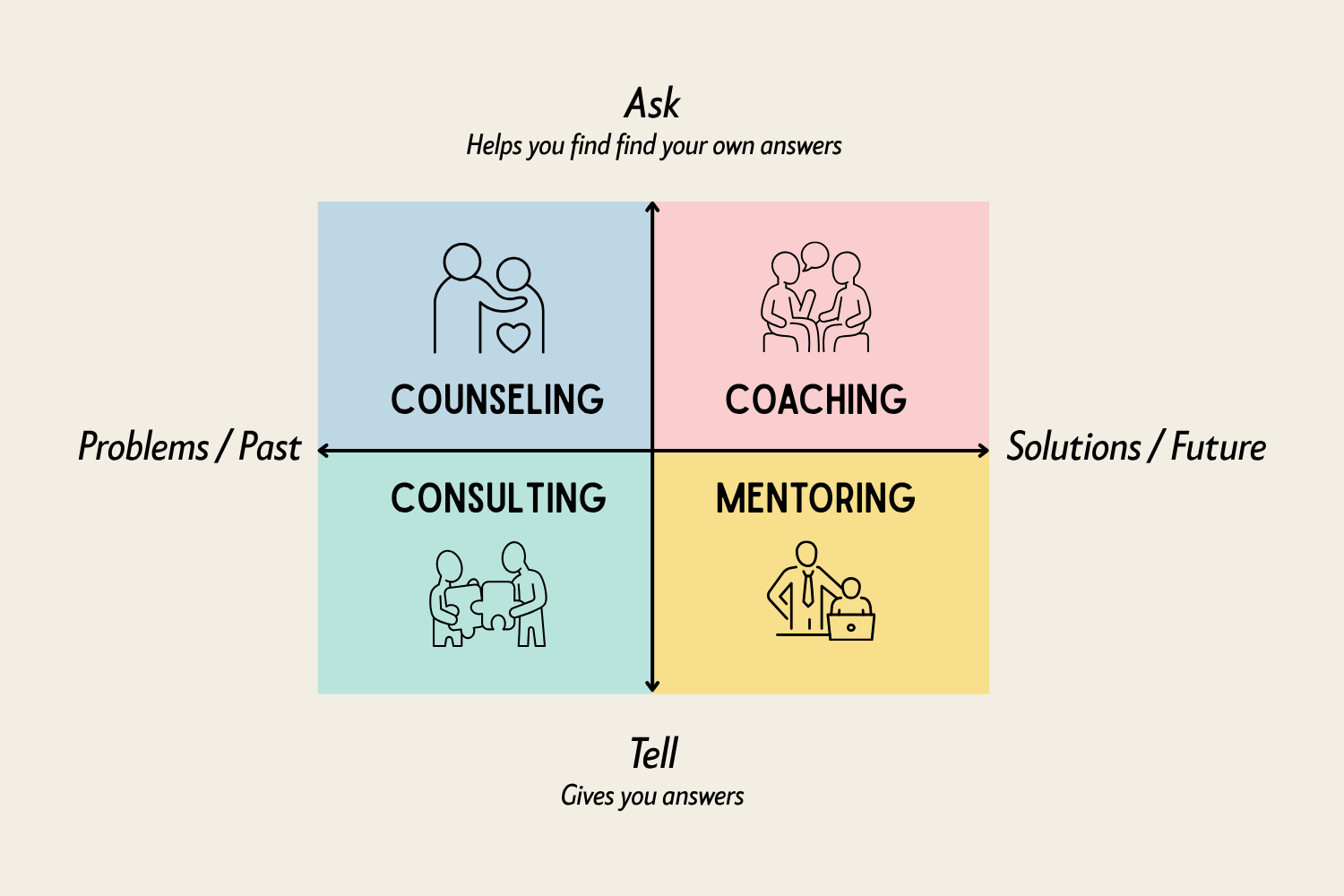
The Four Leadership Support Roles
A 2x2 separating four modes for helping someone — coaching, mentoring, counseling, consulting — plus a test for picking the right one.

The Four Temperaments
An ancient personality model — Sanguine, Choleric, Melancholic, Phlegmatic — a fast vocabulary for reading your style, your team, and your boss.

The Golden Circle
Simon Sinek's three-ring model: most leaders talk What, How, Why — inspiring ones flip it, because belief precedes product.

The Hedgehog Concept
Jim Collins' test for finding what your team should be built around — where passion, potential, and results overlap.
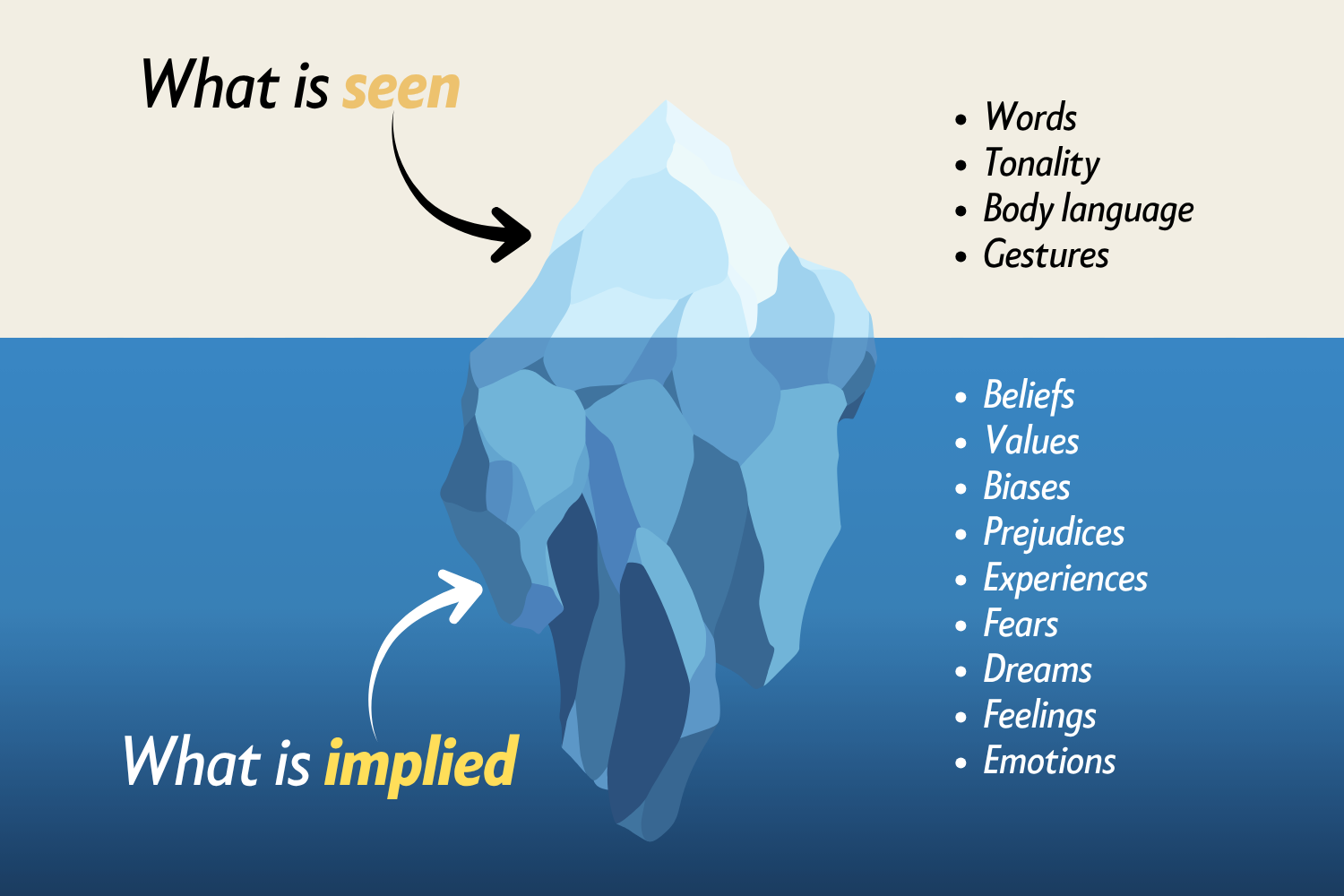
The Hemingway Iceberg Technique
A communication method from Hemingway's writing — say less, cut the padding, use specifics — letting what's unsaid carry the weight.
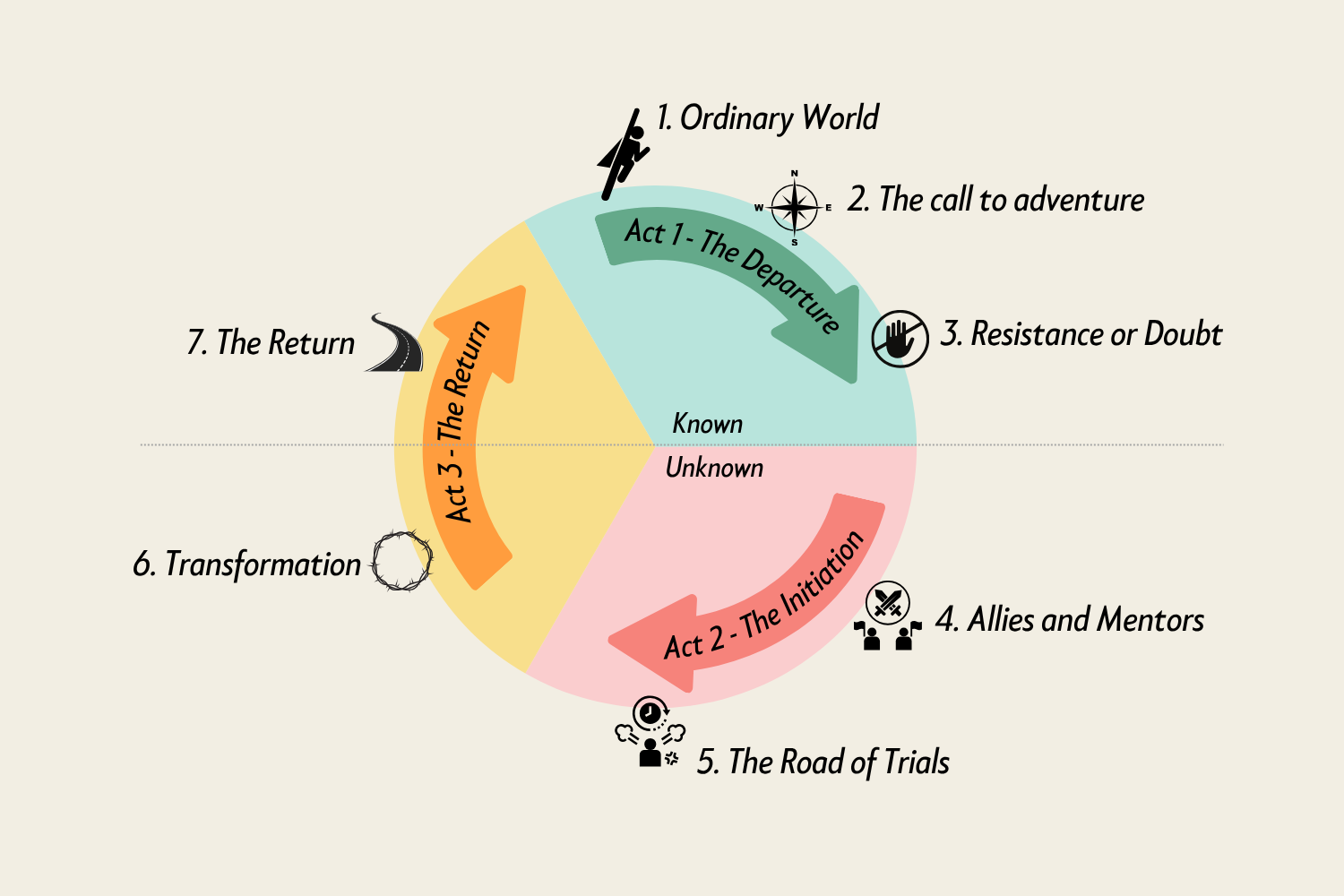
The Hero's Journey
Joseph Campbell's story arc — struggle, growth, return — turned into a structure for leadership storytelling people remember and act on.

The Iceberg Model
Underneath an event sits a pattern, a structure, then the beliefs that built it — fix the wrong layer.

The Influence Flywheel
A model for building influence without authority — five reinforcing spokes: Credibility, Connection, Clarity, Communication, Courage — building on each other.

The Inner Drive
A leadership take on Daniel Pink's *Drive* that turns three conditions for motivation — autonomy, mastery, purpose — into habits for 1:1s.

The Innovator's Dilemma
Clayton Christensen's explanation for why great companies fail doing everything right — serving your best customers blinds you to cheap newcomers.

The Insecurity Loop
A model of how insecurity, disguised as ego, shame, or control, drives a self-feeding cycle that pushes your team away.

The Leadership Code
Leadership runs on three traits — head, gut, heart — each toxic alone: competence without character is arrogance, courage without it reckless.
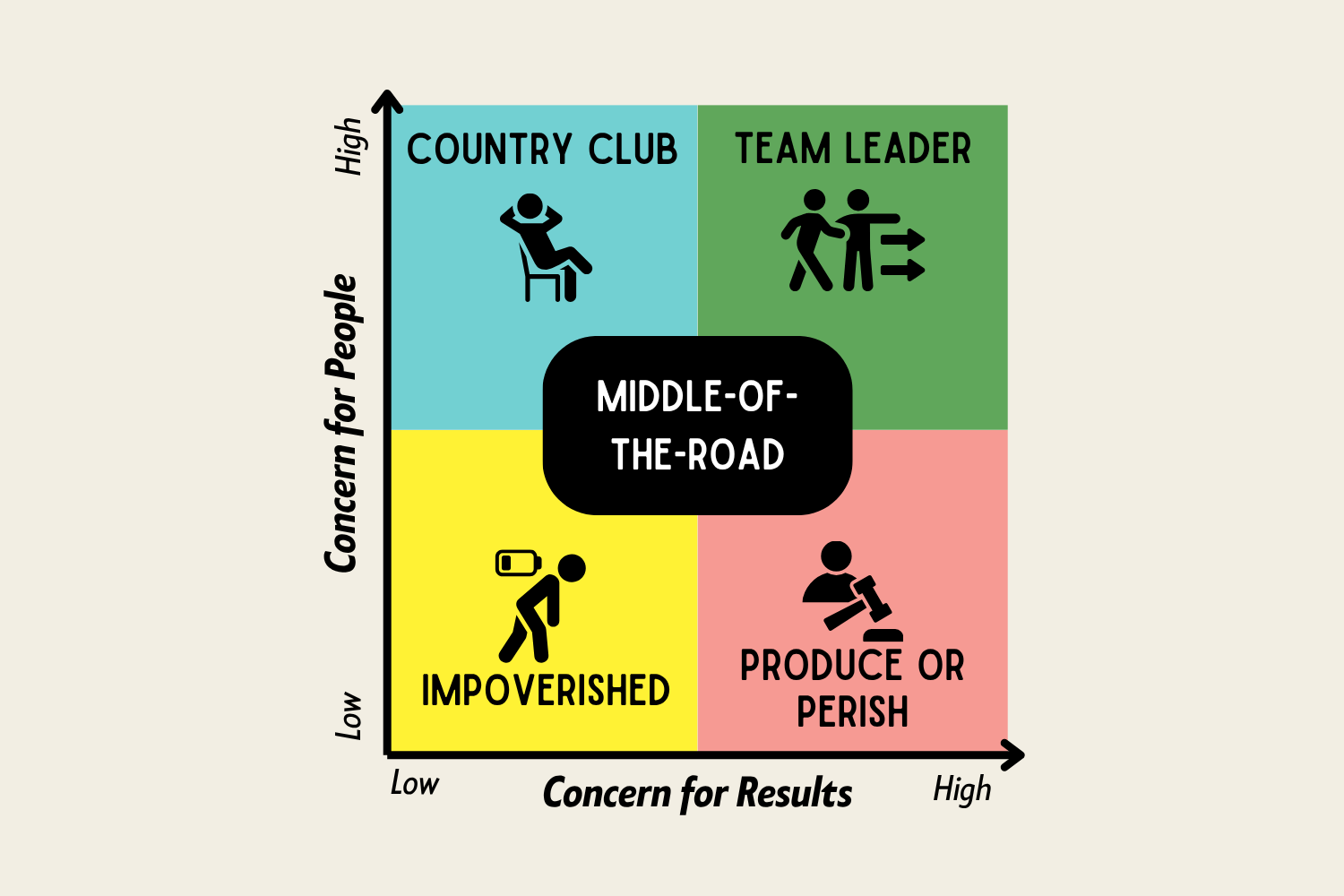
The Leadership Grid
Blake and Mouton mapped two axes — care for people, care for results — into five leadership styles you'll recognize instantly.
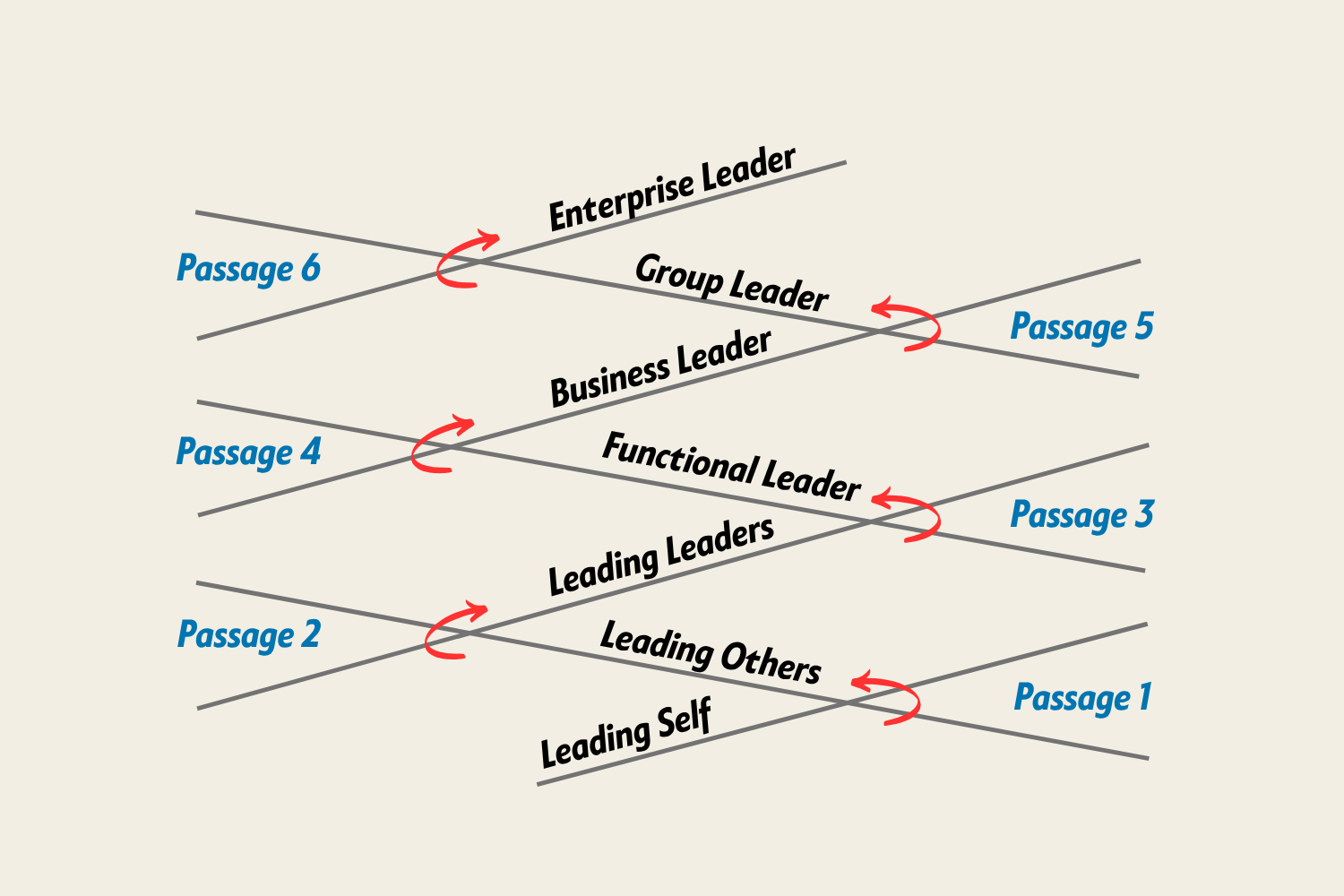
The Leadership Pipeline
Ram Charan mapped six passages into bigger leadership roles — at each one, old habits are exactly how you stall.
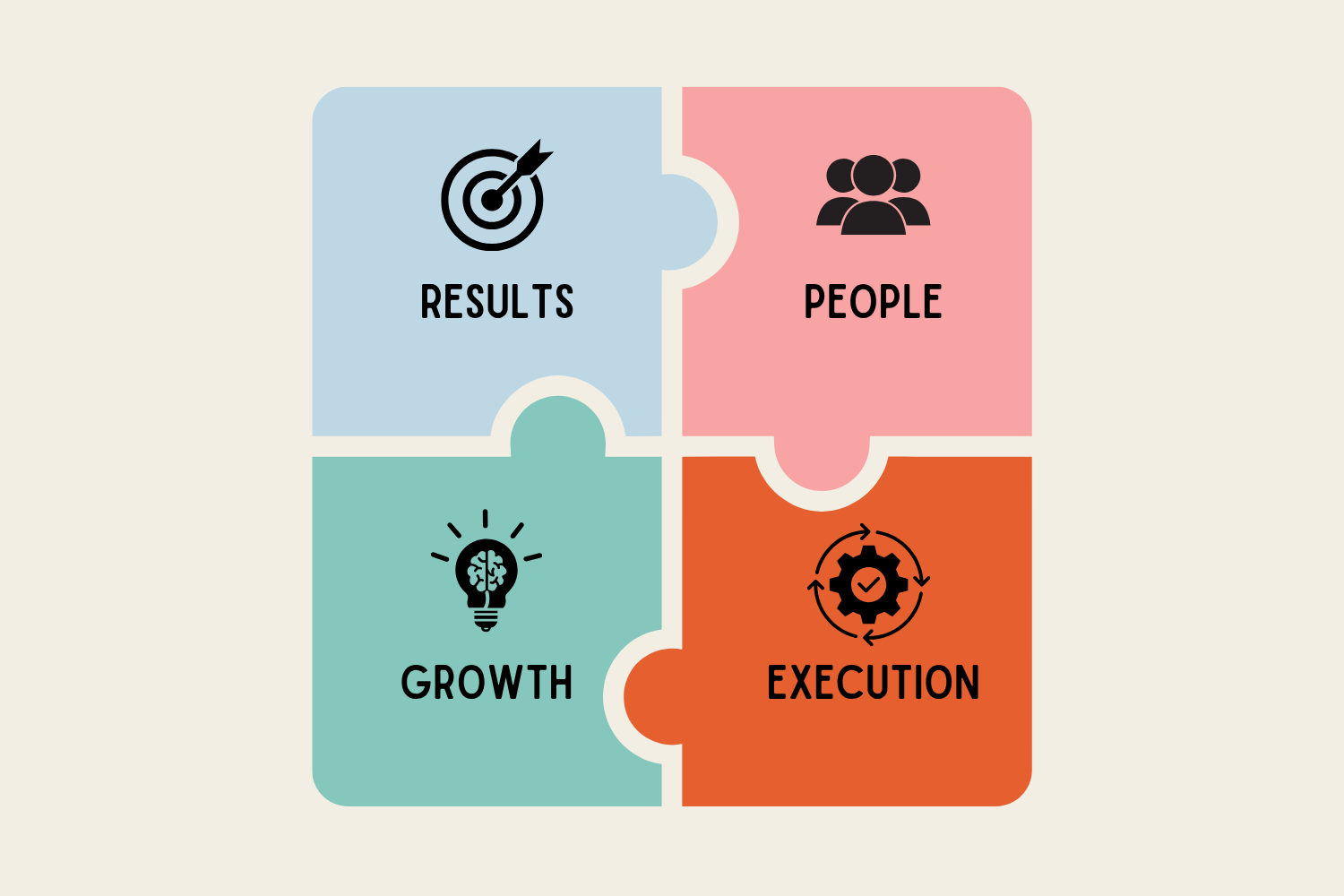
The Leadership Scorecard
A personal take on the Balanced Scorecard — Results, People, Execution, Growth — catching which one you're quietly neglecting.

The Power-Interest Grid
Plot each person by power and interest to know who to manage closely, who to keep happy, who needs updates.

The Pygmalion Effect
What you expect from someone leaks into how you treat them, which shapes what they become — for better or worse.
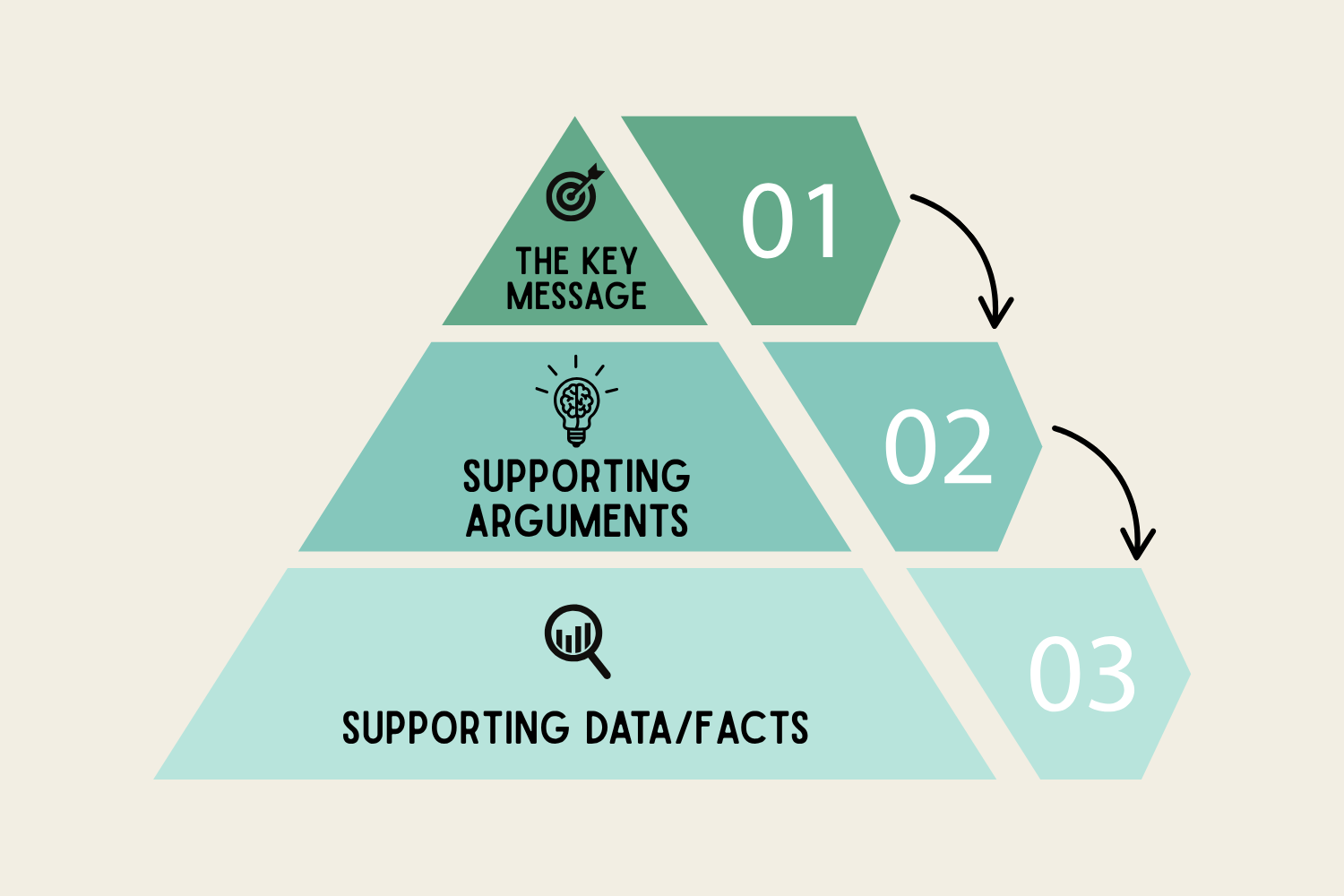
The Pyramid Principle
Barbara Minto's McKinsey-born rule: lead with your conclusion, back it with 2 to 4 grouped arguments, support each with evidence.

The Six Thinking Hats
Get your whole team thinking in the same mode at once — facts, emotions, risk, benefits, creativity, process — covering every angle.
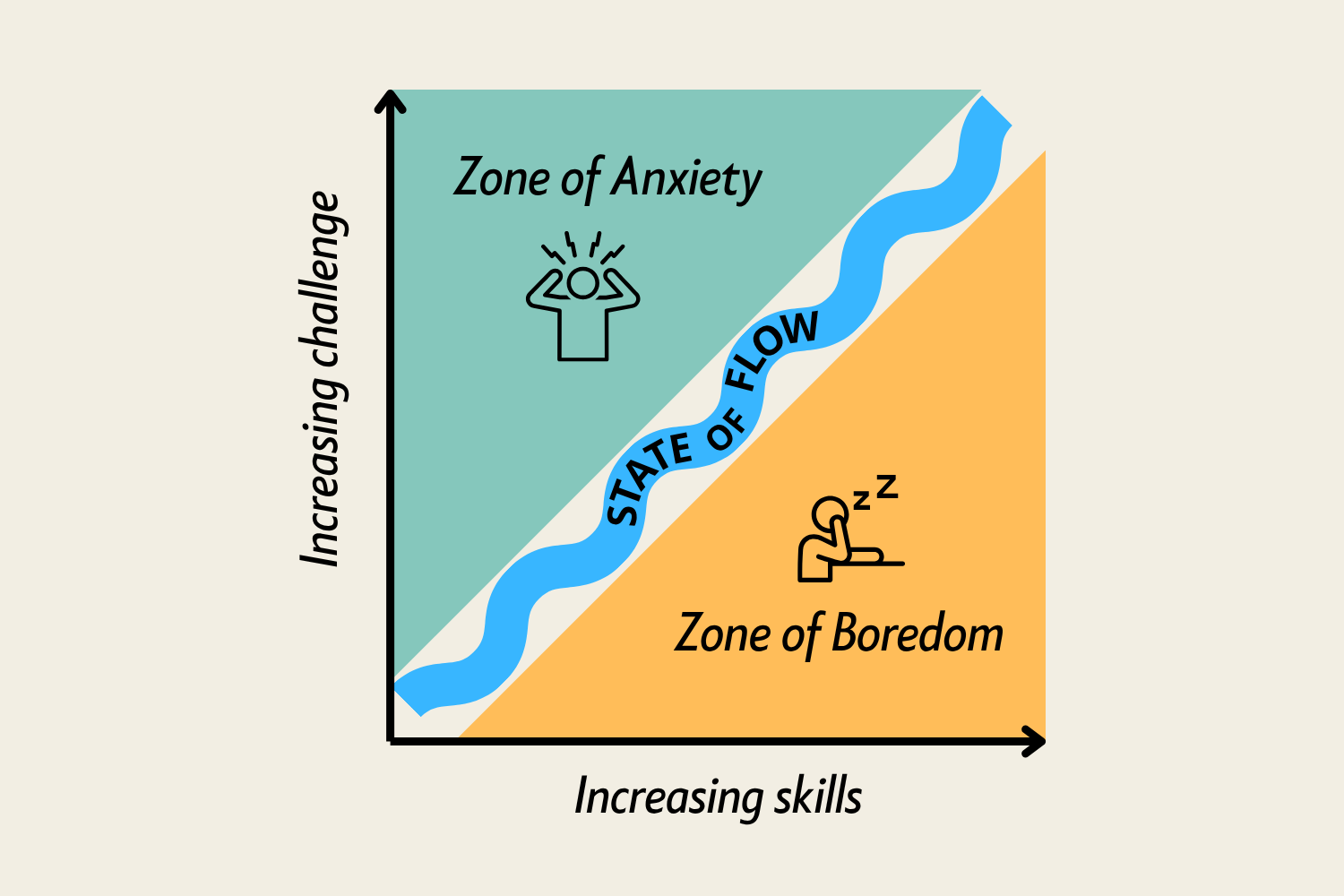
The State of Flow
The zone between anxiety and boredom, where challenge meets skill — your job is moving each person, with a different push.
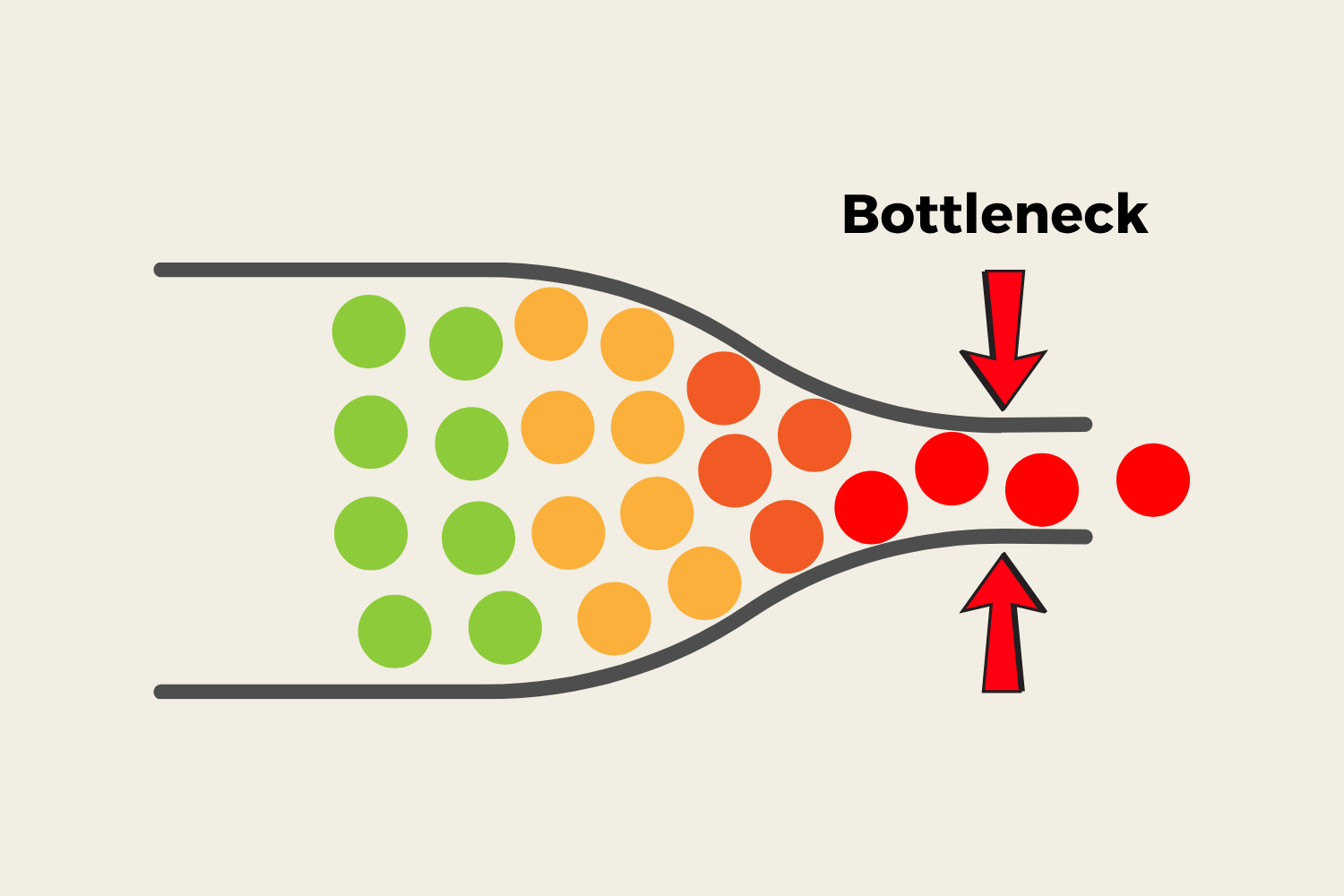
The Theory of Constraints
Every system has a bottleneck that caps everything it can produce — find that one constraint and put your energy there.

The Thomas-Kilmann (TKI) Model
Five conflict styles, two dials — how hard you push, how much room you give — chosen on purpose, not by default.

The Three Brains Framework
Three systems compete to drive your response — reactive, emotional, thinking. Pause, align, choose — that's how you decide which one leads.
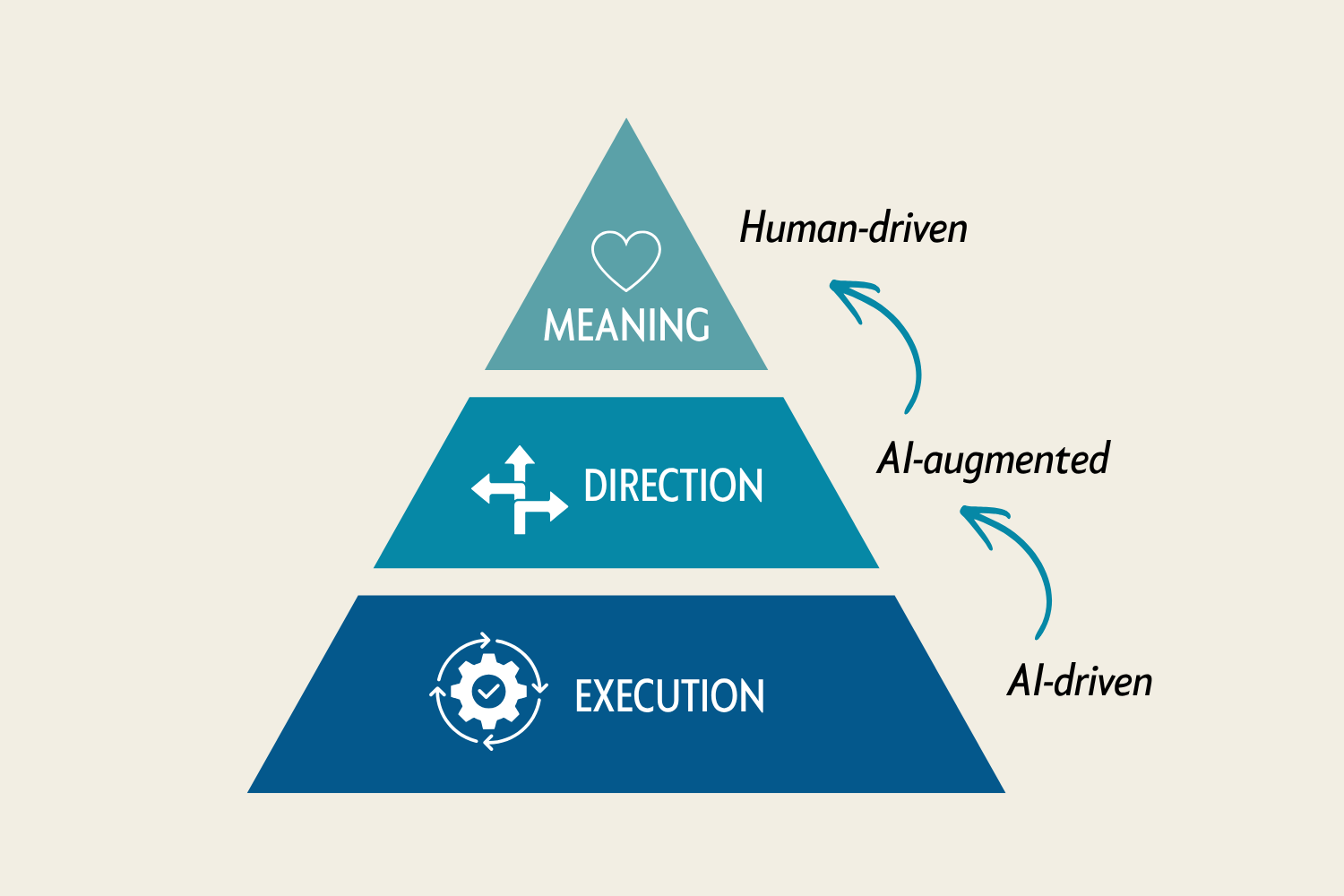
The Three Layers of Leadership
A pyramid — Execution, Direction, Meaning — where your value has to move up as AI automates execution.
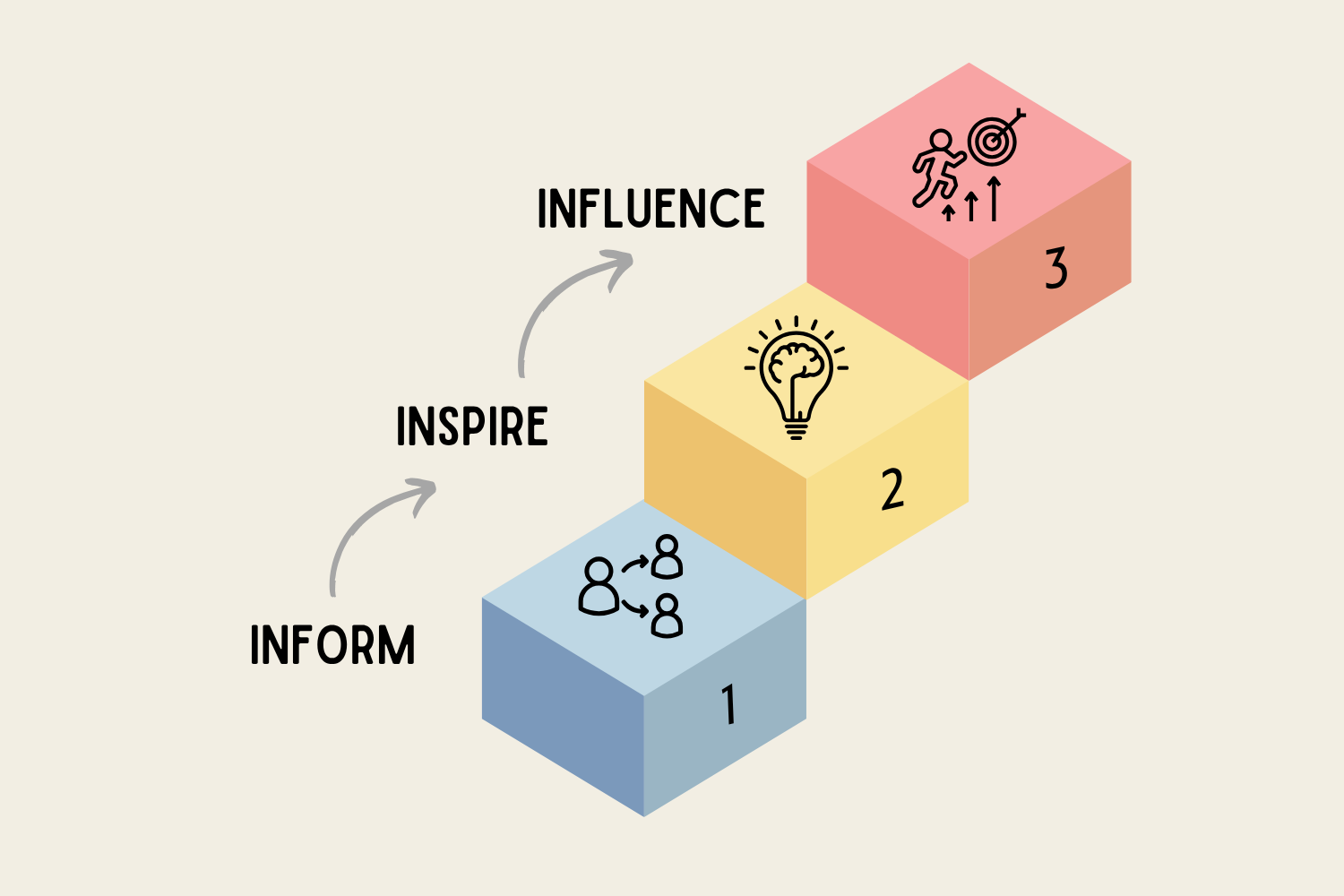
The Three Stages of Communication
Leadership communication runs in three stages — Inform (facts), Inspire (emotion), Influence (action) — the one you're stuck in reveals the problem.

The Value Triangle
A modern replacement for the Iron Triangle — swap cost, time, scope for investment, frequency, and incremental value — levers, not constraints.
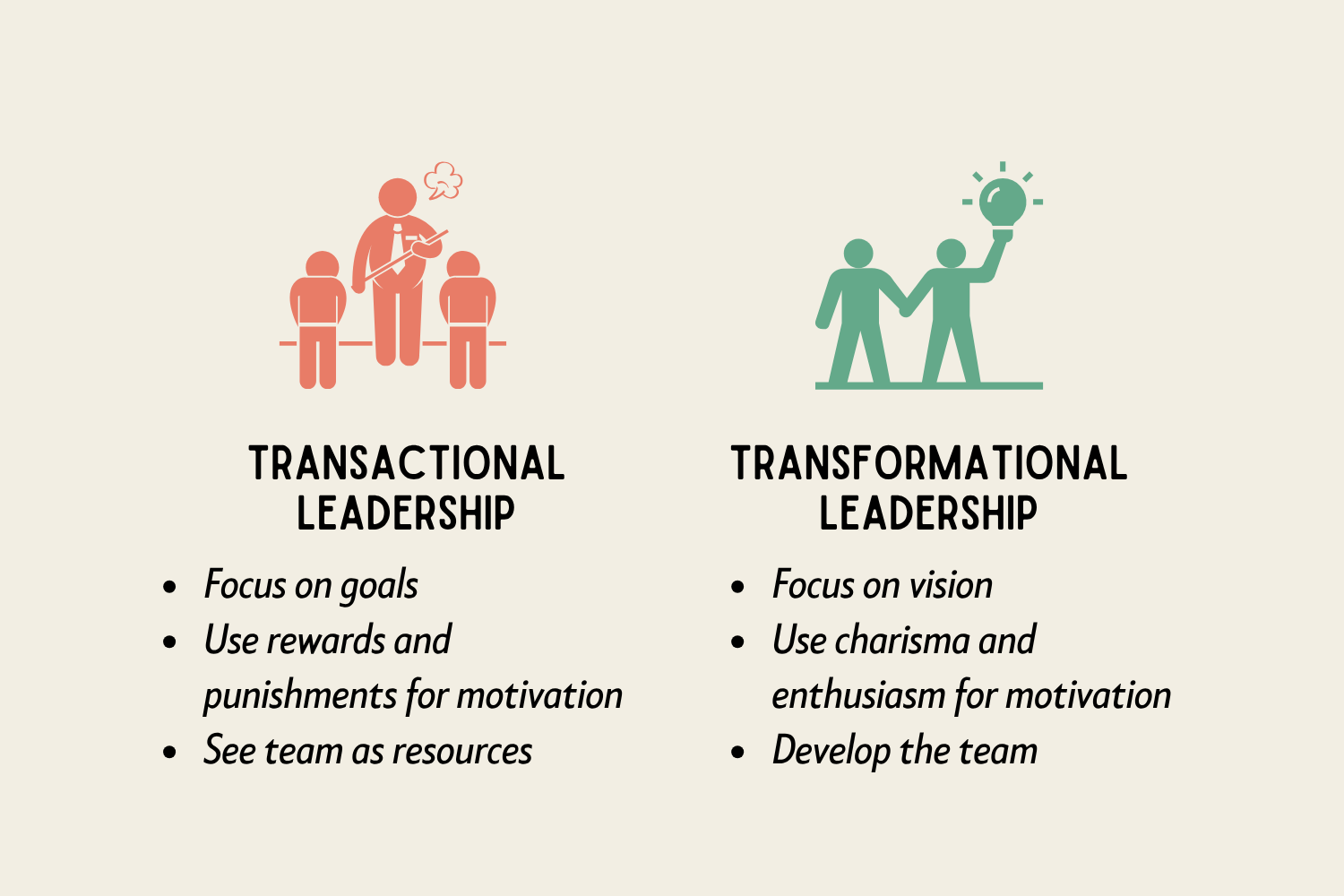
Transformational Leadership
Inspire people past self-interest and into a shared vision, raising what they aim for and what they're capable of.
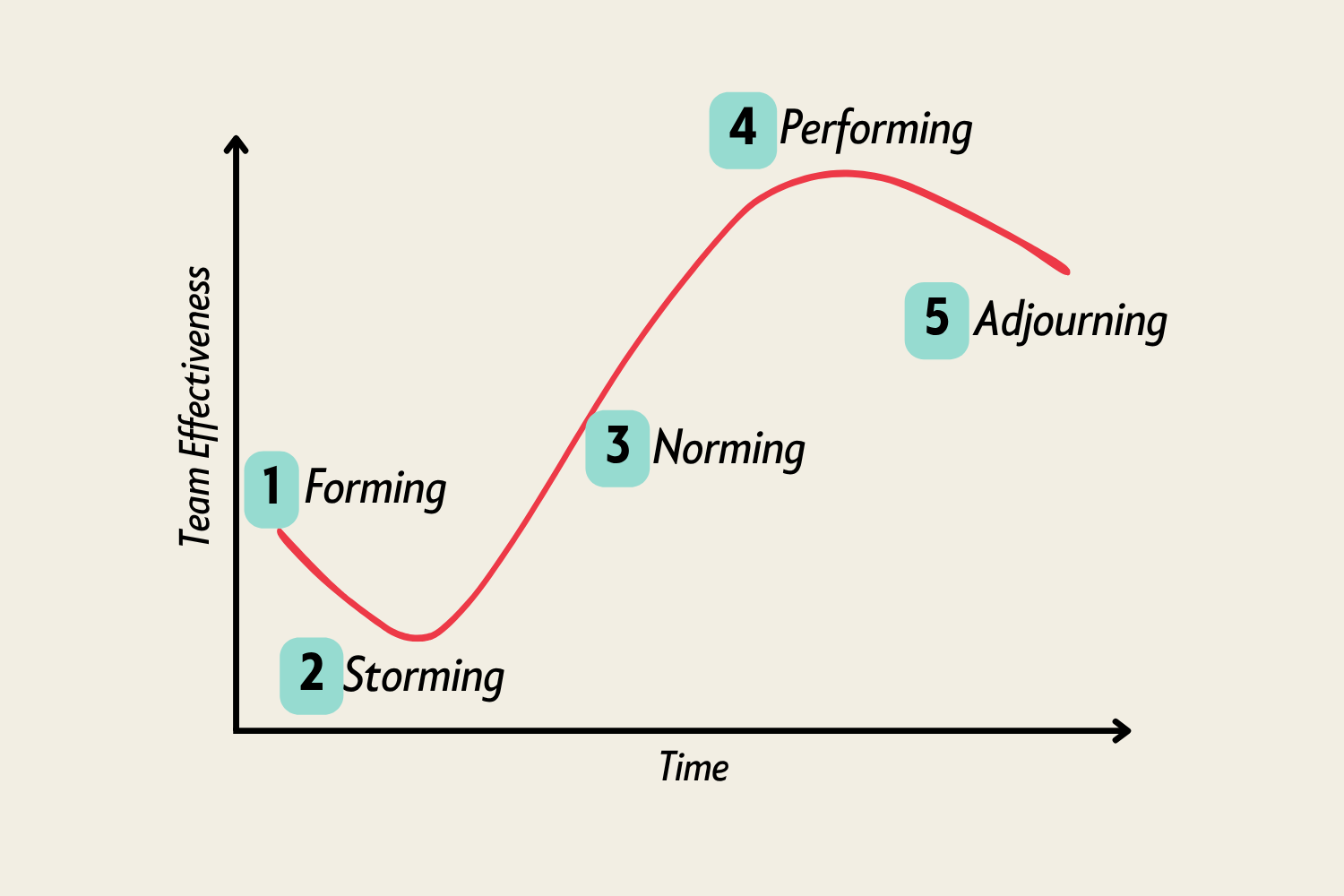
Tuckman's Stages of Team Development
Every team moves through five predictable stages — forming, storming, norming, performing, adjourning — each demanding a different move from you.