The 3 Pillars of Smart Work
Smart work isn't doing less — it's efficiency, creativity, and discipline together, not permission to coast on "work smart, not hard."
 Find this on the mind-map
Introduction
Gaurav Jain put this together for The Good Boss to fix a widely misused piece of advice. "Work smart, not hard" gets read constantly as license to cut corners, avoid effort, or go hunting for shortcuts — and that produces inefficiency and stalled progress, not an edge.
How It Works
The correction lives in the second half of that phrase. Smart work isn't doing less. It's doing more with less — maximizing impact instead of minimizing effort. High performers combine both halves: Elon Musk works 80 to 100 hour weeks across several companies while staying locked onto the activities that matter most, Warren Buffett reads five to six hours a day, and Michael Jordan — one of the most naturally gifted athletes ever to play the game — still outworked everyone else in practice. The common thread isn't hours avoided. It's hours made to count.
Smart work rests on three pillars, and you need all three — not two out of three.
Efficiency: focus on what actually matters. Every minute you spend should mean something. A Harvard Business Review study found high performers focus on fewer tasks and execute them at higher quality, staying ruthless about their time. Jeff Bezos limits himself to about three big decisions a day — the ones with the biggest consequences. Steve Jobs put it plainly: "focus is about saying no," cutting distractions to work only on what actually matters.
Creativity: find smarter solutions. Speed alone isn't smart work. Doing something differently is what opens up better solutions, better use of resources, and a way out of inefficient habits. Bill Gates said he'd choose a lazy person for a hard job, because they'll find the easy way to do it. Google's 20% time — a fifth of the workweek set aside for side projects — produced Gmail, Google Maps, and AdSense.
Discipline: show up, day after day. The smartest strategy in the world fails without commitment behind it. Kobe Bryant practiced at 4 AM daily. Thomas Edison burned through thousands of failed prototypes before the lightbulb worked. Discipline is the pillar that turns the other two into results, and it's under constant attack — office workers get interrupted roughly every 11 minutes and take about 23 minutes to fully regain focus afterward.
At team scale, this turns into the ACE framework: Align on what matters (efficiency), Create better ways (creativity), Execute with discipline (commitment).
Why It Matters for Leaders
You've probably handed out the "work smart, not hard" line more often than you've actually examined it. When your team hears it as permission to reduce effort, what you get back is missed opportunities, not results.
The pillars fail on their own, too. Lean on effort alone and you'll set an ambitious goal, build a clean plan, and stall at the first obstacle — hard work with no efficiency or creative rethinking behind it has no second gear. Have efficiency and creativity but no discipline, and you'll generate plans that fall apart the moment a busy week hits.
Efficiency is where most of your time as a leader actually leaks out. Days fill up with meetings that didn't need to happen and emails that didn't need replies, and busyness quietly gets mistaken for value. Asking whether a task is truly necessary before you do it — then cutting, automating, or delegating whatever fails that test — is what this pillar looks like in practice.
Creativity matters at team scale because you're the one who decides whether questioning the process is safe. Done well, delegation is a creativity move, not an offloading move — work goes to whoever has the real strength for it, not just whoever's available. Automation is the same idea applied to tools: McKinsey estimates automation could save 20 to 30% of a knowledge worker's time.
Discipline is where your team watches you most closely. A team that sees its manager protect focus time, tie daily work to a larger purpose, and reward follow-through over raw effort learns exactly what the organization actually values.
The useful question to start asking isn't "how can I work less." It's how to work better — what actually matters, and how to make the hours count.
What to do next
Test your knowledge of The 3 Pillars of Smart Work
Practice The 3 Pillars of Smart Work
Apply The 3 Pillars of Smart Work to a real situation
Skills related to The 3 Pillars of Smart Work

Frameworks related to The 3 Pillars of Smart Work

Mind Boxing
A six-box grid crossing People, Process, Product against Strategy and Tactics — deciding where your leadership time actually goes.
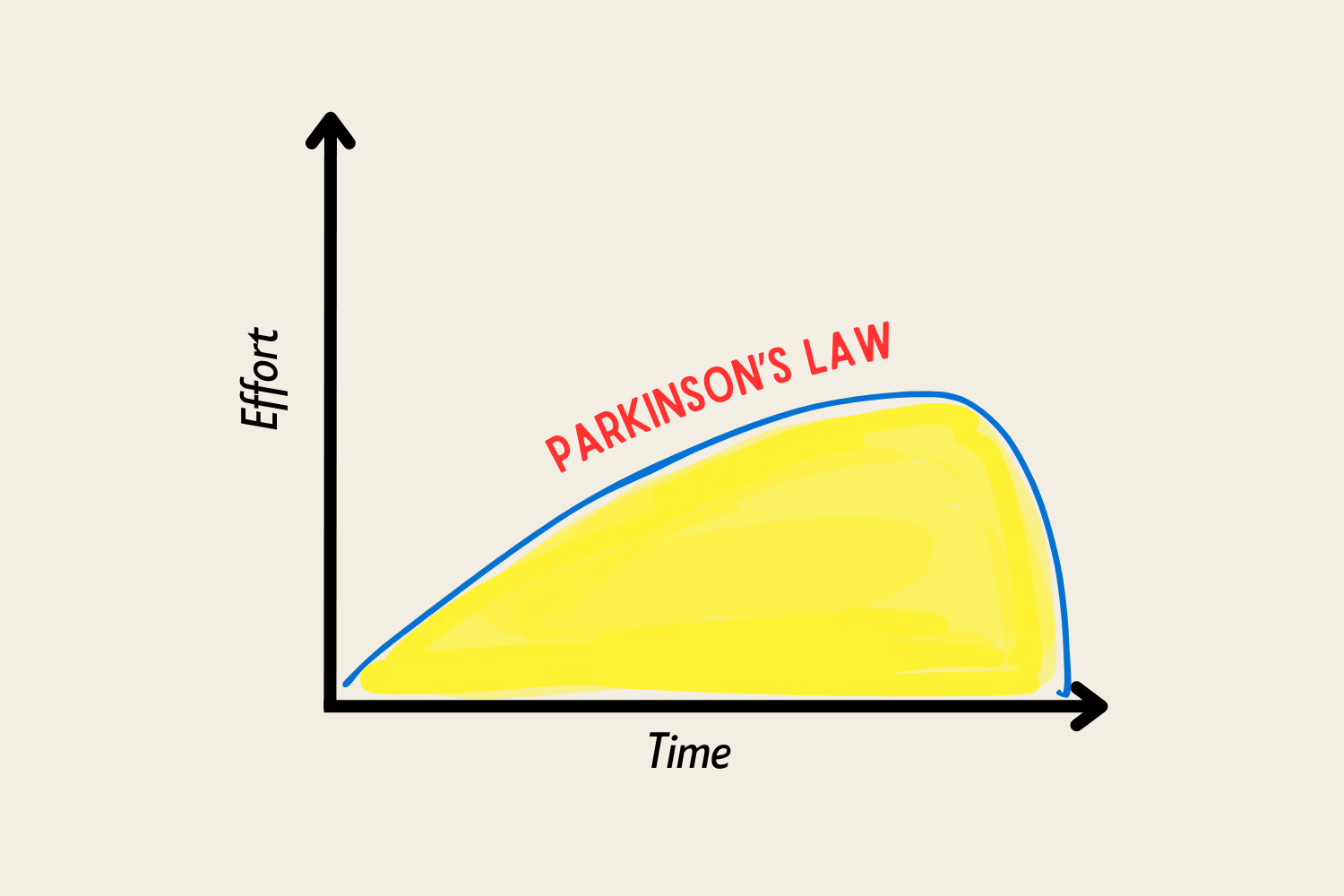
Parkinson's Law
Work expands to fill the time you give it — deadlines shape effort more than the work itself, so tighten deadlines.
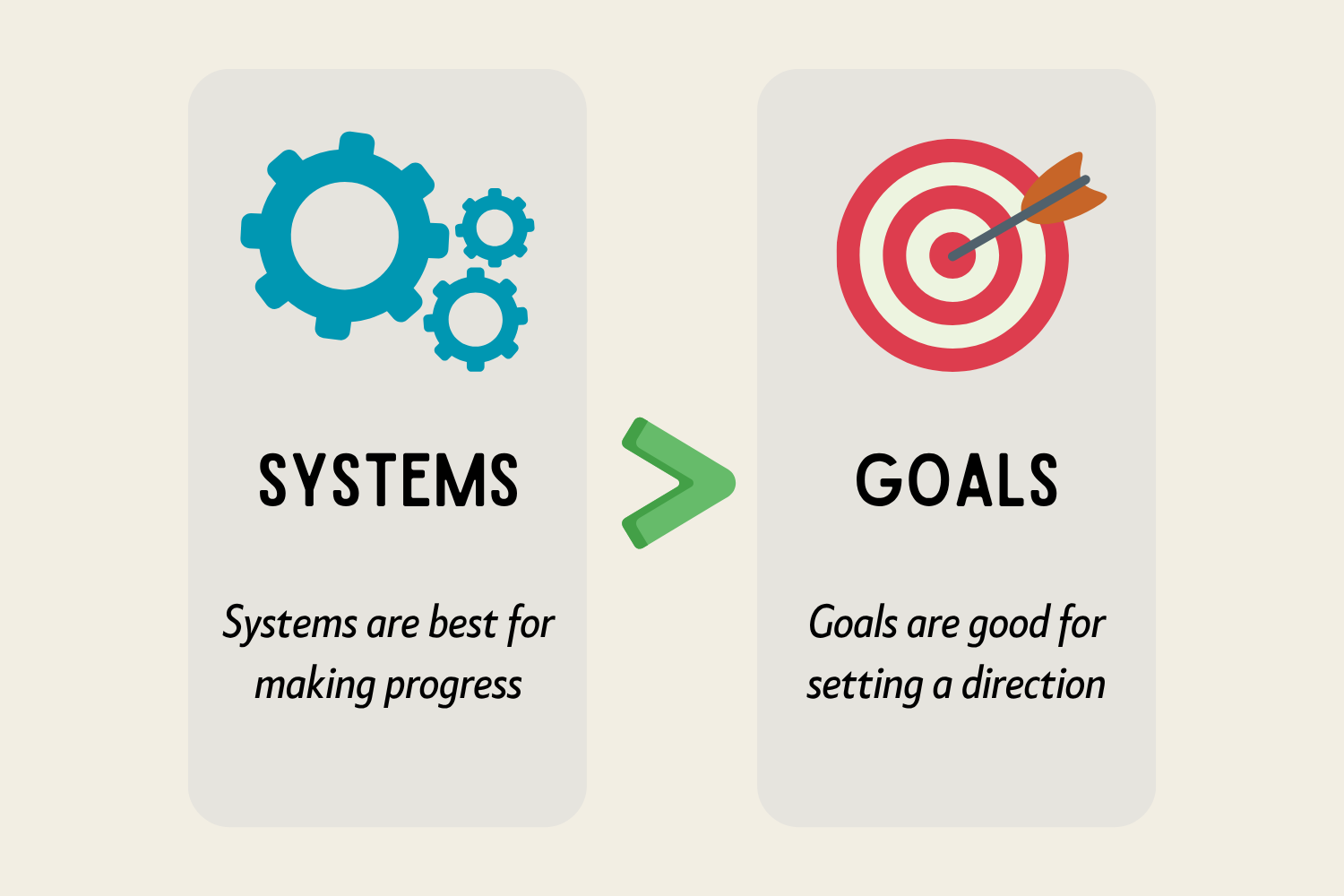
Systems > Goals
Results come from repeatable habits, not targets — turn every goal into a system of leading behaviors you design and track.
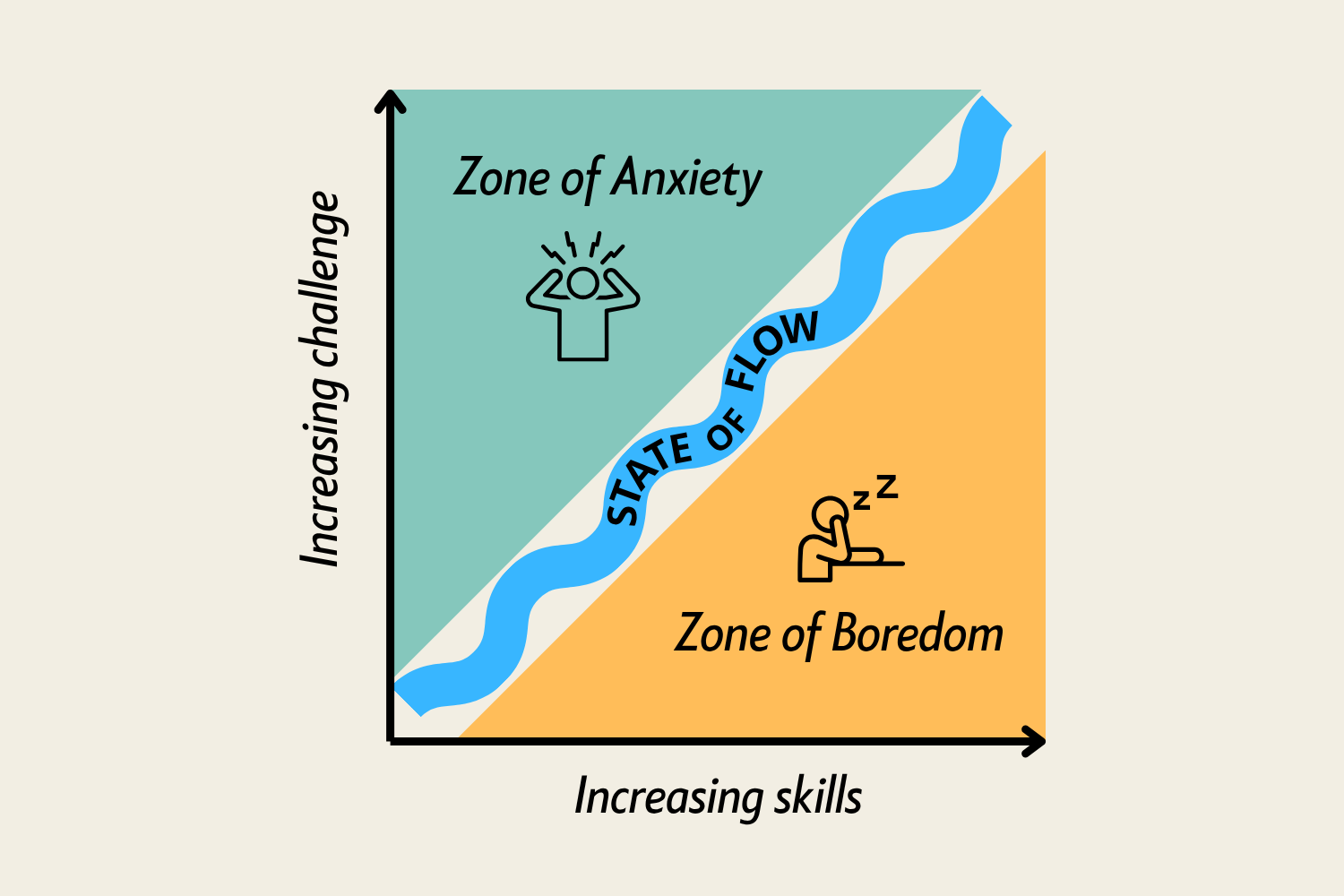
The State of Flow
The zone between anxiety and boredom, where challenge meets skill — your job is moving each person, with a different push.
Books related to The 3 Pillars of Smart Work

Atomic Habits
James Clear's case that tiny, consistent changes compound into dramatic results, and that the system you build matters more than the goal you set, no matter how motivated you feel on day one.

Deep Work
Cal Newport's case that the ability to focus without distraction on a hard problem is becoming rare and valuable at the exact moment most of the modern workday (email, meetings, constant notifications) is organized to make it nearly impossible.

Focus
Daniel Goleman's case that attention, not raw intelligence or emotional intelligence alone, is the overlooked resource behind effective leadership, and that most leaders are depleting it faster than they realize.

The 4-Hour Workweek
Timothy Ferriss's provocation that most of what fills a workday isn't actually producing most of the value. A useful, if deliberately extreme, lens for any manager who's never actually audited where their hours go.

The Power of Habit
Charles Duhigg's deep dive into why habits form and how they change, and a practical mechanism for any manager who's tired of relying on willpower to fix behavior that structure should be fixing instead.