Deep Work
Cal Newport's case that the ability to focus without distraction on a hard problem is becoming rare and valuable at the exact moment most of the modern workday (email, meetings, constant notifications) is organized to make it nearly impossible.
 Find this on the mind-map
Introduction
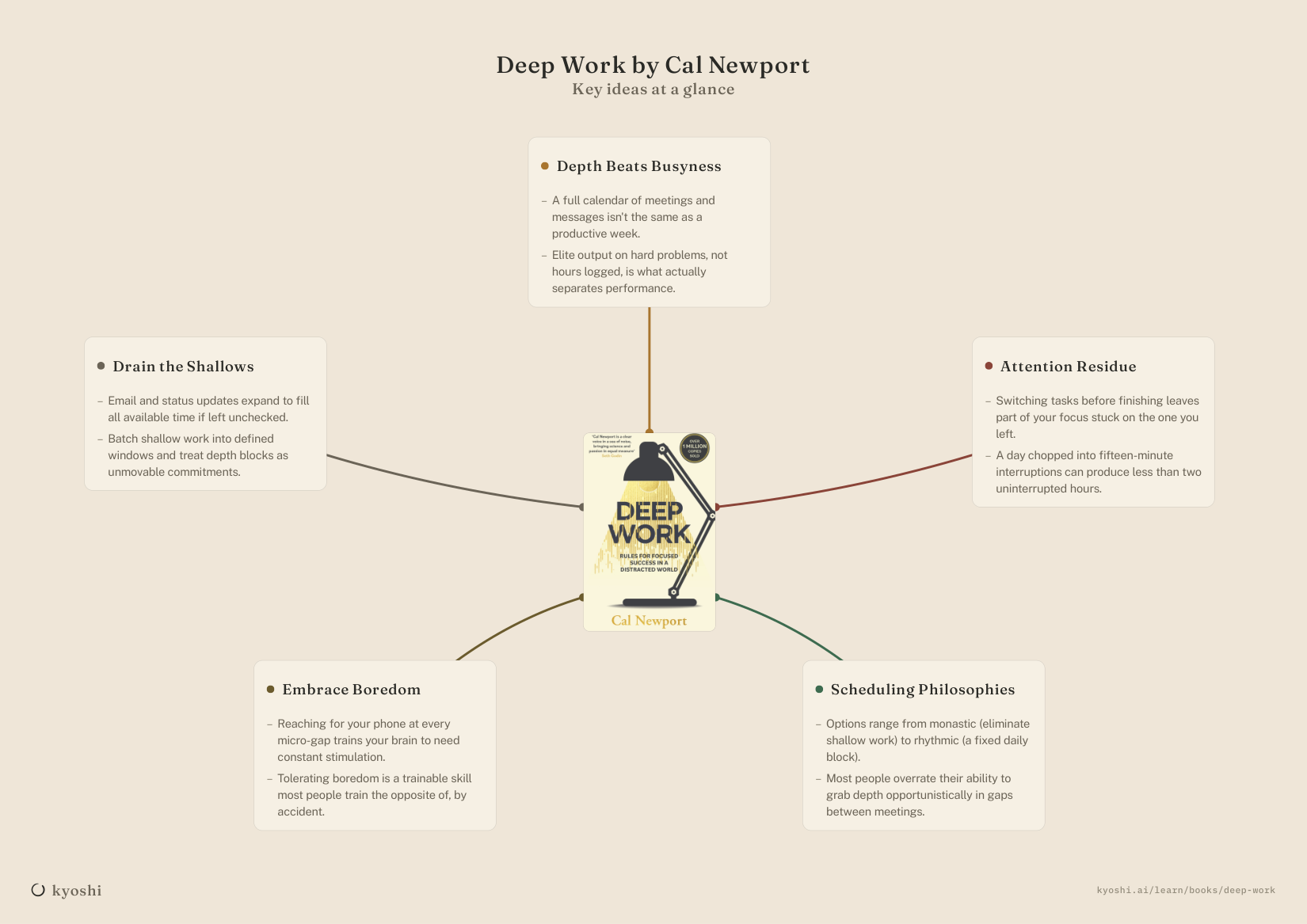
Newport's claim, stripped of the self-help packaging, is blunt: the capacity for deep work, focused, undistracted concentration on a cognitively demanding task, is becoming rarer at exactly the moment it's becoming more valuable, and most knowledge-work culture is accidentally organized to kill it. This isn't a time-management book. It's an argument that depth, not hours logged or messages answered, is what actually produces value.
The Deep Work Hypothesis
Two managers can look equally busy by Friday afternoon. Priya spent the week in back-to-back meetings, a full inbox, and a dozen Slack threads. She answered everything and felt productive the whole time. Marcus blocked two three-hour windows, turned off notifications, and used them on the one hard problem actually driving his team's quarter. By the metric that matters, what actually got better, Marcus had the better week, even though Priya's calendar looked fuller. Newport's bet is that the ability to produce at an elite level on hard things, consistently, is what separates people who get ahead from people who merely stay busy.
Attention Residue
When you switch from one task to another before finishing the first, part of your attention stays stuck on the one you left. Newport calls this attention residue. A "quick check" of email between two real tasks doesn't cost you the thirty seconds it took to read it; it costs you the fragment of focus still processing it ten minutes later, which is why a day chopped into fifteen-minute interruptions can produce less real output than two uninterrupted hours.
Four Philosophies of Scheduling Depth
Newport lays out a spectrum of ways to actually protect depth: the monastic (eliminate shallow obligations almost entirely, rare, and usually not available to a manager with a team), the bimodal (set aside clearly defined stretches, a day or a week, that are deep-only), the rhythmic (a daily block, same time, every day, so it becomes a habit rather than a daily negotiation), and the journalistic (slot deep work into whatever gap opens up, which takes real practice to do well). Most managers underestimate how much discipline the rhythmic approach takes and overestimate their ability to pull off the journalistic one.
Embrace Boredom
The instinct to reach for a phone during any micro-gap of boredom (a line, an elevator, a dull stretch of a meeting) trains your brain, slowly and without much notice, to need constant stimulation, which makes sustained concentration on a hard problem feel physically uncomfortable exactly when you need it most. Newport's point isn't that boredom is virtuous; it's that tolerating it is a trainable skill, and most people spend all day training the opposite one without noticing.
Drain the Shallows
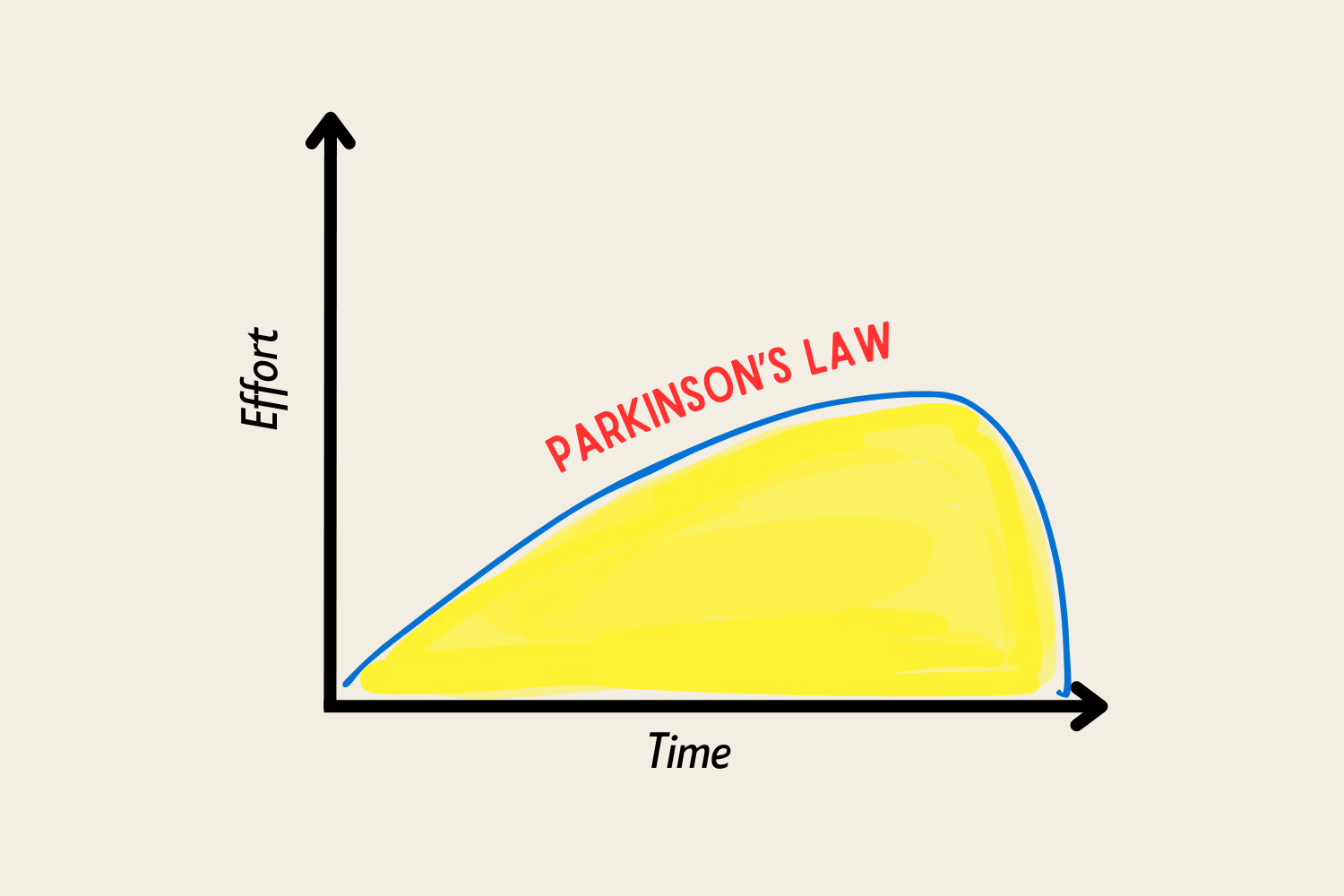
Shallow work (email, status updates, most meetings) isn't worthless, but it's not what moves the needle, and it expands to fill all available time if you let it. Newport's practice is blunt: quantify how much of your day is genuinely shallow, batch it into defined windows instead of letting it interrupt everything else, and treat your depth blocks as unmovable commitments rather than things that get bumped whenever something "urgent" shows up.
Putting It Together
The hypothesis (depth produces outsized value), the cost (attention residue punishes switching), and the practice (pick a scheduling philosophy, train boredom tolerance, and actively drain the shallow) all point at the same management problem: protecting your own and your team's depth isn't a nice-to-have around the edges of "real work." For most knowledge work, it is the real work, and everything else is just competing with it for the same finite attention.
Why It Matters for Leaders
Most managers who feel behind aren't actually behind on effort. They're behind on depth, and they can't tell the difference because a full calendar feels exactly like a productive one from the inside. The useful question isn't "was I busy today," it's "did I spend real uninterrupted time on the one thing that's actually hard about my job this week." Those two questions have very different answers most weeks.
The harder part for a manager specifically is that protecting your own depth usually means protecting your team's too, and that requires saying out loud that slower responses during a block are expected, not a problem. If you never say that explicitly, people will assume constant availability is the safer bet, and they'll interrupt their own best work to prove it.
This also changes how you read a team member's day. Someone who answers every message within five minutes looks responsive. Someone who goes quiet for two hours and comes back with a real solution looks, on the surface, less engaged. Newport's argument is that the second person is probably doing the job better, and a manager who only rewards visible responsiveness is training the whole team toward the wrong one.
Picture a manager, Raj, who notices his best engineer, Hana, has started declining his daily check-in and blocking her mornings instead. His first instinct is to see it as distance. Before saying anything, he checks what she's actually shipping; it's better and faster than before. The right move isn't pulling her back into more visibility. It's protecting that block on her calendar from the rest of the team, and asking whether he can build the same kind of block into his own week instead of filling it with the meetings that make him feel busy.
What to do next
Reinforce your understanding of Deep Work
Books related to Deep Work

Atomic Habits
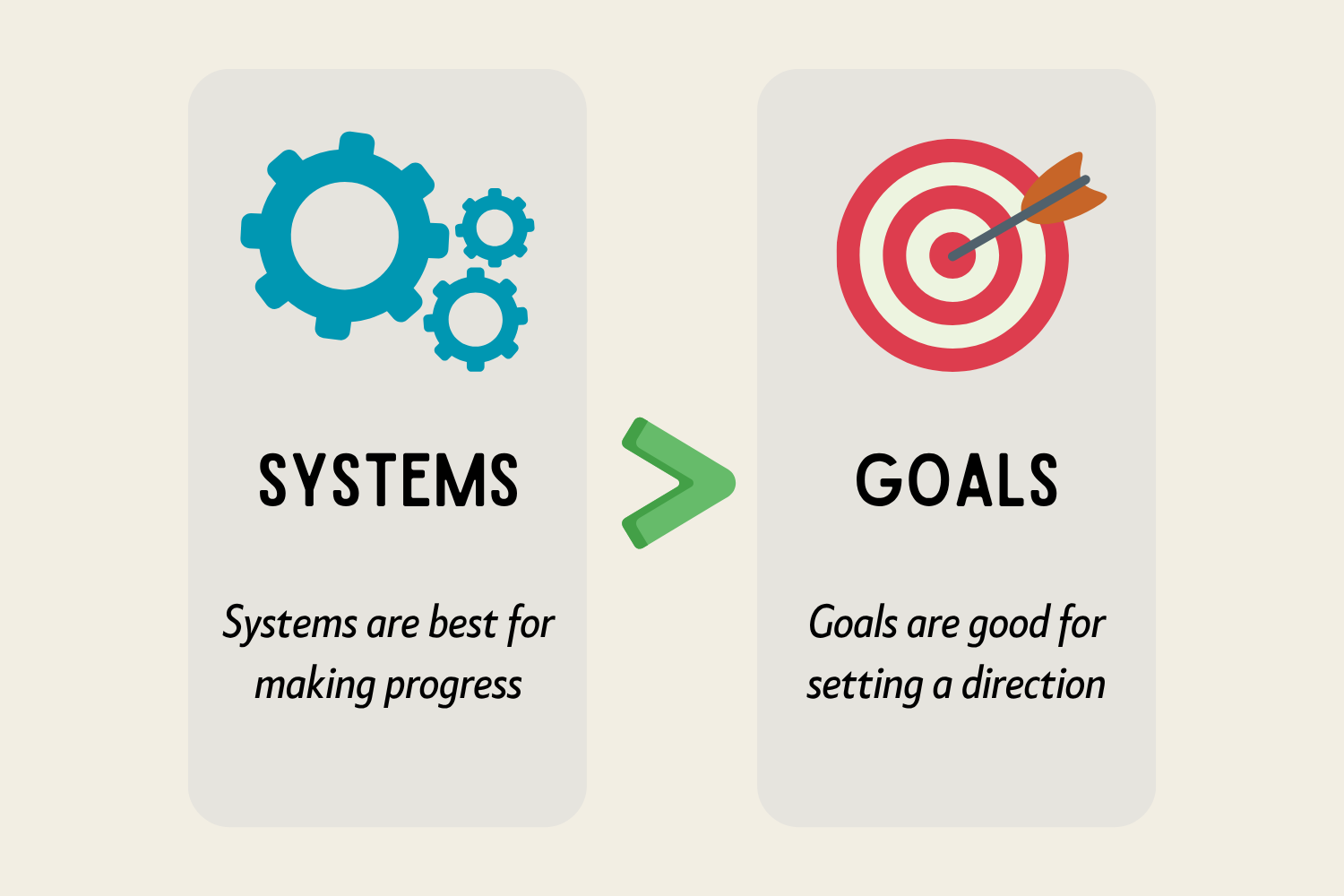
James Clear's case that tiny, consistent changes compound into dramatic results, and that the system you build matters more than the goal you set, no matter how motivated you feel on day one.

Focus
Daniel Goleman's case that attention, not raw intelligence or emotional intelligence alone, is the overlooked resource behind effective leadership, and that most leaders are depleting it faster than they realize.

The 4-Hour Workweek
Timothy Ferriss's provocation that most of what fills a workday isn't actually producing most of the value. A useful, if deliberately extreme, lens for any manager who's never actually audited where their hours go.

The Power of Habit
Charles Duhigg's deep dive into why habits form and how they change, and a practical mechanism for any manager who's tired of relying on willpower to fix behavior that structure should be fixing instead.
Skills related to Deep Work

Frameworks related to Deep Work

Mind Boxing
A six-box grid crossing People, Process, Product against Strategy and Tactics — deciding where your leadership time actually goes.
Parkinson's Law
Work expands to fill the time you give it — deadlines shape effort more than the work itself, so tighten deadlines.
Systems > Goals
Results come from repeatable habits, not targets — turn every goal into a system of leading behaviors you design and track.

The 3 Pillars of Smart Work
Smart work isn't doing less — it's efficiency, creativity, and discipline together, not permission to coast on "work smart, not hard."
The State of Flow
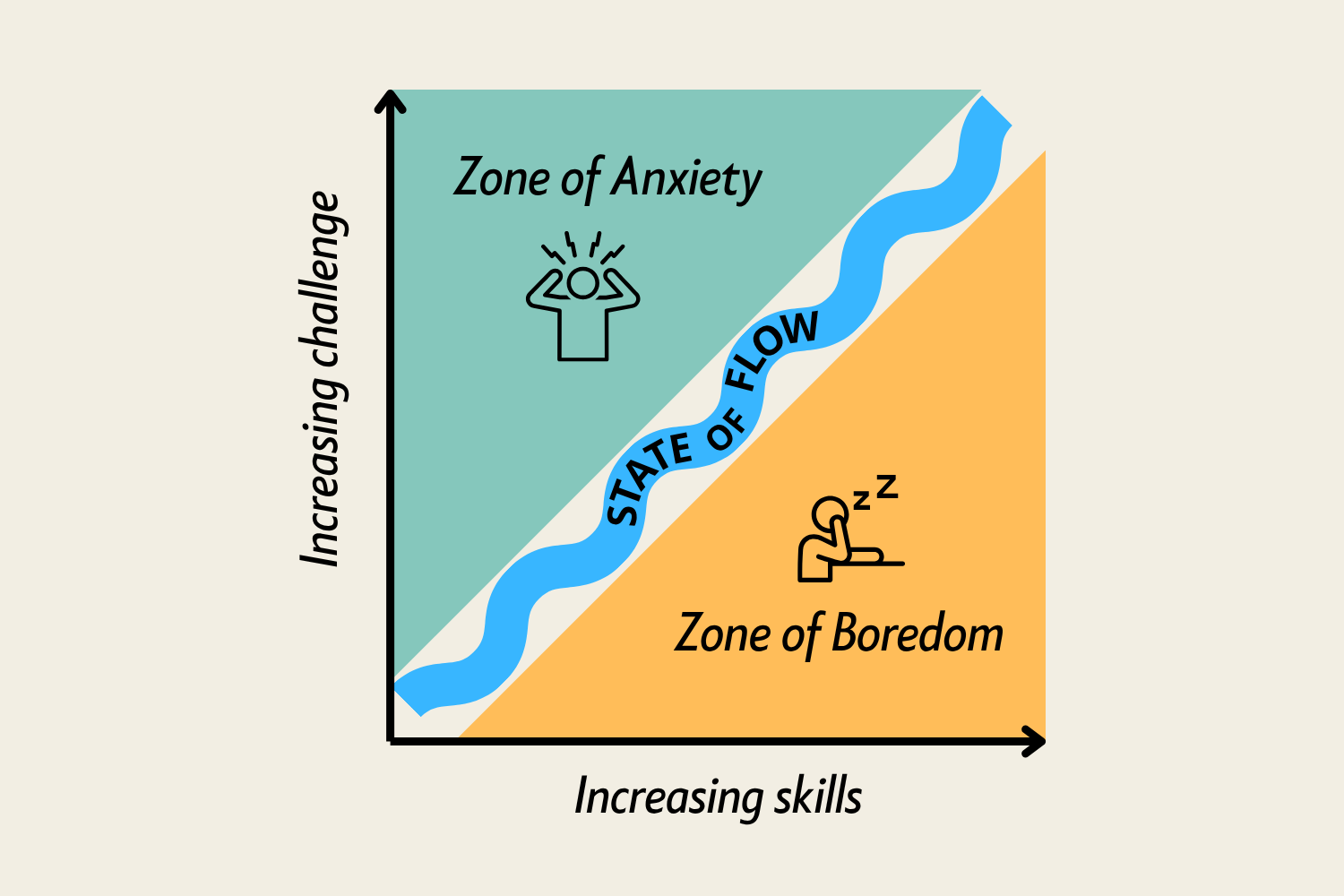
The zone between anxiety and boredom, where challenge meets skill — your job is moving each person, with a different push.