Productivity
Directing your time and energy at the work that actually matters, instead of letting whatever lands first run your day.
 Find this on the mind-map
Introduction
Finishing work was never the hard part. The hard part is deciding which work is worth doing in the first place. Your day arrives full of distractions, urgent requests, and meetings that multiply on their own, and if you don't take control of your own time, someone else's priorities end up running your calendar for you.
Done well, this is a set of decisions you make before the week starts, not choices you make in the moment. You name the handful of outcomes the week actually needs to produce, and you give each one a protected block.
Anything someone else can do gets delegated. Anything that produces nothing gets eliminated instead of rescheduled. Messages and requests get handled in batches, so being responsive doesn't chew through the hours you've set aside to actually think.
"Busyness" is the trap most leaders fall into instead. A calendar packed with meetings, an inbox answered the second it pings, constant multitasking - all of it feels like productivity and produces almost none of it.
Why It Matters for Leaders
When you haven't developed this skill, this is how it may look like:
- The work with no external deadline is the work that slides, week after week, including strategy, hiring, developing your people.
- Anything with a deadline attached wins by default, whether or not it's the thing that matters most.
- You end the week tired and behind on the only work that was actually yours to do.
When you build this skill, your calendar becomes the "proof".
- Deep work gets a slot before the week fills up around it.
- You get slower to say yes and more reliable once you have, and your team learns they can predict exactly when you're reachable and when you're not.
- Your time goes to what moves things forward, not to whatever showed up most recently.
As David Allen put it: "You can do anything, but not everything." Every hour you protect for the work only you can do is an hour you're refusing to hand over to whoever asked last.
What to do next
Master Productivity by taking the mini-course
Frameworks related to Productivity

Mind Boxing
A six-box grid crossing People, Process, Product against Strategy and Tactics — deciding where your leadership time actually goes.
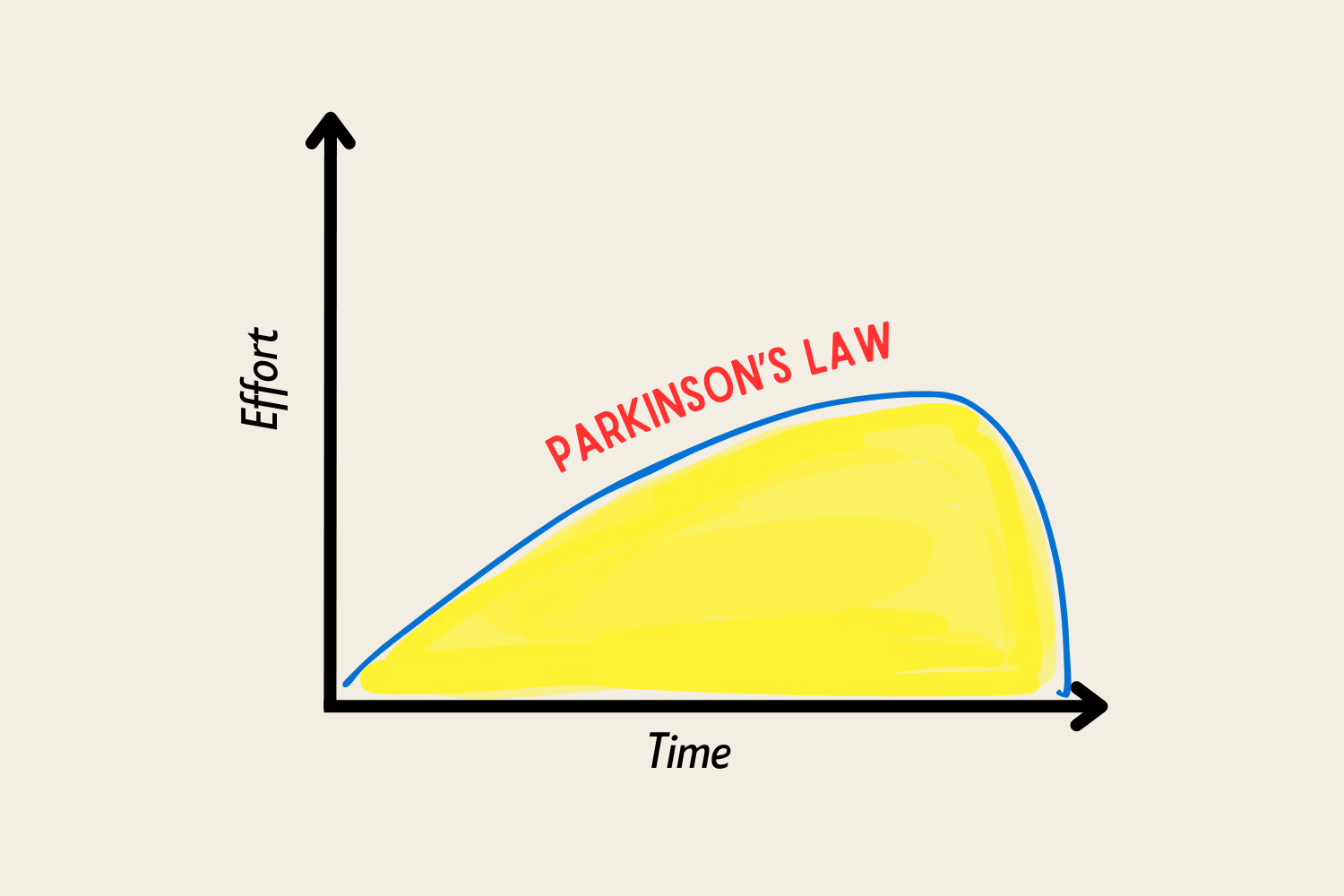
Parkinson's Law
Work expands to fill the time you give it — deadlines shape effort more than the work itself, so tighten deadlines.
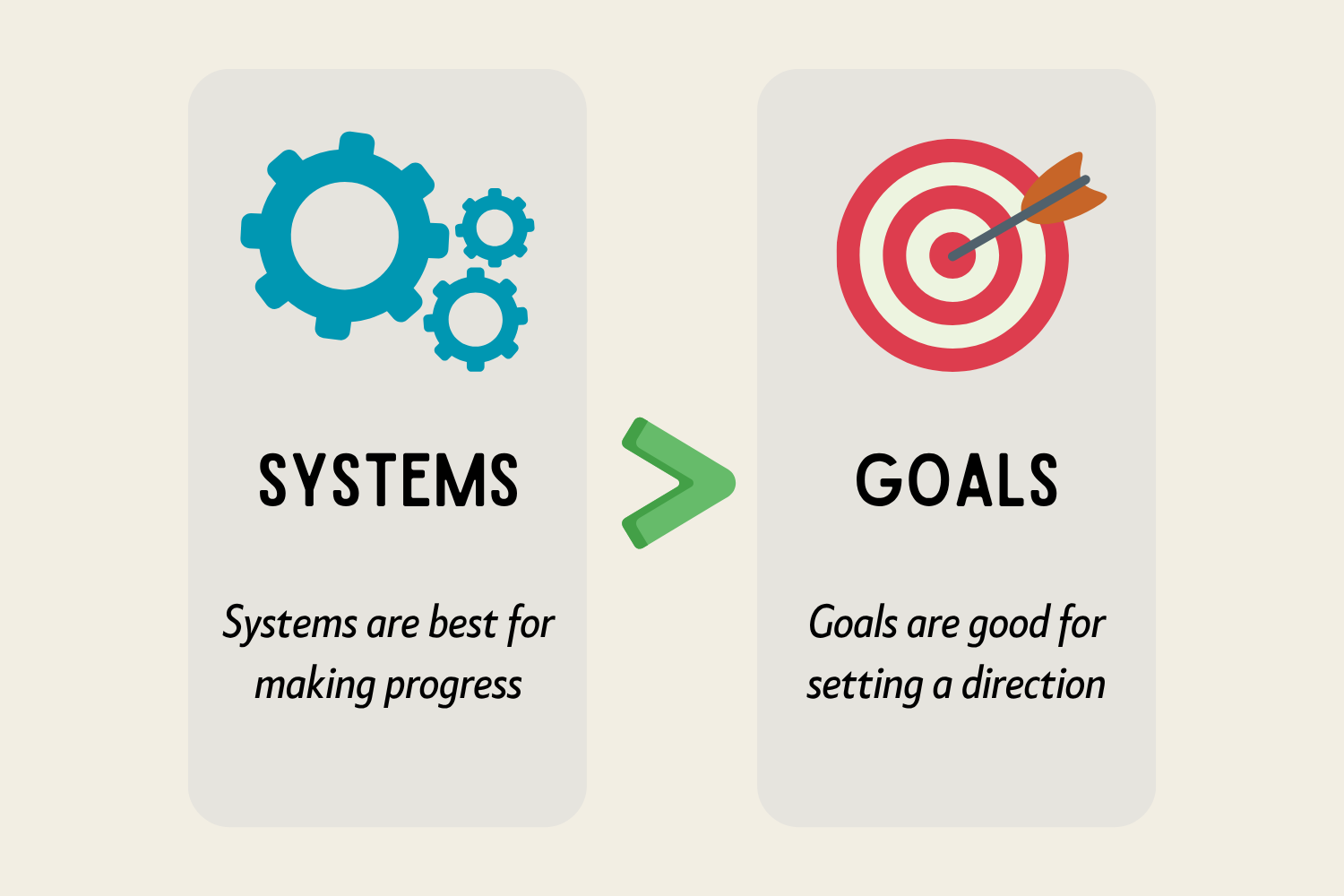
Systems > Goals
Results come from repeatable habits, not targets — turn every goal into a system of leading behaviors you design and track.

The 3 Pillars of Smart Work
Smart work isn't doing less — it's efficiency, creativity, and discipline together, not permission to coast on "work smart, not hard."
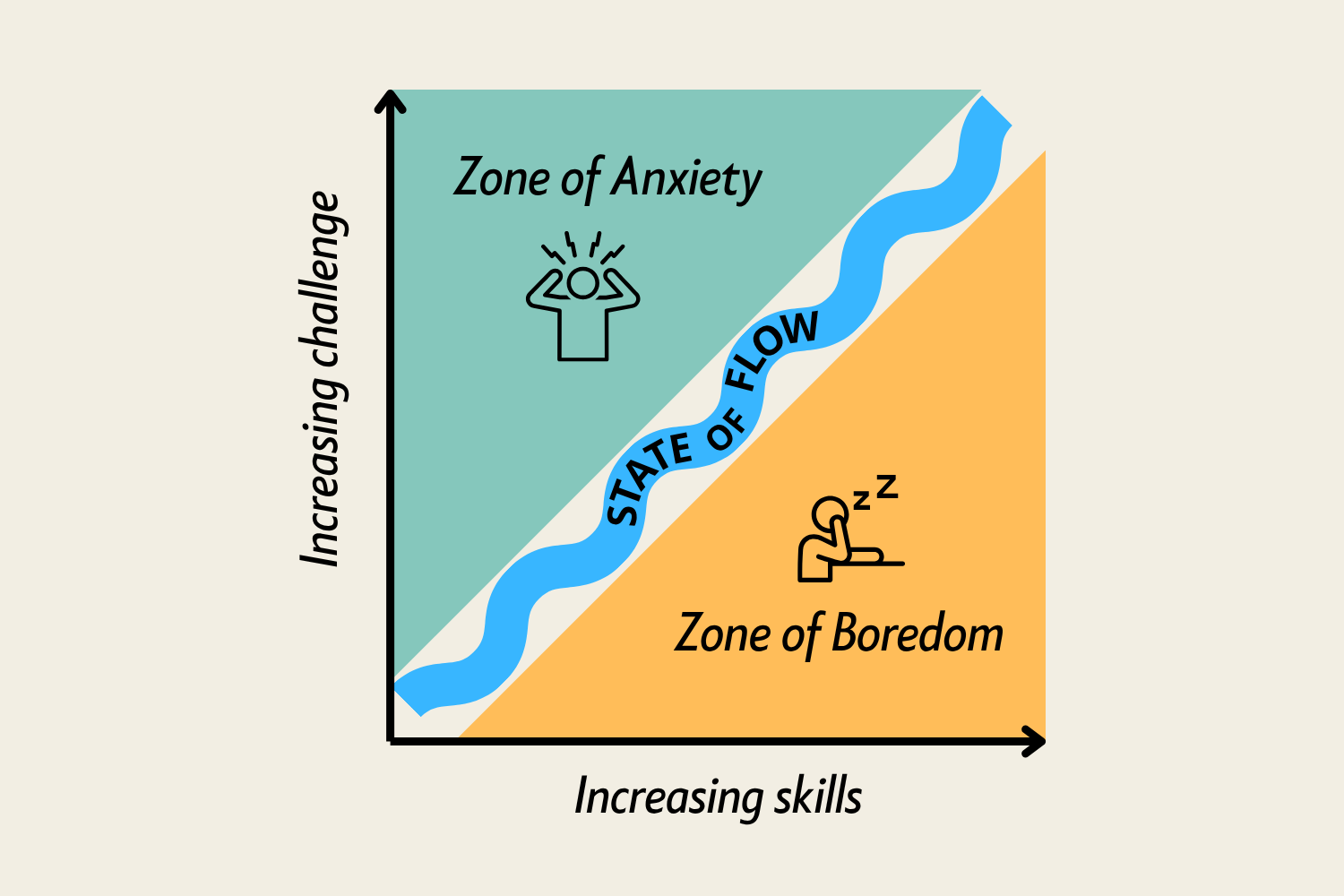
The State of Flow
The zone between anxiety and boredom, where challenge meets skill — your job is moving each person, with a different push.
Books related to Productivity

Atomic Habits
James Clear's case that tiny, consistent changes compound into dramatic results, and that the system you build matters more than the goal you set, no matter how motivated you feel on day one.

Deep Work
Cal Newport's case that the ability to focus without distraction on a hard problem is becoming rare and valuable at the exact moment most of the modern workday (email, meetings, constant notifications) is organized to make it nearly impossible.

Focus
Daniel Goleman's case that attention, not raw intelligence or emotional intelligence alone, is the overlooked resource behind effective leadership, and that most leaders are depleting it faster than they realize.

The 4-Hour Workweek
Timothy Ferriss's provocation that most of what fills a workday isn't actually producing most of the value. A useful, if deliberately extreme, lens for any manager who's never actually audited where their hours go.

The Power of Habit
Charles Duhigg's deep dive into why habits form and how they change, and a practical mechanism for any manager who's tired of relying on willpower to fix behavior that structure should be fixing instead.
Skills related to Productivity

Creative Thinking
Finding the approach everyone else misses, by challenging assumptions, widening your options, and testing unfamiliar ideas cheaply before you commit to them.

Decision-Making
Making a measured call fast, on information that's never complete, and correcting course as evidence comes in instead of defending your first answer.

Leading with AI
Knowing when to trust AI-generated work, when to dig into the reasoning behind it, and how to use it without letting your own judgment go soft.

Mental Agility
Matching how you lead to the situation in front of you and the person you're leading, because the approach that worked yesterday might be exactly wrong today.

Pattern Recognition
Noticing that a handful of small, separate signals are actually one thing, and naming the trend before it's obvious to everyone else.

Political Savvy
Reading the relationships, incentives, and unwritten rules that actually decide whether your idea gets adopted, not just whether it's the right one.

Prioritization
Picking the handful of things that actually matter and putting the team's energy there, which means saying no to almost everything else.

Problem-Solving
Solving problems systematically, diagnosing what's actually wrong before jumping in with a fix.

Strategic Thinking
Stepping back to see where things are heading, and actually letting that change what you do today.

Systems Analysis
Tracing how a decision in one part of the organization moves through the rest of it, instead of treating your team as its own island.