Systems Analysis
Tracing how a decision in one part of the organization moves through the rest of it, instead of treating your team as its own island.
 Find this on the mind-map
Introduction
It's easy to picture your team as its own "island" - a group that plans its own work, ships its own output, and answers mainly to itself. A feature can ship on time, look polished, and still fail because it solved a problem nobody outside your team actually had.
This skill is treating the organization as a connected system instead of a stack of independent departments. Before you commit to a plan, you ask what else it touches outside your own boundary: which other team's roadmap it depends on, which metric it might move in the wrong direction, which process downstream is going to have to absorb the change. The systems an organization builds tend to mirror the way that organization actually talks to itself, a team that doesn't communicate with its neighbors ends up building something that doesn't fit with what its neighbors build either.
A team that only makes its own corner of the system better can be doing genuinely excellent work and still be making the whole system worse.
Why It Matters for Leaders
When this skill is missing, decisions get made with a clean view of your own team's metrics and a blind spot everywhere else. Handoffs generate rework because nobody upstream thought about what the team downstream would actually need. Two teams end up solving the same problem independently, in incompatible ways, because neither one knew the other was working on it.
When it's present, a plan gets checked against what it will affect elsewhere before it ships. Dependencies come up as a normal part of planning instead of showing up as a surprise at launch, and you can actually explain how your team's work fits into what the rest of the organization is trying to do.
What to do next
Master Systems Analysis by taking the mini-course
Frameworks related to Systems Analysis

Conway's Law
Organizations build systems that mirror their own communication structure — your product's shape follows your org chart's shape.
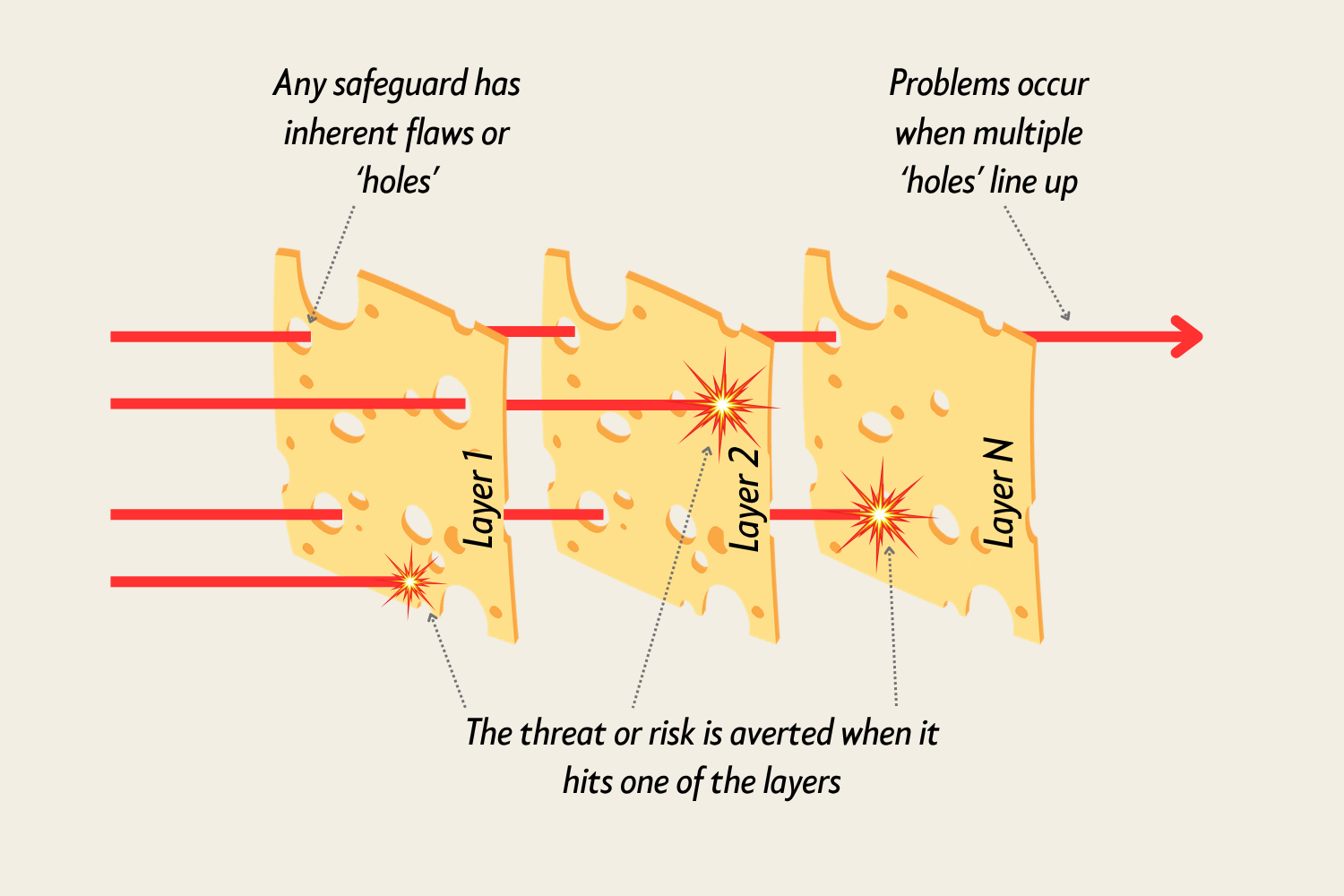
Swiss Cheese Model
Every layer of defense has holes — failure gets through only when several holes line up — fix is redundancy, not perfection.
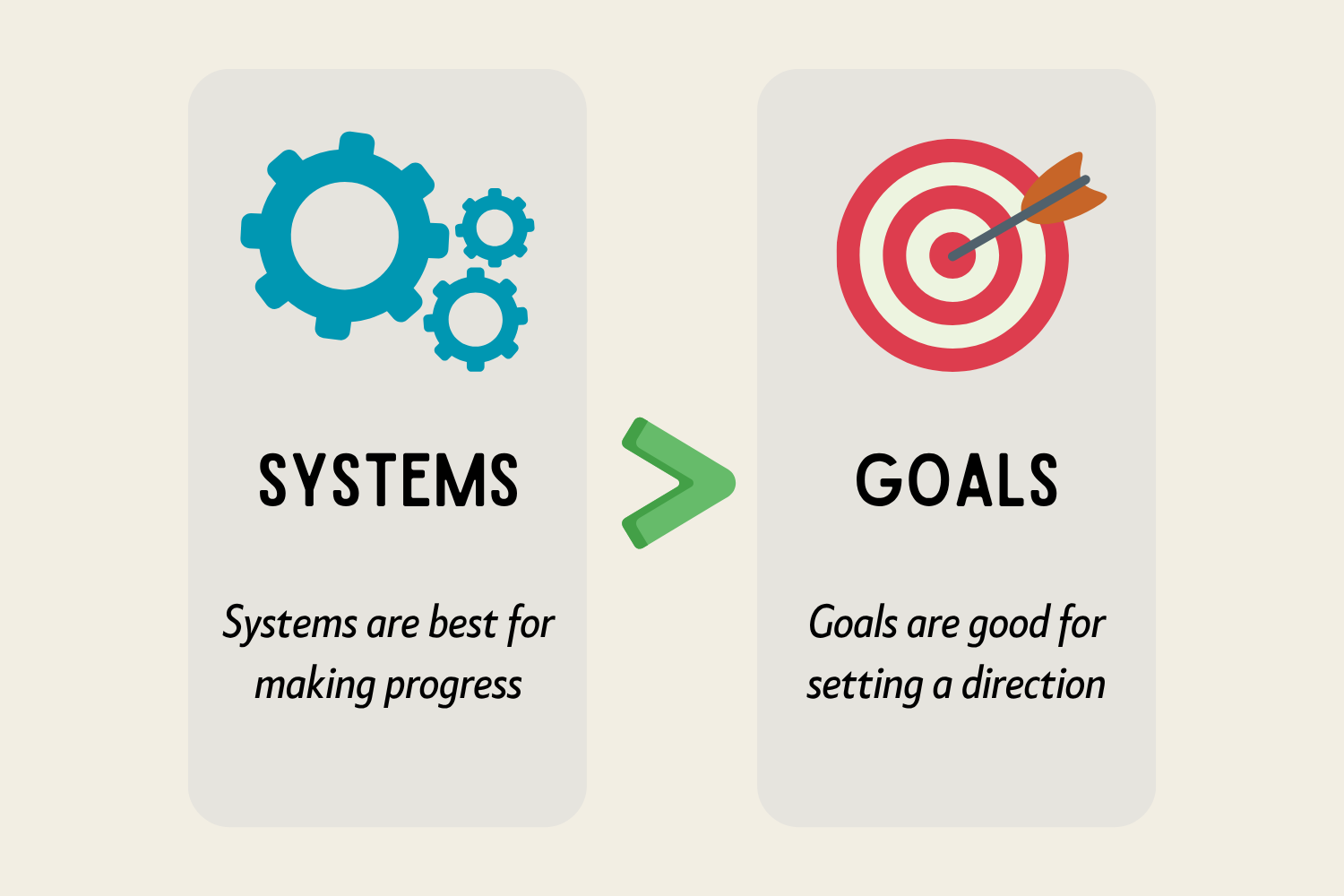
Systems > Goals
Results come from repeatable habits, not targets — turn every goal into a system of leading behaviors you design and track.

The Iceberg Model
Underneath an event sits a pattern, a structure, then the beliefs that built it — fix the wrong layer.
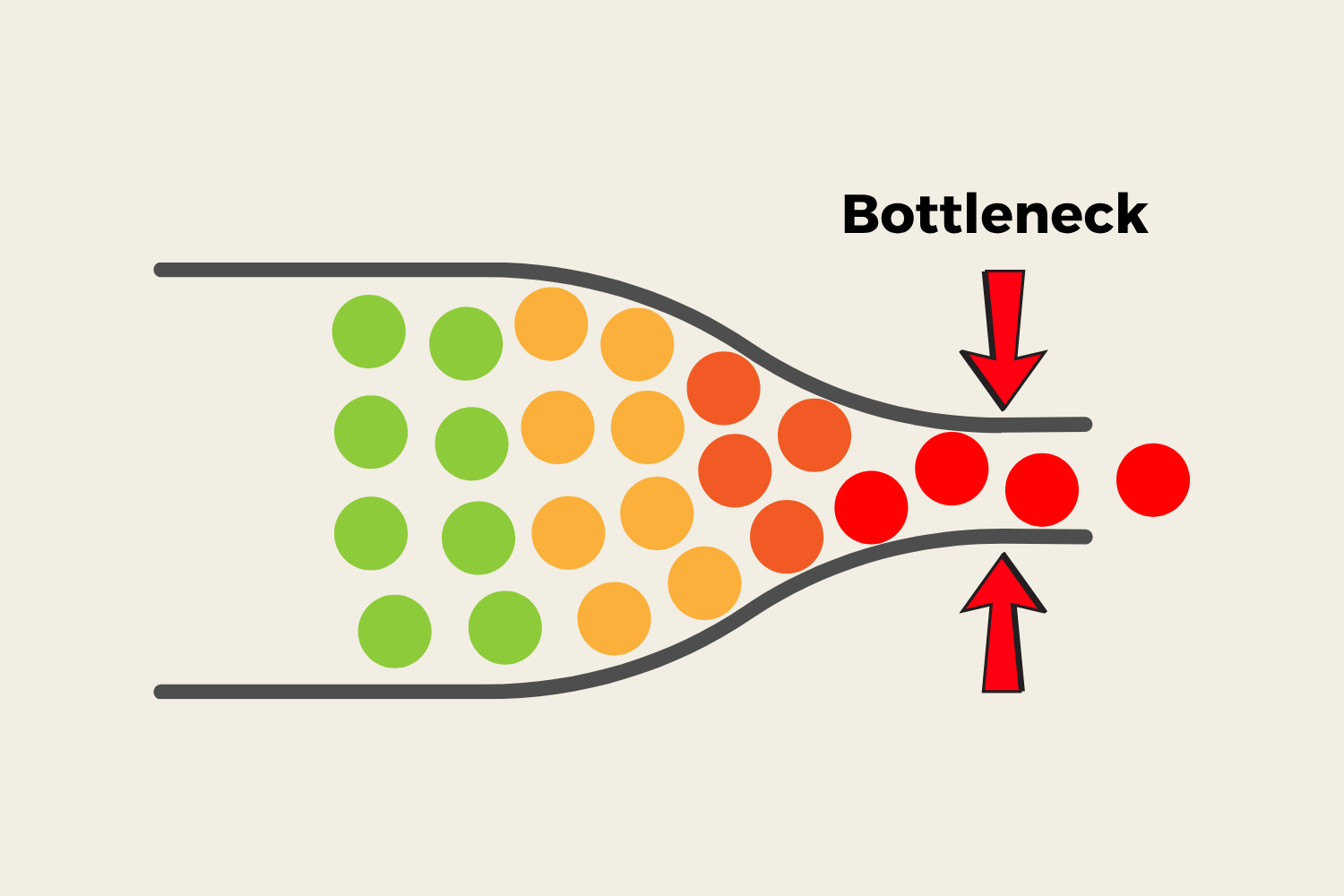
The Theory of Constraints
Every system has a bottleneck that caps everything it can produce — find that one constraint and put your energy there.
Skills related to Systems Analysis

Creative Thinking
Finding the approach everyone else misses, by challenging assumptions, widening your options, and testing unfamiliar ideas cheaply before you commit to them.

Decision-Making
Making a measured call fast, on information that's never complete, and correcting course as evidence comes in instead of defending your first answer.

Leading with AI
Knowing when to trust AI-generated work, when to dig into the reasoning behind it, and how to use it without letting your own judgment go soft.

Mental Agility
Matching how you lead to the situation in front of you and the person you're leading, because the approach that worked yesterday might be exactly wrong today.

Pattern Recognition
Noticing that a handful of small, separate signals are actually one thing, and naming the trend before it's obvious to everyone else.

Political Savvy
Reading the relationships, incentives, and unwritten rules that actually decide whether your idea gets adopted, not just whether it's the right one.

Prioritization
Picking the handful of things that actually matter and putting the team's energy there, which means saying no to almost everything else.

Problem-Solving
Solving problems systematically, diagnosing what's actually wrong before jumping in with a fix.

Productivity
Directing your time and energy at the work that actually matters, instead of letting whatever lands first run your day.

Strategic Thinking
Stepping back to see where things are heading, and actually letting that change what you do today.