Political Savvy
Reading the relationships, incentives, and unwritten rules that actually decide whether your idea gets adopted, not just whether it's the right one.
 Find this on the mind-map
Introduction
You probably resist this one on principle. The instinct is that good work should speak for itself, and that time spent on relationships instead of output is time wasted.
In practice, an organization runs on people, and people carry histories, incentives, and unwritten rules whether you've bothered to learn them or not.
The skill of political savvy isn't "manipulation". It's building influence deliberately, before you need it, instead of scrambling to do it under pressure the moment a decision is on the line. That means figuring out who actually needs to be convinced of an idea and in what order.
Why It Matters for Leaders
Without this skill, good ideas lose to worse ones that happened to have a sponsor. Decisions you thought were settled get quietly reversed in a room you weren't in. You end up the last person to hear the real reason something didn't happen, and you keep assuming that being right about a decision is the same as winning it. It isn't, if you never worked out who else needed to agree first.
Picture pitching a change you know is correct, backed by solid data, to a room that nods along and then eventually does nothing with it, because the one person whose budget it would touch wasn't in the room, and was never brought along beforehand. That's not a data problem. That's a savvy problem, and no amount of "being right" fixes it after the fact.
When you've built this skill, you walk into a room already knowing the map of who influences what, having done the persuading that mattered before you ever got there. You can tell the difference between an objection that's genuinely worth answering on its merits and one that's really a symptom of a relationship you've neglected.
Ability alone was never going to be enough on its own. This is what makes ability actually count.
What to do next
Master Political Savvy by taking the mini-course
Frameworks related to Political Savvy
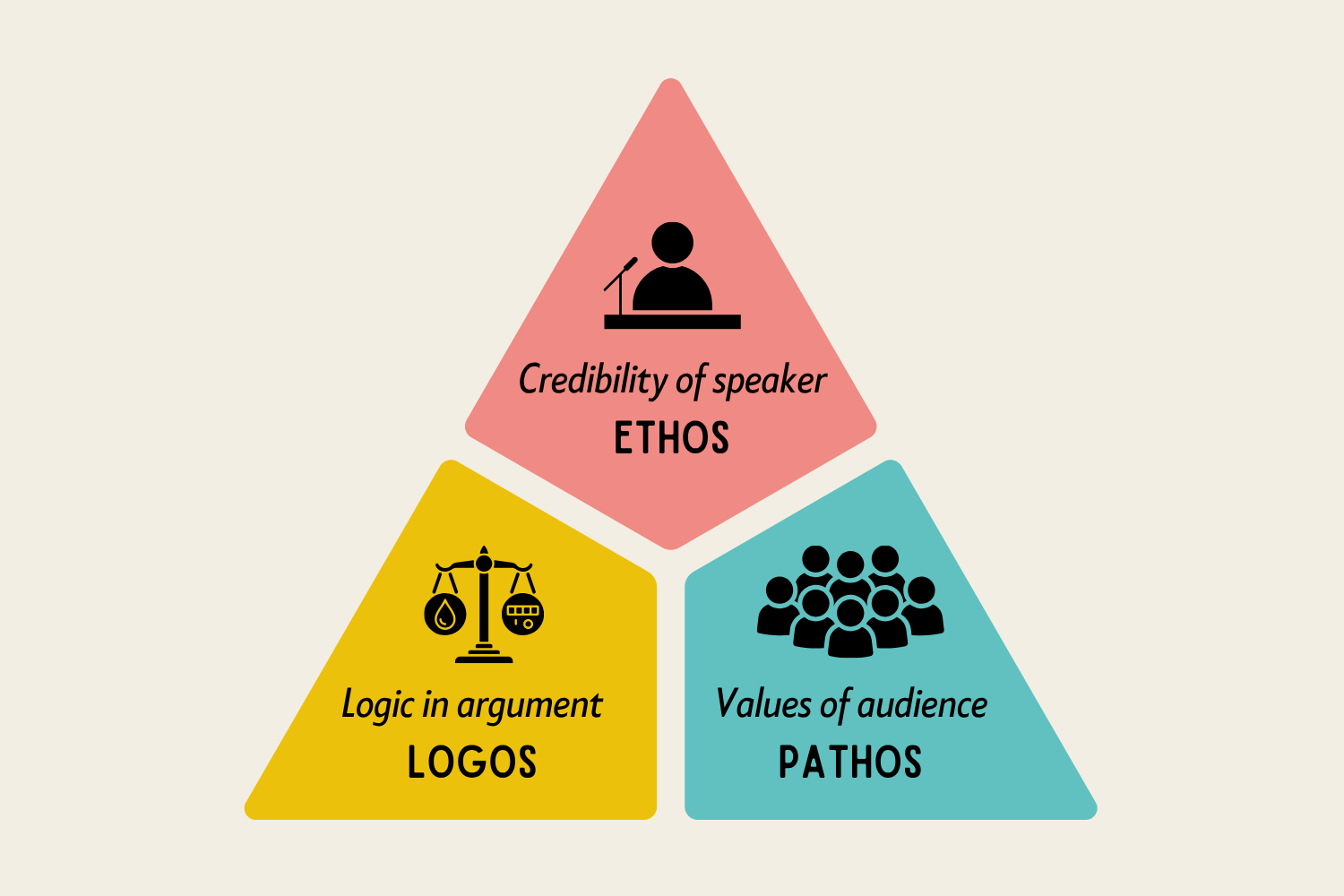
Aristotle's Rhetoric
Aristotle's persuasion rests on three appeals — ethos (credibility), pathos (emotion), logos (logic) — use all three or your message won't land.

STAR Technique
Turn an experience into evidence in four parts — Situation, Task, Action, Result — to advocate for your people, make the case.

The Influence Flywheel
A model for building influence without authority — five reinforcing spokes: Credibility, Connection, Clarity, Communication, Courage — building on each other.

The Power-Interest Grid
Plot each person by power and interest to know who to manage closely, who to keep happy, who needs updates.
Books related to Political Savvy

Skills related to Political Savvy

Creative Thinking
Finding the approach everyone else misses, by challenging assumptions, widening your options, and testing unfamiliar ideas cheaply before you commit to them.

Decision-Making
Making a measured call fast, on information that's never complete, and correcting course as evidence comes in instead of defending your first answer.

Leading with AI
Knowing when to trust AI-generated work, when to dig into the reasoning behind it, and how to use it without letting your own judgment go soft.

Mental Agility
Matching how you lead to the situation in front of you and the person you're leading, because the approach that worked yesterday might be exactly wrong today.

Pattern Recognition
Noticing that a handful of small, separate signals are actually one thing, and naming the trend before it's obvious to everyone else.

Prioritization
Picking the handful of things that actually matter and putting the team's energy there, which means saying no to almost everything else.

Problem-Solving
Solving problems systematically, diagnosing what's actually wrong before jumping in with a fix.

Productivity
Directing your time and energy at the work that actually matters, instead of letting whatever lands first run your day.

Strategic Thinking
Stepping back to see where things are heading, and actually letting that change what you do today.

Systems Analysis
Tracing how a decision in one part of the organization moves through the rest of it, instead of treating your team as its own island.