The Influence Flywheel
A model for building influence without authority — five reinforcing spokes: Credibility, Connection, Clarity, Communication, Courage — building on each other.
 Find this on the mind-map
Introduction
Gaurav Jain developed the Influence Flywheel for The Good Boss, drawing on two decades spent leading teams and negotiating with stakeholders who had no obligation to listen to him. It starts from a distinction most leaders feel but rarely name out loud.
How It Works
There are two kinds of influence, and they don't work the same way.
Influence with authority comes bundled with your title: you assign the work, approve the budget, make the call. People listen because they have to. It gets you quick results, but it tends to buy compliance, not commitment.
Influence without authority is the ability to move people by choice — you can't assign them tasks, control their rewards, or impose consequences, and they follow you anyway, because of trust, relationship, and clarity of thought. It's slower to build. It also holds.
Influence without authority runs on five spokes:
| Spoke | What it is | It comes from |
|---|---|---|
| Credibility | Being dependable — people can count on you to follow through and own your calls | Keeping promises, owning mistakes, saying "I don't know" when that's the truth |
| Connection | People feel heard, valued, and safe speaking up around you | Genuine listening, creating psychological safety, showing up for people |
| Clarity | Turning ideas into action by separating signal from noise | Naming the why behind the what, painting the future, being data-driven |
| Communication | How the message actually lands | Framing for your audience, using stories instead of slides, simplifying the complex |
| Courage | Saying the true thing when it's uncomfortable | Naming the elephant in the room, making bold calls, holding people accountable |
None of these are just nice ideas — there's research behind each one. Harvard Business Review finds high-trust leaders drive better performance and more innovation. Gartner finds teams with clearly communicated goals are nearly three times more likely to hit them. Stanford research finds stories are 22 times more memorable than facts alone. The Center for Creative Leadership finds courageous leaders earn significantly more trust and longer-lasting influence.
The flywheel metaphor is the whole point. Each spoke works on its own, but they feed off each other — getting the wheel moving takes real, deliberate effort, and once trust deepens and your messages start landing, each spoke makes the next one easier to spin.
Why It Matters for Leaders
You'll recognize this problem if you've ever managed in the middle of an org chart: you have the title, on paper you have the authority, and you still feel powerless. Stakeholders nod politely in your meetings and then go back to doing exactly what they were doing before you walked in.
That's because authority only moves people where the org chart actually reaches, and most real work crosses those lines — cross-functional projects, peer teams, senior stakeholders, partner organizations. Say you're a project manager responsible for delivery, but the developers report to a Development Manager and the testers report to a Quality Manager. You have zero formal power over any of them. The flywheel is what's left, and it's enough: be the most consistent person in the room, learn what the other managers actually care about, define success in concrete terms, connect the work back to the mission, and be the one who names delays calmly instead of hiding from them.
The flywheel is also a diagnostic. When your influence stalls out, one spoke is usually the bottleneck, and it's different for different relationships. With one stakeholder it's credibility, because you missed a commitment. With another it's connection, because you've never once asked what they're actually worried about. With a third, your idea just isn't clear enough yet to act on. Telling yourself "I need to be more persuasive" hides which one it actually is.
And it adds up over time. Small moves early are cheap, and their payoff grows: a promise you kept makes the next hard conversation easier, and a hard conversation handled well makes the next idea an easier sell.
What to do next
Test your knowledge of The Influence Flywheel
Practice The Influence Flywheel
Apply The Influence Flywheel to a real situation
Skills related to The Influence Flywheel

Communication & Influence
Using narrative, story, and structure to inspire, align, and actually move people, not just inform them.

Political Savvy
Reading the relationships, incentives, and unwritten rules that actually decide whether your idea gets adopted, not just whether it's the right one.
Frameworks related to The Influence Flywheel
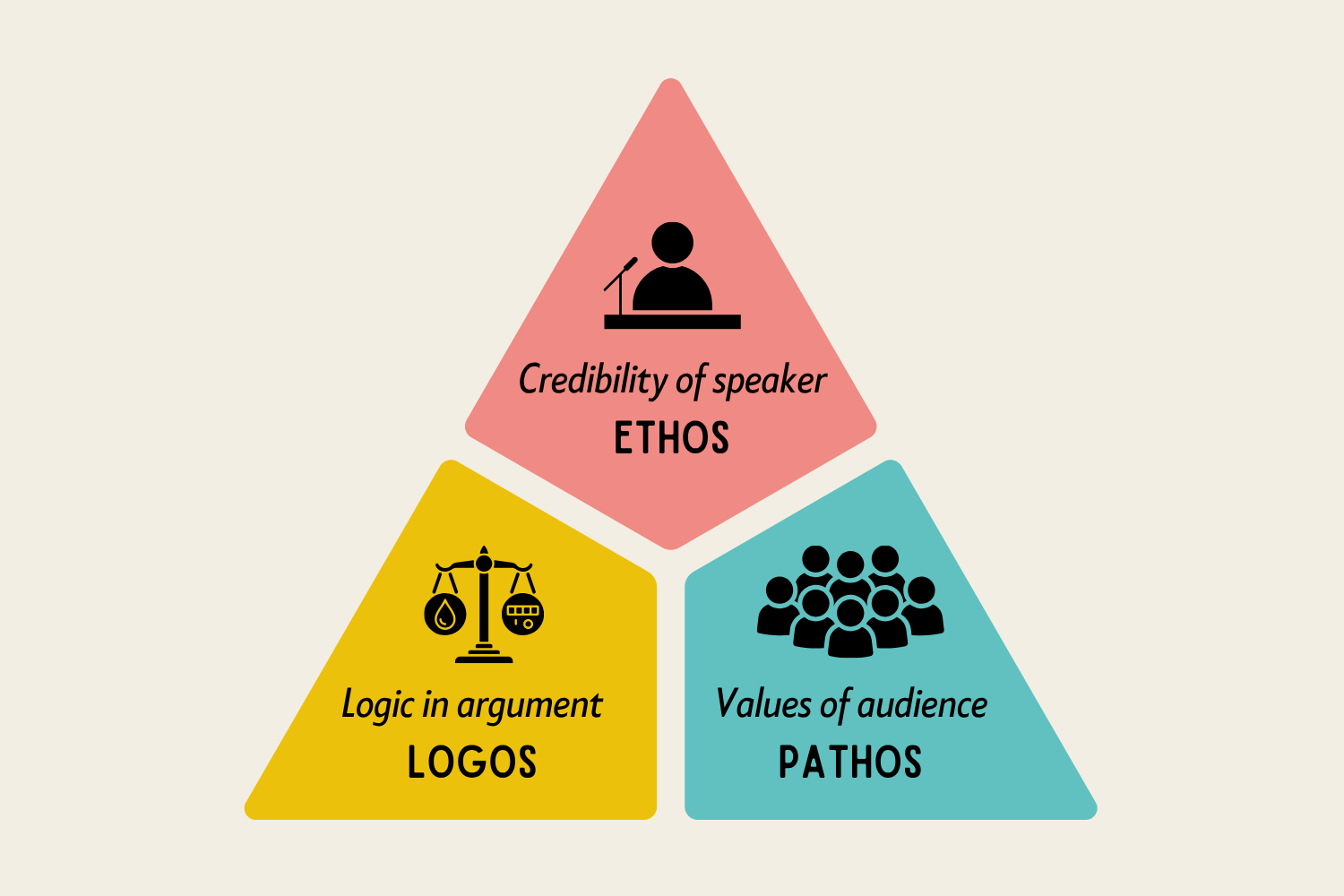
Aristotle's Rhetoric
Aristotle's persuasion rests on three appeals — ethos (credibility), pathos (emotion), logos (logic) — use all three or your message won't land.
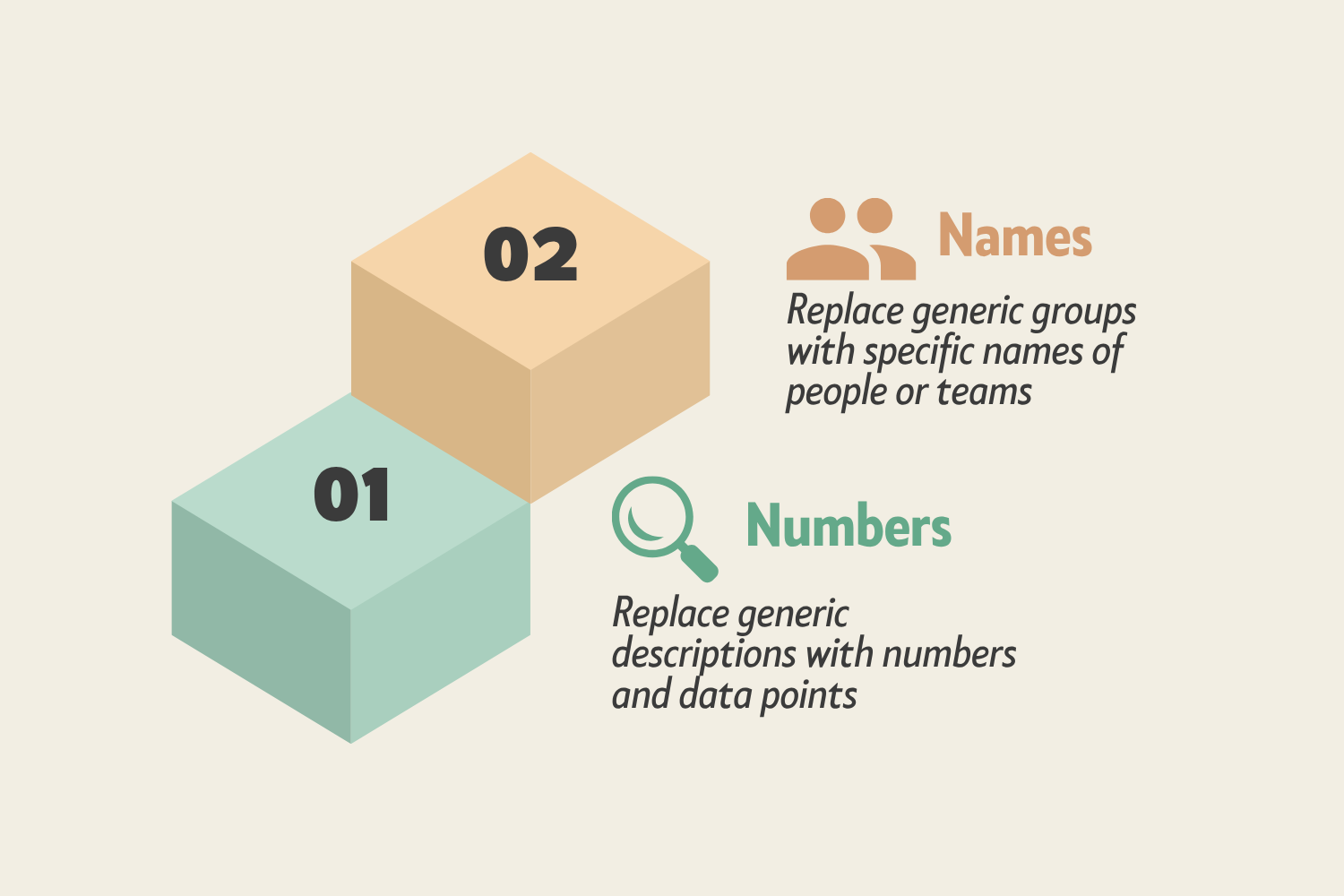
Cleverness to Clarity
Drop corporate jargon for clear, direct language — three reasons (trust, speed, growth) and the 2N Formula for doing it.

STAR Technique
Turn an experience into evidence in four parts — Situation, Task, Action, Result — to advocate for your people, make the case.
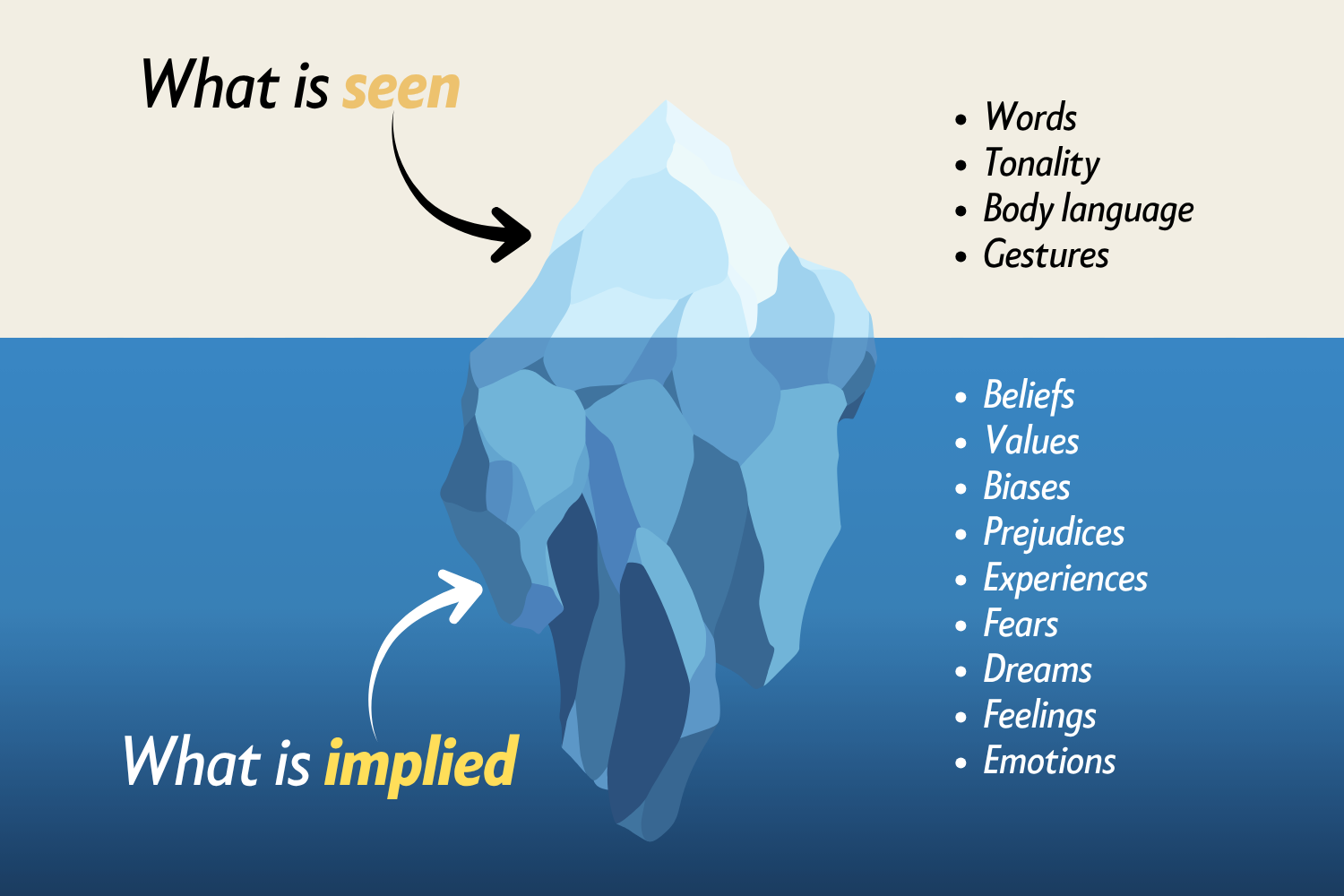
The Hemingway Iceberg Technique
A communication method from Hemingway's writing — say less, cut the padding, use specifics — letting what's unsaid carry the weight.
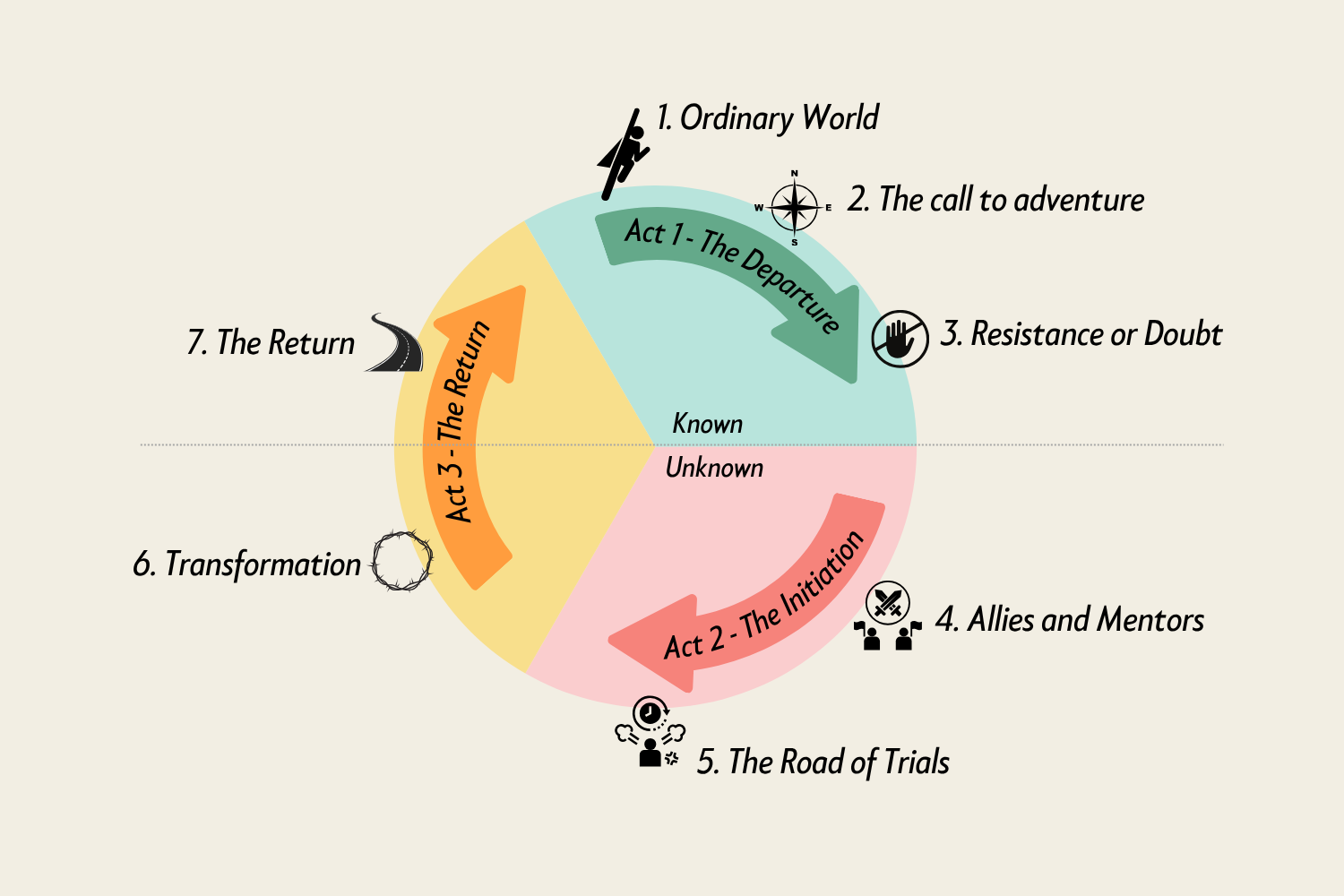
The Hero's Journey
Joseph Campbell's story arc — struggle, growth, return — turned into a structure for leadership storytelling people remember and act on.

The Power-Interest Grid
Plot each person by power and interest to know who to manage closely, who to keep happy, who needs updates.
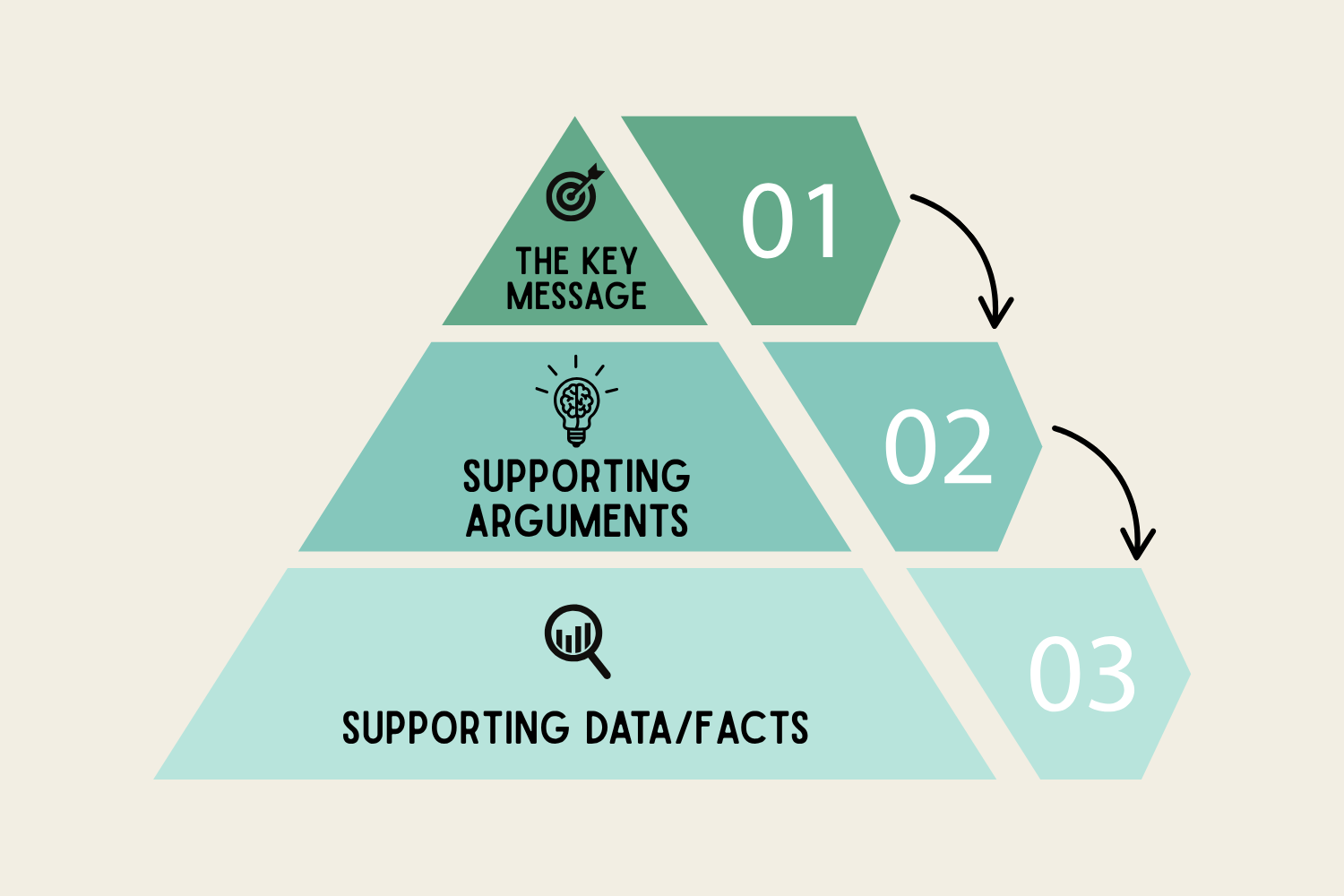
The Pyramid Principle
Barbara Minto's McKinsey-born rule: lead with your conclusion, back it with 2 to 4 grouped arguments, support each with evidence.
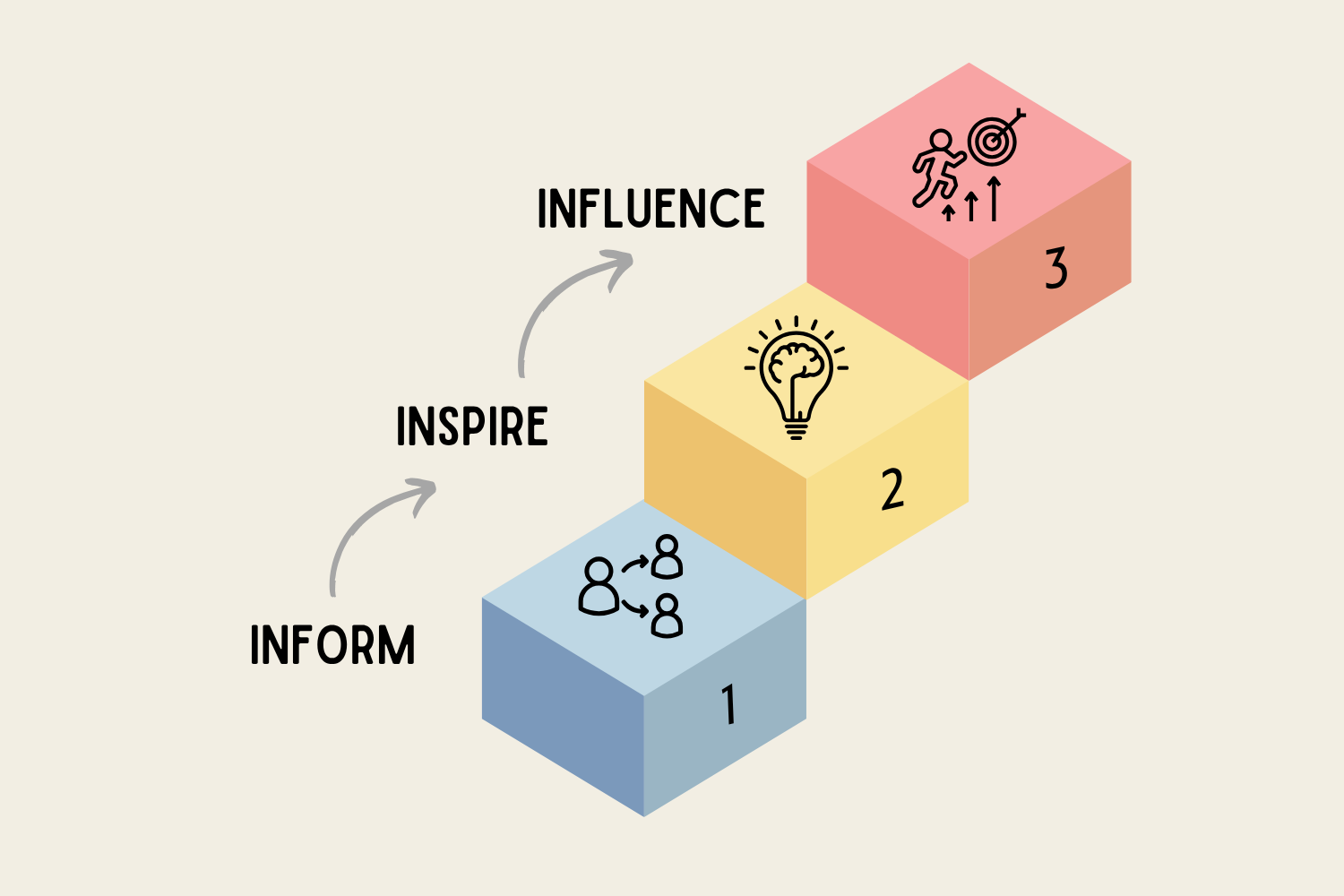
The Three Stages of Communication
Leadership communication runs in three stages — Inform (facts), Inspire (emotion), Influence (action) — the one you're stuck in reveals the problem.
Books related to The Influence Flywheel

Crucial Conversations
A manager's guide to the book about the story you make up before you open your mouth. It's not really a book about talking, but about the half-second before you talk that decides whether the conversation goes well or badly.

Difficult Conversations
The Harvard Negotiation Project's case that every hard conversation you're avoiding is actually three conversations tangled together: a dispute over facts, a buried argument about feelings, and a quiet question about identity, and most people only ever engage the first one.

Games People Play
The psychiatrist who invented Transactional Analysis, explaining why so many conversations at work are really scripted performances with a hidden payoff. It's a guide to spotting the game before you're cast in a role you didn't agree to.

Getting to Yes
The original Harvard Negotiation Project playbook. Negotiate on interests and objective standards instead of trading positions back and forth, and you stop needing to choose between being "nice" and getting a good outcome.

Give and Take
Adam Grant's organizational-psychology case that how you handle reciprocity, giving, taking, or matching, predicts long-run success better than talent does, as long as you give the right way.

Good Leaders Ask Great Questions
John Maxwell's case that the single clearest sign a leader has stopped growing is that they've stopped asking real questions, and that the habit of asking, not the gift of answering, is what keeps a leader's judgment sharp over time.

How to Win Friends and Influence People
The original relationship-building classic, decades before "emotional intelligence" had a name. Carnegie's bet is that nearly every influence problem is actually an ego-management problem, yours and theirs.

Influence
A social psychologist's field guide to the handful of automatic triggers that make people say yes, written so you can recognize them when they're used on you, and use them honestly when you're the one asking.

Leadership is Language
David Marquet's argument, built from his time commanding a nuclear submarine, that the exact words a leader habitually uses either keep an organization stuck in command-and-control execution mode or genuinely open it up to better thinking. Most leaders have no idea which one their default language is doing.

Made to Stick
Why urban legends, conspiracy theories, and your most forgettable all-hands deck follow completely different rules, and the six ingredients Chip and Dan Heath found in every idea that actually sticks in people's heads, whether or not it deserves to.

Never Split the Difference
A former FBI lead hostage negotiator's case against "splitting the difference," negotiation isn't a logic problem you solve at the table, it's an emotional one you solve before you ever get there.

Quiet
Susan Cain's case against the modern workplace's "Extrovert Ideal": the unexamined assumption that the loudest, fastest-talking, most group-comfortable person in the room is automatically the most capable one, and what gets lost, specifically, when organizations build around that assumption.

Radical Candor
Kim Scott's case that most managers who avoid giving hard feedback think they're being kind, and are actually doing the least kind thing possible, because withheld feedback doesn't disappear, it just shows up later as a surprise.

Surrounded by Idiots
A blunt, color-coded field guide to why the person across the table from you seems to be speaking a different language, because, behaviorally, they basically are.

The 16 Undeniable Laws of Communication
John Maxwell's case that communication is not a personality trait some leaders are simply born with, it's sixteen learnable, named laws, grouped around who's speaking, what's said, how it's said, when it's said, and why it's said.

The 48 Laws of Power
Robert Greene's amoral compendium of how power actually moves through organizations and courts, stripped of any pretense that fairness or merit is what decides who wins. Useful as a decoder, dangerous as a playbook.

The 7 Habits of Highly Effective People
Stephen Covey's classic, read through a modern-manager lens. Many of the ideas taught today as "new" leadership frameworks were already captured here decades ago.