Cleverness to Clarity
Drop corporate jargon for clear, direct language — three reasons (trust, speed, growth) and the 2N Formula for doing it.
 Find this on the mind-map
Introduction
Gaurav Jain built this for The Good Boss, pushing back on a common belief: that abstract terms and corporate jargon make a leader sound smart and senior. It's backwards. The mark of an authentic leader is being clear, concise, and direct.
How It Works
The framework has two parts: three reasons clarity matters, and one formula for producing it.
Reason 1: It builds trust. Complicated language and industry jargon read as manipulative or insincere, because they hand the listener the job of decoding your message. Patrick Lencioni names absence of trust as the root dysfunction on a team in The Five Dysfunctions of a Team, and clever language chips away at exactly that. Simple, straightforward words read as authentic and transparent.
Reason 2: It makes you faster. Ambiguous language leaves room for interpretation, and interpretation produces misalignment. Some leaders use abstraction on purpose — to soften a hard message or dodge accountability. A restructuring email that says a decision was made "in the larger interest of the organization" so "the two divisions can foster their synergies" tells nobody why, who's affected, or what happens next — its real product is confusion. A clear version names the outcome, the reasoning, the impact, who decided, and what happens next.
Reason 3: It's how people actually grow. Feedback wrapped in layers loses its message, especially when you're avoiding a hard conversation. The person can walk out feeling fine and have no idea what actually needs to change. Direct feedback — specifics, examples, timelines, expectations — is what lets someone actually improve. It takes courage to give it, and it's what sets people up to grow.
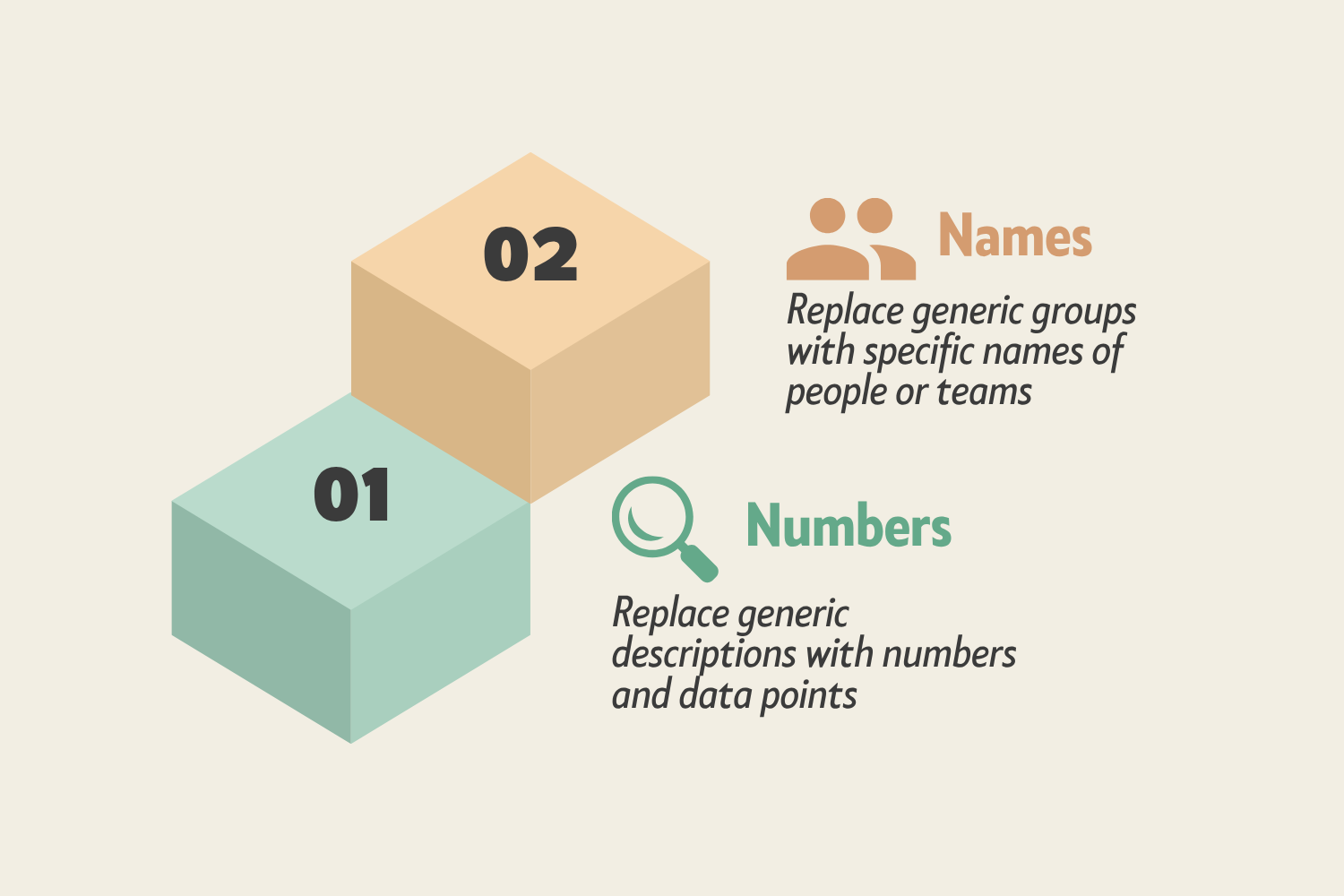
The tool: the 2N Formula. Numbers and Names. Swap generic descriptions for numbers and objective data. Swap generic groups for the actual names of the people or teams involved.
Why It Matters for Leaders
Jargon spreads upward. The higher you climb, the more of it you hear, which makes it feel like the language of seniority — and makes speaking plainly feel risky by comparison. That's how you end up sounding senior and saying nothing at all.
The cost lands on your team. When they nod through a vague announcement, they go piece together the meaning afterward, usually in side conversations, usually getting it wrong. Every generalization you use is work you've just handed to someone else.
Culture copies behavior, and communication style is one of the behaviors a team picks up fastest. Speak plainly and your team learns to speak plainly. Hide behind abstraction and your team learns to hide too — including when something's actually going wrong.
The quietest cost is on development. Sugar-coat feedback consistently and your performance conversations turn into box-checking exercises, and the person across from you loses years of correction they never knew they needed.
What to do next
Test your knowledge of Cleverness to Clarity
Apply Cleverness to Clarity to a real situation
Skills related to Cleverness to Clarity

Frameworks related to Cleverness to Clarity
Aristotle's Rhetoric
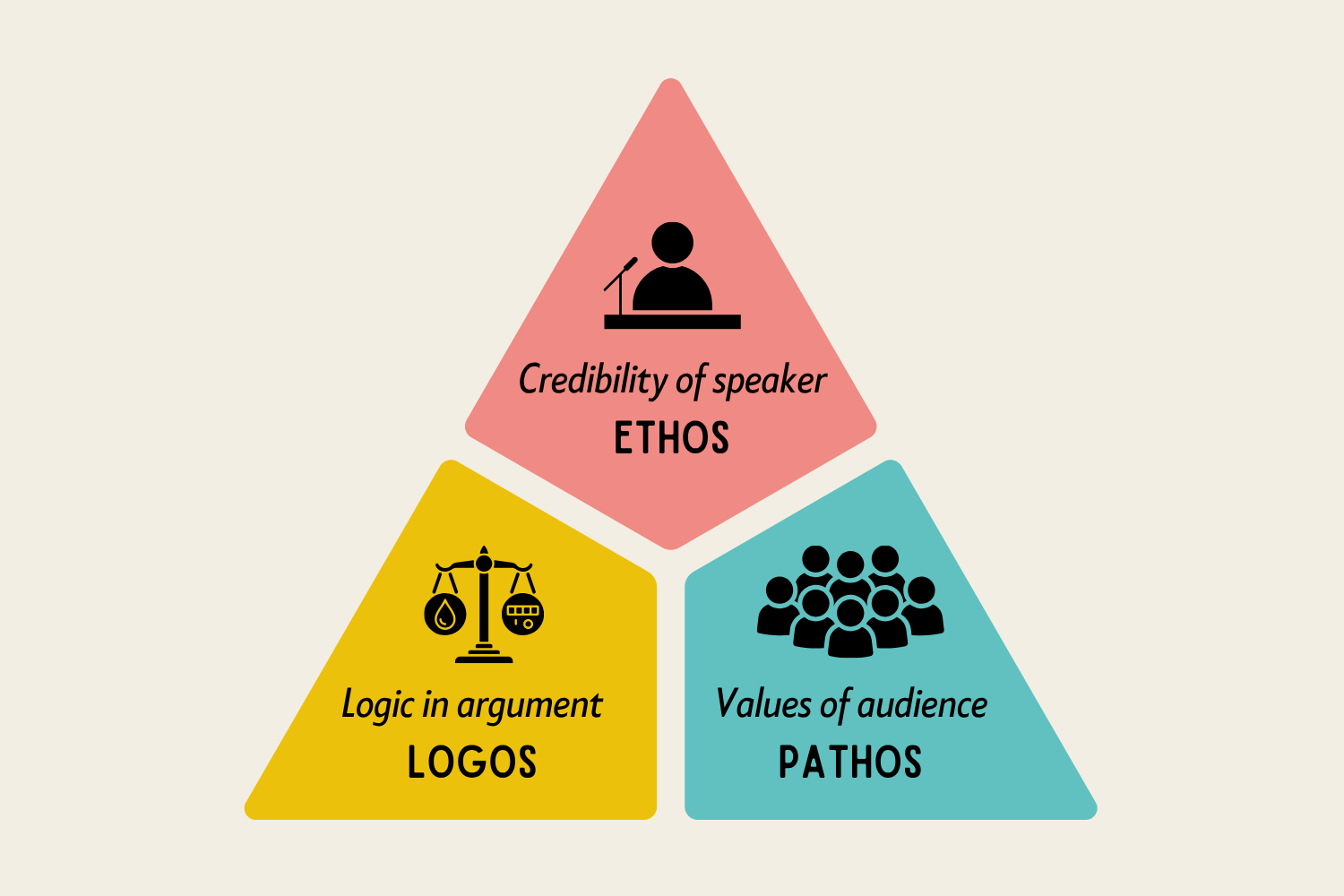
Aristotle's persuasion rests on three appeals — ethos (credibility), pathos (emotion), logos (logic) — use all three or your message won't land.

STAR Technique
Turn an experience into evidence in four parts — Situation, Task, Action, Result — to advocate for your people, make the case.
The Hemingway Iceberg Technique
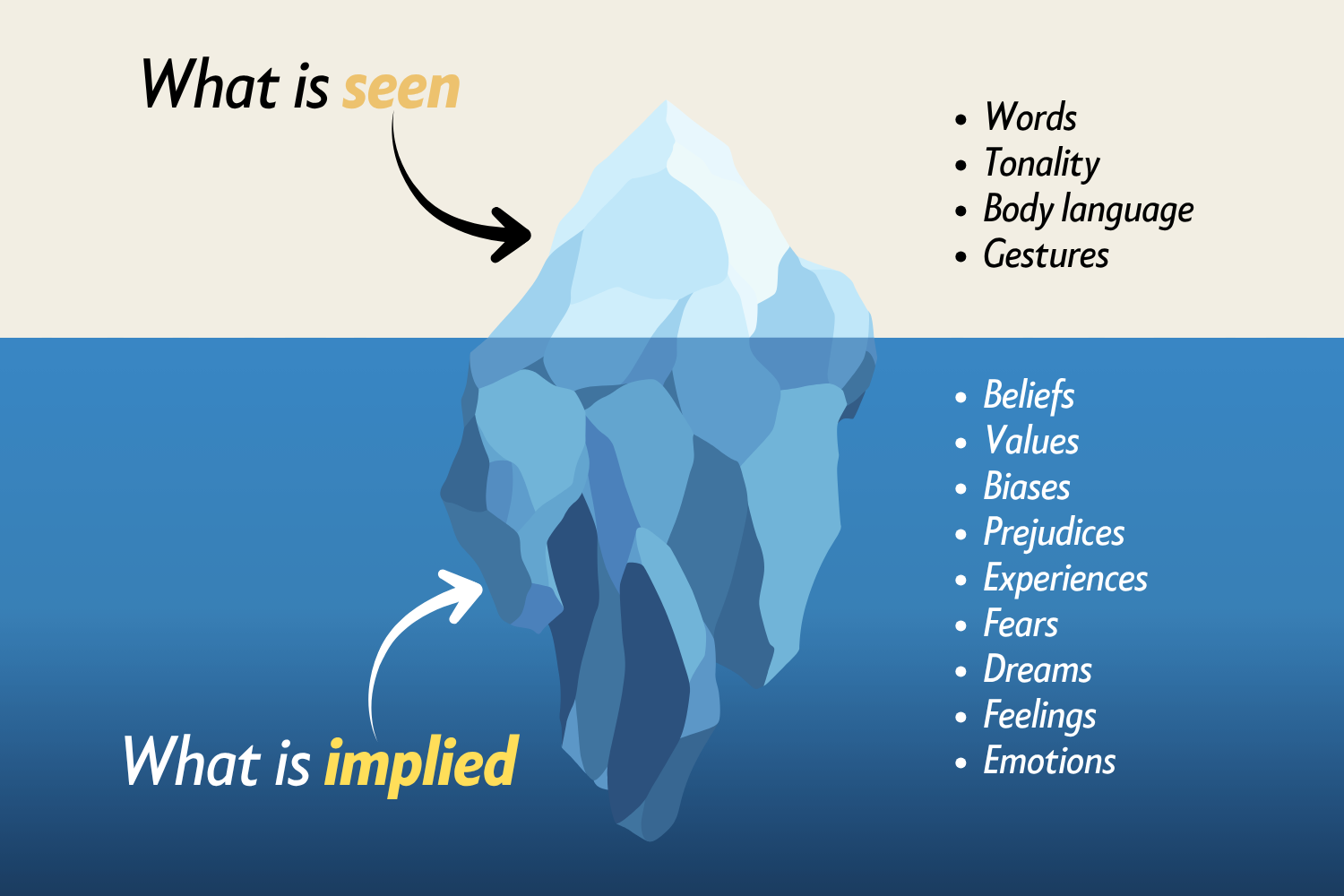
A communication method from Hemingway's writing — say less, cut the padding, use specifics — letting what's unsaid carry the weight.
The Hero's Journey
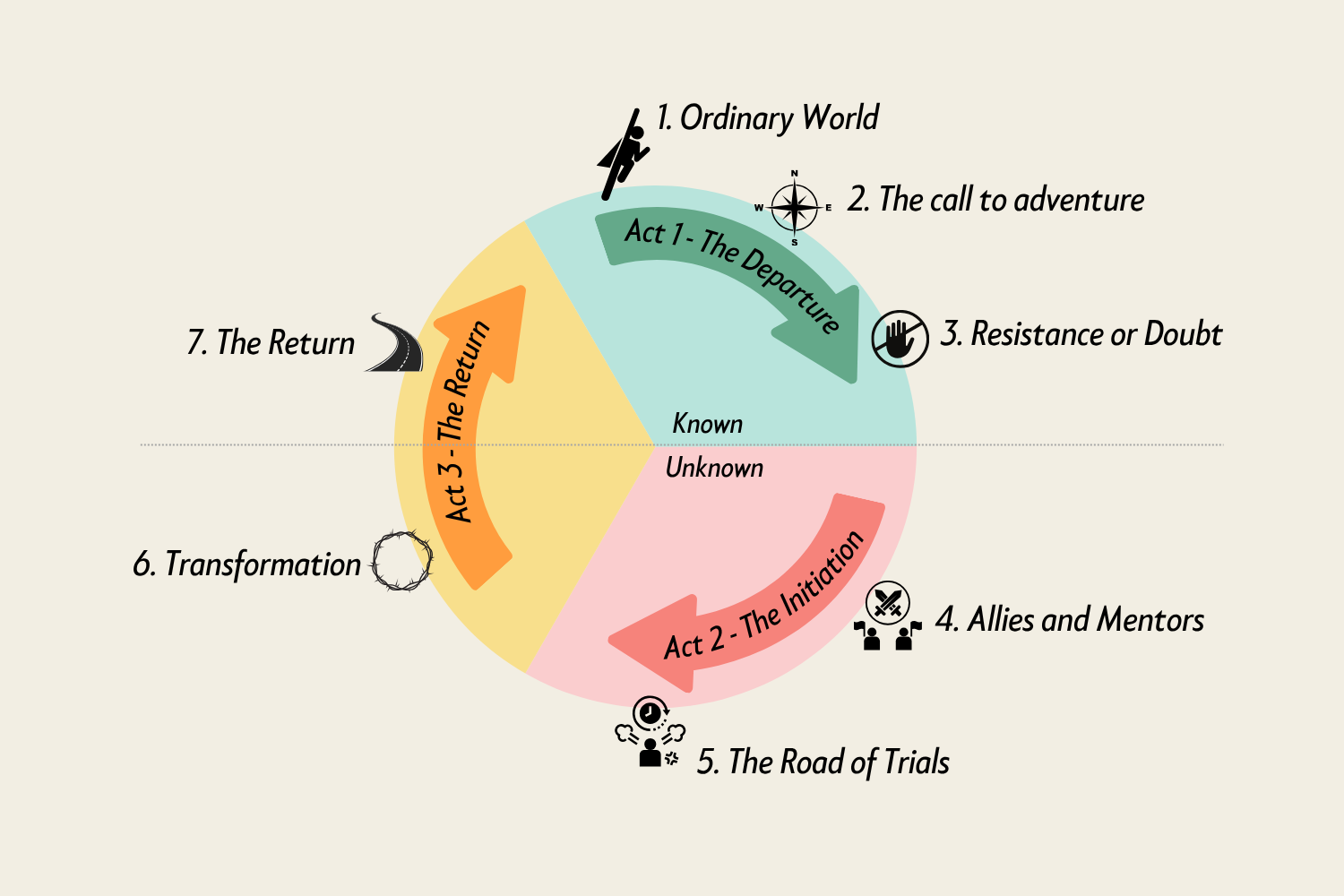
Joseph Campbell's story arc — struggle, growth, return — turned into a structure for leadership storytelling people remember and act on.

The Influence Flywheel
A model for building influence without authority — five reinforcing spokes: Credibility, Connection, Clarity, Communication, Courage — building on each other.
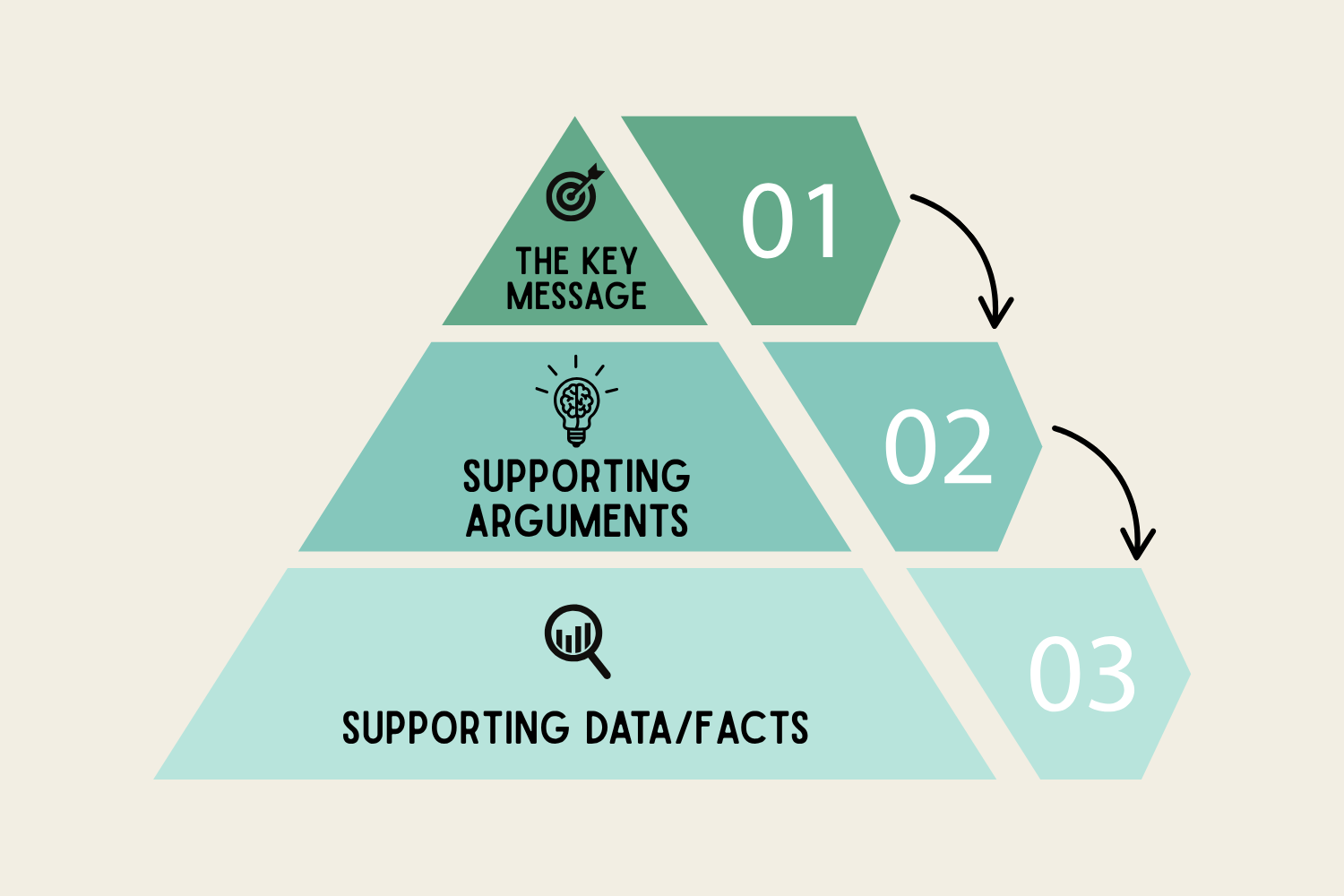
The Pyramid Principle
Barbara Minto's McKinsey-born rule: lead with your conclusion, back it with 2 to 4 grouped arguments, support each with evidence.
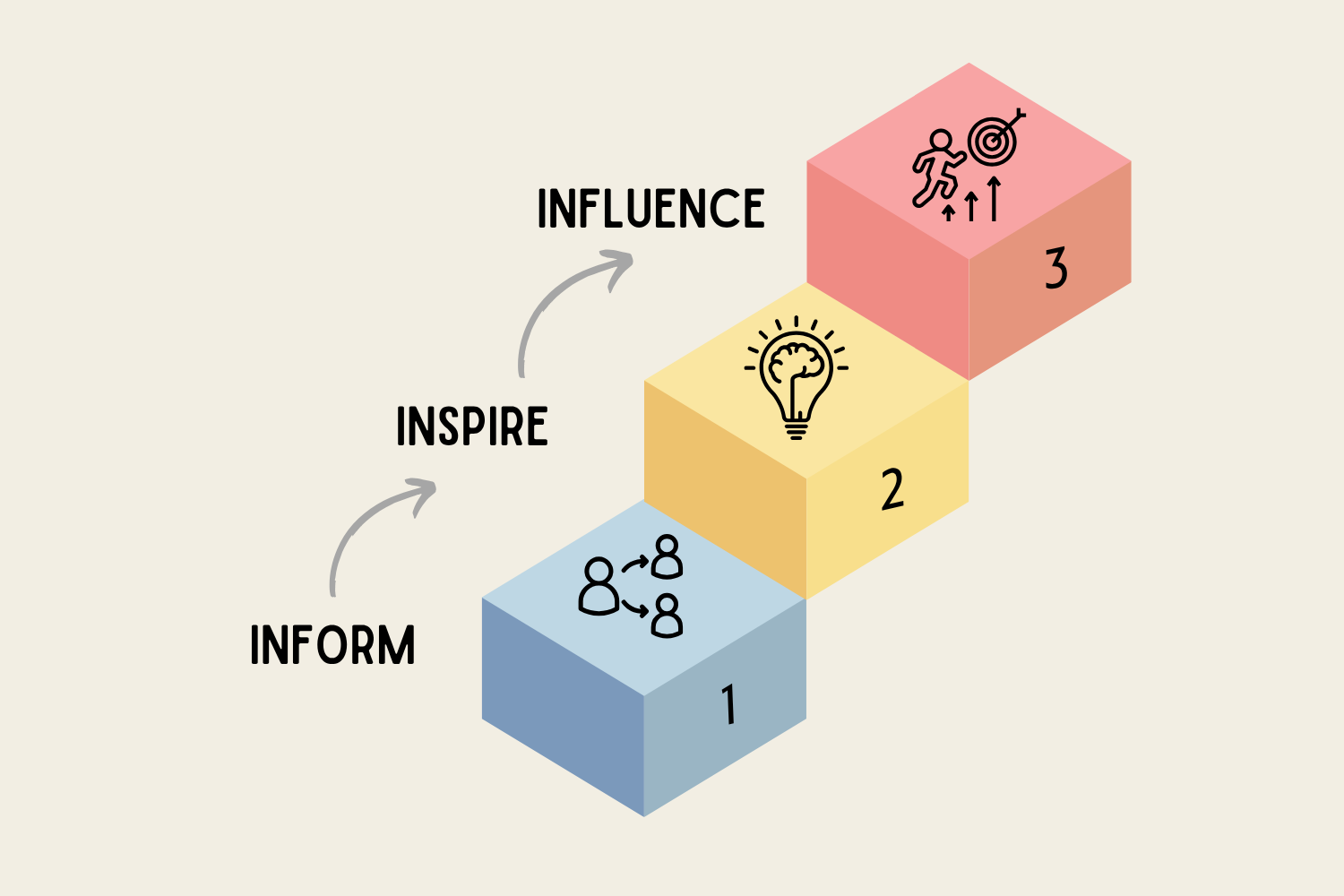
The Three Stages of Communication
Leadership communication runs in three stages — Inform (facts), Inspire (emotion), Influence (action) — the one you're stuck in reveals the problem.
Books related to Cleverness to Clarity

Crucial Conversations
A manager's guide to the book about the story you make up before you open your mouth. It's not really a book about talking, but about the half-second before you talk that decides whether the conversation goes well or badly.

Difficult Conversations
The Harvard Negotiation Project's case that every hard conversation you're avoiding is actually three conversations tangled together: a dispute over facts, a buried argument about feelings, and a quiet question about identity, and most people only ever engage the first one.

Games People Play
The psychiatrist who invented Transactional Analysis, explaining why so many conversations at work are really scripted performances with a hidden payoff. It's a guide to spotting the game before you're cast in a role you didn't agree to.

Getting to Yes
The original Harvard Negotiation Project playbook. Negotiate on interests and objective standards instead of trading positions back and forth, and you stop needing to choose between being "nice" and getting a good outcome.

Give and Take
Adam Grant's organizational-psychology case that how you handle reciprocity, giving, taking, or matching, predicts long-run success better than talent does, as long as you give the right way.

Good Leaders Ask Great Questions
John Maxwell's case that the single clearest sign a leader has stopped growing is that they've stopped asking real questions, and that the habit of asking, not the gift of answering, is what keeps a leader's judgment sharp over time.

How to Win Friends and Influence People
The original relationship-building classic, decades before "emotional intelligence" had a name. Carnegie's bet is that nearly every influence problem is actually an ego-management problem, yours and theirs.

Influence
A social psychologist's field guide to the handful of automatic triggers that make people say yes, written so you can recognize them when they're used on you, and use them honestly when you're the one asking.

Leadership is Language
David Marquet's argument, built from his time commanding a nuclear submarine, that the exact words a leader habitually uses either keep an organization stuck in command-and-control execution mode or genuinely open it up to better thinking. Most leaders have no idea which one their default language is doing.

Made to Stick
Why urban legends, conspiracy theories, and your most forgettable all-hands deck follow completely different rules, and the six ingredients Chip and Dan Heath found in every idea that actually sticks in people's heads, whether or not it deserves to.

Never Split the Difference
A former FBI lead hostage negotiator's case against "splitting the difference," negotiation isn't a logic problem you solve at the table, it's an emotional one you solve before you ever get there.

Quiet
Susan Cain's case against the modern workplace's "Extrovert Ideal": the unexamined assumption that the loudest, fastest-talking, most group-comfortable person in the room is automatically the most capable one, and what gets lost, specifically, when organizations build around that assumption.

Radical Candor
Kim Scott's case that most managers who avoid giving hard feedback think they're being kind, and are actually doing the least kind thing possible, because withheld feedback doesn't disappear, it just shows up later as a surprise.

Surrounded by Idiots
A blunt, color-coded field guide to why the person across the table from you seems to be speaking a different language, because, behaviorally, they basically are.

The 16 Undeniable Laws of Communication
John Maxwell's case that communication is not a personality trait some leaders are simply born with, it's sixteen learnable, named laws, grouped around who's speaking, what's said, how it's said, when it's said, and why it's said.

The 48 Laws of Power
Robert Greene's amoral compendium of how power actually moves through organizations and courts, stripped of any pretense that fairness or merit is what decides who wins. Useful as a decoder, dangerous as a playbook.

The 7 Habits of Highly Effective People
Stephen Covey's classic, read through a modern-manager lens. Many of the ideas taught today as "new" leadership frameworks were already captured here decades ago.