Games People Play
The psychiatrist who invented Transactional Analysis, explaining why so many conversations at work are really scripted performances with a hidden payoff. It's a guide to spotting the game before you're cast in a role you didn't agree to.
 Find this on the mind-map
Introduction
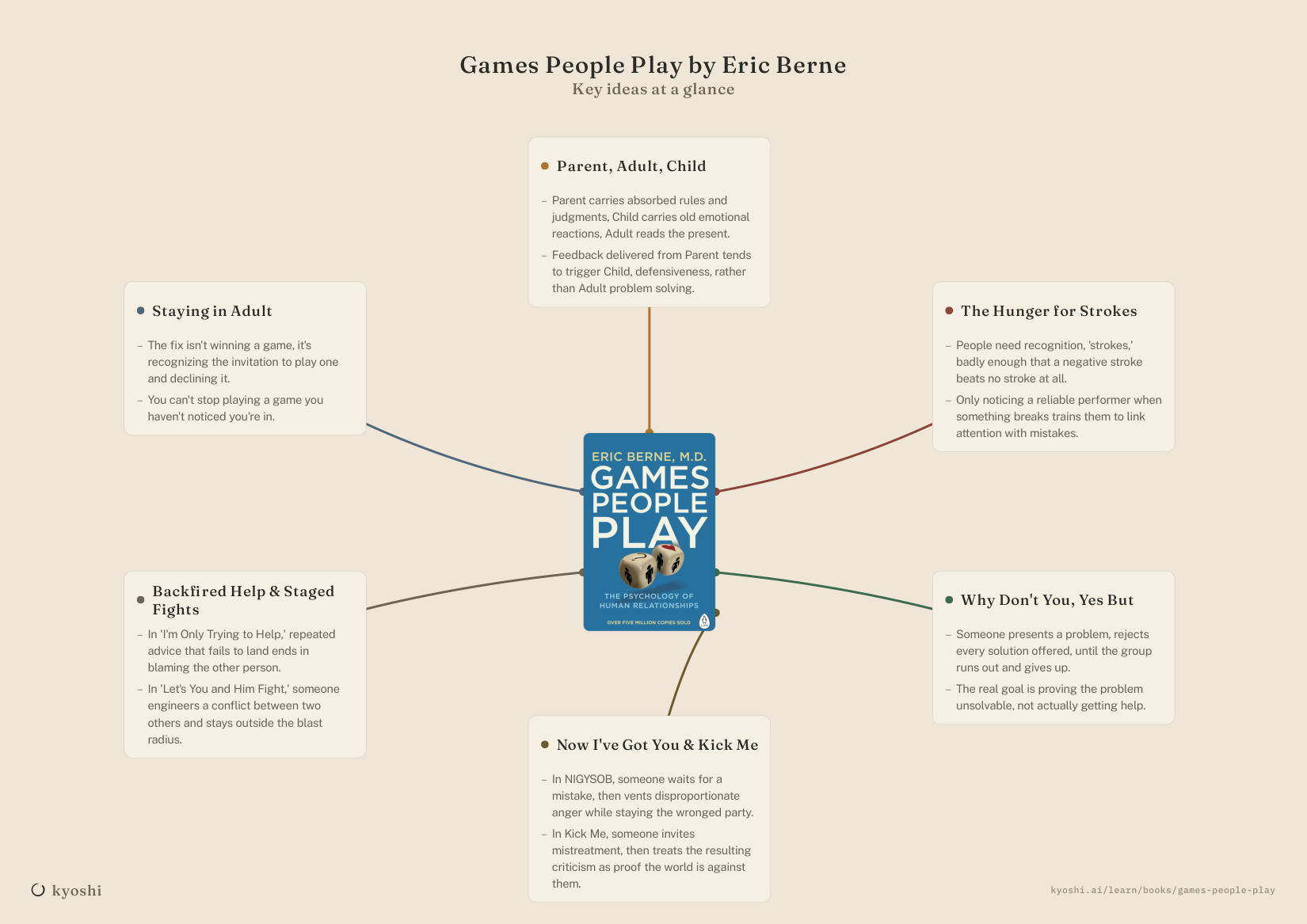
Eric Berne, a psychiatrist, built Transactional Analysis on a simple but durable idea: in any interaction, each person is operating from one of three internal ego states, Parent, Adult, or Child. A surprising amount of everyday social life, work included, runs on recurring, semi-scripted sequences Berne called "games": a series of transactions with an ulterior motive hidden beneath the surface conversation, ending in a predictable, familiar payoff that neither player consciously set out to get. Berne catalogued dozens of these by name, sorted into categories (life games, marital games, party games, sexual games, consulting-room games), and a handful of the life and party games translate almost unchanged onto a modern team.
Parent, Adult, Child
The Parent state carries rules and judgments absorbed from parental figures early in life ("you should," "that's wrong"). The Child state carries old emotional reactions: delight, fear, rebellion, intuition. The Adult state is the one actually processing the present situation on its own terms, independent of either. A manager giving blunt feedback from Parent ("you really should have caught this") tends to trigger Child in the other person, defensiveness or compliant shrinking, rather than Adult-to-Adult problem solving. The content of the feedback might be completely fair, and it still won't land, because of which state it was delivered from and received into.
Strokes and the Hunger for Recognition
Every exchange is a "transaction," and Berne argued people are driven by a real, almost physical need for recognition, what he called "strokes," positive or negative. His uncomfortable finding: a negative stroke (criticism, conflict) is often preferable to no stroke at all, which is why some people appear to provoke conflict rather than go unnoticed. A manager who only acknowledges a quiet, reliable performer when something goes wrong is training that person to associate attention with mistakes.
Why Don't You, Yes But
This was the first game Berne ever isolated and named, and it's still one of the clearest. Someone presents a problem to a group; each person offers a solution; the presenter answers every single one with "yes, but" and a reason it won't work, until the group runs out of suggestions and the exchange dies in silence. Berne's own illustration is a woman complaining that her husband botches the household repairs: take a carpentry course, buy better tools, hire a carpenter, yes-but, yes-but, yes-but. The "help" being requested was never the actual goal; proving the problem unsolvable, and that nobody really understands the situation, was. The office version is identical in shape: someone brings a problem to a 1:1 and rejects every option offered, one after another.
Two Life Games: Now I've Got You, and Kick Me
Berne called a few of his patterns "life games": ones with a decisive, recurring effect on how someone moves through their whole working life, not just one conversation. In "Now I've Got You, You Son of a Bitch" (NIGYSOB), the player waits, often for a long time, for someone else to make a mistake, then responds with anger wildly out of proportion to the actual error. The payoff isn't the mistake itself, it's the chance to feel fully justified venting accumulated resentment while still, technically, being the wronged party. In "Kick Me," someone behaves in a way that invites mistreatment without much notice: chronically underselling their work, missing details that will get them called out. They then treat the resulting criticism as proof the world is against them. Berne's point about both: the fix isn't more sympathy, which is just another stroke keeping the pattern alive; it's naming the setup and declining to play your assigned part in it.
I'm Only Trying to Help You, and Let's You and Him Fight
Two more of Berne's named games show up constantly in management. In "I'm Only Trying to Help You," someone offers advice repeatedly, watches it fail to land, and ends up blaming the other person, without much notice, for being ungrateful or unhelpable, rather than reconsidering whether the "help" was ever calibrated to actually work. The real payoff is confirming the helper's own competence against someone who "couldn't be helped." In "Let's You and Him Fight," Berne's original version plays out as romantic rivalry: one person engineers competition between two others and exits with a third once the fight is underway. But the underlying structure he describes, instigating a conflict and staying just outside the blast radius while benefiting from the outcome either way, is one he notes isn't always driven by a single individual; sometimes a whole group sets it up. On a team, it's the shape of the colleague who reliably stirs friction between two others and is somehow never the one left holding it.
Staying in Adult
Berne's practical answer isn't a trick for winning games. It's recognizing the invitation to play one and declining it by staying in Adult. If someone opens with "Why Don't You, Yes But," respond with a genuine question about what they've already tried and what outcome they're actually looking for, instead of offering the next suggestion that's destined for the same "yes, but." As Berne himself put it, the only real way to stop playing a game is to stop playing. And you can't stop playing a game you haven't noticed you're in.
Putting It Together
The throughline is that a lot of workplace friction isn't really about the stated topic. It's two or three people unconsciously running old, named scripts, from Parent or Child states, chasing a familiar payoff rather than an actual resolution. Noticing which state you're operating from, and which specific game you've just been invited into, is most of the practical value here; you can't decline an invitation you don't recognize as one.
Why It Matters for Leaders
Most managers think their job is giving the right answer. Berne's real lesson is that the state you're in when you give that answer matters as much as what you actually say. The exact same feedback, delivered from Parent, lands as a correction to flinch away from. Delivered from Adult, it lands as a shared problem to solve. If you keep getting defensiveness you didn't expect, check which state you were actually speaking from before you blame the other person's reaction.
The games are worth learning by name because naming one is the fastest way out of it. A 1:1 where every suggestion gets a "yes, but" isn't a stuck brainstorm, it's an invitation to keep generating ideas that were never going to be accepted. The move isn't a fifth idea. It's asking the person directly what outcome they're actually looking for, which either surfaces the real constraint or surfaces that there wasn't one.
This also changes how you read your own team's patterns. The quiet performer who only hears from you when something breaks isn't low-maintenance, they're being trained to associate your attention with mistakes. The colleague who always seems to be standing just outside a conflict they somehow started is running Let's You and Him Fight, and the fix is naming the pattern to them directly, not just coaching the two people caught in the middle of it.
Picture Marcus, a team lead, sitting in a 1:1 with an analyst who's brought the same stalled project to three meetings in a row. Marcus has offered a new fix each time, and each time the analyst has found a reason it won't work. On the fourth meeting, Marcus stops generating solutions and asks instead, "what would actually need to be true for you to feel okay moving on this?" The analyst goes quiet for a second, then says the real issue has nothing to do with the project, it's that she doesn't trust the team that owns the handoff. That was the conversation they actually needed to have, and it was never going to surface as long as Marcus kept playing his assigned part.
What to do next
Reinforce your understanding of Games People Play
Books related to Games People Play

Crucial Conversations
A manager's guide to the book about the story you make up before you open your mouth. It's not really a book about talking, but about the half-second before you talk that decides whether the conversation goes well or badly.

Difficult Conversations
The Harvard Negotiation Project's case that every hard conversation you're avoiding is actually three conversations tangled together: a dispute over facts, a buried argument about feelings, and a quiet question about identity, and most people only ever engage the first one.

Getting to Yes
The original Harvard Negotiation Project playbook. Negotiate on interests and objective standards instead of trading positions back and forth, and you stop needing to choose between being "nice" and getting a good outcome.

Give and Take
Adam Grant's organizational-psychology case that how you handle reciprocity, giving, taking, or matching, predicts long-run success better than talent does, as long as you give the right way.

Good Leaders Ask Great Questions
John Maxwell's case that the single clearest sign a leader has stopped growing is that they've stopped asking real questions, and that the habit of asking, not the gift of answering, is what keeps a leader's judgment sharp over time.

How to Win Friends and Influence People
The original relationship-building classic, decades before "emotional intelligence" had a name. Carnegie's bet is that nearly every influence problem is actually an ego-management problem, yours and theirs.

Influence
A social psychologist's field guide to the handful of automatic triggers that make people say yes, written so you can recognize them when they're used on you, and use them honestly when you're the one asking.

Leadership is Language
David Marquet's argument, built from his time commanding a nuclear submarine, that the exact words a leader habitually uses either keep an organization stuck in command-and-control execution mode or genuinely open it up to better thinking. Most leaders have no idea which one their default language is doing.

Made to Stick
Why urban legends, conspiracy theories, and your most forgettable all-hands deck follow completely different rules, and the six ingredients Chip and Dan Heath found in every idea that actually sticks in people's heads, whether or not it deserves to.

Never Split the Difference
A former FBI lead hostage negotiator's case against "splitting the difference," negotiation isn't a logic problem you solve at the table, it's an emotional one you solve before you ever get there.

Quiet
Susan Cain's case against the modern workplace's "Extrovert Ideal": the unexamined assumption that the loudest, fastest-talking, most group-comfortable person in the room is automatically the most capable one, and what gets lost, specifically, when organizations build around that assumption.

Radical Candor
Kim Scott's case that most managers who avoid giving hard feedback think they're being kind, and are actually doing the least kind thing possible, because withheld feedback doesn't disappear, it just shows up later as a surprise.

Surrounded by Idiots
A blunt, color-coded field guide to why the person across the table from you seems to be speaking a different language, because, behaviorally, they basically are.

The 16 Undeniable Laws of Communication
John Maxwell's case that communication is not a personality trait some leaders are simply born with, it's sixteen learnable, named laws, grouped around who's speaking, what's said, how it's said, when it's said, and why it's said.

The 48 Laws of Power
Robert Greene's amoral compendium of how power actually moves through organizations and courts, stripped of any pretense that fairness or merit is what decides who wins. Useful as a decoder, dangerous as a playbook.

The 7 Habits of Highly Effective People
Stephen Covey's classic, read through a modern-manager lens. Many of the ideas taught today as "new" leadership frameworks were already captured here decades ago.
Skills related to Games People Play

Frameworks related to Games People Play
Aristotle's Rhetoric
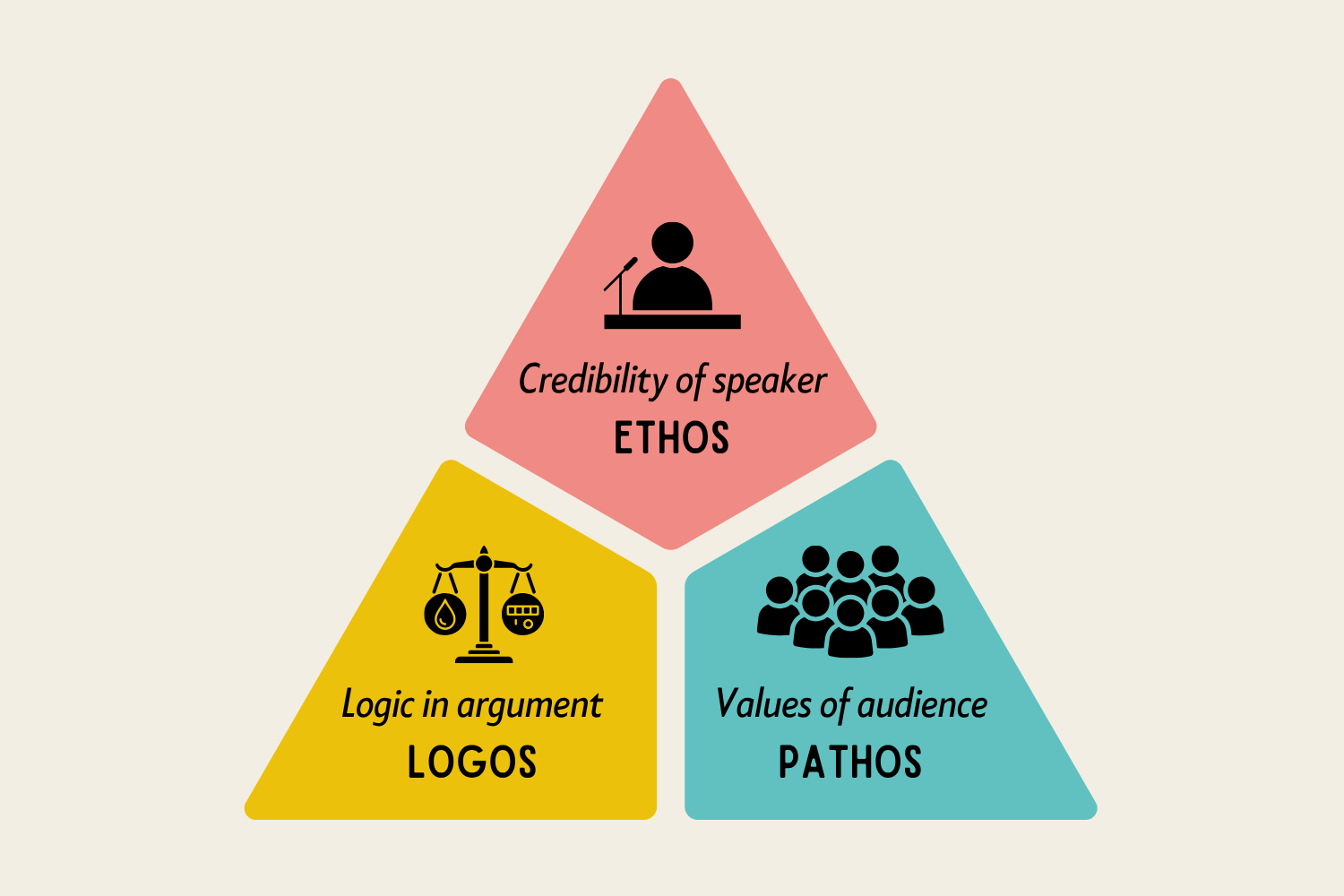
Aristotle's persuasion rests on three appeals — ethos (credibility), pathos (emotion), logos (logic) — use all three or your message won't land.
Cleverness to Clarity
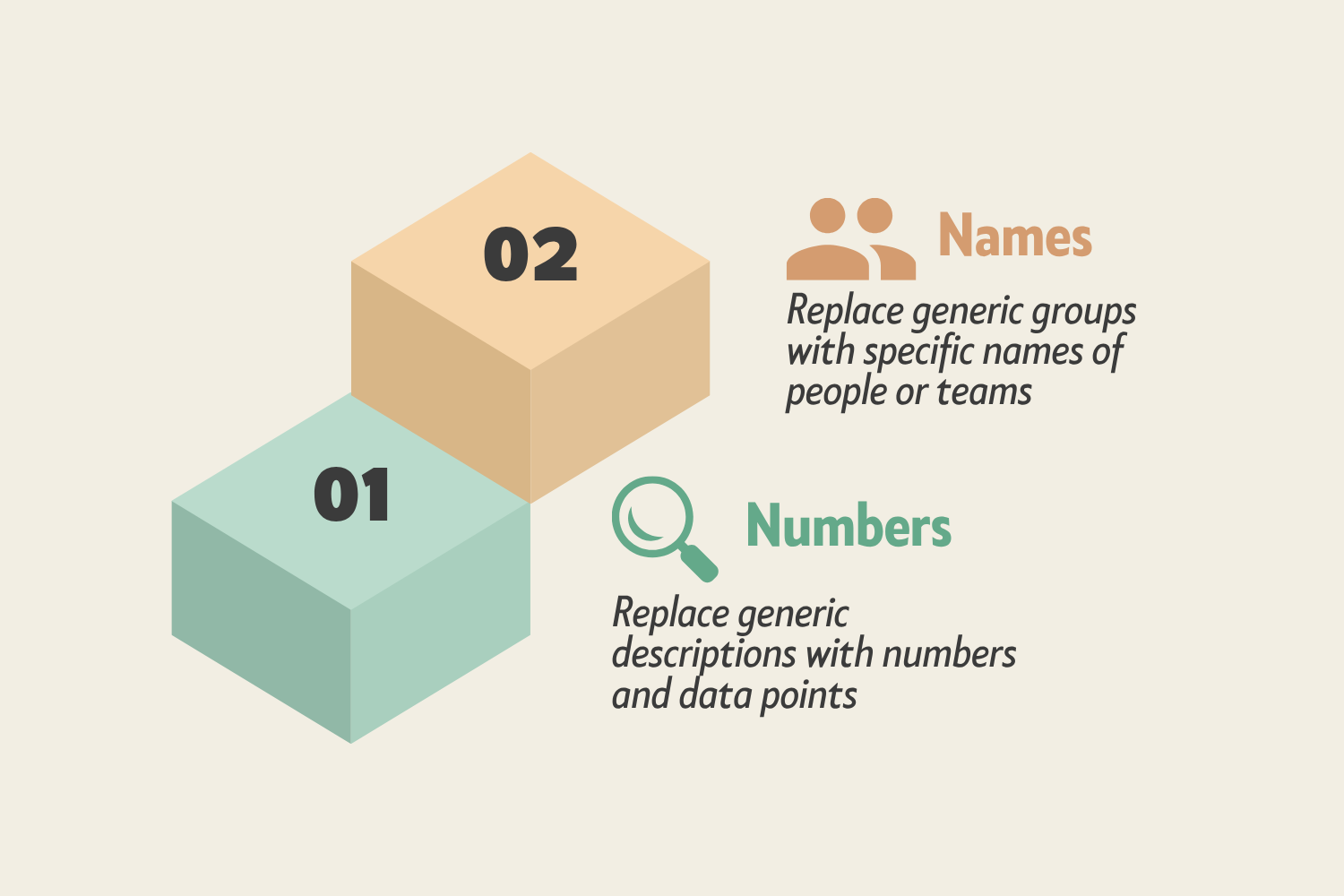
Drop corporate jargon for clear, direct language — three reasons (trust, speed, growth) and the 2N Formula for doing it.

STAR Technique
Turn an experience into evidence in four parts — Situation, Task, Action, Result — to advocate for your people, make the case.
The Hemingway Iceberg Technique
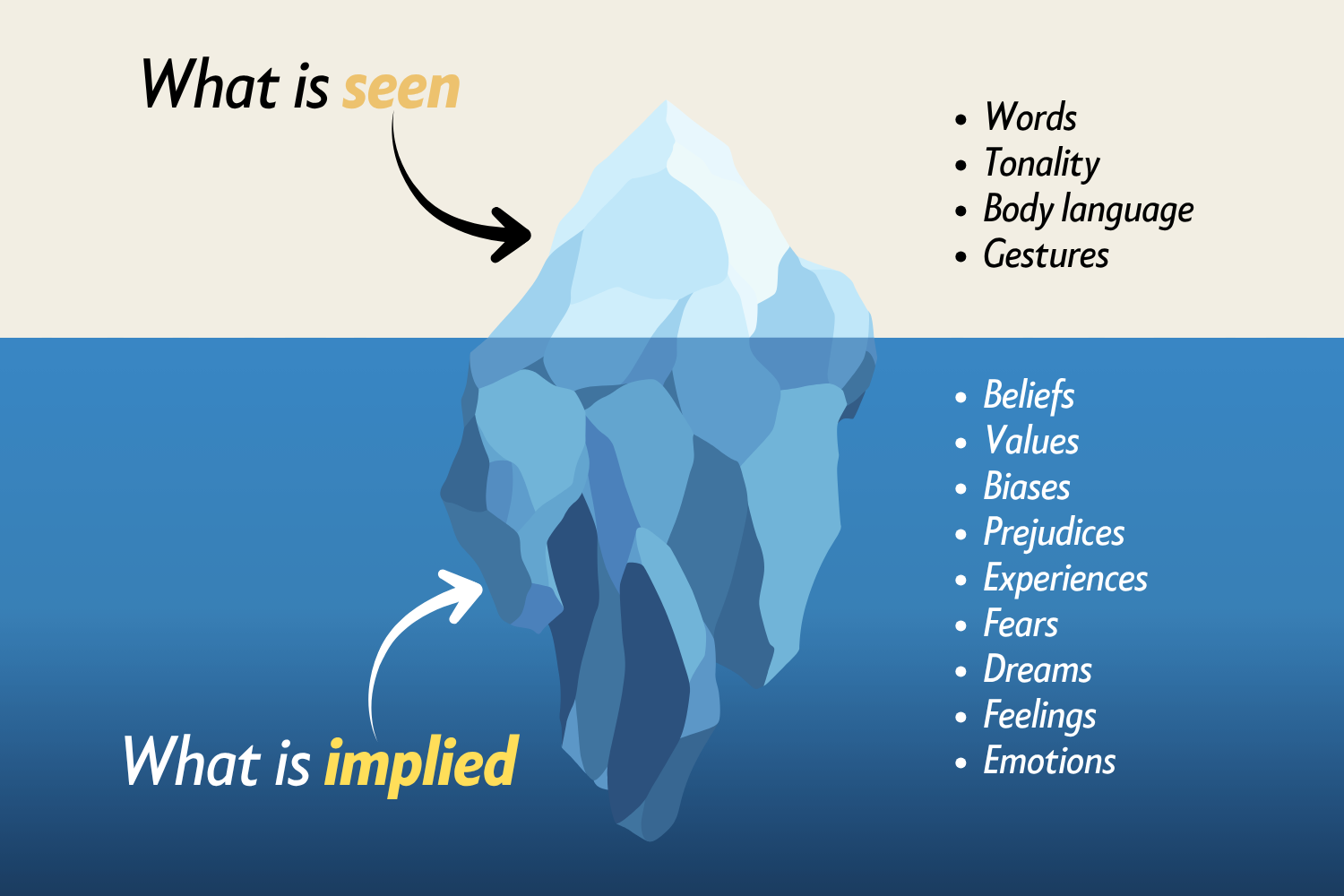
A communication method from Hemingway's writing — say less, cut the padding, use specifics — letting what's unsaid carry the weight.
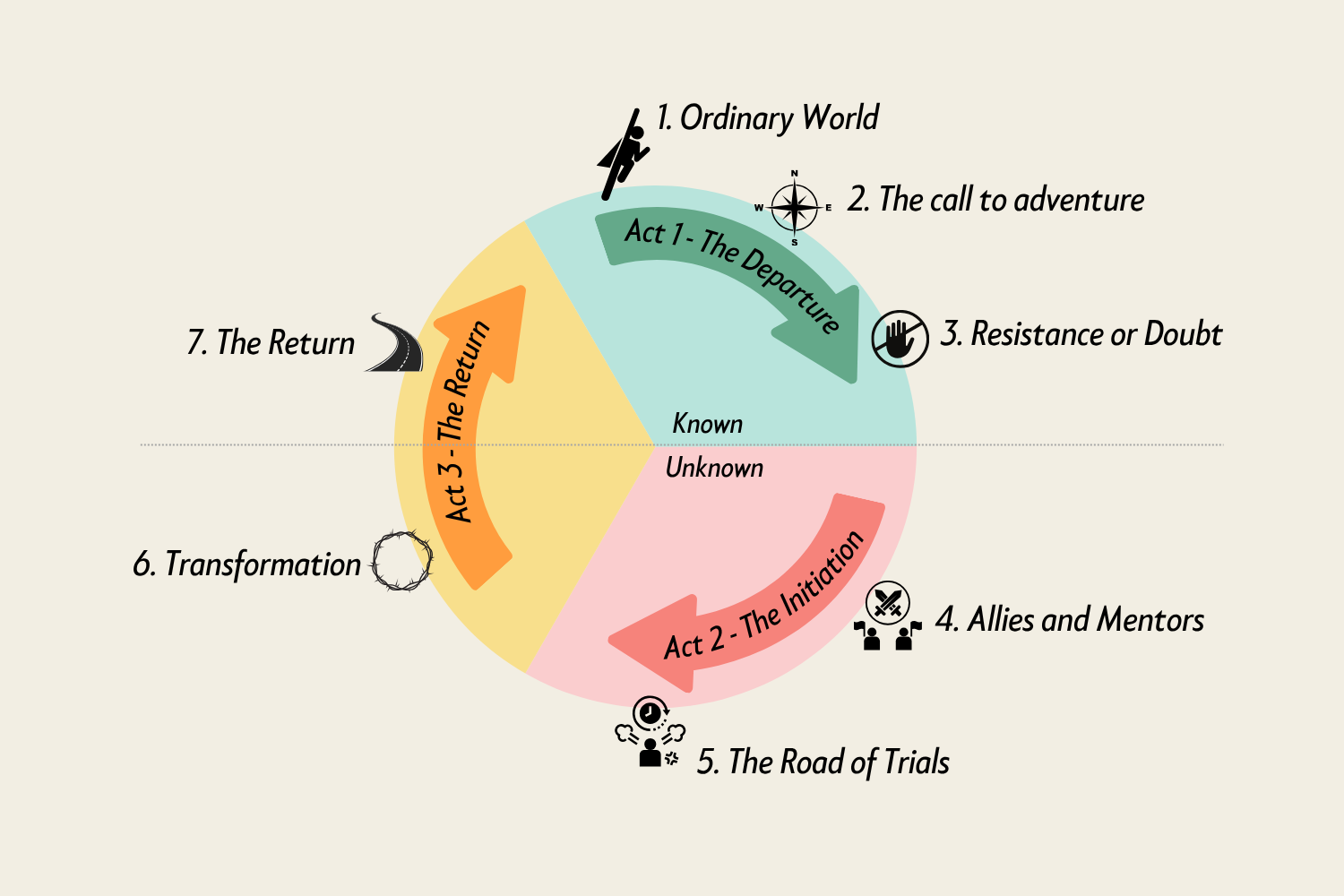
The Hero's Journey
Joseph Campbell's story arc — struggle, growth, return — turned into a structure for leadership storytelling people remember and act on.

The Influence Flywheel
A model for building influence without authority — five reinforcing spokes: Credibility, Connection, Clarity, Communication, Courage — building on each other.
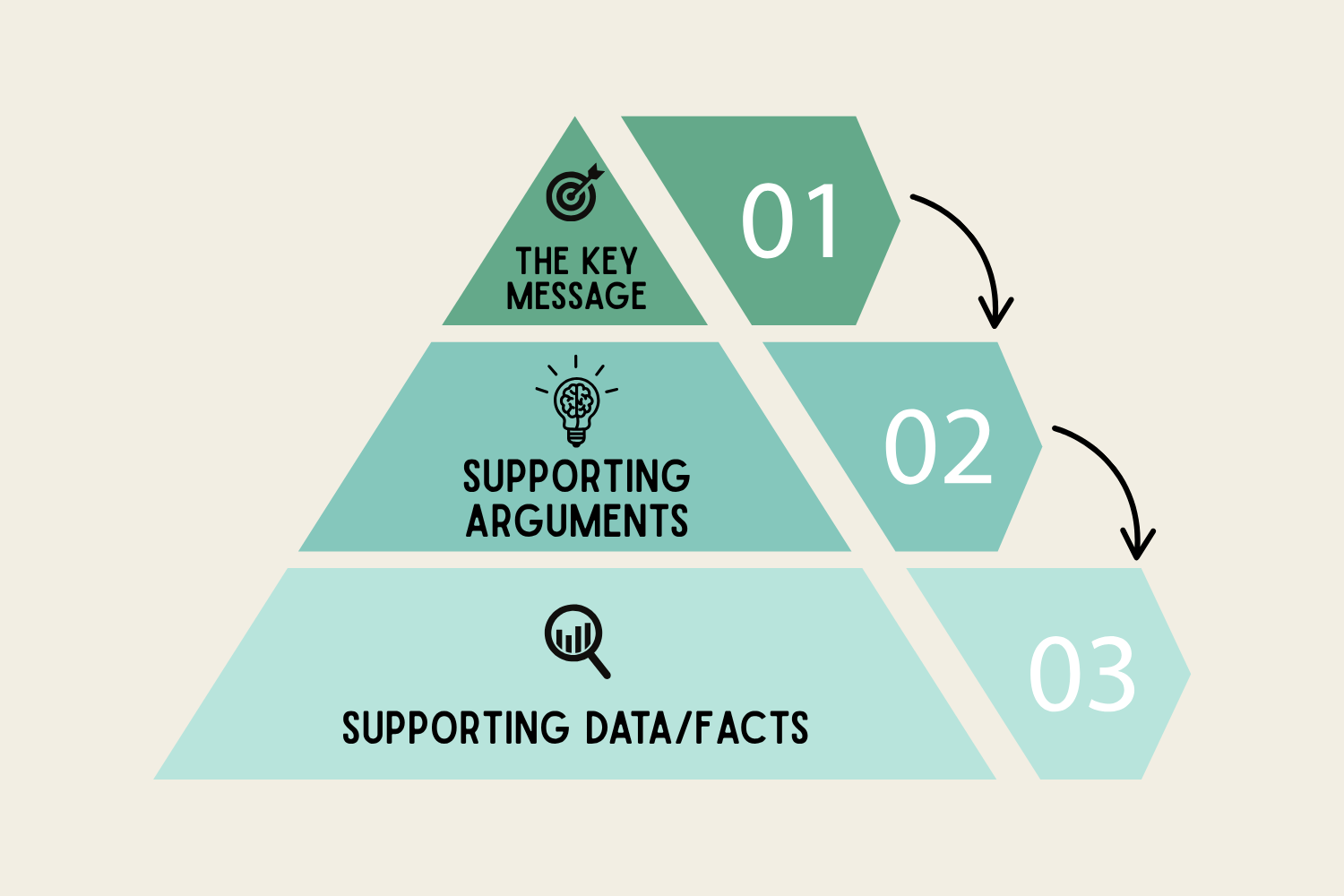
The Pyramid Principle
Barbara Minto's McKinsey-born rule: lead with your conclusion, back it with 2 to 4 grouped arguments, support each with evidence.
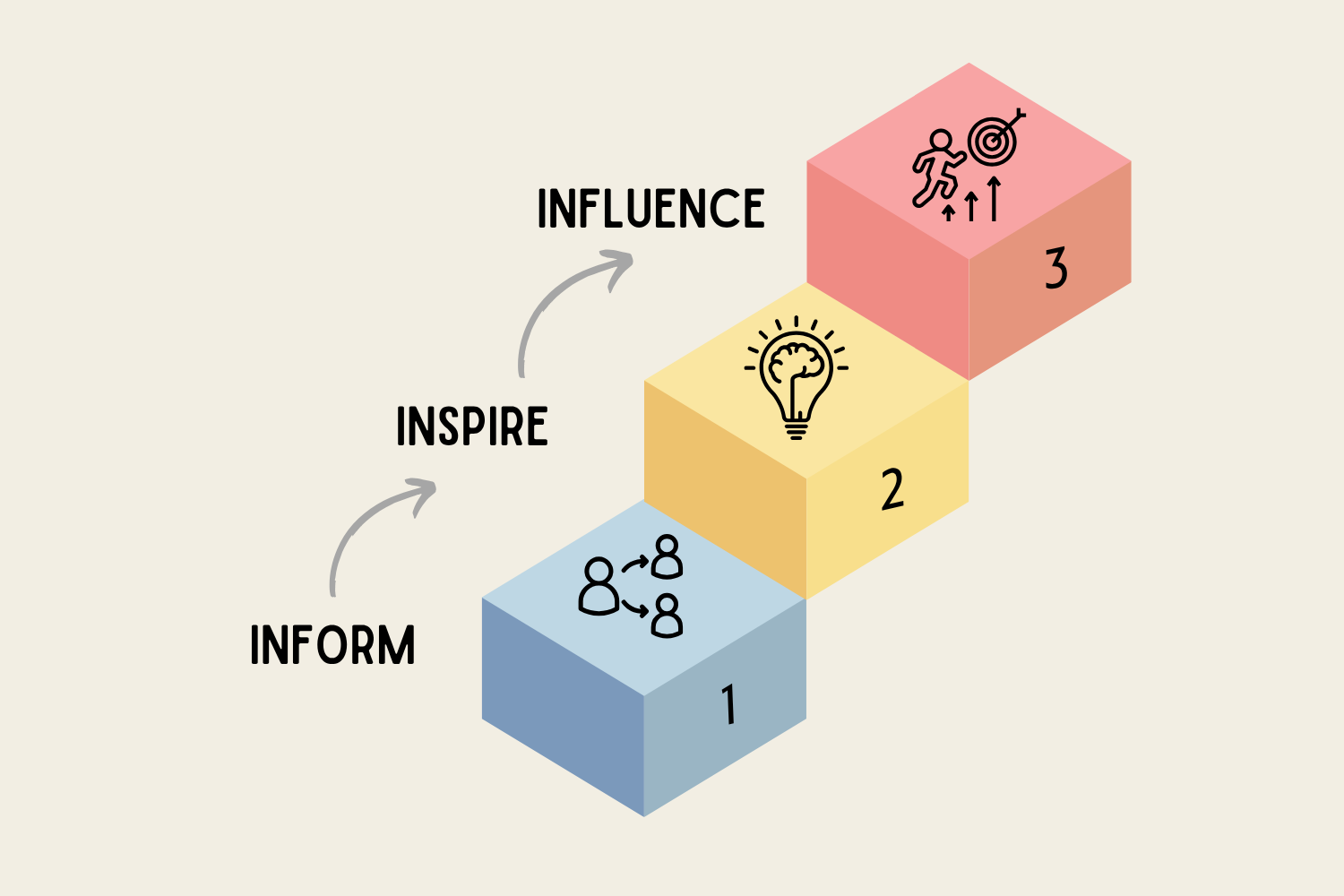
The Three Stages of Communication
Leadership communication runs in three stages — Inform (facts), Inspire (emotion), Influence (action) — the one you're stuck in reveals the problem.