Quiet
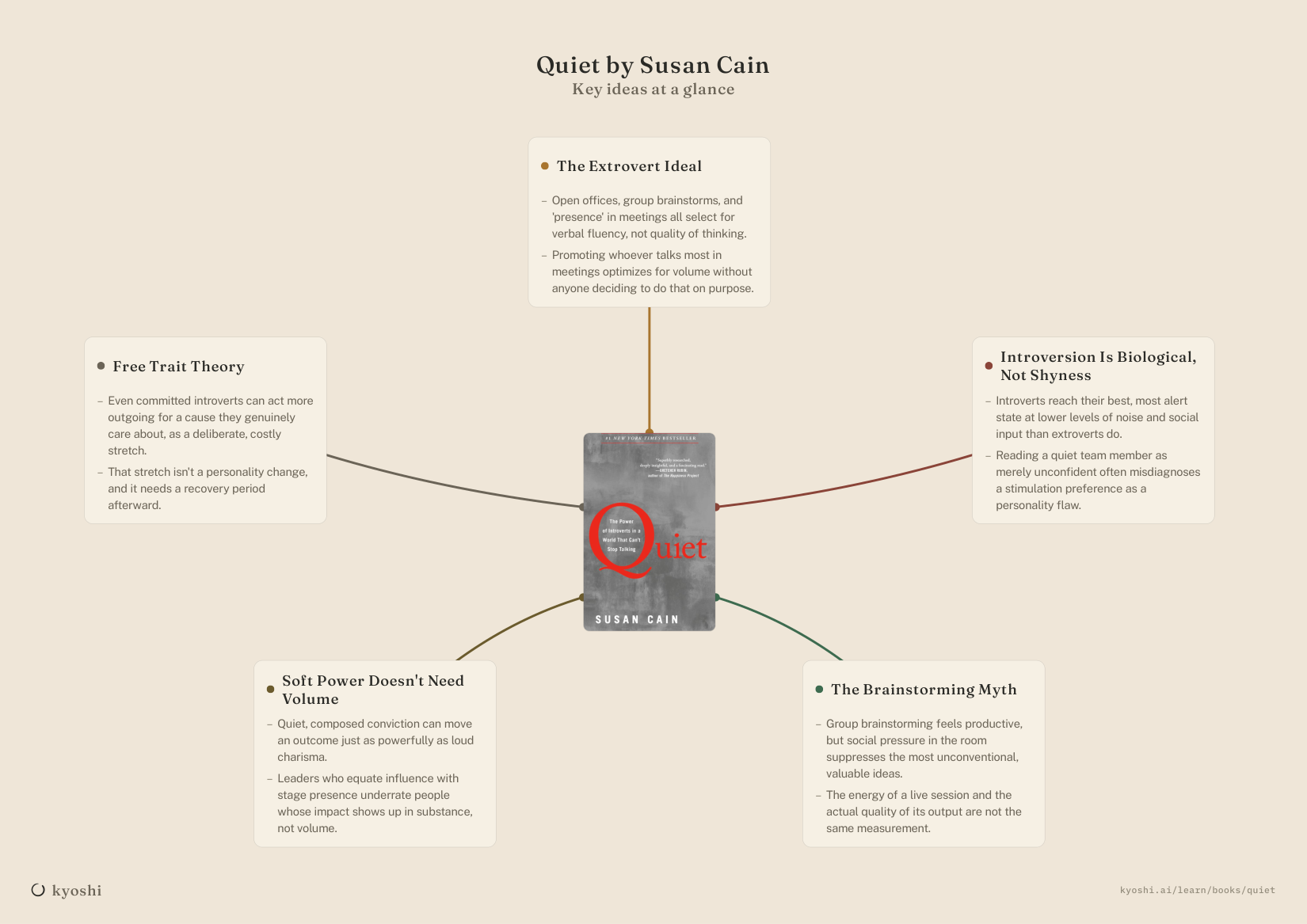
Susan Cain's case against the modern workplace's "Extrovert Ideal": the unexamined assumption that the loudest, fastest-talking, most group-comfortable person in the room is automatically the most capable one, and what gets lost, specifically, when organizations build around that assumption.
 Find this on the mind-map
Introduction
Cain's argument isn't that introverts are secretly better than extroverts. It's that modern work culture has built an "Extrovert Ideal" into almost everything, from open-plan offices to group brainstorming to who gets promoted for "presence" in meetings, and that ideal systematically discards a specific kind of value that a meaningful share of any workforce is built to produce.
The Extrovert Ideal and What It Selects For
Open floor plans, reward-the-loudest-voice meeting culture, and "team player" evaluations that really measure comfort with constant group interaction all select for the same narrow trait: stimulation tolerance and verbal fluency in real time, rather than for the quality of someone's thinking. The manager who promotes the person who talks most in meetings, rather than the person whose rare comments are consistently the sharpest ones, has optimized for volume without realizing it.
Introversion Is a Biological Difference, Not Shyness
Cain is careful to separate introversion from shyness. They overlap but aren't the same thing. Introversion tracks a real difference in how much external stimulation feels optimal: introverts reach their best, most alert state at lower levels of noise, social contact, and simultaneous input than extroverts do, which is why a buzzing open office energizes one colleague and slowly drains another who isn't anxious at all, just differently wired. Treating a quiet team member as simply "not confident enough to speak up" often misdiagnoses a stimulation preference as a personality deficit.
The Brainstorming Myth
Group brainstorming, everyone shouting ideas at a whiteboard in real time, feels productive and tends to produce worse results than people generating ideas independently first, because the social pressure of a live group suppresses exactly the unconventional, half-formed ideas that are most valuable before they're polished. The energy of a brainstorming session and the quality of its output are not the same measurement, and leaders often mistake the first for proof of the second.
Soft Power Doesn't Require Volume
Quiet conviction can move an outcome just as powerfully as forceful charisma. A composed, unwavering stance can carry more weight in a room than a loud one, precisely because it doesn't need to compete for attention to be effective. Leaders who equate influence with stage presence consistently underrate people whose impact shows up in substance and consistency rather than volume.
Free Trait Theory: Stretching Out of Character for What You Care About
Even a committed introvert can act in a more outgoing, extroverted way for a cause or project they genuinely care about. It's a real, deliberate stretch, not a personality change, and it needs a recovery period afterward. A manager who assumes a quiet employee's occasional burst of visible energy during a passion project means they were "really an extrovert all along" misreads what's actually a temporary, costly stretch that needs space to recover from.
Putting It Together
The Extrovert Ideal isn't malicious, it's just unexamined, built into office layouts, meeting formats, and promotion criteria without anyone deciding on purpose that volume should be the proxy for value. Recognizing introversion as a real, biological difference rather than a confidence problem, and designing work (brainstorming, meetings, recognition) around actual thinking quality rather than real-time verbal comfort, is how an organization stops losing a meaningful share of its best thinking without ever noticing it's happening.
Why It Matters for Leaders
The costly mistake here isn't disliking quiet people, it's mismeasuring them. A manager who tracks engagement by who talks in the all-hands, or who equates a fast answer with a confident one, is grading real-time performance under social pressure and calling it judgment. Some of your best thinkers will never win that contest, not because their ideas are weaker, but because the format rewards a completely different skill.
The practical fix starts before the meeting, not during it. Send the actual question out a day ahead, and you'll get a sharper answer from the person who needed to sit with it, not perform it live. Ask for a written reaction instead of a hand raised in real time, and the quiet analyst who's been right about the last three calls finally gets heard at the same volume as the person who talks the most.
Watch for the specific trap of mistaking a good brainstorm for a good outcome. A loud, energetic session feels like progress because everyone's talking and the whiteboard fills up fast. What it usually produces is the most obvious, most socially safe ideas in the room, because nobody wants to float a half-formed thought out loud in front of six people. The stronger ideas tend to show up later, in writing, from people who had room to actually think.
Picture a product lead, Marcus, running a roadmap debate where one engineer, Wei, says almost nothing in the room. Marcus used to read that as disengagement and started routing around her. Then he tried sending the three options by email the night before and asking everyone to reply with a ranked take. Wei's reply was two paragraphs and caught a dependency conflict nobody else had noticed, the kind of catch that saves a quarter of work. She'd seen it the whole time. She just needed a different format to say so.
What to do next
Reinforce your understanding of Quiet
Books related to Quiet

Crucial Conversations
A manager's guide to the book about the story you make up before you open your mouth. It's not really a book about talking, but about the half-second before you talk that decides whether the conversation goes well or badly.

Difficult Conversations
The Harvard Negotiation Project's case that every hard conversation you're avoiding is actually three conversations tangled together: a dispute over facts, a buried argument about feelings, and a quiet question about identity, and most people only ever engage the first one.

Games People Play
The psychiatrist who invented Transactional Analysis, explaining why so many conversations at work are really scripted performances with a hidden payoff. It's a guide to spotting the game before you're cast in a role you didn't agree to.

Getting to Yes
The original Harvard Negotiation Project playbook. Negotiate on interests and objective standards instead of trading positions back and forth, and you stop needing to choose between being "nice" and getting a good outcome.

Give and Take
Adam Grant's organizational-psychology case that how you handle reciprocity, giving, taking, or matching, predicts long-run success better than talent does, as long as you give the right way.

Good Leaders Ask Great Questions
John Maxwell's case that the single clearest sign a leader has stopped growing is that they've stopped asking real questions, and that the habit of asking, not the gift of answering, is what keeps a leader's judgment sharp over time.

How to Win Friends and Influence People
The original relationship-building classic, decades before "emotional intelligence" had a name. Carnegie's bet is that nearly every influence problem is actually an ego-management problem, yours and theirs.

Influence
A social psychologist's field guide to the handful of automatic triggers that make people say yes, written so you can recognize them when they're used on you, and use them honestly when you're the one asking.

Leadership is Language
David Marquet's argument, built from his time commanding a nuclear submarine, that the exact words a leader habitually uses either keep an organization stuck in command-and-control execution mode or genuinely open it up to better thinking. Most leaders have no idea which one their default language is doing.

Made to Stick
Why urban legends, conspiracy theories, and your most forgettable all-hands deck follow completely different rules, and the six ingredients Chip and Dan Heath found in every idea that actually sticks in people's heads, whether or not it deserves to.

Never Split the Difference
A former FBI lead hostage negotiator's case against "splitting the difference," negotiation isn't a logic problem you solve at the table, it's an emotional one you solve before you ever get there.

Radical Candor
Kim Scott's case that most managers who avoid giving hard feedback think they're being kind, and are actually doing the least kind thing possible, because withheld feedback doesn't disappear, it just shows up later as a surprise.

Surrounded by Idiots
A blunt, color-coded field guide to why the person across the table from you seems to be speaking a different language, because, behaviorally, they basically are.

The 16 Undeniable Laws of Communication
John Maxwell's case that communication is not a personality trait some leaders are simply born with, it's sixteen learnable, named laws, grouped around who's speaking, what's said, how it's said, when it's said, and why it's said.

The 48 Laws of Power
Robert Greene's amoral compendium of how power actually moves through organizations and courts, stripped of any pretense that fairness or merit is what decides who wins. Useful as a decoder, dangerous as a playbook.

The 7 Habits of Highly Effective People
Stephen Covey's classic, read through a modern-manager lens. Many of the ideas taught today as "new" leadership frameworks were already captured here decades ago.
Skills related to Quiet

Frameworks related to Quiet
Aristotle's Rhetoric
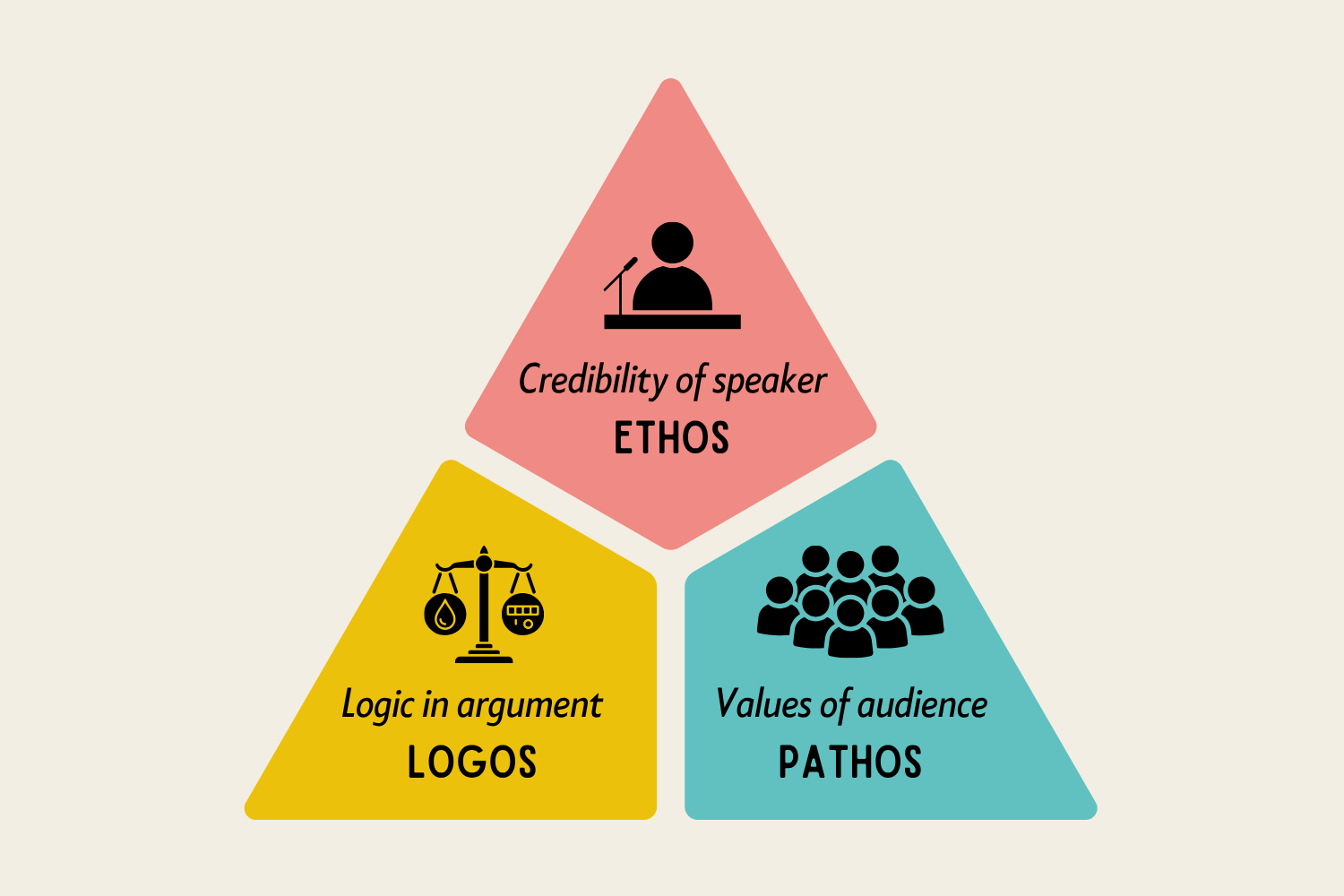
Aristotle's persuasion rests on three appeals — ethos (credibility), pathos (emotion), logos (logic) — use all three or your message won't land.
Cleverness to Clarity
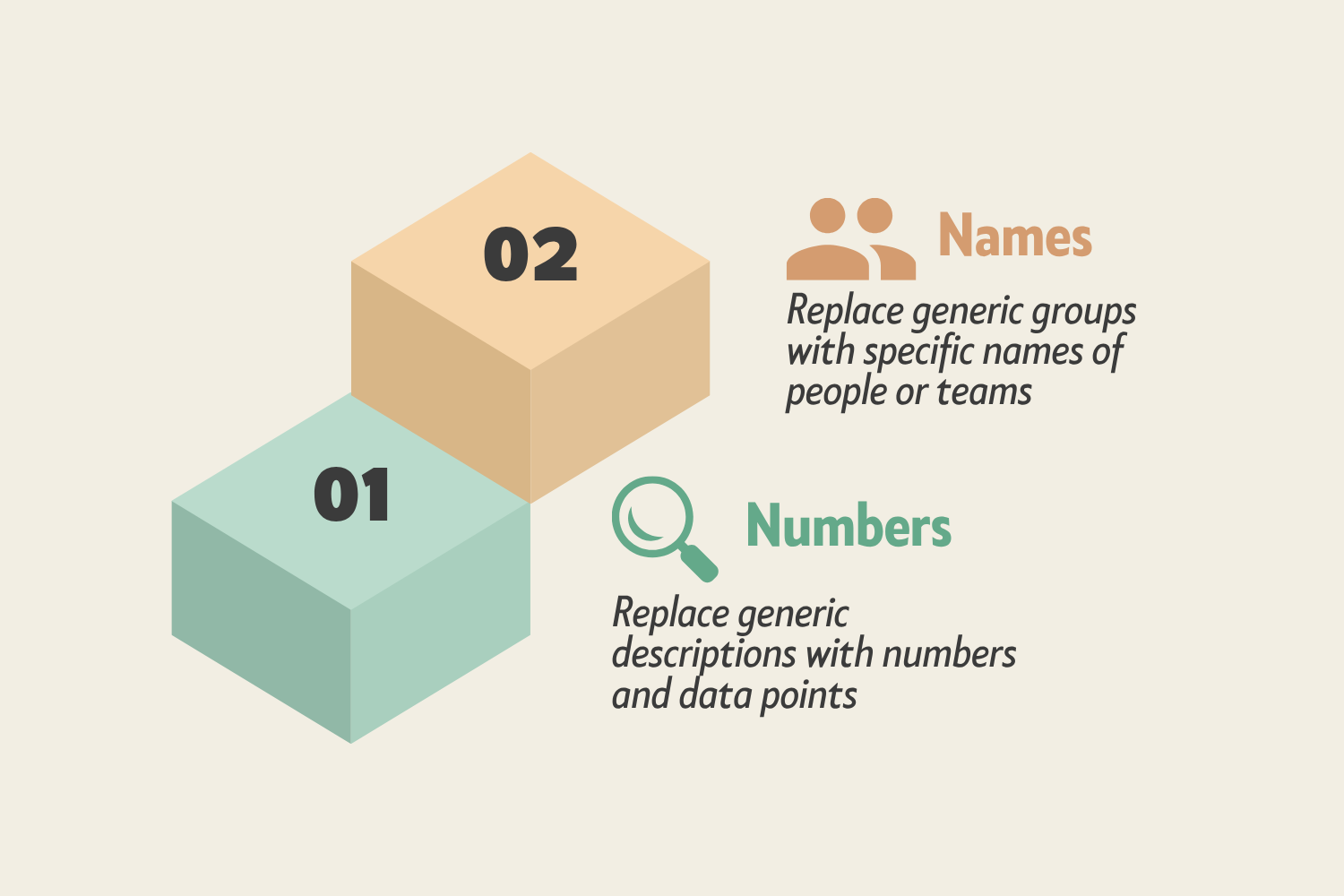
Drop corporate jargon for clear, direct language — three reasons (trust, speed, growth) and the 2N Formula for doing it.

STAR Technique
Turn an experience into evidence in four parts — Situation, Task, Action, Result — to advocate for your people, make the case.
The Hemingway Iceberg Technique
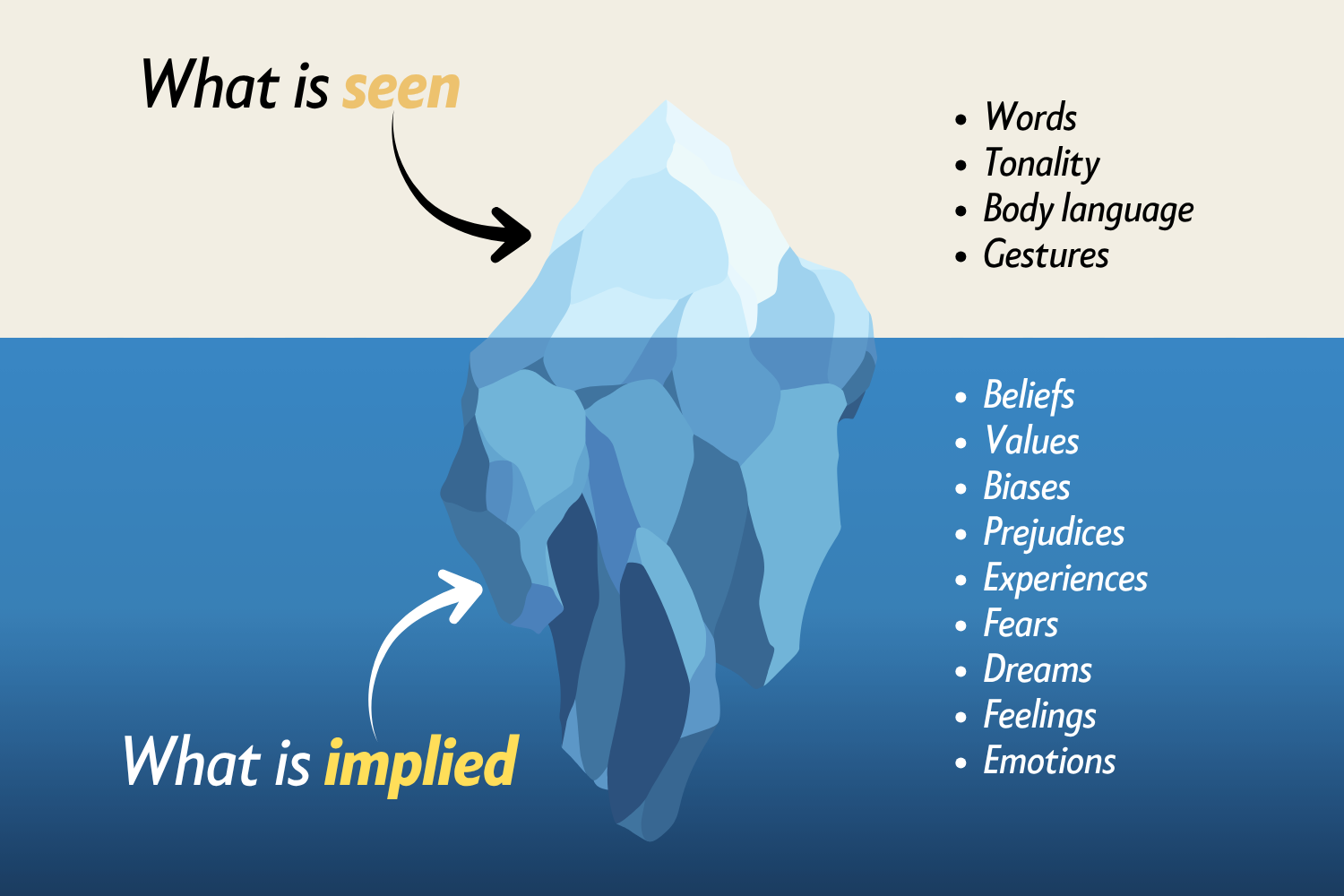
A communication method from Hemingway's writing — say less, cut the padding, use specifics — letting what's unsaid carry the weight.
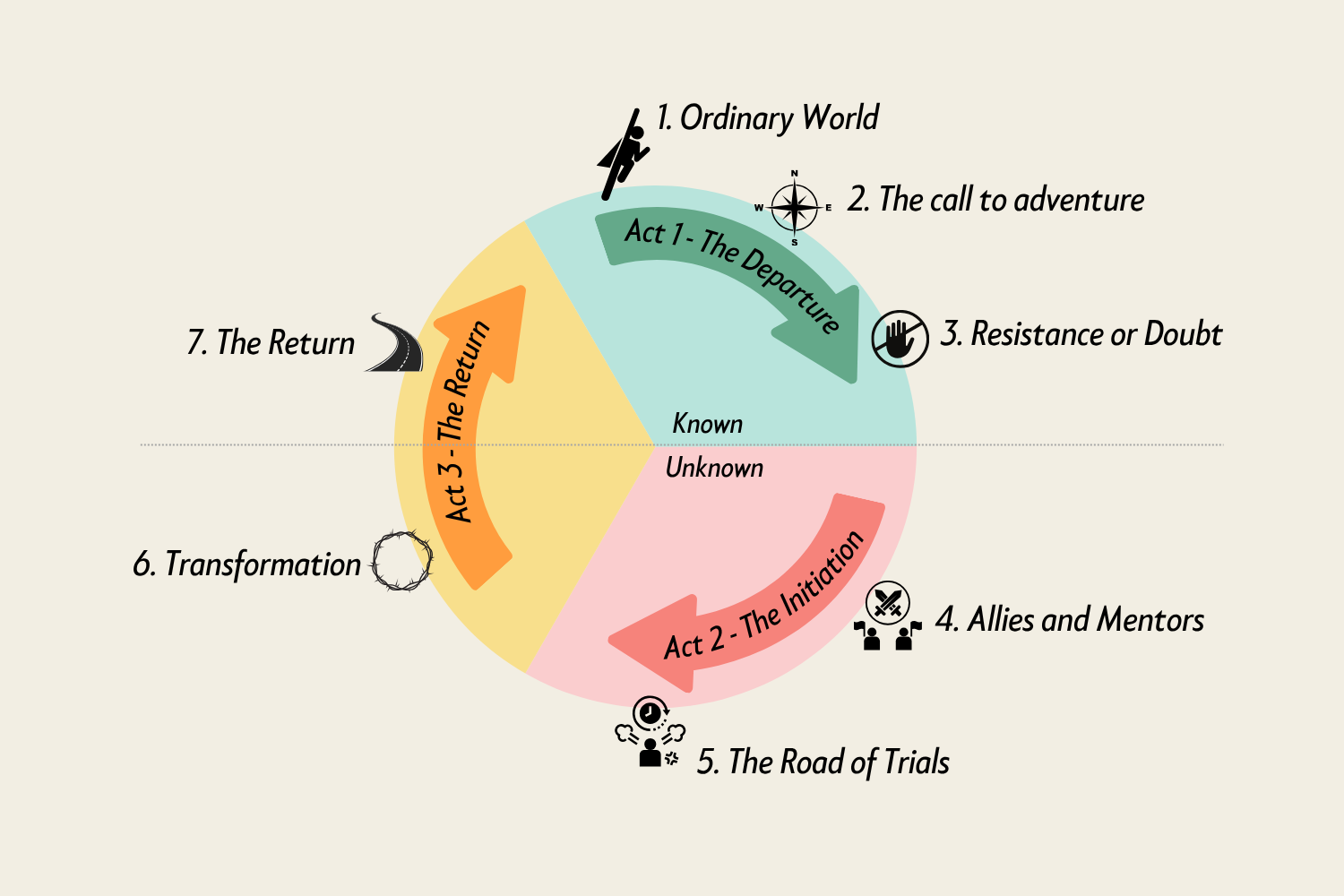
The Hero's Journey
Joseph Campbell's story arc — struggle, growth, return — turned into a structure for leadership storytelling people remember and act on.

The Influence Flywheel
A model for building influence without authority — five reinforcing spokes: Credibility, Connection, Clarity, Communication, Courage — building on each other.
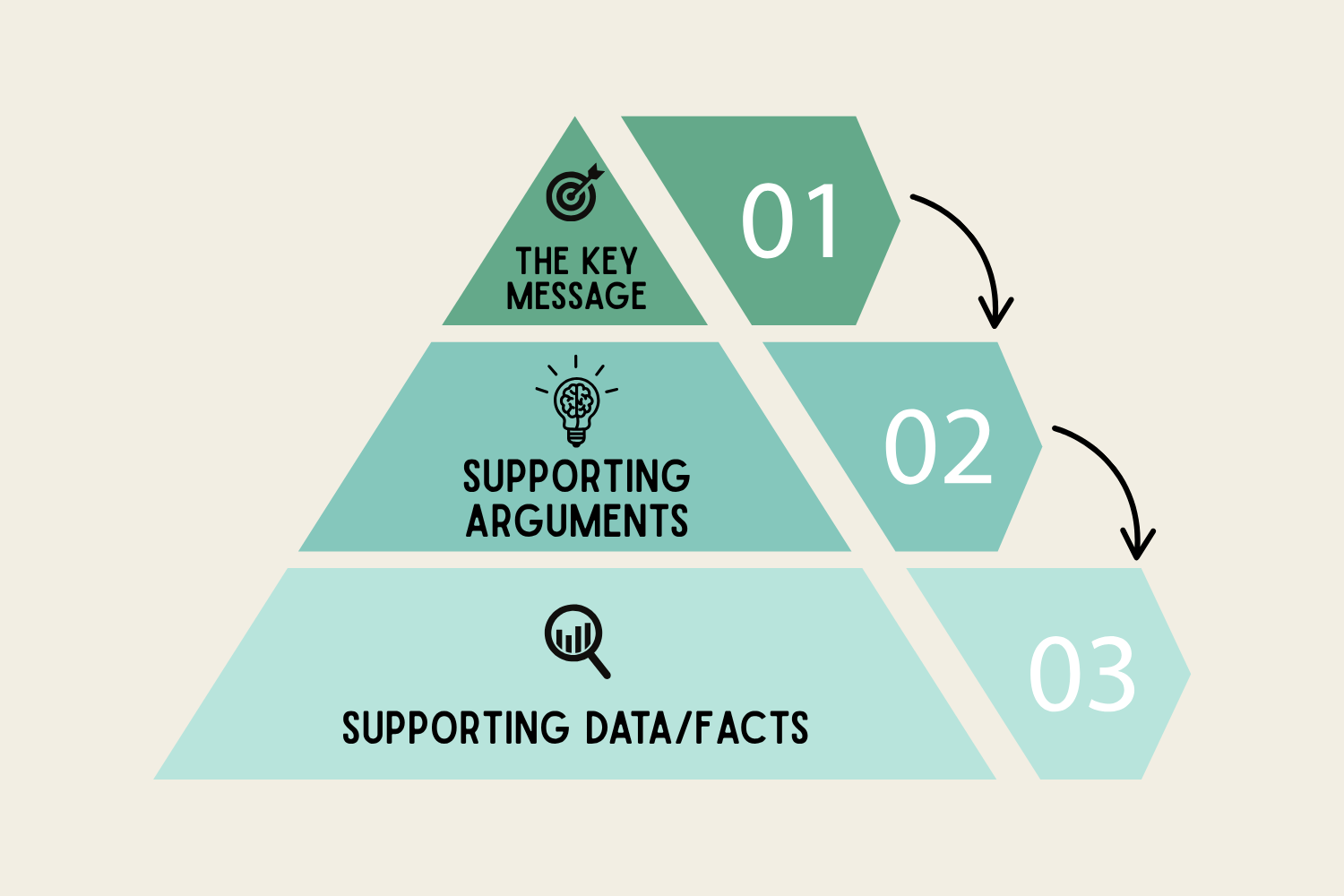
The Pyramid Principle
Barbara Minto's McKinsey-born rule: lead with your conclusion, back it with 2 to 4 grouped arguments, support each with evidence.
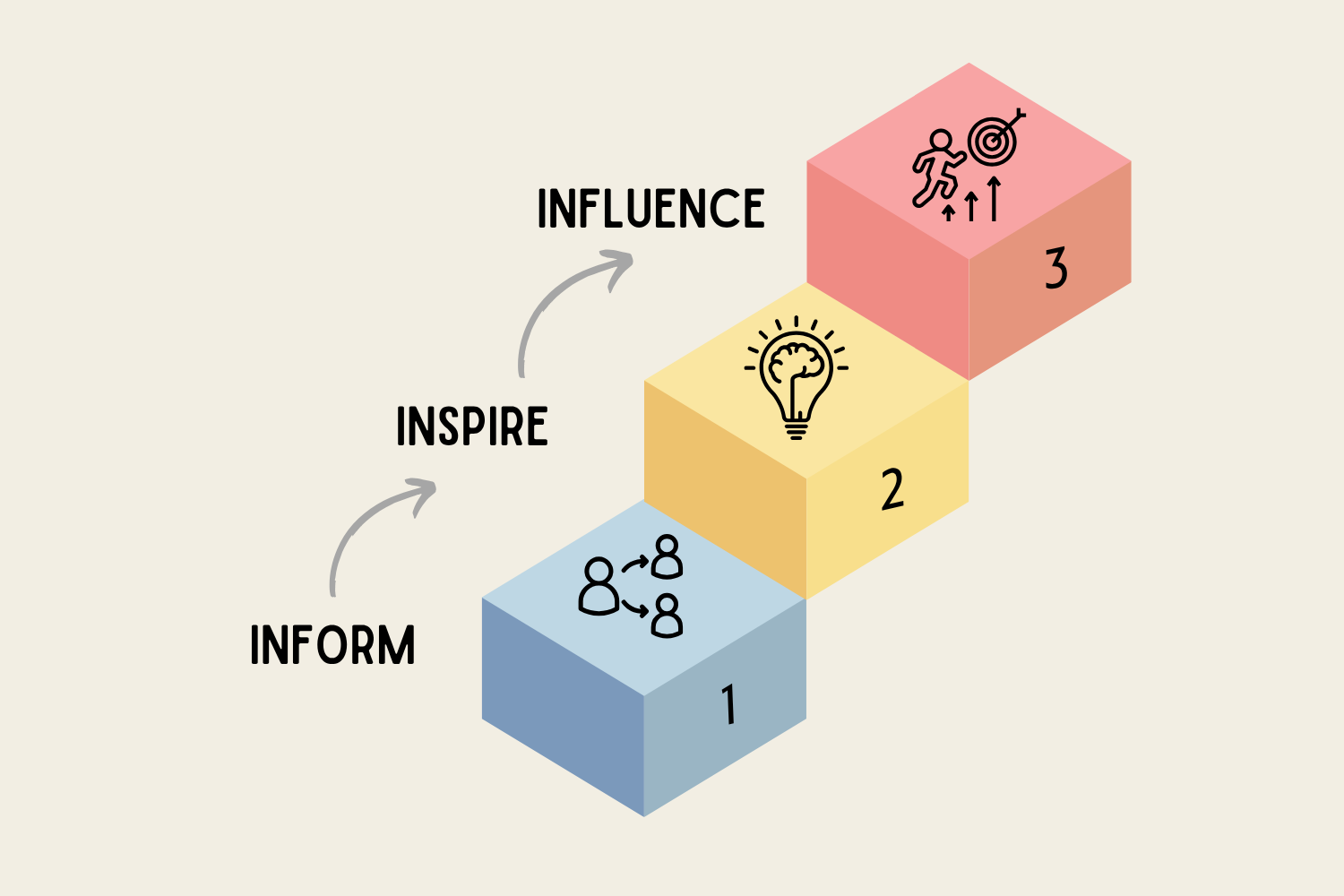
The Three Stages of Communication
Leadership communication runs in three stages — Inform (facts), Inspire (emotion), Influence (action) — the one you're stuck in reveals the problem.