The Power-Interest Grid
Plot each person by power and interest to know who to manage closely, who to keep happy, who needs updates.
 Find this on the mind-map
Introduction
This one comes out of stakeholder management, a discipline that grew out of project management and public policy work in the 1990s, where getting a decision approved often meant navigating a room full of people who all had a stake in the outcome but wildly different amounts of say in it. The insight behind it is simple: treating every stakeholder the same way wastes effort on the people who don't need it, and under-invests in the few who could actually sink your plan.
How It Works
You're plotting people on two axes: how much power they have to help or block what you're doing, and how much interest they actually have in the outcome. That gives you four quadrants:
- High power, high interest — manage closely. These are the people you bring in early, brief personally, and check in with regularly. They can make or break this, and they're paying attention either way.
- High power, low interest — keep satisfied. They could block you if something goes wrong, but they're not tracking the details day to day. Give them the short, clean version, and don't bury them in updates they didn't ask for.
- Low power, high interest — keep informed. They care a lot but can't move the outcome much on their own. Regular updates keep them engaged and on your side, and they'll often become useful allies with the high-power group.
- Low power, low interest — monitor. Minimal effort here. A general update if something changes is enough; more than that is wasted attention you needed somewhere else.
The placements aren't fixed. Someone can move quadrants the moment the project touches their budget, their team, or their reputation — so the map is worth a second look whenever the situation actually changes, not just something you draw once and file away.
Why It Matters for Leaders
Without this, you default to treating stakeholder time as a flat resource — everyone gets the same email, the same meeting invite, the same level of detail. That's exactly backwards. The person with real power to kill your initiative gets the same generic update as someone with no ability to affect it at all, and by the time you find out that person actually cared, the decision's already been made without you in the room.
Picture rolling out a new tool across three teams. You brief the eng lead who'll actually use it daily, and you assume that's enough. Meanwhile, the finance lead approving the budget was never personally briefed, just looped in on a group email — and three weeks later kills the renewal because nobody made the actual case to her directly. She had the power. Nobody mapped her.
The skill isn't just building the grid once. It's noticing when someone quietly moves from low-power to high-power the moment the project starts touching something they actually own, and adjusting who you're talking to before that becomes obvious the hard way.
What to do next
Apply The Power-Interest Grid to a real situation
Skills related to The Power-Interest Grid

Frameworks related to The Power-Interest Grid
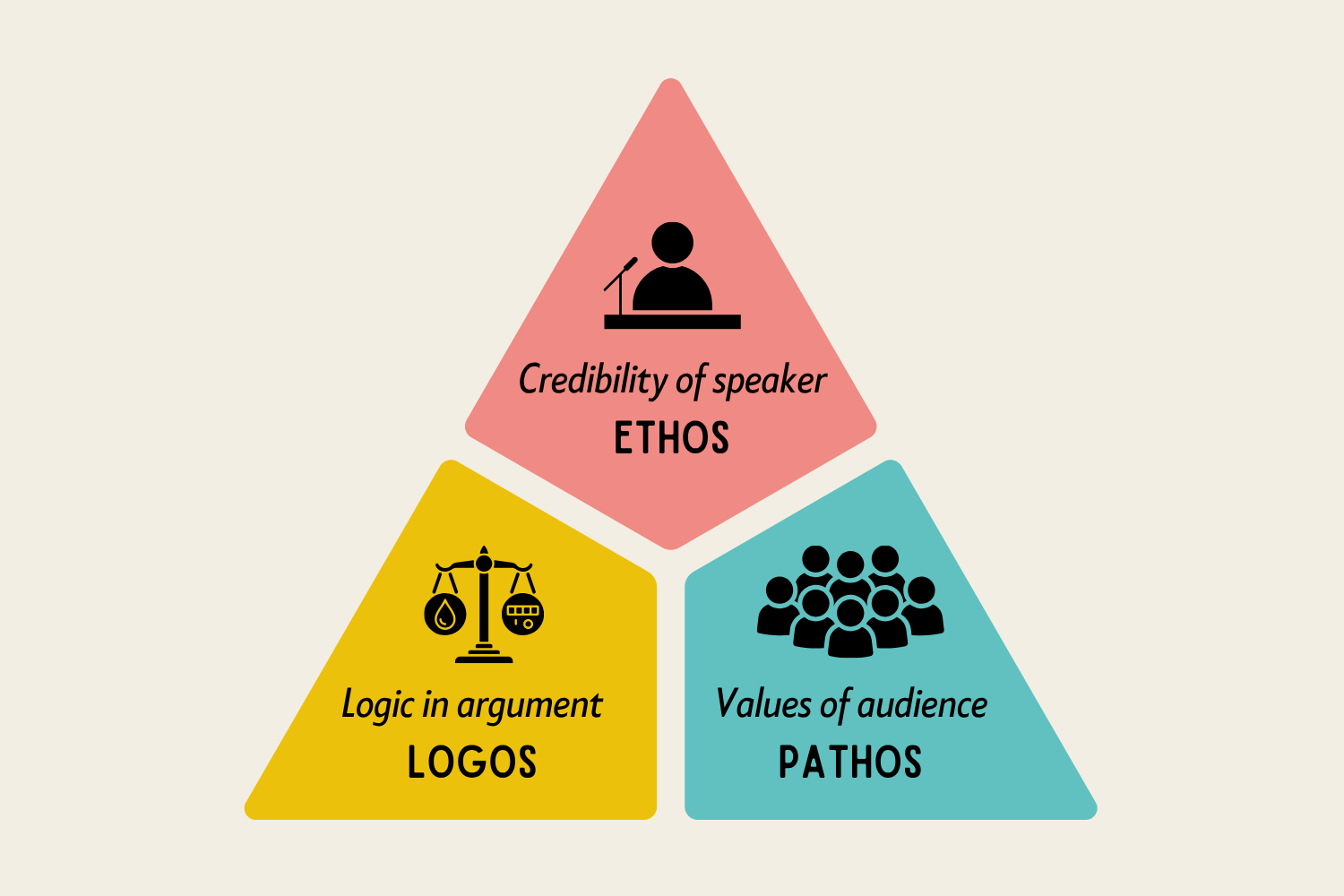
Aristotle's Rhetoric
Aristotle's persuasion rests on three appeals — ethos (credibility), pathos (emotion), logos (logic) — use all three or your message won't land.

STAR Technique
Turn an experience into evidence in four parts — Situation, Task, Action, Result — to advocate for your people, make the case.

The Influence Flywheel
A model for building influence without authority — five reinforcing spokes: Credibility, Connection, Clarity, Communication, Courage — building on each other.
