Mental Agility
Matching how you lead to the situation in front of you and the person you're leading, because the approach that worked yesterday might be exactly wrong today.
 Find this on the mind-map
Introduction
Most new leaders assume there's one "correct" way to lead, so they pick a style they admire and copy it. The real skill is knowing your own natural strengths and then deliberately adapting how you show up to the situation and the person in front of you, not clinging to one approach and hoping it fits everywhere it's applied.
Different situations require different things from you.
- If you're a founder trying to get a young team thinking bigger, a high-energy, big-vision push might be exactly right.
- If you're a frontline manager supporting a team of specialists who already know the work well, that same push will not work. What they need from you is obstacles cleared out of their way and support, not direction.
A McKinsey study found that leaders who adapt their style to different situations are 2.3x more successful at driving business performance.
Why It Matters for Leaders
Here's what it looks like when you haven't built mental agility.
- You got promoted because you were excellent at doing the work yourself, so you keep directing experts on your team who stopped needing that direction a while ago, and you lose them, one at a time, without ever figuring out why.
- Or you naturally prefer giving people room to run, so you leave a brand-new hire to sink or swim, and when they struggle you read it as a hiring mistake instead of a mismatch you created.
- Or you're consultative by instinct, so you run a slow gather-everyone's-input conversation through a moment that actually needed you to just make the call.
When you've built this skill, it shows up in how you lead in a crisis, and how you lead your team through change.
What to do next
Master Mental Agility by taking the mini-course
Frameworks related to Mental Agility
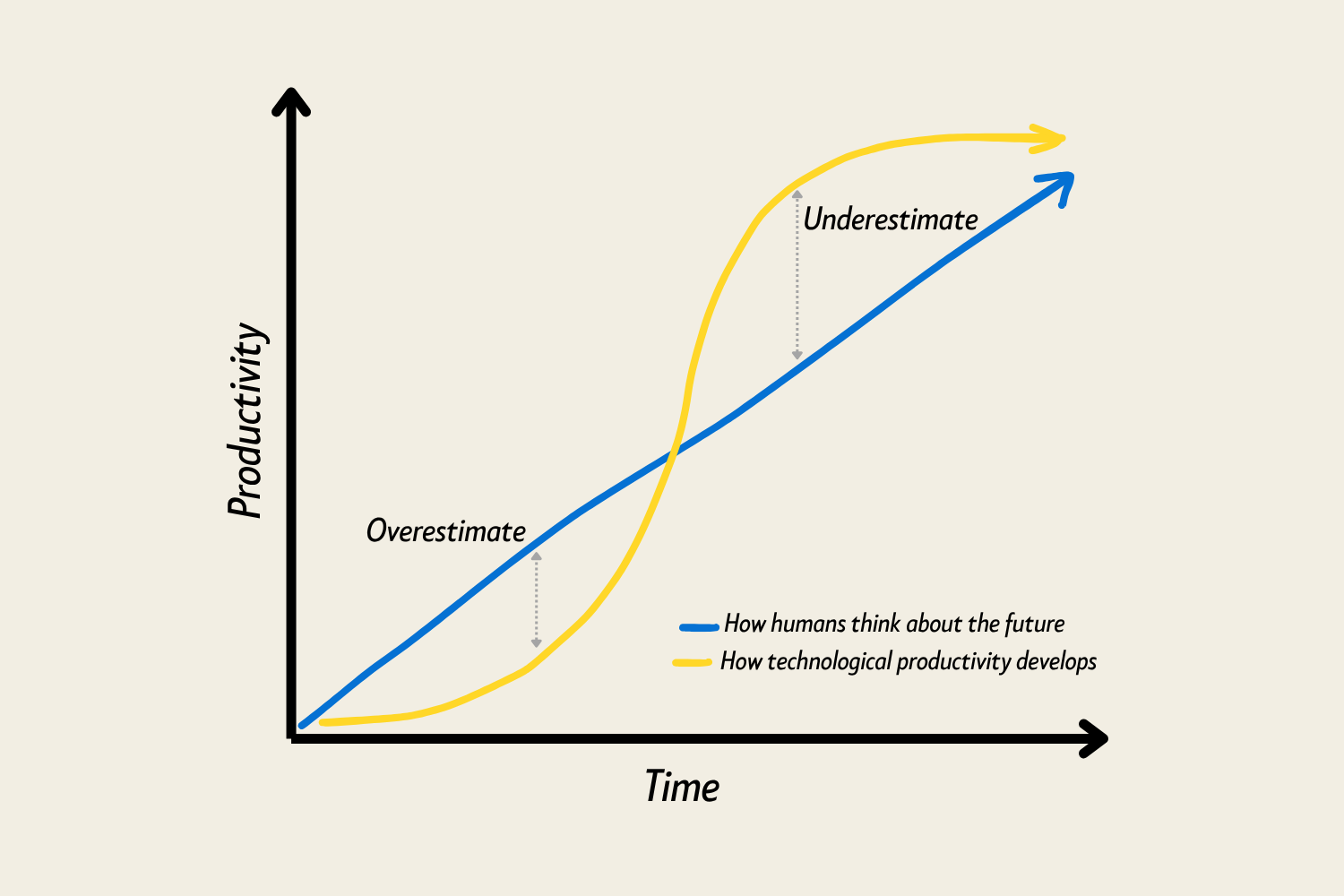
Amara's Law
You overestimate new tech's short-run impact and underestimate its long-run impact — so ask if you're early, not whether it's working.
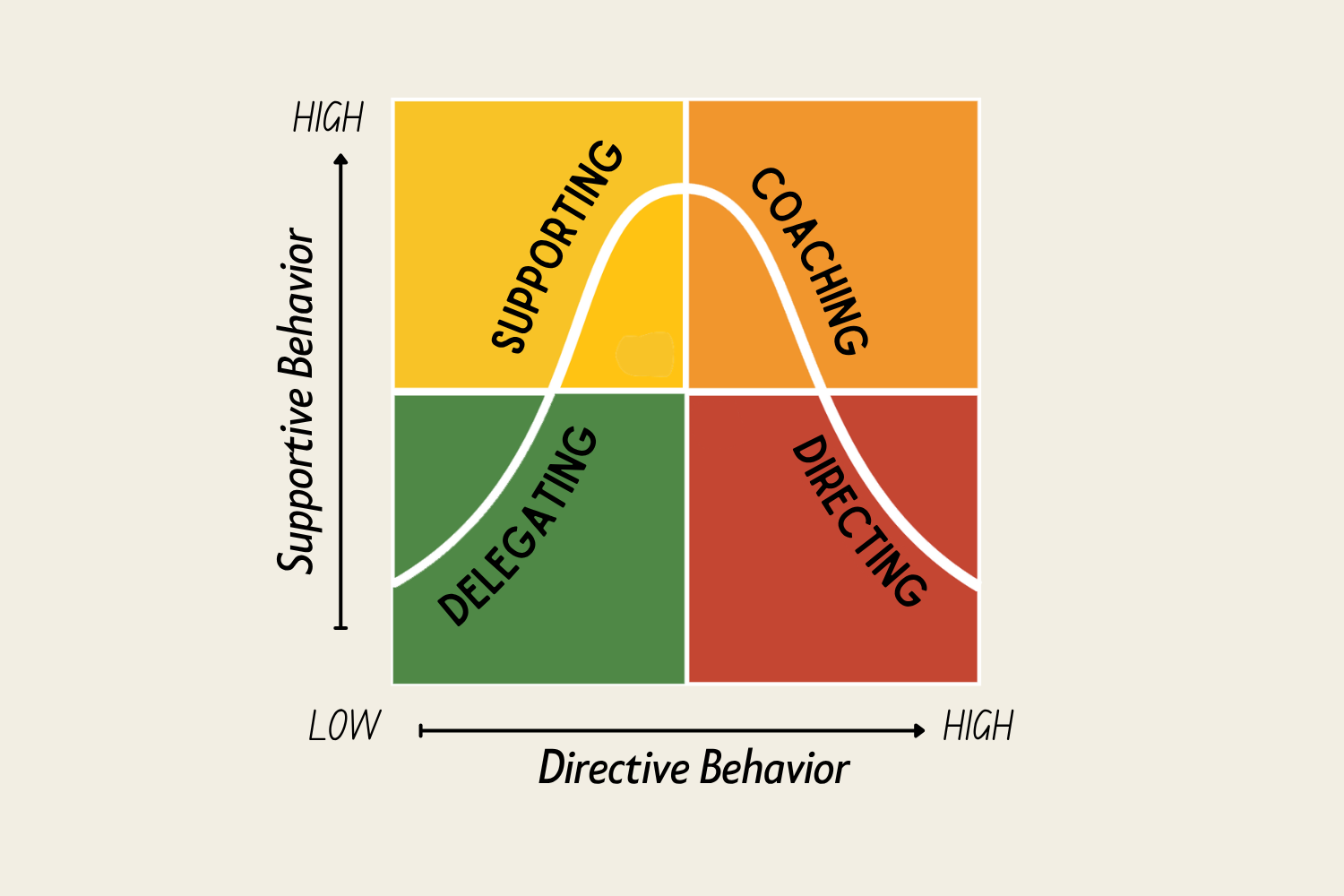
Situational Leadership
There's no right way to lead — only the right way for this person right now: direct, coach, support, or delegate.
Skills related to Mental Agility

Creative Thinking
Finding the approach everyone else misses, by challenging assumptions, widening your options, and testing unfamiliar ideas cheaply before you commit to them.

Decision-Making
Making a measured call fast, on information that's never complete, and correcting course as evidence comes in instead of defending your first answer.

Leading with AI
Knowing when to trust AI-generated work, when to dig into the reasoning behind it, and how to use it without letting your own judgment go soft.

Pattern Recognition
Noticing that a handful of small, separate signals are actually one thing, and naming the trend before it's obvious to everyone else.

Political Savvy
Reading the relationships, incentives, and unwritten rules that actually decide whether your idea gets adopted, not just whether it's the right one.

Prioritization
Picking the handful of things that actually matter and putting the team's energy there, which means saying no to almost everything else.

Problem-Solving
Solving problems systematically, diagnosing what's actually wrong before jumping in with a fix.

Productivity
Directing your time and energy at the work that actually matters, instead of letting whatever lands first run your day.

Strategic Thinking
Stepping back to see where things are heading, and actually letting that change what you do today.

Systems Analysis
Tracing how a decision in one part of the organization moves through the rest of it, instead of treating your team as its own island.