Decision-Making
Making a measured call fast, on information that's never complete, and correcting course as evidence comes in instead of defending your first answer.
 Find this on the mind-map
Introduction
You make hundreds of decisions a day. Most of them are small, tactical ones. A few are large: whether to hire or let someone go, whether to pivot the strategy, whether to put real money behind a new initiative.
Done well, this skill is mostly about sorting.
- You work out what kind of decision is actually in front of you, how reversible it is, and how much certainty is genuinely worth paying for.
- You set the point at which you'll commit, make the call with whatever information you have at that point, and then treat the outcome as something to correct rather than something to defend.
To be clear, the good decisions aren't the "perfect" ones, but they're the ones made quickly and adjusted as new evidence shows up. Perfection was never on the table, because you never get to decide on complete information.
Why It Matters for Leaders
When you haven't built this skill, it fails in one of two ways:
- The first is hesitation. Perfectionism turns into overanalysis. You keep gathering data until you feel completely certain, and by the time you get there the opportunity has already passed. Settled questions get reopened. Meetings get scheduled to prepare for other meetings. Your team slowly learns that nothing is actually decided until you feel "comfortable."
- The second is speed with no weighing at all. You decide on reflex, skip past the real risks, and hear the objections only after you've already committed.
When you've built the skill, the picture looks different:
- Your decisions arrive with a stated basis and a stated level of confidence.
- Your team knows which calls are yours, which are theirs, and which are still provisional.
- Reversible decisions take you minutes, while irreversible ones get the scrutiny and due diligence they deserve.
- You stay calm under pressure, weigh what's actually in front of you, and choose a path forward even when the picture isn't clear.
What to do next
Master Decision-Making by taking the mini-course
Frameworks related to Decision-Making

Abilene Paradox
A team can agree to something nobody wants — not from pressure, but because everyone assumes they're the only doubter.

Cynefin Framework
Dave Snowden's model sorts problems into four domains — Clear, Complicated, Complex, Chaotic — by cause-effect clarity, then matches your response.

OODA Loop
John Boyd's four-stage decision cycle — Observe, Orient, Decide, Act — for fast, adaptive calls under pressure, run as a loop.
Occam's Razor
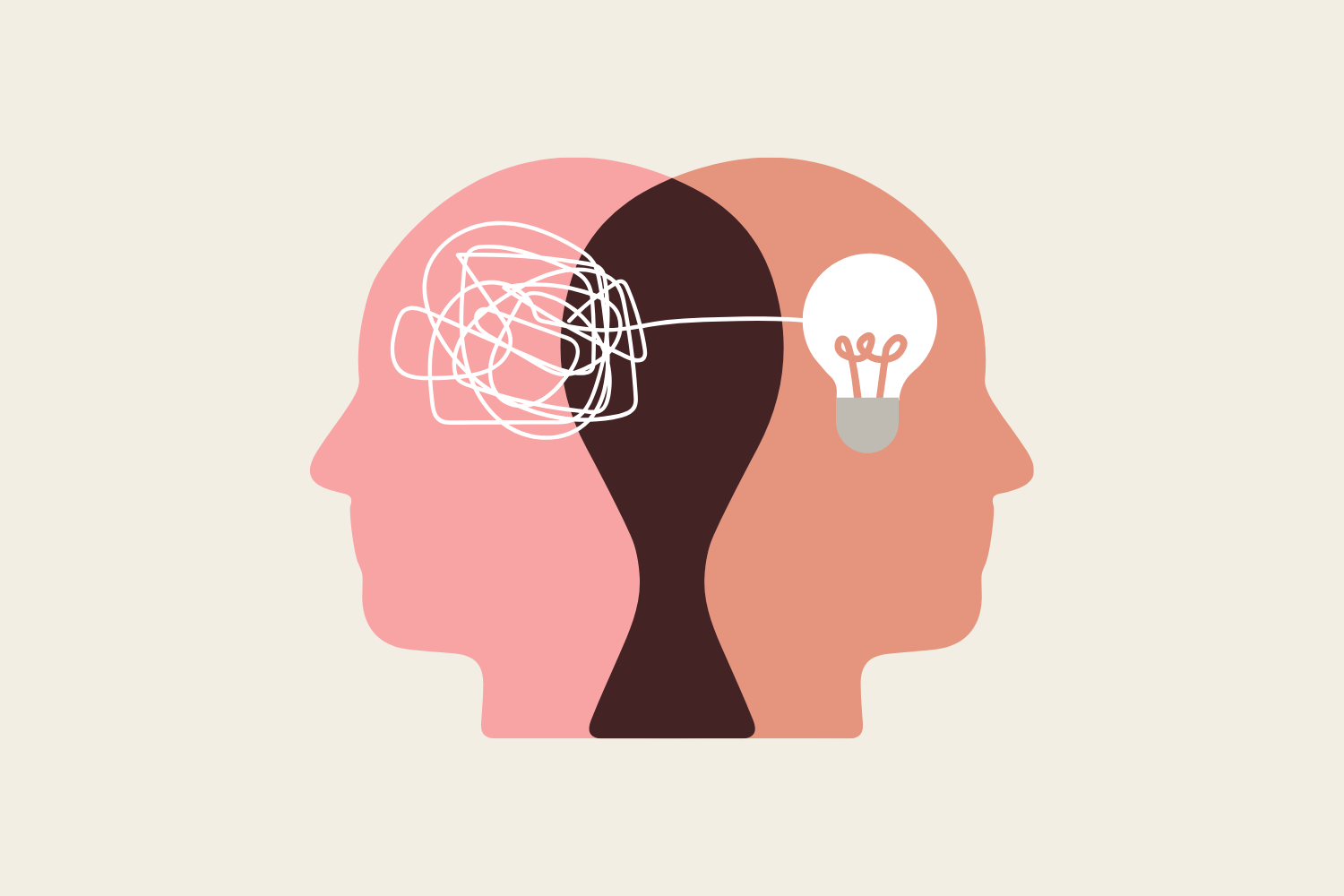
Among competing explanations, pick the one with fewest assumptions — in leadership, diagnose simply, build lean, and say what actually matters.

Probabilistic Thinking
Stop betting on one predicted future — assign real probabilities to outcomes, weigh them by impact, and let the math decide.
System 1 and System 2 Thinking
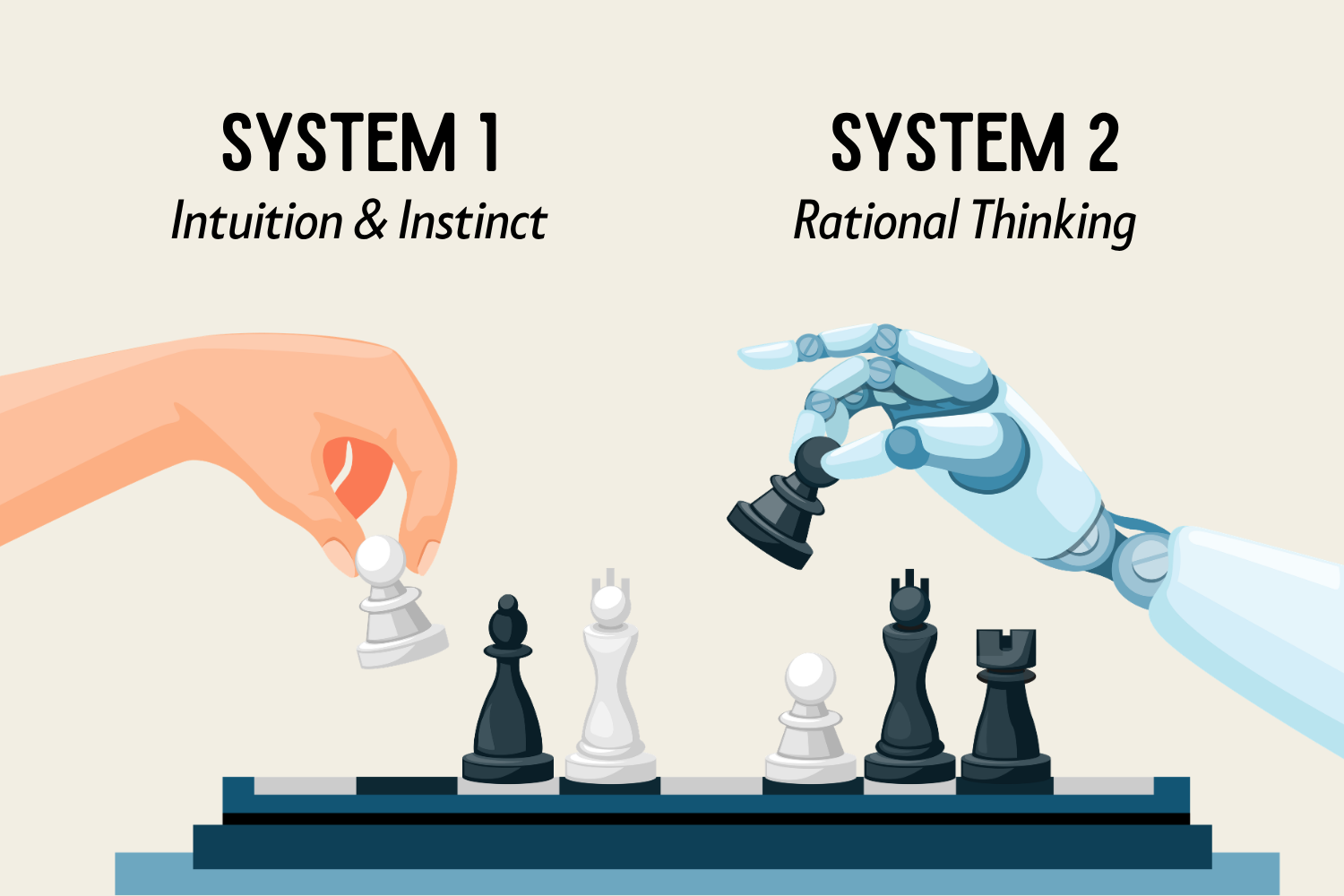
Your brain runs fast, gut-level System 1 and slow, deliberate System 2 — knowing which a moment needs is the skill.
The AI Confidence Trap
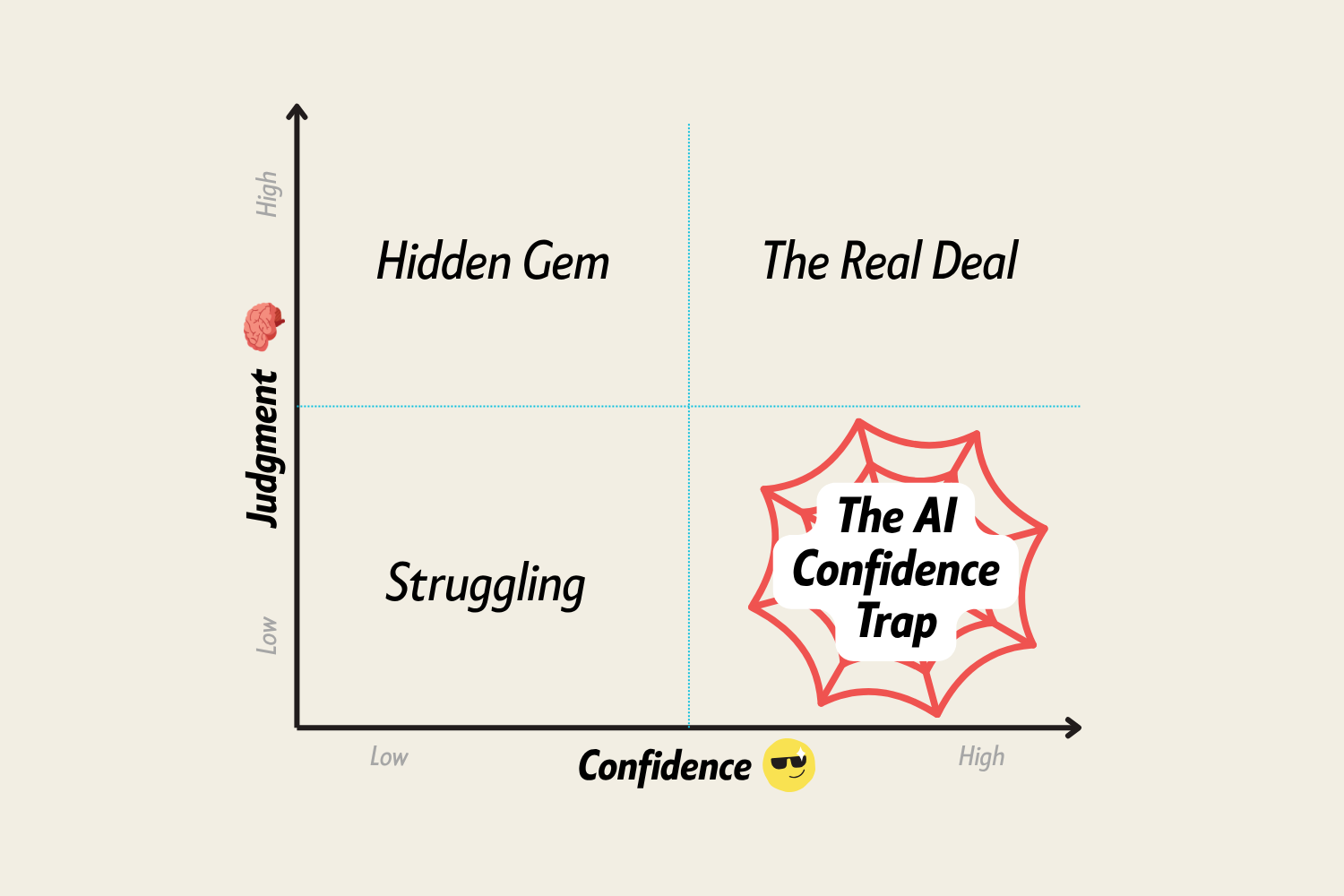
AI-polished output can look like real competence when the thinking behind it isn't there — judge the reasoning, not the polish.
Books related to Decision-Making

Blink
Malcolm Gladwell's dive into the two-second judgment: when snap decisions beat deliberate analysis, when they betray you without warning, and why you usually can't tell which is happening in the moment.

Clear Thinking
Shane Parrish's case that your biggest decisions aren't won by thinking harder in the moment. They're won or lost by the defaults you've already built long before the moment arrives.

Principles
Ray Dalio's attempt to turn decades of painful mistakes at Bridgewater into explicit, written rules, a bet that most bad decisions come from never writing down what you actually believe until you're forced to.

Same as Ever
Morgan Housel's case for studying what never changes about human behavior, risk, and decision-making, instead of exhausting yourself trying to predict what will, because the next crisis will look nothing like the last one, but it will be caused by the same handful of things that have always caused them.

Thinking in Bets
Former professional poker player Annie Duke's case that every decision is a bet made with incomplete information, and that judging decisions by their outcomes, the way almost everyone does, teaches exactly the wrong lessons.

Thinking, Fast and Slow
Daniel Kahneman's decades of research into the two systems running your mind, and why the fast, confident one is usually the one making your worst decisions, not your best ones.
Skills related to Decision-Making

Creative Thinking
Finding the approach everyone else misses, by challenging assumptions, widening your options, and testing unfamiliar ideas cheaply before you commit to them.

Leading with AI
Knowing when to trust AI-generated work, when to dig into the reasoning behind it, and how to use it without letting your own judgment go soft.

Mental Agility
Matching how you lead to the situation in front of you and the person you're leading, because the approach that worked yesterday might be exactly wrong today.

Pattern Recognition
Noticing that a handful of small, separate signals are actually one thing, and naming the trend before it's obvious to everyone else.

Political Savvy
Reading the relationships, incentives, and unwritten rules that actually decide whether your idea gets adopted, not just whether it's the right one.

Prioritization
Picking the handful of things that actually matter and putting the team's energy there, which means saying no to almost everything else.

Problem-Solving
Solving problems systematically, diagnosing what's actually wrong before jumping in with a fix.

Productivity
Directing your time and energy at the work that actually matters, instead of letting whatever lands first run your day.

Strategic Thinking
Stepping back to see where things are heading, and actually letting that change what you do today.

Systems Analysis
Tracing how a decision in one part of the organization moves through the rest of it, instead of treating your team as its own island.