Principles
Ray Dalio's attempt to turn decades of painful mistakes at Bridgewater into explicit, written rules, a bet that most bad decisions come from never writing down what you actually believe until you're forced to.
 Find this on the mind-map
Introduction
Dalio's core claim is that most people make important decisions the same way twice, make the same mistake twice, and never notice, because they never wrote down the actual principle behind the decision the first time. Principles is his attempt to make his own decision-making explicit enough to examine, argue with, and improve. He wants to build an organization where everyone else's decision-making is just as explicit.
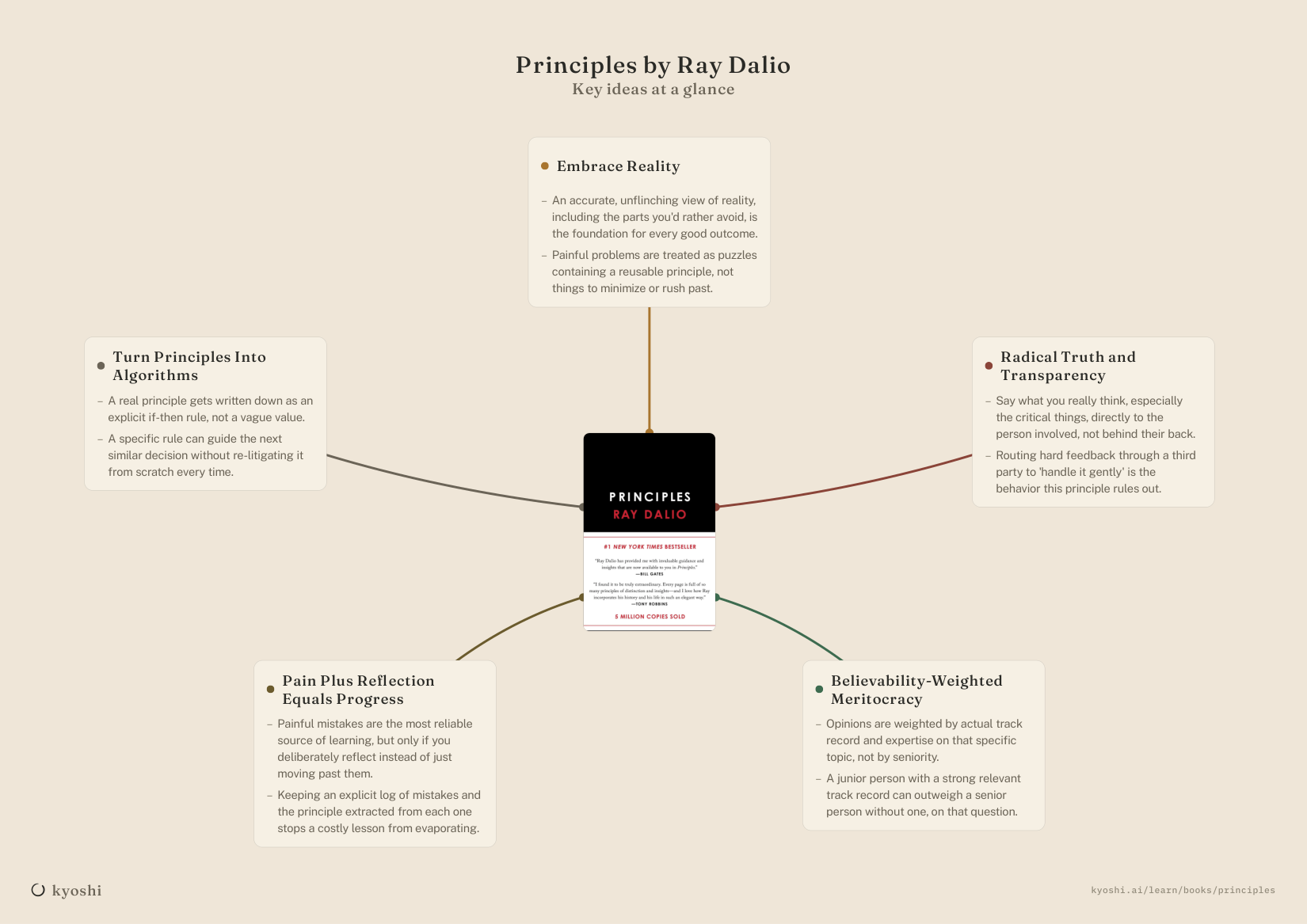
Embrace Reality and Deal With It
The starting point for every principle in the book is truth: an accurate understanding of reality, including the parts you'd rather not look at. Dalio treats that as the essential foundation for any good outcome, and treats painful problems as puzzles containing a gem (a principle you can extract and reuse) rather than as things to minimize or move past quickly.
Radical Truth and Radical Transparency
Say what you really think, especially the critical things, directly to the person involved rather than behind their back. Expect the same said to you. Manager A hears a junior employee is upset about a decision and asks a peer to "handle it gently" secondhand. Manager B asks the employee directly what they think is wrong, in the room, and responds to the real objection instead of the filtered version of it.
Believability-Weighted Idea Meritocracy
Not every opinion deserves equal weight, and not every opinion should be silenced by hierarchy either. Dalio's model weighs people's input by their actual track record and expertise on that specific topic, so a junior person with a strong, relevant track record can outweigh a senior person without one, on that specific question. The goal is getting the best answer, not the most senior one.
Pain + Reflection = Progress
Painful mistakes are the most reliable source of real learning, but only if you force yourself to reflect on them deliberately rather than just move past the pain. Dalio's practice of keeping an explicit log of mistakes and the principle extracted from each one is less about record-keeping and more about refusing to let a costly lesson evaporate once the immediate pain fades.
Turn Principles Into Algorithms
Once you've extracted a real principle from a decision or mistake, write it down as an explicit, if-then rule you can apply consistently, not a vague value, but something specific enough to actually guide the next similar decision without re-litigating it from scratch every time.
Putting It Together
Embracing reality is the precondition for everything else. You can't extract a useful principle from a problem you haven't honestly looked at. Radical transparency and believability-weighted meritocracy are how you get the clearest possible read on that reality from other people. Pain + Reflection and writing principles as explicit rules are how you turn a single hard-won insight into something that keeps paying off on every future decision, instead of being relearned from scratch.
Why It Matters for Leaders
Most managers think they're being transparent because they didn't lie. Dalio's actual standard is harder than that: the test isn't whether you said something false, it's whether you said the thing you were really thinking, to the person who needed to hear it, instead of a softer version you decided was good enough. Almost every manager has a gap between what they believed in a tough meeting and what they actually said out loud.
The believability-weighting piece is where this stops being a personality trait and becomes something you can run a team on. You don't have to treat every opinion as equally likely to be right, and you don't have to default to whoever has the highest title in the room either. You ask who has actually been right about this specific kind of call before, and you weight their input accordingly, out loud, so the team can see you doing it.
The mistake log is where this breaks down fastest in practice. Most managers feel the pain of a bad call, let the feeling fade over the next week or two, and move on without ever writing down what they'd do differently. Dalio's point is that the pain is the only part of the lesson you get for free. If you don't extract the principle while it still hurts, you've paid the cost of the mistake and gotten nothing durable back for it.
Picture a manager, Daniela, whose project just slipped by three weeks because she deferred to the most senior person in the room on a technical call, even though a junior engineer on her team had flagged the exact failure mode a month earlier and been politely overruled. The easy move is to note "communicate better next time" and move on. Dalio's actual ask is more specific: write down, today, that on this category of call, this engineer's track record now outweighs seniority, and say so to the room before the next one comes up. That's a principle. A vague resolution to listen more isn't.
What to do next
Reinforce your understanding of Principles
Books related to Principles

Blink
Malcolm Gladwell's dive into the two-second judgment: when snap decisions beat deliberate analysis, when they betray you without warning, and why you usually can't tell which is happening in the moment.

Clear Thinking
Shane Parrish's case that your biggest decisions aren't won by thinking harder in the moment. They're won or lost by the defaults you've already built long before the moment arrives.

Same as Ever
Morgan Housel's case for studying what never changes about human behavior, risk, and decision-making, instead of exhausting yourself trying to predict what will, because the next crisis will look nothing like the last one, but it will be caused by the same handful of things that have always caused them.

Thinking, Fast and Slow
Daniel Kahneman's decades of research into the two systems running your mind, and why the fast, confident one is usually the one making your worst decisions, not your best ones.

Thinking in Bets
Former professional poker player Annie Duke's case that every decision is a bet made with incomplete information, and that judging decisions by their outcomes, the way almost everyone does, teaches exactly the wrong lessons.
Skills related to Principles

Frameworks related to Principles

Abilene Paradox
A team can agree to something nobody wants — not from pressure, but because everyone assumes they're the only doubter.

Cynefin Framework
Dave Snowden's model sorts problems into four domains — Clear, Complicated, Complex, Chaotic — by cause-effect clarity, then matches your response.

Occam's Razor
Among competing explanations, pick the one with fewest assumptions — in leadership, diagnose simply, build lean, and say what actually matters.

OODA Loop
John Boyd's four-stage decision cycle — Observe, Orient, Decide, Act — for fast, adaptive calls under pressure, run as a loop.

Probabilistic Thinking
Stop betting on one predicted future — assign real probabilities to outcomes, weigh them by impact, and let the math decide.
System 1 and System 2 Thinking
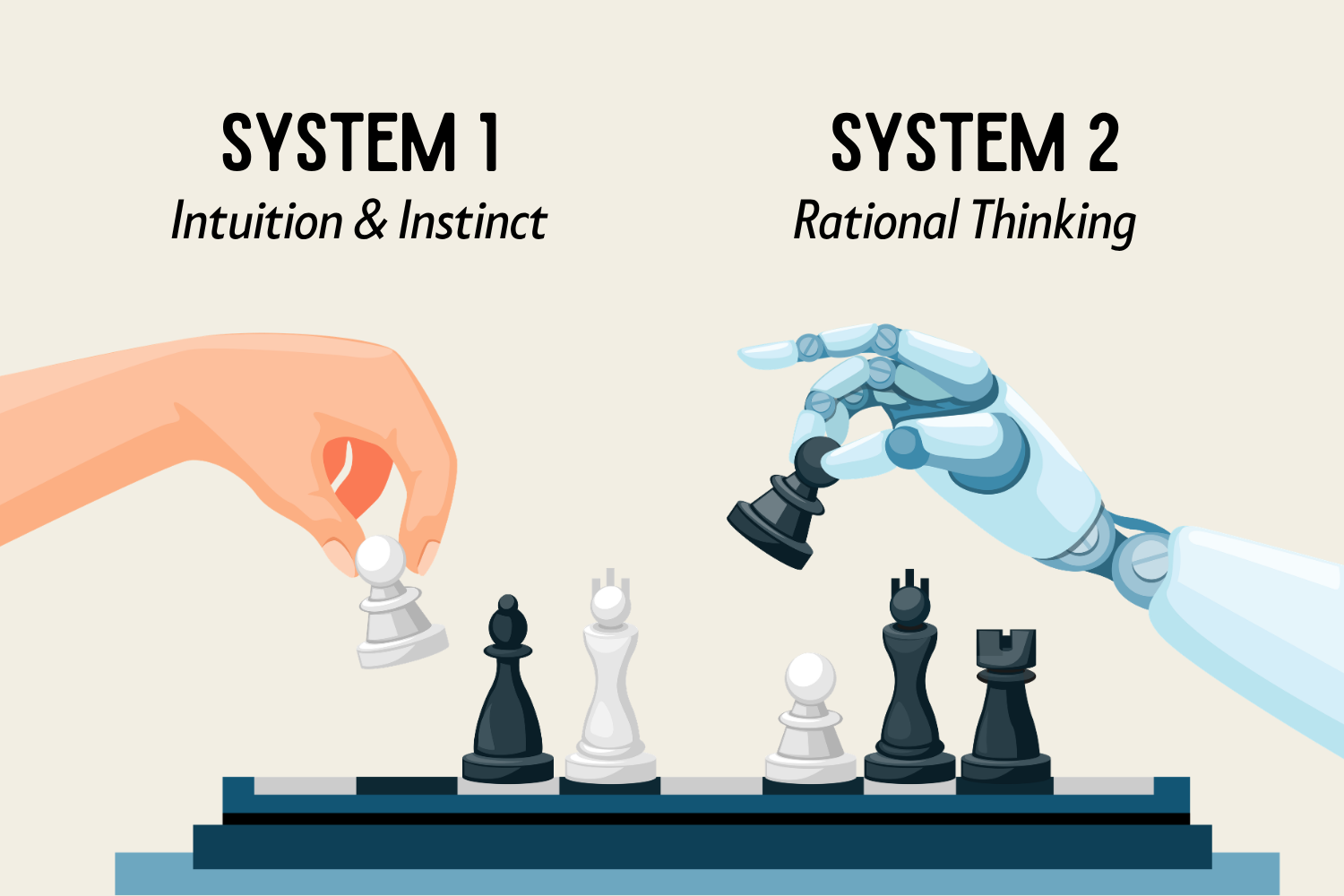
Your brain runs fast, gut-level System 1 and slow, deliberate System 2 — knowing which a moment needs is the skill.
The AI Confidence Trap
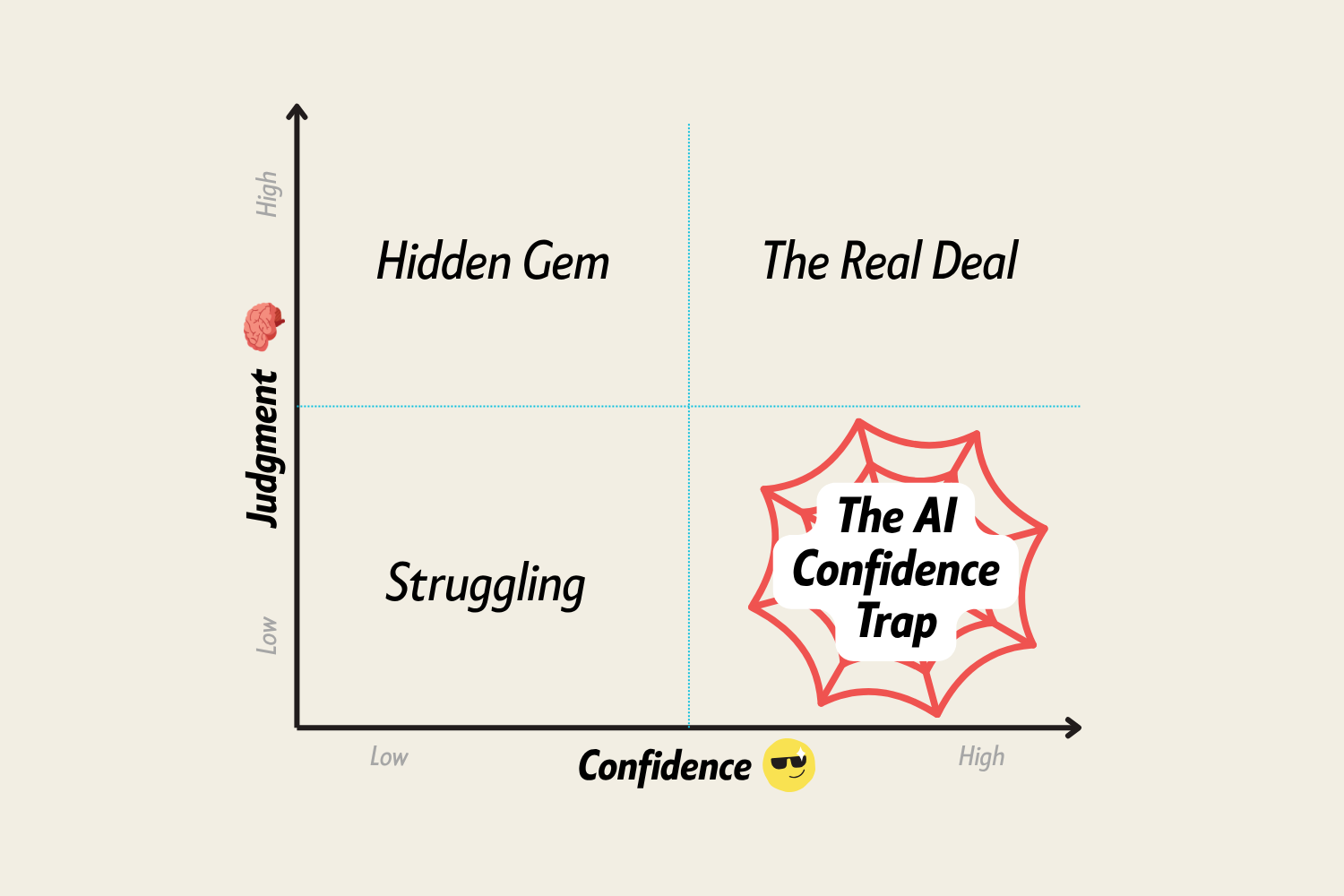
AI-polished output can look like real competence when the thinking behind it isn't there — judge the reasoning, not the polish.