Cynefin Framework
Dave Snowden's model sorts problems into four domains — Clear, Complicated, Complex, Chaotic — by cause-effect clarity, then matches your response.
 Find this on the mind-map
Introduction
Dave Snowden developed Cynefin in the late 1990s while working at IBM. The name comes from a Welsh word that means roughly "habitat" or "place of belonging" — fitting, because the whole idea is that the right response to a problem depends on the habitat that problem lives in, not on how confident or experienced you feel walking into it.
How It Works
Each domain represents a genuinely different way of thinking, not just a different level of effort.
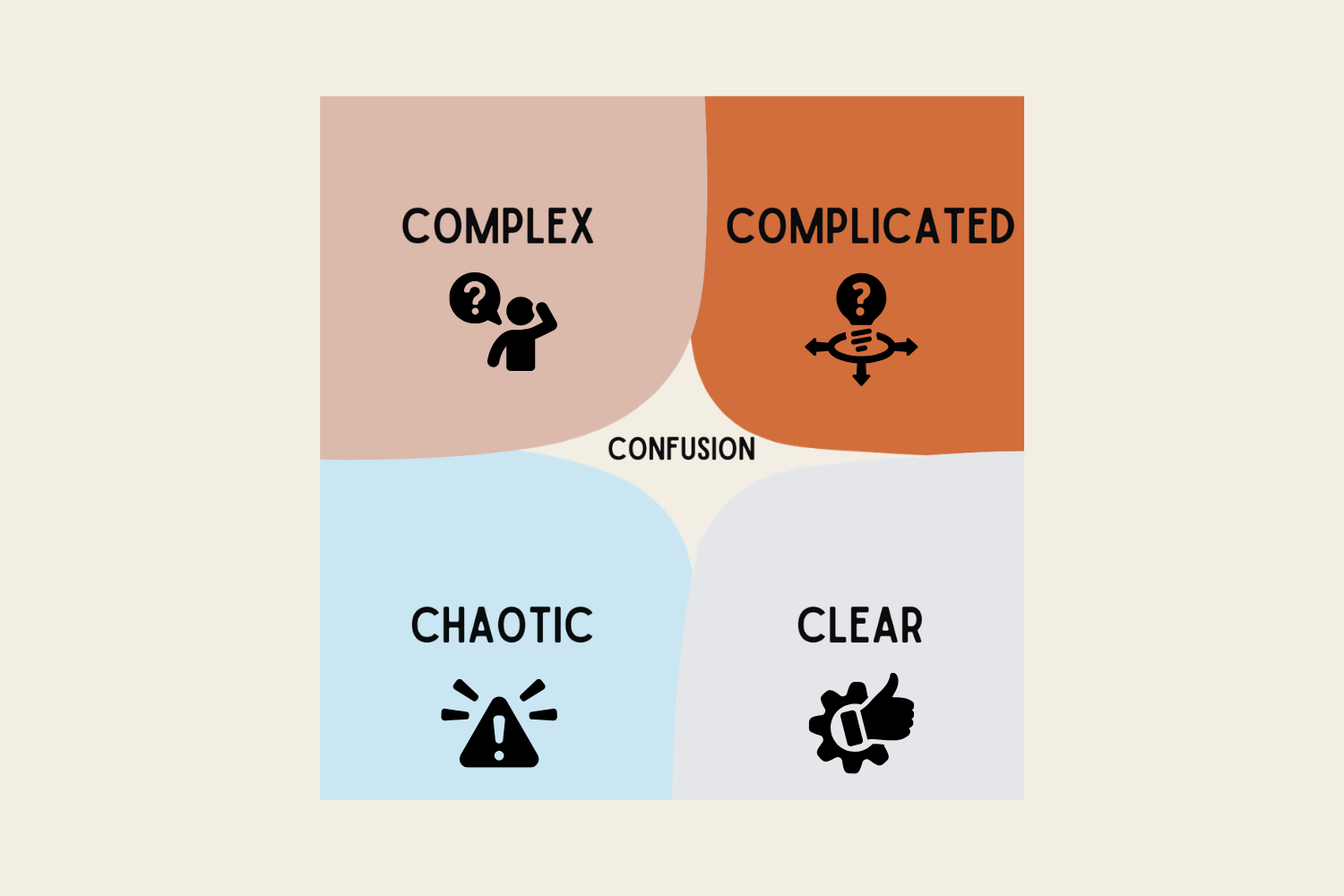
| Domain | Cause and effect | Response | Typical examples |
|---|---|---|---|
| Clear | Obvious and known | Apply the known best practice. Sense, categorize, respond. | Onboarding documentation, a standardized deployment process, a spec file driving a spec-driven development workflow |
| Complicated | Exists but needs expertise to see | Bring in the expert — there's a knowable range of good answers. Sense, analyze, respond. | A complex architectural decision, a legal question, financial modeling |
| Complex | Only visible in hindsight | Run small experiments and let the results guide you. The system changes as you act on it. Probe, sense, respond. | Team morale, cross-org dynamics, a reorg, culture change |
| Chaotic | No time to work it out at all | Take the smallest reversible action that stops the damage, then analyze. Act, sense, respond. | A production outage, a safety incident, a PR crisis |
Snowden's original model has a fifth domain too — Disorder, or Confused — for when you don't yet know which domain you're even in. The move there is simple: break the problem into pieces and classify each one separately.
The framework also gives you a two-minute routine called the Domain Check, worth running before any decision that feels bigger than routine. Three questions: has this exact thing happened before with a known fix, would a wrong guess surface fast or only much later, and is something actively getting worse right now.
Why It Matters for Leaders
Standard leadership advice tells you to be decisive, be collaborative, trust your gut. Cynefin says all of that is situational. Being fast and directive can make you look great in a crisis and terrible on a Complex people problem, where that same decisiveness backfires on you. Building buy-in before every move can make you look thoughtful, and it can also freeze you in a Chaotic moment where there's no time to ask anyone what they think.
That explains something you've probably seen firsthand: the same manager looking brilliant on one problem and clueless on the next. It's not about how competent they are. It's whether the approach matched the domain.
Picture a manager running his third reorg. He has a playbook that's worked before — a checklist of tasks, an owner for each, a two-week deadline. It takes him six weeks to notice the plan isn't working. He'd brought a Complicated-domain solution to a Complex-domain problem.
The correction looks different depending on where you catch it. An engineering manager treats a legacy system migration as Clear, hits edge cases his step-by-step doc never anticipated, re-diagnoses it as Complicated, and pulls in a former engineer who actually built the thing. A VP merging two engineering orgs treats it as Clear, announces the new structure at an all-hands, and watches trust drop for months before recognizing it's Complex and running cross-team working sessions to find the real issue. An SRE manager gets paged at 2am, stops her team from opening a root-cause debate on the spot, calls the situation Chaotic, rolls back the last deploy, and runs the actual analysis the next day.
The payoff is time. Naming the type of problem before you chase a solution saves you weeks, sometimes months, of effort aimed at the wrong target.
What to do next
Test your knowledge of Cynefin Framework
Practice Cynefin Framework
Apply Cynefin Framework to a real situation
Skills related to Cynefin Framework

Frameworks related to Cynefin Framework

Abilene Paradox
A team can agree to something nobody wants — not from pressure, but because everyone assumes they're the only doubter.
Occam's Razor
Among competing explanations, pick the one with fewest assumptions — in leadership, diagnose simply, build lean, and say what actually matters.

OODA Loop
John Boyd's four-stage decision cycle — Observe, Orient, Decide, Act — for fast, adaptive calls under pressure, run as a loop.

Probabilistic Thinking
Stop betting on one predicted future — assign real probabilities to outcomes, weigh them by impact, and let the math decide.
System 1 and System 2 Thinking
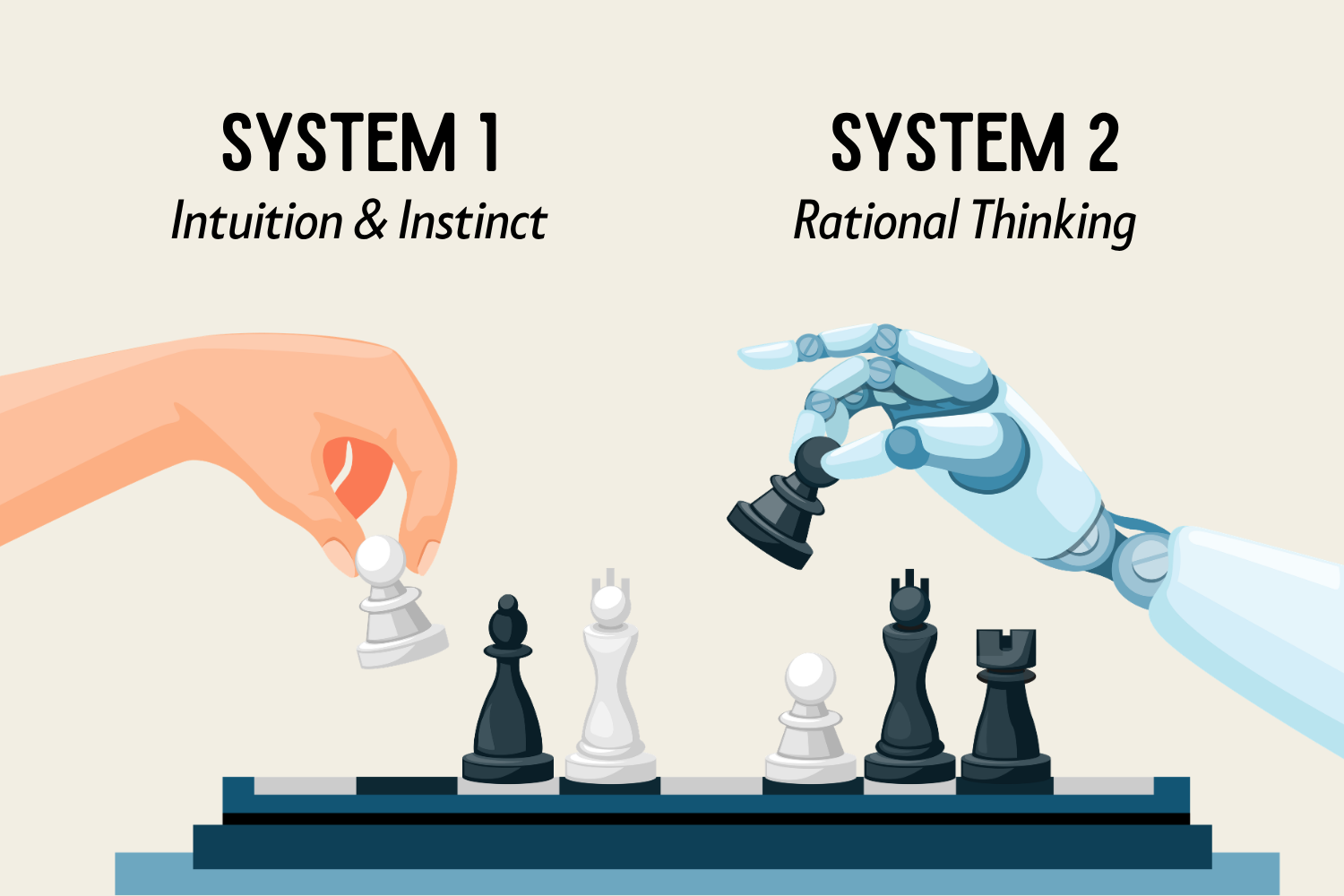
Your brain runs fast, gut-level System 1 and slow, deliberate System 2 — knowing which a moment needs is the skill.
The AI Confidence Trap
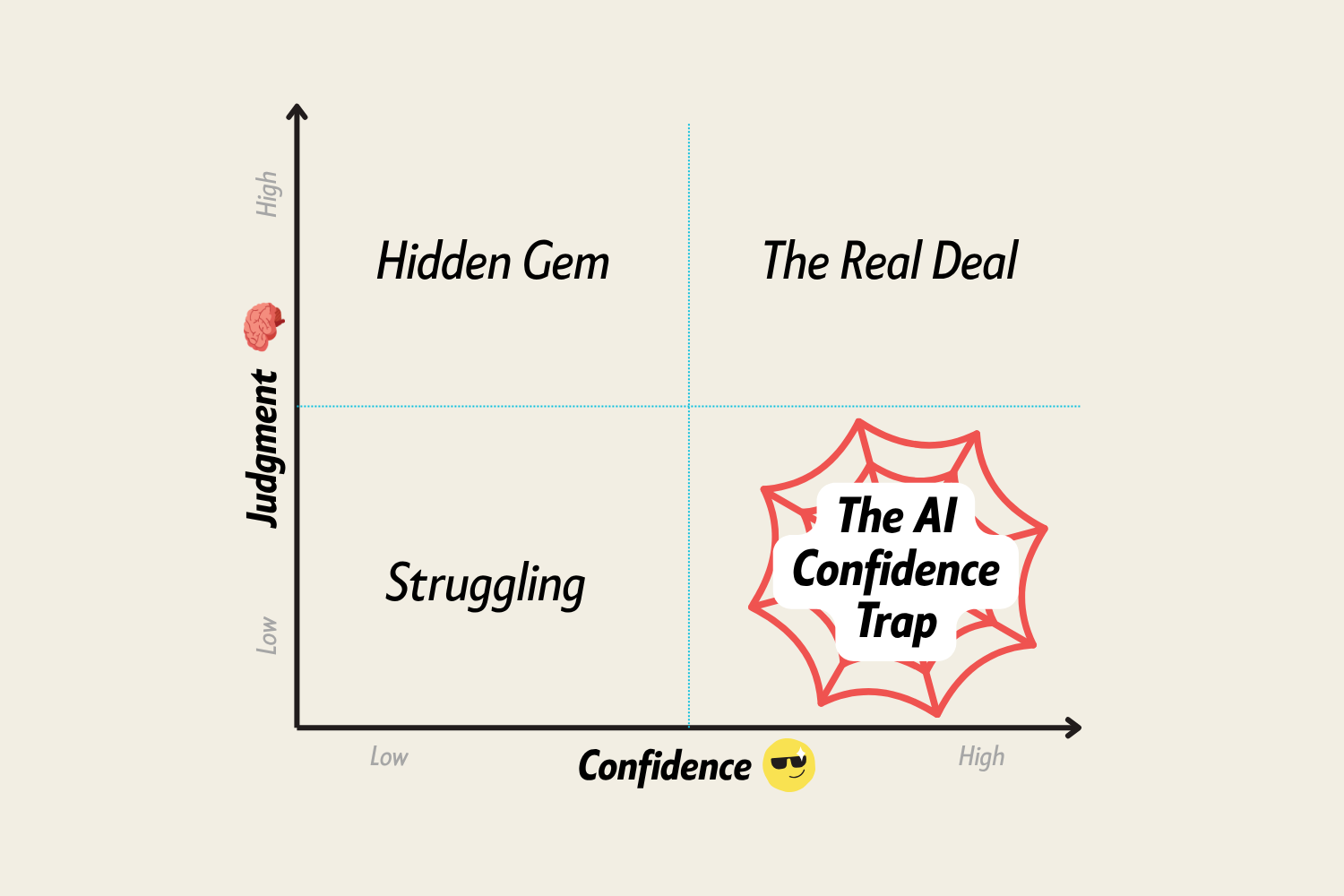
AI-polished output can look like real competence when the thinking behind it isn't there — judge the reasoning, not the polish.
Books related to Cynefin Framework

Blink
Malcolm Gladwell's dive into the two-second judgment: when snap decisions beat deliberate analysis, when they betray you without warning, and why you usually can't tell which is happening in the moment.

Clear Thinking
Shane Parrish's case that your biggest decisions aren't won by thinking harder in the moment. They're won or lost by the defaults you've already built long before the moment arrives.

Principles
Ray Dalio's attempt to turn decades of painful mistakes at Bridgewater into explicit, written rules, a bet that most bad decisions come from never writing down what you actually believe until you're forced to.

Same as Ever
Morgan Housel's case for studying what never changes about human behavior, risk, and decision-making, instead of exhausting yourself trying to predict what will, because the next crisis will look nothing like the last one, but it will be caused by the same handful of things that have always caused them.

Thinking, Fast and Slow
Daniel Kahneman's decades of research into the two systems running your mind, and why the fast, confident one is usually the one making your worst decisions, not your best ones.

Thinking in Bets
Former professional poker player Annie Duke's case that every decision is a bet made with incomplete information, and that judging decisions by their outcomes, the way almost everyone does, teaches exactly the wrong lessons.