Abilene Paradox
A team can agree to something nobody wants — not from pressure, but because everyone assumes they're the only doubter.
 Find this on the mind-map
Introduction
Back in 1974, a management professor named Jerry Harvey told a story about his own family. One hot afternoon in Coleman, Texas, someone suggested driving fifty miles to Abilene for dinner. Everyone said yes. The trip was miserable — hot, dusty, and the food was bad. On the drive back, it came out that nobody had actually wanted to go. Each person had assumed everyone else was excited about it and gone along rather than be the one who ruined it.
Harvey turned that afternoon into a name for a pattern he saw everywhere in organizations: a group agreeing to something that not one person in the room actually wants.
How It Works
The paradox unfolds in three steps that basically happen at once.
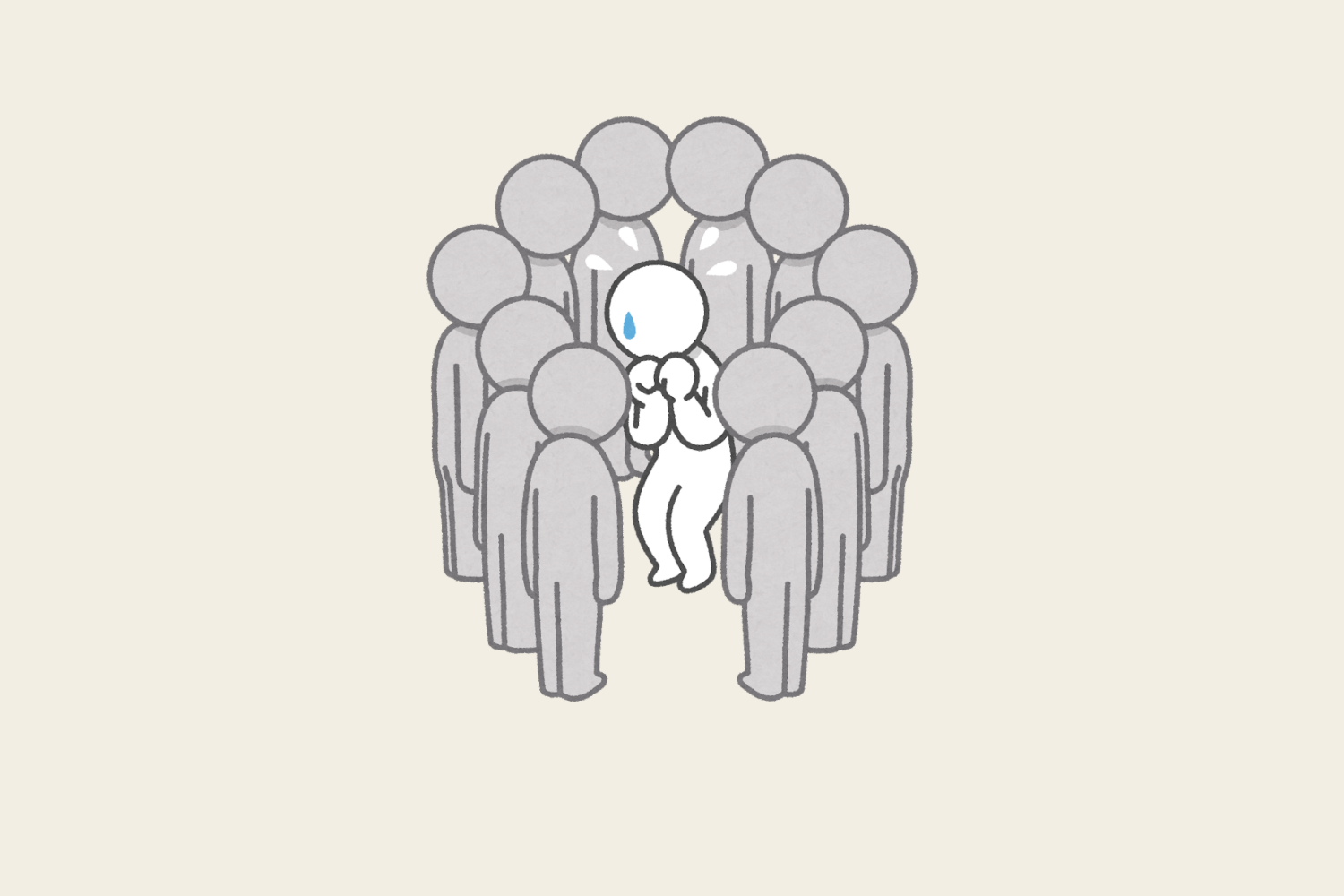
- You have a private doubt. Something about the idea on the table doesn't sit right with you. Not a hard objection — more like a nagging "I'm not sure about this."
- You misread the room. You look around, see calm faces and nodding heads, and conclude you're the only one who feels this way. Here's the twist: everyone else is making that exact same wrong read, at the exact same time.
- You make the reasonable choice to stay quiet. Believing you're alone in your doubt, you decide not to be the one who blocks something everyone else clearly wants. You say yes. The next person runs the same math. The whole group ends up committing to something nobody actually agreed with.
Nobody in that room is dishonest or spineless. Every person makes a perfectly reasonable decision — it's just built on a wrong assumption about what everyone else believes.
People mix this up with groupthink all the time, but they're not the same thing, and the difference is what tells you how to fix it.
| Groupthink | Abilene Paradox | |
|---|---|---|
| What's actually in the room | Real, strong disagreement | Mild private hesitation |
| Why it stays unsaid | Fear of repercussions, pressure to keep the peace | The belief that you're the only one who feels it |
| The internal monologue | "I disagree, but I'm scared to say so" | "I've got a nagging feeling, but everyone else looks fine with it, so it's probably just me" |
| The fix | Build psychological safety so people feel safe voicing real objections | Surface everyone's private hesitation at the same time, before the group locks in |
That distinction matters because a team can have excellent psychological safety and still walk straight into the Abilene Paradox.
Why It Matters for Leaders
Picture this: your team lands on an eight-week release timeline. Near the end of the meeting, someone floats doing it in six instead, a couple of people say "sure," nobody objects, and you sign off. A few days later, three different people tell you in 1:1s that they weren't actually sure — and not one of them said a word in the room.
Now you're holding a commitment nobody actually backs. Execution slips, the team feels blindsided, and when you dig into what happened, you find out everybody kind of knew. That's the expensive part — it doesn't just cost you the deadline, it wears down trust in how decisions get made around here.
Here's the trap that catches leaders specifically: the signal you usually lean on — no objections raised — means nothing in this situation. Silence isn't consent. In fact, a fast, frictionless "yes" is exactly the condition this paradox needs to form.
It also flips your usual playbook upside down. When a bad decision comes out of a quiet room, your instinct is to reach for more safety, more openness, better norms. Those are the right tools for groupthink — and the wrong tools here. What you actually need is a way to get everyone's mild doubts out in the open at the same moment, before anyone gets the chance to read the room and go quiet.
There's a related trap at the individual level, too: each person builds a confident story about what everyone else believes from one thin observation — that's the Ladder of Inference playing out inside a group, and it's worth knowing the pattern by name.
What to do next
Test your knowledge of Abilene Paradox
Practice Abilene Paradox
Apply Abilene Paradox to a real situation
Skills related to Abilene Paradox

Frameworks related to Abilene Paradox

Cynefin Framework
Dave Snowden's model sorts problems into four domains — Clear, Complicated, Complex, Chaotic — by cause-effect clarity, then matches your response.
Occam's Razor
Among competing explanations, pick the one with fewest assumptions — in leadership, diagnose simply, build lean, and say what actually matters.

OODA Loop
John Boyd's four-stage decision cycle — Observe, Orient, Decide, Act — for fast, adaptive calls under pressure, run as a loop.

Probabilistic Thinking
Stop betting on one predicted future — assign real probabilities to outcomes, weigh them by impact, and let the math decide.
System 1 and System 2 Thinking
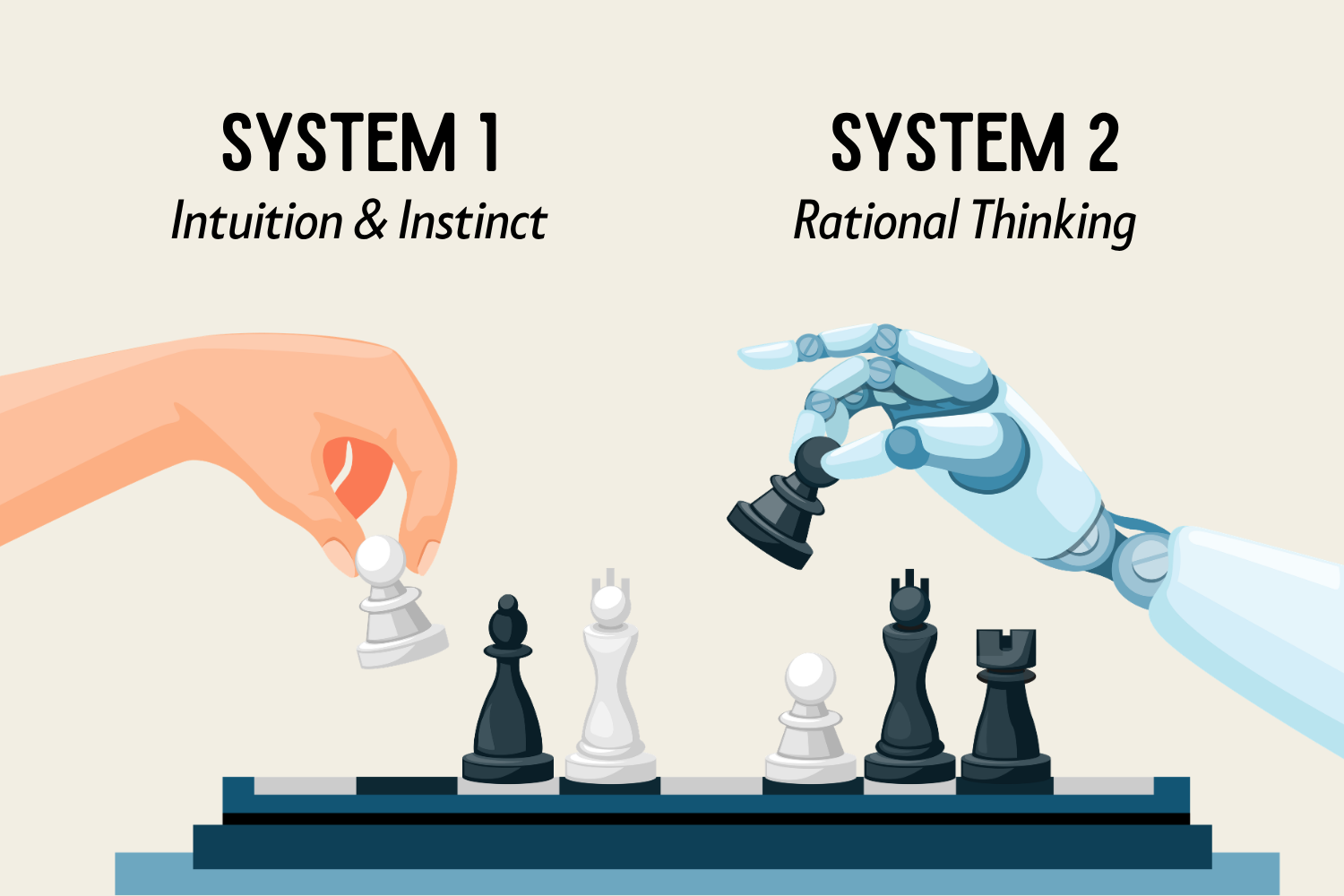
Your brain runs fast, gut-level System 1 and slow, deliberate System 2 — knowing which a moment needs is the skill.
The AI Confidence Trap
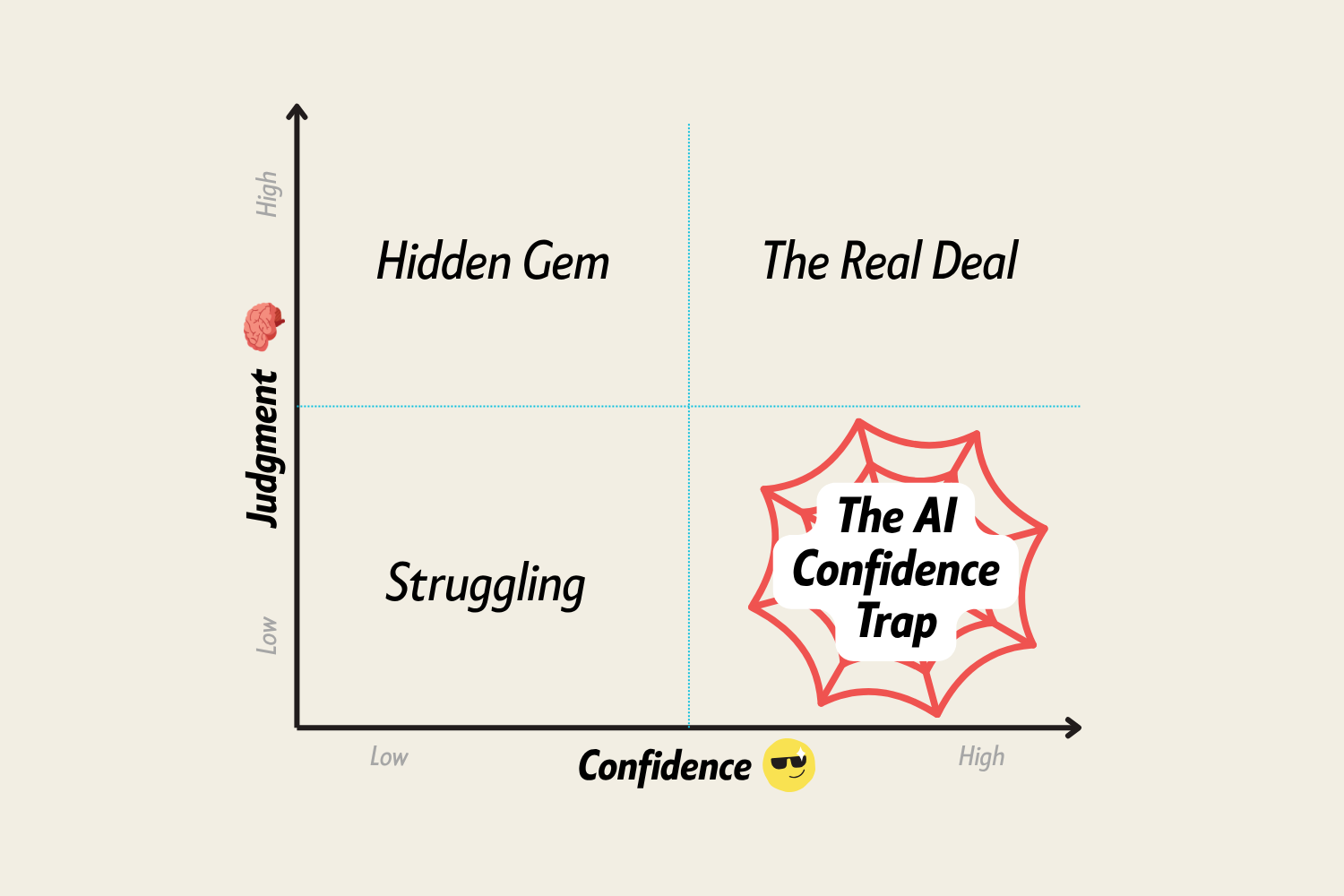
AI-polished output can look like real competence when the thinking behind it isn't there — judge the reasoning, not the polish.
Books related to Abilene Paradox

Blink
Malcolm Gladwell's dive into the two-second judgment: when snap decisions beat deliberate analysis, when they betray you without warning, and why you usually can't tell which is happening in the moment.

Clear Thinking
Shane Parrish's case that your biggest decisions aren't won by thinking harder in the moment. They're won or lost by the defaults you've already built long before the moment arrives.

Principles
Ray Dalio's attempt to turn decades of painful mistakes at Bridgewater into explicit, written rules, a bet that most bad decisions come from never writing down what you actually believe until you're forced to.

Same as Ever
Morgan Housel's case for studying what never changes about human behavior, risk, and decision-making, instead of exhausting yourself trying to predict what will, because the next crisis will look nothing like the last one, but it will be caused by the same handful of things that have always caused them.

Thinking, Fast and Slow
Daniel Kahneman's decades of research into the two systems running your mind, and why the fast, confident one is usually the one making your worst decisions, not your best ones.

Thinking in Bets
Former professional poker player Annie Duke's case that every decision is a bet made with incomplete information, and that judging decisions by their outcomes, the way almost everyone does, teaches exactly the wrong lessons.