Same as Ever
Morgan Housel's case for studying what never changes about human behavior, risk, and decision-making, instead of exhausting yourself trying to predict what will, because the next crisis will look nothing like the last one, but it will be caused by the same handful of things that have always caused them.
 Find this on the mind-map
Introduction
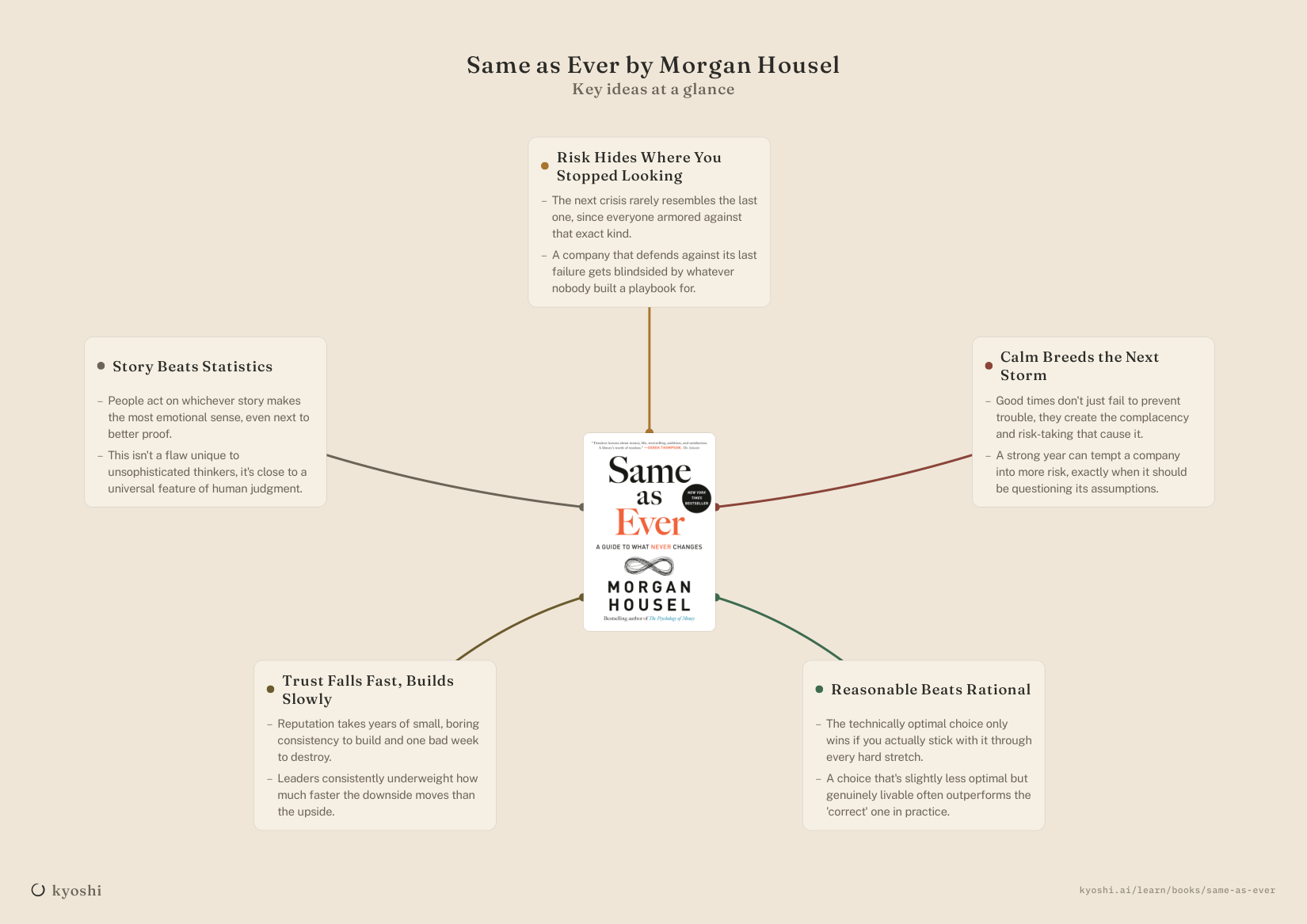
Morgan Housel's premise is a deliberate inversion of how most business and strategy books operate: instead of trying to predict what's about to change, study what never does. Technology, markets, and competitors shift constantly and unpredictably. Human behavior around risk, fear, greed, and storytelling has stayed remarkably consistent across centuries, which makes it, oddly, the more reliable thing to plan around.
Risk Is Whatever You Didn't Prepare For
The next crisis almost never resembles the last one, and Housel's explanation is almost mechanical: once everyone has seen a specific kind of disaster, they build defenses against that exact kind, which means the next real surprise comes, by definition, from wherever nobody was looking. A company that just survived a supply-chain crisis builds elaborate supply-chain contingency plans, and gets blindsided next by something in talent, reputation, or a market shift that nobody had built a playbook for, precisely because everyone's attention had moved to the last fire.
Calm Plants the Seeds of the Next Storm
Good times don't just fail to prevent the next bad time. They actively cause it, by breeding the complacency, leverage, and risk-taking that eventually tips over. Picture two companies after a strong year. One treats the good year as proof the current approach is safe and takes on more risk because recent results support it. The other treats the good year as exactly the moment complacency is most dangerous, because nobody feels an urgent need to question anything. History tends to side with the second company's instinct, even though it feels less rewarding in the moment.
Reasonable Beats Rational
Housel draws a sharp line between what's mathematically optimal and what's actually sustainable for a real person to stick with over time. A decision that's slightly less "rational" on paper but genuinely comfortable to live with (paying off a low-interest loan early instead of investing the difference, for instance) often outperforms the technically optimal choice in practice, because the technically optimal choice only works if you actually stick with it through every uncomfortable stretch, and people often don't.
Things Fall Apart Fast, But Get Built Slowly
Trust, reputation, and stability all take a long, unglamorous accumulation of small, boring, consistent actions to build, and can be destroyed by a single bad week. Leaders consistently underweight how much faster the downside moves than the upside, which means protecting what's been slowly built deserves more deliberate attention than most people give it, relative to how much attention goes into building the next increment of growth.
Stories Move People More Than Statistics Do
People don't act on the most accurate available data. They act on the story that makes the most emotional sense of their situation, and the story usually wins even when it's contradicted by better proof sitting right next to it. This isn't a flaw unique to unsophisticated decision-makers. Housel's point is that it's close to a universal feature of how humans actually process uncertainty, which means a leader trying to move people needs the right story at least as much as the right numbers.
Putting It Together
None of these patterns are new observations about any particular industry or era. That's the entire argument. Risk hides in the unguarded spot, calm breeds the complacency that ends it, reasonable beats rational over the long run, trust is slow to build and fast to lose, and people act on story more than data. Because none of that changes, it's a far better foundation for planning than trying to guess what will.
Why It Matters for Leaders
Most leaders plan for the last crisis, because it's the one they can picture in detail. After a bad vendor outage, you get a vendor-risk committee. After a PR mess, you get a communications sign-off process. Housel's point isn't that these reactions are wrong, it's that they guarantee the next real problem comes from somewhere nobody just built a committee for, because that's definitionally where nobody was looking.
The harder discipline is treating a good quarter as a warning, not a reward. When results are strong, the instinct is to take on more risk because the recent numbers say it's safe: a bigger hire, a stretched timeline, a bet you wouldn't have made last year. Housel's case is that good results are exactly when you should be checking what you're assuming, because nobody in the room feels any urgency to question anything.
This book also argues for picking the plan you'll actually stick with over the plan that scores best on a spreadsheet. A leader who sets an "optimal" but exhausting pace for their team, one that depends on nobody ever having a bad month, usually gets a worse outcome over two years than the leader who picked a slightly slower pace everyone can sustain. Reasonable beats rational, because rational only wins if you follow through on it the whole way.
Picture a manager, Keiko, whose team just closed its best year ever. Leadership wants her to take on two more major initiatives next quarter, using the strong numbers as proof the team can handle it. Instead of saying yes by default, she asks her team what assumption the good year actually depended on, and someone points out that one person covered for three unplanned absences that happened to land in quiet weeks. Keiko pushes back on the new scope, not because the team fell short, but because the good year hid exactly how little slack they actually had.
What to do next
Reinforce your understanding of Same as Ever
Books related to Same as Ever

Blink
Malcolm Gladwell's dive into the two-second judgment: when snap decisions beat deliberate analysis, when they betray you without warning, and why you usually can't tell which is happening in the moment.

Clear Thinking
Shane Parrish's case that your biggest decisions aren't won by thinking harder in the moment. They're won or lost by the defaults you've already built long before the moment arrives.

Principles
Ray Dalio's attempt to turn decades of painful mistakes at Bridgewater into explicit, written rules, a bet that most bad decisions come from never writing down what you actually believe until you're forced to.

Thinking, Fast and Slow
Daniel Kahneman's decades of research into the two systems running your mind, and why the fast, confident one is usually the one making your worst decisions, not your best ones.

Thinking in Bets
Former professional poker player Annie Duke's case that every decision is a bet made with incomplete information, and that judging decisions by their outcomes, the way almost everyone does, teaches exactly the wrong lessons.
Skills related to Same as Ever

Frameworks related to Same as Ever

Abilene Paradox
A team can agree to something nobody wants — not from pressure, but because everyone assumes they're the only doubter.

Cynefin Framework
Dave Snowden's model sorts problems into four domains — Clear, Complicated, Complex, Chaotic — by cause-effect clarity, then matches your response.
Occam's Razor
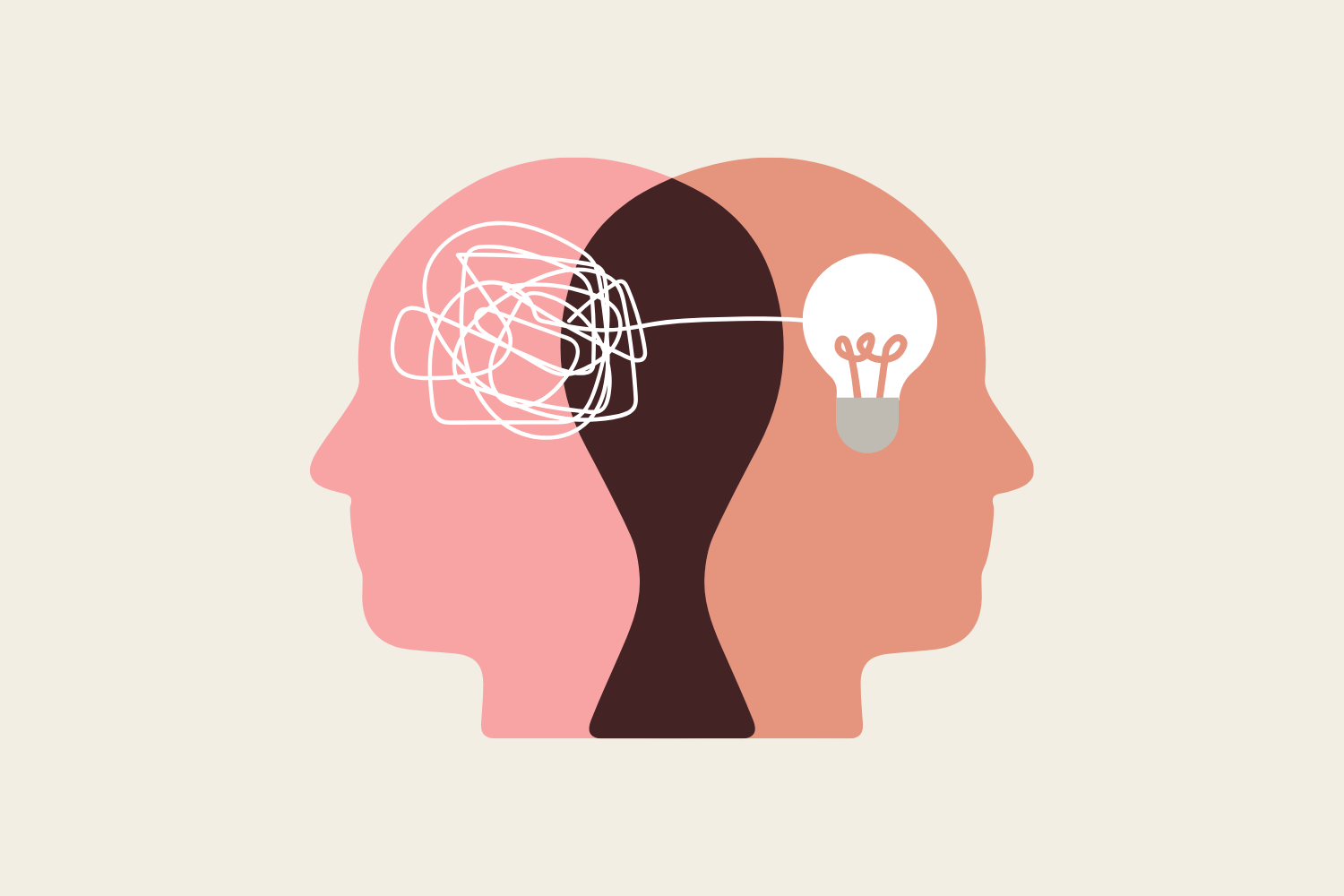
Among competing explanations, pick the one with fewest assumptions — in leadership, diagnose simply, build lean, and say what actually matters.

OODA Loop
John Boyd's four-stage decision cycle — Observe, Orient, Decide, Act — for fast, adaptive calls under pressure, run as a loop.

Probabilistic Thinking
Stop betting on one predicted future — assign real probabilities to outcomes, weigh them by impact, and let the math decide.
System 1 and System 2 Thinking
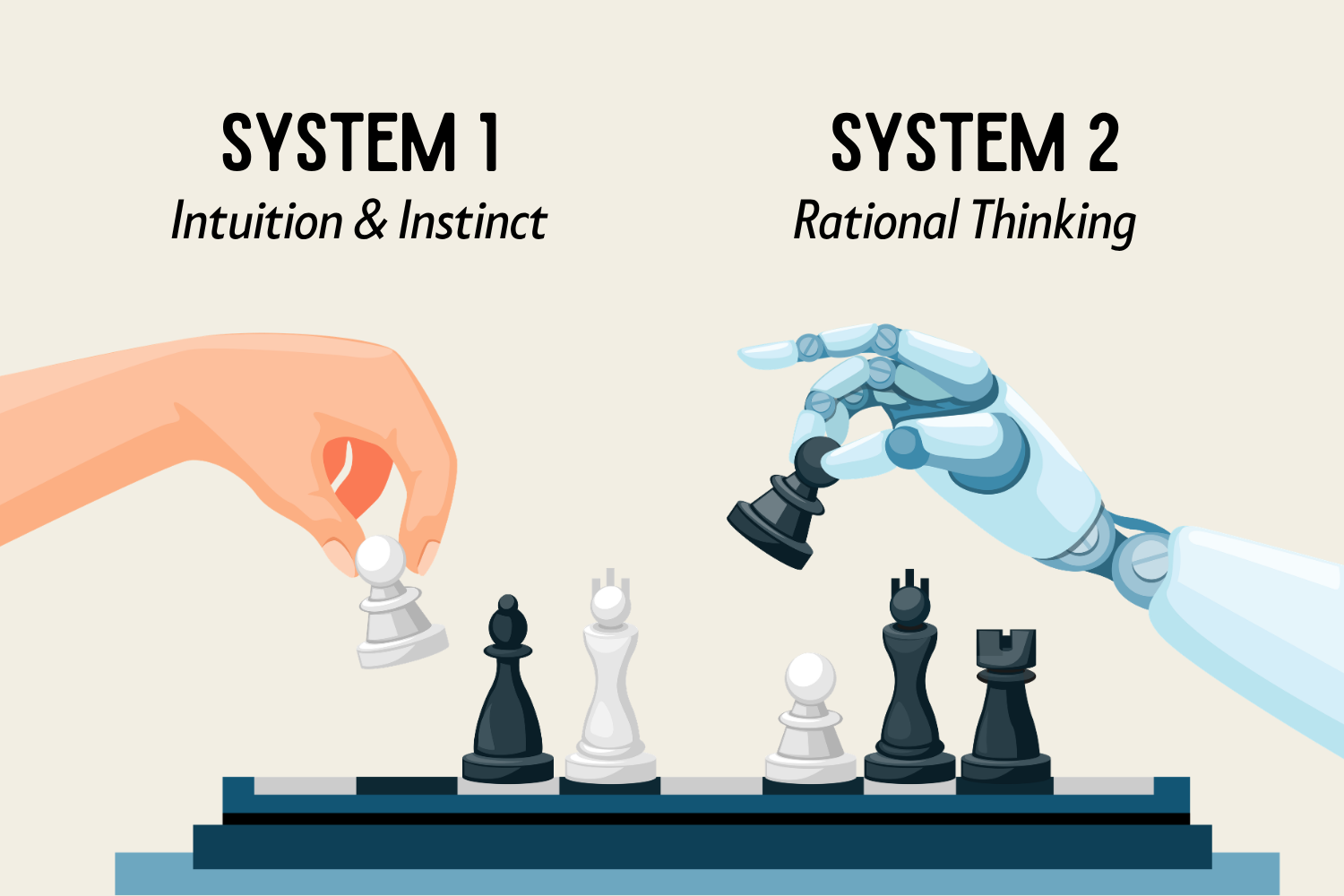
Your brain runs fast, gut-level System 1 and slow, deliberate System 2 — knowing which a moment needs is the skill.
The AI Confidence Trap
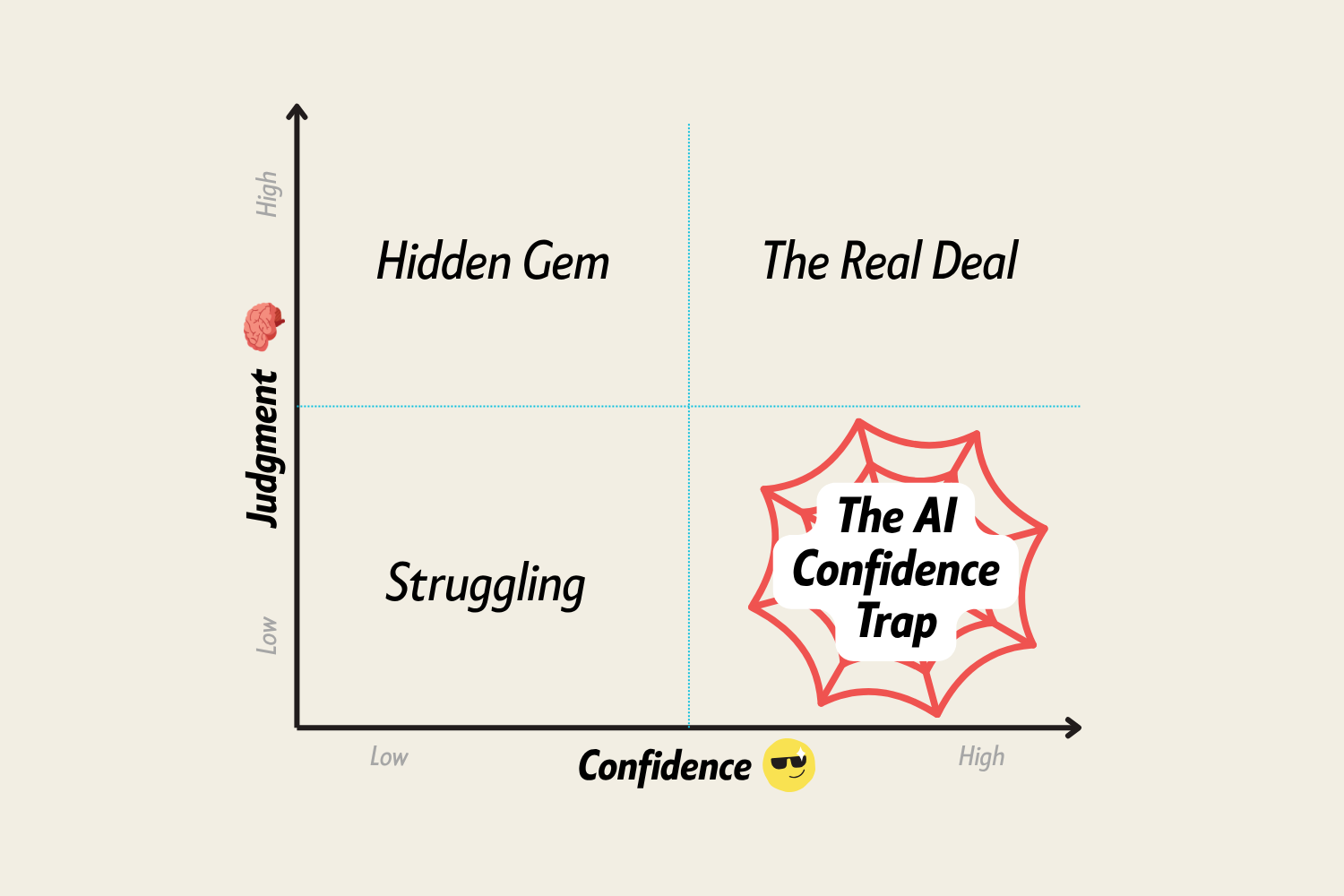
AI-polished output can look like real competence when the thinking behind it isn't there — judge the reasoning, not the polish.