Thinking, Fast and Slow
Daniel Kahneman's decades of research into the two systems running your mind, and why the fast, confident one is usually the one making your worst decisions, not your best ones.
 Find this on the mind-map
Introduction
Kahneman spent his career studying how people actually make judgments and decisions, as opposed to how economic theory assumed they did. His real thesis: the mind runs on two systems, one fast and intuitive, one slow and effortful. Most of what feels like "obviously true" thinking is actually the fast system at work, and that system is efficient but systematically, predictably biased.
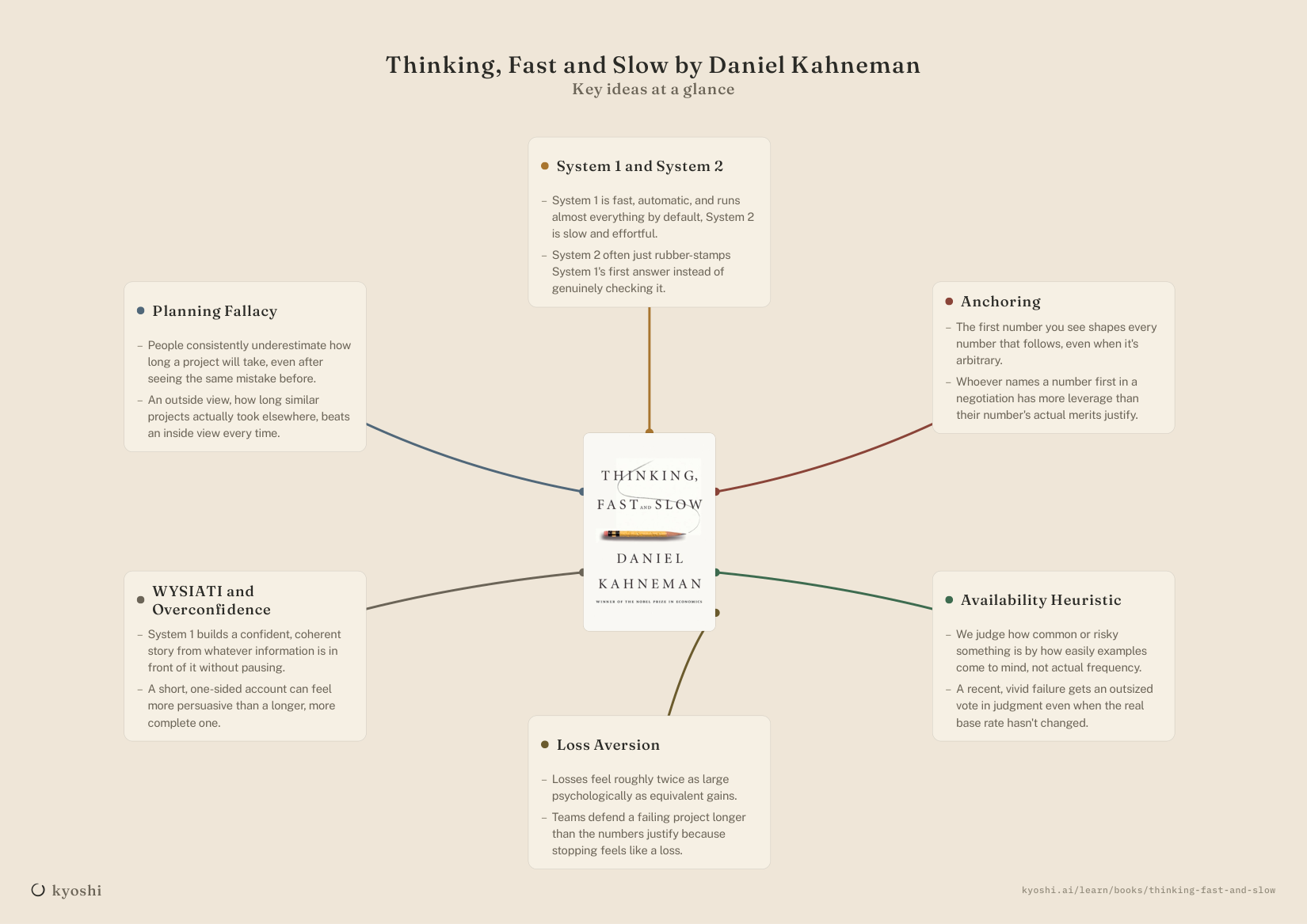
System 1 and System 2
System 1 is fast, automatic, and effortless. It recognizes faces, finishes "bread and ___," and reacts to tone of voice before you've consciously processed the words. System 2 is slow, deliberate, and effortful. It's what you use to do long division or evaluate a complex argument. System 1 runs almost everything by default; System 2 only engages when System 1 hits something it can't resolve, and even then it often just rubber-stamps System 1's first answer instead of genuinely checking it. Manager A reads a one-page proposal and goes with their gut reaction in the meeting. Manager B notices the same gut reaction and deliberately asks "what would change my mind here" before responding. Same System 1 flash, different System 2 follow-through.
Anchoring
The first number you see shapes every number that follows, even when it's arbitrary. A salary offered first, an initial estimate thrown out in a planning meeting, an opening bid in a negotiation: all of it pulls subsequent judgments toward it, even for people who know about anchoring and think they're immune. Whoever names a number first in a negotiation or an estimate has more leverage than the actual merits of their number would justify.
Availability Heuristic
We judge how common or risky something is by how easily examples come to mind, not by actual frequency. A manager who just dealt with one dramatic failed hire will overweight "hiring is risky" for weeks, even if the base rate of successful hires hasn't changed at all. Vivid, recent, or emotional events get a vote in your judgment that's completely out of proportion to how often they actually happen.
Loss Aversion
Losses loom roughly twice as large, psychologically, as equivalent gains. This explains why teams defend a failing project longer than the numbers justify (stopping feels like a loss, continuing doesn't feel like one yet), and why a reorg that costs people a title feels far worse to them than it would feel good to gain the same title. Framing a change as "what you lose" versus "what you gain" changes how hard people fight it, even when the actual change is identical.
WYSIATI and Overconfidence
"What You See Is All There Is." System 1 builds a confident, coherent story from whatever information is in front of it, without pausing to ask what's missing. This is why a short, one-sided account of a situation can feel more persuasive than a longer, more complete one: fewer loose ends make for a tighter story, and a tighter story feels more true. The fix isn't more confidence in your judgment. It's the habit of asking "what information would change this story, and do I actually have it?"
Planning Fallacy
People consistently underestimate how long a project will take and overestimate how well it will go, even when they've seen the same mistake happen on the last three projects. The failure isn't a lack of effort estimating. It's that estimates are built from an inside view (this specific plan, these specific people) instead of an outside view (how long similar projects have actually taken elsewhere). Asking "how long did the last three projects like this actually take" produces a far more honest number than asking "how long will this one take."
Putting It Together
Every one of these (anchoring, availability, loss aversion, WYSIATI, the planning fallacy) is System 1 producing a fast, confident answer to a question System 2 never actually checked. None of them go away with willpower or intelligence; Kahneman was explicit that even people who study these biases for a living still fall for them. The only real defense is building habits and processes, things like second opinions, outside views, and pre-decided checklists, that force System 2 to engage before a decision locks in.
Why It Matters for Leaders
The dangerous part of System 1 isn't that it's wrong a lot. It's that it doesn't feel like guessing. A fast read on a candidate, a gut call on which project to cut, a snap judgment about who's not pulling their weight, all of it arrives with the same sense of certainty as a careful conclusion, and most managers have no internal signal that tells them which one they just had.
That's the real use of this book for someone running a team: it gives you a short list of specific places your confidence is lying to you, not just a general warning to "think carefully." Anchoring tells you to notice who spoke first in the budget meeting. The planning fallacy tells you to stop asking your team how long something will take and start asking how long the last three similar things actually took. WYSIATI tells you that a one-sided pitch from a vendor or a job candidate felt so convincing precisely because it was missing the information that would have complicated the story.
None of this works as a one-time read. Kahneman's own point, repeated more than once in the book, is that knowing the names of these biases does almost nothing to protect you from them in the moment, because System 1 doesn't ask permission before it answers. What actually helps is building small, boring process steps ahead of time: a standing question you ask in every hiring debrief, a rule that nobody names a number first in a negotiation without someone else writing down a counter-estimate, a habit of pulling actual data on the last few projects before accepting a new deadline.
Picture a VP, Daniel, reviewing two project proposals the same week. One team's pitch is polished, confident, and short: a clear story, a tight deck, a leader who answers every question without hesitation. The other team's pitch is messier, full of caveats and open risks they haven't resolved yet. Daniel's gut, and every instinct built by years of rewarding confident presenters, says fund the first one. If he's built the habit this book is actually about, he catches that pull and asks a different question: which of these two plans is complete, and which one just sounds complete? That question, not more confidence in his own judgment, is the whole point.
What to do next
Reinforce your understanding of Thinking, Fast and Slow
Books related to Thinking, Fast and Slow

Blink
Malcolm Gladwell's dive into the two-second judgment: when snap decisions beat deliberate analysis, when they betray you without warning, and why you usually can't tell which is happening in the moment.

Clear Thinking
Shane Parrish's case that your biggest decisions aren't won by thinking harder in the moment. They're won or lost by the defaults you've already built long before the moment arrives.

Principles
Ray Dalio's attempt to turn decades of painful mistakes at Bridgewater into explicit, written rules, a bet that most bad decisions come from never writing down what you actually believe until you're forced to.

Same as Ever
Morgan Housel's case for studying what never changes about human behavior, risk, and decision-making, instead of exhausting yourself trying to predict what will, because the next crisis will look nothing like the last one, but it will be caused by the same handful of things that have always caused them.

Thinking in Bets
Former professional poker player Annie Duke's case that every decision is a bet made with incomplete information, and that judging decisions by their outcomes, the way almost everyone does, teaches exactly the wrong lessons.
Skills related to Thinking, Fast and Slow

Frameworks referenced from this book
Frameworks related to Thinking, Fast and Slow

Abilene Paradox
A team can agree to something nobody wants — not from pressure, but because everyone assumes they're the only doubter.

Cynefin Framework
Dave Snowden's model sorts problems into four domains — Clear, Complicated, Complex, Chaotic — by cause-effect clarity, then matches your response.
Occam's Razor
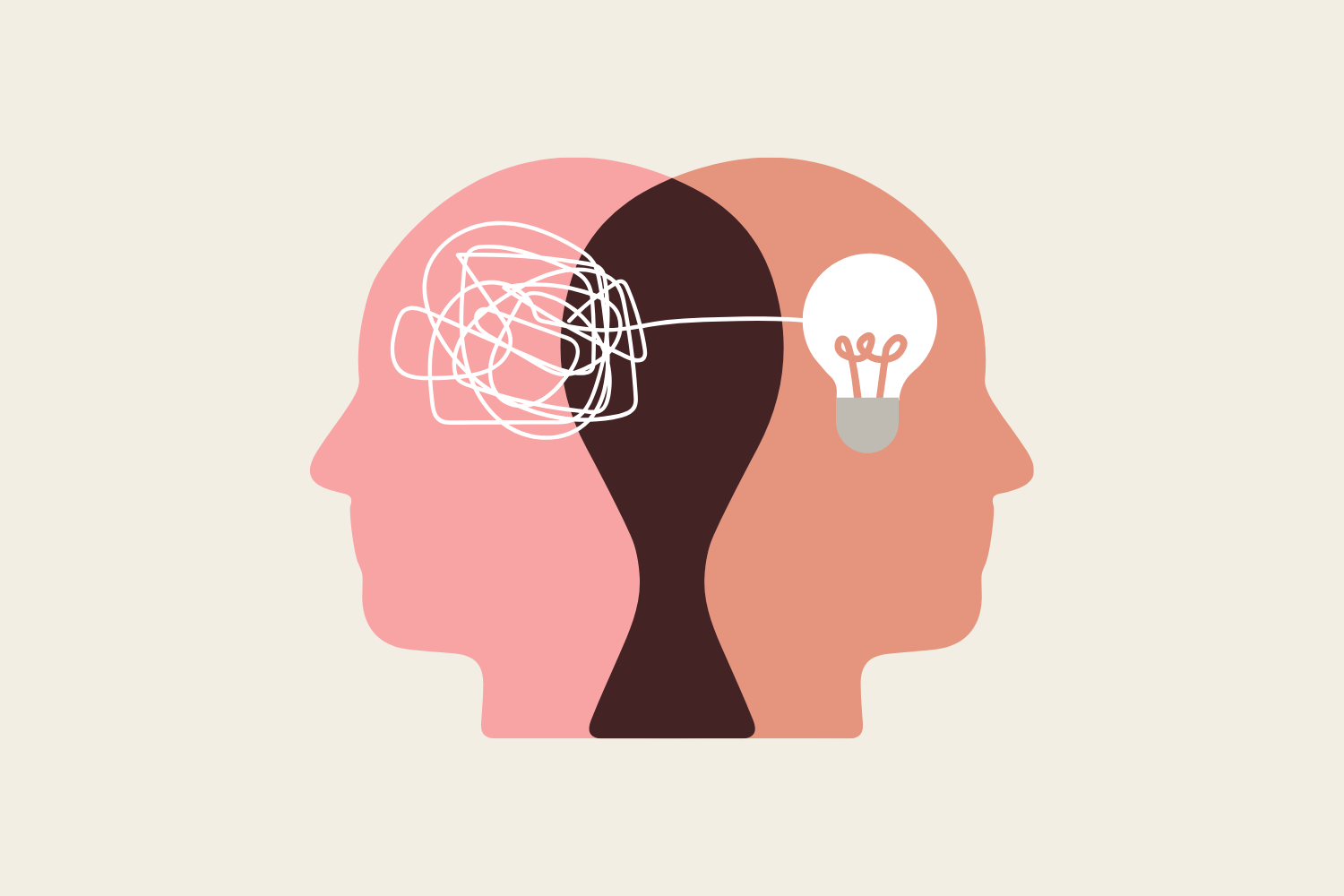
Among competing explanations, pick the one with fewest assumptions — in leadership, diagnose simply, build lean, and say what actually matters.

OODA Loop
John Boyd's four-stage decision cycle — Observe, Orient, Decide, Act — for fast, adaptive calls under pressure, run as a loop.

Probabilistic Thinking
Stop betting on one predicted future — assign real probabilities to outcomes, weigh them by impact, and let the math decide.
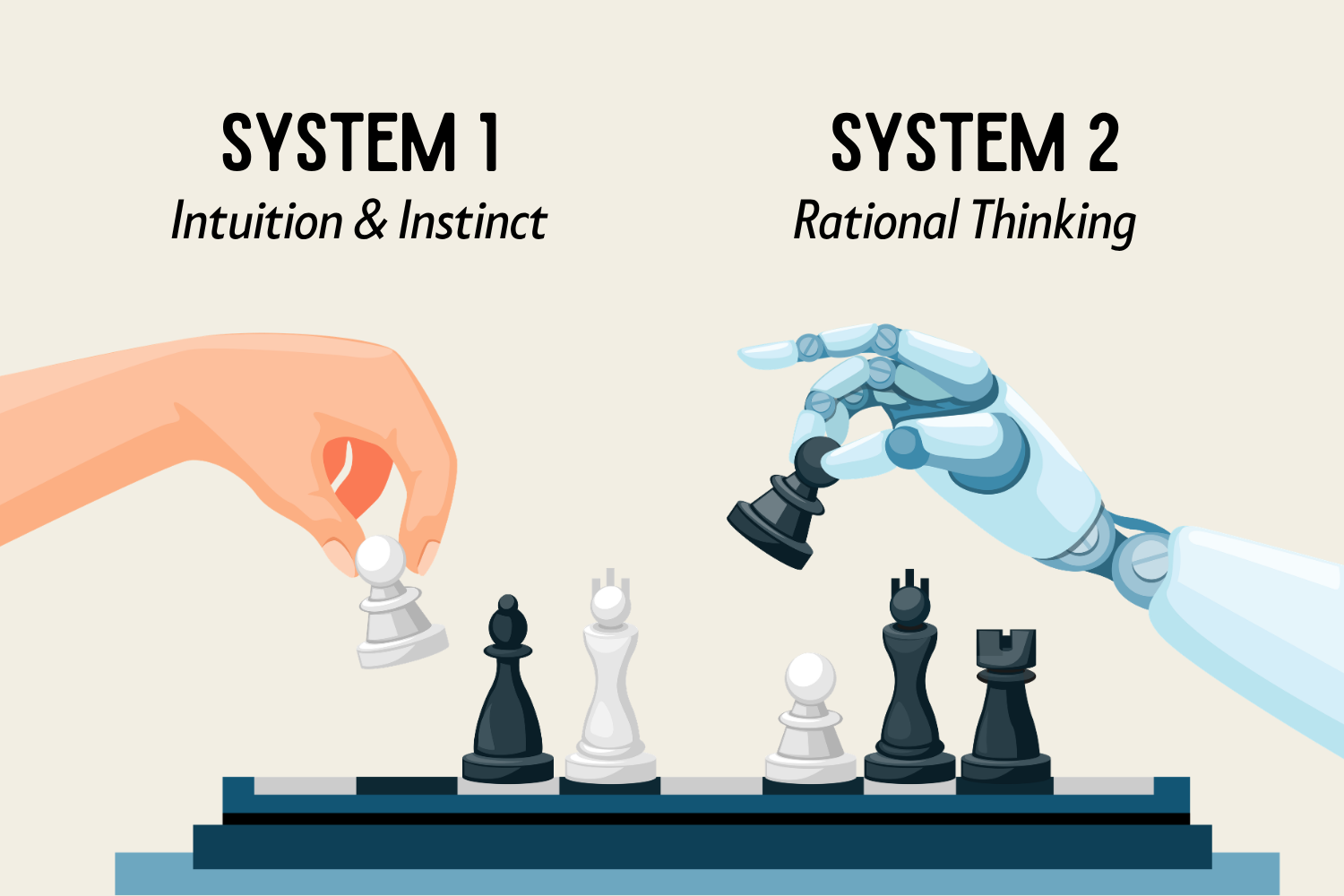
System 1 and System 2 Thinking
Your brain runs fast, gut-level System 1 and slow, deliberate System 2 — knowing which a moment needs is the skill.
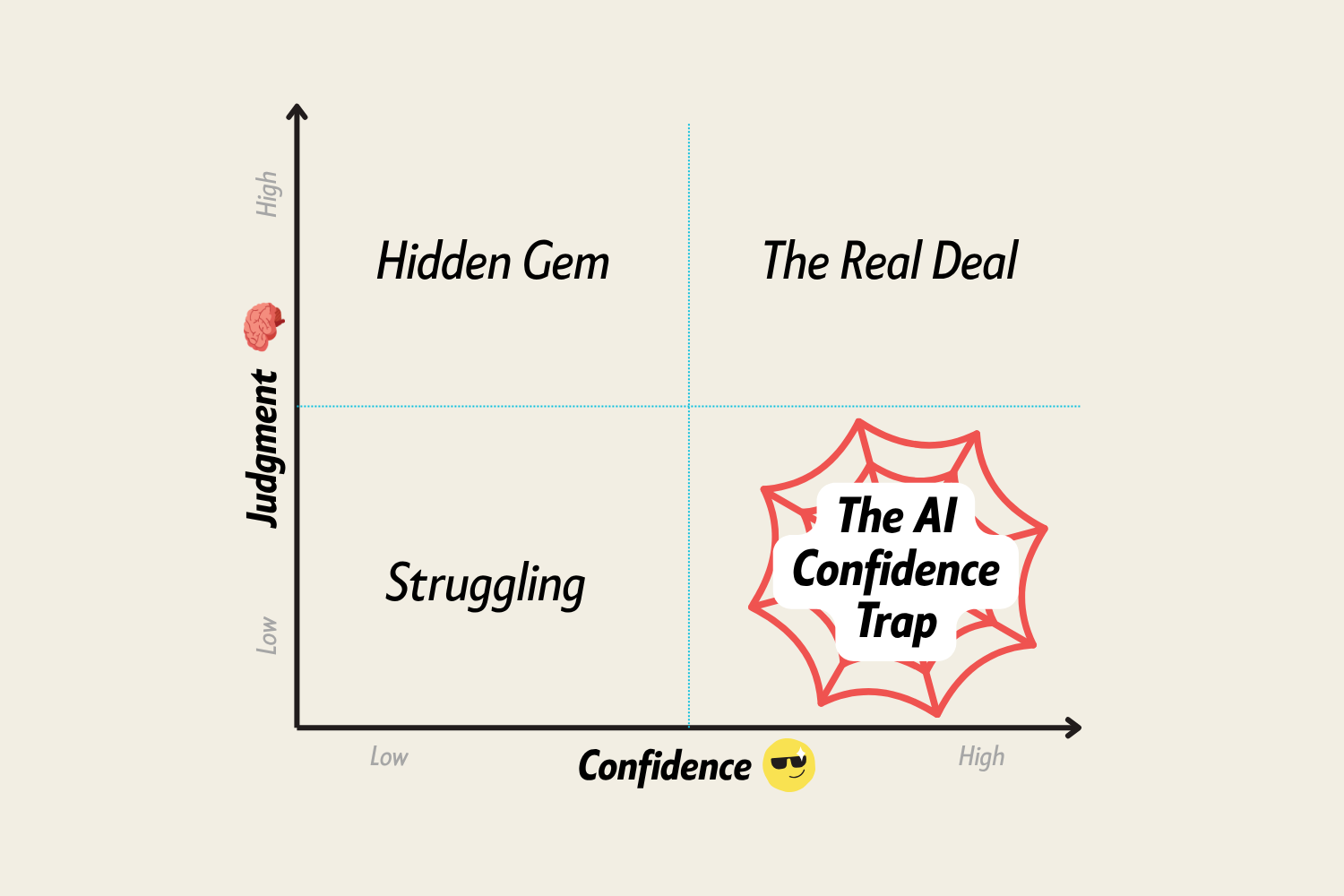
The AI Confidence Trap
AI-polished output can look like real competence when the thinking behind it isn't there — judge the reasoning, not the polish.