Prioritization
Picking the handful of things that actually matter and putting the team's energy there, which means saying no to almost everything else.
 Find this on the mind-map
Introduction
One of the hardest things about leading is figuring out where your time and energy should actually go. Between the endless meetings, the inbox, and the constant stream of urgent requests, it's entirely possible to feel busy all day and produce almost nothing that matters.
Here's how you practice it: Compare options side by side, out loud and on purpose. Instead of judging each request the moment it lands in your inbox, hold them next to each other, and rank them against the outcome you're actually trying to hit.
Prioritization is mostly the practice of saying "no". That's uncomfortable, but it's exactly what keeps your focus sharp on what actually matters. When everything is a priority, nothing is.
Why It Matters for Leaders
Here's the usual way this goes wrong: you spend your days responding to whatever feels most urgent instead of whatever will actually move things forward.
When you've built this skill, the list is short and the trade-offs are stated plainly. Your team can turn down a request and point straight to the reason why. Work that got deprioritized is actually stopped, not left sitting in limbo indefinitely. And you can say clearly, to anyone who asks, exactly what you're choosing not to do this quarter.
What to do next
Master Prioritization by taking the mini-course
Frameworks related to Prioritization
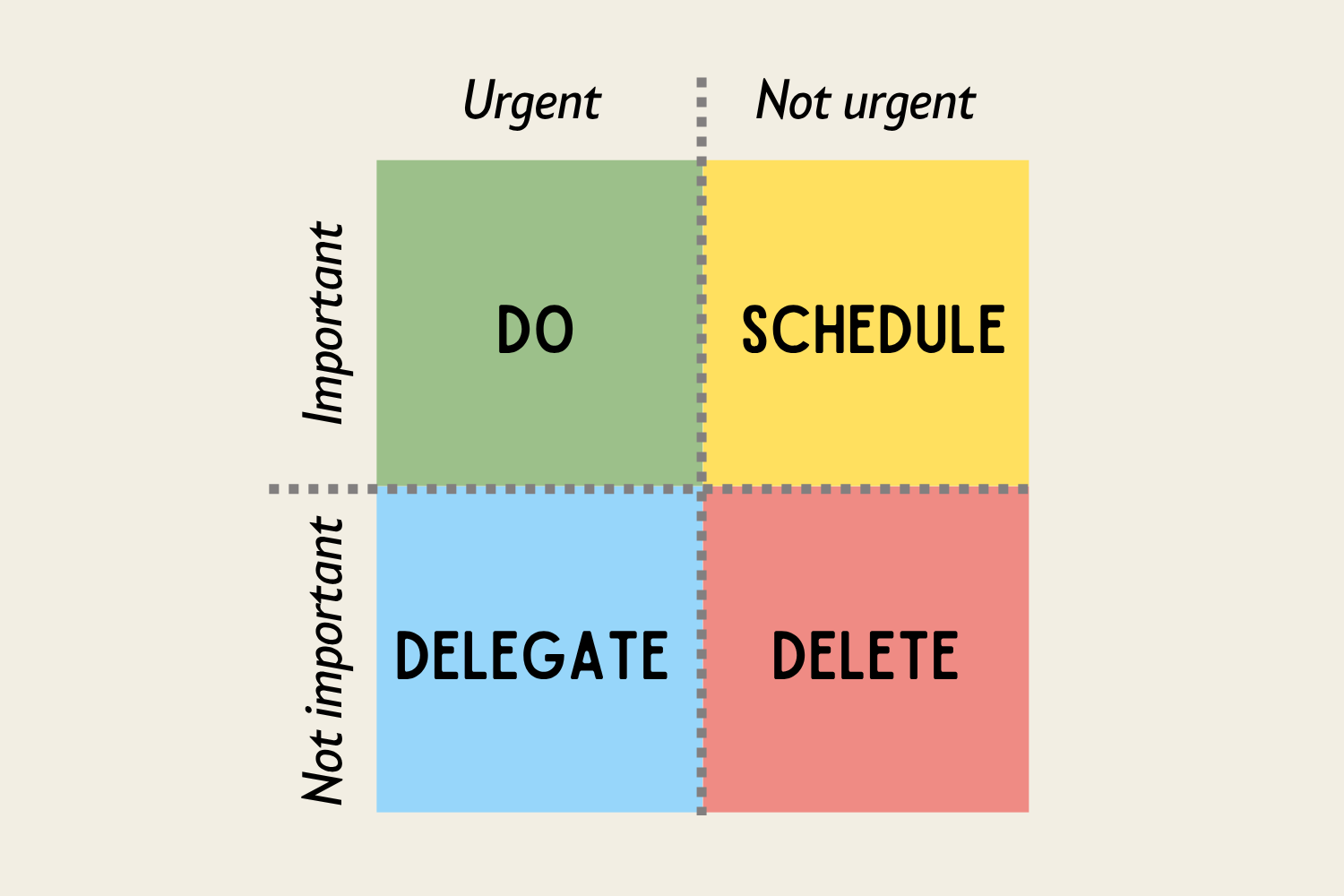
Eisenhower Matrix
A simple 2x2 that sorts tasks by urgency and importance, so what actually matters gets scheduled instead of whatever's loudest.
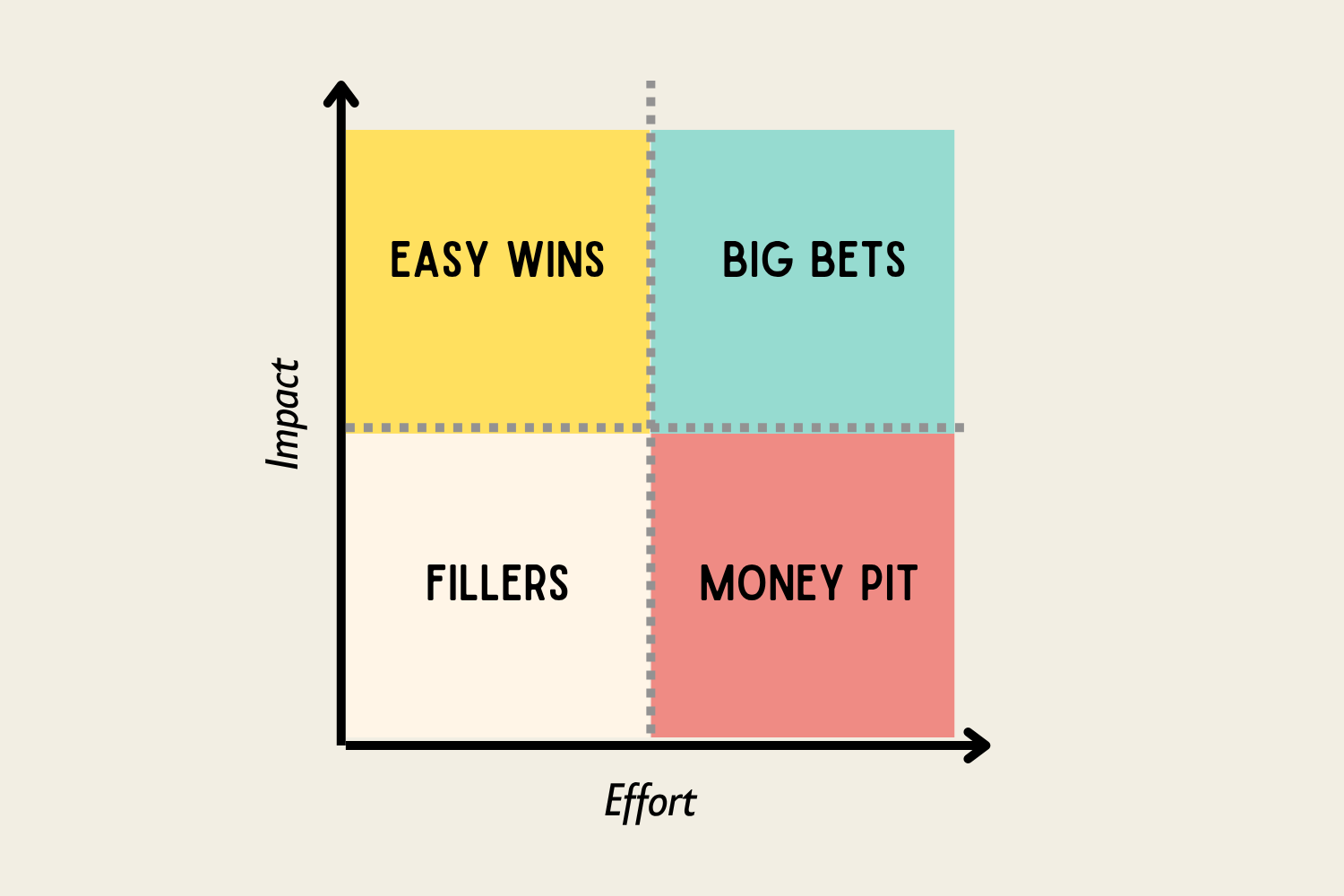
Impact-Effort Matrix
A 2x2 that plots initiatives by value against effort, so you see what to start now, plan for, or kill.

MoSCoW Method
A prioritization method sorting your plate into four buckets — Must have, Should have, Could have, Won't have — forcing trade-offs early.
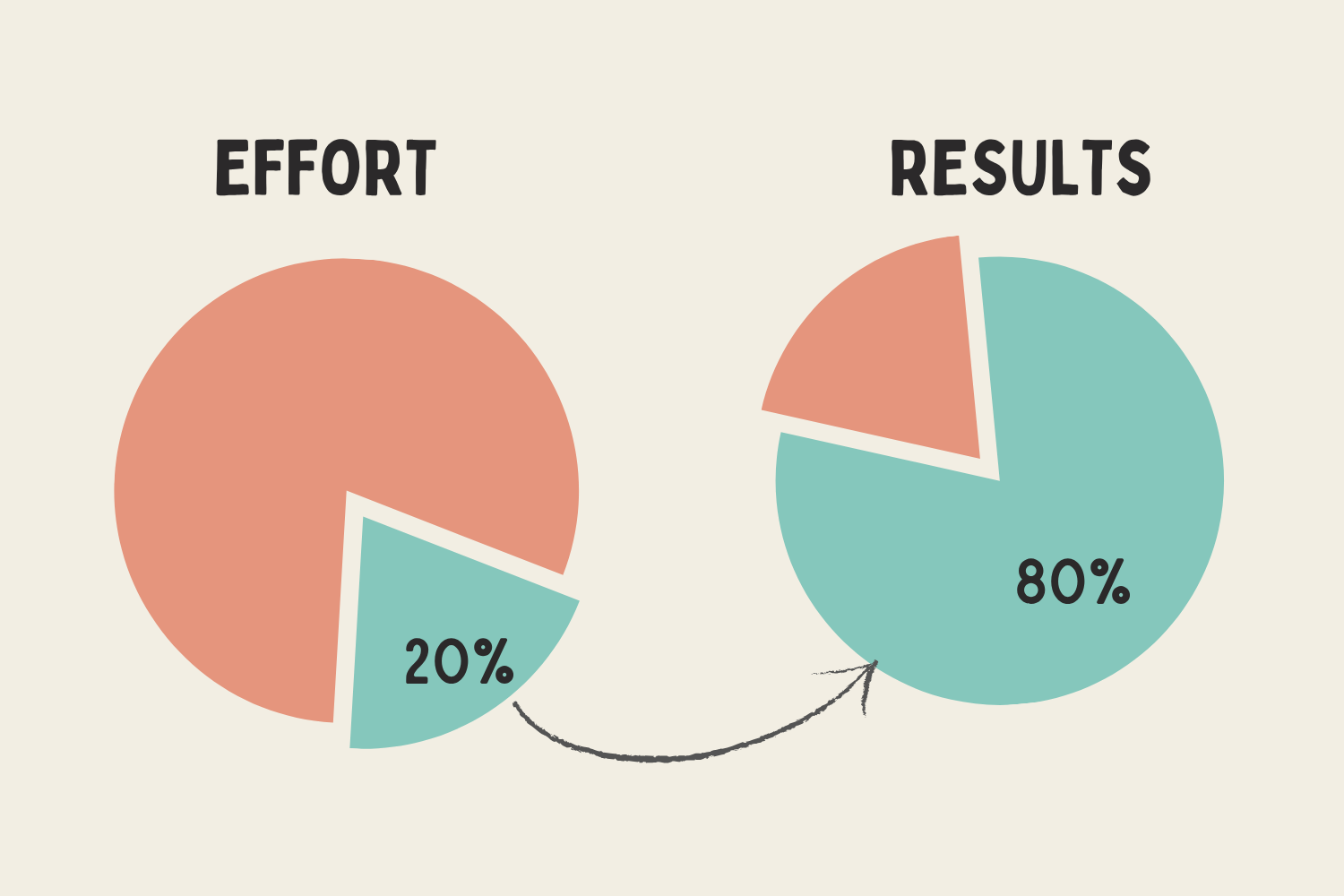
Pareto Principle
Roughly 80% of outcomes come from 20% of causes — find the vital few projects, people, and bottlenecks driving results.
Books related to Prioritization

Essentialism
Greg McKeown's argument that "doing less, but better" isn't a time-management trick. It's a different operating system for deciding what deserves your effort at all, built on one uncomfortable premise: almost everything is non-essential.

The One Thing
Gary Keller and Jay Papasan's case that most to-do lists are really long lists of ways to avoid asking the one question that matters. Success usually comes from sequencing, not from doing more things at once.
Skills related to Prioritization

Creative Thinking
Finding the approach everyone else misses, by challenging assumptions, widening your options, and testing unfamiliar ideas cheaply before you commit to them.

Decision-Making
Making a measured call fast, on information that's never complete, and correcting course as evidence comes in instead of defending your first answer.

Leading with AI
Knowing when to trust AI-generated work, when to dig into the reasoning behind it, and how to use it without letting your own judgment go soft.

Mental Agility
Matching how you lead to the situation in front of you and the person you're leading, because the approach that worked yesterday might be exactly wrong today.

Pattern Recognition
Noticing that a handful of small, separate signals are actually one thing, and naming the trend before it's obvious to everyone else.

Political Savvy
Reading the relationships, incentives, and unwritten rules that actually decide whether your idea gets adopted, not just whether it's the right one.

Problem-Solving
Solving problems systematically, diagnosing what's actually wrong before jumping in with a fix.

Productivity
Directing your time and energy at the work that actually matters, instead of letting whatever lands first run your day.

Strategic Thinking
Stepping back to see where things are heading, and actually letting that change what you do today.

Systems Analysis
Tracing how a decision in one part of the organization moves through the rest of it, instead of treating your team as its own island.