Eisenhower Matrix
A simple 2x2 that sorts tasks by urgency and importance, so what actually matters gets scheduled instead of whatever's loudest.
 Find this on the mind-map
Introduction
Dwight D. Eisenhower is said to have put it plainly: "What is important is seldom urgent, and what is urgent is seldom important." Decades later, Stephen Covey turned that line into the 2x2 tool you know today, publishing it in The 7 Habits of Highly Effective People.
How It Works
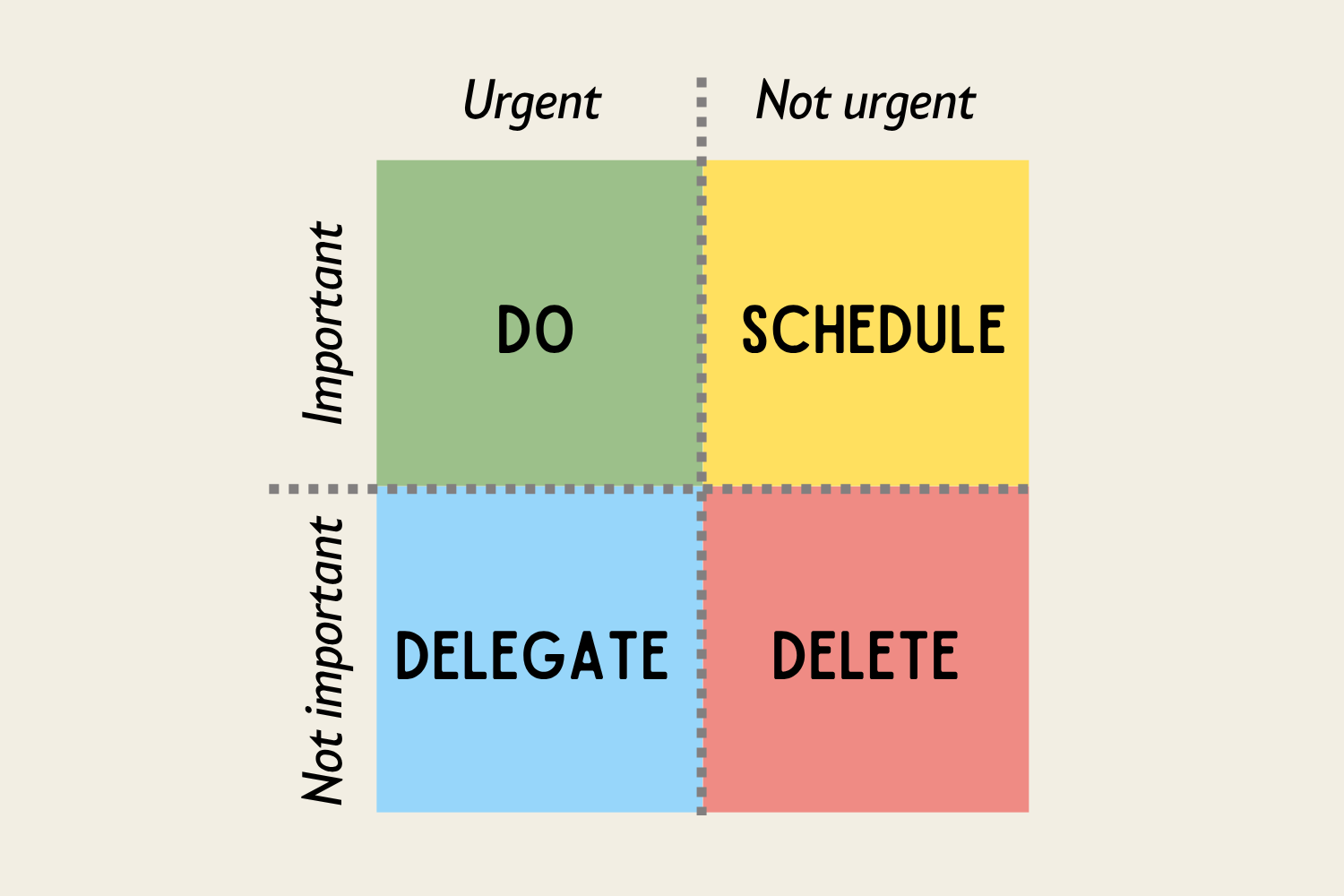
Every task on your plate sits somewhere on two axes: how urgent it is, and how important it is. Cross those two axes and you get four boxes.
| Urgent | Not urgent | |
|---|---|---|
| Important | Do. The outage, the exec escalation, the thing due today with real consequences if you miss it. | Schedule. The roadmap, the coaching conversation, the strategy work. Nothing breaks today if it slips. Something breaks in six months if it keeps slipping. |
| Not important | Delegate. Most meetings, most "quick" requests. Loud, but low-stakes if someone other than you handles it. | Delete. The work that survives on habit alone — the recurring sync nobody remembers agreeing to, the report nobody reads. |
Two pairs of boxes are easy to mix up. Do and Delegate both feel urgent from inside a busy week — same adrenaline, same pull to handle it right now. The only real difference is whether the task genuinely needs you specifically, right now, or whether it just landed on you because you were reachable. Miss that distinction and you'll spend your life reacting to loudness and calling it prioritization.
Schedule and Delete run the other way. Both feel optional in the moment because neither one is shouting at you. But Delete is genuinely low value — work that could vanish with zero consequence — while Schedule is usually the highest-value work you have, strategically important with no deadline attached yet.
That's the whole insight the matrix is built to surface: importance and urgency aren't correlated the way instinct assumes. Some of the most consequential work you'll ever do never feels urgent, so if you only filter on urgency, you'll systematically starve the work that matters most.
Why It Matters for Leaders
Urgency has its own gravity. A ping, a Slack message, an exec asking for an update — each one gives you a small, immediate hit of relief the moment you answer it. Important work gives you no such feedback. Nobody notices when you protect two hours for planning. Everybody notices a slow reply to a fire.
Left unmanaged, your attention drifts toward the loudest item instead of the most valuable one. An entire quarter can disappear into Do and Delegate, with Schedule permanently pushed to a future date that never arrives.
The cost compounds when the pressure has a senior sponsor. Picture a customer escalation that reaches the CEO — the root cause turns out to sit in Windows, not in your product — and your team still pauses a freshly agreed roadmap to build a fix just so the noise stops. Urgent had a sponsor, important didn't, and that's usually all it takes.
There's another effect too: your team copies how you spend your time. If you live in fire-drill mode, you teach the team that speed of response beats quality of thinking. Whichever quadrant you live in becomes the quadrant they chase too.
Sorting makes the pattern visible fast. One engineering manager who sorted a week of his own meetings found roughly 60% of them were urgent-but-not-important — mostly standing syncs created for a coordination problem that had been solved two quarters earlier. Replacing the three lowest-value ones with an async update freed up 90 minutes a week, which he put straight into a deferred performance conversation. A different manager, who prided himself on answering Slack within minutes, discovered his slowest responses were to his own team's growth conversations — the exact opposite of where he could actually make the biggest difference. Both looked like being busy. Both were really about confusing being reachable with being valuable.
What to do next
Test your knowledge of Eisenhower Matrix
Practice Eisenhower Matrix
Apply Eisenhower Matrix to a real situation
Skills related to Eisenhower Matrix

Frameworks related to Eisenhower Matrix
Impact-Effort Matrix
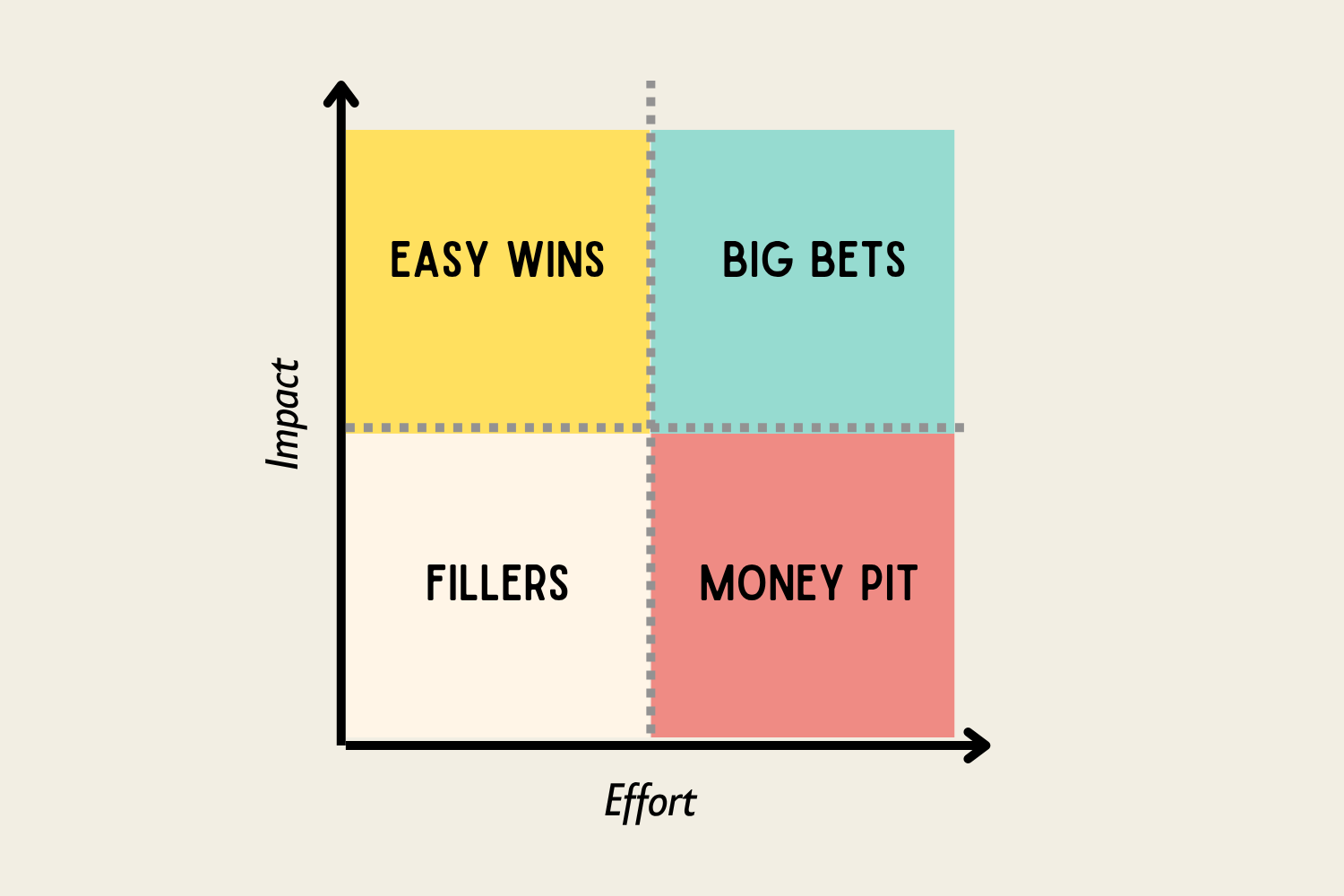
A 2x2 that plots initiatives by value against effort, so you see what to start now, plan for, or kill.

MoSCoW Method
A prioritization method sorting your plate into four buckets — Must have, Should have, Could have, Won't have — forcing trade-offs early.
Pareto Principle
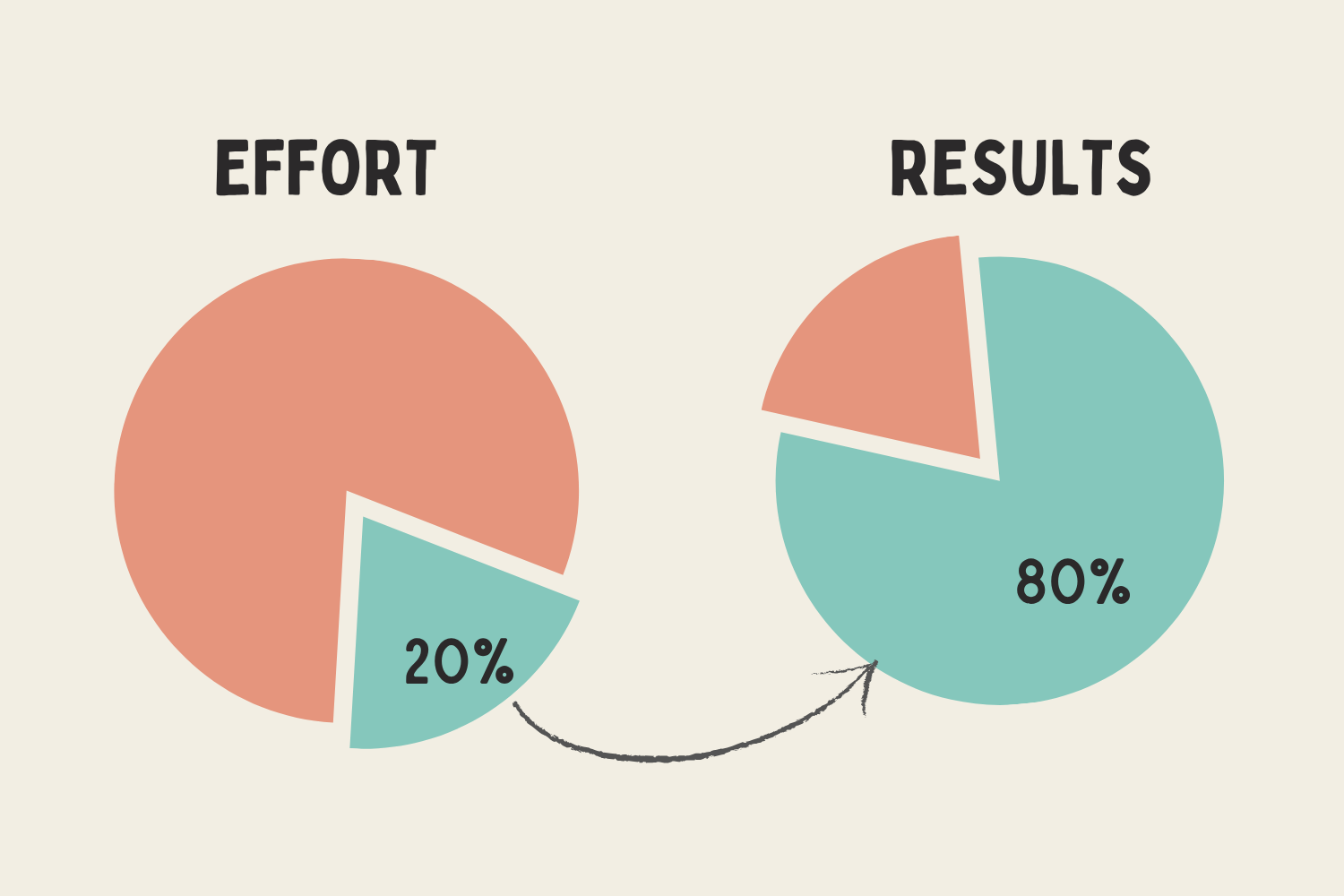
Roughly 80% of outcomes come from 20% of causes — find the vital few projects, people, and bottlenecks driving results.
Books related to Eisenhower Matrix

Essentialism
Greg McKeown's argument that "doing less, but better" isn't a time-management trick. It's a different operating system for deciding what deserves your effort at all, built on one uncomfortable premise: almost everything is non-essential.

The One Thing
Gary Keller and Jay Papasan's case that most to-do lists are really long lists of ways to avoid asking the one question that matters. Success usually comes from sequencing, not from doing more things at once.