The One Thing
Gary Keller and Jay Papasan's case that most to-do lists are really long lists of ways to avoid asking the one question that matters. Success usually comes from sequencing, not from doing more things at once.
 Find this on the mind-map
Introduction
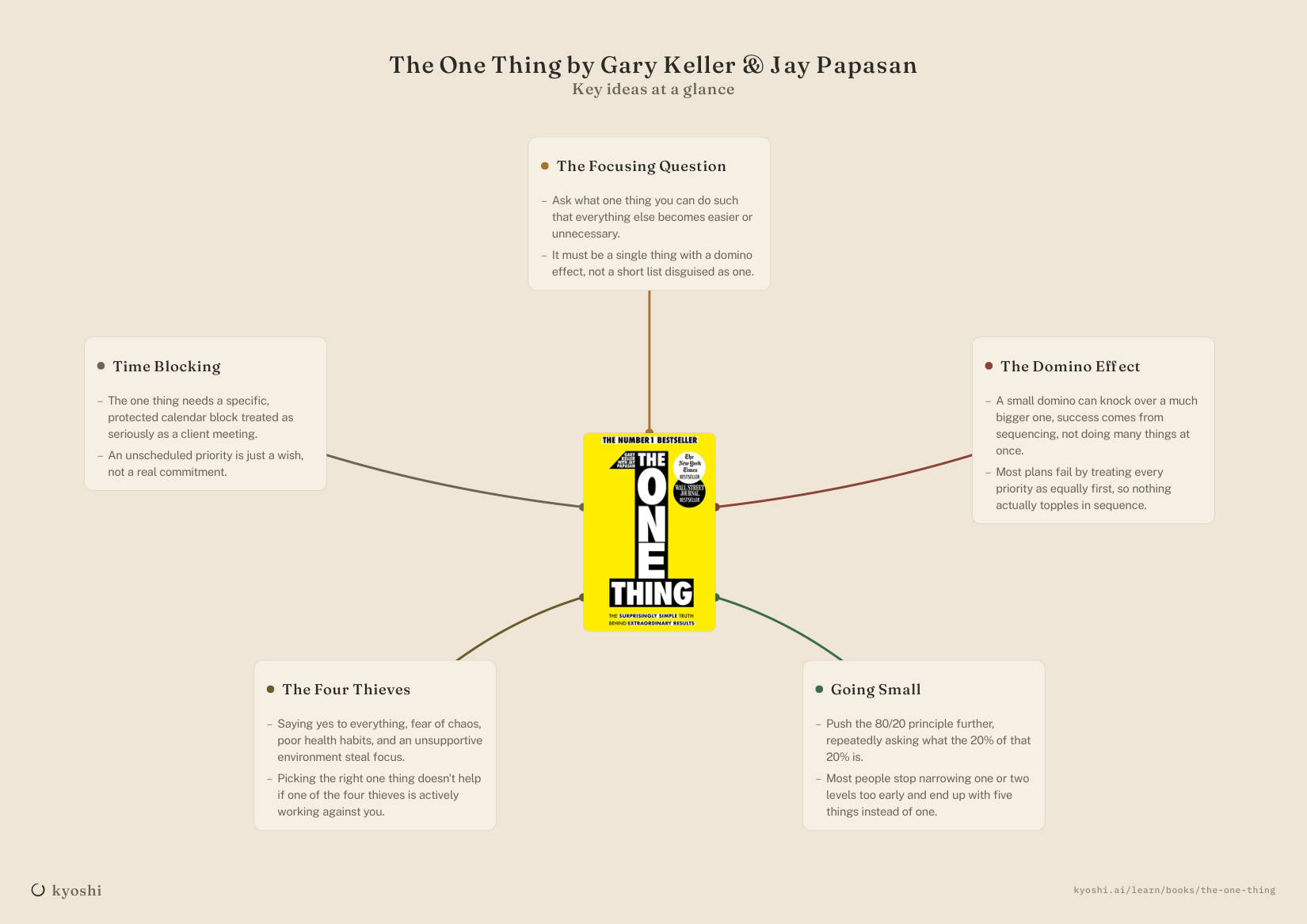
Gary Keller and Jay Papasan's pitch is almost insultingly simple: most to-do lists are actually long lists of ways to avoid asking the one question that matters. The Focusing Question, "what's the one thing I can do such that by doing it, everything else will be easier or unnecessary?", is the whole book's engine, and the rest is really just working out what gets in the way of asking it consistently.
The Focusing Question
The question has two deliberately strict parts: it has to be the one thing, not a short list disguised as one, and it has to produce a domino effect, meaning easier or unnecessary, not just "helpful." Raj keeps a to-do list of fourteen items he works through roughly in order of urgency. Elena, facing a comparably full plate, starts every day by asking what one thing on her list would make the rest of it easier or moot, and does that first, even when it's not the most urgent-feeling item. Over months, Elena's list gets shorter in ways Raj's never does, because she's removing causes, not just symptoms.
The Domino Effect
The authors lean on the image of dominoes: a small one can knock over a much bigger one next to it, which knocks over one bigger still. Success rarely comes from doing many things at once. It comes from sequencing the right first thing so it topples the next constraint, and the next. Most plans fail not from lack of effort but from treating every priority as equally first, which means nothing actually gets toppled in sequence.
Going Small
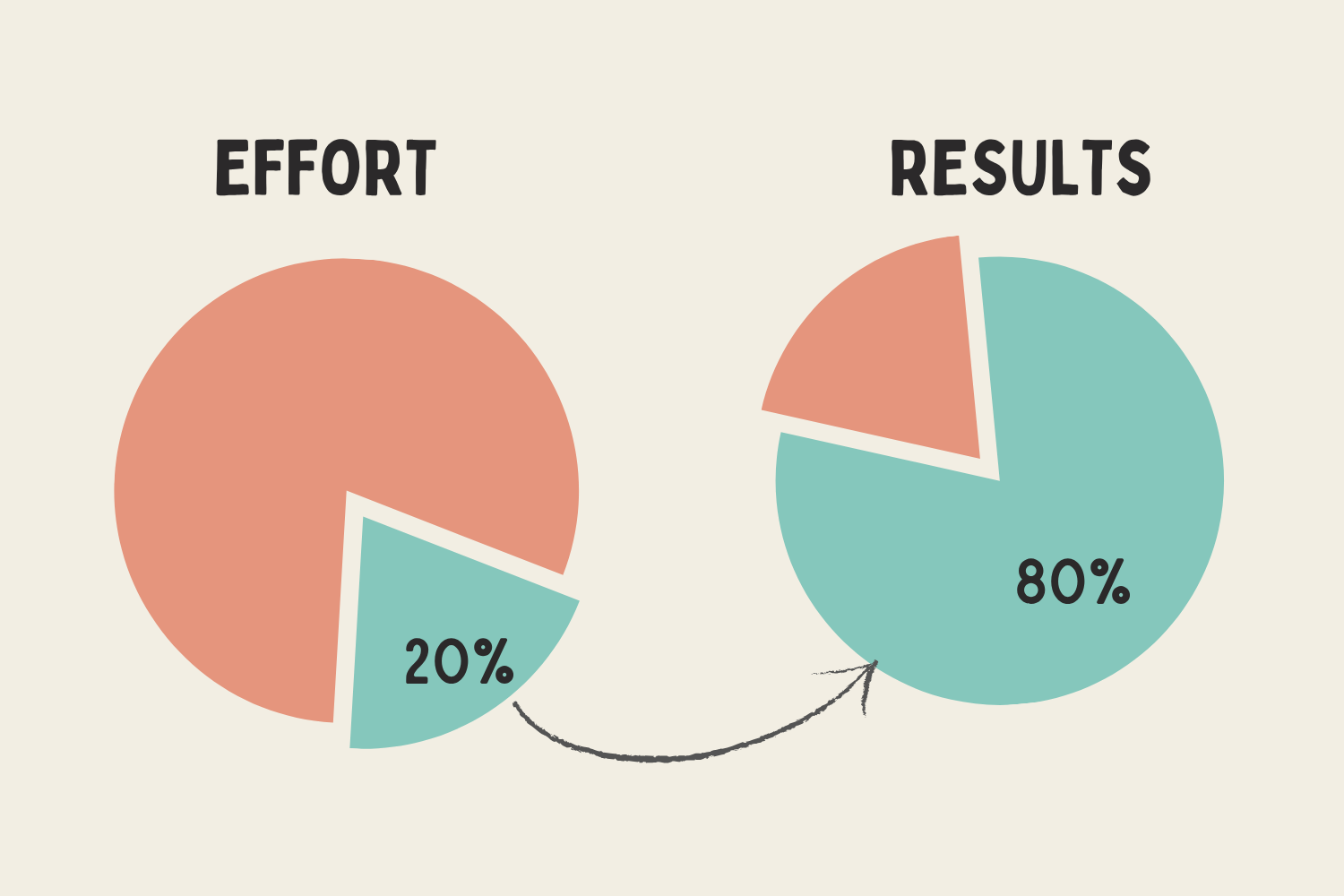
Keller and Papasan push the 80/20 principle further than its usual use. It's not just "focus on the vital 20%," but repeatedly asking what the 20% of that 20% is, narrowing again and again until you're left with the single most important task, not a shortlist. Most people stop narrowing one or two levels too early and end up "focused" on five things instead of one.
The Four Thieves
The book names four things that steal focus from the one thing without you noticing: the inability to say no, fear of chaos (the discomfort of letting other things sit unaddressed while you focus), poor health habits (focus and energy are connected, not separate issues), and an environment that doesn't support your goal (people and spaces that pull you back toward distraction). Picking the right one thing doesn't help if one of the four thieves is actively working against you the whole time.
Time Blocking Your One Thing
Knowing the one thing isn't enough. It needs a specific, protected block on the calendar, treated with the same seriousness as a client meeting, not squeezed into whatever time is left over after everything else. The authors are blunt that an unscheduled priority is just a wish.
Putting It Together
The Focusing Question narrows what to do; going small narrows it further than feels comfortable; the domino effect explains why narrowing this much is worth it; and the four thieves plus time blocking are what actually protect the narrowed answer from the rest of a normal week trying to dilute it back into a list of fourteen things.
Why It Matters for Leaders
The trap this book is actually aimed at isn't laziness, it's busyness. A manager who ends every day exhausted, having answered forty messages, sat through six meetings, and closed out a dozen small tasks, can look productive and still not have moved the thing that actually matters. Activity and progress aren't the same measurement, and most calendars are built to reward the first one.
The useful habit here isn't time management in the usual sense of cramming more in. It's picking, before the day fills up, the one thing that would make the rest of today's list shorter or pointless if you did it first. That's a different question than "what's due soonest" or "what's loudest right now," and it will usually point you somewhere less urgent-feeling and more important.
The real test of whether a priority is real is whether it has a block on your calendar, not whether you believe in it. A priority with no protected time is just something you intend to get to, and intentions lose to whatever's loudest almost every time. The four thieves, saying yes to everything, the discomfort of leaving things unaddressed, running on no sleep, and a team or environment that keeps pulling you back, are the specific ways that protection gets worn down over a normal week.
Picture a manager named Tom who starts each Monday with a list of twelve things he wants to get to. He works through them roughly by urgency, answers every message within the hour, and still ends most weeks feeling like the one project that would actually change his team's results never got real attention. The fix isn't a thirteenth item or a better app. It's asking, before Monday starts, which one thing on that list would make several of the others unnecessary, blocking two hours for it before anything else gets scheduled, and treating that block the way he'd treat a meeting with his own boss.
What to do next
Reinforce your understanding of The One Thing
Books related to The One Thing

Skills related to The One Thing

Frameworks related to The One Thing
Eisenhower Matrix
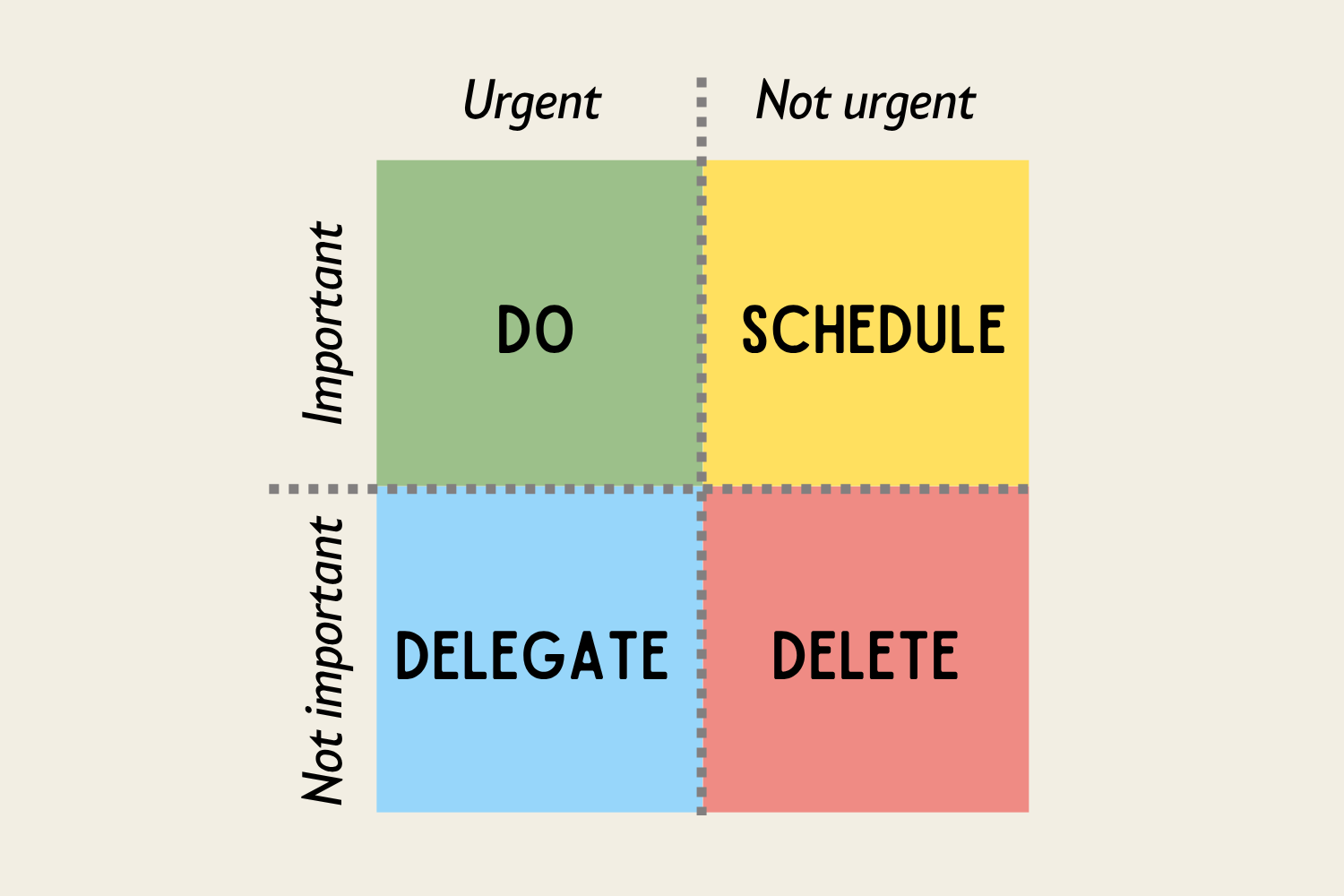
A simple 2x2 that sorts tasks by urgency and importance, so what actually matters gets scheduled instead of whatever's loudest.
Impact-Effort Matrix
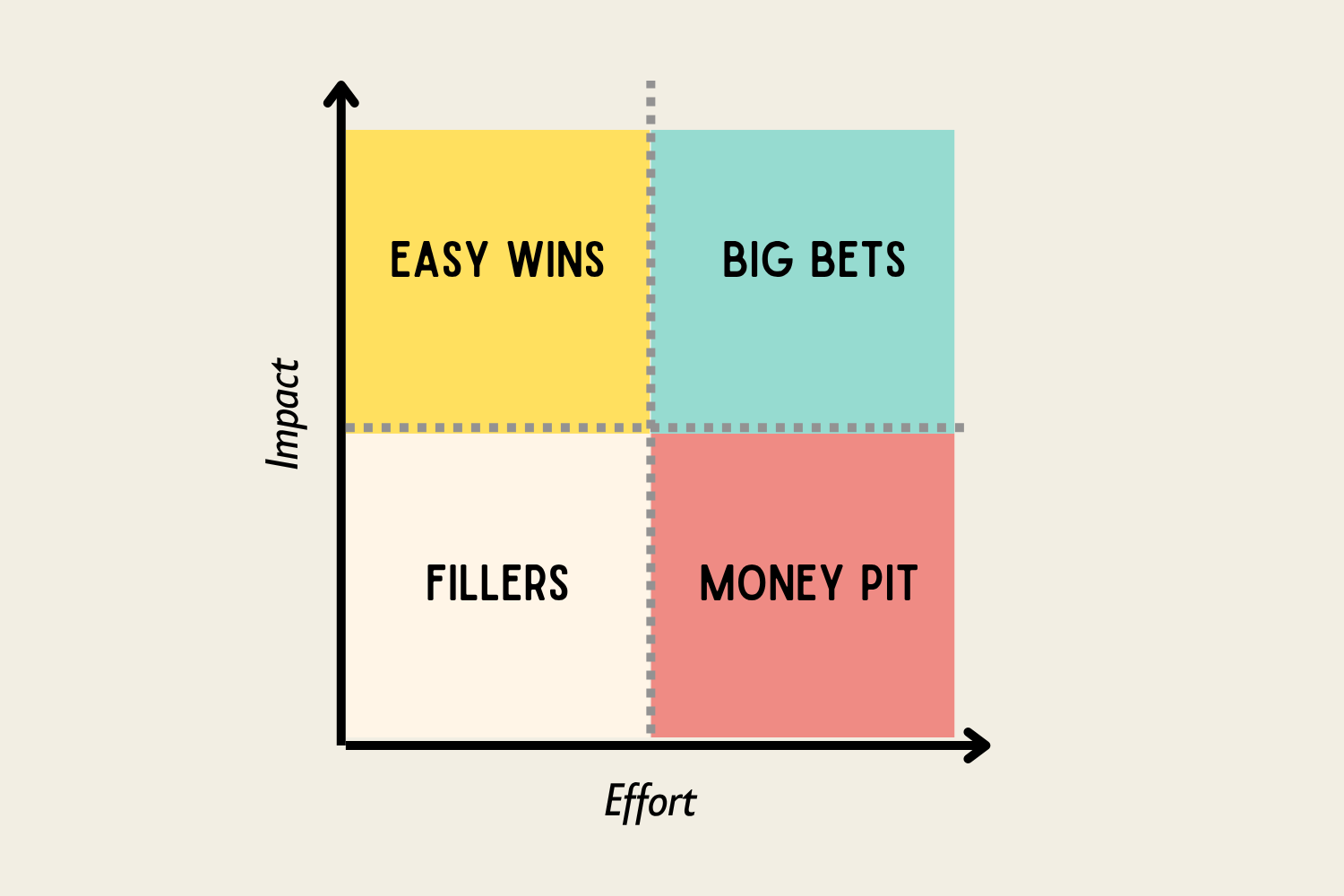
A 2x2 that plots initiatives by value against effort, so you see what to start now, plan for, or kill.

MoSCoW Method
A prioritization method sorting your plate into four buckets — Must have, Should have, Could have, Won't have — forcing trade-offs early.
Pareto Principle
Roughly 80% of outcomes come from 20% of causes — find the vital few projects, people, and bottlenecks driving results.