Strategic Leadership
Prioritize what matters, think long-term, and make smart decisions.
 Find this on the mind-map
Introduction
Strategic leadership is a way of working that cuts across everything you do as a leader. You need it whether the work in front of you is managing yourself, building your team, or delivering results.
Fundamentally, it comes down to taking a step back from the task right in front of you. You anticipate problems instead of reacting to them once they've already become crises, and you think about what's coming next quarter or even year, not just what's sitting on your desk today. Strategic leadership takes carving out real time to think, plan, and decide - time your calendar will happily eat if you don't defend it.
Why It Matters for Leaders
In practice, strategic leadership shows up as a handful of habits:
- Asking a forward looking question about what a problem means down the road before you act on it today
- Defining the problem clearly before you start generating solutions
- Matching how fast you decide to how reversible the decision actually is
- Building relationships and the political capital that are necessary to move the project and the team forward
When you haven't developed strategic leadership, you stay busy and nothing actually gets better.
- The same type of problem keeps coming back every quarter because each time you only patched the symptom, not the root cause.
- Decisions sit and wait for the "right time", or get made instantly off a gut read that doesn't actually fit the situation.
- You say yes to every request, so your team's capacity gets spread evenly across work of wildly different value.
- Whatever idea gets said first in the room becomes the plan, instead of one considered from a real set of options that matter strategically.
Ultimately, strategic leadership is what separates a good manager from a great leader.
Skills related to Strategic Leadership

Creative Thinking
Finding the approach everyone else misses, by challenging assumptions, widening your options, and testing unfamiliar ideas cheaply before you commit to them.

Decision-Making
Making a measured call fast, on information that's never complete, and correcting course as evidence comes in instead of defending your first answer.

Leading with AI
Knowing when to trust AI-generated work, when to dig into the reasoning behind it, and how to use it without letting your own judgment go soft.

Mental Agility
Matching how you lead to the situation in front of you and the person you're leading, because the approach that worked yesterday might be exactly wrong today.

Pattern Recognition
Noticing that a handful of small, separate signals are actually one thing, and naming the trend before it's obvious to everyone else.

Political Savvy
Reading the relationships, incentives, and unwritten rules that actually decide whether your idea gets adopted, not just whether it's the right one.

Prioritization
Picking the handful of things that actually matter and putting the team's energy there, which means saying no to almost everything else.

Problem-Solving
Solving problems systematically, diagnosing what's actually wrong before jumping in with a fix.

Productivity
Directing your time and energy at the work that actually matters, instead of letting whatever lands first run your day.

Strategic Thinking
Stepping back to see where things are heading, and actually letting that change what you do today.

Systems Analysis
Tracing how a decision in one part of the organization moves through the rest of it, instead of treating your team as its own island.
Frameworks related to Strategic Leadership

Abilene Paradox
A team can agree to something nobody wants — not from pressure, but because everyone assumes they're the only doubter.
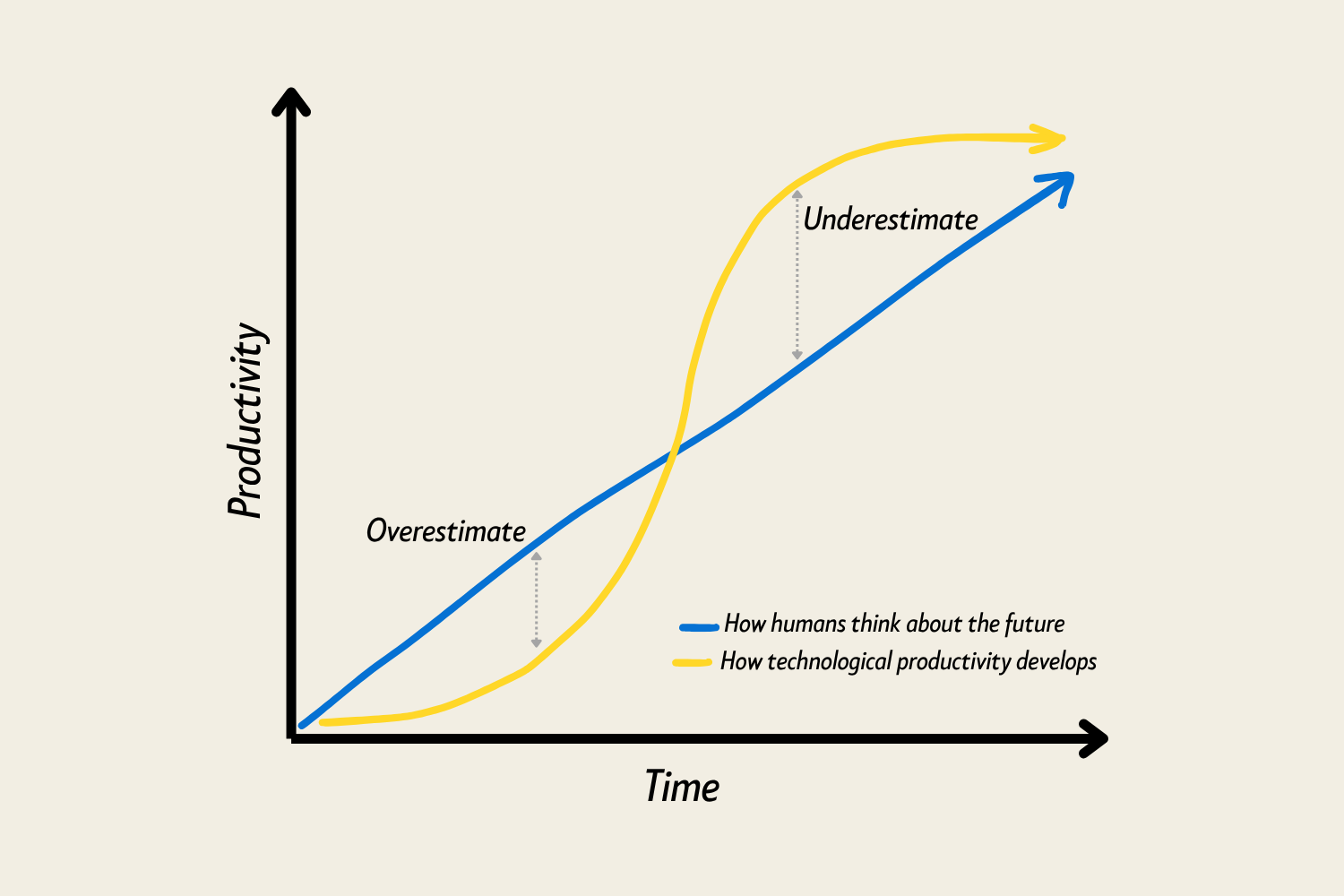
Amara's Law
You overestimate new tech's short-run impact and underestimate its long-run impact — so ask if you're early, not whether it's working.
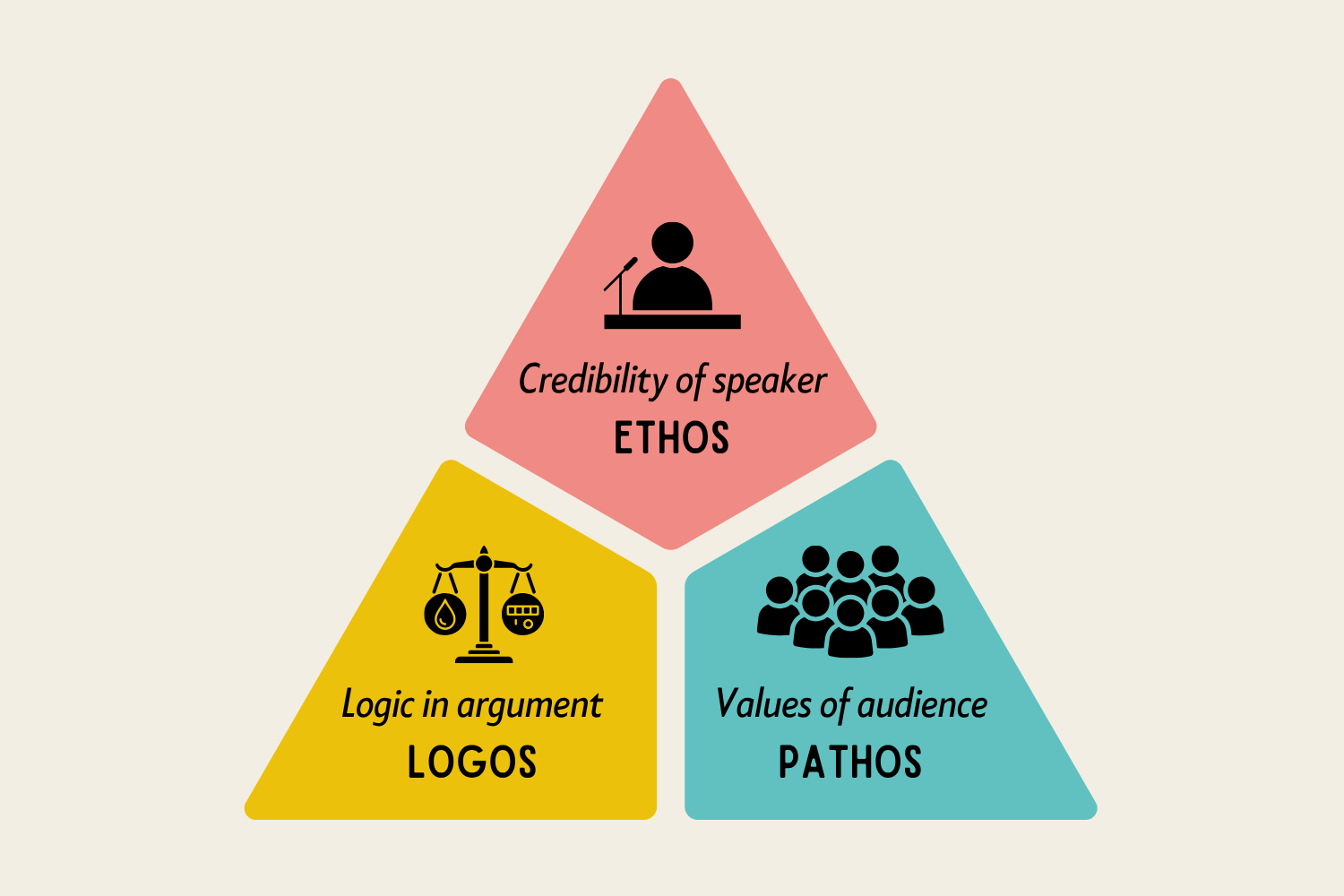
Aristotle's Rhetoric
Aristotle's persuasion rests on three appeals — ethos (credibility), pathos (emotion), logos (logic) — use all three or your message won't land.

Conway's Law
Organizations build systems that mirror their own communication structure — your product's shape follows your org chart's shape.

Cynefin Framework
Dave Snowden's model sorts problems into four domains — Clear, Complicated, Complex, Chaotic — by cause-effect clarity, then matches your response.

Design Thinking
A human-centered process — empathize, define, ideate, prototype, test — for understanding the people living a problem before you design anything.
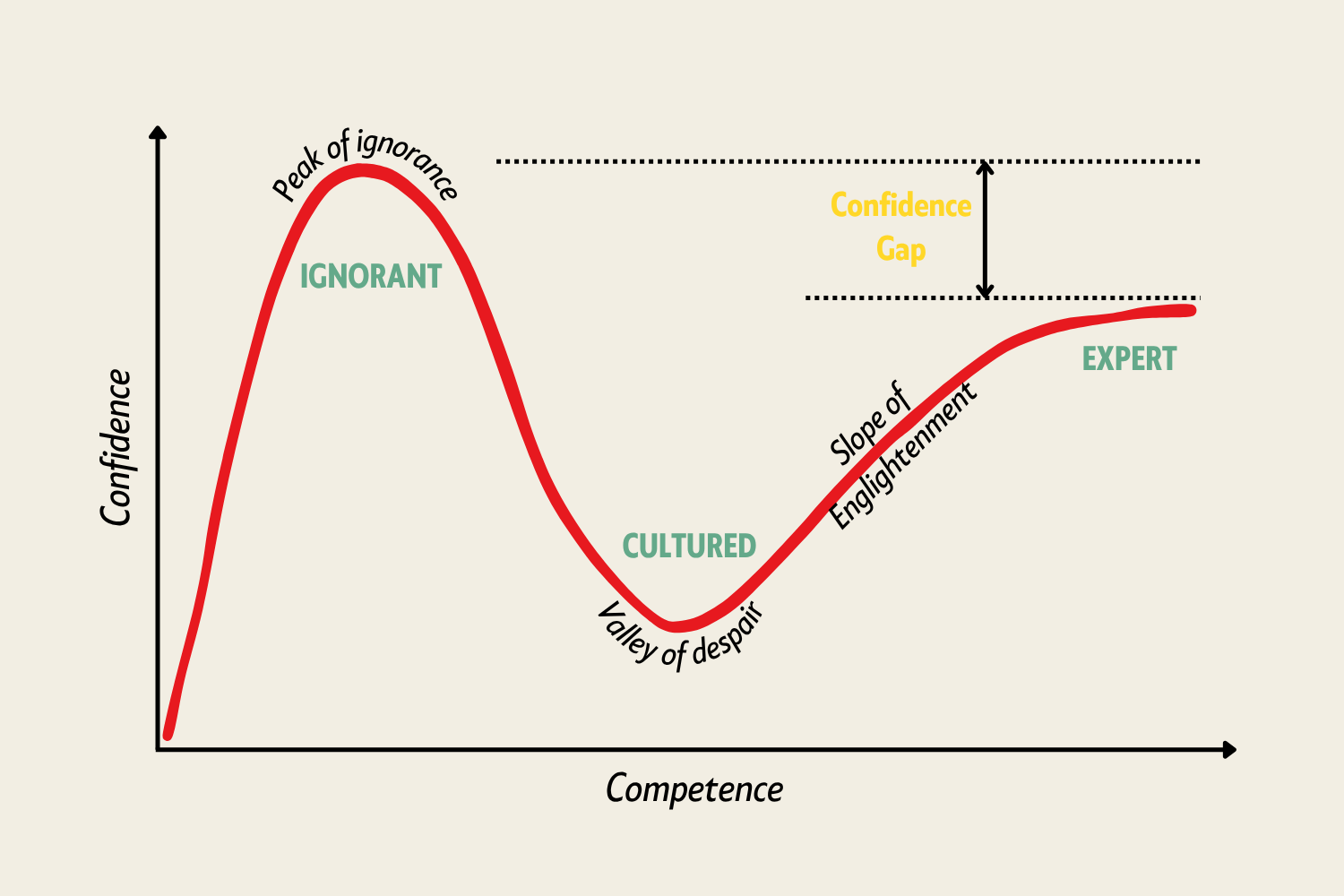
Dunning-Kruger Effect
Knowing little makes you feel unstoppable; knowing more makes you hesitate — the loudest voice is rarely the most reliable one.
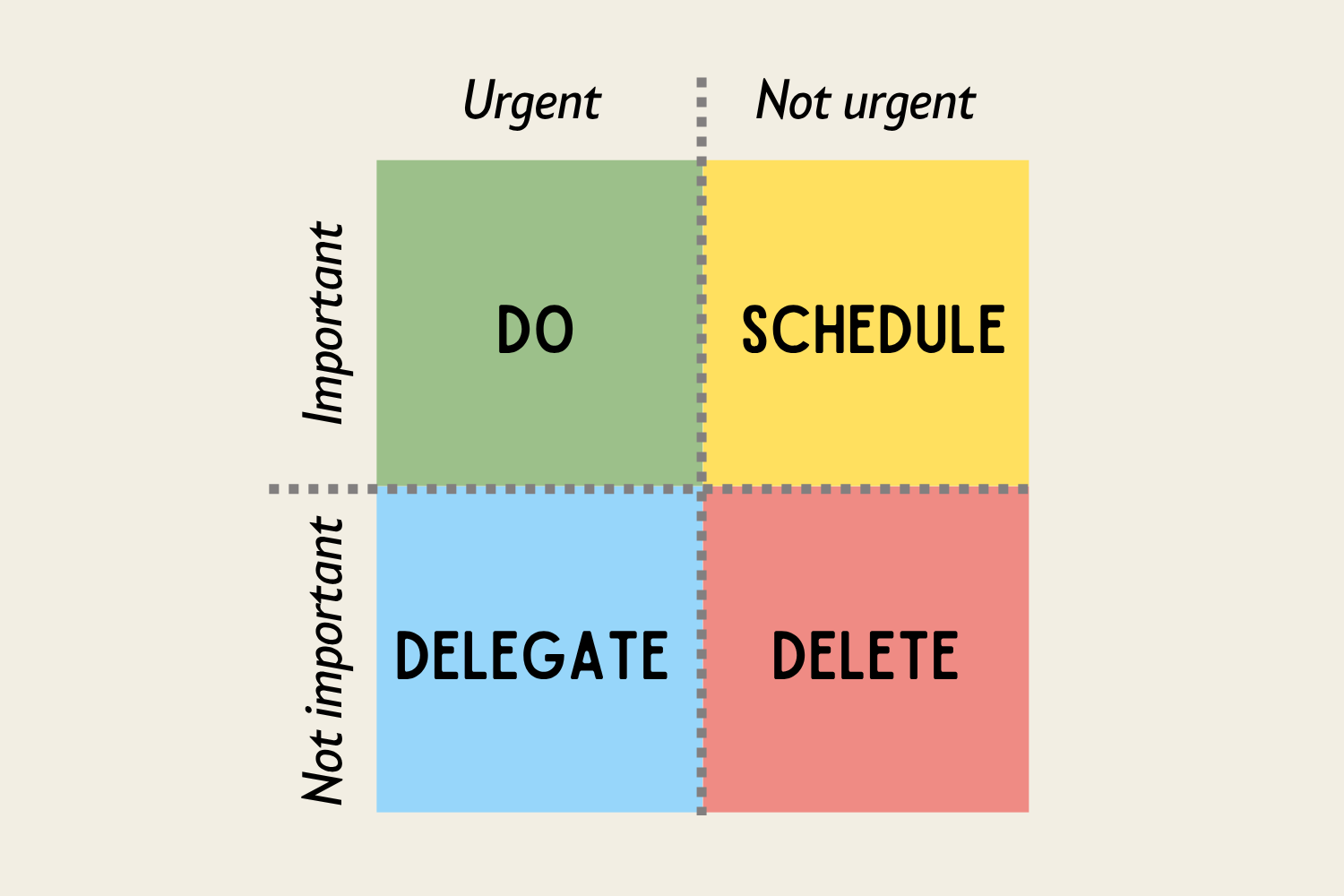
Eisenhower Matrix
A simple 2x2 that sorts tasks by urgency and importance, so what actually matters gets scheduled instead of whatever's loudest.

First Principles Thinking
Strip a problem to its foundational truths, discard every assumption, and rebuild your solution from the ground up.
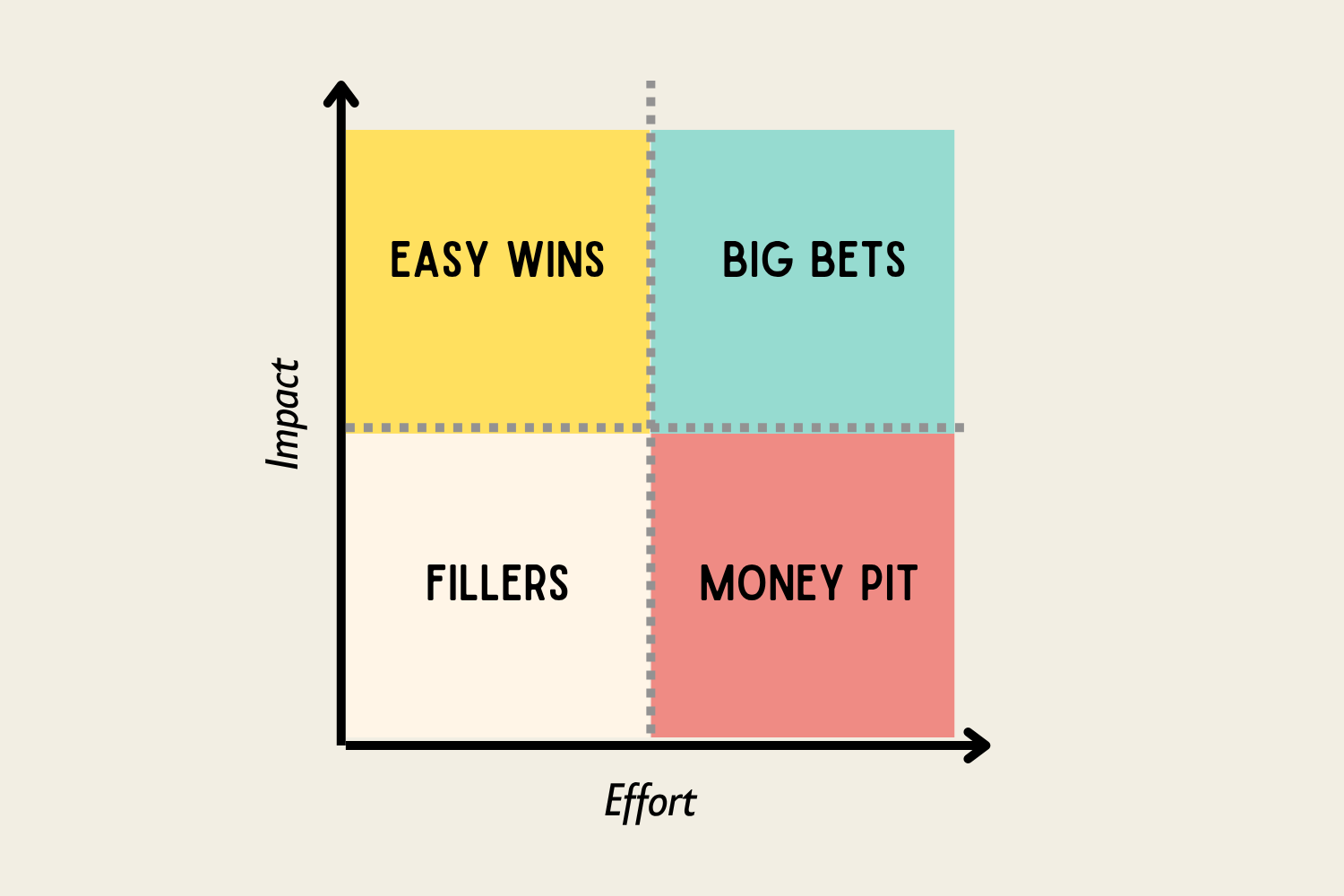
Impact-Effort Matrix
A 2x2 that plots initiatives by value against effort, so you see what to start now, plan for, or kill.

Inversion Principle
A thinking tool that swaps "how do I succeed?" for "how would this fail?" — surfacing failure modes forward planning misses.

Lego Serious Play
A guided exercise building LEGO models as metaphors for a problem, then explaining them aloud, surfacing what discussions miss.

McKinsey 7S Framework
The McKinsey 7S model maps seven organizational pieces — Strategy, Structure, Systems, Shared Values, Style, Staff, Skills — to spot misalignment.

McKinsey's Three Horizons Model
Split your team's effort across three time frames — defend the core, grow what's emerging, seed future bets — without mortgaging tomorrow.

Mind Boxing
A six-box grid crossing People, Process, Product against Strategy and Tactics — deciding where your leadership time actually goes.

MoSCoW Method
A prioritization method sorting your plate into four buckets — Must have, Should have, Could have, Won't have — forcing trade-offs early.

Occam's Razor
Among competing explanations, pick the one with fewest assumptions — in leadership, diagnose simply, build lean, and say what actually matters.

OODA Loop
John Boyd's four-stage decision cycle — Observe, Orient, Decide, Act — for fast, adaptive calls under pressure, run as a loop.
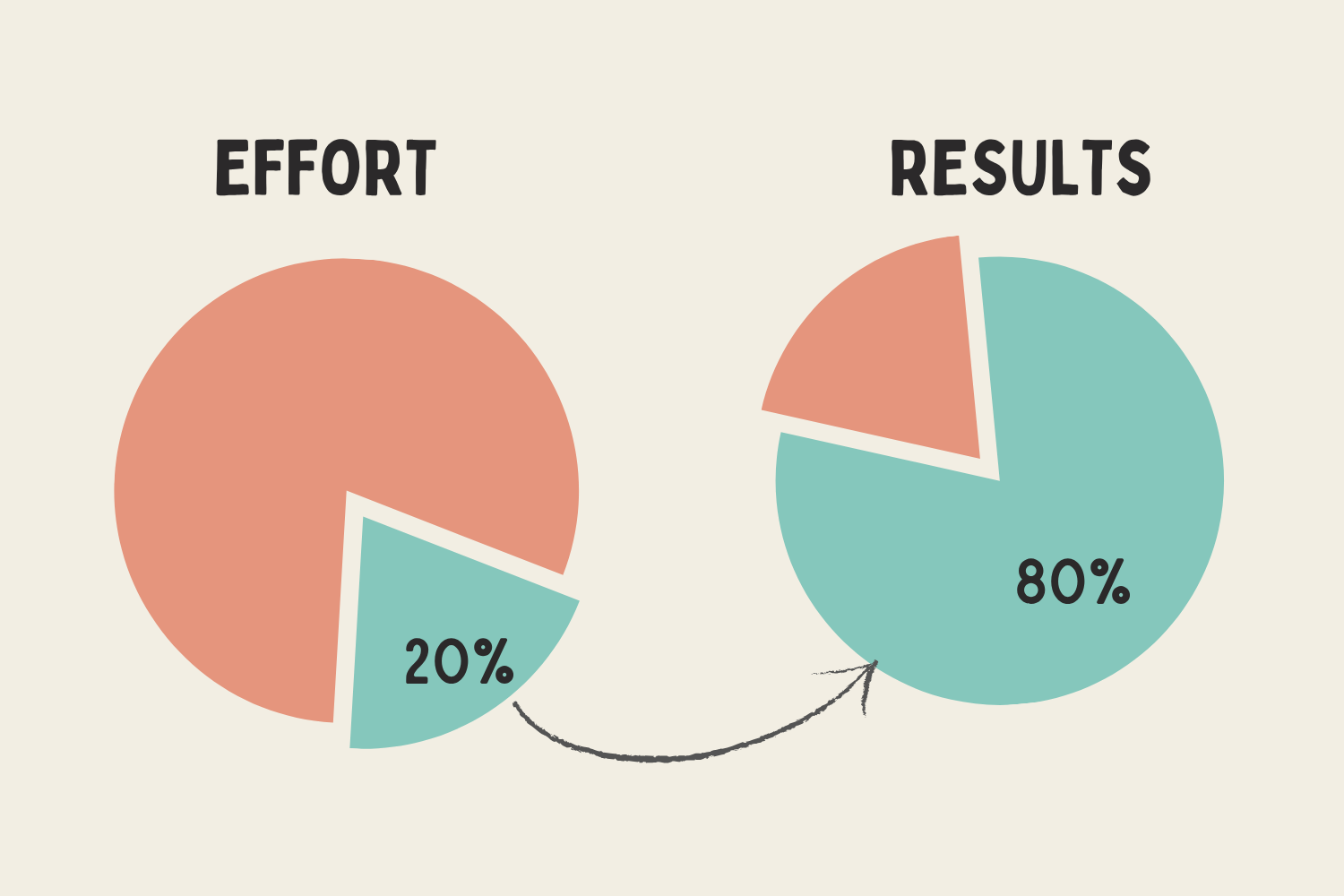
Pareto Principle
Roughly 80% of outcomes come from 20% of causes — find the vital few projects, people, and bottlenecks driving results.
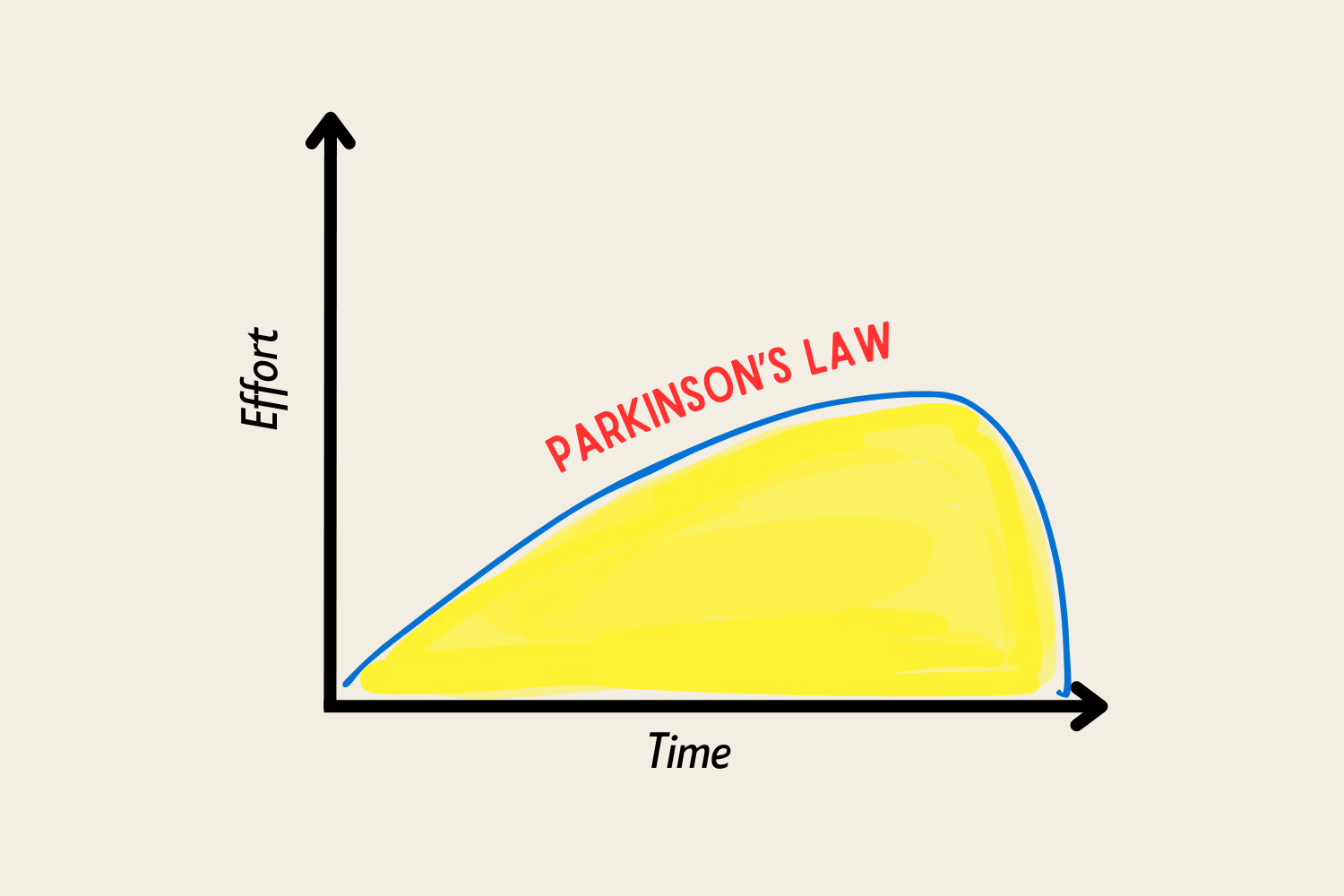
Parkinson's Law
Work expands to fill the time you give it — deadlines shape effort more than the work itself, so tighten deadlines.

Probabilistic Thinking
Stop betting on one predicted future — assign real probabilities to outcomes, weigh them by impact, and let the math decide.

SCAMPER Technique
Seven forced questions — Substitute, Combine, Adapt, Modify, Put to another use, Eliminate, Reverse — generating ideas by twisting what exists.
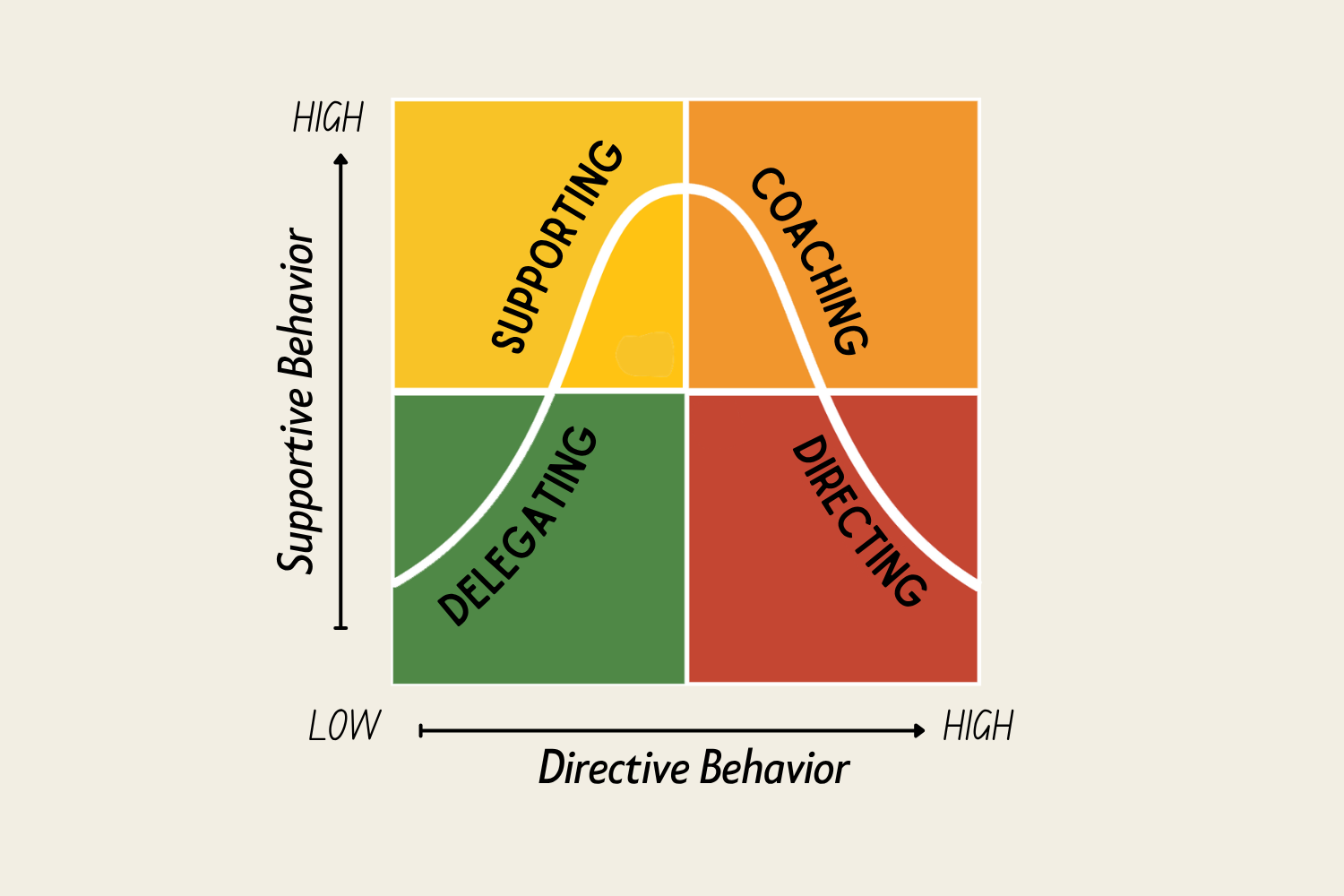
Situational Leadership
There's no right way to lead — only the right way for this person right now: direct, coach, support, or delegate.

STAR Technique
Turn an experience into evidence in four parts — Situation, Task, Action, Result — to advocate for your people, make the case.
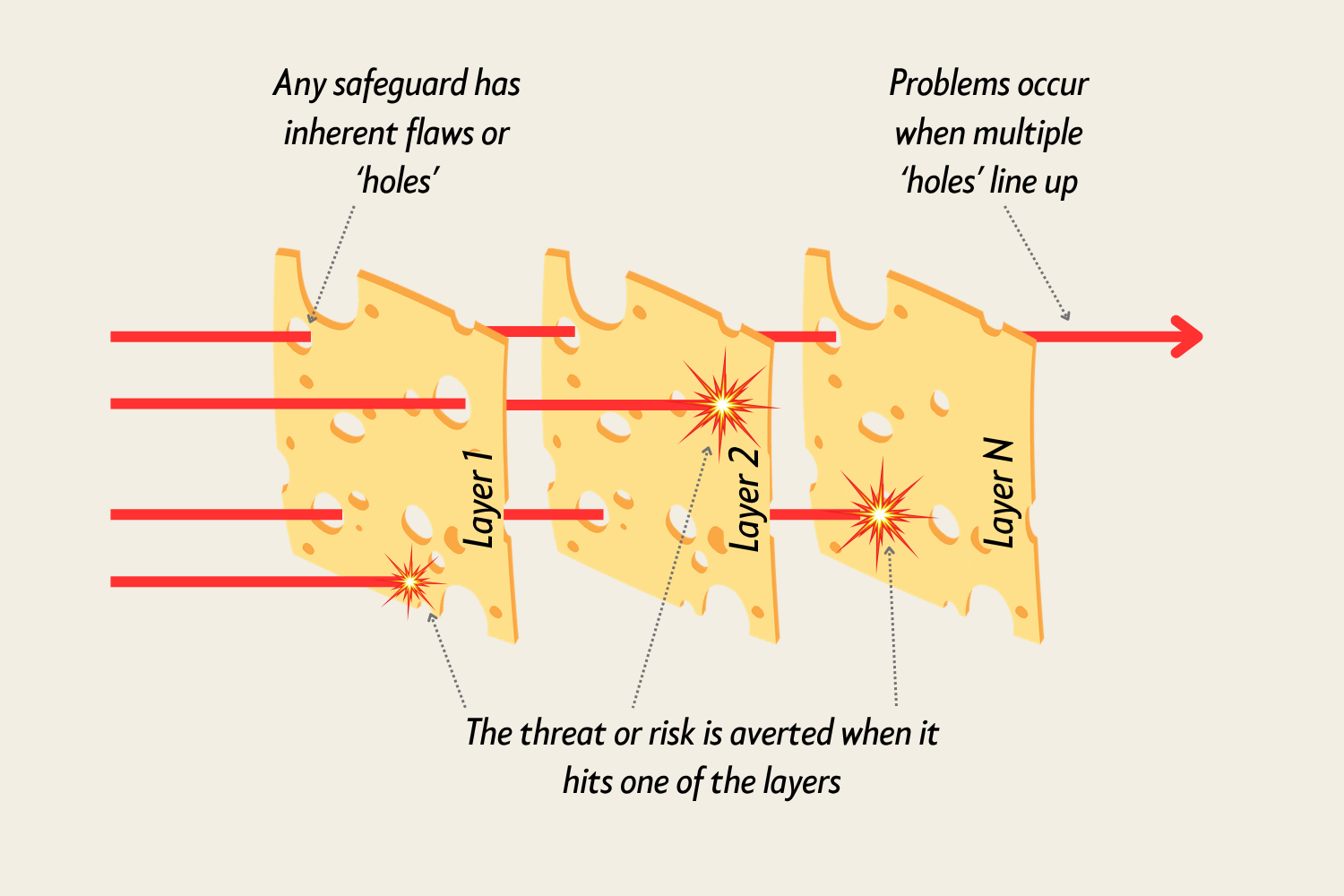
Swiss Cheese Model
Every layer of defense has holes — failure gets through only when several holes line up — fix is redundancy, not perfection.
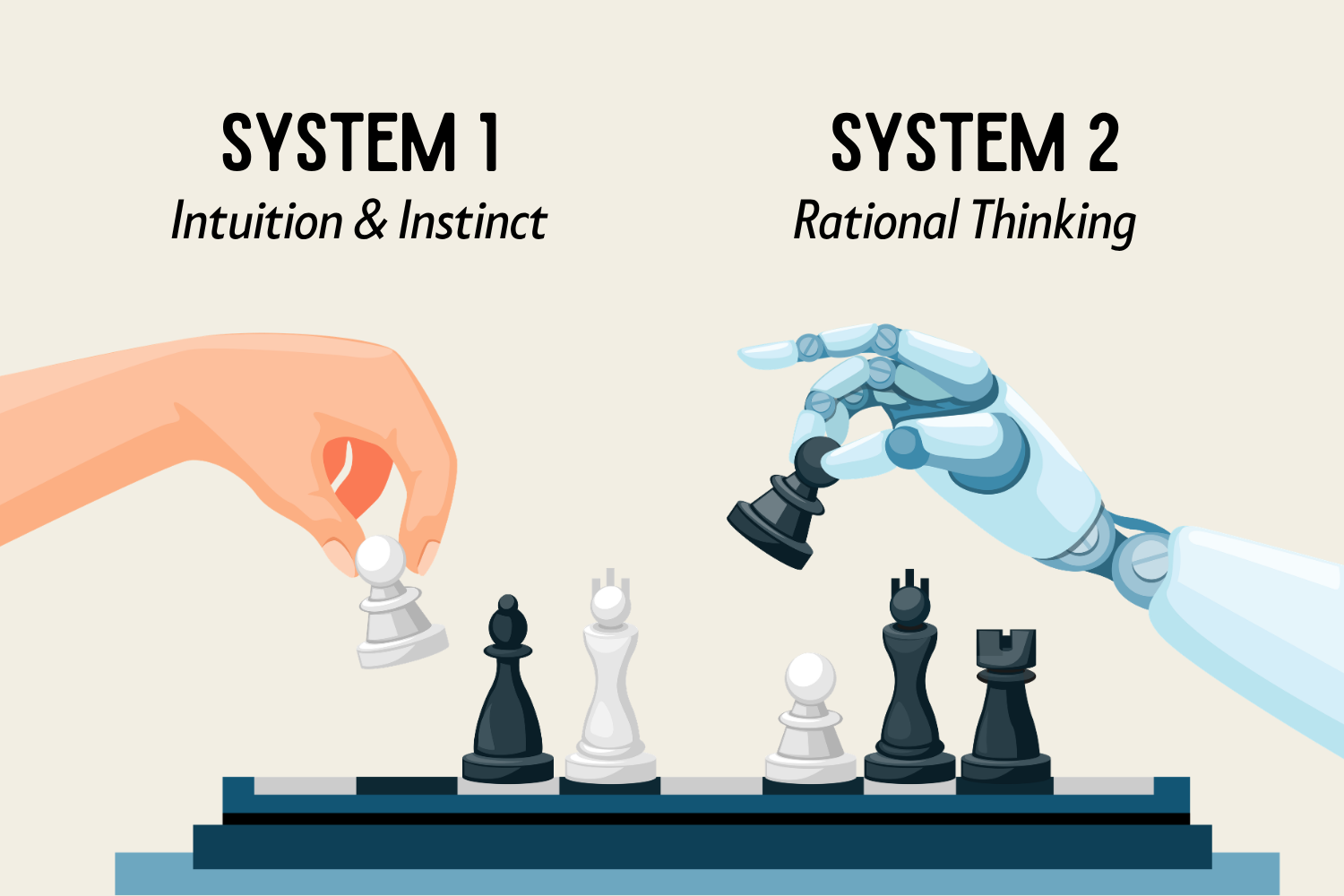
System 1 and System 2 Thinking
Your brain runs fast, gut-level System 1 and slow, deliberate System 2 — knowing which a moment needs is the skill.
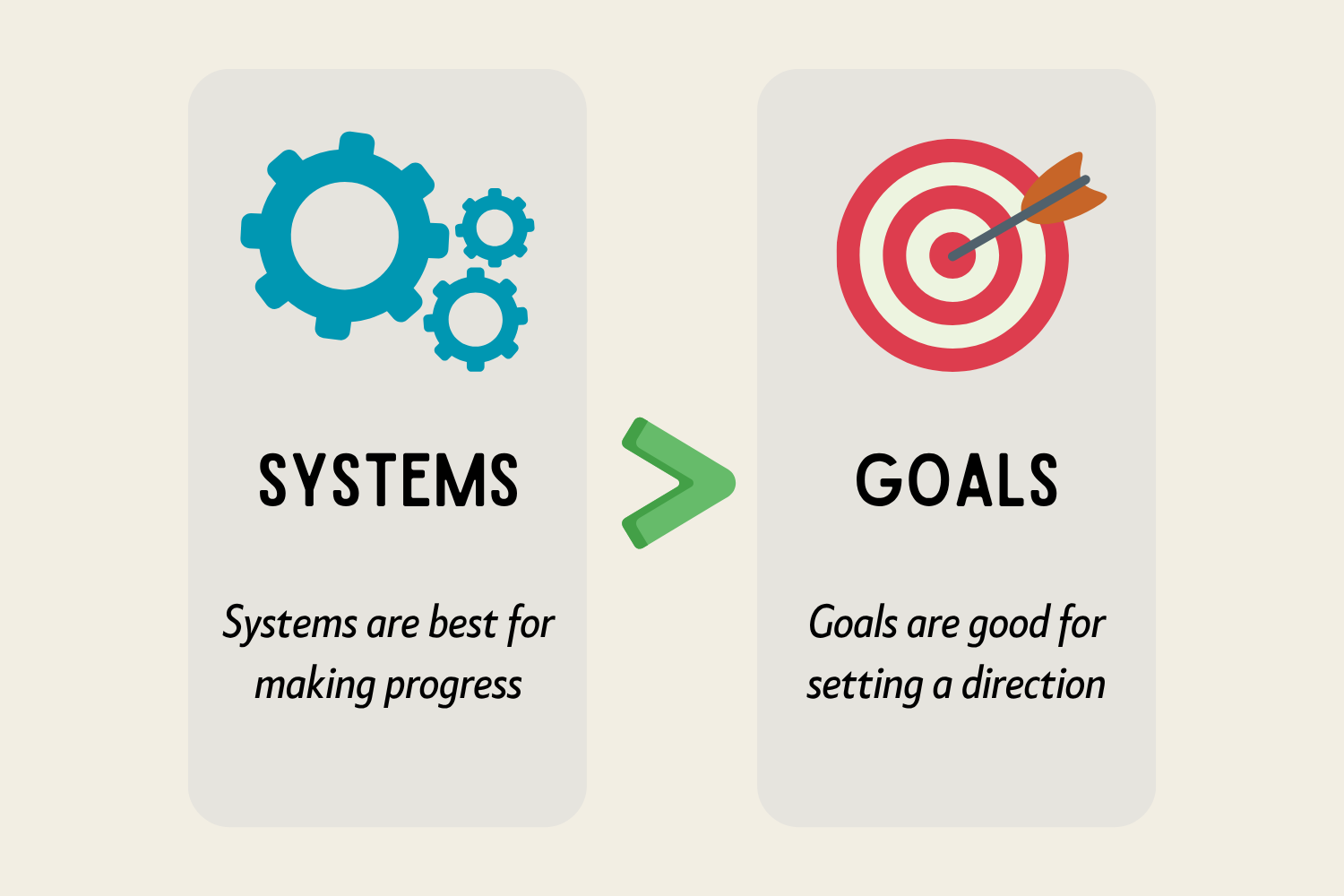
Systems > Goals
Results come from repeatable habits, not targets — turn every goal into a system of leading behaviors you design and track.

The 3 Pillars of Smart Work
Smart work isn't doing less — it's efficiency, creativity, and discipline together, not permission to coast on "work smart, not hard."

The 5 Whys
Ask "why" repeatedly — about five times — until you move past the symptom and land on the cause you can fix.
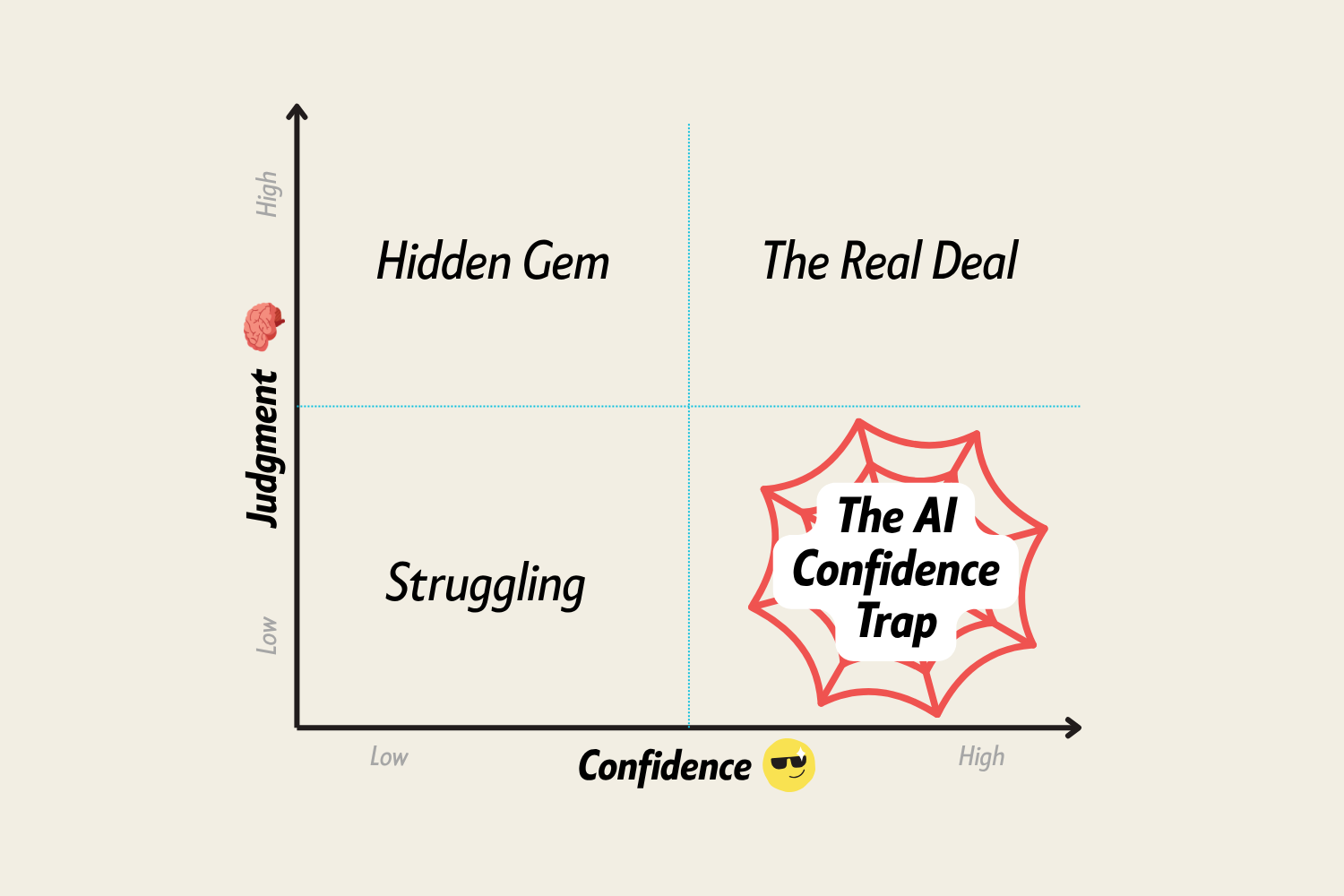
The AI Confidence Trap
AI-polished output can look like real competence when the thinking behind it isn't there — judge the reasoning, not the polish.

The AI Culture Stack
Same AI tools and budget, wildly different results — the gap isn't the technology, it's three layers underneath: permission, fluency, judgment.

The AI Fluency Framework
AI fluency isn't a prompting skill — it's the same four competencies that make someone a good manager: delegating, briefing, reviewing, and owning.

The Double Diamond
A four-stage process that separates problem space from solution space — expand then narrow each — so you solve the right problem.

The Iceberg Model
Underneath an event sits a pattern, a structure, then the beliefs that built it — fix the wrong layer.

The Influence Flywheel
A model for building influence without authority — five reinforcing spokes: Credibility, Connection, Clarity, Communication, Courage — building on each other.

The Power-Interest Grid
Plot each person by power and interest to know who to manage closely, who to keep happy, who needs updates.

The Six Thinking Hats
Get your whole team thinking in the same mode at once — facts, emotions, risk, benefits, creativity, process — covering every angle.
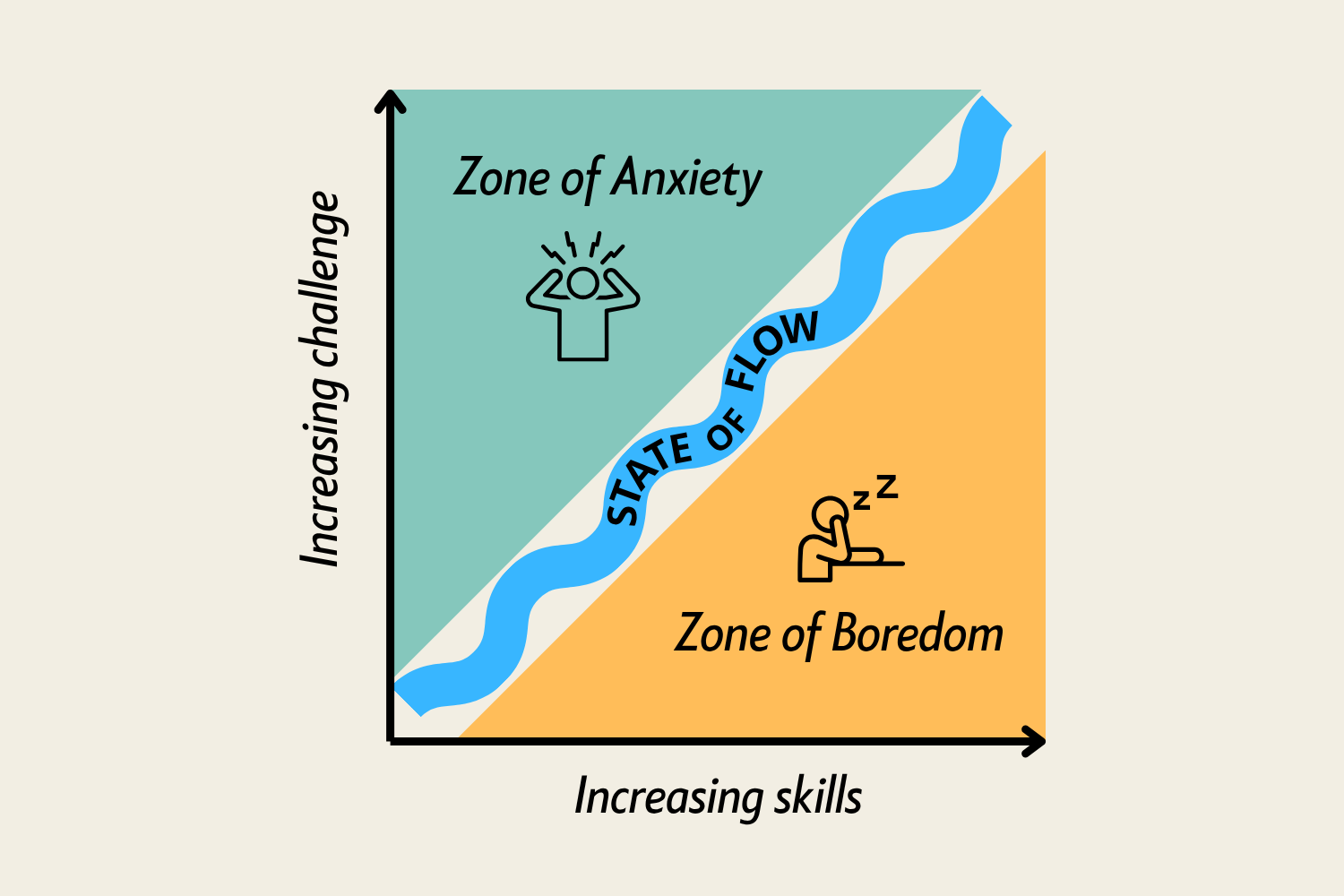
The State of Flow
The zone between anxiety and boredom, where challenge meets skill — your job is moving each person, with a different push.
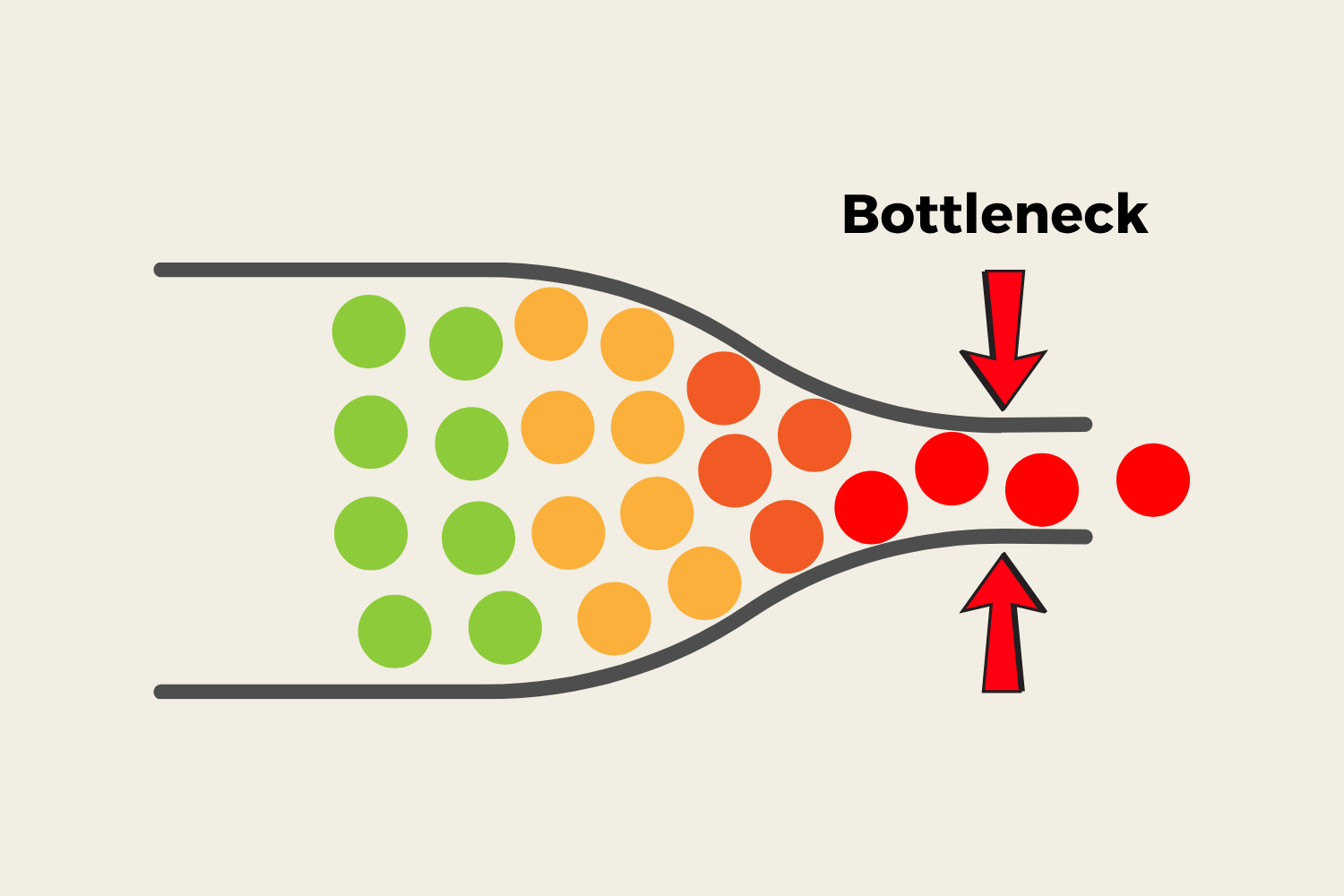
The Theory of Constraints
Every system has a bottleneck that caps everything it can produce — find that one constraint and put your energy there.
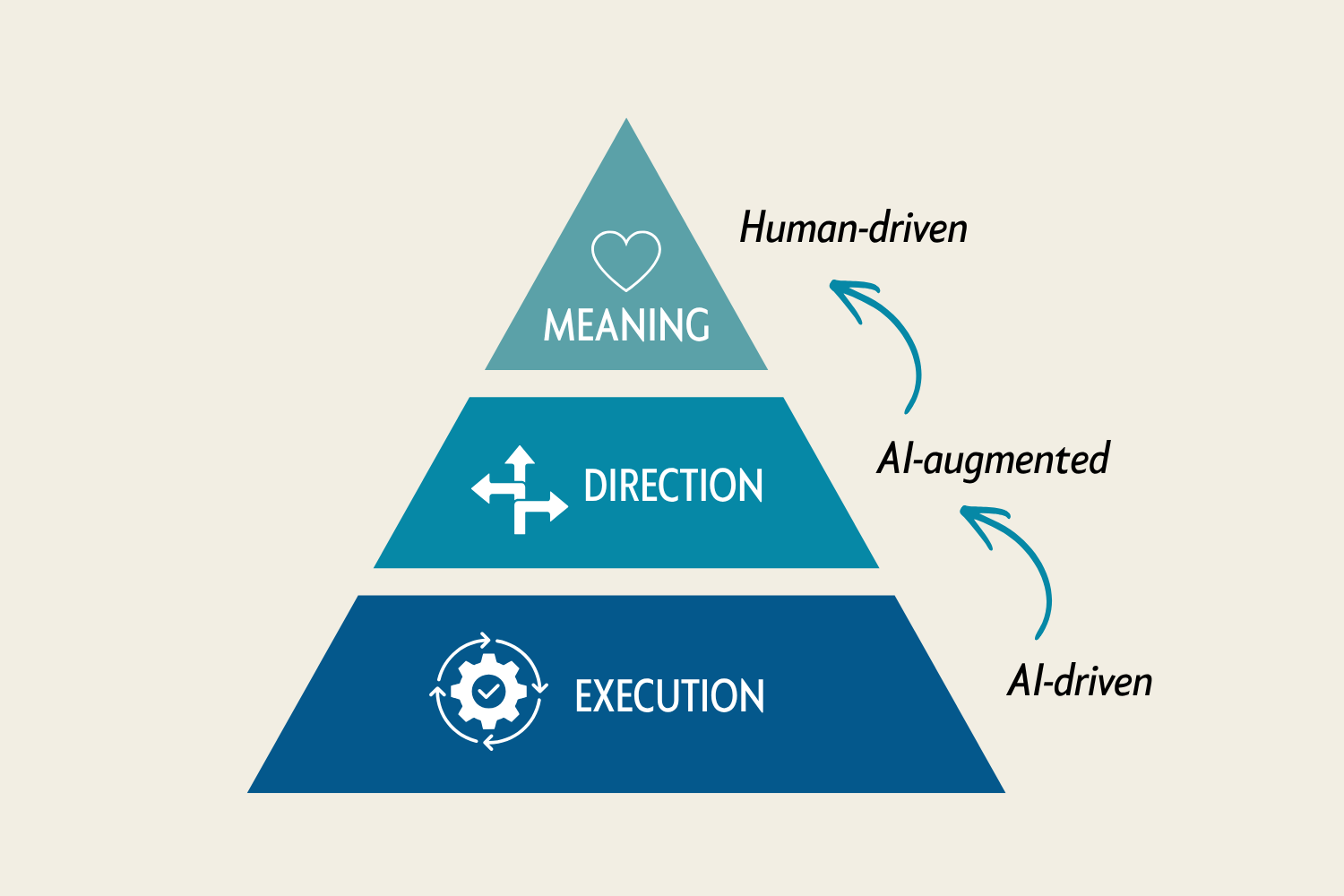
The Three Layers of Leadership
A pyramid — Execution, Direction, Meaning — where your value has to move up as AI automates execution.