Inversion Principle
A thinking tool that swaps "how do I succeed?" for "how would this fail?" — surfacing failure modes forward planning misses.
 Find this on the mind-map
Introduction
The whole idea fits in one line: instead of asking "how do I succeed?", ask "how do I fail?" — and then avoid that. Charlie Munger, Warren Buffett's long-time partner, made the line famous with a joke: "All I want to know is where I'm going to die, so I'll never go there." He wasn't the first to think this way — inversion has been standard practice in mathematics and engineering for centuries, going back to the mathematician Carl Jacobi's maxim, "invert, always invert." Aviation trains pilots on what not to do. Computer science has a whole vocabulary of "anti-patterns" for exactly this reason.
How It Works
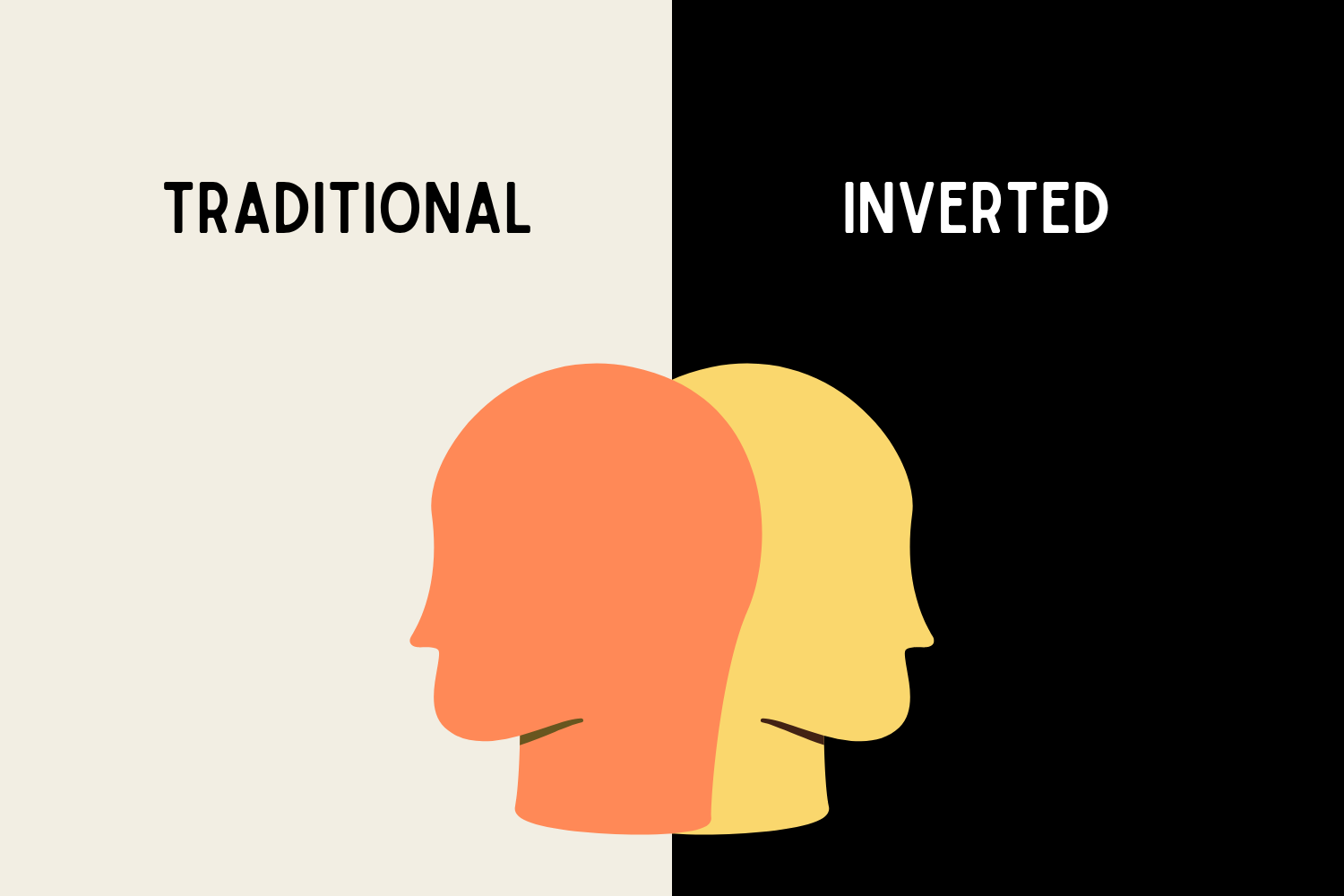
In practice, inversion becomes a habit of asking three questions: what could go wrong here, how could this plan backfire, and what's the easiest way to mess this up? You then build your plan around avoiding those specific points, instead of just chasing the upside.
The shift is easiest to see on a goal you already know well. Take "build a high-performing team." The normal approach asks how to hire the best people, how to build a great culture, how to keep everyone motivated. Inversion asks the opposite: what would cause this team to underperform, how would a leader accidentally destroy trust, and what decisions would push great people out the door?
To make that repeatable, run any leadership challenge through the DFE Framework — Define, Flip, Eliminate.
| Step | What it does |
|---|---|
| Define | State the goal specifically — what a great outcome looks like, and what the real constraints are. The sharper your definition of success, the sharper the inversion gets. |
| Flip | Ask what would cause this to fail. List internal risks, external threats, and the unlikely edge cases too. |
| Eliminate | Turn every risk you surfaced into a concrete action that removes or reduces it. |
Why It Matters for Leaders
You're trained to think forward: set the goal, define the roadmap, race to execution. Forward thinking produces optimistic plans, and optimistic plans almost always underestimate obstacles, because people overestimate their own odds of success and quietly assume the obvious risks belong to somebody else.
Inversion punctures that. It forces your attention onto the uncomfortable material, which is usually the material that actually matters. It also tends to be the easier exercise: most people already know what they should do — far fewer have a clear list of what they need to avoid.
Picture a team reviewing an aggressive release plan everyone feels good about. One of the quieter people in the room asks, "how might this fail?" The group starts listing failure modes mostly to reassure themselves — and by the end of the session, they've surfaced three serious risks that weren't anywhere in the plan and could each have derailed the release on their own.
You can run this same move in three places you already operate. On project planning, flipping a launch goal surfaces vague scope, no end-user input, siloed teams, late testing, and stakeholders who got overpromised to. On hiring, asking how you'd hire the wrong person surfaces leaning too hard on someone's résumé, never testing for ambiguity, skipping backchannel references, and a panel that never actually agreed on what the role needs. On communicating a big change, asking what would make this land badly surfaces people hearing it secondhand, no explanation of why, no room for questions, and a decision that feels imposed on people rather than made with them.
The higher you climb, the more this matters, for one simple reason: the higher the role, the less you get rewarded for being right, and the more you get punished for being wrong.
What to do next
Test your knowledge of Inversion Principle
Practice Inversion Principle
Apply Inversion Principle to a real situation
Skills related to Inversion Principle

Problem-Solving
Solving problems systematically, diagnosing what's actually wrong before jumping in with a fix.

Risk Management
Naming what could go wrong before it does, sizing each threat by likelihood and impact, and acting on the ones that matter.
Frameworks related to Inversion Principle
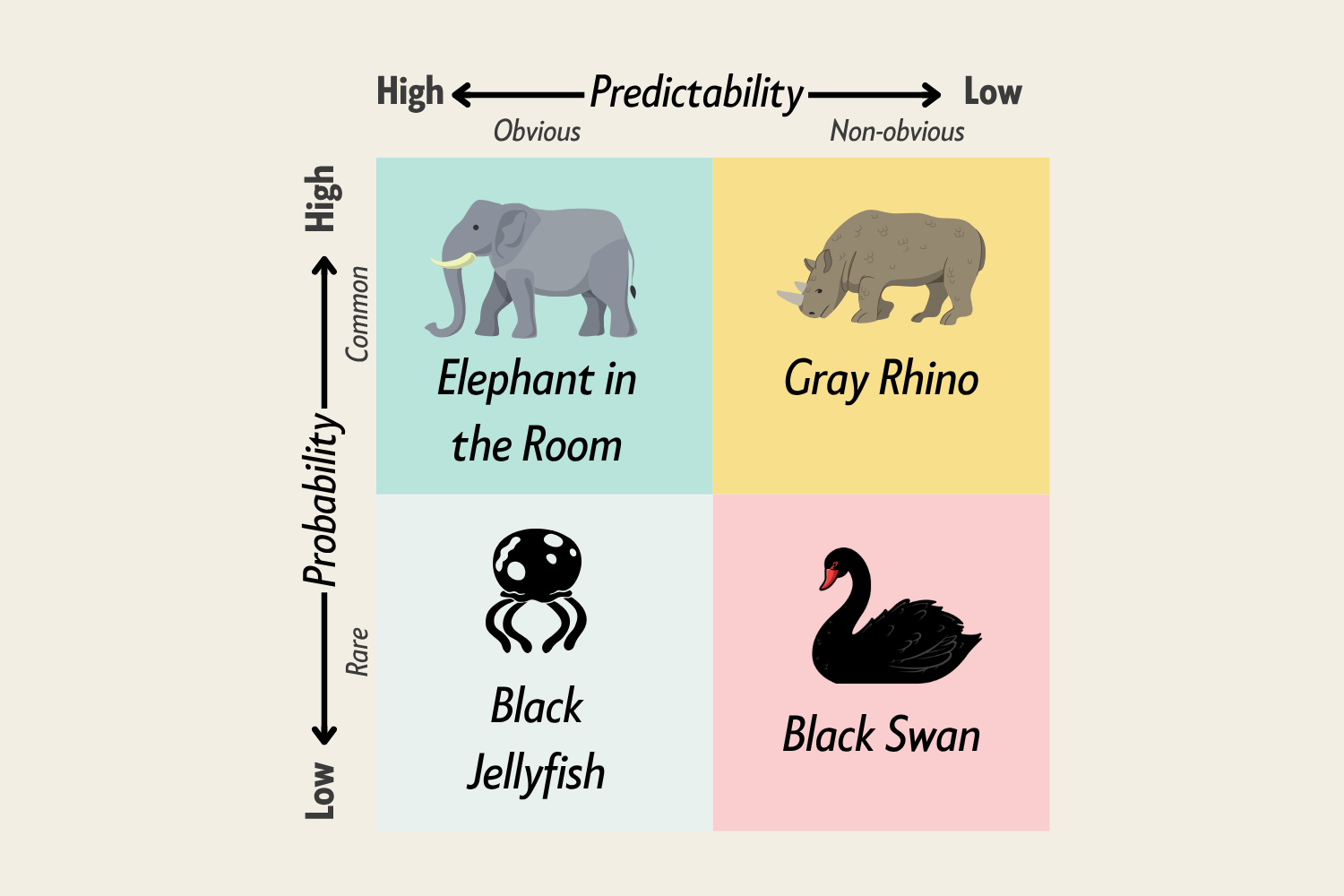
Animal Risk Matrix
Sort risk by predictability and probability into shapes — Elephant, Gray Rhino, Black Jellyfish, Black Swan — each needs a different response.

First Principles Thinking
Strip a problem to its foundational truths, discard every assumption, and rebuild your solution from the ground up.

Premortem Technique
Assume the project has failed by a specific date, then explain why — hindsight gets your team saying what they thought.
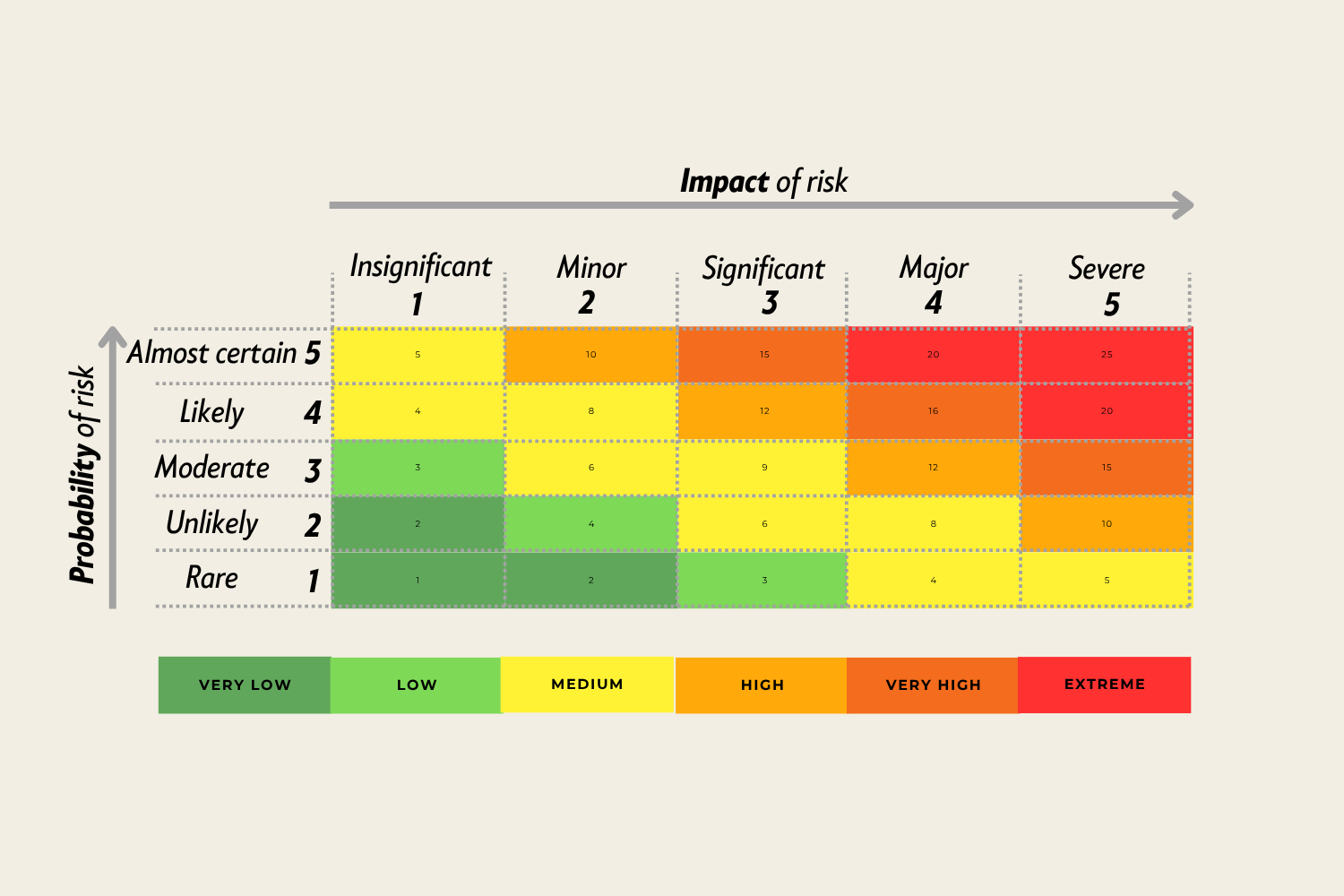
Risk Assessment Matrix
The grid for scoring risks by likelihood and impact, turning a messy list of worries into a ranked priority order.
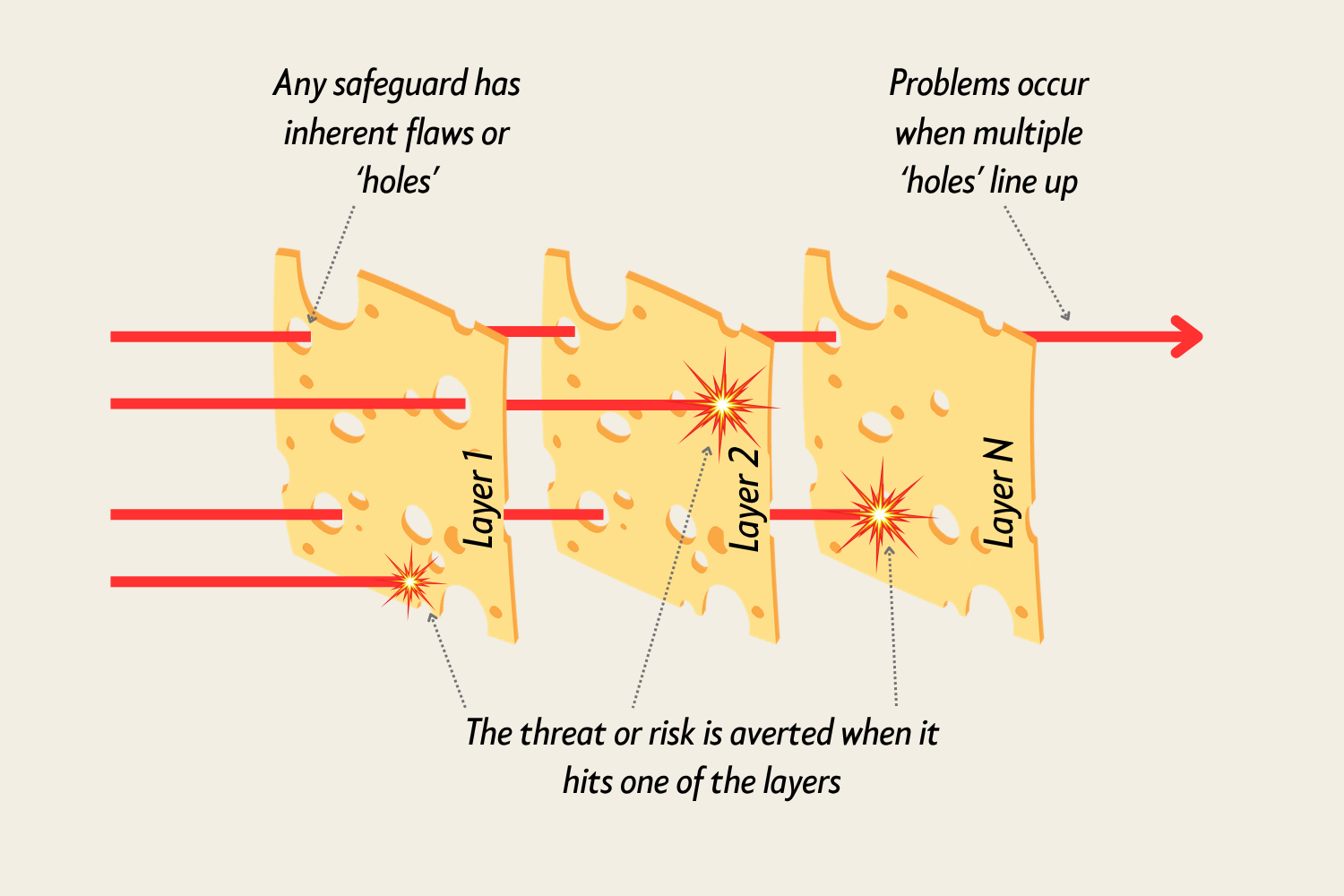
Swiss Cheese Model
Every layer of defense has holes — failure gets through only when several holes line up — fix is redundancy, not perfection.

The 5 Whys
Ask "why" repeatedly — about five times — until you move past the symptom and land on the cause you can fix.

The Double Diamond
A four-stage process that separates problem space from solution space — expand then narrow each — so you solve the right problem.
