Swiss Cheese Model
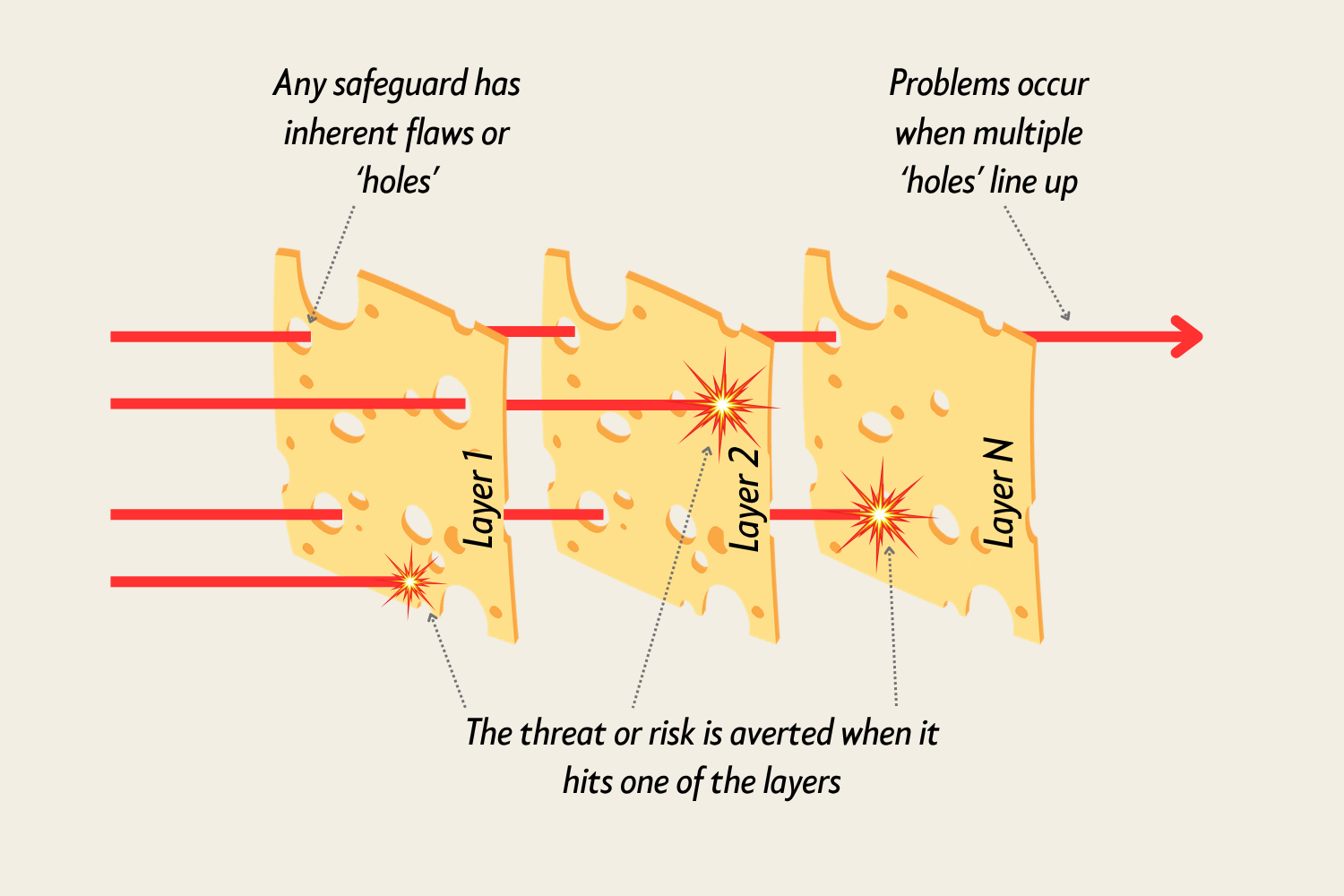
Every layer of defense has holes — failure gets through only when several holes line up — fix is redundancy, not perfection.
 Find this on the mind-map
Introduction
British psychologist James Reason built this model by studying industrial and aviation disasters. The reference case is the 1977 Tenerife runway collision between two Boeing 747s — 583 people died, and it remains the deadliest accident in aviation history. There was no mechanical failure behind it. A bomb at a nearby airport diverted dozens of flights and overcrowded Tenerife, thick fog cut visibility to almost nothing, one pilot misheard a takeoff clearance, and air traffic control didn't catch the error in time. Any single one of those was survivable on its own. Stacked together, they were fatal.
That's the idea Reason came up with: every system has layers of defence, every layer has holes, and failure gets through when the holes line up.
How It Works
The model rests on three ideas.
Every system has layers of defence. In a company, those layers look like QA, peer review, checklists, dashboards, leadership reviews, and a culture where people actually speak up. Each one exists to catch errors, and more layers mean better odds overall.
Every layer has holes. A process step that gets skipped, a reviewer who's overloaded, a metric that's tracked but never interpreted, a meeting where nobody says anything. No layer is perfect, and the goal was never a perfect layer — it's having enough layers backing each other up.
When the holes line up, failure slips through. Most real incidents don't trace back to one cause. The useful part of that is: several holes have to align for damage to actually happen, so breaking the chain at any single point stops the failure cold.
Singapore's early COVID-19 response is a clean example of this run on purpose: border controls, temperature checks, mandatory quarantine, digital contact tracing, mask mandates, public education, and eventually vaccines. No single measure was airtight on its own. Stacked, the holes rarely lined up.
This is standard practice today in aviation, nuclear energy, and healthcare — anywhere a careless mistake gets expensive fast.
Why It Matters for Leaders
Your instinct after a failure is to look for the person who caused it. This model says that's usually the wrong question, because the failure needed several independent gaps to line up at once. Ask how the system failed and you get fixes. Ask who failed and you get caution and silence — which widens the holes in the one layer that depends on people actually speaking up.
You'll see this shape in ordinary work constantly. A feature ships with a critical bug: QA missed it because the test case was never updated, the PM assumed it had already been reviewed, engineering merged the pull request late at night, and leadership announced the feature before final QA signed off. No individual failed here. The holes lined up. The fixes are layer fixes: a cross-functional sign-off checklist, mandatory review of test automation updates, external announcements gated on a QA green light.
A bad hire follows the exact same shape. The recruiter rushed under target pressure, one interviewer flagged a concern but didn't press it because they assumed someone else would catch it, the hiring manager leaned on the rest of the panel to make the call, and the bar-raiser round got skipped because that interviewer was unavailable. Structured interview scoring, a debrief that actually invites dissent, a non-optional bar-raiser round, and recruiter metrics that account for quality all patch a different slice of that same chain.
There's a second reason this matters: what it does to near-misses. If damage requires alignment, then an almost-failure means the holes nearly lined up and something arbitrary stopped them just in time. Chalk that up to luck and you throw away the most useful signal your system will ever hand you.
You're not landing planes. But the conditions are the same ones Reason was studying: high-stakes decisions, imperfect people, ambiguous information. Most of the layers you need already exist. What's usually missing is intent about how they stack.
What to do next
Test your knowledge of Swiss Cheese Model
Practice Swiss Cheese Model
Apply Swiss Cheese Model to a real situation
Skills related to Swiss Cheese Model

Risk Management
Naming what could go wrong before it does, sizing each threat by likelihood and impact, and acting on the ones that matter.

Systems Analysis
Tracing how a decision in one part of the organization moves through the rest of it, instead of treating your team as its own island.
Frameworks related to Swiss Cheese Model
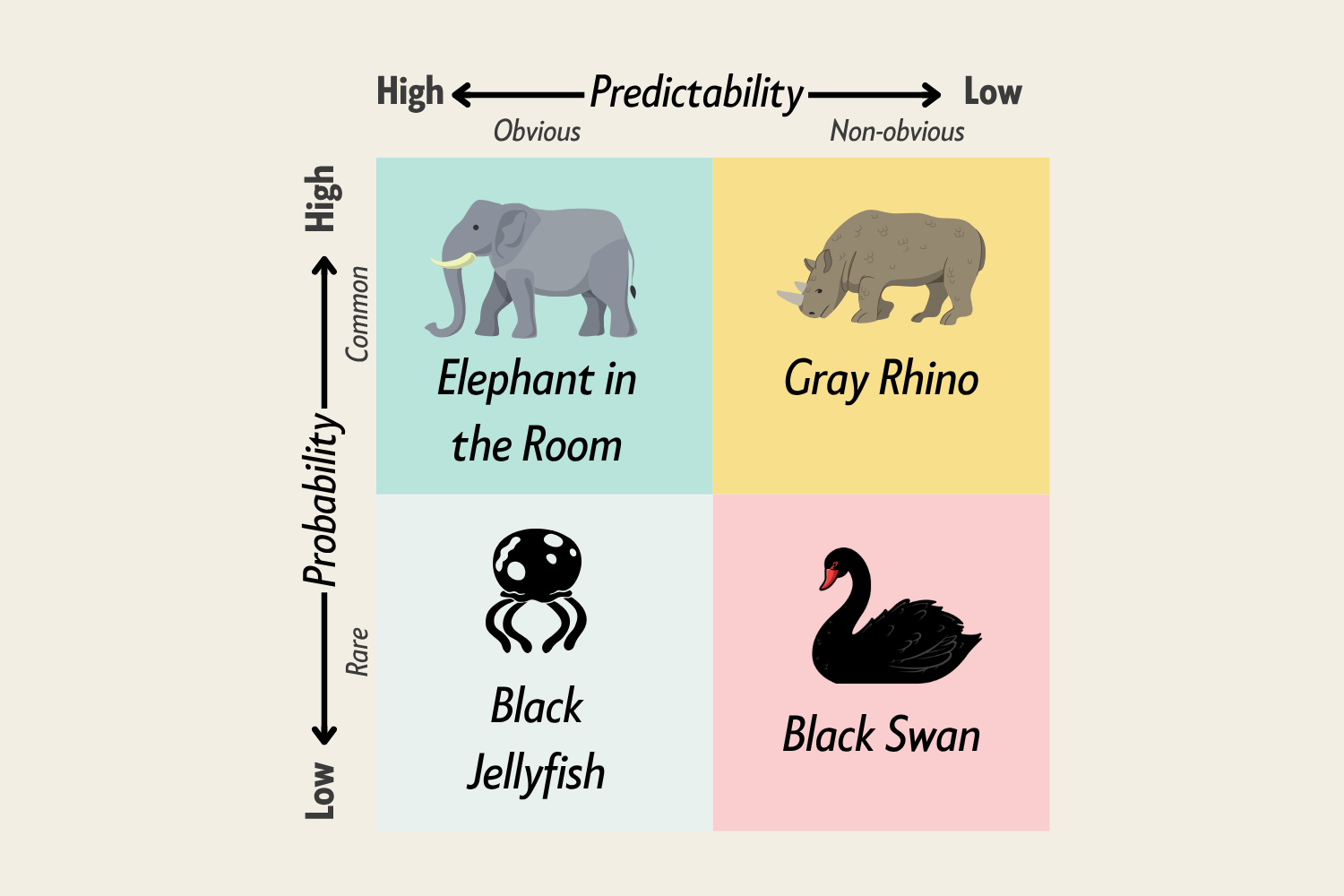
Animal Risk Matrix
Sort risk by predictability and probability into shapes — Elephant, Gray Rhino, Black Jellyfish, Black Swan — each needs a different response.

Conway's Law
Organizations build systems that mirror their own communication structure — your product's shape follows your org chart's shape.

Inversion Principle
A thinking tool that swaps "how do I succeed?" for "how would this fail?" — surfacing failure modes forward planning misses.

Premortem Technique
Assume the project has failed by a specific date, then explain why — hindsight gets your team saying what they thought.
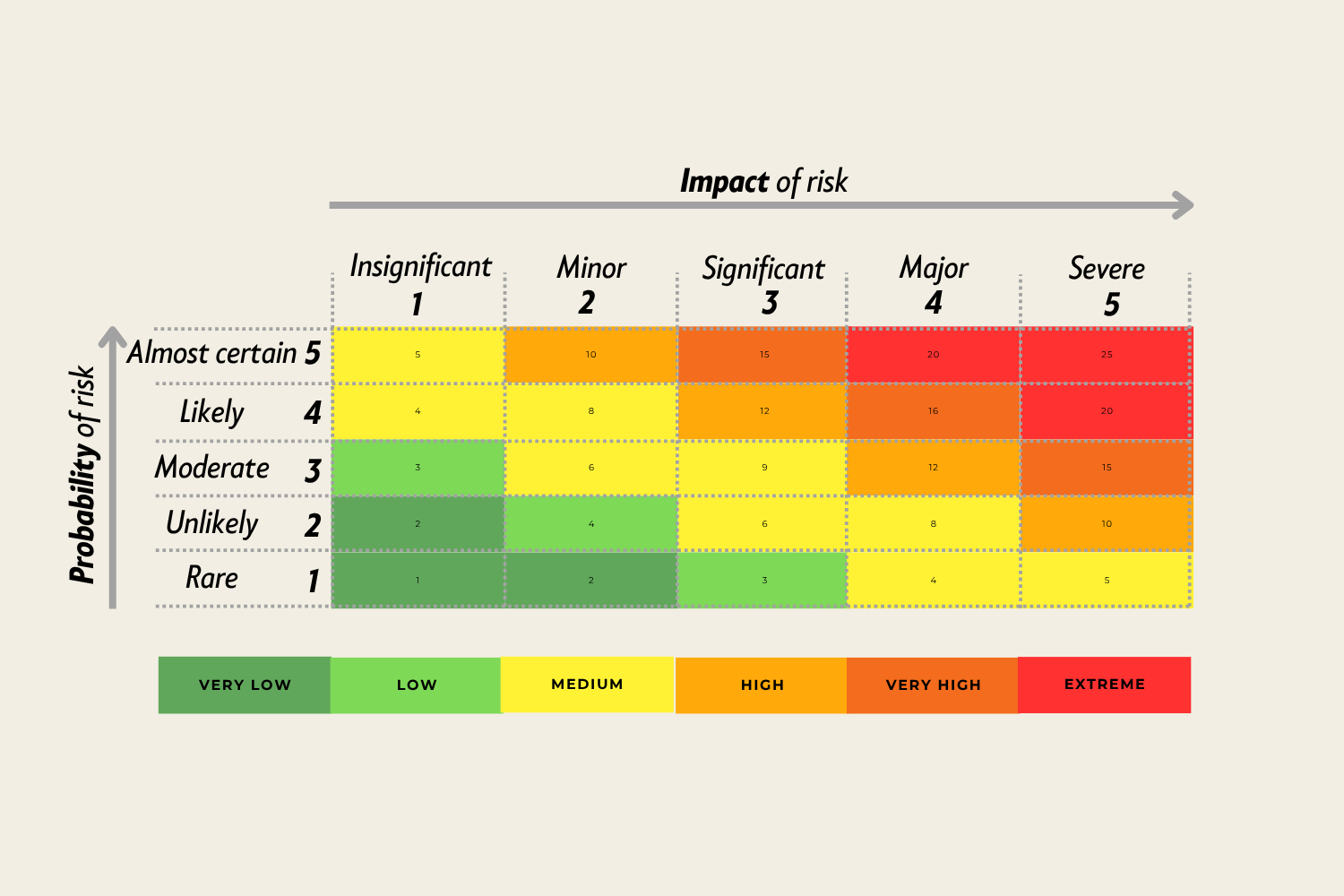
Risk Assessment Matrix
The grid for scoring risks by likelihood and impact, turning a messy list of worries into a ranked priority order.
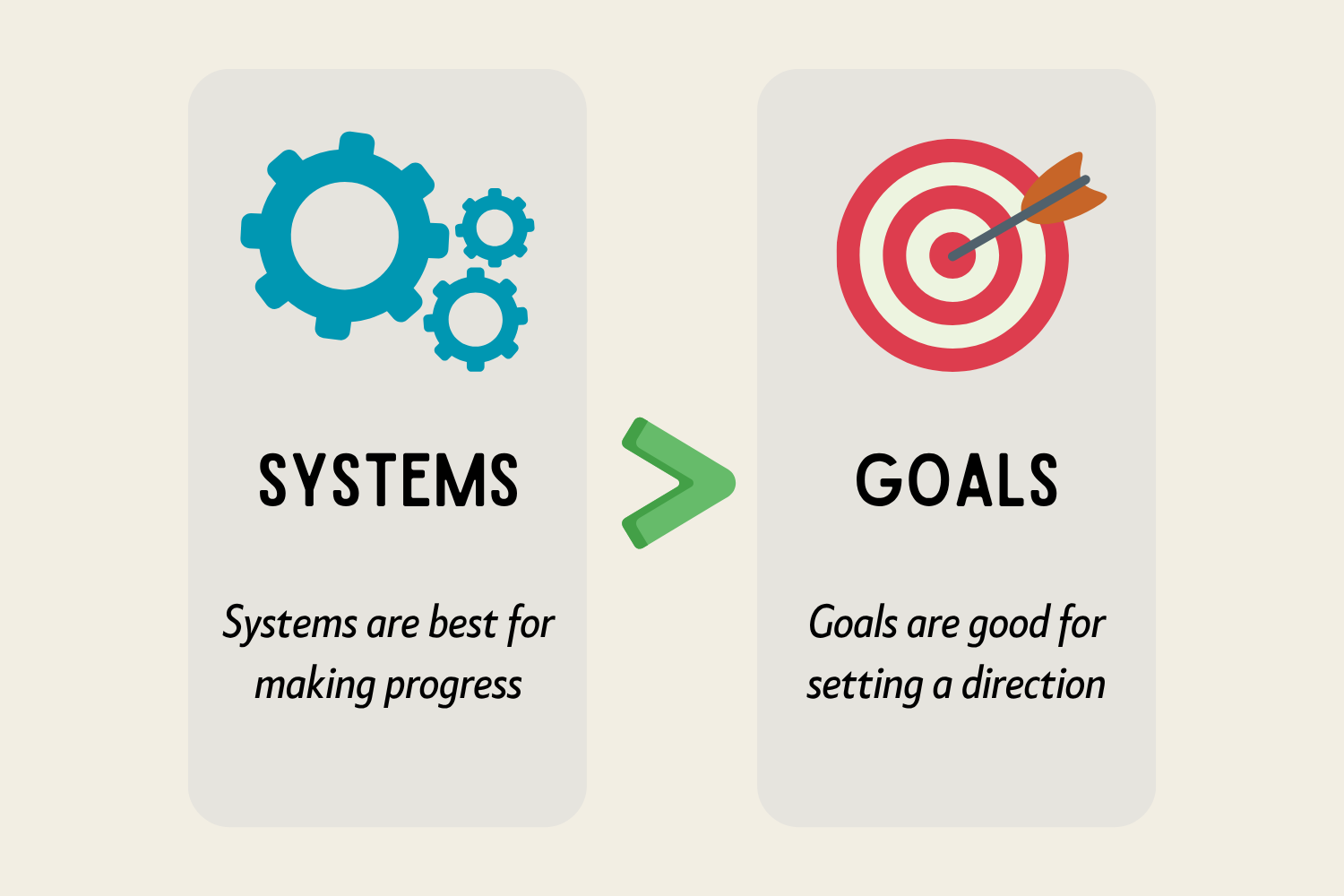
Systems > Goals
Results come from repeatable habits, not targets — turn every goal into a system of leading behaviors you design and track.

The Iceberg Model
Underneath an event sits a pattern, a structure, then the beliefs that built it — fix the wrong layer.
The Theory of Constraints
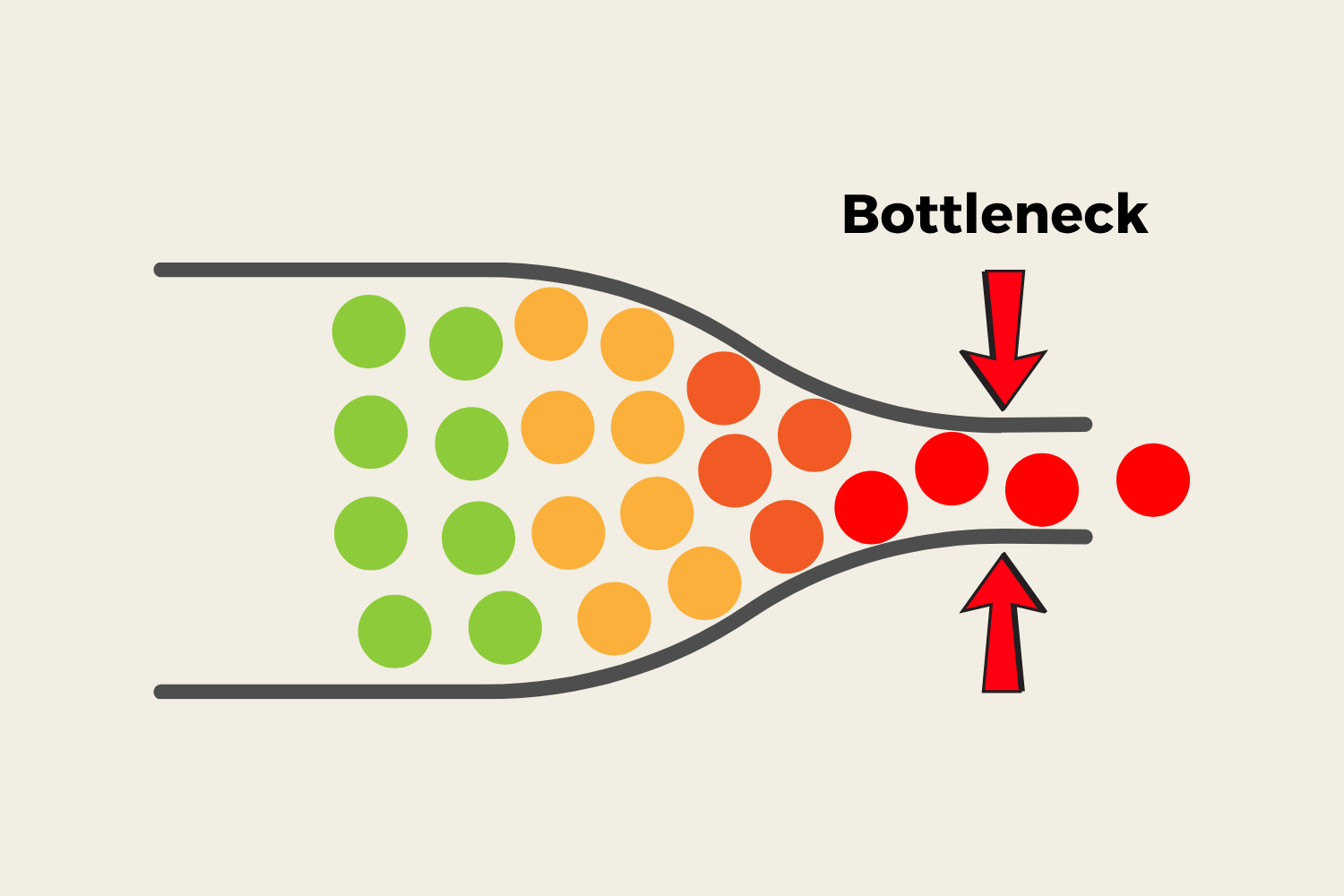
Every system has a bottleneck that caps everything it can produce — find that one constraint and put your energy there.
