The Iceberg Model
Underneath an event sits a pattern, a structure, then the beliefs that built it — fix the wrong layer.
 Find this on the mind-map
Introduction
This one comes out of the systems-thinking world — the same tradition behind Peter Senge's The Fifth Discipline and Donella Meadows' work on how systems actually behave. The core idea is simple: almost everyone reacts to the visible tip of a problem, when the real chance to change anything sits well below the waterline.
Picture an actual iceberg. What you see above the surface is a single event — a resignation, a missed deadline, a blow-up in a meeting. Below that sits a pattern: this isn't the first time it's happened, it's the third this quarter. Below the pattern sits a structure: the actual system, incentives, or process that keeps producing that pattern. And below the structure sit the beliefs and assumptions that built that structure in the first place, usually so old nobody in the room remembers choosing them.
How It Works
The model has four layers, and you work down through them in order:
- Events — the thing you actually saw happen. A good engineer just quit. This is the tip of the iceberg: real, visible, and almost always the layer everyone reacts to first.
- Patterns — has this happened before? Look back and you'll often find the same event, or a close cousin of it, showing up on a schedule. One resignation is an event. Three good engineers leaving in eight months is a pattern.
- Structures — what in the system actually produces that pattern? Maybe every promotion in your org goes to whoever's loudest in meetings, not whoever does the best work. That structure will keep producing the same pattern indefinitely, no matter how many exit interviews you run.
- Mental models — what belief built that structure, and is still holding it in place? Maybe the belief is "if someone's really good, they'll make sure people notice." That belief is invisible, it's old, and it's the actual root of everything sitting above it.
The lower you go, the bigger the change you can actually make, and the harder the layer is to see. Reacting to the event is the easiest thing to do and produces the least change. Changing the mental model is the hardest thing to do and changes everything sitting on top of it.
Why It Matters for Leaders
Most of your day is spent putting out events. Someone missed a deadline, so you follow up. Someone's frustrated, so you have a conversation. Each fix is real and each one is necessary — and none of them touch why the event keeps happening in the first place.
Picture a manager who's had four different people flag the same complaint about a process over six months. Each time, it got treated as an isolated event: a quick fix, a one-off apology, back to normal. Only when someone finally asked "wait, is this the fourth time?" did the pattern become visible — and only then did anyone look at the actual structure producing it: an approval process built around a single person's calendar, buried under a much older belief that "important decisions need one clear owner."
The event always feels the most urgent. It's also the layer where fixing it does the least good, because the structure underneath is still fully intact and will just produce the next event on schedule. The next time something goes wrong twice, stop and ask what's really underneath it before you respond to what's on top.
What to do next
Apply The Iceberg Model to a real situation
Skills related to The Iceberg Model

Pattern Recognition
Noticing that a handful of small, separate signals are actually one thing, and naming the trend before it's obvious to everyone else.

Systems Analysis
Tracing how a decision in one part of the organization moves through the rest of it, instead of treating your team as its own island.
Frameworks related to The Iceberg Model

Conway's Law
Organizations build systems that mirror their own communication structure — your product's shape follows your org chart's shape.
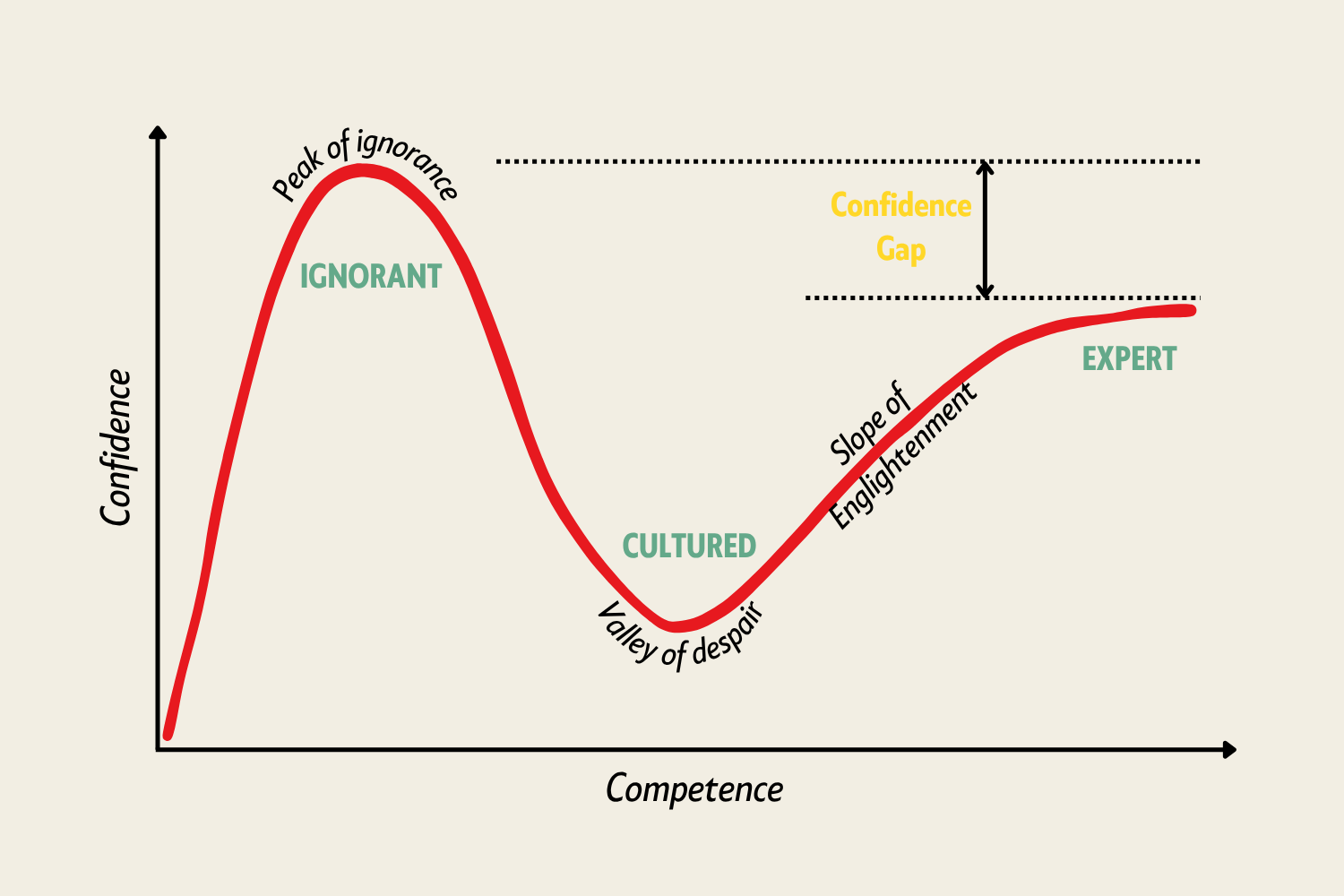
Dunning-Kruger Effect
Knowing little makes you feel unstoppable; knowing more makes you hesitate — the loudest voice is rarely the most reliable one.

McKinsey 7S Framework
The McKinsey 7S model maps seven organizational pieces — Strategy, Structure, Systems, Shared Values, Style, Staff, Skills — to spot misalignment.
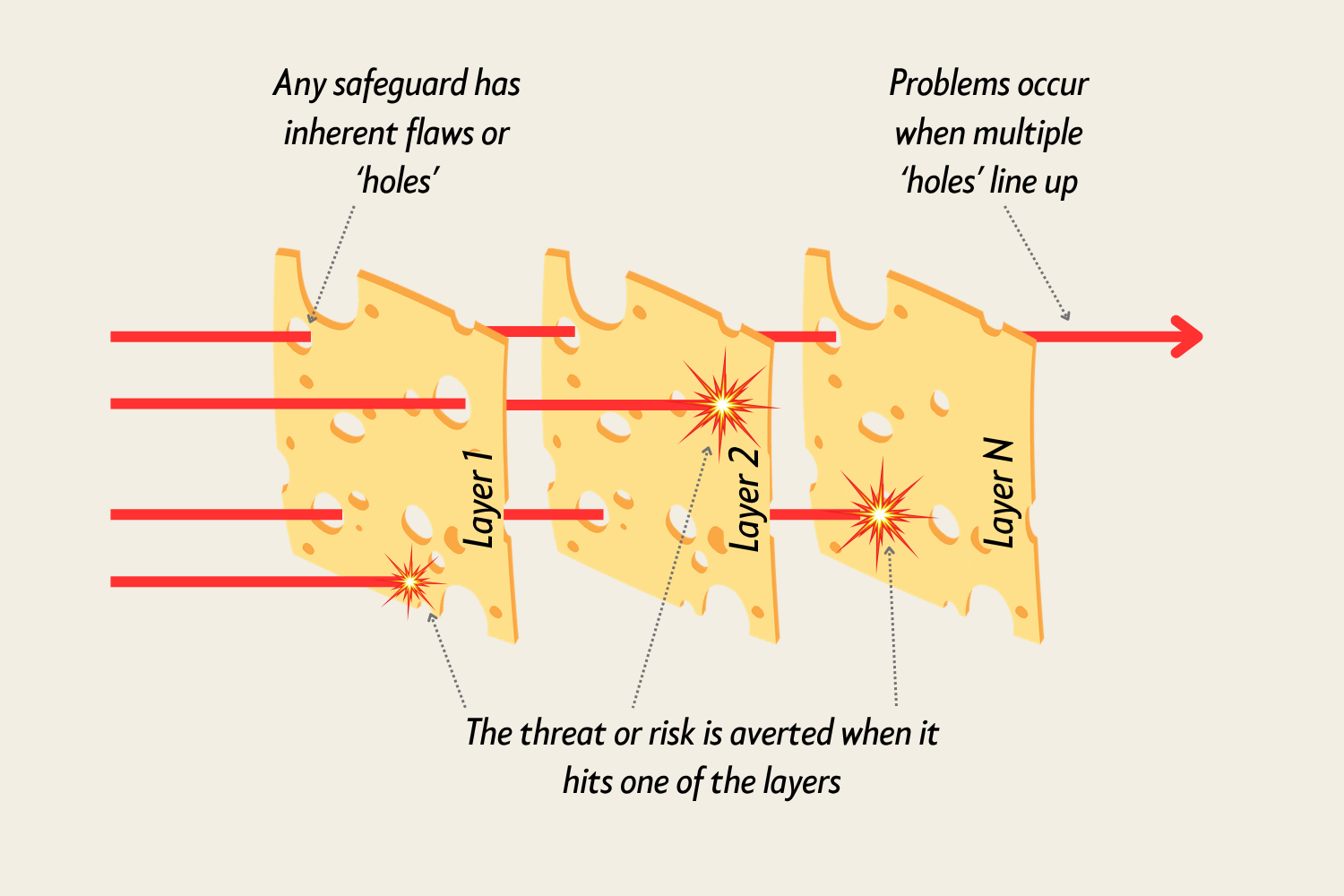
Swiss Cheese Model
Every layer of defense has holes — failure gets through only when several holes line up — fix is redundancy, not perfection.
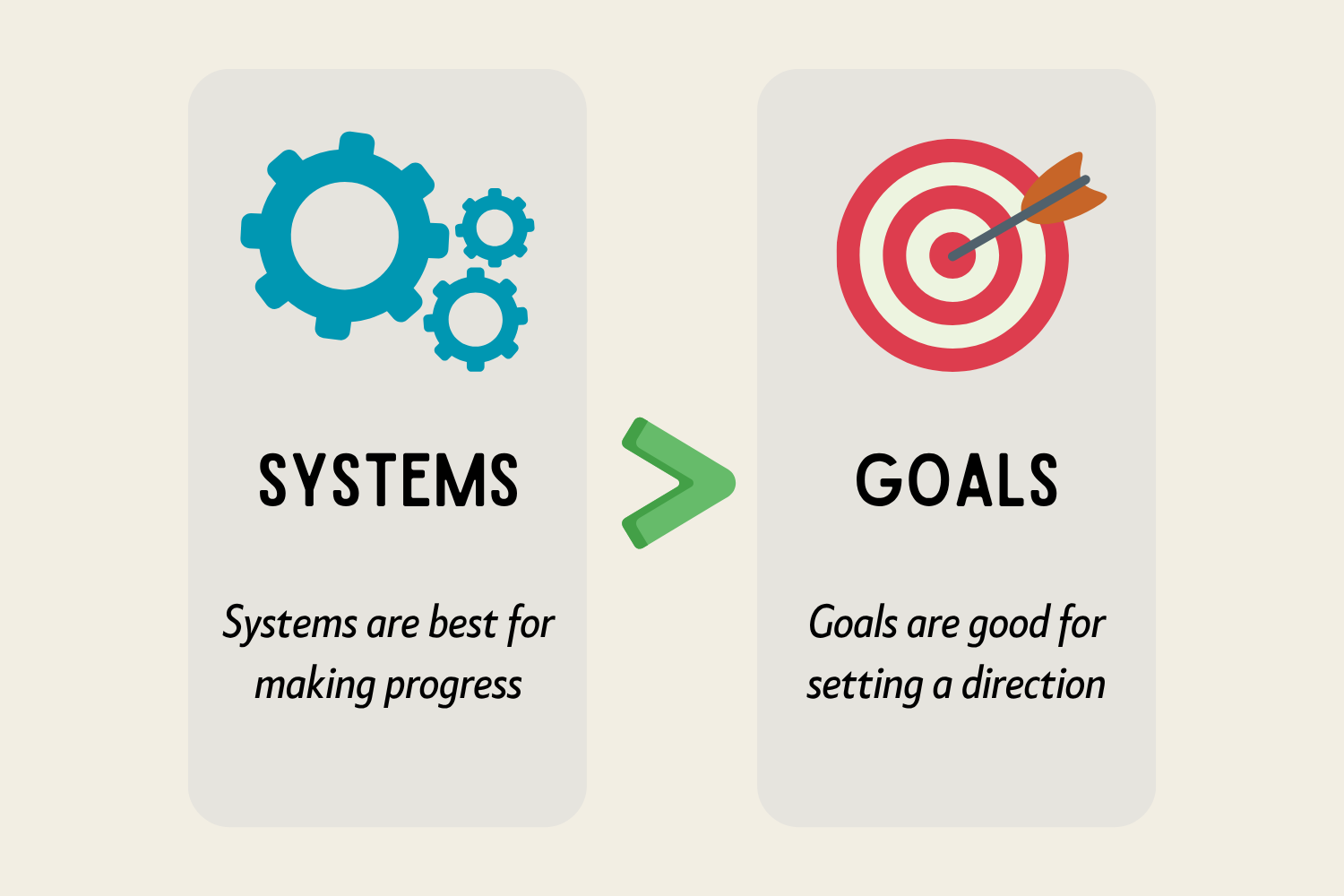
Systems > Goals
Results come from repeatable habits, not targets — turn every goal into a system of leading behaviors you design and track.
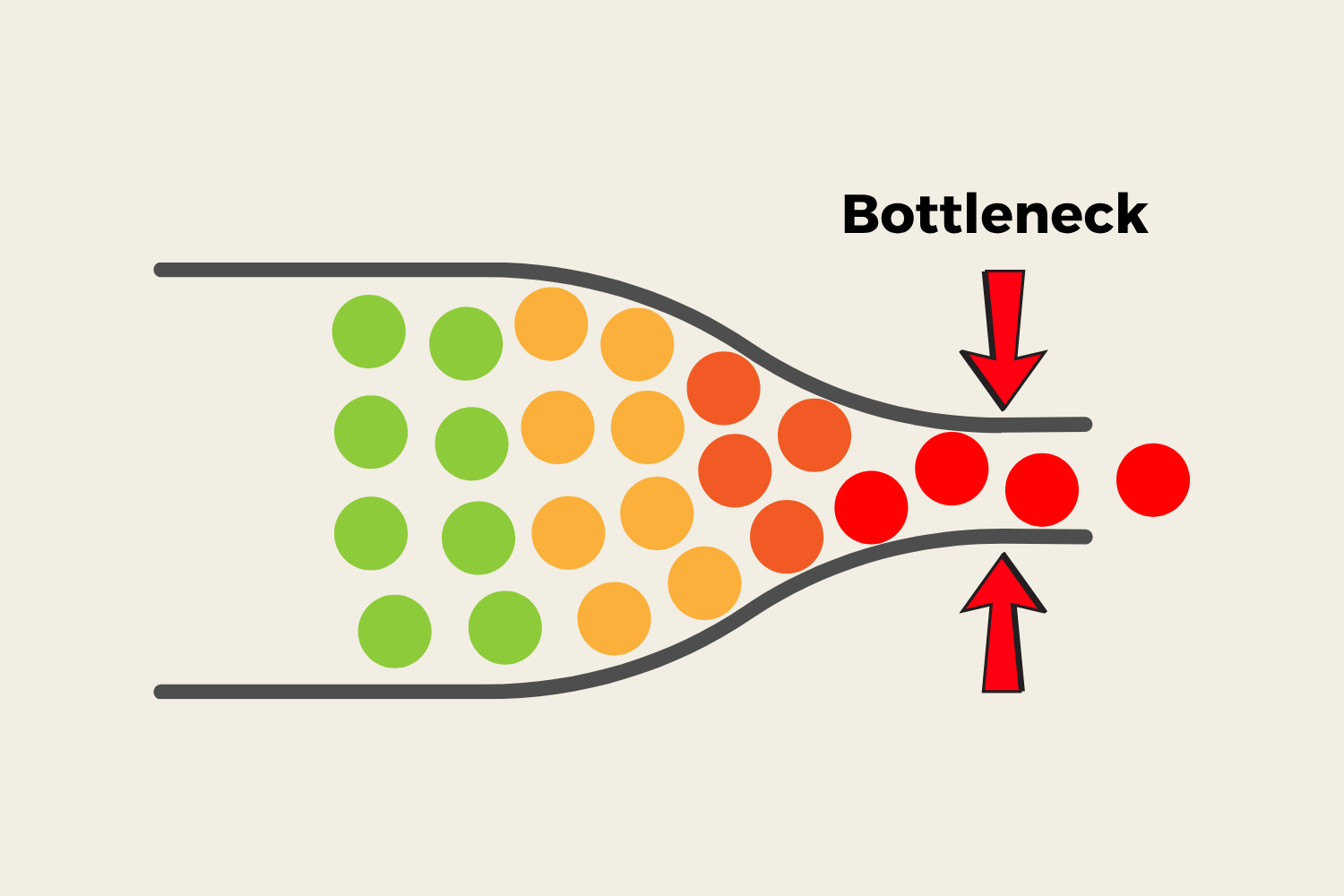
The Theory of Constraints
Every system has a bottleneck that caps everything it can produce — find that one constraint and put your energy there.