Conway's Law
Organizations build systems that mirror their own communication structure — your product's shape follows your org chart's shape.
 Find this on the mind-map
Introduction
Computer scientist Melvin Conway coined this idea in 1967: organizations design systems that mirror their own communication structure. Decades later, it's still one of the sharpest tools around for explaining why some products feel disjointed no matter how talented the team building them is.
How It Works
Put simply — your system will look like your org chart. Split your teams into frontend, backend, and platform, and your system follows those exact same lines. If the teams don't communicate well, the systems won't integrate well either.
"System" here means more than software. It's anything a customer can see: the product, the services, even what it feels like to go through customer support.
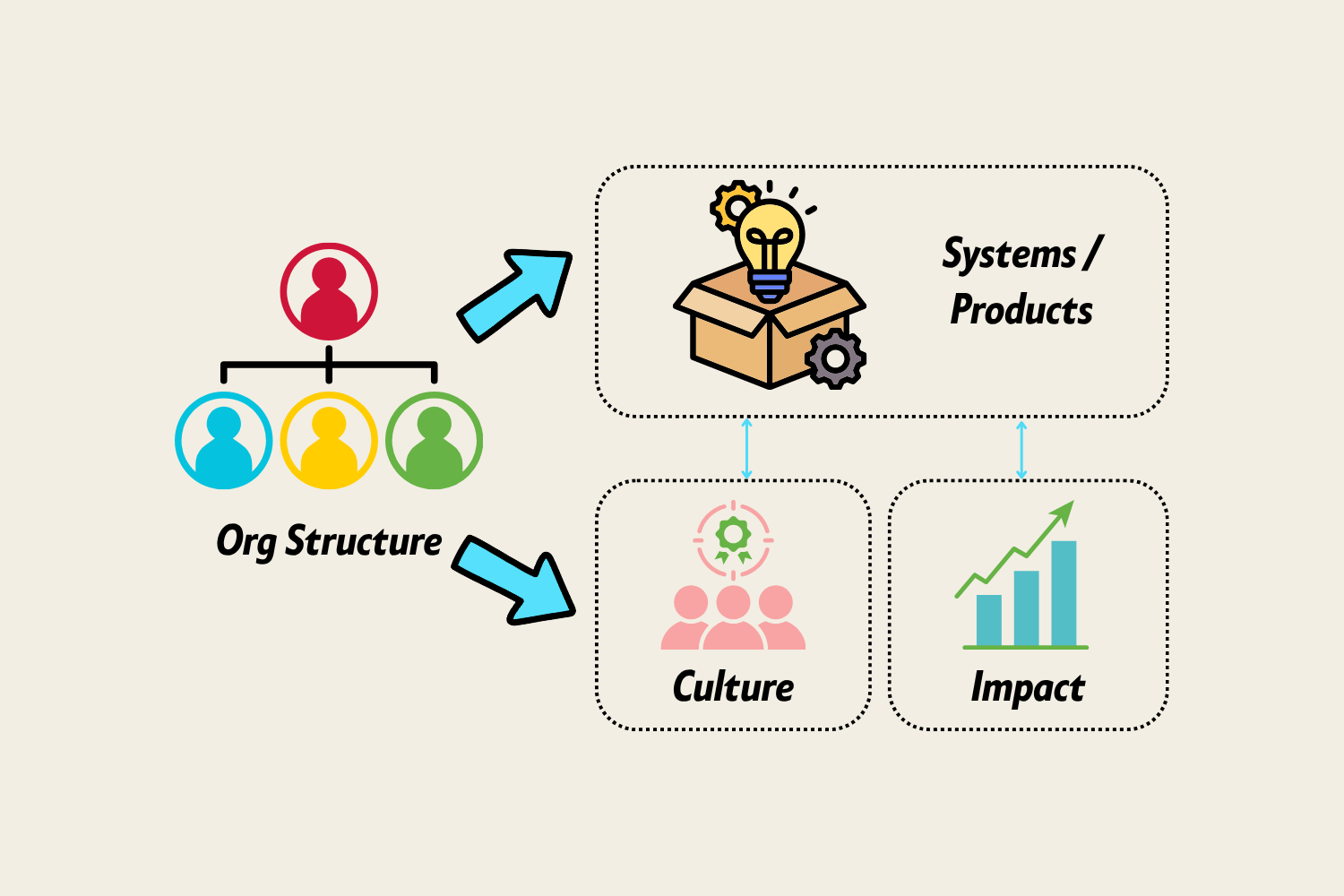
It only runs in one direction. You don't design the system directly — you design the organization, and the system follows from that. Every team boundary turns into a system boundary, and every communication gap turns into a point of friction. That flips the real design question from "how do I structure the system" to "how do I structure the teams."
Your org structure also sets your communication paths, your decision paths, and who talks to whom — which is how it reaches all the way into culture and business results.
The law shows up in five recurring patterns:
| Pattern | What happens |
|---|---|
| Layered structures | Split your teams by layer and your system splits by layer too. One feature now needs several teams, several handoffs, several coordination cycles. |
| Workload imbalance | Two teams own different capabilities, but demand isn't equal between them. One is constantly under pressure, the other has slack — the structure created that, not the people. |
| Roadmap long-poles | A critical initiative leans heavily on one team, so that team becomes the bottleneck, and roadmap conversations end up revolving around its capacity instead of business priority. |
| Platform services | A central team owns shared services and everyone depends on them. As the organization grows, the enabler quietly becomes the gate. |
| Matrix vs functional | In a matrix, people report to one team and work for another, so alignment is constant. In a functional org, boundaries are rigid and end-to-end ownership sits in one place. Most companies drift into one without ever deciding to. |
The pattern underneath all five: team boundaries shape system boundaries, ownership boundaries shape accountability, and your structure decides how fast and how clearly work actually gets done.
Why It Matters for Leaders
The most common version of this: you separate teams by technical layer because it looks clean on the org chart, then watch simple features take weeks because every change now touches three teams. The problem isn't the people, the effort, or the process — it's the structure, and every handoff has become a permanent tax on the system.
The customer-visible version cuts deeper. Picture a backend org split into a checkout team and a fulfillment team, each with its own meetings, processes, channels. The result: an experience where checkout feels like a completely different product from fulfillment tracking. The fix was merging the standups and connecting the communication channels — the architecture cleaned itself up without anyone touching a line of code.
That's the useful part, because it shows the law running in reverse. Change how your teams talk to each other, and the system follows. That makes org design one of the most powerful moves you have as a leader.
Ignore it and the cost shows up as coordination tax. Dependencies pile up, a clean design turns slow and hard to change, and delivery speed ends up set by your structure instead of business priority. None of that shows up on a performance review, so it gets blamed on people instead of design.
Structure also puts a ceiling on culture. Your boundaries decide who has context, who makes the calls, and who actually feels ownership — which is why a conversation about The Architecture of High-Performing Teams is really a conversation about structure. And wherever one team has become the constraint, The Theory of Constraints tells you exactly what that's doing to how much work actually gets through.
What to do next
Test your knowledge of Conway's Law
Practice Conway's Law
Apply Conway's Law to a real situation
Skills related to Conway's Law

Frameworks related to Conway's Law
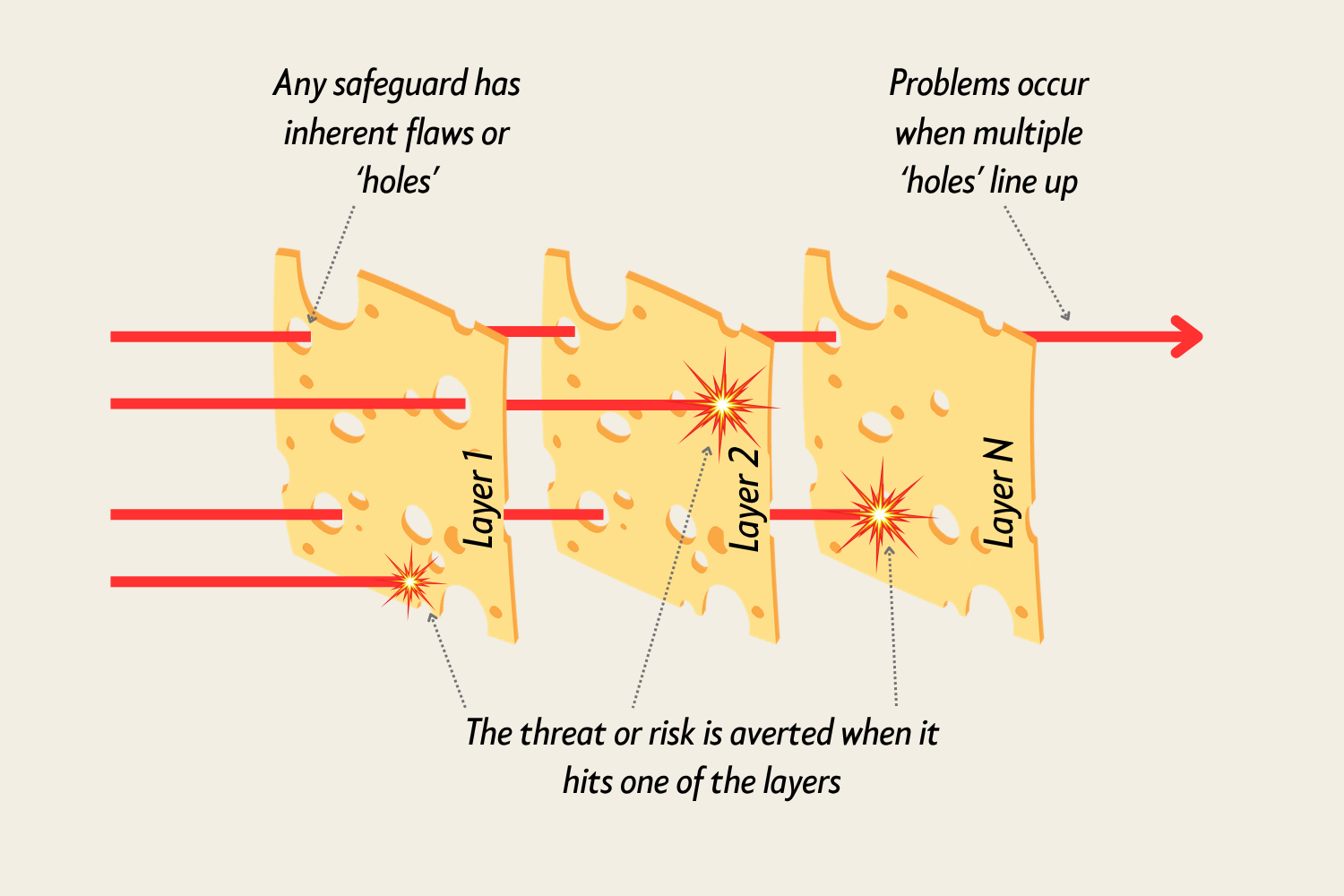
Swiss Cheese Model
Every layer of defense has holes — failure gets through only when several holes line up — fix is redundancy, not perfection.
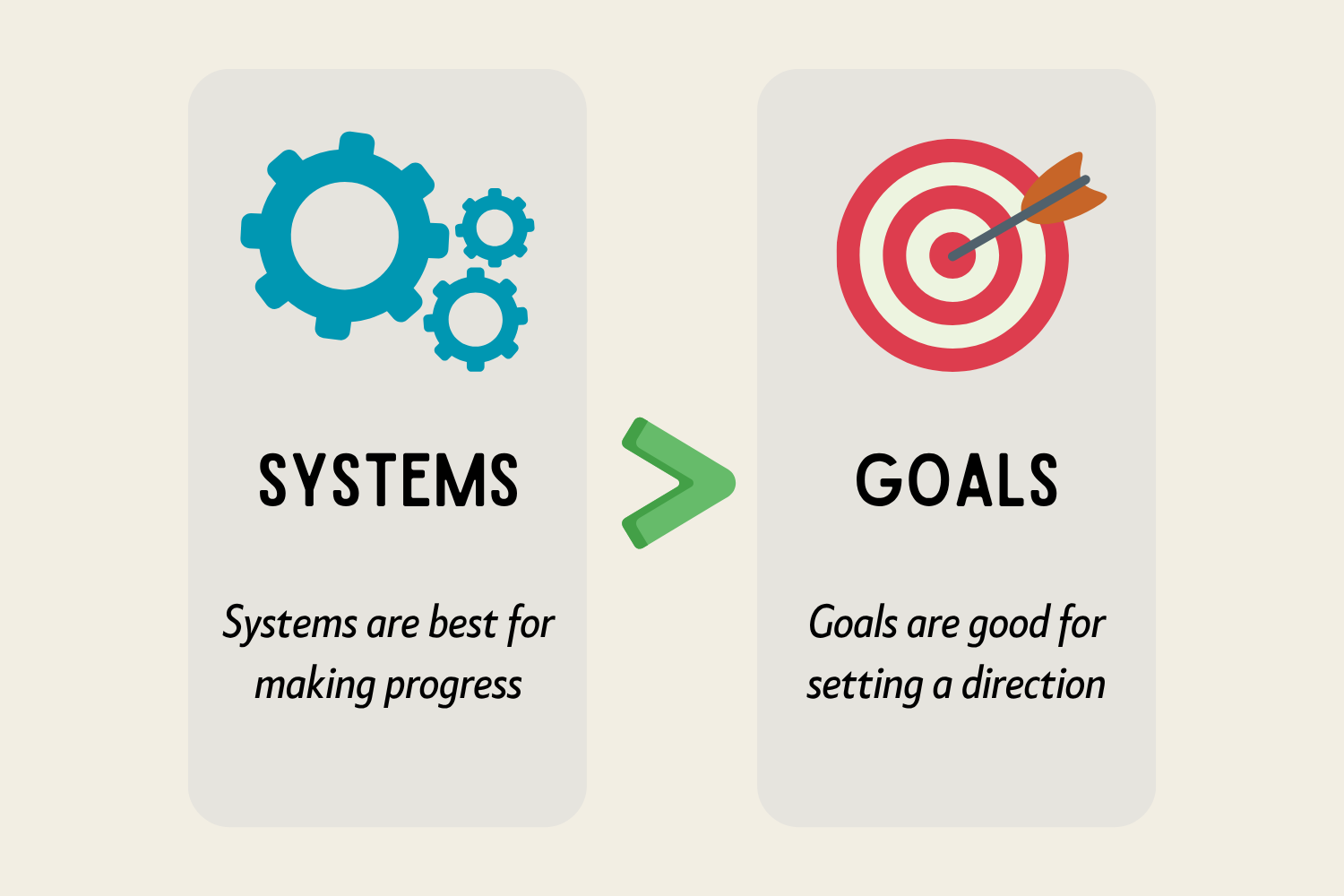
Systems > Goals
Results come from repeatable habits, not targets — turn every goal into a system of leading behaviors you design and track.

The Iceberg Model
Underneath an event sits a pattern, a structure, then the beliefs that built it — fix the wrong layer.
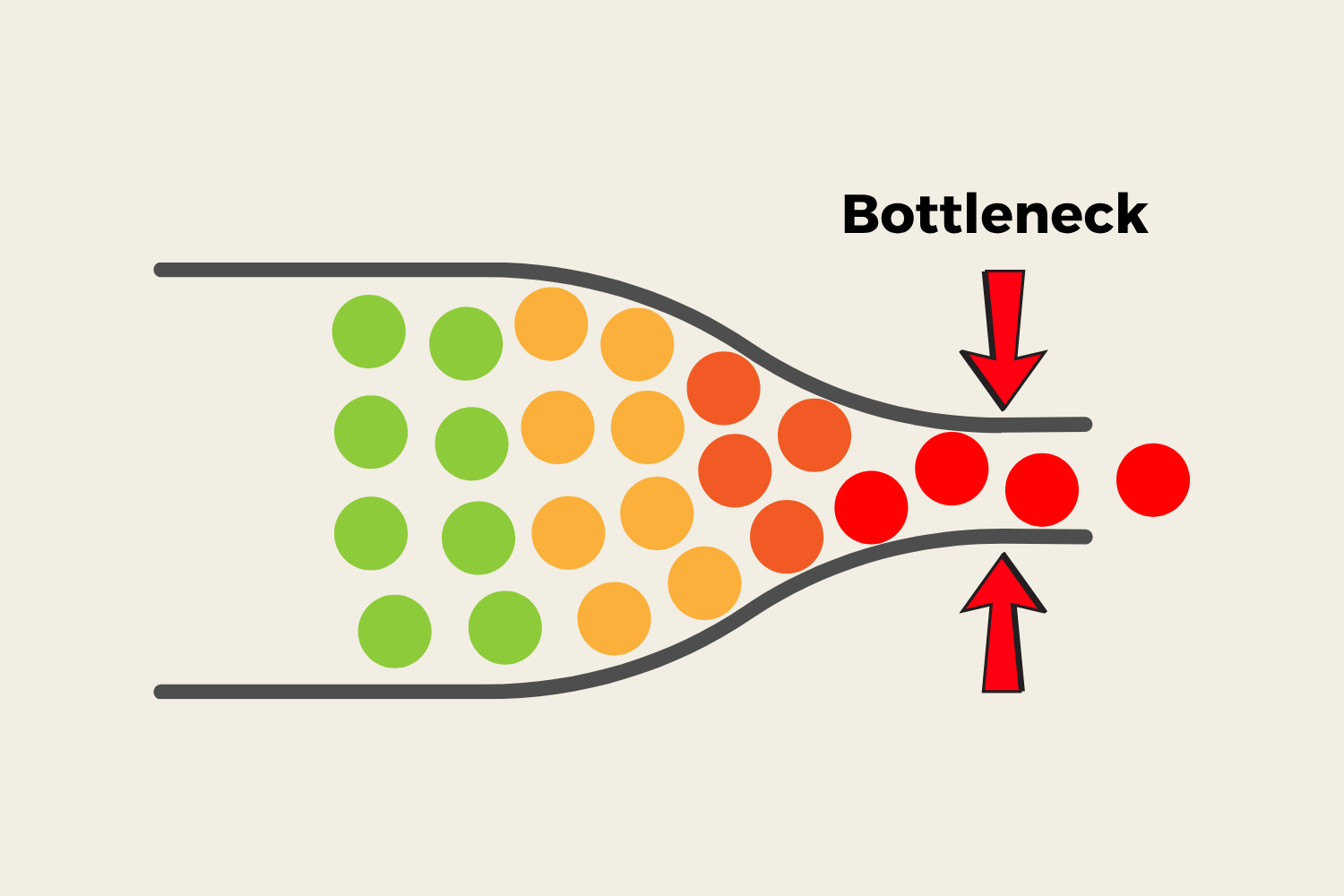
The Theory of Constraints
Every system has a bottleneck that caps everything it can produce — find that one constraint and put your energy there.