The Three Layers of Leadership
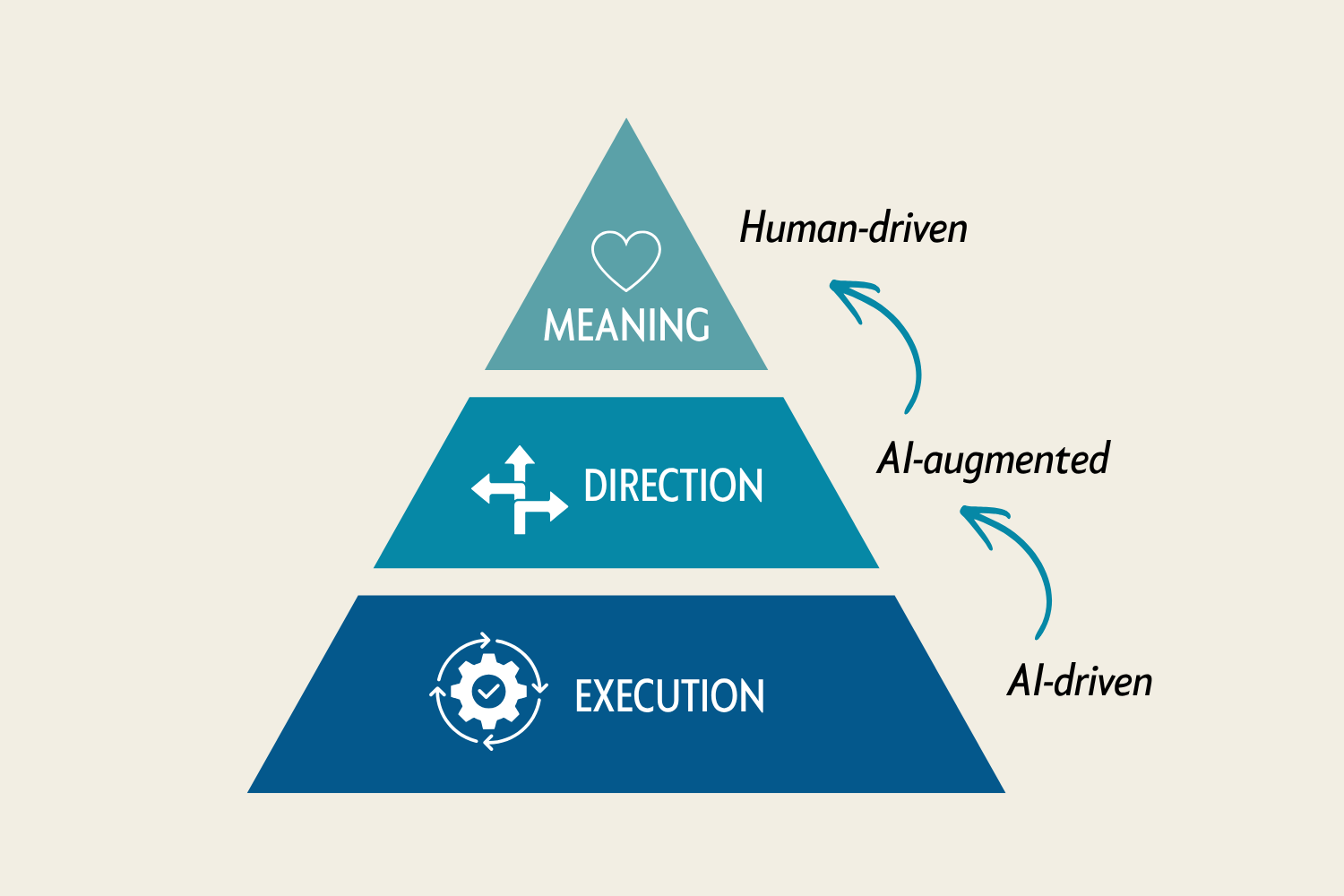
A pyramid — Execution, Direction, Meaning — where your value has to move up as AI automates execution.
 Find this on the mind-map
Introduction
Gaurav Jain set this out in The Good Boss to answer a question AI has made impossible to dodge: if the work that used to define good leadership can now get done on demand by a model, what does good leadership actually look like today?
The previous era rewarded a specific skill. Information was scarce and analysis took real time, so the leader who could make sense of complexity the fastest created real value. Being the sharpest, best-informed person in the room was the promotion path — and for a lot of managers, it became an identity rather than just a skill.
How It Works
AI can now do most of that itself, cheaply and quickly. Recalling context, spotting patterns across data, summarizing last quarter's decisions, drafting a stakeholder email — none of it stands out anymore. That creates a real crisis for you if your credibility was built on being the most analytical person in the room.
The model treats leadership as a pyramid with three layers stacked on top of each other.
| Layer | What it covers | What AI does to it |
|---|---|---|
| 3. Meaning (apex) | Why the work matters, what kind of team this is, what it stands for when things get hard | AI can write the all-hands slide. It can't handle failure in front of people, admit its own struggle, or make the work feel worth doing. |
| 2. Direction (middle) | Priorities, tradeoff calls, deciding what not to do, connecting daily work to strategy, asking the right question when data is ambiguous | AI generates scenarios, surfaces options, flags inconsistencies. It can't be accountable for the call. |
| 1. Execution (base) | Coordinating tasks, status updates, gathering context, pulling information together, first drafts, moving work forward through meetings and follow-ups | AI is eating this layer fast. Update emails, meeting summaries, roadmap risks, and blockers now take minutes. |
Layer 1: Execution. This is where most of your traditional leadership time goes — and it's the layer getting automated right out from under any manager who still lives there full-time.
Layer 2: Direction. Judgment still lives here. A model doesn't know which stakeholder relationship is more fragile than it looks, and it isn't accountable for the outcome of a decision. You are.
Layer 3: Meaning. Meaning was never a speech or a slide. It comes out of how you behave: how you handle failure, whether you admit your own struggle, whether your team stays connected to the point of the work. This layer depends entirely on you being human.
These three layers run parallel to The AI Culture Stack, which tells the same story from your team's side: permission, fluency, and judgment as the culture you have to build underneath the tools.
Why It Matters for Leaders
Most managers still spend the majority of their time at Layer 1 — and not because they're bad at their jobs. They're responding to what's loud: calendars with no gaps, Slack threads demanding attention, an inbox that keeps growing. AI hasn't changed that behavior yet, but it has made the cost of it impossible to ignore.
The leaders who thrive over the next year or three aren't the ones who use AI the most. They're the ones who hand Layer 1 work to AI, use AI to sharpen their judgment at Layer 2, and put more of themselves into Layer 3.
Two failure patterns show what getting stuck actually looks like. In the first, an experienced, well-respected manager sits in on every technical discussion, every status sync, every stakeholder update. Her team is trusted and has the same AI tools she does — it doesn't need her in the room. What it's not getting is Layer 2: clear priorities and a decision framework it can run without her. The fix isn't more presence at the base. It's moving up.
In the second, a high-performing team adopts AI tools fast, hits every delivery milestone, and starts to feel hollow anyway. Engagement slips even though the outcomes hold steady. That's a Layer 3 problem, and it's common in AI-augmented teams — when AI absorbs more of the work, the struggle, the craft, and the sense that a person's judgment actually mattered go with it, and what's left can feel transactional. The answer isn't fewer tools. It's investing harder in meaning.
The pyramid hasn't changed. It's asking to be climbed, and most managers are still standing at the base.
What to do next
Test your knowledge of The Three Layers of Leadership
Apply The Three Layers of Leadership to a real situation
Skills related to The Three Layers of Leadership

Leadership Development
Deliberately growing the next generation of leaders on your team, because your legacy ends up measured by the leaders you develop, not by what you accomplish alone.

Leading with AI
Knowing when to trust AI-generated work, when to dig into the reasoning behind it, and how to use it without letting your own judgment go soft.
Frameworks related to The Three Layers of Leadership
McKinsey 9-Box Model
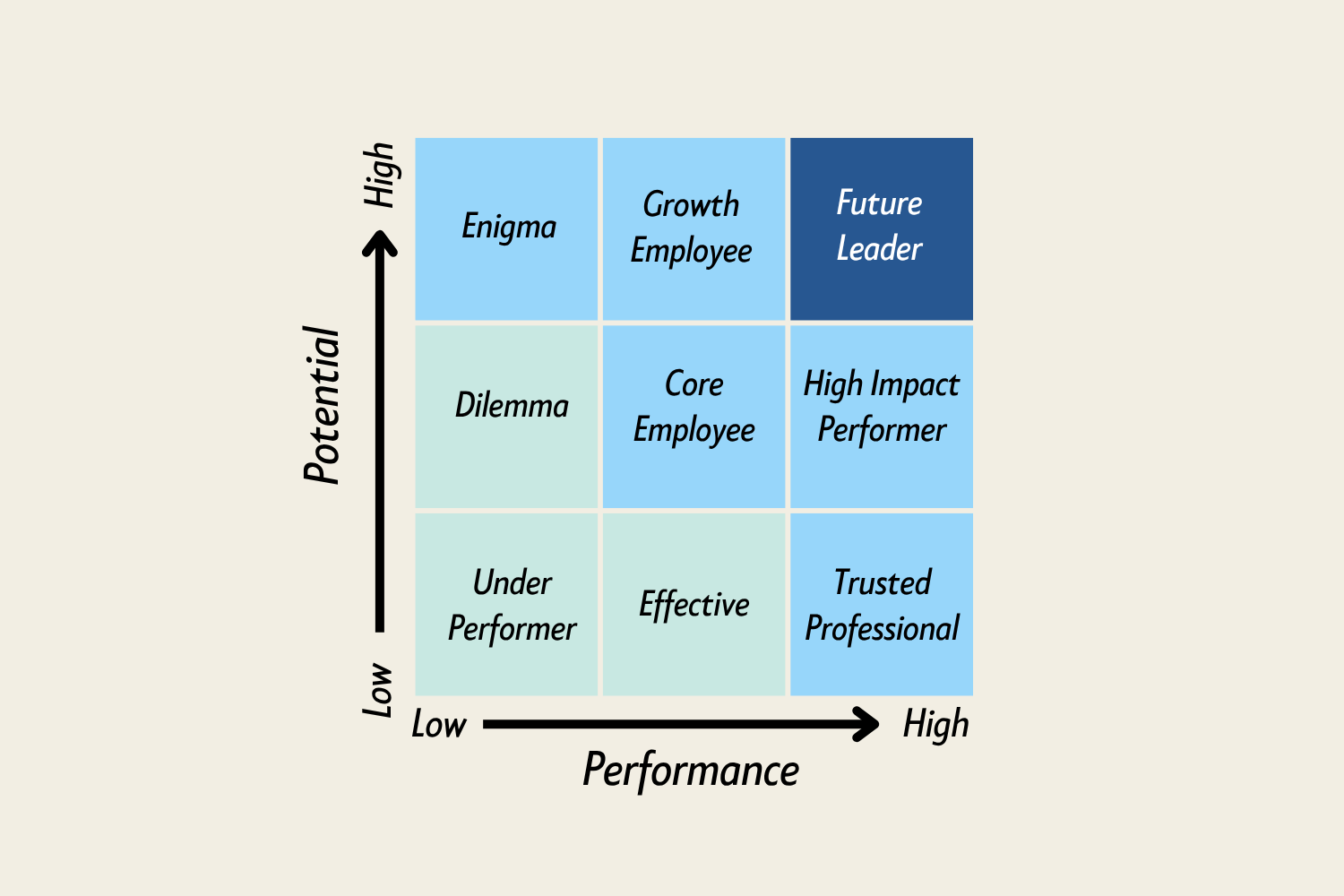
A 3x3 grid that plots each person on performance against potential, giving nine distinct calls instead of one blurry verdict.

Peter Principle
In a hierarchy, everyone rises to their level of incompetence, because promotion rewards your current job, not tomorrow's.
Servant Leadership
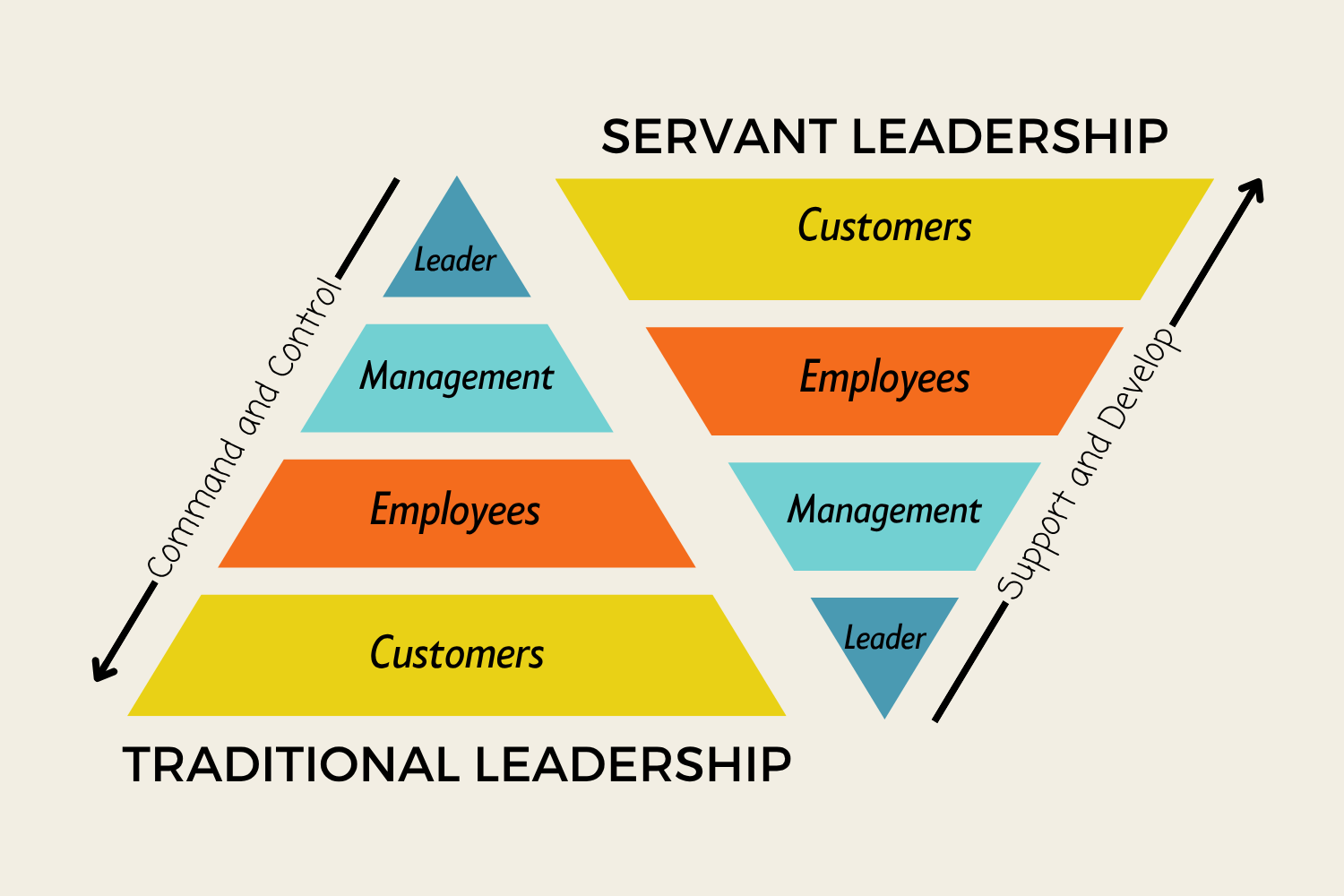
Flip "how can my team help me?" to "how can I help my team?" — job becomes removing obstacles, growing people.
The AI Confidence Trap
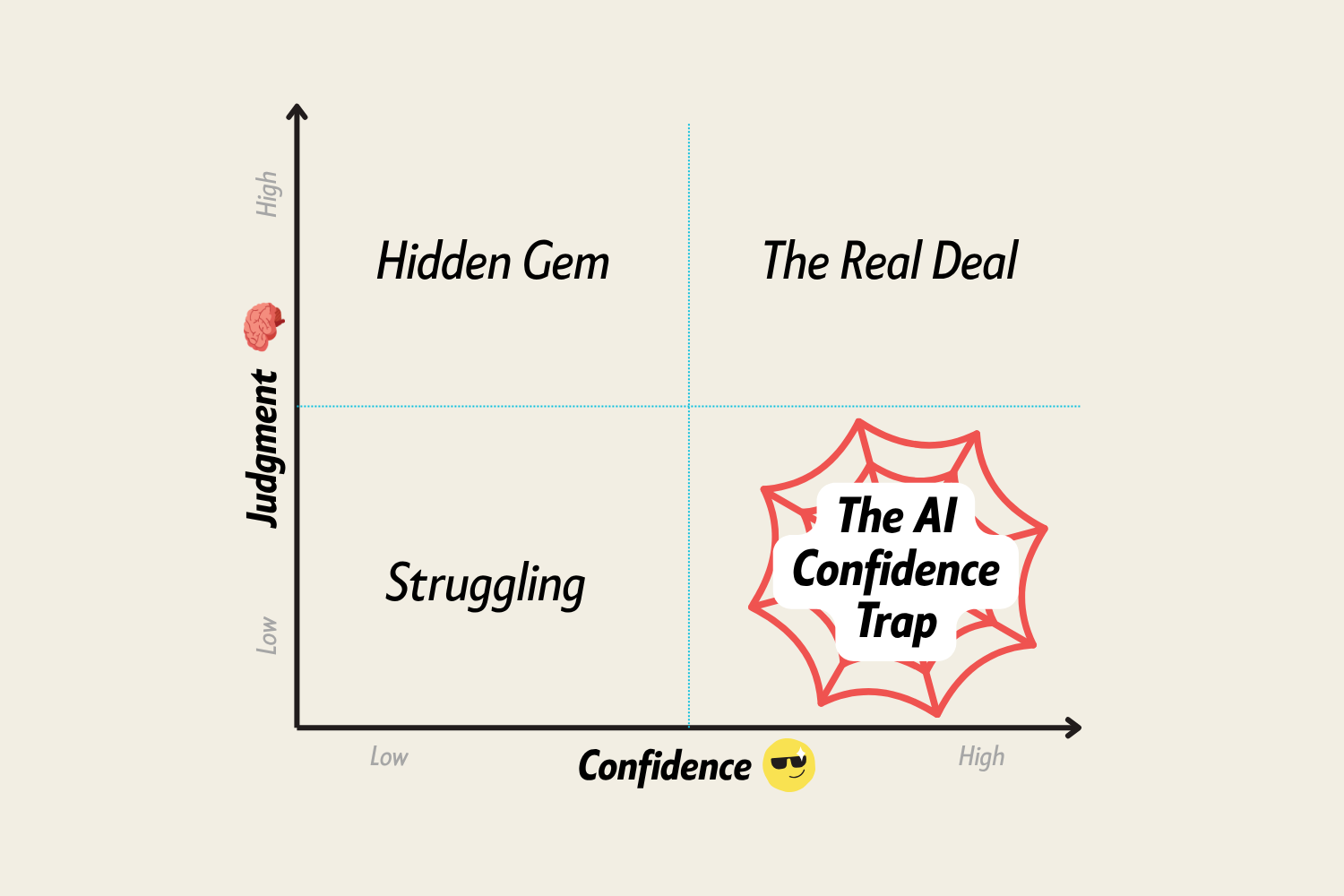
AI-polished output can look like real competence when the thinking behind it isn't there — judge the reasoning, not the polish.

The AI Culture Stack
Same AI tools and budget, wildly different results — the gap isn't the technology, it's three layers underneath: permission, fluency, judgment.

The AI Fluency Framework
AI fluency isn't a prompting skill — it's the same four competencies that make someone a good manager: delegating, briefing, reviewing, and owning.

The Leadership Code
Leadership runs on three traits — head, gut, heart — each toxic alone: competence without character is arrogance, courage without it reckless.
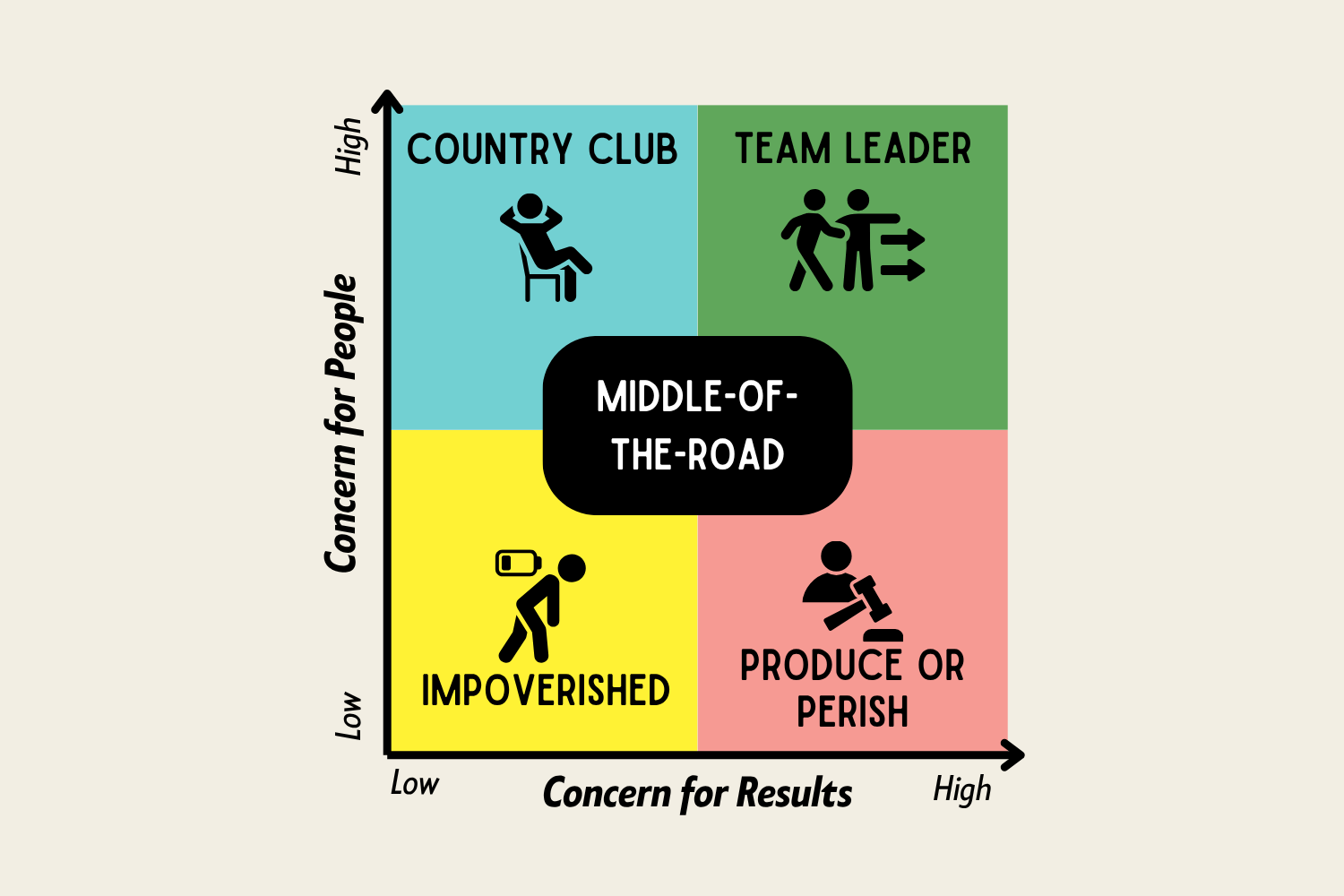
The Leadership Grid
Blake and Mouton mapped two axes — care for people, care for results — into five leadership styles you'll recognize instantly.
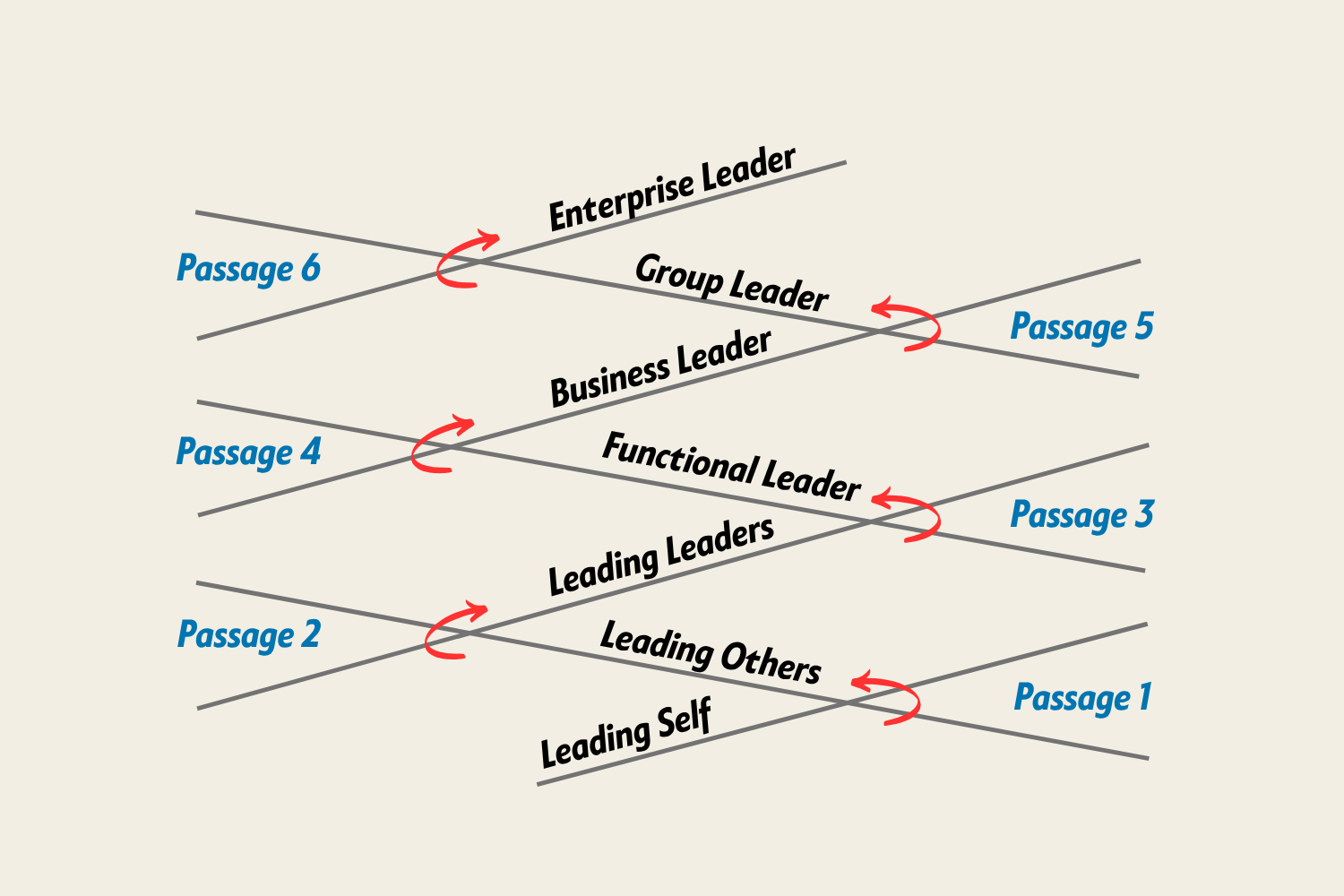
The Leadership Pipeline
Ram Charan mapped six passages into bigger leadership roles — at each one, old habits are exactly how you stall.
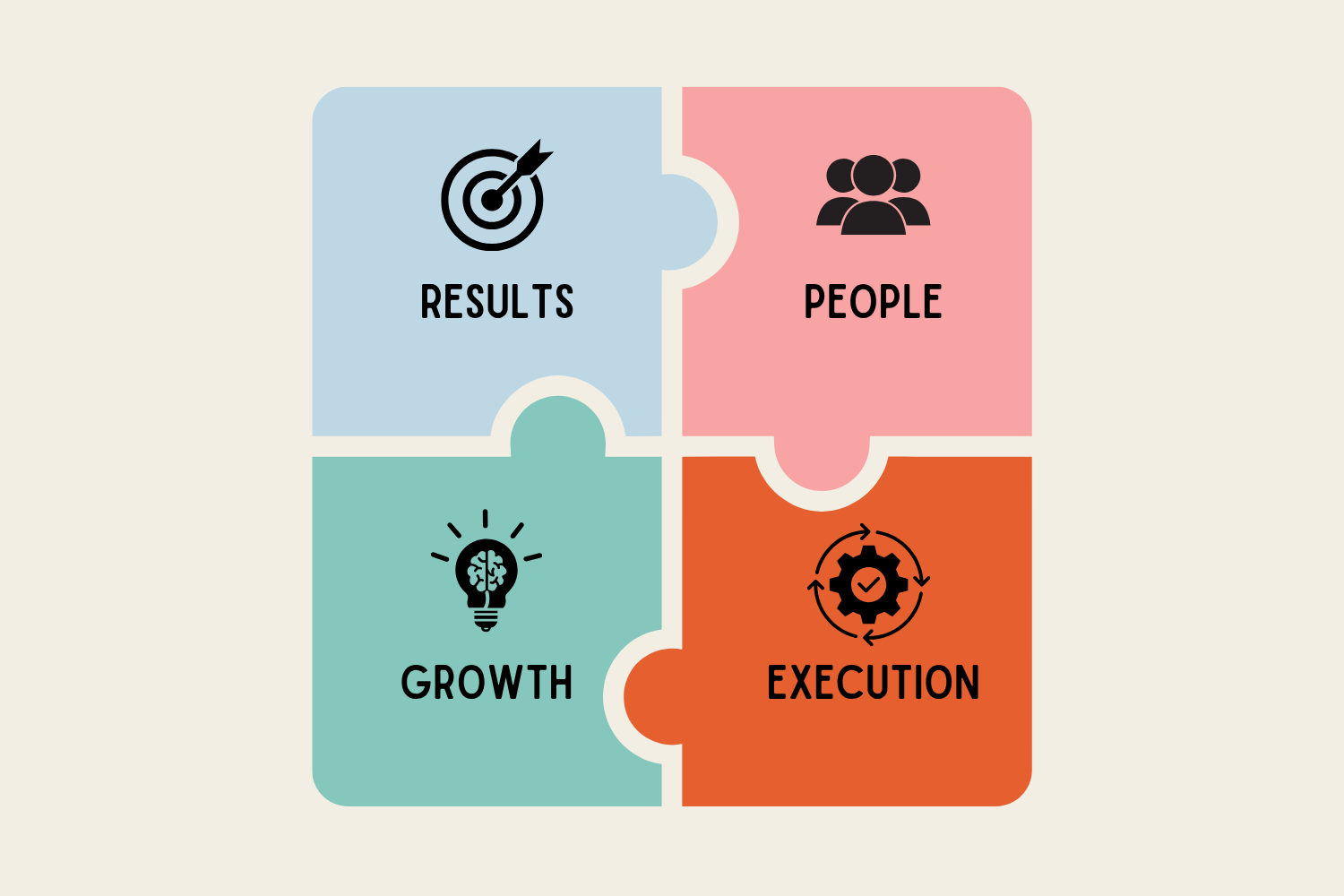
The Leadership Scorecard
A personal take on the Balanced Scorecard — Results, People, Execution, Growth — catching which one you're quietly neglecting.
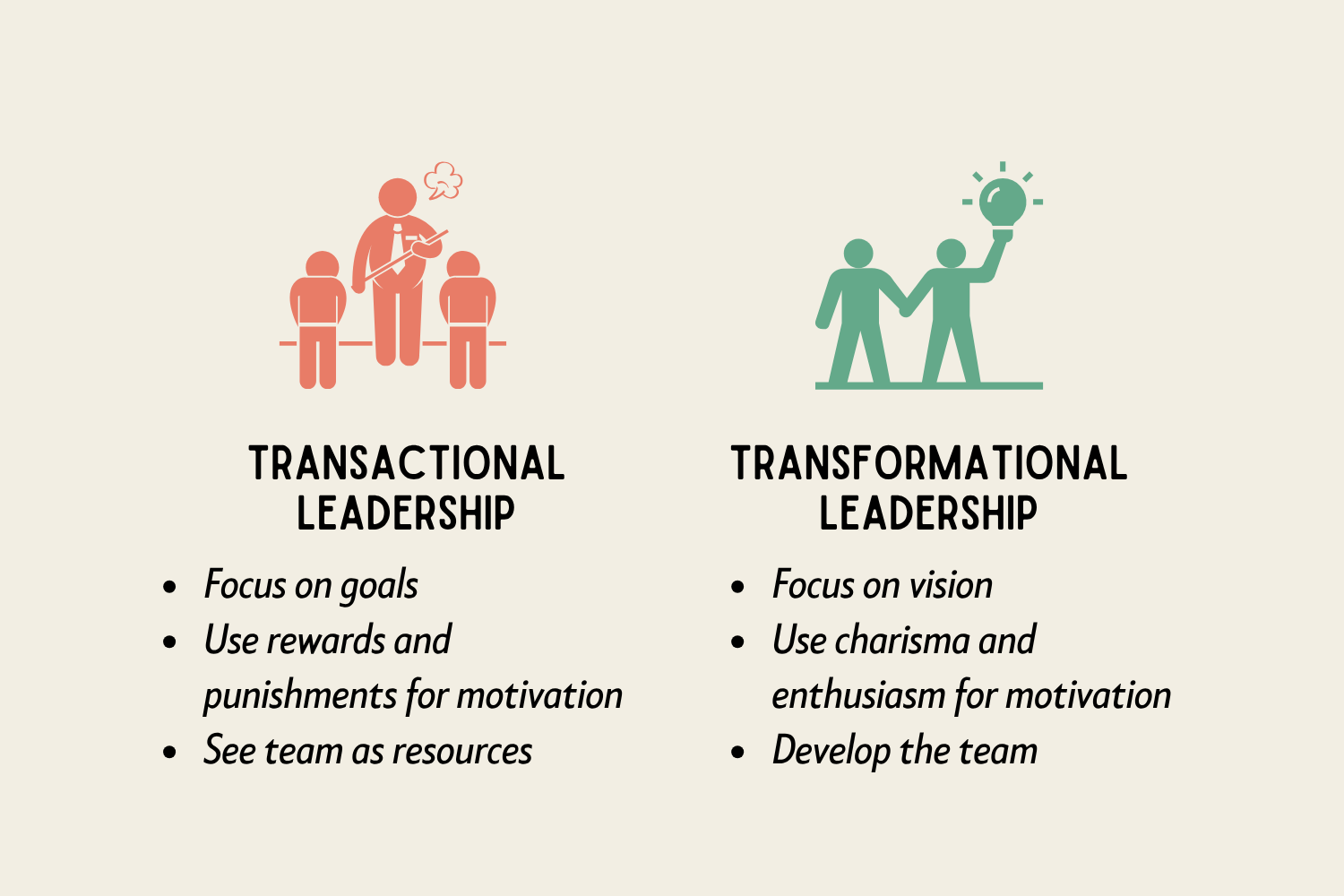
Transformational Leadership
Inspire people past self-interest and into a shared vision, raising what they aim for and what they're capable of.
Books related to The Three Layers of Leadership

AI 2041
Ten speculative-fiction stories set in the year 2041, each in a different country and paired with Kai-Fu Lee's nonfiction breakdown of the real technology underneath. A way of making abstract AI trends concrete by showing, not just telling, how they might actually land in ordinary lives.

AI Superpowers
Kai-Fu Lee's argument, from inside both Silicon Valley and the Chinese tech industry, that the AI race has shifted from who has the best research to who can actually ship and scale it. On that axis, the competitive map looks very different than Western coverage usually suggests.

Co-Intelligence
Wharton professor Ethan Mollick's field guide to actually working with generative AI day to day, treating it less like software and more like a fast, occasionally brilliant, occasionally confidently wrong new colleague.

Competing in the Age of AI
Two Harvard Business School professors' argument that AI-native firms aren't running a better version of your business. They're running a fundamentally different machine, one built to scale decisions at almost zero marginal cost.

Dare to Lead
Brené Brown's case that vulnerability isn't the opposite of strong leadership. It's the precondition for it, and the armor most leaders wear to look strong is usually what's actually holding their team back.

Developing the Leader Within You
John Maxwell's foundational case that leadership is influence, not title, and that the gap between "manager" and "leader" is a set of learnable habits, not a personality you were or weren't born with.

Drive
Daniel Pink's case that the carrot-and-stick playbook most managers inherited is actually the wrong tool for most of today's work, and what motivates people doing complex, creative work instead.

Empire of AI
Investigative journalist Karen Hao's case, built from years covering OpenAI and hundreds of interviews, that the leading AI labs should be understood not as idealistic research nonprofits but as empires in the old sense: extracting data, labor, and natural resources to concentrate power, dressed in the language of a mission to benefit humanity.

Extreme Ownership
Two Navy SEAL officers' blunt rule for leadership, forged in the Battle of Ramadi and translated straight into the business world: there are no bad teams, only bad leaders, and the leader owns every outcome, full stop, no exceptions, no shared blame.

Good to Great
Jim Collins' research into why some companies go from average to sustained market dominance, and others don't. Read less as a book about companies and more as a book about the kind of leader you have to become before a company (or a team) can get great.

Leadership in Turbulent Times
Historian Doris Kearns Goodwin places Lincoln, Theodore Roosevelt, FDR, and LBJ side by side and asks the same question about each: what did their worst personal crisis actually build in them, and how did they spend it once real power and a real emergency arrived at the same time.

Lean In
Sheryl Sandberg's argument that the barriers keeping women out of leadership are real on both sides: structural bias in how organizations operate, and self-imposed caution in how women are taught to see their own ambition. Fixing only one side leaves the other fully intact.

Mindset
Carol Dweck's research on why some people treat ability as fixed and others treat it as something built, and why the belief you hold about yourself shapes how your whole team learns, fails, and improves, often without anyone noticing it happening.

Prediction Machines
Three economists' reframing of AI, stripped of the hype: what modern machine learning actually does is make prediction cheap, and once prediction is cheap, the scarce, valuable thing left is judgment.

Primal Leadership
The case that a leader's mood isn't a private matter. It's contagious through the whole team, which makes emotional intelligence the real infrastructure underneath every other leadership skill.

The 21 Irrefutable Laws of Leadership
John Maxwell's attempt to turn leadership into something closer to a set of physical laws than a personality trait. Rules that hold regardless of your industry, your title, or how naturally charismatic you are.

The 5 Levels of Leadership
John Maxwell's map of how leadership actually gets earned, level by level, and why the title on your door only ever buys you the lowest, least durable form of it.

The Diary of a CEO
Steven Bartlett's attempt to turn hundreds of founder and expert conversations into 33 numbered laws, organized into four pillars: the self, the story, the philosophy, and the team.

Winning
Jack Welch's unapologetically blunt playbook for running a business and a team, built on the belief that most management dysfunction is really just a candor problem wearing a nicer name.