Primal Leadership
Daniel Goleman, Richard Boyatzis & Annie McKee
The case that a leader's mood isn't a private matter. It's contagious through the whole team, which makes emotional intelligence the real infrastructure underneath every other leadership skill.
 Find this on the mind-map
Introduction
The authors' central claim is that leadership's most primal task hasn't changed since humans first organized into groups: managing the collective emotional state of the people you lead. Strategy and competence matter, but a leader whose own emotional state is scattered, anxious, or checked-out transmits that state to the team faster than any memo can correct it. Emotional intelligence, in this book, isn't a soft add-on to leadership. It's the operating system everything else runs on.
Resonance and Dissonance
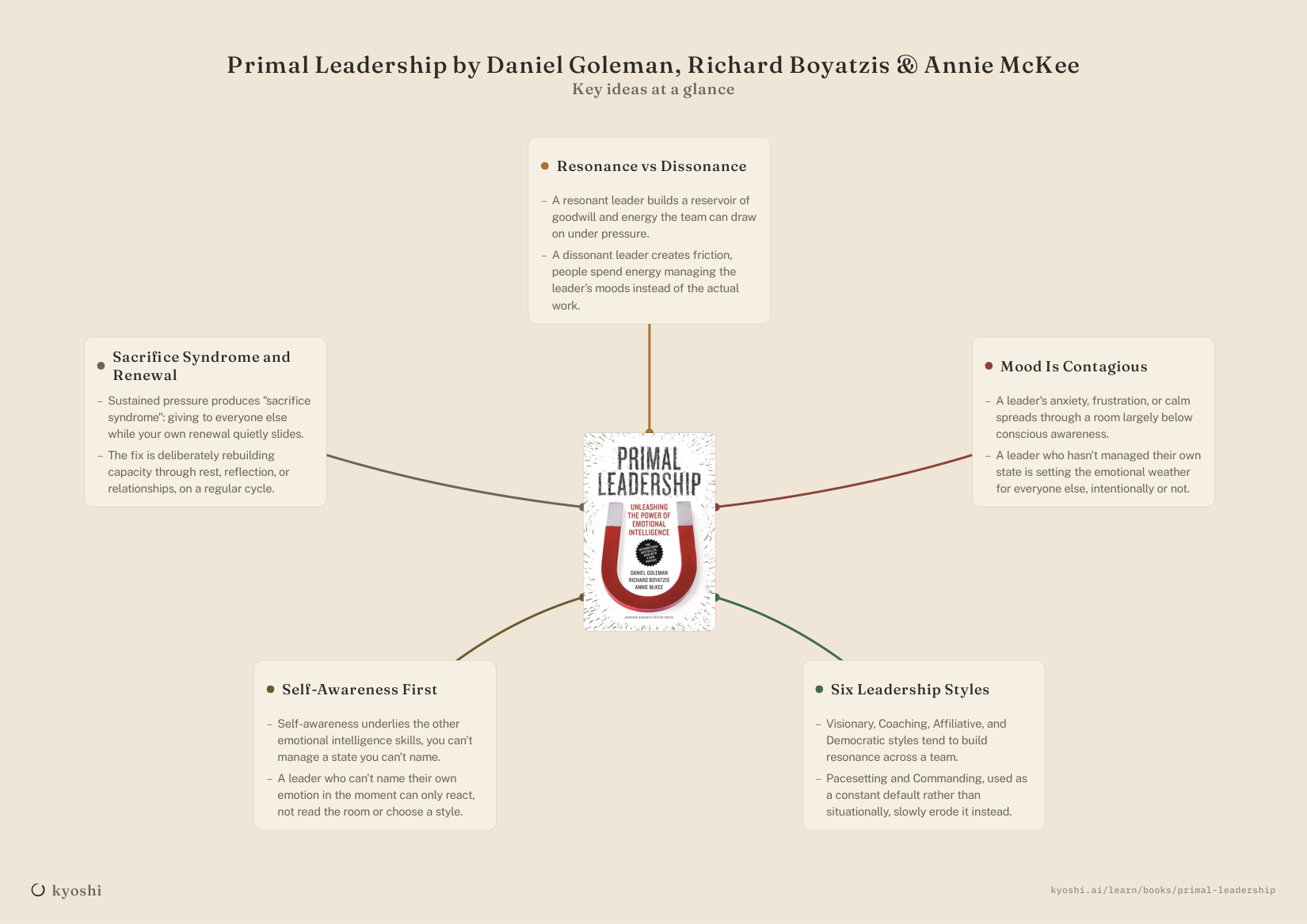
A "resonant" leader is in emotional sync with the people around them, which creates a kind of reservoir of goodwill and energy the team can draw on under pressure. A "dissonant" leader creates friction: people spend energy managing around the leader's moods instead of doing the actual work. Picture two leads announcing the same bad quarterly result: one names the disappointment honestly and pivots the room toward what's fixable; the other either panics visibly or fakes calm so badly nobody buys it. The team under the first leader channels the setback into action; the team under the second spends the next week managing the leader's emotional state instead of the problem.
Mood Is Contagious
Emotions spread through a group largely below conscious awareness. A leader's anxiety, frustration, or calm leaks into a room well before anyone names it out loud. This is why a leader's internal state during a crisis matters as much as their decisions: the room absorbs the tone whether or not the leader intends to broadcast it. A leader who hasn't done the work of managing their own emotional state isn't just having a bad day privately. They're setting the emotional weather for everyone around them.
Six Leadership Styles
The authors describe six distinct styles leaders move between: Visionary (rallying people around a shared picture of the future), Coaching (developing people's long-term capability), Affiliative (building harmony and relationships), Democratic (building buy-in through participation), Pacesetting (setting a high personal bar and expecting others to match it), and Commanding (directive, used in genuine emergencies). The first four tend to build resonance; the last two, used as a default rather than situationally, tend to erode it slowly, without much notice. A pacesetting leader who never switches out of that gear produces burnout even while hitting every number.
Self-Awareness as the Foundation
Of the underlying emotional intelligence competencies (self-awareness, self-management, social awareness, and relationship management), the authors treat self-awareness as the one nothing else can be built on top of without. A leader who can't accurately name their own emotional state in the moment can't manage it, read the room accurately, or adjust their style on purpose; they can only react.
Sacrifice Syndrome and Renewal
Sustained leadership under pressure produces a predictable toll the authors call "sacrifice syndrome": the leader keeps giving to everyone else's demands while letting their own renewal slide without much notice, which erodes exactly the emotional reserves the role depends on. The fix isn't working less in some generic sense, it's deliberately rebuilding capacity, through genuine rest, reflection, or relationships, on a cycle, rather than waiting for burnout to force the issue.
Putting It Together
Self-awareness is the starting point, because you can't manage a mood you can't name. From there, the six styles are the practical toolkit: resonant by default, with pacesetting and commanding held in reserve for when they're actually warranted. And because leading this way draws down real emotional reserves, renewal isn't optional self-care, it's maintenance on the exact capacity the whole model depends on.
Why It Matters for Leaders
Most managers think of their mood as their own business, something to manage privately so it doesn't "affect work." This book's hardest claim is that there's no such thing as a private mood when you're leading a team. People read your face in the first ten seconds of a meeting and calibrate their own behavior to it before you've said a word.
The practical use of this is diagnostic. If a team keeps tiptoeing around a topic, or results are fine but the room feels tense, the first place to look isn't the team's skill or workload. It's what you've been transmitting without meaning to. A leader who's anxious about a number but acting falsely upbeat usually isn't fooling anyone, and the gap between what they're saying and what they're radiating is exactly what people spend their energy managing around.
This also reframes what "staying calm under pressure" actually means. It isn't suppressing what you feel. It's naming it to yourself honestly enough that you can choose what to do with it, rather than leaking it sideways into the room unexamined. A leader who takes thirty seconds before a hard meeting to actually name what they're feeling walks in able to choose their tone on purpose instead of broadcasting whatever's underneath by default.
Picture a director, Wei, walking into an all-hands right after losing a major client. His instinct is to perform confidence, big smile, upbeat energy, hoping the team won't notice. The team notices anyway, and the forced calm reads as worse news than the truth would have. The better move is to name the setback plainly, say honestly that it's a real hit, and then point at the one thing the team can actually do about it this week. That's the difference between a leader whose team spends the next few days managing his mood and one whose team spends it doing the actual work.
What to do next
Reinforce your understanding of Primal Leadership
Books related to Primal Leadership

Dare to Lead
Brené Brown's case that vulnerability isn't the opposite of strong leadership. It's the precondition for it, and the armor most leaders wear to look strong is usually what's actually holding their team back.

Developing the Leader Within You
John Maxwell's foundational case that leadership is influence, not title, and that the gap between "manager" and "leader" is a set of learnable habits, not a personality you were or weren't born with.

Drive
Daniel Pink's case that the carrot-and-stick playbook most managers inherited is actually the wrong tool for most of today's work, and what motivates people doing complex, creative work instead.

Emotional Intelligence
Daniel Goleman's case that how you handle emotion, your own and everyone else's, predicts success better than raw intellect. The book that put "EQ" into every manager's vocabulary, for good reason.

Emotional Intelligence 2.0
The practical, test-and-strategies follow-up to the emotional intelligence conversation: less theory, more "here's exactly what to do on Tuesday," built around four skills you can actually practice and measure.

Extreme Ownership
Two Navy SEAL officers' blunt rule for leadership, forged in the Battle of Ramadi and translated straight into the business world: there are no bad teams, only bad leaders, and the leader owns every outcome, full stop, no exceptions, no shared blame.

Good to Great
Jim Collins' research into why some companies go from average to sustained market dominance, and others don't. Read less as a book about companies and more as a book about the kind of leader you have to become before a company (or a team) can get great.

Leadership in Turbulent Times
Historian Doris Kearns Goodwin places Lincoln, Theodore Roosevelt, FDR, and LBJ side by side and asks the same question about each: what did their worst personal crisis actually build in them, and how did they spend it once real power and a real emergency arrived at the same time.

Lean In
Sheryl Sandberg's argument that the barriers keeping women out of leadership are real on both sides: structural bias in how organizations operate, and self-imposed caution in how women are taught to see their own ambition. Fixing only one side leaves the other fully intact.

Mindset
Carol Dweck's research on why some people treat ability as fixed and others treat it as something built, and why the belief you hold about yourself shapes how your whole team learns, fails, and improves, often without anyone noticing it happening.

Stillness Is the Key
Ryan Holiday's case that the people who handle pressure, power, and chaos best aren't the busiest or the most driven, they're the ones who've built real stillness into their mind, body, and sense of purpose, usually against the current of everything around them.

The 21 Irrefutable Laws of Leadership
John Maxwell's attempt to turn leadership into something closer to a set of physical laws than a personality trait. Rules that hold regardless of your industry, your title, or how naturally charismatic you are.

The 5 Levels of Leadership
John Maxwell's map of how leadership actually gets earned, level by level, and why the title on your door only ever buys you the lowest, least durable form of it.

The Daily Stoic
A year of short, daily meditations drawn from Marcus Aurelius, Seneca, and Epictetus, organized into one practical claim: the ancient Stoics weren't writing philosophy for philosophers. They were writing a manual for getting through hard days without losing yourself.

The Diary of a CEO
Steven Bartlett's attempt to turn hundreds of founder and expert conversations into 33 numbered laws, organized into four pillars: the self, the story, the philosophy, and the team.

Think Again
Adam Grant's case that rethinking, actually changing your mind when the facts say you should, is a skill most smart people are terrible at, and a direct challenge to any manager who treats changing position as a sign of weakness.

Winning
Jack Welch's unapologetically blunt playbook for running a business and a team, built on the belief that most management dysfunction is really just a candor problem wearing a nicer name.
Skills related to Primal Leadership

Leadership Development
Deliberately growing the next generation of leaders on your team, because your legacy ends up measured by the leaders you develop, not by what you accomplish alone.

Self-Awareness
Knowing your own strengths, blind spots, and emotional patterns — and knowing how they actually land on the people around you.
Frameworks related to Primal Leadership
Circle of Competence
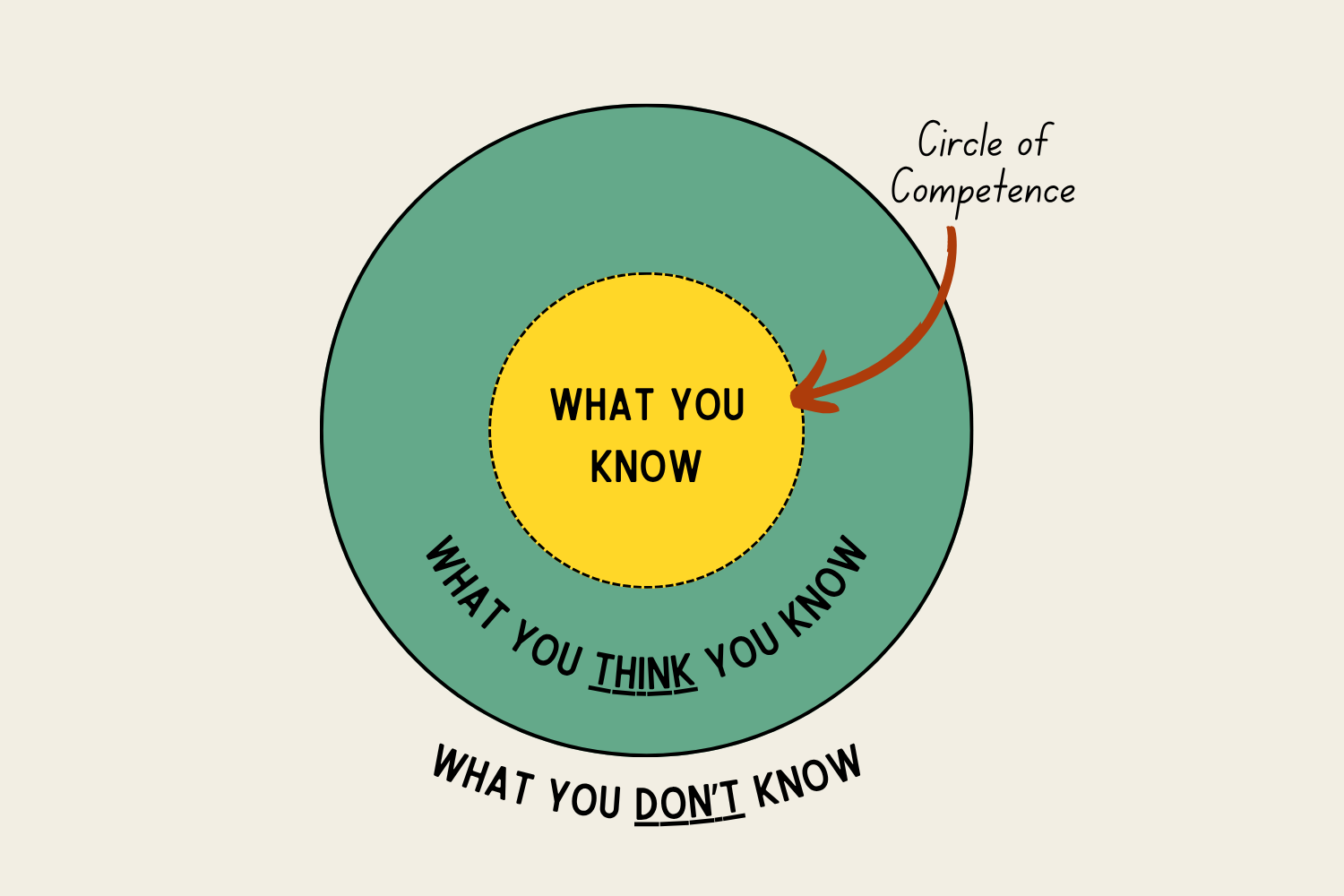
Buffett and Munger's model for knowing exactly where your understanding ends — size doesn't matter, honesty about the edge does.

EQ Framework
A 2x2 of emotional intelligence — self or social, noticing or acting — giving four skills: self-awareness, self-management, social awareness, relationship management.

Johari Window
A 2x2 mapping what you know about yourself against what others know — exposing blind spots, building trust through disclosure.
Ladder of Inference
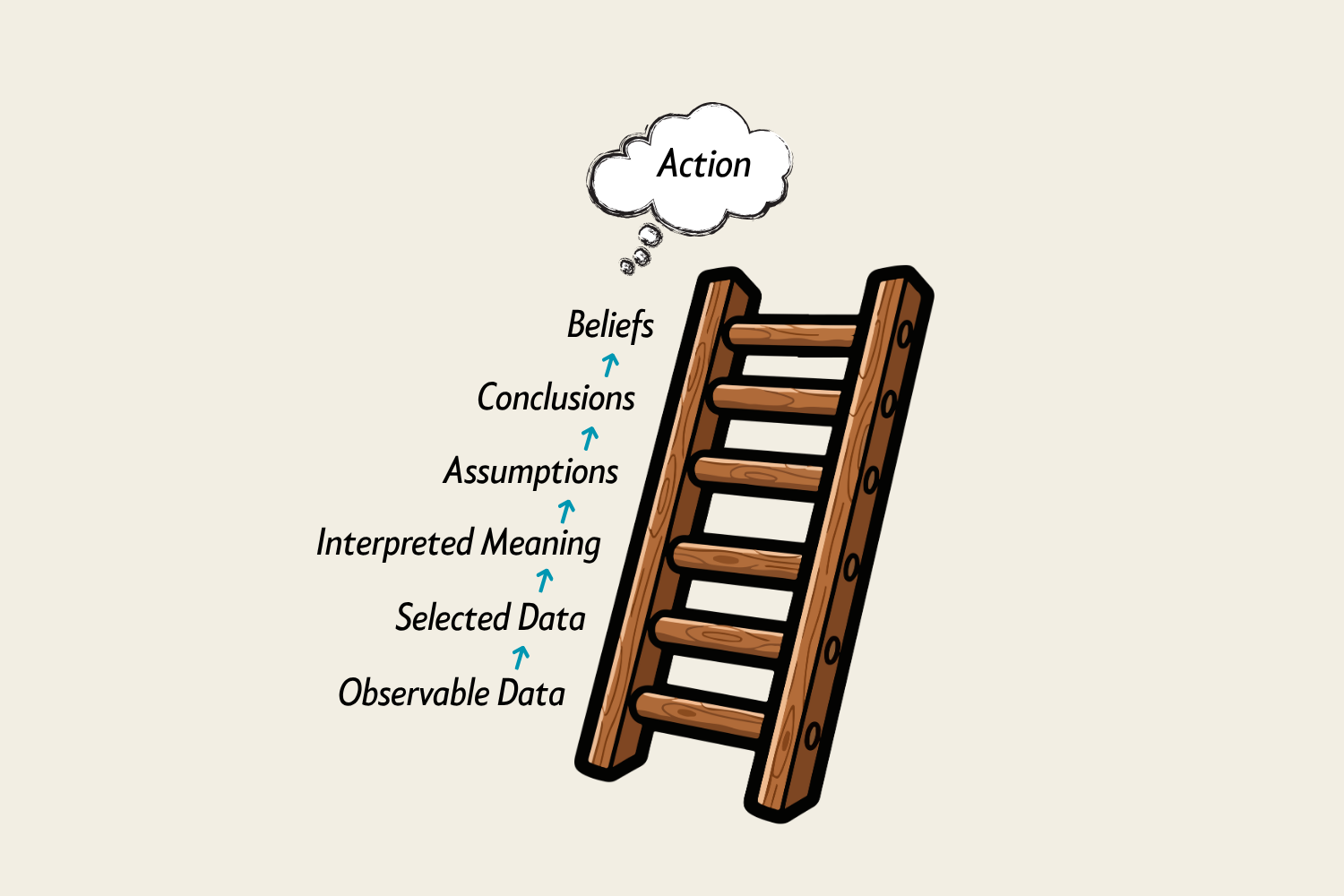
Your mind turns a fact into belief through selection and assumption — you end up arguing with a story, not reality.
McKinsey 9-Box Model
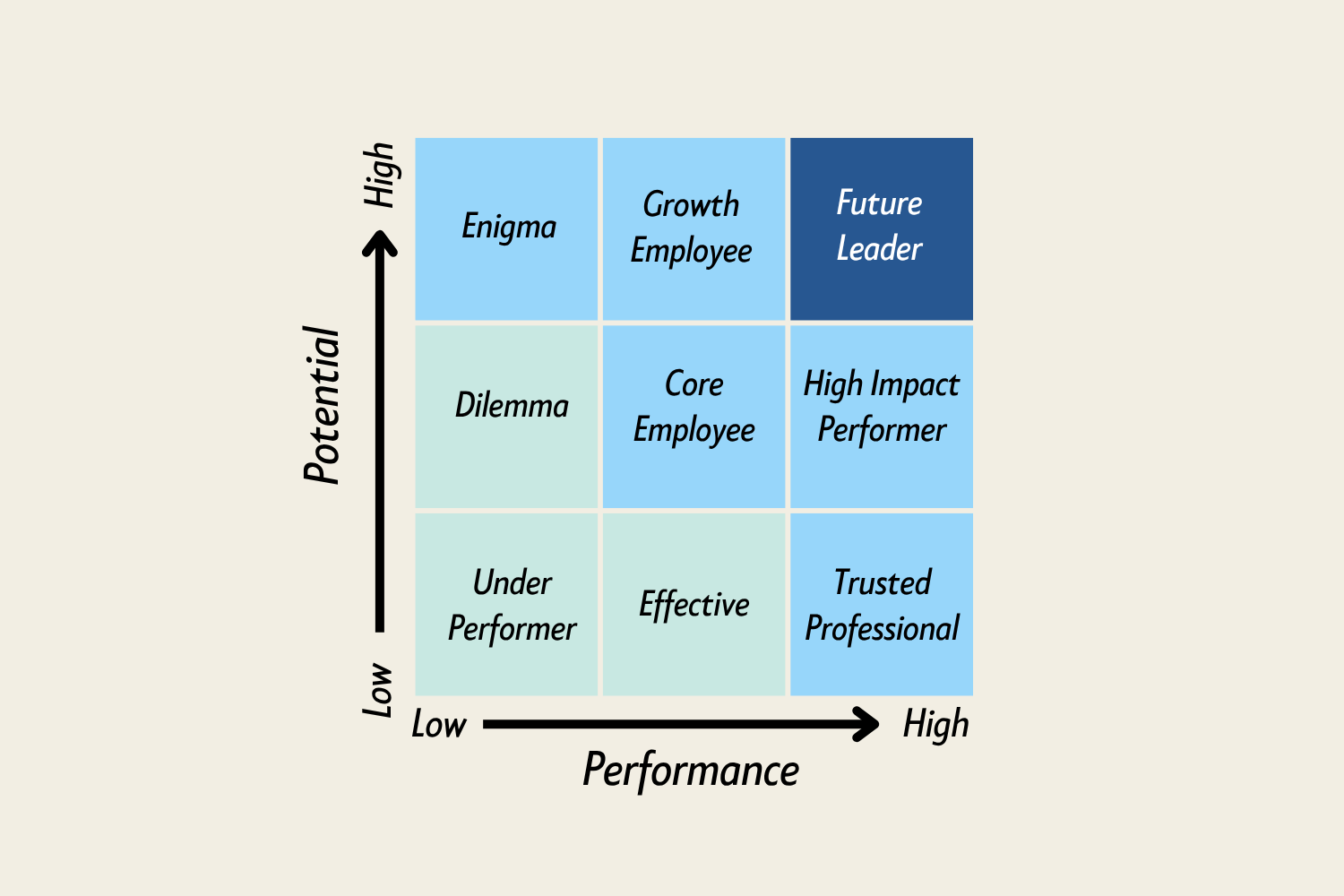
A 3x3 grid that plots each person on performance against potential, giving nine distinct calls instead of one blurry verdict.

Peter Principle
In a hierarchy, everyone rises to their level of incompetence, because promotion rewards your current job, not tomorrow's.
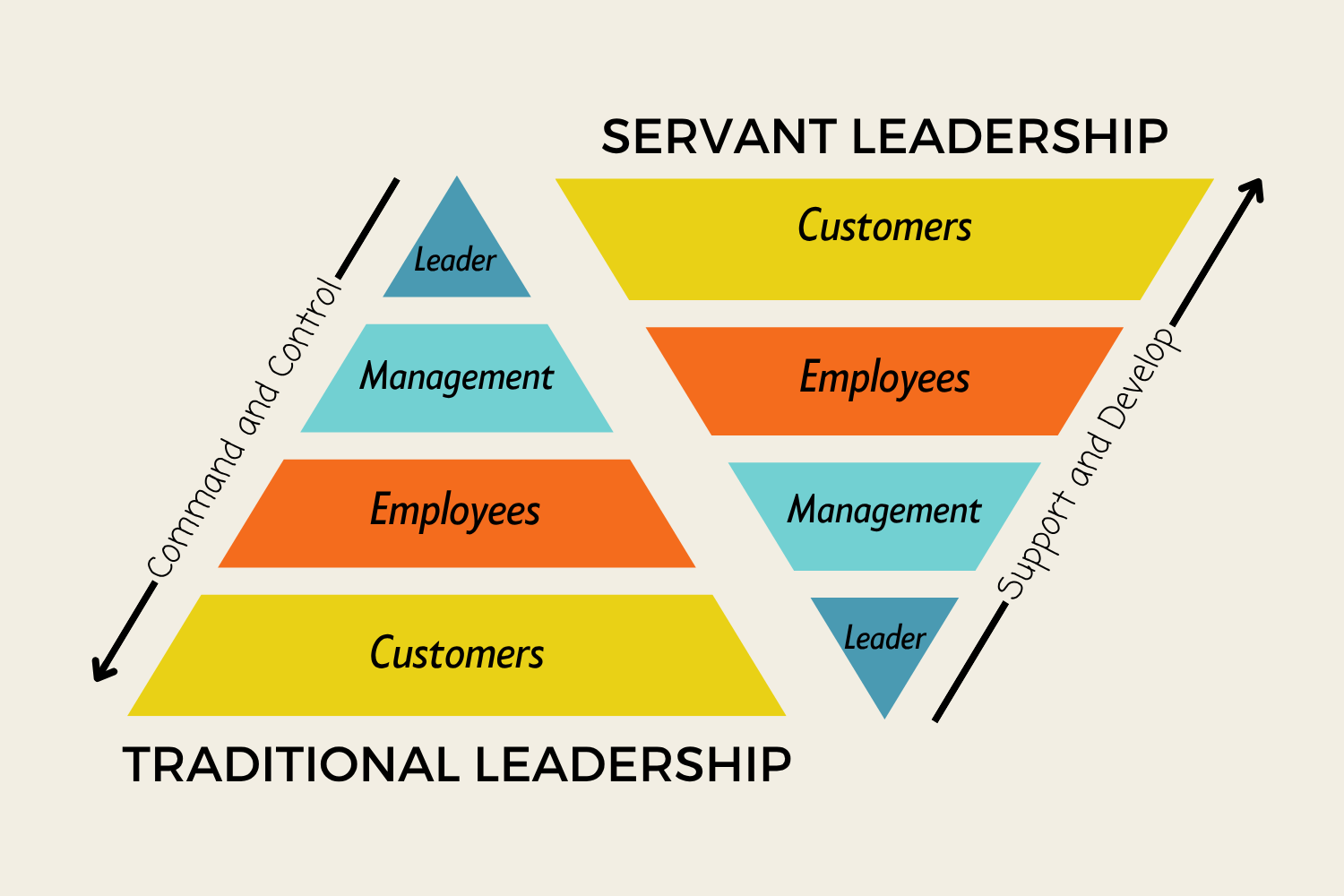
Servant Leadership
Flip "how can my team help me?" to "how can I help my team?" — job becomes removing obstacles, growing people.

The Four Temperaments
An ancient personality model — Sanguine, Choleric, Melancholic, Phlegmatic — a fast vocabulary for reading your style, your team, and your boss.

The Leadership Code
Leadership runs on three traits — head, gut, heart — each toxic alone: competence without character is arrogance, courage without it reckless.
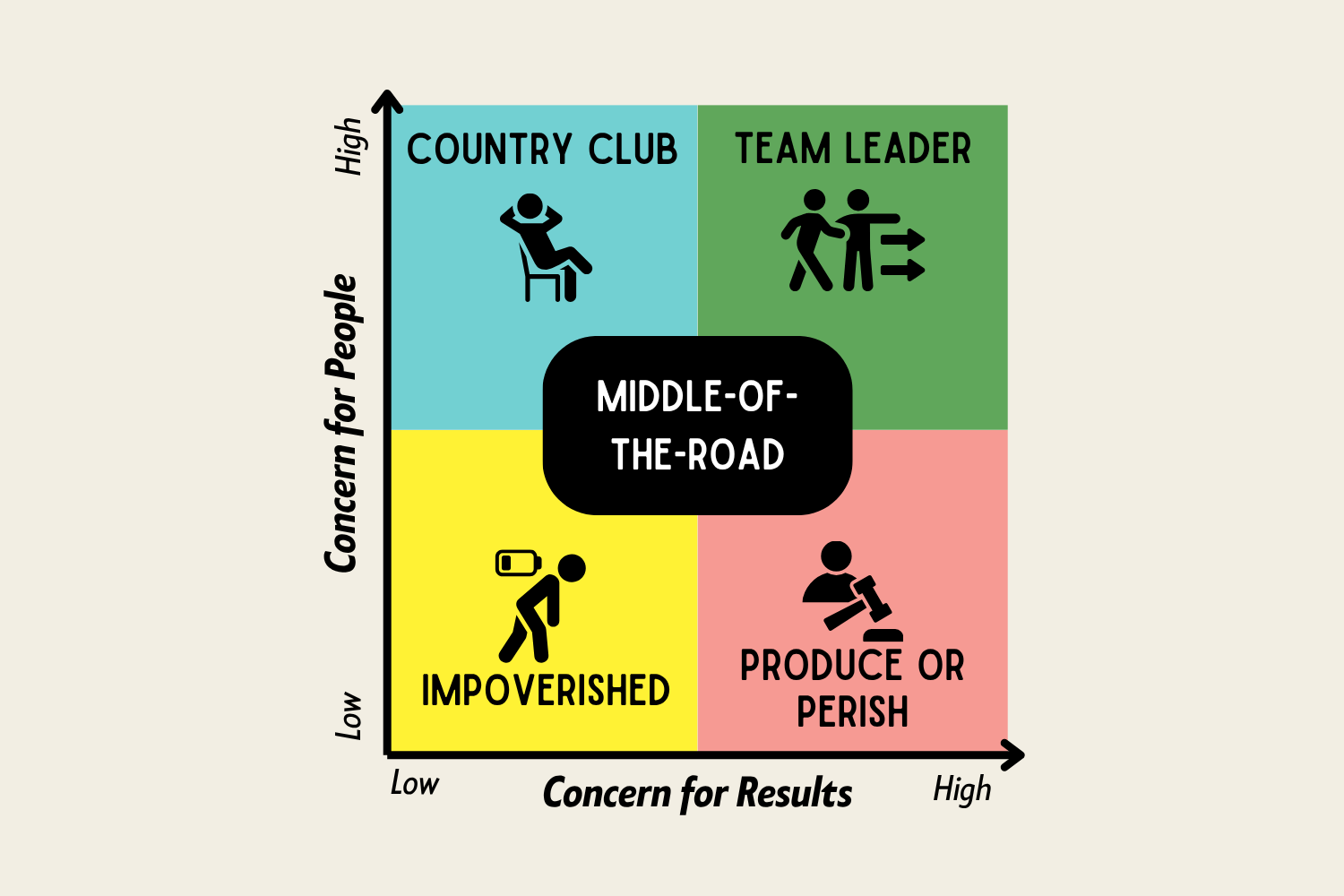
The Leadership Grid
Blake and Mouton mapped two axes — care for people, care for results — into five leadership styles you'll recognize instantly.
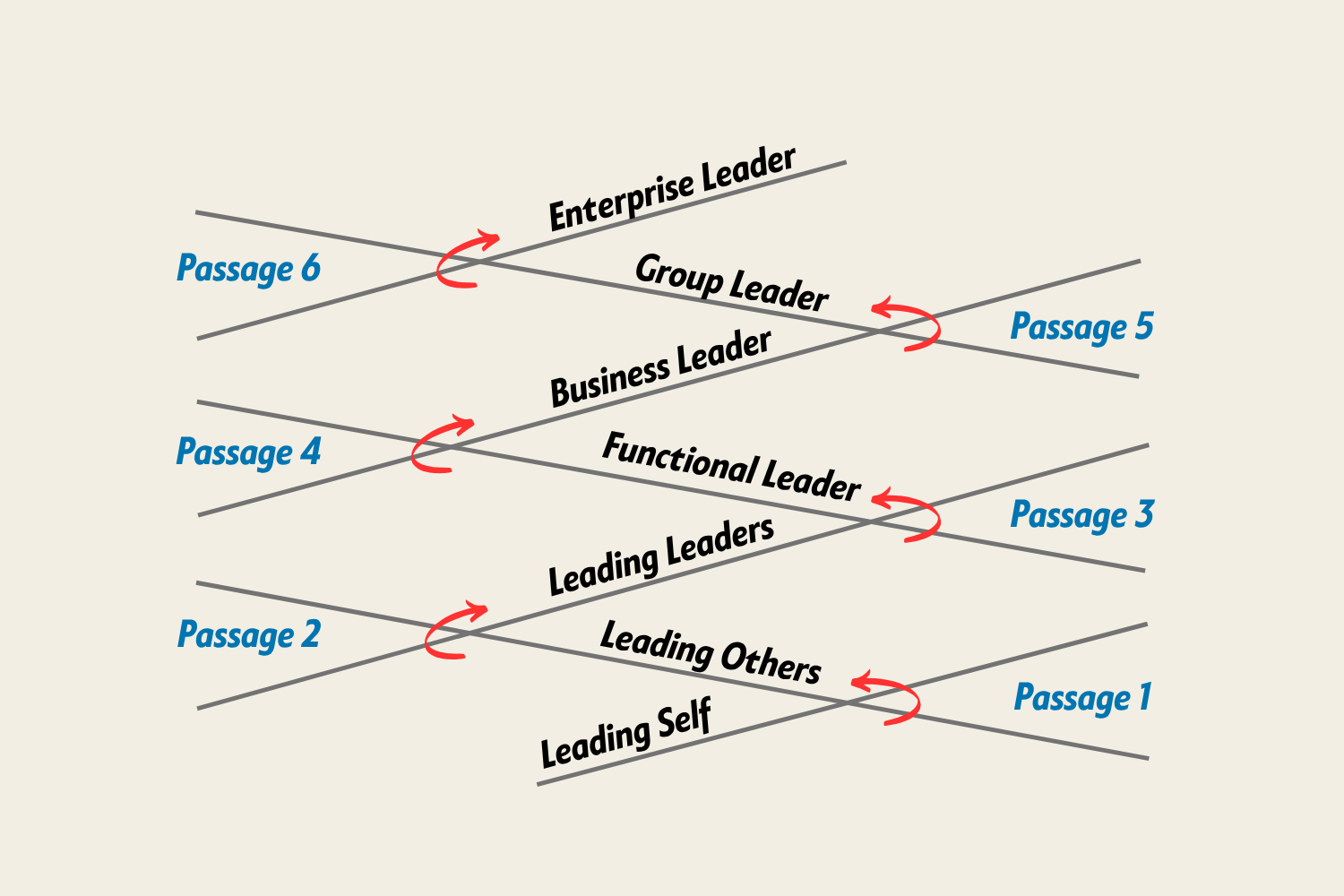
The Leadership Pipeline
Ram Charan mapped six passages into bigger leadership roles — at each one, old habits are exactly how you stall.
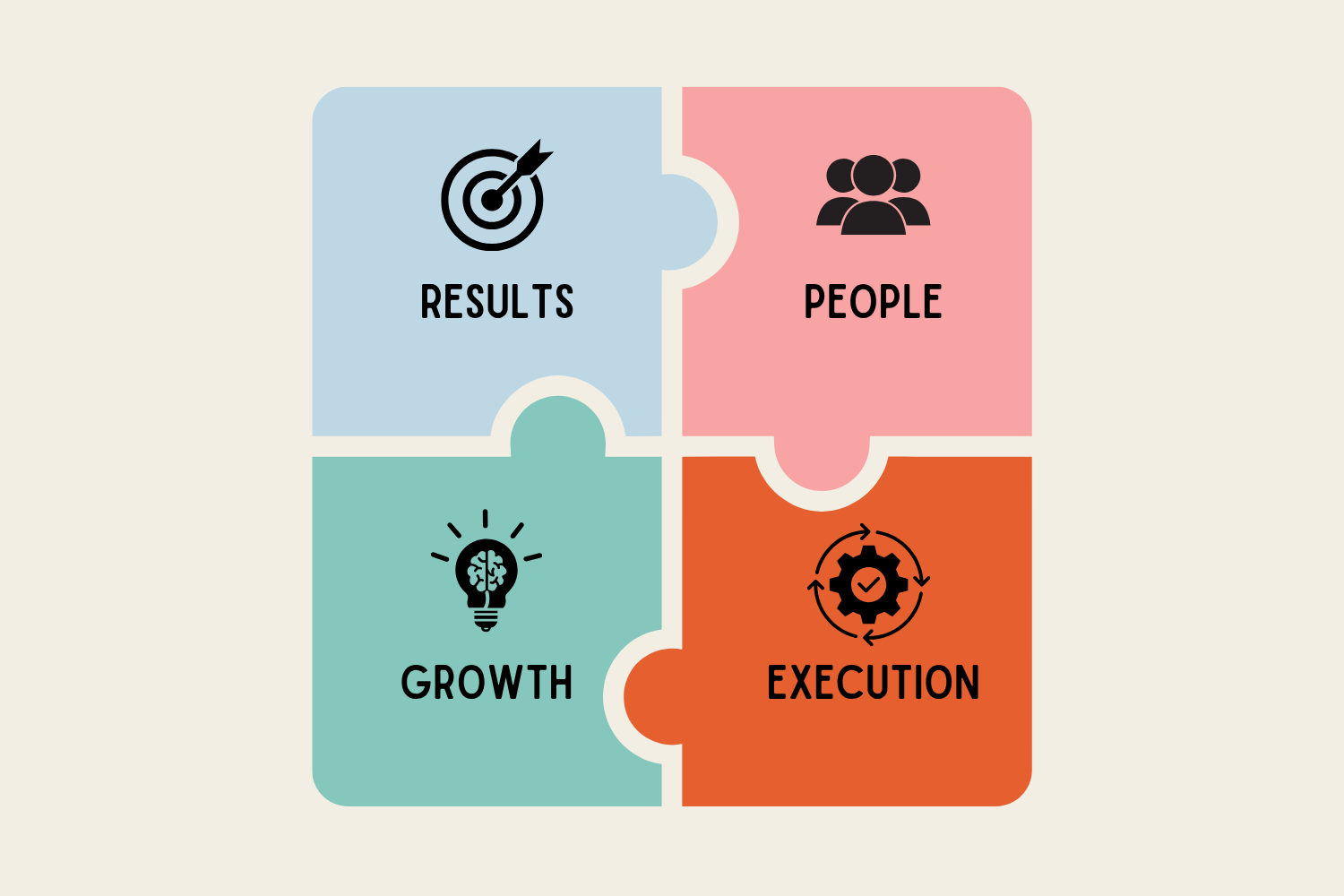
The Leadership Scorecard
A personal take on the Balanced Scorecard — Results, People, Execution, Growth — catching which one you're quietly neglecting.
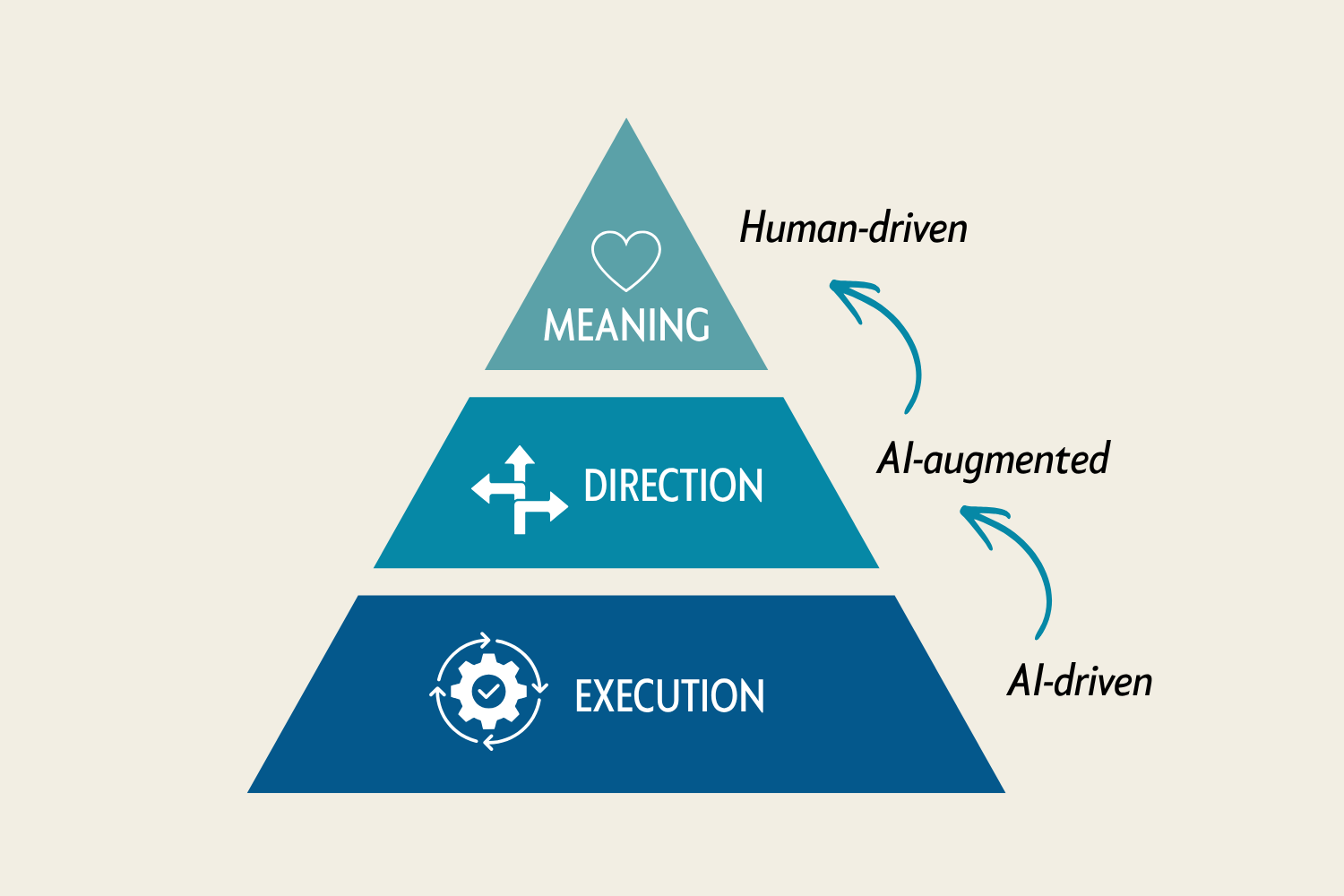
The Three Layers of Leadership
A pyramid — Execution, Direction, Meaning — where your value has to move up as AI automates execution.
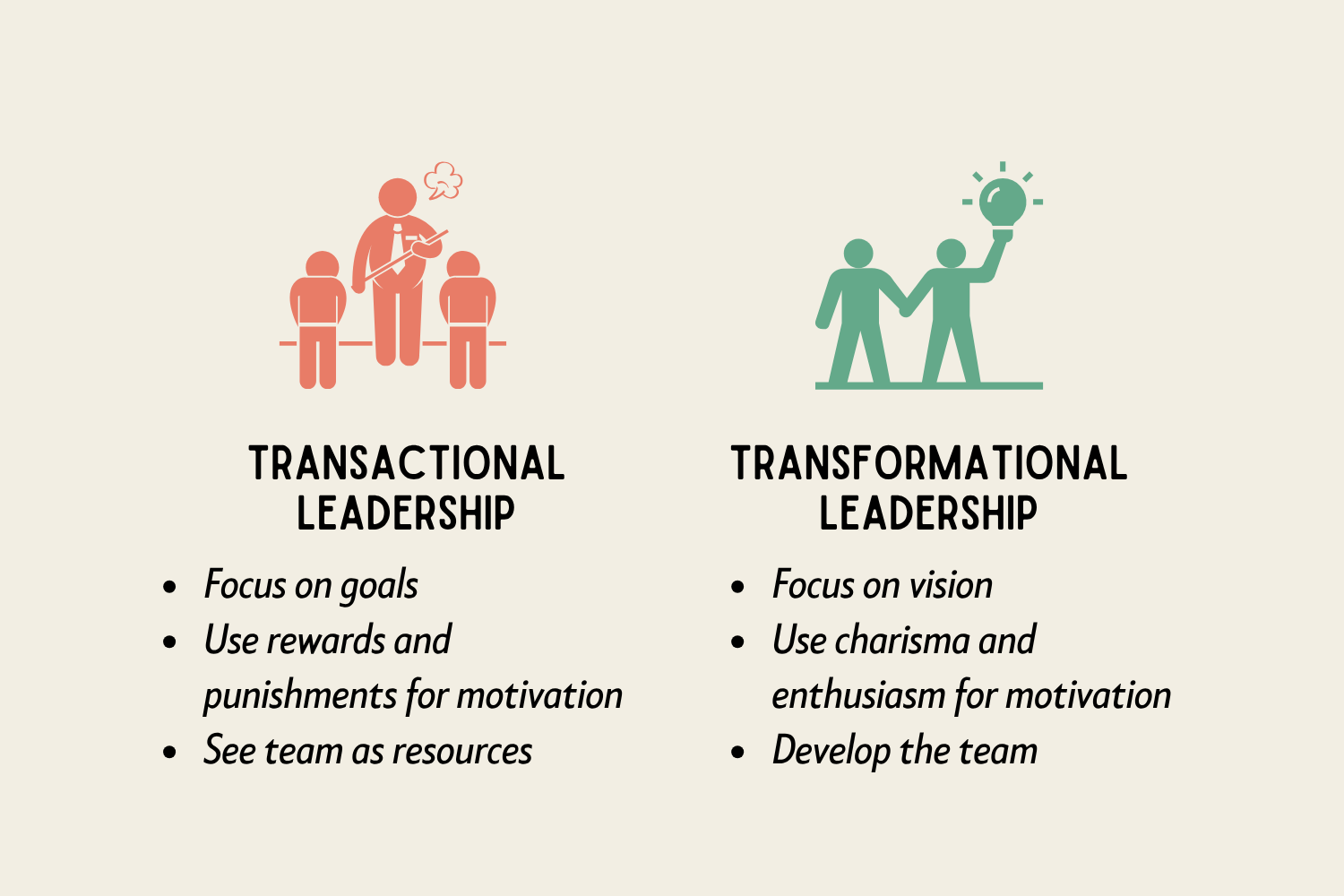
Transformational Leadership
Inspire people past self-interest and into a shared vision, raising what they aim for and what they're capable of.