McKinsey 9-Box Model
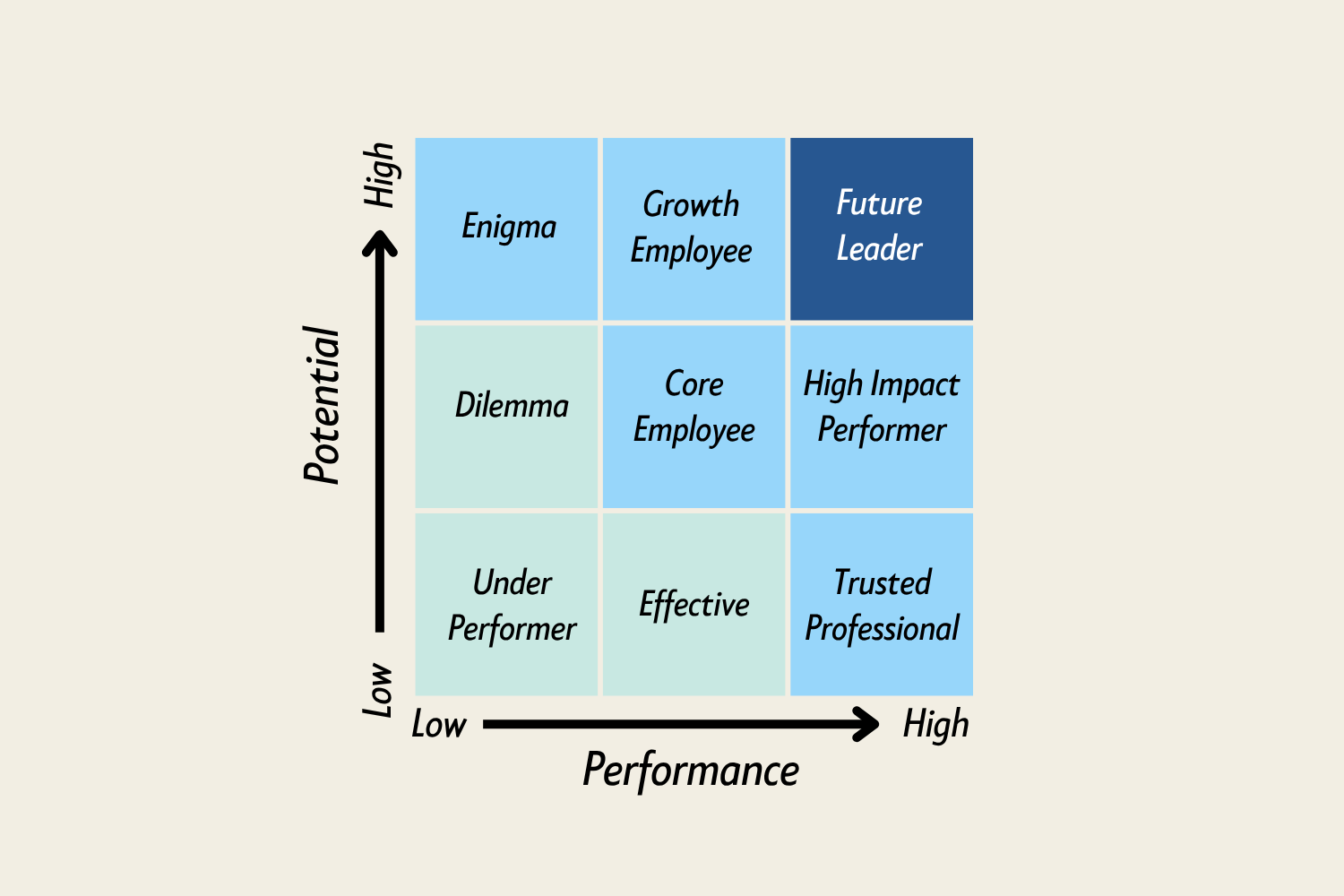
A 3x3 grid that plots each person on performance against potential, giving nine distinct calls instead of one blurry verdict.
 Find this on the mind-map
Introduction
McKinsey & Company built this grid for General Electric back in the 1970s, and it's been the go-to tool for talent reviews and succession planning ever since. The problem it was built to solve is still the one you run into every performance cycle: you know who's doing well right now, but you have no structured way to separate that from who's actually going to grow into something bigger.
How It Works
You're plotting every person on two axes.
- Performance (horizontal) — what they've actually delivered over the last review period, measured against what their current role expects of them.
- Potential (vertical) — their capacity to succeed in a bigger or different role, judged by how fast they learn, how much they want it, and how well they handle ambiguity.
| Low performance | Medium performance | High performance | |
|---|---|---|---|
| High potential | Enigma: right ability, wrong fit or wrong support. Figure out why before you judge | Growth employee: give them stretch work and real coaching | Star: your future leader. Invest heavily, move fast, and retain them on purpose |
| Medium potential | Dilemma: capable but underdelivering. Get specific about expectations and set a short timeline | Core player: the backbone of your team. Keep developing them steadily — don't let them fade into the background | High performer: strong today, ready for more scope. Broaden the role |
| Low potential | Underperformer: have the performance conversation, then make a decision | Effective: solid where they are. Recognize and retain them — don't force a promotion that doesn't fit | Trusted professional: your deep expert. Reward, retain, and put them to work mentoring others |
Here's the rule that makes the whole thing work: the two axes are independent of each other. Someone crushing it in their current role tells you about their current role — it's not a forecast of how they'll do in the next one. Mixing those two up is exactly the trap the Peter Principle describes.
Why It Matters for Leaders
Without a structure like this, your talent calls default to whoever was loudest or most visible last month. The person who nailed a big presentation gets the stretch assignment; the quiet performer with more headroom gets passed over. The 9-box forces you to make both judgments — performance and potential — out loud, and defend them.
It also forces the conversation you'd rather avoid. Most leaders can rattle off their stars without thinking. Far fewer have actually decided what they're doing about the people on the left side of the grid, where the honest answer is either targeted support with a real deadline, or an exit. Leaving that decision unmade doesn't make it go away — it just means your team absorbs the cost of it.
The grid works best as a group exercise, not a solo one. Get a few leaders in a room, have them each place their people on the same grid, and see where their ratings don't match. That gap is usually more useful than any single placement.
And used badly, this thing does real damage. Tell someone they're "low potential" and give them nothing to work with, and you'll watch them become low-performing — the Pygmalion Effect running in reverse. A placement on this grid is a snapshot of a judgment call, not a permanent fact about a person. Revisit it. Don't file it away and forget it.
What to do next
Test your knowledge of McKinsey 9-Box Model
Apply McKinsey 9-Box Model to a real situation
Skills related to McKinsey 9-Box Model

Leadership Development
Deliberately growing the next generation of leaders on your team, because your legacy ends up measured by the leaders you develop, not by what you accomplish alone.

Team Development
Building a high-performing team on purpos, guiding people through the stages of a team's growth, building real trust between them, and handing over ownership as they earn it.
Frameworks related to McKinsey 9-Box Model
Dunning-Kruger Effect
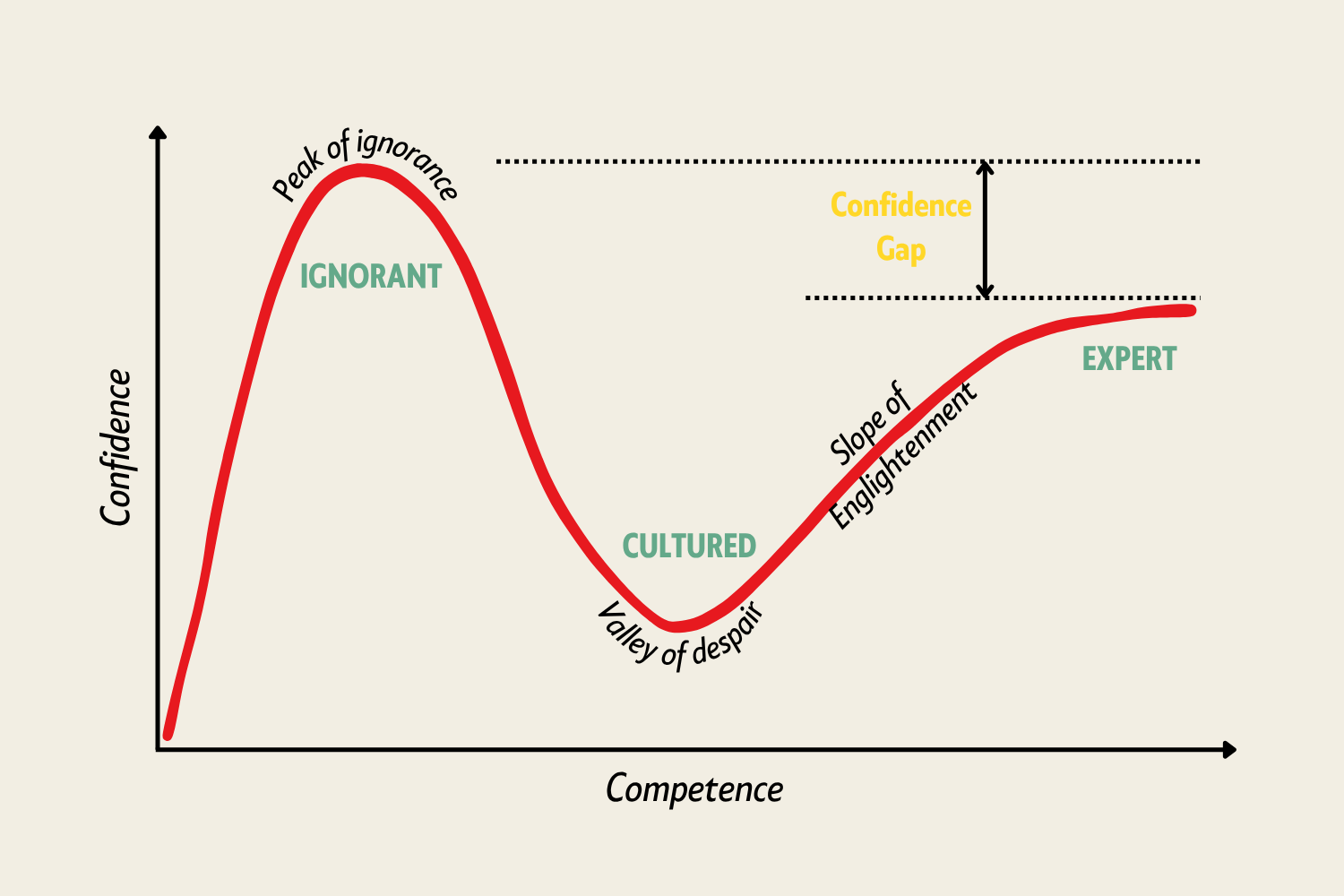
Knowing little makes you feel unstoppable; knowing more makes you hesitate — the loudest voice is rarely the most reliable one.
Goldilocks Principle
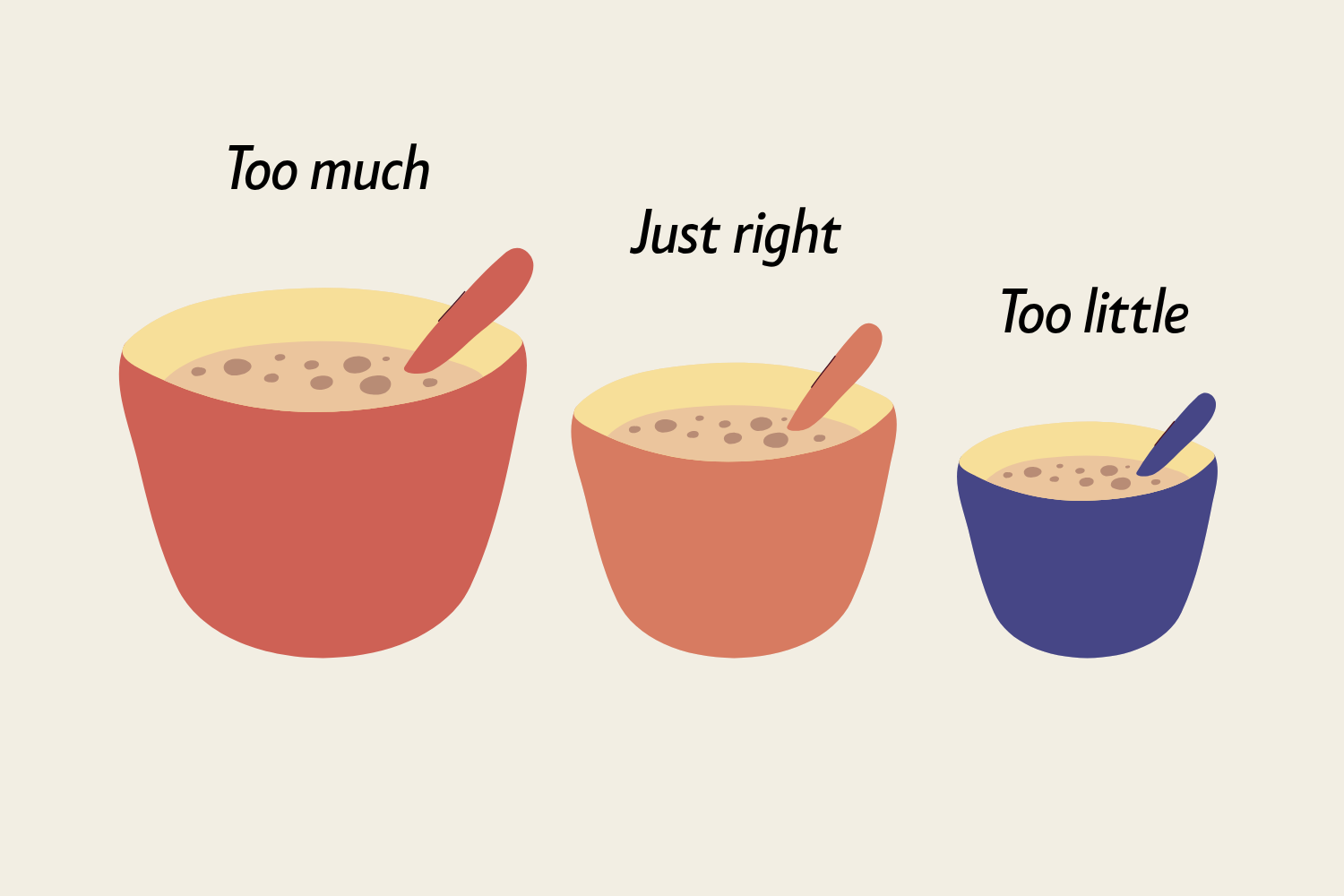
Support runs on a dial between micromanagement and abdication — enough direction for clarity, enough space for ownership, always moving.

Hawthorne Effect
People change how they behave when they know they're watched — your attention is an intervention that changes what you see.
Maslow's Hierarchy of Needs
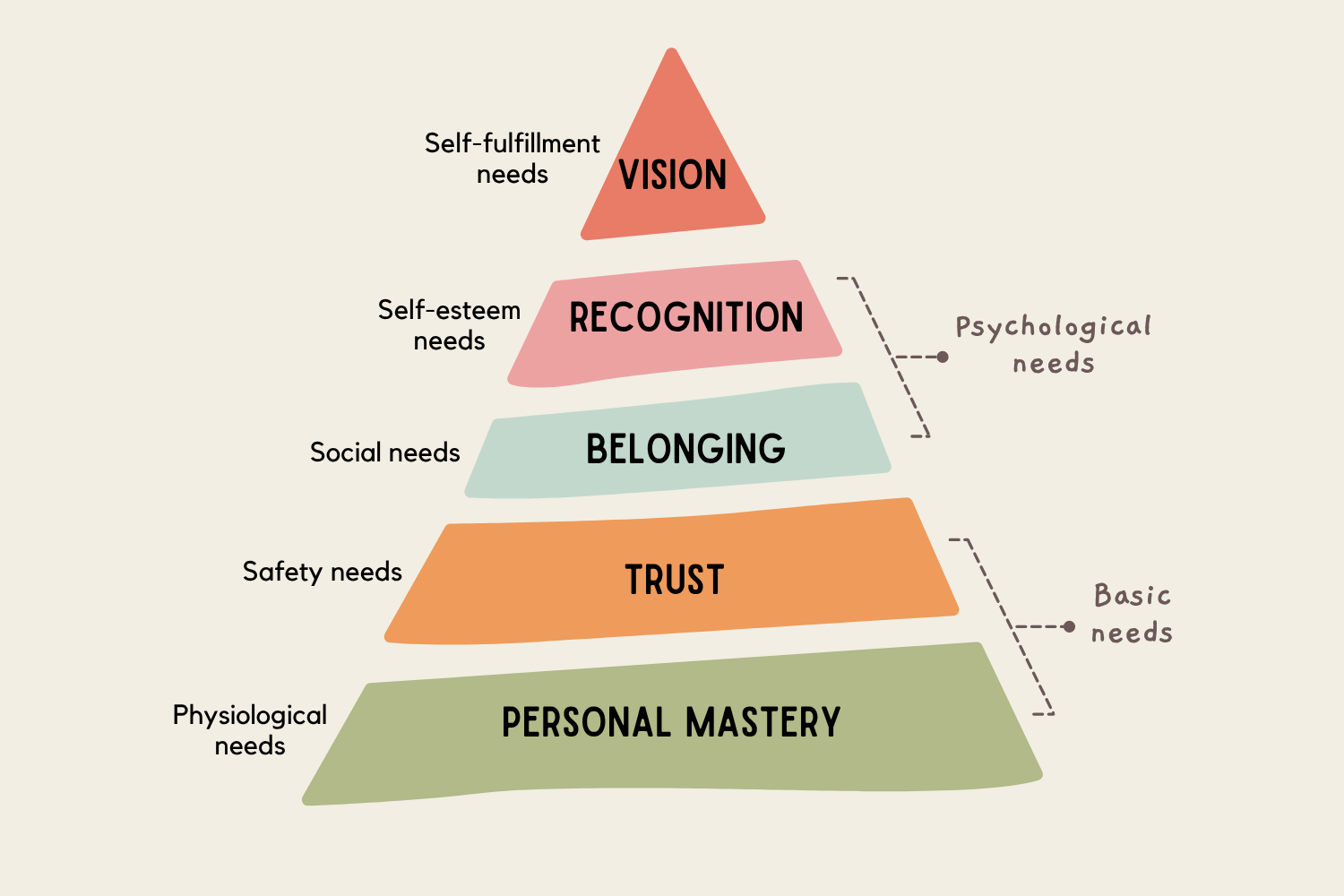
Abraham Maslow's five-level model of motivation, applied to leadership as a stack — mastery, trust, belonging, up through recognition and vision.

Multipliers and Diminishers
Liz Wiseman's split between leaders who bring out best thinking in people around them, and those who shut it down.

Peter Principle
In a hierarchy, everyone rises to their level of incompetence, because promotion rewards your current job, not tomorrow's.
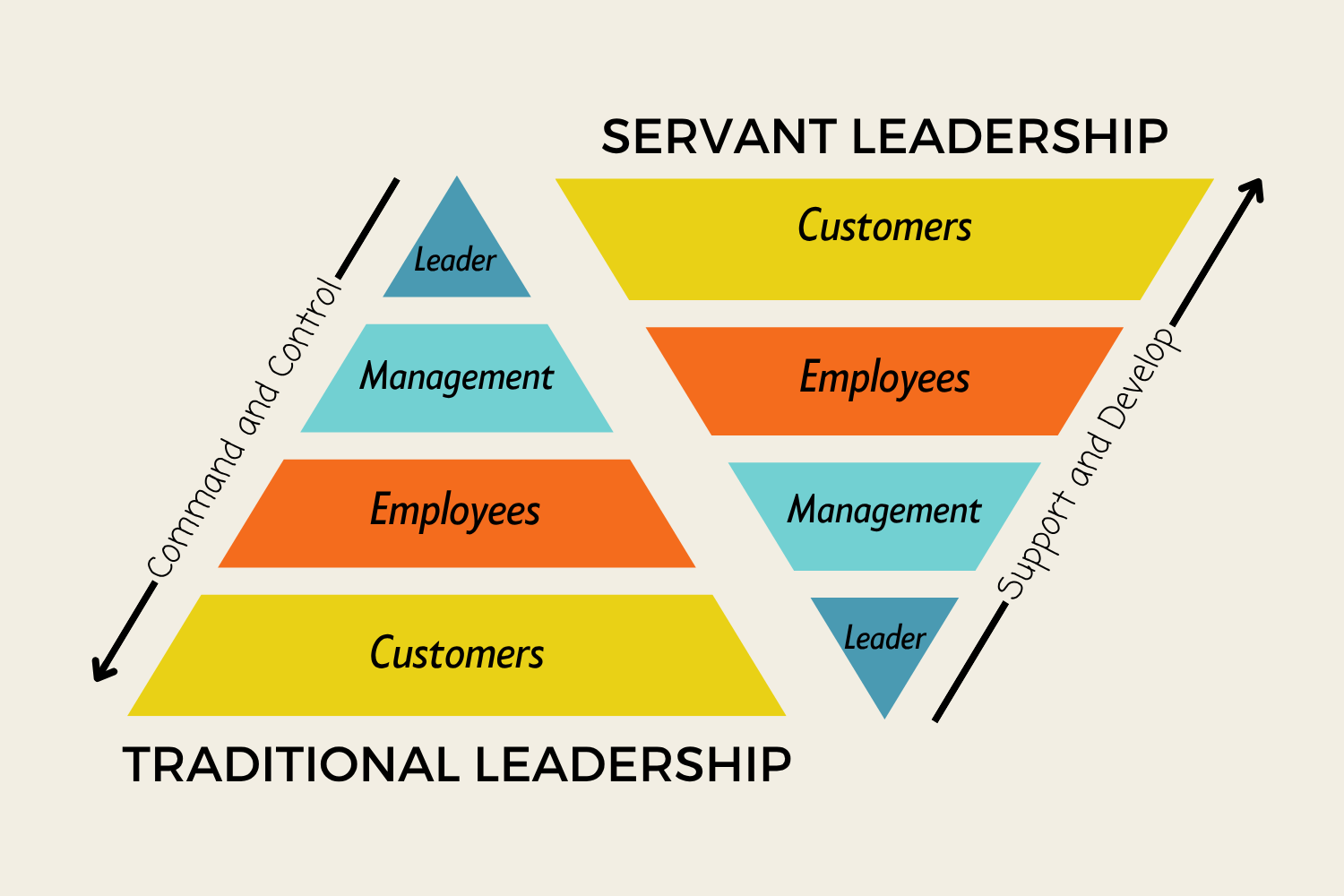
Servant Leadership
Flip "how can my team help me?" to "how can I help my team?" — job becomes removing obstacles, growing people.
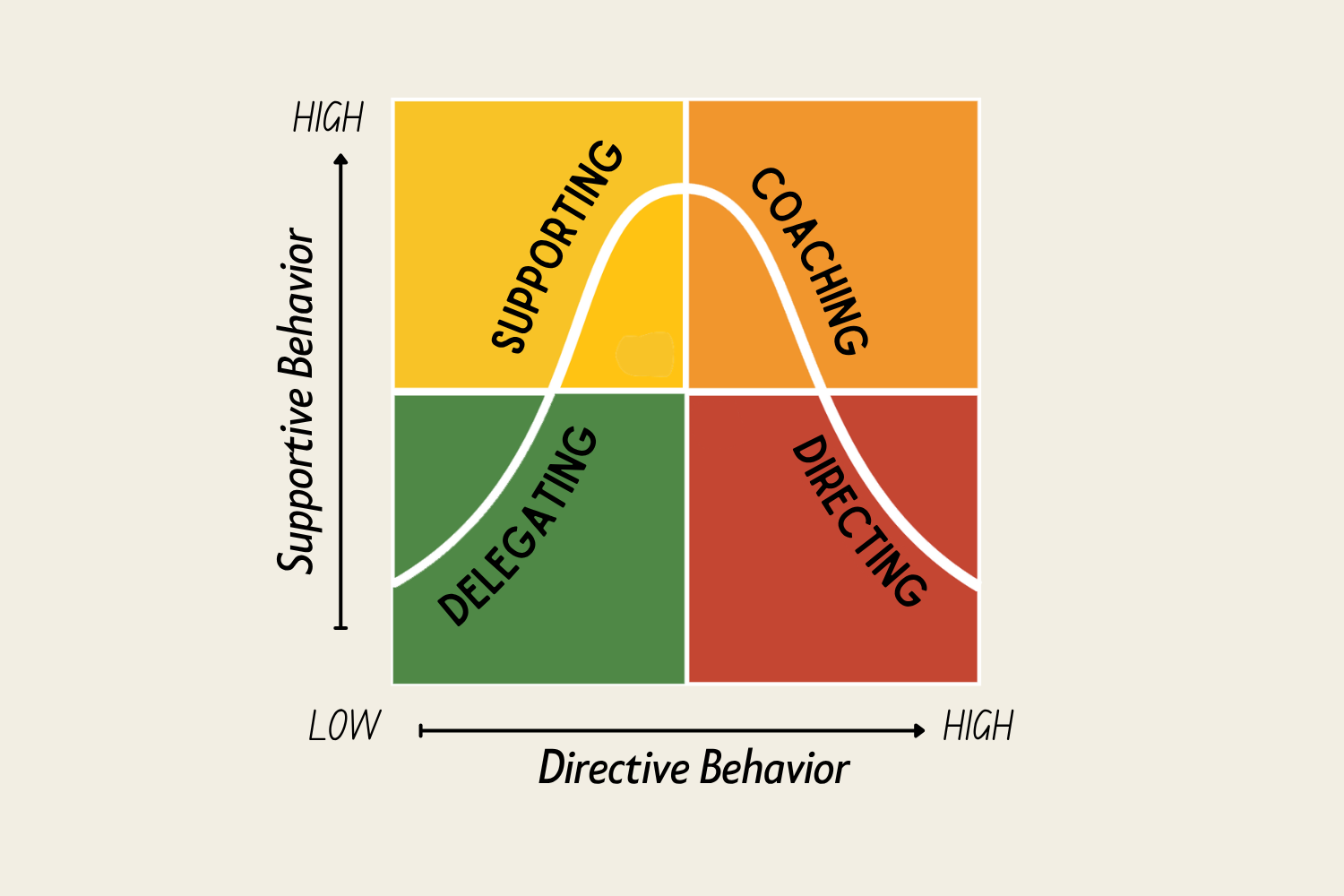
Situational Leadership
There's no right way to lead — only the right way for this person right now: direct, coach, support, or delegate.

The 6 Human Needs
Every behavior at work is really an unmet need in disguise — six needs, popularized by Tony Robbins, worth checking first.
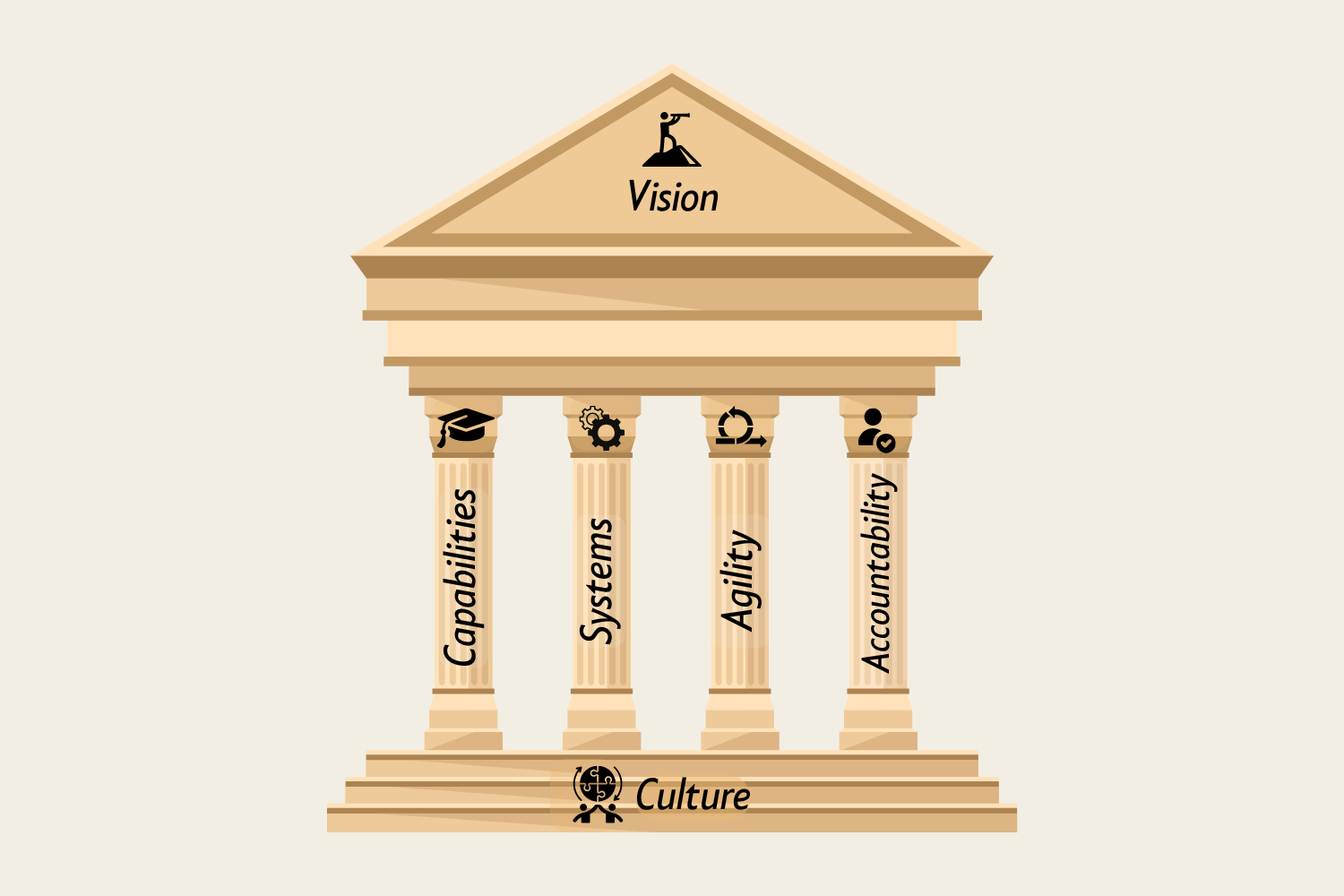
The Architecture of High-Performing Teams
Six elements, built like a temple — culture as the base, four pillars, vision as the roof — name the missing piece.

The Bannister Effect
One person breaking a barrier makes it stop being fixed for everyone else — break the unspoken belief in public first.

The Five Dysfunctions of a Team
Lencioni's pyramid of five team-killing behaviors — a lack of trust at the base drags everything above it down.

The Inner Drive
A leadership take on Daniel Pink's *Drive* that turns three conditions for motivation — autonomy, mastery, purpose — into habits for 1:1s.

The Leadership Code
Leadership runs on three traits — head, gut, heart — each toxic alone: competence without character is arrogance, courage without it reckless.
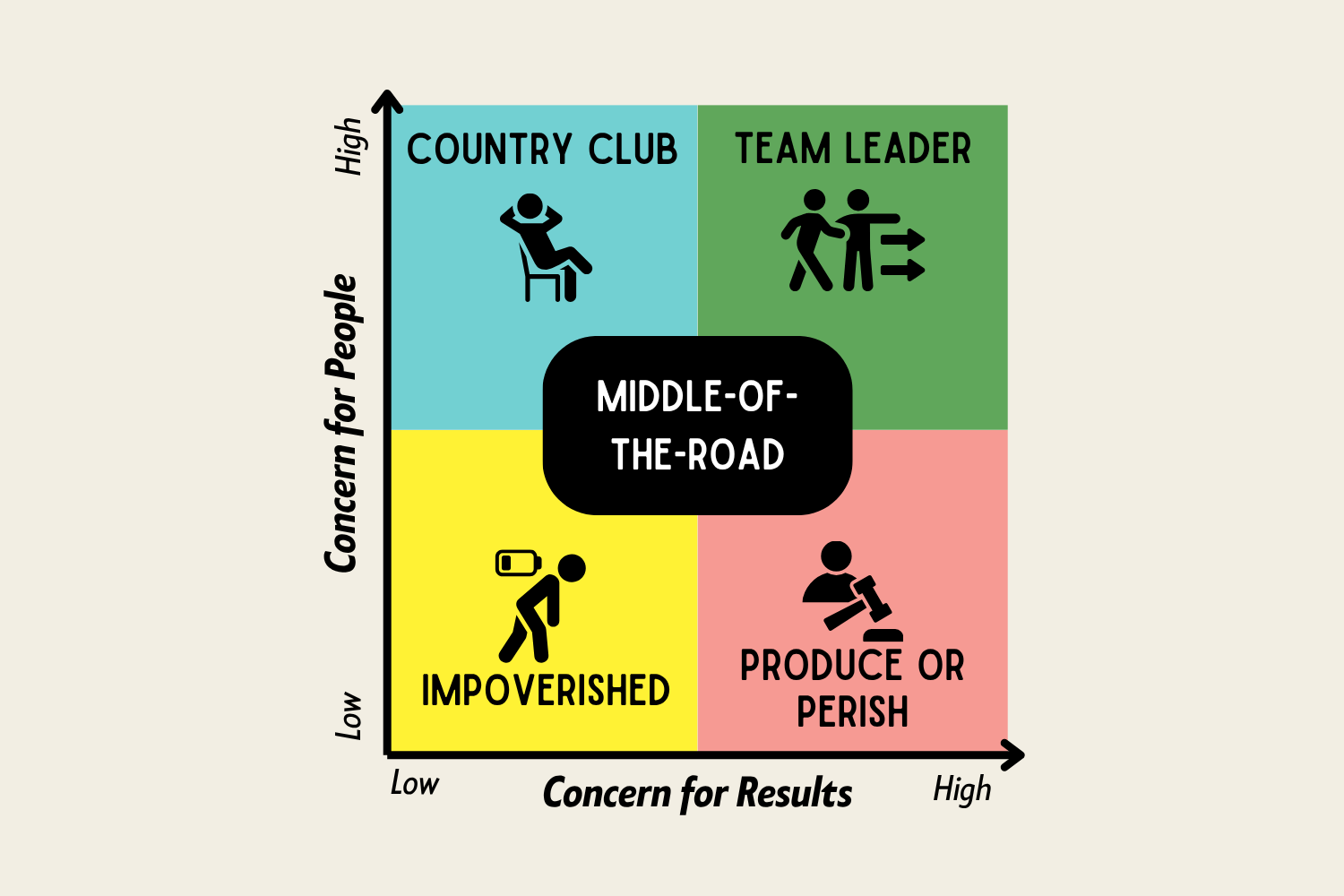
The Leadership Grid
Blake and Mouton mapped two axes — care for people, care for results — into five leadership styles you'll recognize instantly.
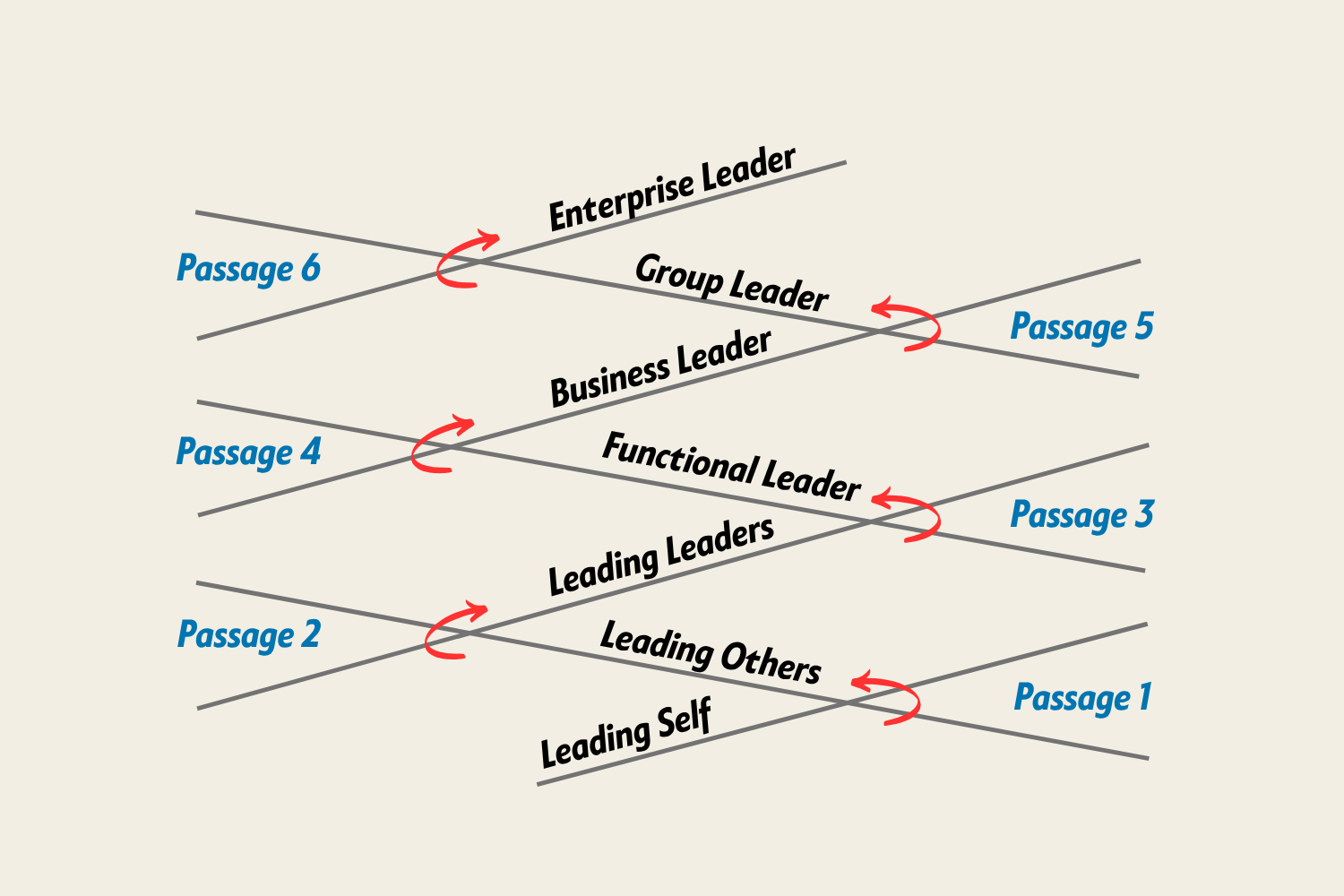
The Leadership Pipeline
Ram Charan mapped six passages into bigger leadership roles — at each one, old habits are exactly how you stall.
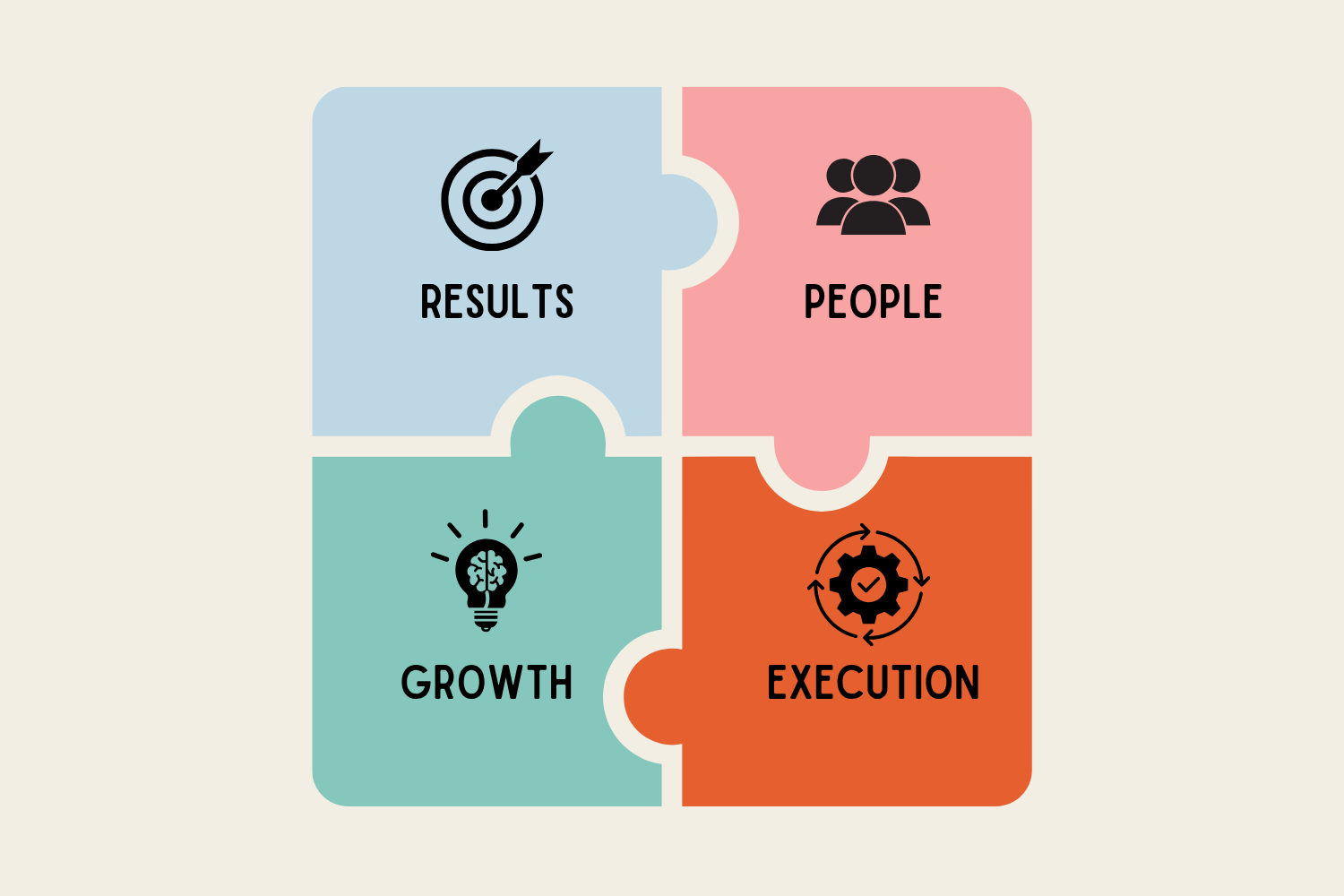
The Leadership Scorecard
A personal take on the Balanced Scorecard — Results, People, Execution, Growth — catching which one you're quietly neglecting.

The Pygmalion Effect
What you expect from someone leaks into how you treat them, which shapes what they become — for better or worse.

The Thomas-Kilmann (TKI) Model
Five conflict styles, two dials — how hard you push, how much room you give — chosen on purpose, not by default.
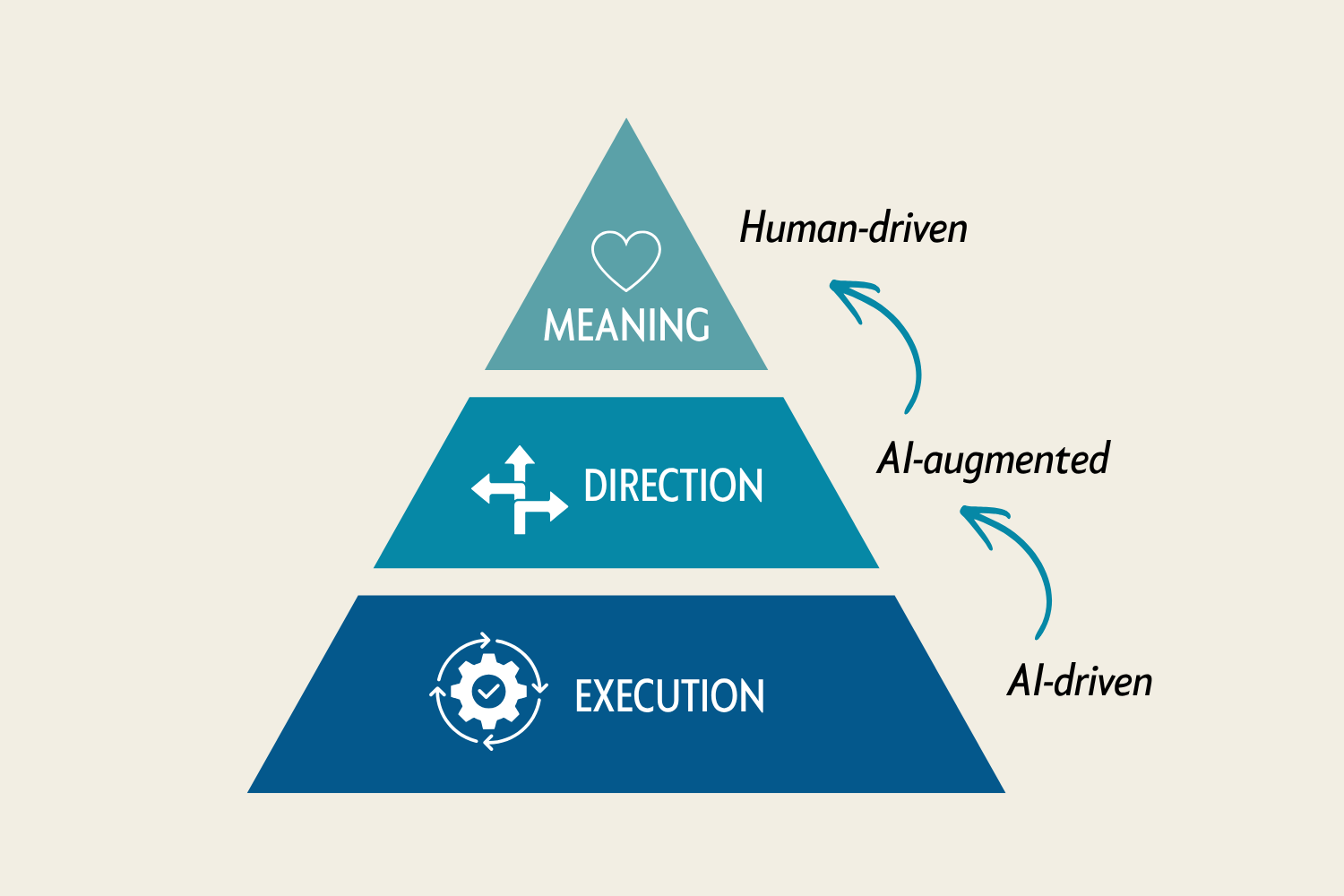
The Three Layers of Leadership
A pyramid — Execution, Direction, Meaning — where your value has to move up as AI automates execution.
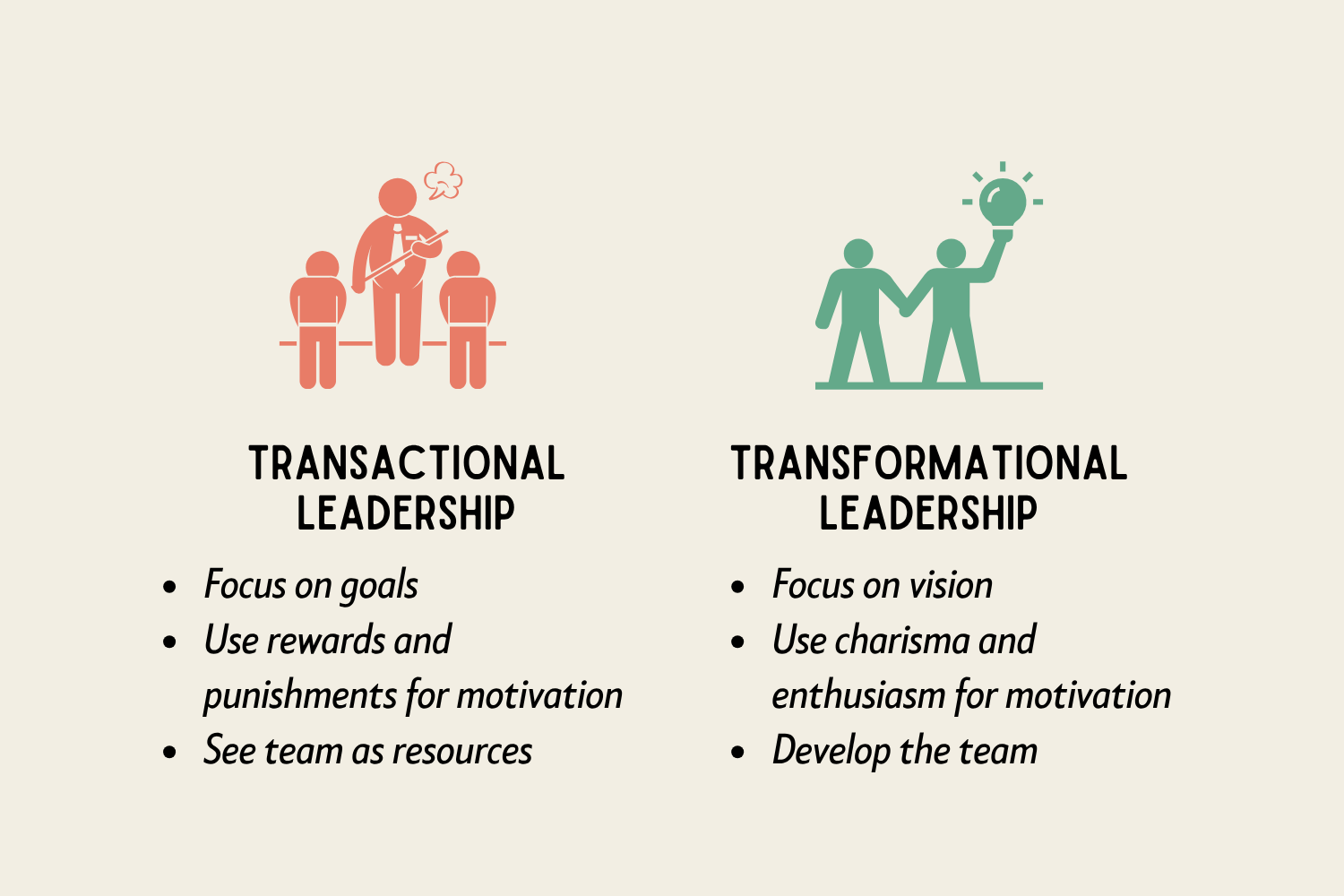
Transformational Leadership
Inspire people past self-interest and into a shared vision, raising what they aim for and what they're capable of.
Tuckman's Stages of Team Development
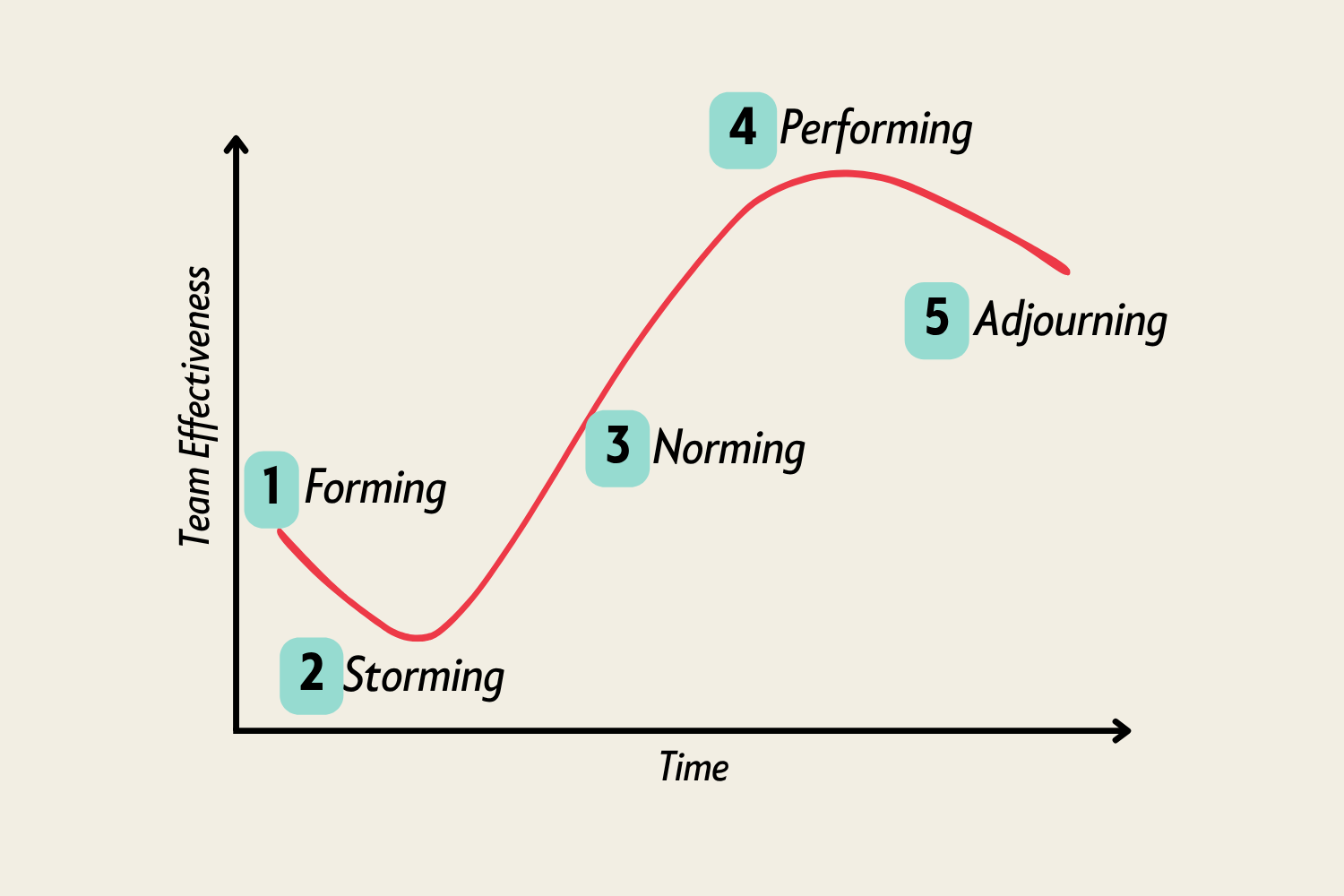
Every team moves through five predictable stages — forming, storming, norming, performing, adjourning — each demanding a different move from you.
Books related to McKinsey 9-Box Model

Coaching for Performance
Sir John Whitmore's foundational case for coaching-style management over command-and-control, built on a single idea: performance is limited less by skill than by interference, and a manager's job is to remove the interference, not supply the answer.

Dare to Lead
Brené Brown's case that vulnerability isn't the opposite of strong leadership. It's the precondition for it, and the armor most leaders wear to look strong is usually what's actually holding their team back.

Developing the Leader Within You
John Maxwell's foundational case that leadership is influence, not title, and that the gap between "manager" and "leader" is a set of learnable habits, not a personality you were or weren't born with.

Drive
Daniel Pink's case that the carrot-and-stick playbook most managers inherited is actually the wrong tool for most of today's work, and what motivates people doing complex, creative work instead.

Elevate
Robert Glazer's case, from his book "Elevate: Push Beyond Your Limits and Unlock Success in Yourself and Others," that performance isn't a willpower problem. It's a capacity problem across four specific domains, built like a muscle, not willed into existence overnight.

Extreme Ownership
Two Navy SEAL officers' blunt rule for leadership, forged in the Battle of Ramadi and translated straight into the business world: there are no bad teams, only bad leaders, and the leader owns every outcome, full stop, no exceptions, no shared blame.

First, Break All The Rules
A large-scale look at what the best managers actually do differently, and the uncomfortable finding that most of it runs against conventional management wisdom, starting with the idea that you shouldn't try to fix people's weaknesses.

Good to Great
Jim Collins' research into why some companies go from average to sustained market dominance, and others don't. Read less as a book about companies and more as a book about the kind of leader you have to become before a company (or a team) can get great.

Leadership in Turbulent Times
Historian Doris Kearns Goodwin places Lincoln, Theodore Roosevelt, FDR, and LBJ side by side and asks the same question about each: what did their worst personal crisis actually build in them, and how did they spend it once real power and a real emergency arrived at the same time.

Lean In
Sheryl Sandberg's argument that the barriers keeping women out of leadership are real on both sides: structural bias in how organizations operate, and self-imposed caution in how women are taught to see their own ambition. Fixing only one side leaves the other fully intact.

Mindset
Carol Dweck's research on why some people treat ability as fixed and others treat it as something built, and why the belief you hold about yourself shapes how your whole team learns, fails, and improves, often without anyone noticing it happening.

Multipliers
Liz Wiseman's case that the biggest lever on a team's output isn't headcount or talent density, it's whether the leader in the room makes people smarter or slowly makes them smaller.

Primal Leadership
The case that a leader's mood isn't a private matter. It's contagious through the whole team, which makes emotional intelligence the real infrastructure underneath every other leadership skill.

Team Topologies
Skelton and Pais's case that most team structures are drawn to fit an org chart, not the actual flow of work, and a small set of team shapes and interaction rules for fixing that, built around a resource every leader habitually overspends: people's cognitive load.

The 21 Irrefutable Laws of Leadership
John Maxwell's attempt to turn leadership into something closer to a set of physical laws than a personality trait. Rules that hold regardless of your industry, your title, or how naturally charismatic you are.

The 5 Levels of Leadership
John Maxwell's map of how leadership actually gets earned, level by level, and why the title on your door only ever buys you the lowest, least durable form of it.

The Coaching Habit
Michael Bungay Stanier's pitch that most managers have an "advice monster" problem, and a short list of deceptively simple questions designed to starve it, a little at a time, in conversations that already happen every day.

The Diary of a CEO
Steven Bartlett's attempt to turn hundreds of founder and expert conversations into 33 numbered laws, organized into four pillars: the self, the story, the philosophy, and the team.

The First-Time Manager
The unglamorous, practical handbook for the specific week your job title changed and nothing else came with instructions. Less a framework, more a set of answers to the questions new managers are usually too embarrassed to ask out loud.

The Five Dysfunctions of a Team
Patrick Lencioni's pyramid of the five behaviors that sink teams without much notice, stacked so that each one is actually caused by the dysfunction beneath it, which means fixing results or accountability first almost never works.

The Making of a Manager
Julie Zhuo's field notes from becoming a manager in her twenties with no idea what the job actually was. A clear-eyed answer to the question most new managers are too embarrassed to ask out loud: what am I actually supposed to be doing all day?

The Manager's Path
Camille Fournier's map of the actual career ladder from doing the work to leading an organization of leaders, written for engineering managers, but mostly a clear-eyed account of how the job itself changes at every rung, which almost nobody explains to you before you climb it.

Turn the Ship Around!
A submarine captain's account of giving up the one thing every leader is taught to protect, being the person who gives the orders, and turning the worst-performing submarine in the fleet into one of the best by making every sailor think like a captain instead.

Winning
Jack Welch's unapologetically blunt playbook for running a business and a team, built on the belief that most management dysfunction is really just a candor problem wearing a nicer name.