Mindset
Carol Dweck's research on why some people treat ability as fixed and others treat it as something built, and why the belief you hold about yourself shapes how your whole team learns, fails, and improves, often without anyone noticing it happening.
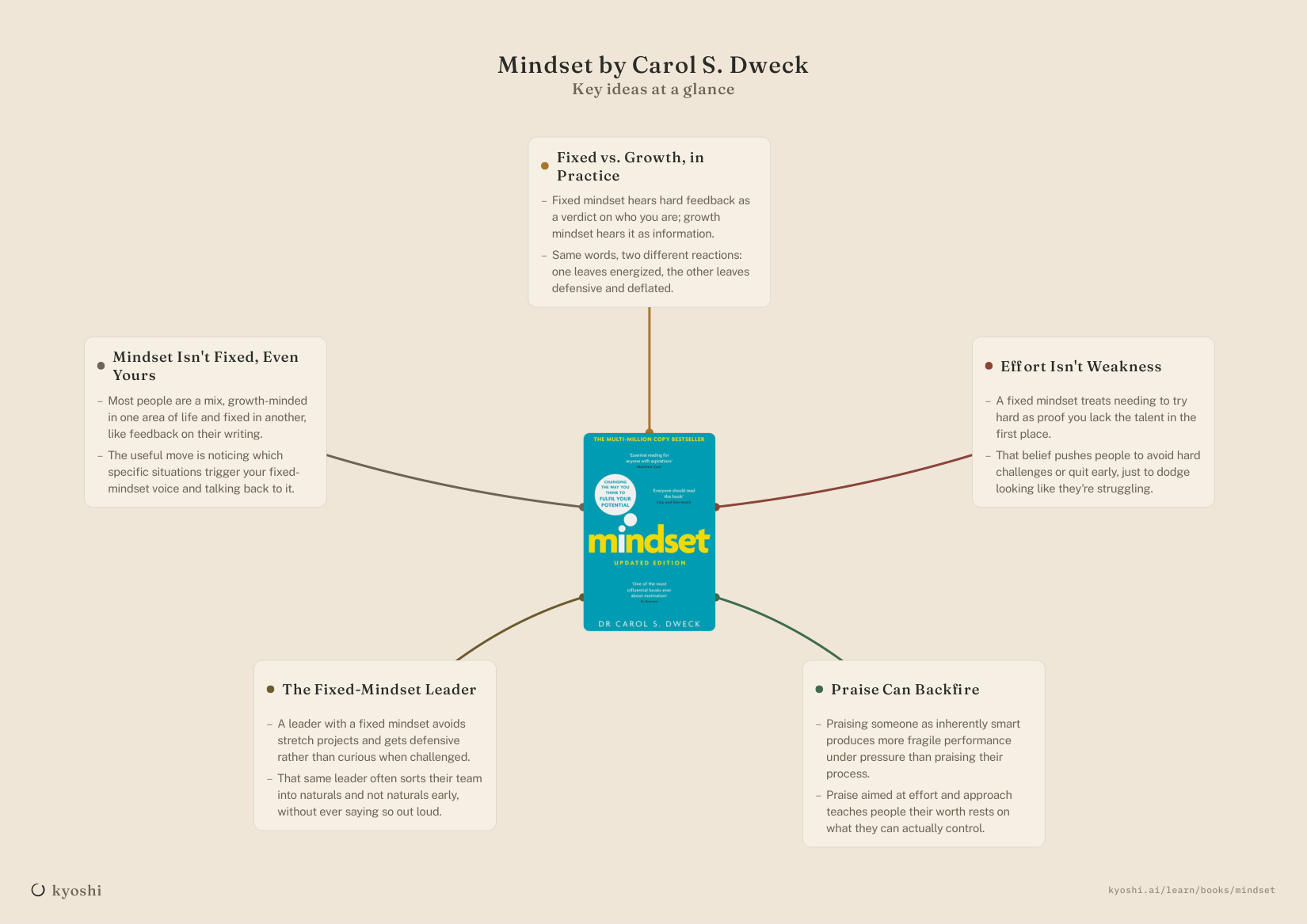
 Find this on the mind-map
Introduction
Dweck's core distinction is simple to state and hard to fully live by: a fixed mindset treats intelligence and ability as basically set traits you either have or don't, while a growth mindset treats them as things that develop through effort, strategy, and feedback. The book's real argument isn't that growth mindset is nicer. It's that the belief itself changes behavior, long before any actual skill difference shows up.
The Two Mindsets in Practice
Picture two managers getting the same piece of hard feedback in a performance review. One hears it as information about an evolving skill ("here's what to work on") and leaves energized. The other hears it as a verdict on who they fundamentally are ("I'm not good at this") and leaves defensive or deflated. Same words, two completely different internal reactions, because the mindset underneath determines what the feedback means.
Effort Isn't a Confession of Weakness
In a fixed mindset, needing to try hard is itself proof you lack the talent: if you were really good, it would come easily. That belief punishes effort without anyone meaning it to, because trying hard and still struggling feels like proof of a flaw you'd rather hide. A growth mindset treats effort as the actual mechanism of getting better, not a sign something's wrong. The practical cost of the fixed version shows up everywhere: people avoiding visibly hard challenges, sandbagging goals, or quitting the moment something stops being easy, not because they lack ability, but because struggling in public feels like exposure.
Praise Can Backfire
Dweck's research on how kids respond to different kinds of praise is some of her most cited work, and it generalizes directly to how managers give feedback. Praise aimed at the person ("you're so smart") tends to produce more fragile performance under pressure than praise aimed at the process ("you really worked through that systematically"). The first kind teaches someone their worth is tied to the outcome; the second teaches them their worth is tied to the effort and approach, which is the only part they can actually keep controlling next time.
The Fixed-Mindset Leader
A manager stuck in a fixed mindset about their own ability tends to avoid situations that could expose a gap: skipping the stretch project, overpreparing to the point of paralysis, or getting defensive rather than curious when challenged. The same manager often unconsciously projects that same fixed lens onto their team, sorting people into "naturals" and "not naturals" early, without ever saying so out loud, and treating that label as settled. A growth-mindset leader does the opposite: they read struggle as a normal, temporary phase of learning, which is exactly why their teams tend to take more real risks.
Mindset Isn't Static, Even for You
Dweck is careful that growth mindset isn't a permanent personality you either have or don't. Most people are a mix, often growth-minded in one area of life and fixed in another (confident delegating work, defensive about feedback on their writing). The useful move isn't declaring yourself "a growth mindset person" once and being done; it's noticing the specific situations that trigger your fixed-mindset voice and deliberately talking back to it in the moment.
Putting It Together
The mindset distinction isn't really about optimism versus pessimism. It's about what you believe effort and struggle mean. A fixed mindset reads struggle as a verdict; a growth mindset reads it as information. That single difference in interpretation cascades into how people handle feedback, how much risk they'll take on, and ultimately how much they actually improve, which makes mindset less a trait to diagnose in others and more a daily choice to notice in yourself.
Why It Matters for Leaders
The place this shows up fastest isn't the big performance review, it's the small moment right after someone messes up in front of you. What you say in the next ten seconds teaches them more about what you actually value than anything in their last review.
Most managers think they're giving growth-mindset feedback because they say encouraging things. But encouragement aimed at the person ("you're a natural at this") and encouragement aimed at the work ("the way you broke that problem down was smart") teach completely different lessons, even though both sound supportive in the moment. The first one tells someone, without saying so directly, that their worth is riding on the next result. The second tells them their worth is riding on the approach, which they can control and repeat.
This also changes how you read your own reaction to being challenged. A leader who gets defensive the moment a decision is questioned is running the same fixed-mindset program they'd flag in a junior report, just with better vocabulary to hide it. Noticing that in yourself, in the moment, is harder than noticing it in anyone else.
Picture a manager, Tomas, watching a usually-strong engineer completely miss a deadline for the first time. The fixed-mindset response is a quiet, permanent downgrade: maybe she's not as sharp as I thought. The growth-mindset response is a question: "walk me through what happened, what did you try when you got stuck." One of those responses treats a single bad sprint as new information about her ceiling. The other treats it as exactly what it probably is: one hard problem that needed a different approach, not a verdict on her ability.
What to do next
Reinforce your understanding of Mindset
Books related to Mindset

Burnout
The Nagoski sisters' sharp distinction between a stressor and the stress itself, and why removing the stressor from your life doesn't automatically get the stress out of your body. A rethink for any manager who treats "just manage your workload better" as the fix.

Crucial Conversations
A manager's guide to the book about the story you make up before you open your mouth. It's not really a book about talking, but about the half-second before you talk that decides whether the conversation goes well or badly.

Dare to Lead
Brené Brown's case that vulnerability isn't the opposite of strong leadership. It's the precondition for it, and the armor most leaders wear to look strong is usually what's actually holding their team back.

Developing the Leader Within You
John Maxwell's foundational case that leadership is influence, not title, and that the gap between "manager" and "leader" is a set of learnable habits, not a personality you were or weren't born with.

Drive
Daniel Pink's case that the carrot-and-stick playbook most managers inherited is actually the wrong tool for most of today's work, and what motivates people doing complex, creative work instead.

Extreme Ownership
Two Navy SEAL officers' blunt rule for leadership, forged in the Battle of Ramadi and translated straight into the business world: there are no bad teams, only bad leaders, and the leader owns every outcome, full stop, no exceptions, no shared blame.

Four Thousand Weeks
Oliver Burkeman's blunt reminder that the average human life is about four thousand weeks long, and that every productivity system built to escape that limit is making the anxiety worse, not better.

Good to Great
Jim Collins' research into why some companies go from average to sustained market dominance, and others don't. Read less as a book about companies and more as a book about the kind of leader you have to become before a company (or a team) can get great.

Grit
Angela Duckworth's research-backed case that sustained passion and perseverance beat raw talent, a useful gut-check for any manager who keeps betting on the "naturally gifted" hire over the stubborn one.

Hidden Potential
Adam Grant's argument that where you start matters far less than how far you're willing to grow, and that the character skills enabling that growth are learnable, not innate, no matter how your scorecard looks on day one.

Leadership in Turbulent Times
Historian Doris Kearns Goodwin places Lincoln, Theodore Roosevelt, FDR, and LBJ side by side and asks the same question about each: what did their worst personal crisis actually build in them, and how did they spend it once real power and a real emergency arrived at the same time.

Lean In
Sheryl Sandberg's argument that the barriers keeping women out of leadership are real on both sides: structural bias in how organizations operate, and self-imposed caution in how women are taught to see their own ambition. Fixing only one side leaves the other fully intact.

Primal Leadership
The case that a leader's mood isn't a private matter. It's contagious through the whole team, which makes emotional intelligence the real infrastructure underneath every other leadership skill.

Rest
Alex Soojung-Kim Pang's argument that rest isn't the opposite of great work. It's part of how great work gets made. A useful corrective for any manager who treats recovery as what's left over after hustle.

Slow Productivity
Cal Newport's challenge to "busy equals productive": a case that most knowledge work rewards visible activity over actual output, and a different model built on doing less, at a sustainable pace, to a genuinely higher standard.

Stillness Is the Key
Ryan Holiday's case that the people who handle pressure, power, and chaos best aren't the busiest or the most driven, they're the ones who've built real stillness into their mind, body, and sense of purpose, usually against the current of everything around them.

Stolen Focus
Johann Hari's argument that your attention problem probably isn't a personal willpower failure, it's a predictable outcome of systems deliberately engineered to fragment it. Uncomfortable reading for any manager who's told a struggling employee to "just focus better."

The 21 Irrefutable Laws of Leadership
John Maxwell's attempt to turn leadership into something closer to a set of physical laws than a personality trait. Rules that hold regardless of your industry, your title, or how naturally charismatic you are.

The 5AM Club
Robin Sharma's parable-driven case for owning the first hour of your day before the world gets a vote. Less about waking up early for its own sake, and more about who's actually running your mornings.

The 5 Levels of Leadership
John Maxwell's map of how leadership actually gets earned, level by level, and why the title on your door only ever buys you the lowest, least durable form of it.

The 7 Habits of Highly Effective People
Stephen Covey's classic, read through a modern-manager lens. Many of the ideas taught today as "new" leadership frameworks were already captured here decades ago.

The Daily Stoic
A year of short, daily meditations drawn from Marcus Aurelius, Seneca, and Epictetus, organized into one practical claim: the ancient Stoics weren't writing philosophy for philosophers. They were writing a manual for getting through hard days without losing yourself.

The Diary of a CEO
Steven Bartlett's attempt to turn hundreds of founder and expert conversations into 33 numbered laws, organized into four pillars: the self, the story, the philosophy, and the team.

The Obstacle Is the Way
Ryan Holiday's modern take on Stoic philosophy, built around a single claim: the obstacle in front of you isn't blocking the path, it is the path. A sharp antidote to managers who treat setbacks as proof the plan was wrong.

Triggers
Executive coach Marshall Goldsmith's case that you don't fail to become the leader you intend to be because of weak character. You fail because your environment is triggering the wrong behavior all day without much notice, and nobody built a structure to catch it.

When the Body Says No
Gabor Maté's case, drawn from decades of clinical practice, that chronically suppressing your own needs and emotions to keep the peace has a real physical cost. A hard look at the leader who's never once said no and wears it as a point of pride.

Winning
Jack Welch's unapologetically blunt playbook for running a business and a team, built on the belief that most management dysfunction is really just a candor problem wearing a nicer name.

Wintering
Katherine May's case that the fallow, difficult stretches of life, a loss, a burnout, an illness, a plain bad year, aren't failures to snap out of, but seasons with their own logic. An uncommon lens for leaders who treat every low point as a problem to solve away fast.
Skills related to Mindset

Leadership Development
Deliberately growing the next generation of leaders on your team, because your legacy ends up measured by the leaders you develop, not by what you accomplish alone.

Self-Management
Managing your own emotional reactions — especially fear and insecurity — so they stop quietly driving your behavior under pressure.
Frameworks related to Mindset
Dunning-Kruger Effect
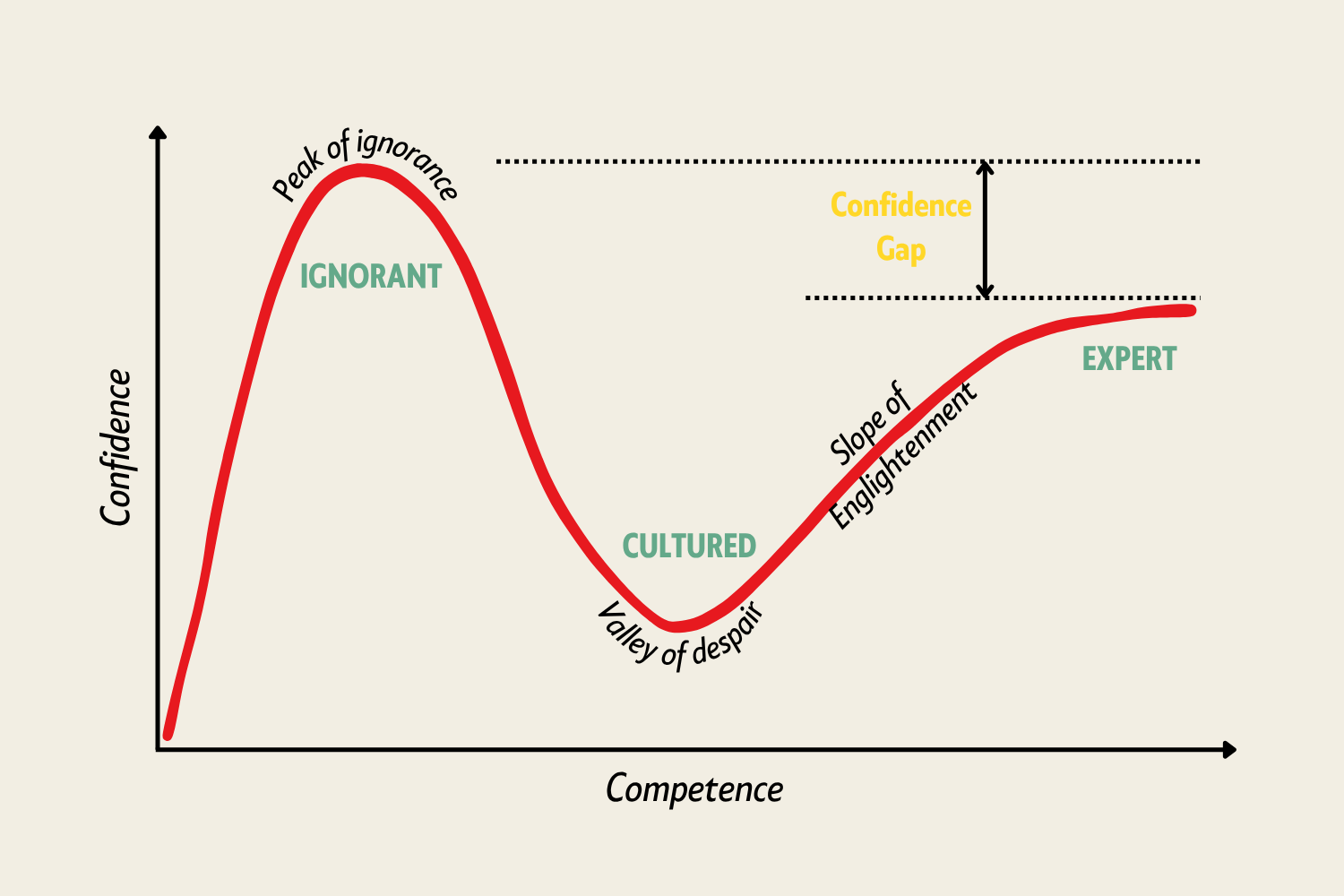
Knowing little makes you feel unstoppable; knowing more makes you hesitate — the loudest voice is rarely the most reliable one.
Ladder of Inference
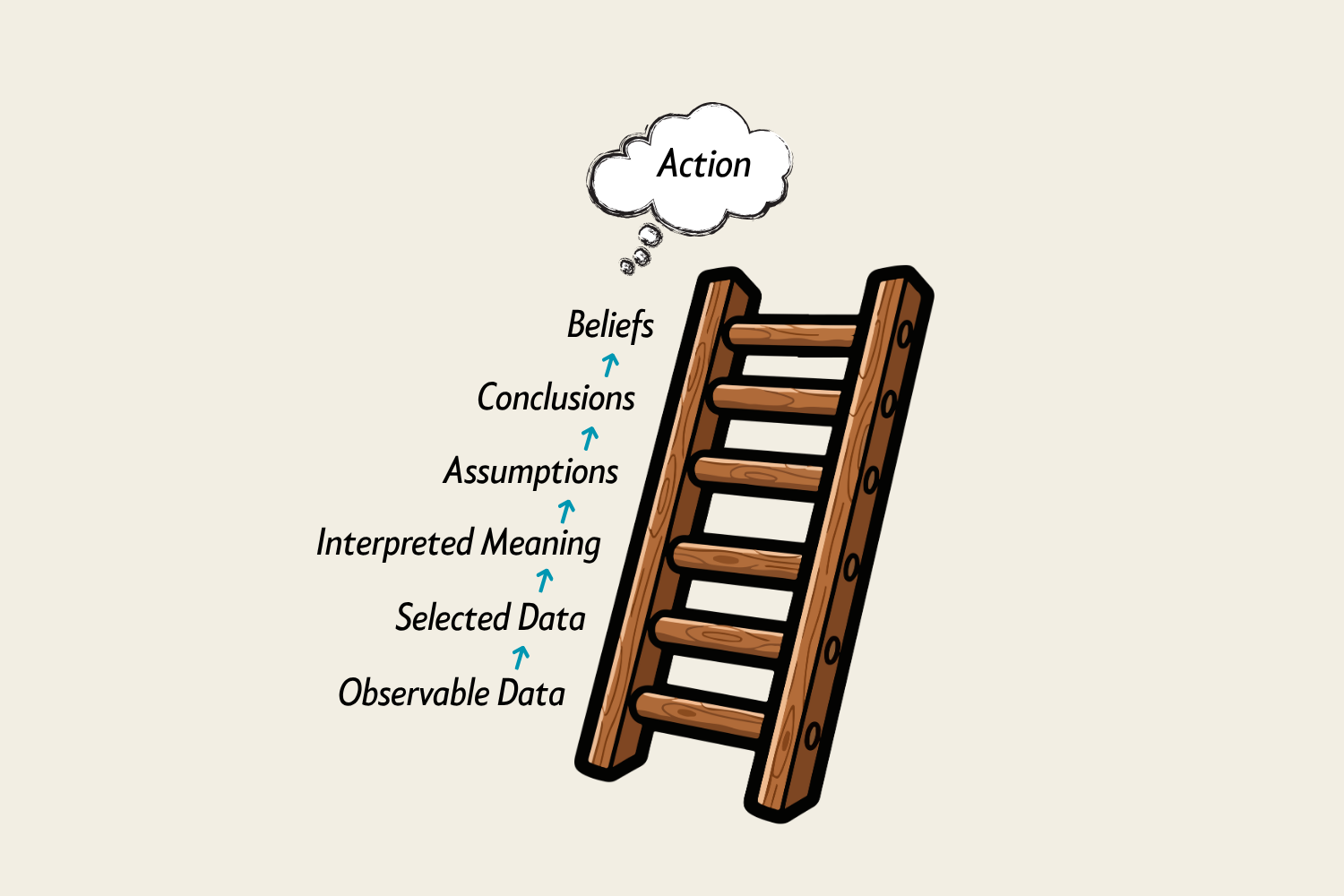
Your mind turns a fact into belief through selection and assumption — you end up arguing with a story, not reality.
McKinsey 9-Box Model
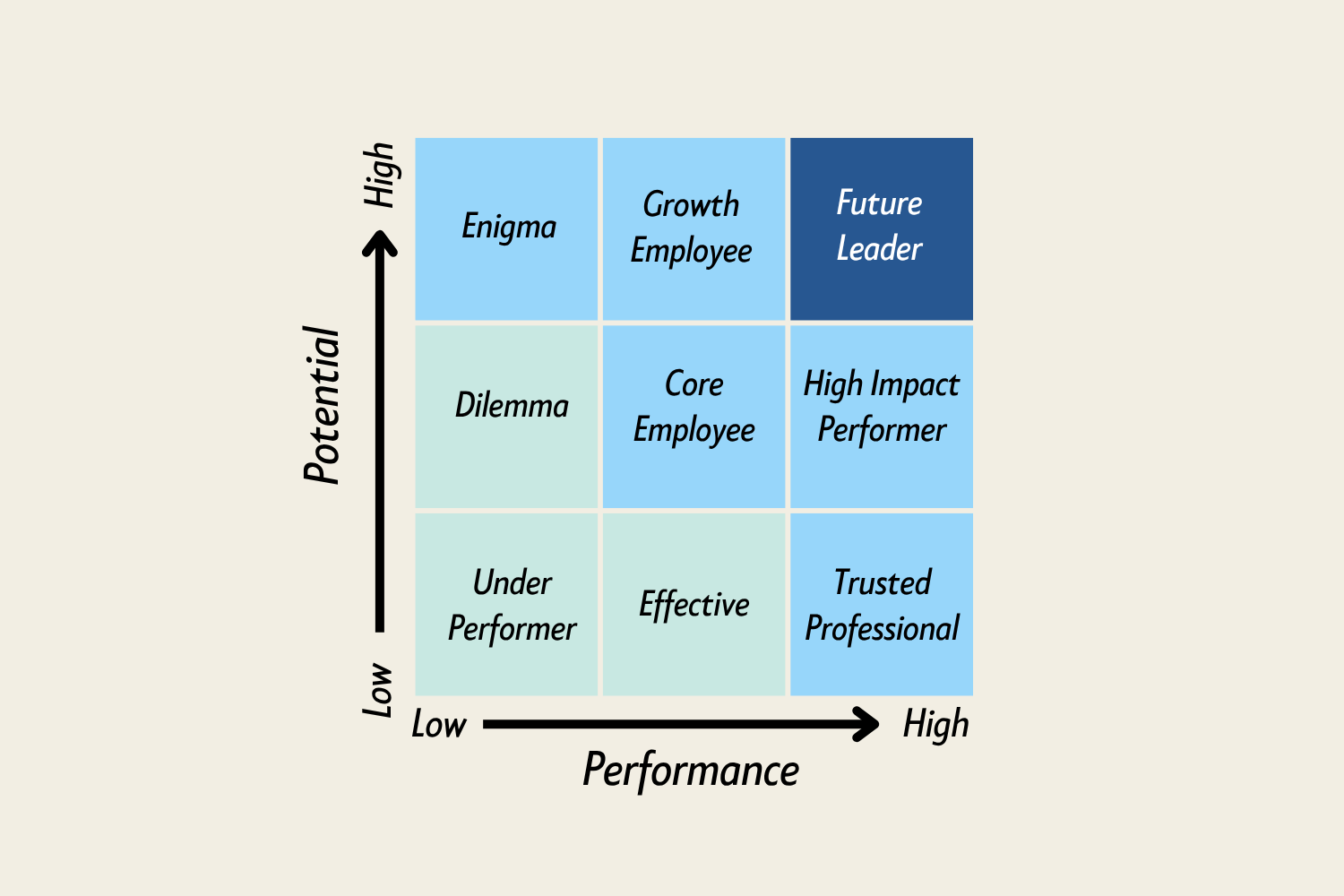
A 3x3 grid that plots each person on performance against potential, giving nine distinct calls instead of one blurry verdict.

Peter Principle
In a hierarchy, everyone rises to their level of incompetence, because promotion rewards your current job, not tomorrow's.
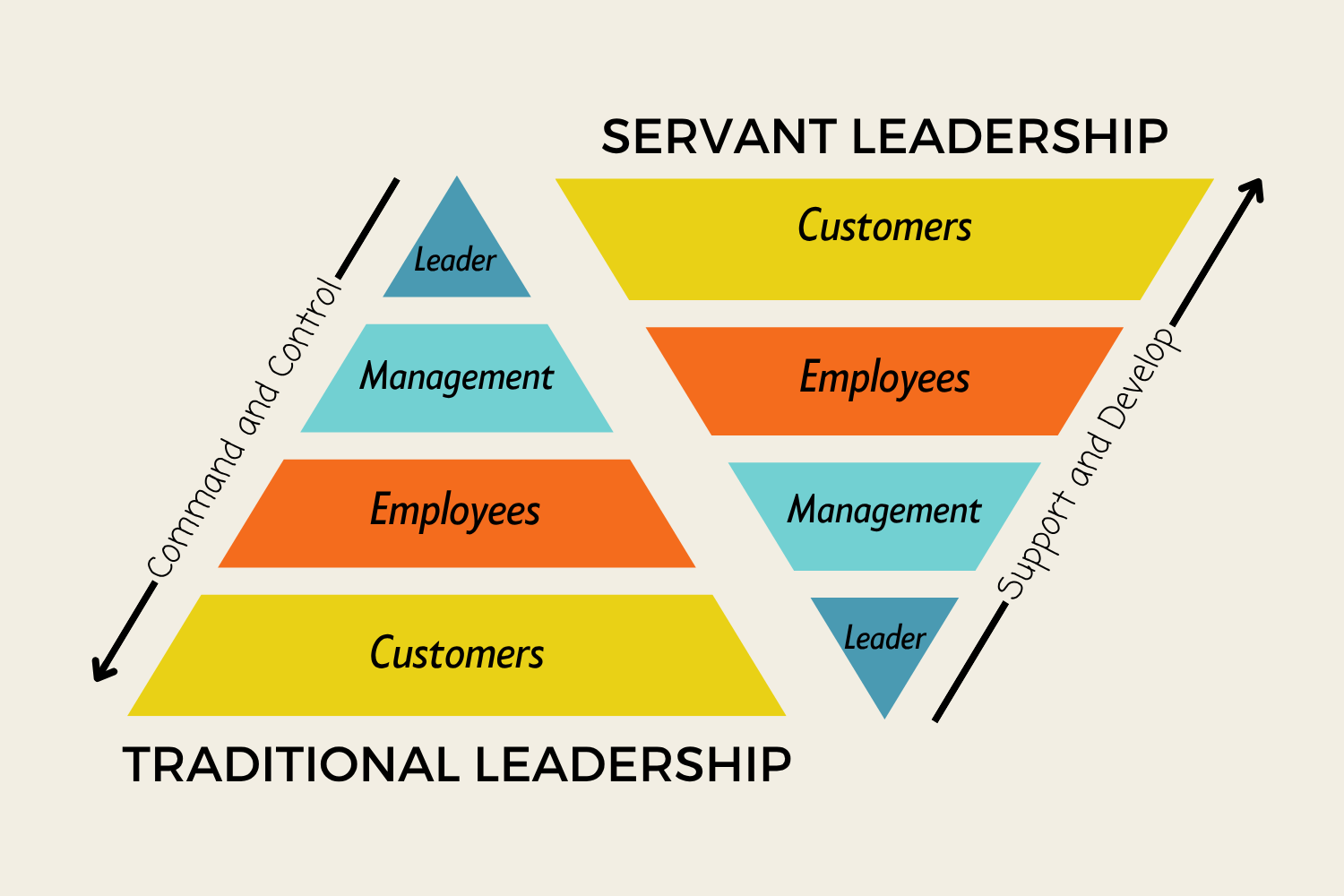
Servant Leadership
Flip "how can my team help me?" to "how can I help my team?" — job becomes removing obstacles, growing people.

The Insecurity Loop
A model of how insecurity, disguised as ego, shame, or control, drives a self-feeding cycle that pushes your team away.

The Leadership Code
Leadership runs on three traits — head, gut, heart — each toxic alone: competence without character is arrogance, courage without it reckless.
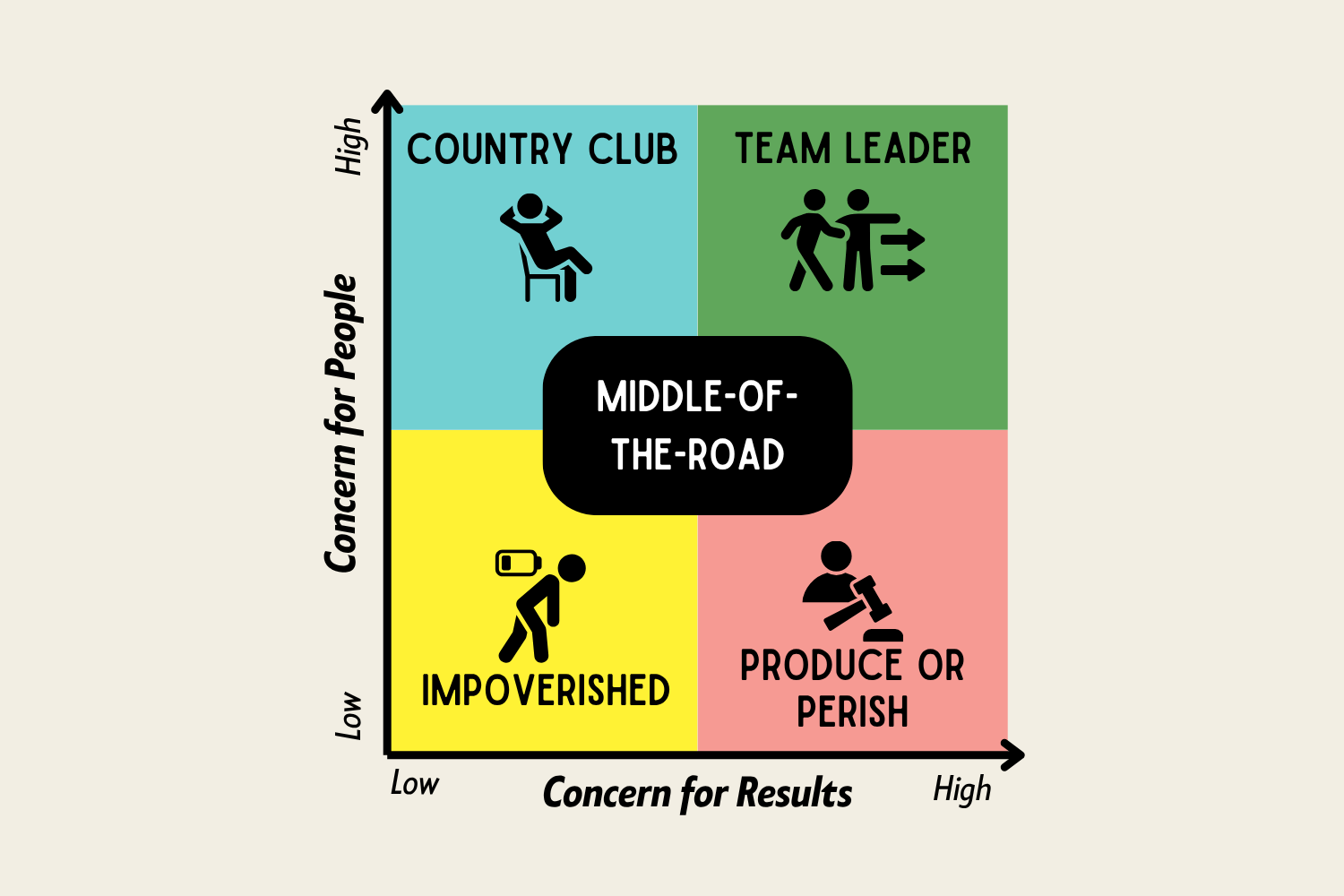
The Leadership Grid
Blake and Mouton mapped two axes — care for people, care for results — into five leadership styles you'll recognize instantly.
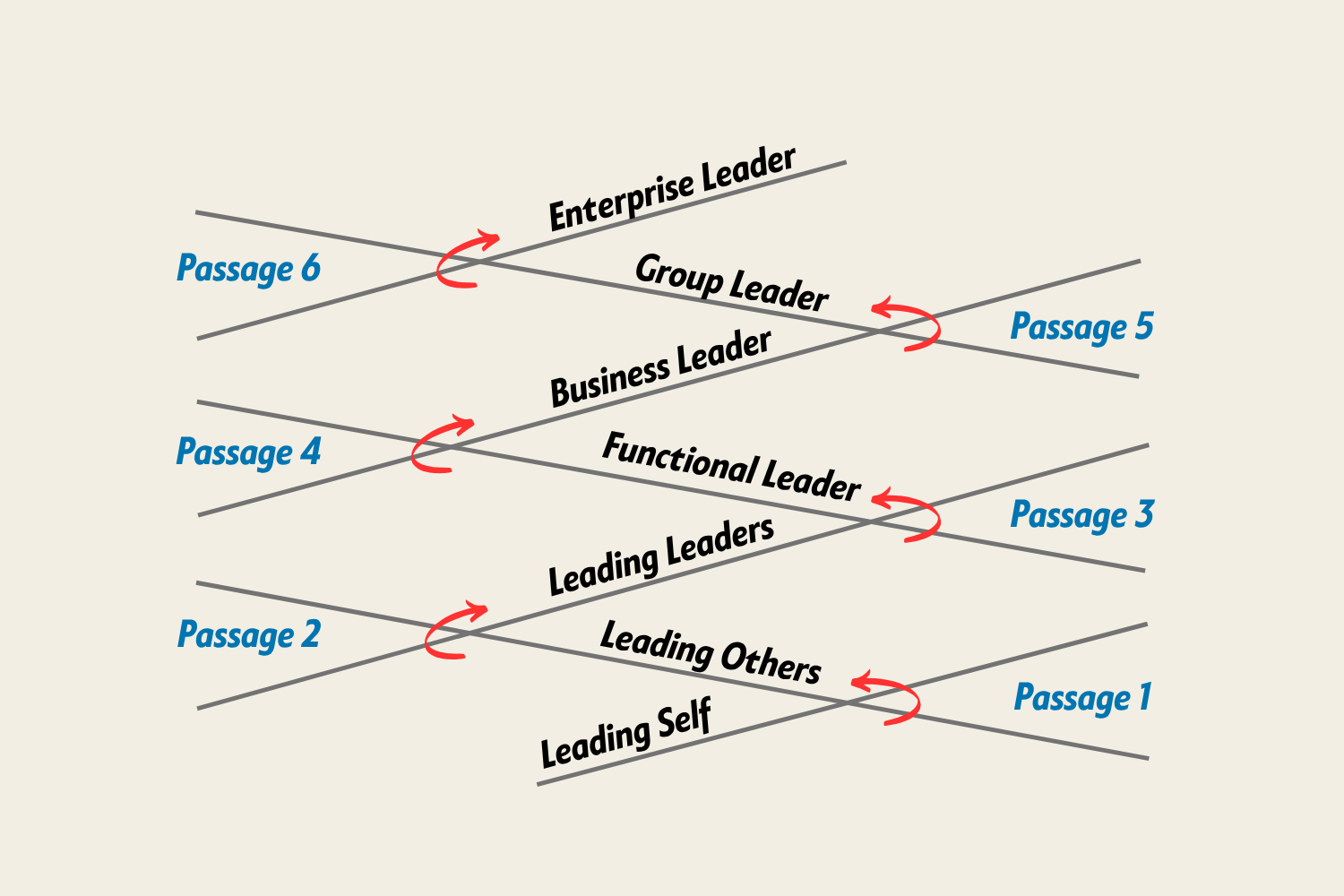
The Leadership Pipeline
Ram Charan mapped six passages into bigger leadership roles — at each one, old habits are exactly how you stall.
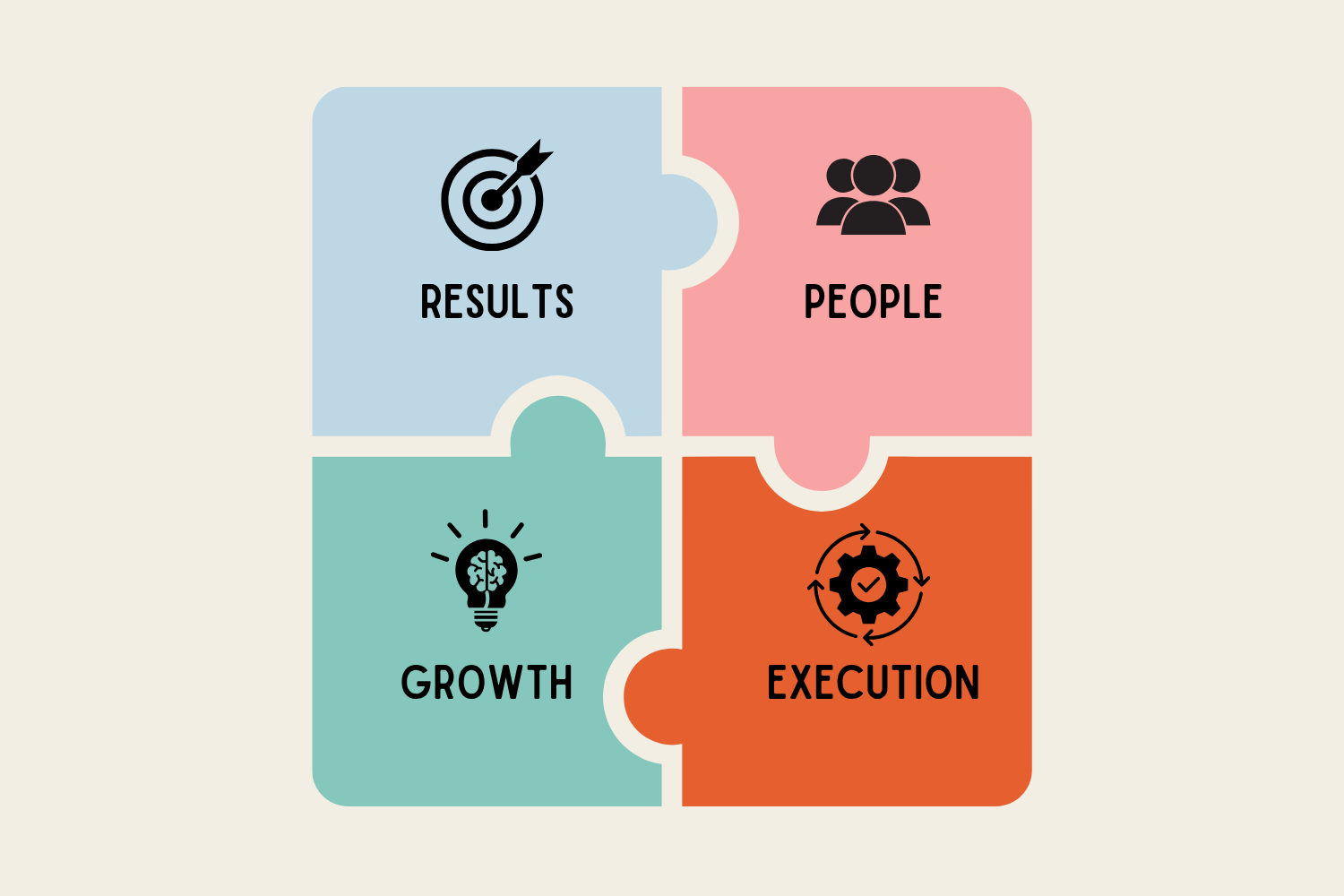
The Leadership Scorecard
A personal take on the Balanced Scorecard — Results, People, Execution, Growth — catching which one you're quietly neglecting.

The Pygmalion Effect
What you expect from someone leaks into how you treat them, which shapes what they become — for better or worse.

The Three Brains Framework
Three systems compete to drive your response — reactive, emotional, thinking. Pause, align, choose — that's how you decide which one leads.
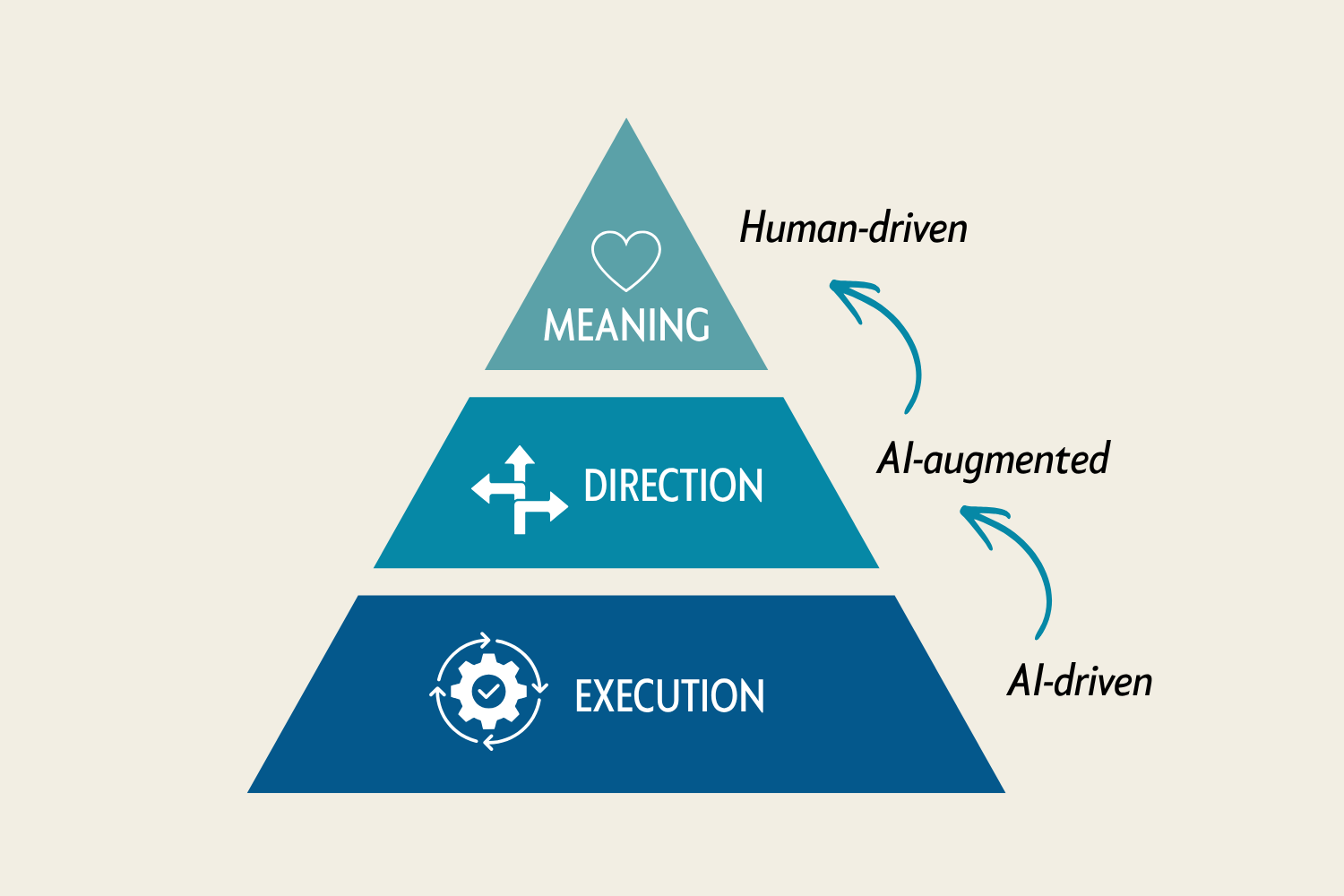
The Three Layers of Leadership
A pyramid — Execution, Direction, Meaning — where your value has to move up as AI automates execution.
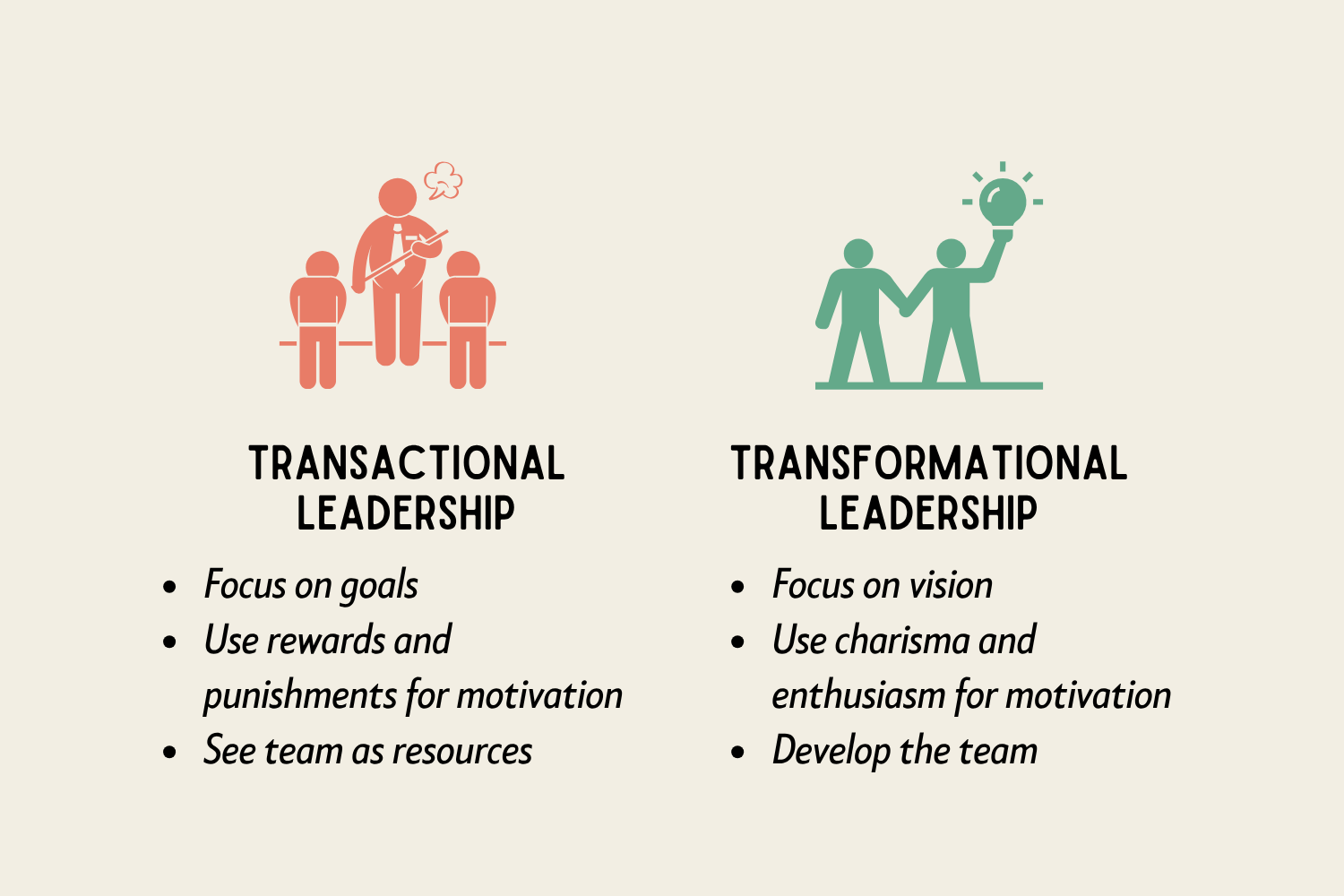
Transformational Leadership
Inspire people past self-interest and into a shared vision, raising what they aim for and what they're capable of.