Winning
Jack Welch's unapologetically blunt playbook for running a business and a team, built on the belief that most management dysfunction is really just a candor problem wearing a nicer name.
 Find this on the mind-map
Introduction
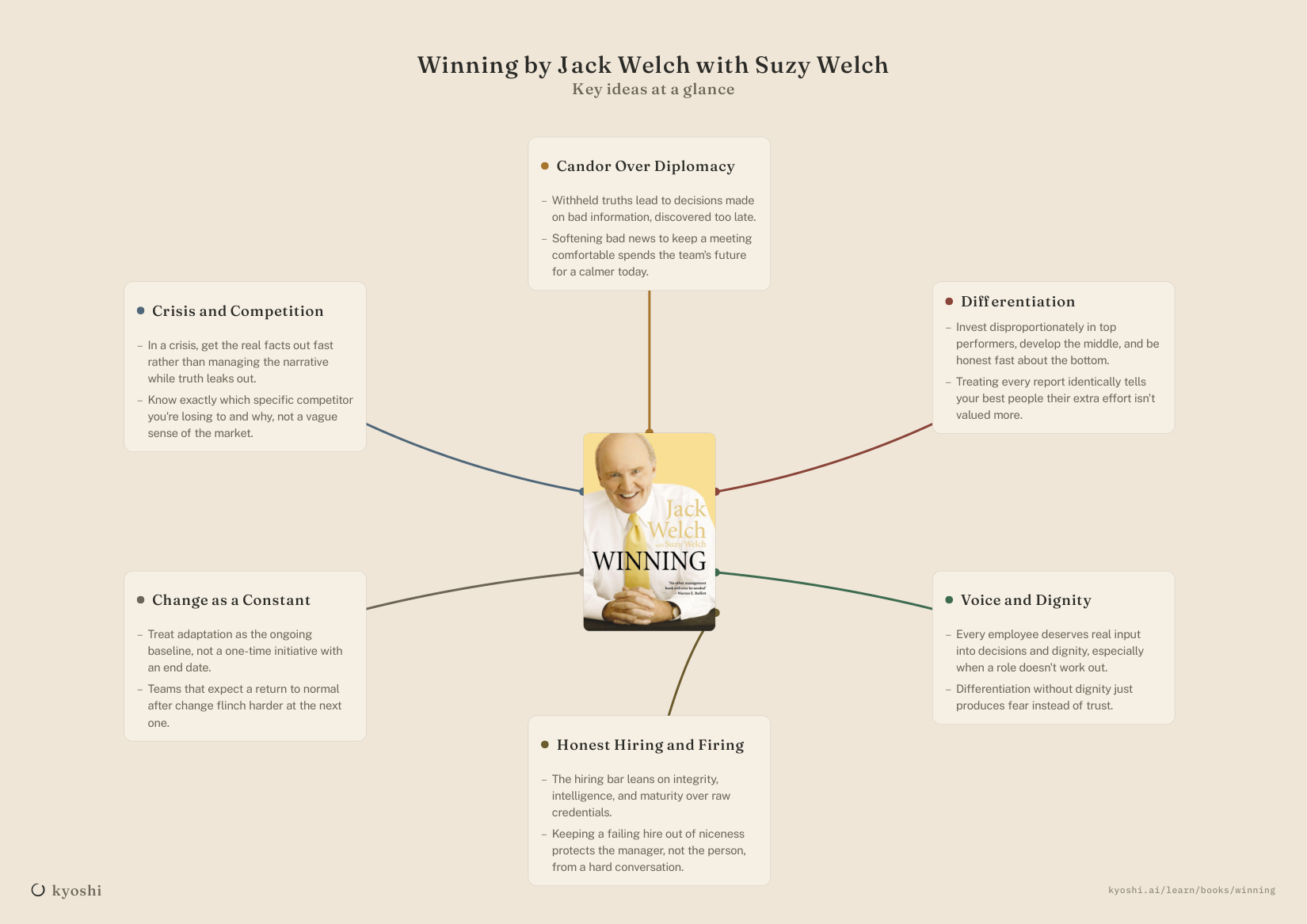
Welch's whole management philosophy comes down to one uncomfortable word: candor. Most organizational friction, in his telling, isn't a strategy problem. It's a withheld-truth problem, where everyone in the room knows something that nobody will say out loud. Winning is his attempt to write down, bluntly and without much hedging, what running a team and a business looks like when you refuse to manage around that silence.
Candor Over Diplomacy
Welch's case against the usual corporate politeness is practical, not moral: when people won't say what they actually think, decisions get made on bad information, and problems get discovered months later than they should have. A manager who tells a team "good job, everyone" after a mediocre quarter because the real feedback feels uncomfortable isn't being kind. They're spending the team's future for a calmer meeting today. Real candor is uncomfortable in the room and cheap in the long run; diplomacy-as-avoidance is pleasant in the room and expensive later.
Differentiation: Not Everyone Gets the Same Investment
Welch's most controversial idea is treating performance tiers differently on purpose: investing disproportionately in your strongest performers, developing the broad middle, and being honest (quickly) about the bottom tier rather than letting underperformance drift for years. The uncomfortable part isn't the ranking itself, it's what most managers do instead: treat every report identically regardless of contribution, which tells your best people, without saying so directly, that their effort isn't actually valued more than anyone else's.
Voice and Dignity
Even in a book this blunt about performance tiers, Welch insists every employee deserves a real voice (genuine input into decisions that affect their work) and dignity, especially when a role or a person doesn't work out. Differentiation without dignity just produces fear. The two have to travel together, or the honesty curdles into something people stop trusting.
Hiring and Firing With Honesty
Welch's hiring bar leans heavily on integrity, intelligence, and maturity over raw credentials, and his approach to firing is blunt in the same direction: when someone isn't working out, the kindest thing is clarity and speed, not a slow, ambiguous drift that everyone on the team can see except the person living it. A manager who keeps a clearly-failing hire for a year "to be nice" isn't protecting that person. They're protecting themselves from an uncomfortable conversation, at that person's expense.
Change as a Constant, Not an Event
Welch treats change management less as a special initiative and more as an ongoing leadership condition. The business environment doesn't pause to let you finish adjusting before the next shift arrives. Leaders who announce change as a one-time event train their teams to expect a return to normal afterward; leaders who treat adaptation as the baseline condition build teams that don't flinch at the next one.
Crisis and Competition
Welch's instinct in a crisis is to get the real facts in front of people fast, even when they're bad, rather than managing the narrative while the truth leaks out anyway. On competition, his repeated advice is to know exactly who you're actually losing to and why, in specific terms, not a vague sense of "the market," but the precise competitor and the precise reason a customer chose them instead.
Putting It Together
Candor is the foundation everything else in the book depends on. Differentiation without candor is just arbitrary, hiring and firing without candor is either too slow or too cruel, and crisis response without candor just delays the bad news everyone eventually gets anyway. Welch's bet is that a team that can handle hard truths quickly will always outperform one that's been managed to feel comfortable.
Why It Matters for Leaders
Most managers don't think of themselves as avoiding candor. They think of themselves as being diplomatic, or giving someone the benefit of the doubt, or not wanting to pile on during a hard quarter. Welch's point is that the kindness is often an illusion: the feedback still needs to be delivered eventually, and every month it waits, it gets harder to say and more expensive to have skipped.
The useful discipline here is noticing the specific moment you soften something true. You're drafting an update and you change "we missed the number because the plan was wrong" to "a few headwinds affected Q3." That edit feels considerate. It's actually a decision to spend your team's future understanding for a more comfortable meeting today, because the plan doesn't get fixed if nobody names what was actually wrong with it.
The same logic applies to how you treat your team, not just how you talk to them. Giving your strongest performer and your weakest performer the same amount of coaching time and the same stretch opportunities feels fair. It actually tells your best person that the extra effort they put in doesn't buy them anything, which is a worse message than an honest conversation about where someone stands.
Picture a VP, Grace, reviewing a product that's been losing deals, without much noise, to a specific competitor for a specific reason, say, a feature gap her team has known about for two quarters. The easy update to leadership is "the market is getting more competitive." The harder, more useful update names the competitor, names the feature gap, and names what it would cost to close it. One version protects Grace from an uncomfortable conversation. The other actually gives leadership something they can decide on.
What to do next
Reinforce your understanding of Winning
Books related to Winning

Dare to Lead
Brené Brown's case that vulnerability isn't the opposite of strong leadership. It's the precondition for it, and the armor most leaders wear to look strong is usually what's actually holding their team back.

Developing the Leader Within You
John Maxwell's foundational case that leadership is influence, not title, and that the gap between "manager" and "leader" is a set of learnable habits, not a personality you were or weren't born with.

Drive
Daniel Pink's case that the carrot-and-stick playbook most managers inherited is actually the wrong tool for most of today's work, and what motivates people doing complex, creative work instead.

Extreme Ownership
Two Navy SEAL officers' blunt rule for leadership, forged in the Battle of Ramadi and translated straight into the business world: there are no bad teams, only bad leaders, and the leader owns every outcome, full stop, no exceptions, no shared blame.

Good to Great
Jim Collins' research into why some companies go from average to sustained market dominance, and others don't. Read less as a book about companies and more as a book about the kind of leader you have to become before a company (or a team) can get great.

Leadership in Turbulent Times
Historian Doris Kearns Goodwin places Lincoln, Theodore Roosevelt, FDR, and LBJ side by side and asks the same question about each: what did their worst personal crisis actually build in them, and how did they spend it once real power and a real emergency arrived at the same time.

Lean In
Sheryl Sandberg's argument that the barriers keeping women out of leadership are real on both sides: structural bias in how organizations operate, and self-imposed caution in how women are taught to see their own ambition. Fixing only one side leaves the other fully intact.

Mindset
Carol Dweck's research on why some people treat ability as fixed and others treat it as something built, and why the belief you hold about yourself shapes how your whole team learns, fails, and improves, often without anyone noticing it happening.

Primal Leadership
The case that a leader's mood isn't a private matter. It's contagious through the whole team, which makes emotional intelligence the real infrastructure underneath every other leadership skill.

The 21 Irrefutable Laws of Leadership
John Maxwell's attempt to turn leadership into something closer to a set of physical laws than a personality trait. Rules that hold regardless of your industry, your title, or how naturally charismatic you are.

The 5 Levels of Leadership
John Maxwell's map of how leadership actually gets earned, level by level, and why the title on your door only ever buys you the lowest, least durable form of it.

The Diary of a CEO
Steven Bartlett's attempt to turn hundreds of founder and expert conversations into 33 numbered laws, organized into four pillars: the self, the story, the philosophy, and the team.
Skills related to Winning

Frameworks related to Winning
McKinsey 9-Box Model
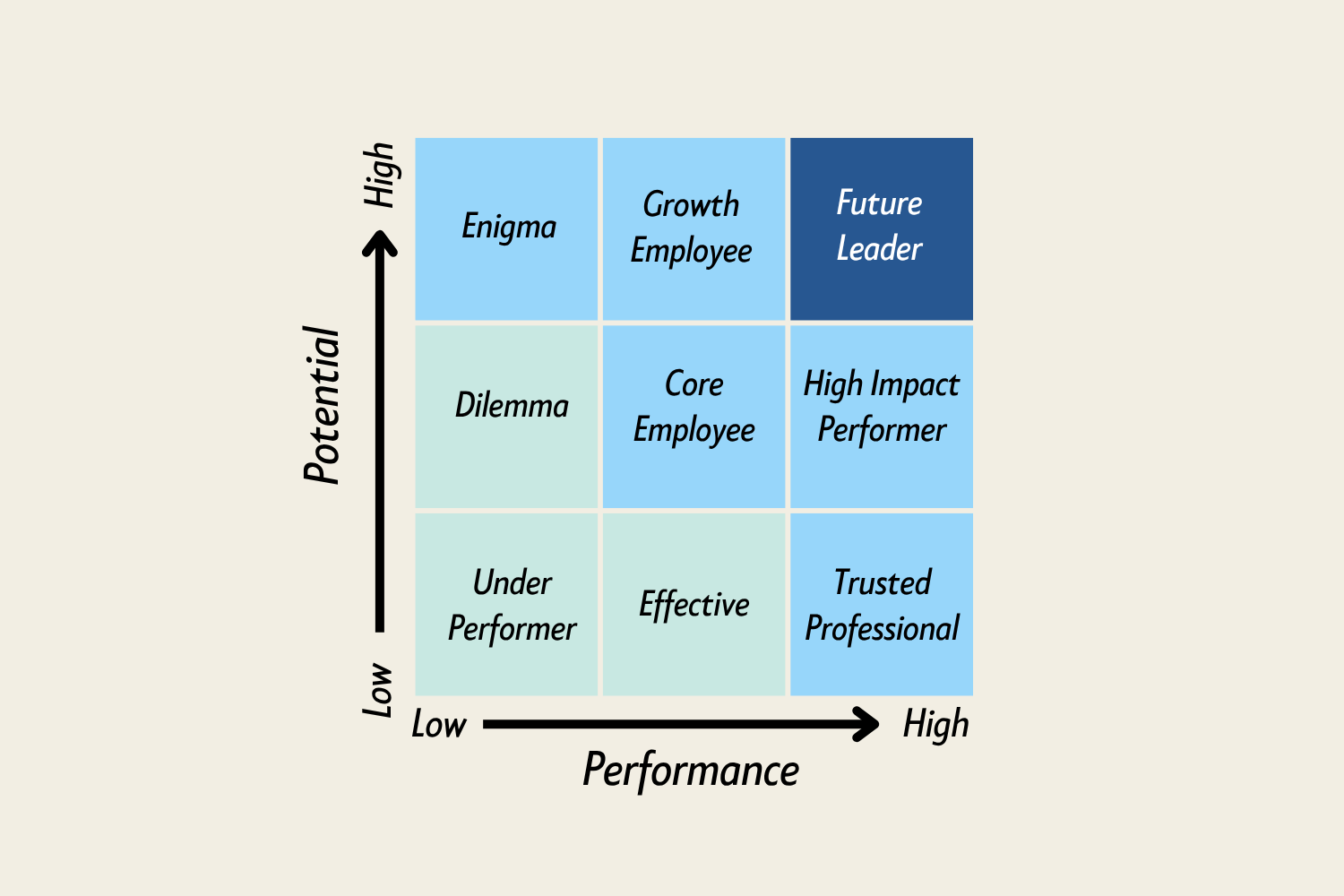
A 3x3 grid that plots each person on performance against potential, giving nine distinct calls instead of one blurry verdict.

Peter Principle
In a hierarchy, everyone rises to their level of incompetence, because promotion rewards your current job, not tomorrow's.
Servant Leadership
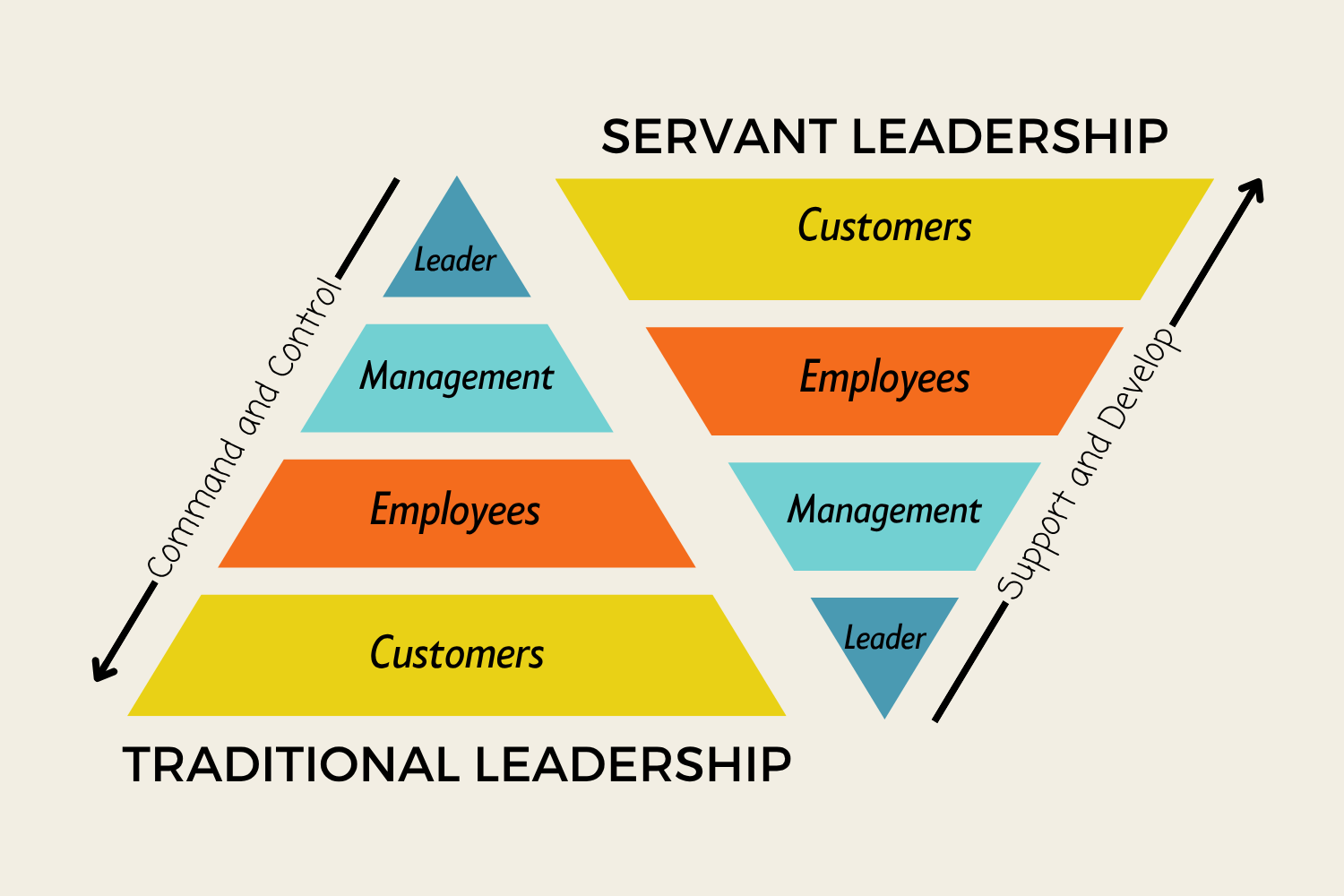
Flip "how can my team help me?" to "how can I help my team?" — job becomes removing obstacles, growing people.

The Leadership Code
Leadership runs on three traits — head, gut, heart — each toxic alone: competence without character is arrogance, courage without it reckless.
The Leadership Grid
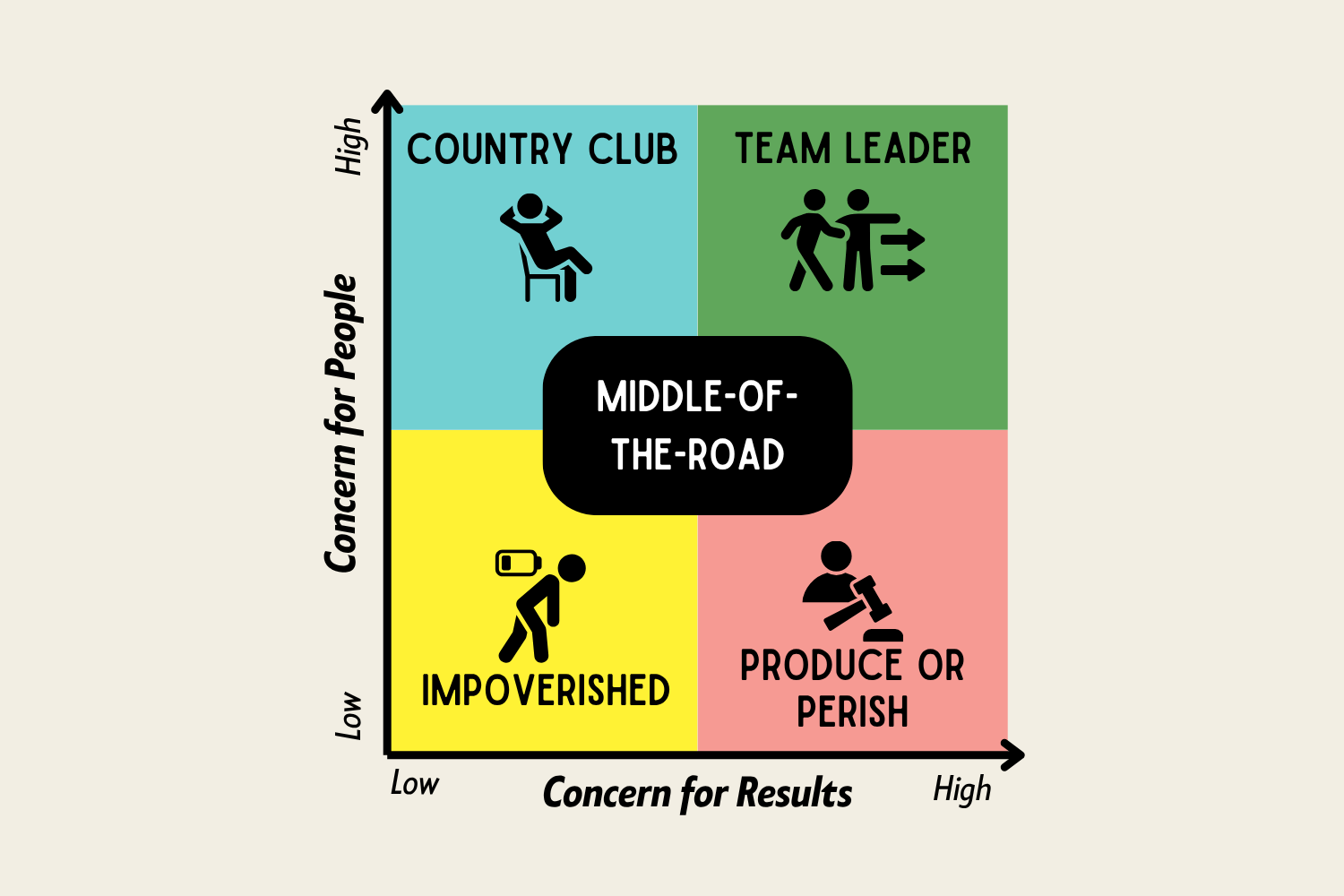
Blake and Mouton mapped two axes — care for people, care for results — into five leadership styles you'll recognize instantly.
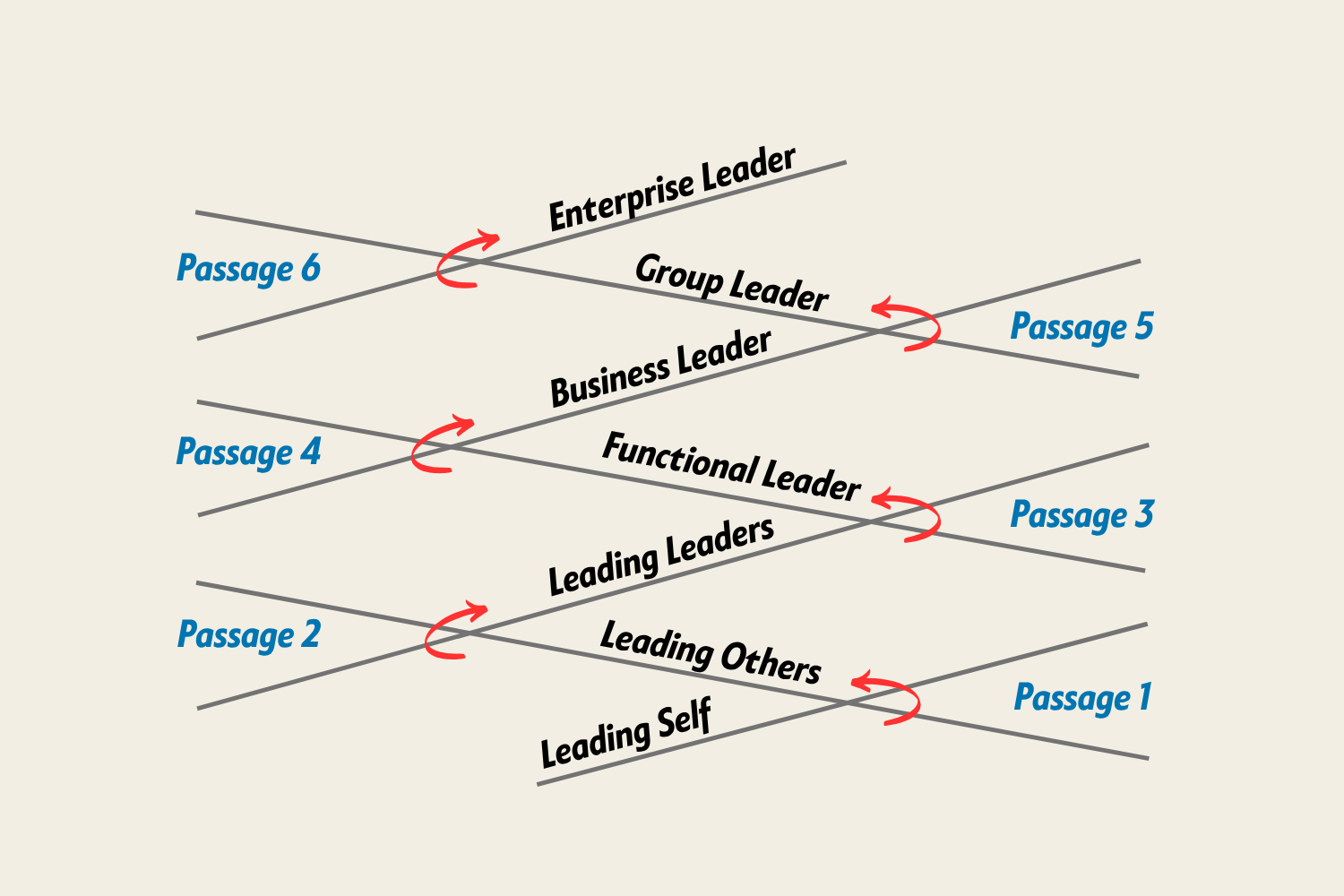
The Leadership Pipeline
Ram Charan mapped six passages into bigger leadership roles — at each one, old habits are exactly how you stall.
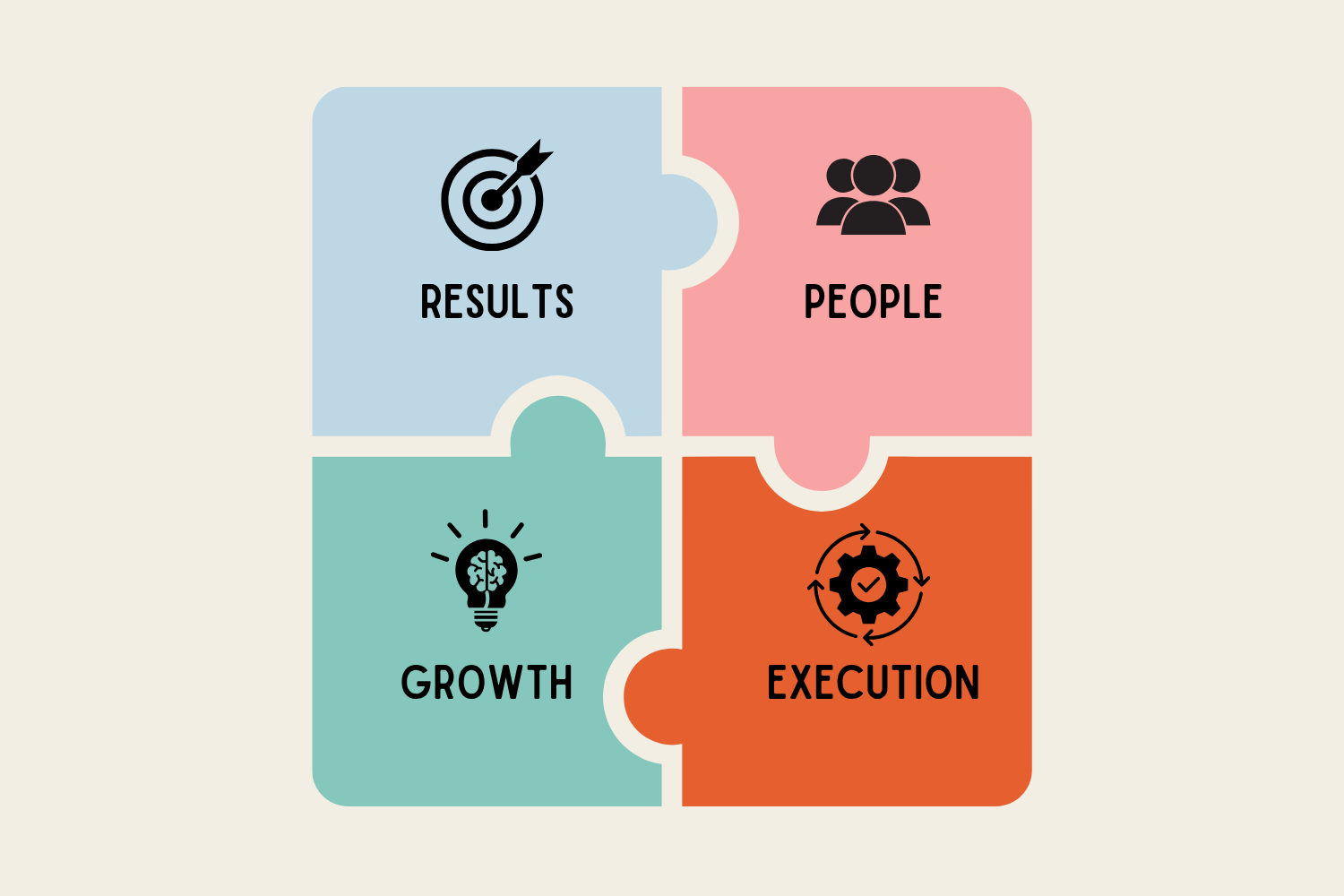
The Leadership Scorecard
A personal take on the Balanced Scorecard — Results, People, Execution, Growth — catching which one you're quietly neglecting.
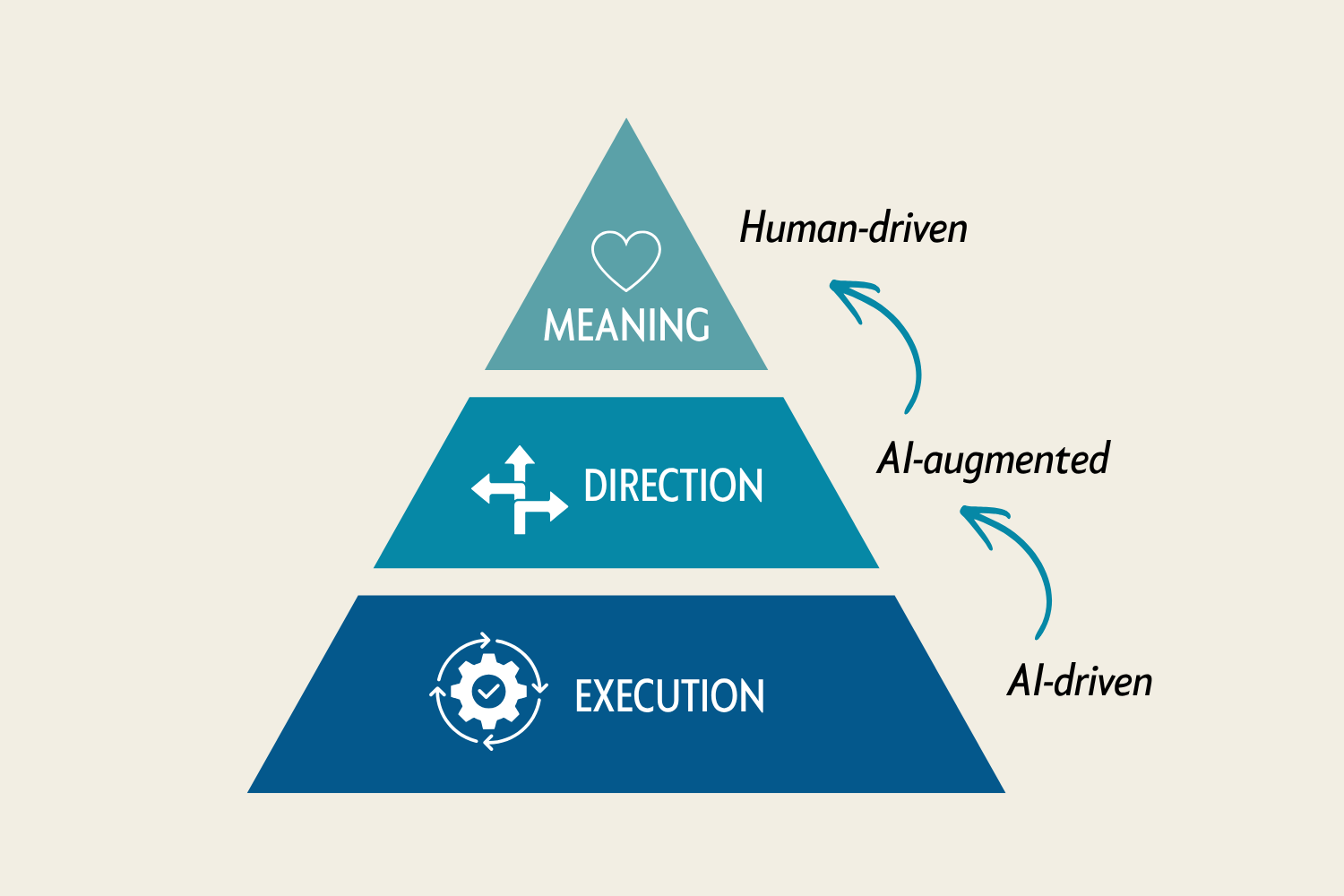
The Three Layers of Leadership
A pyramid — Execution, Direction, Meaning — where your value has to move up as AI automates execution.
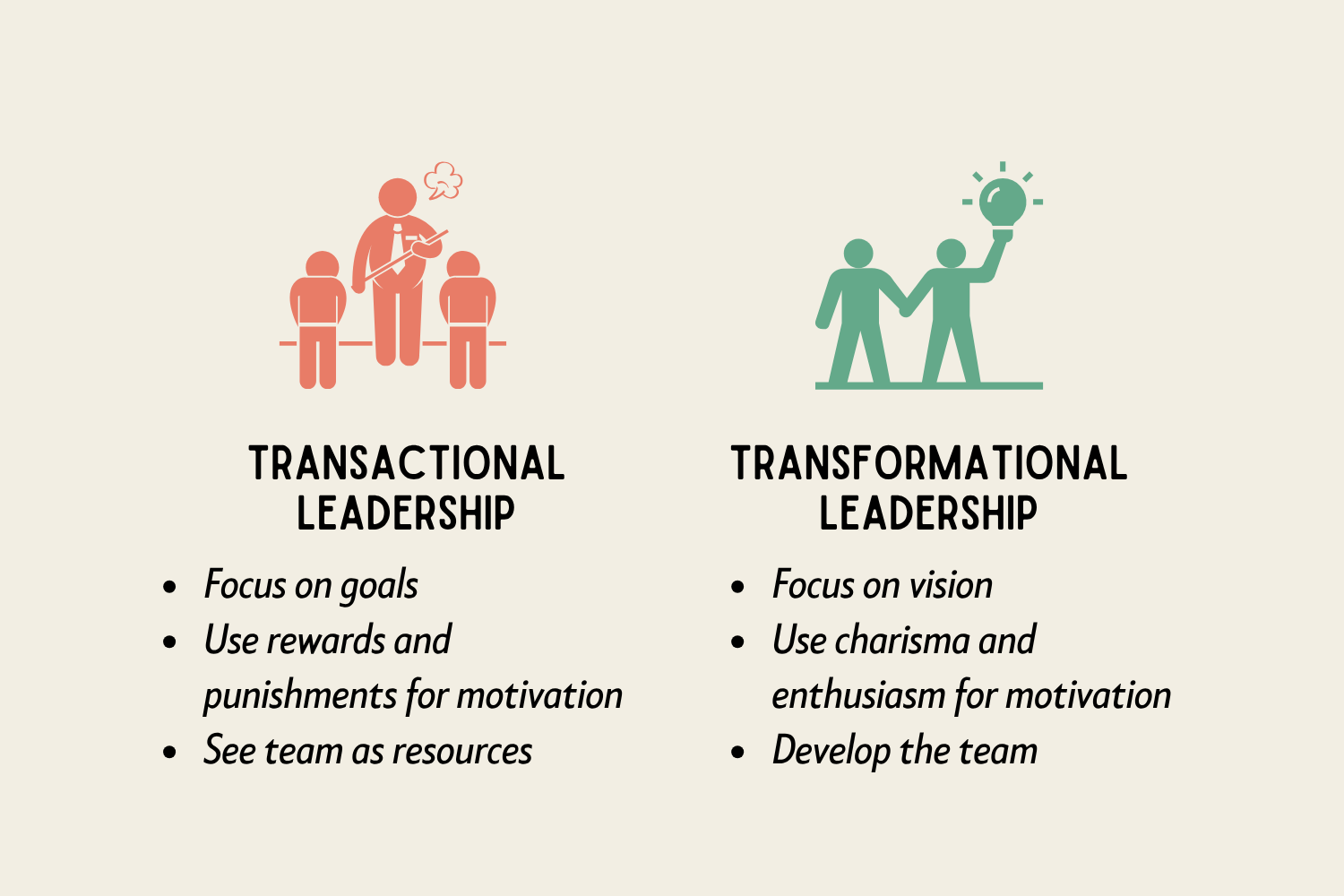
Transformational Leadership
Inspire people past self-interest and into a shared vision, raising what they aim for and what they're capable of.