Drive
Daniel Pink's case that the carrot-and-stick playbook most managers inherited is actually the wrong tool for most of today's work, and what motivates people doing complex, creative work instead.
 Find this on the mind-map
Introduction
Pink's argument starts with a mismatch: most organizations still run on a motivation model built for simple, repetitive, assembly-line work (do this, get that reward), even though most knowledge work today is complex, creative, and judgment-heavy. For that kind of work, Pink argues, carrots and sticks don't just fail to help, they can actively narrow focus and crowd out the kind of thinking the work actually requires. What actually drives performance on hard, interesting problems is a different set of ingredients entirely.
When Rewards Backfire
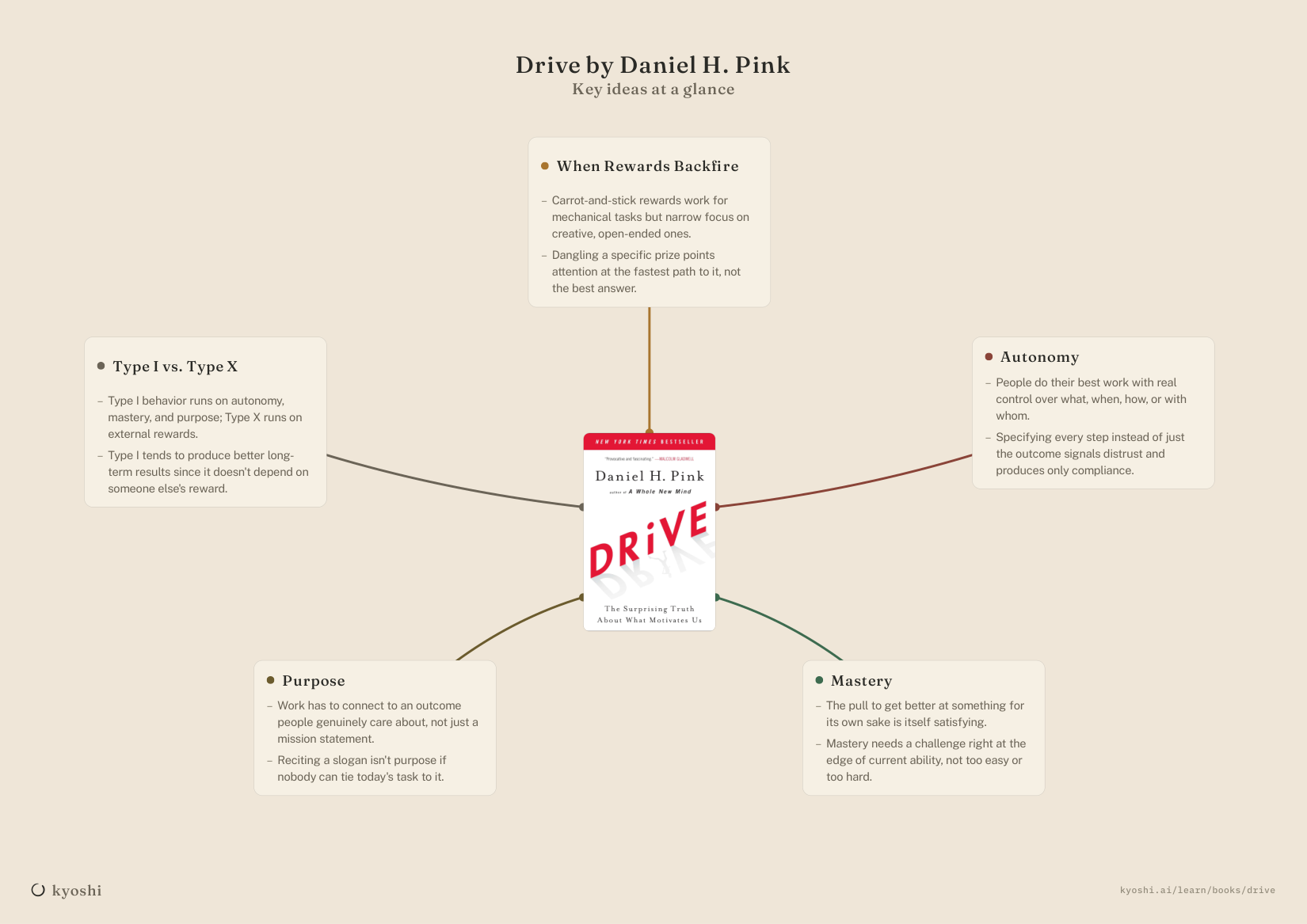
For mechanical, narrow tasks, "if you do this, then you get that" rewards work fine. For tasks that require creativity or open-ended problem-solving, the same reward structure can backfire, because dangling a prize narrows attention to the fastest path to the prize, which is often the opposite of the exploratory thinking a hard problem needs. Picture two managers assigning the same ambiguous problem: one offers a bonus explicitly tied to a specific solution path, the other just asks for the best answer and steps back. The second manager's team is more likely to find an unexpected, better answer, because nobody narrowed their attention toward the reward instead of the problem.
Autonomy
People do their best work on complex tasks when they have real control over at least one of four things: what they work on, when, how, or with whom. Autonomy isn't the absence of accountability. It's trusting people with the "how" once the "what" and "why" are clear. A manager who specifies not just the outcome but every step to get there isn't managing risk, they're signaling, without saying so, that they don't trust the person to figure out the path, which tends to produce exactly the compliance-only effort that signal predicts.
Mastery
The second driver is the pull toward getting better at something that matters, for its own sake, not because a reward is attached to the improvement, but because closing the gap between current and possible skill is itself satisfying. Mastery requires a specific condition to actually engage people: the challenge has to sit right at the edge of current ability, hard enough to be absorbing, not so hard it's just frustrating or so easy it's boring.
Purpose
The third driver is a sense that the work connects to something larger than the immediate task, a reason the work matters beyond the paycheck attached to it. Pink is careful that purpose isn't a slogan on a wall; it shows up in whether people can actually connect their daily task to an outcome they genuinely care about. A team that can recite the company mission statement but can't explain how today's specific task serves it doesn't have purpose, it has marketing.
Type I vs. Type X Behavior
Pink distinguishes between "Type I" behavior, driven primarily by the intrinsic rewards of autonomy, mastery, and purpose, and "Type X" behavior, driven primarily by external rewards. Type I isn't inherently nobler, but Pink's claim is that it tends to produce better long-term outcomes on complex work, partly because it doesn't depend on someone else continuing to dangle the right reward.
Putting It Together
Autonomy, mastery, and purpose aren't three separate initiatives to roll out. They're the conditions a manager removes obstacles to, rather than things a manager directly grants. The practical shift Pink is pushing for isn't "stop rewarding people," it's recognizing that for hard, creative work, the old carrot-and-stick toolkit is solving for compliance when what the work actually needs is genuine engagement.
Why It Matters for Leaders
Most managers default to extrinsic levers (bonuses, deadlines, praise) because they're fast and they work, visibly, in the short term. The cost shows up later, on exactly the kind of work that matters most: the hard, ambiguous problem where the first idea isn't the best one. Dangling a specific reward on that kind of work narrows people toward the fastest safe answer, which is often the wrong thing to optimize for.
The practical shift isn't to stop managing or stop rewarding people. It's to get specific about which of the four levers, what, when, how, or who, you're actually willing to hand over on a given piece of work, and then genuinely hand it over instead of asking for ideas and then overriding them anyway. Autonomy that gets revoked the first time someone's approach differs from yours isn't autonomy. It's a test people learn to fail safely.
The same discipline applies to purpose. Reciting the company mission in a kickoff doesn't connect anyone to anything. What connects someone to a task is a manager who can say, specifically, how this one assignment ties to an outcome that person has actually said they care about, not the outcome the slide deck cares about.
Picture a manager, Noah, who's handing his strongest engineer a genuinely open-ended problem: figuring out why a key workflow keeps breaking under load. His instinct is to offer a bonus tied to shipping a fix by Friday. Pink's argument says that's exactly backward. He'd get more out of telling her the deadline is flexible, the approach is entirely hers, and that fixing this unblocks the feature her own team has been asking for all quarter. That's slower to set up than a bonus. It's also the version where she actually finds the real problem instead of the fastest thing that looks like one.
What to do next
Reinforce your understanding of Drive
Books related to Drive

Dare to Lead
Brené Brown's case that vulnerability isn't the opposite of strong leadership. It's the precondition for it, and the armor most leaders wear to look strong is usually what's actually holding their team back.

Developing the Leader Within You
John Maxwell's foundational case that leadership is influence, not title, and that the gap between "manager" and "leader" is a set of learnable habits, not a personality you were or weren't born with.

Extreme Ownership
Two Navy SEAL officers' blunt rule for leadership, forged in the Battle of Ramadi and translated straight into the business world: there are no bad teams, only bad leaders, and the leader owns every outcome, full stop, no exceptions, no shared blame.

Good to Great
Jim Collins' research into why some companies go from average to sustained market dominance, and others don't. Read less as a book about companies and more as a book about the kind of leader you have to become before a company (or a team) can get great.

Leadership in Turbulent Times
Historian Doris Kearns Goodwin places Lincoln, Theodore Roosevelt, FDR, and LBJ side by side and asks the same question about each: what did their worst personal crisis actually build in them, and how did they spend it once real power and a real emergency arrived at the same time.

Lean In
Sheryl Sandberg's argument that the barriers keeping women out of leadership are real on both sides: structural bias in how organizations operate, and self-imposed caution in how women are taught to see their own ambition. Fixing only one side leaves the other fully intact.

Mindset
Carol Dweck's research on why some people treat ability as fixed and others treat it as something built, and why the belief you hold about yourself shapes how your whole team learns, fails, and improves, often without anyone noticing it happening.

Primal Leadership
The case that a leader's mood isn't a private matter. It's contagious through the whole team, which makes emotional intelligence the real infrastructure underneath every other leadership skill.

The 21 Irrefutable Laws of Leadership
John Maxwell's attempt to turn leadership into something closer to a set of physical laws than a personality trait. Rules that hold regardless of your industry, your title, or how naturally charismatic you are.

The 5 Levels of Leadership
John Maxwell's map of how leadership actually gets earned, level by level, and why the title on your door only ever buys you the lowest, least durable form of it.

The Diary of a CEO
Steven Bartlett's attempt to turn hundreds of founder and expert conversations into 33 numbered laws, organized into four pillars: the self, the story, the philosophy, and the team.

Winning
Jack Welch's unapologetically blunt playbook for running a business and a team, built on the belief that most management dysfunction is really just a candor problem wearing a nicer name.
Skills related to Drive

Frameworks referenced from this book

Frameworks related to Drive
McKinsey 9-Box Model
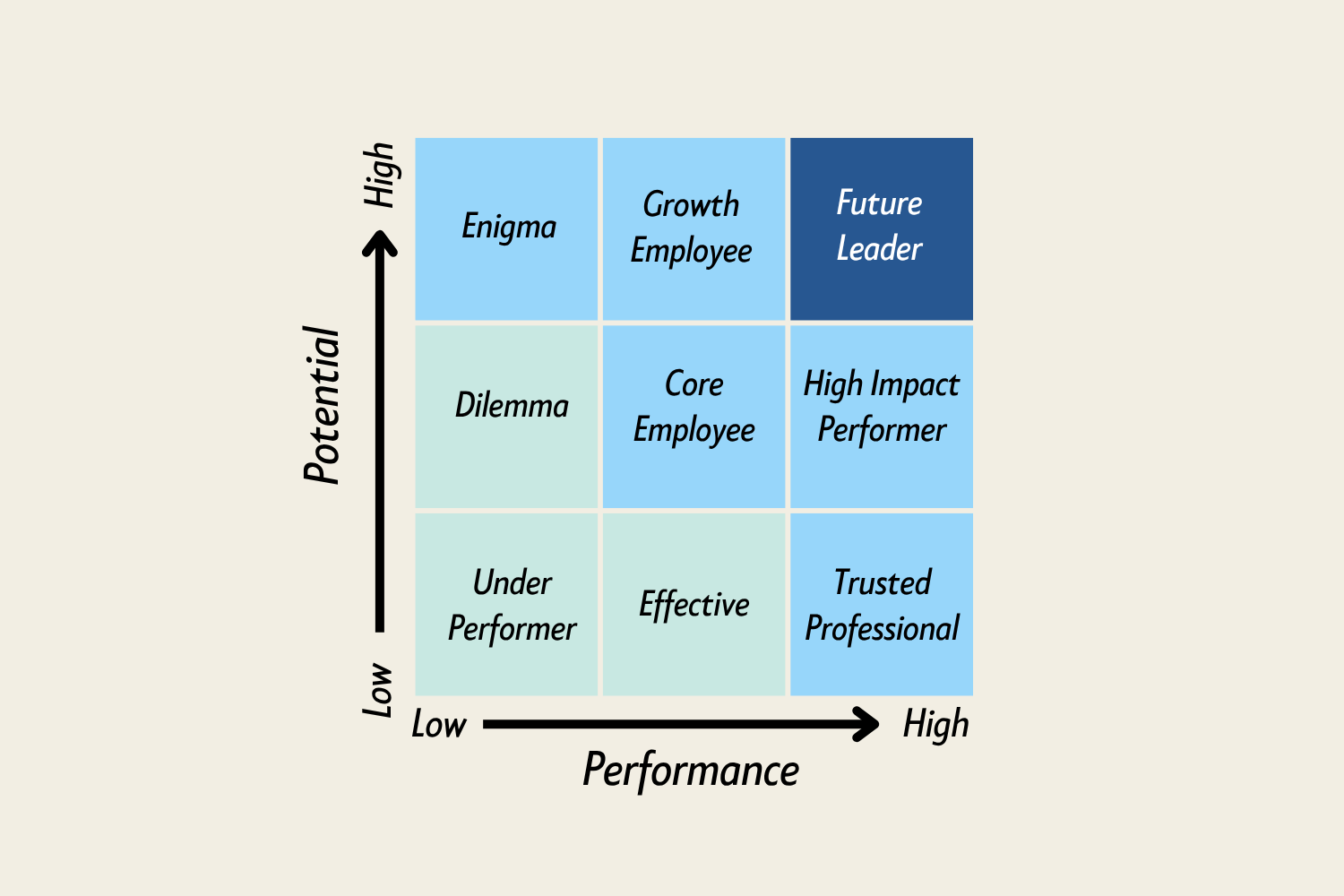
A 3x3 grid that plots each person on performance against potential, giving nine distinct calls instead of one blurry verdict.

Peter Principle
In a hierarchy, everyone rises to their level of incompetence, because promotion rewards your current job, not tomorrow's.
Servant Leadership
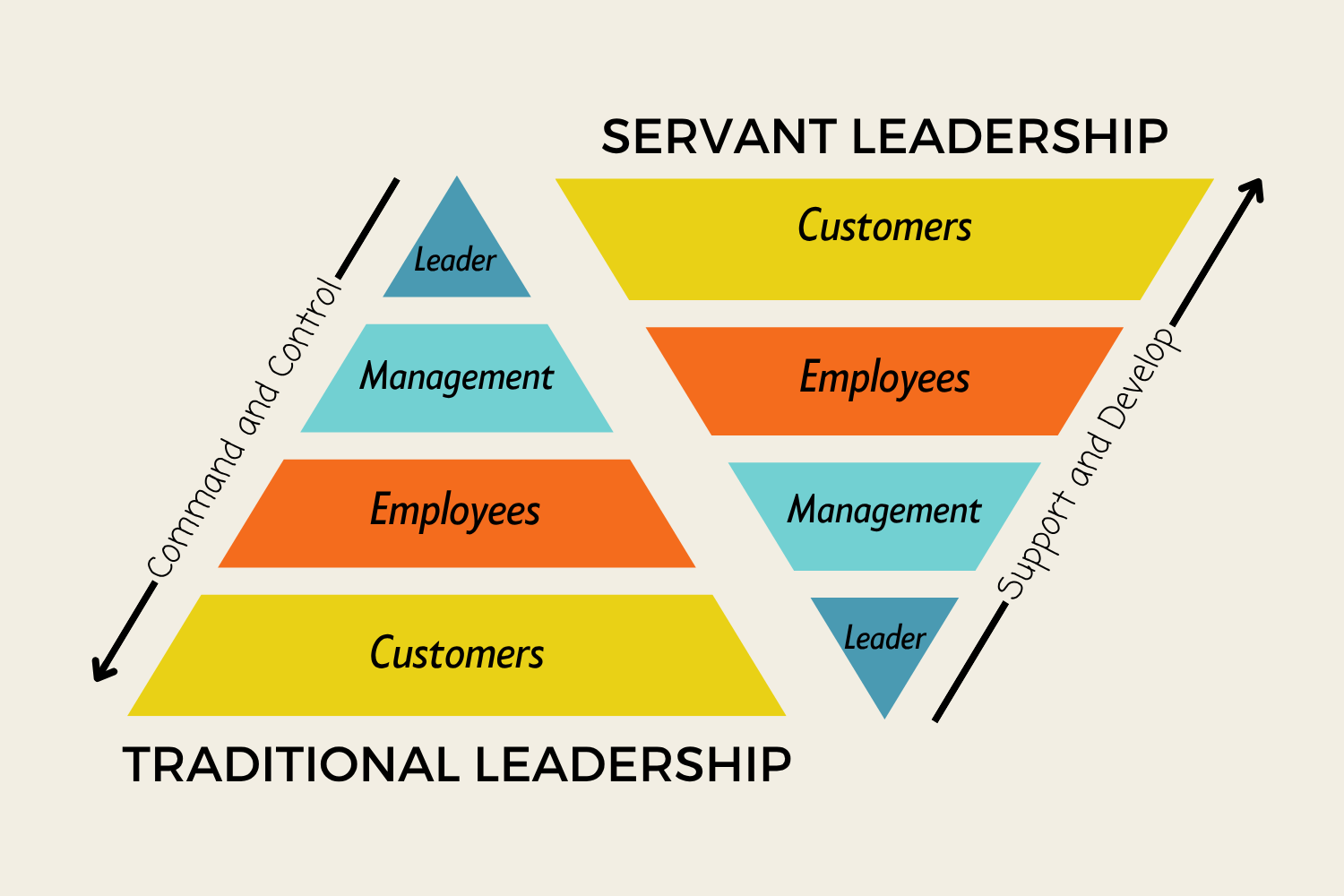
Flip "how can my team help me?" to "how can I help my team?" — job becomes removing obstacles, growing people.

The Leadership Code
Leadership runs on three traits — head, gut, heart — each toxic alone: competence without character is arrogance, courage without it reckless.
The Leadership Grid
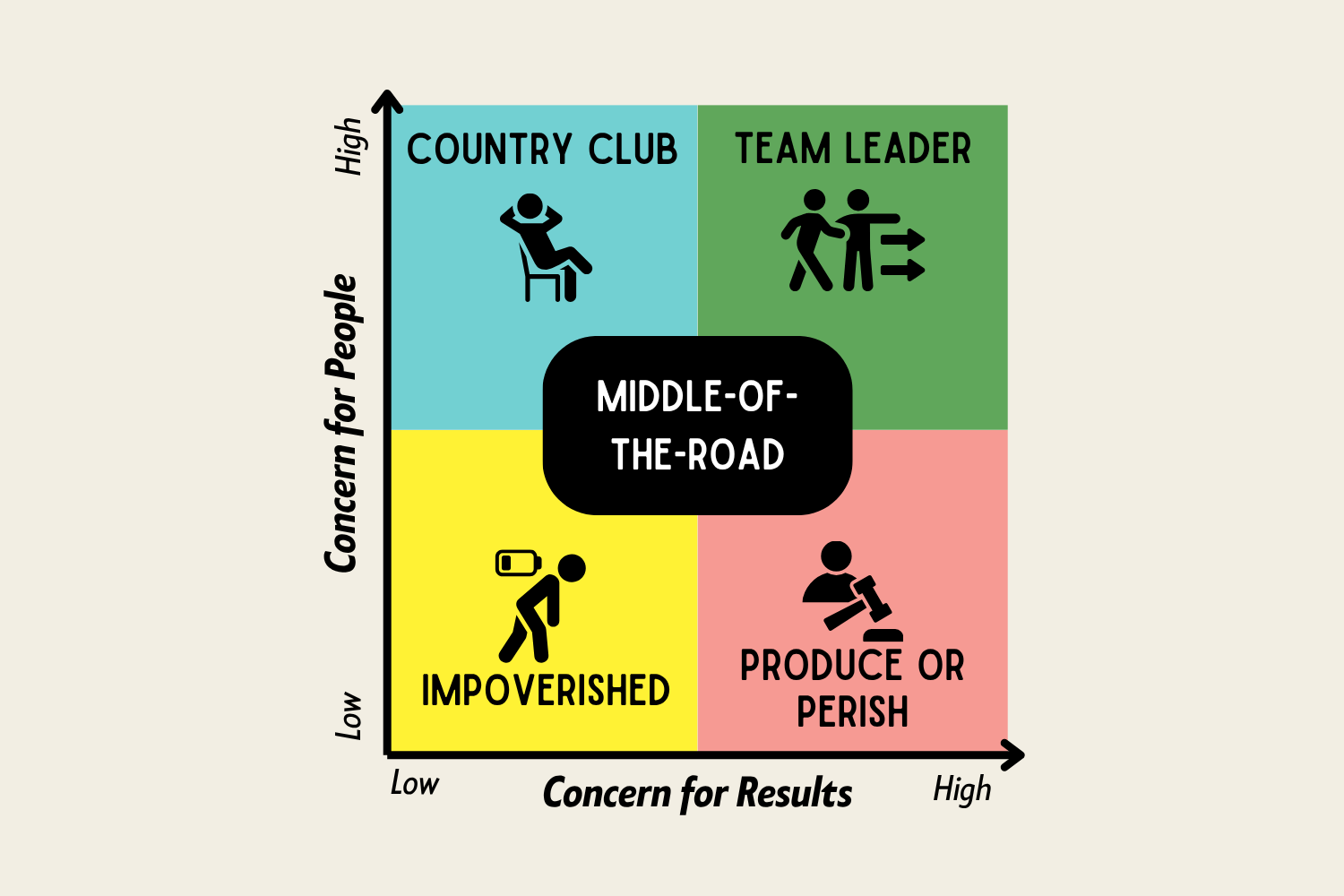
Blake and Mouton mapped two axes — care for people, care for results — into five leadership styles you'll recognize instantly.
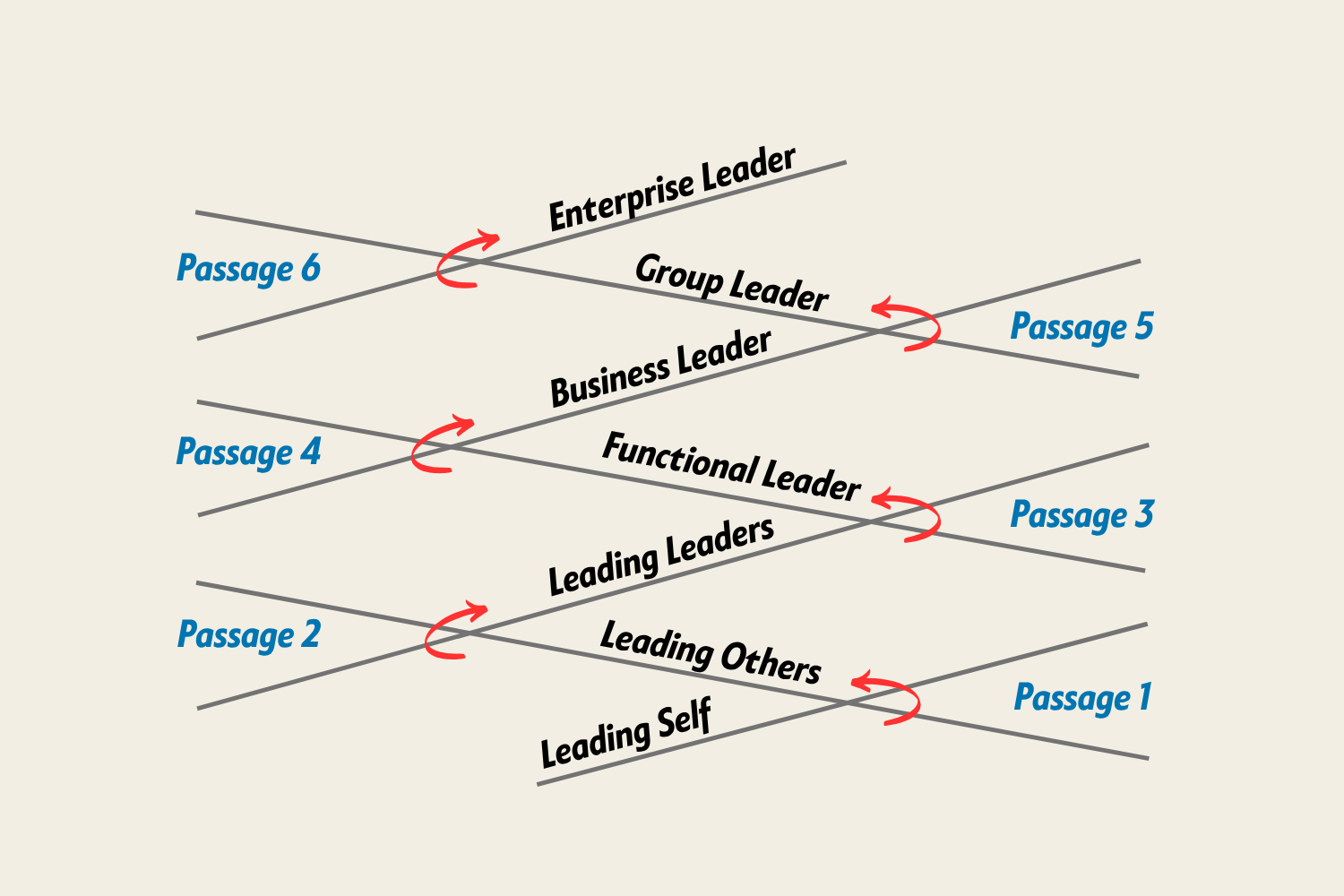
The Leadership Pipeline
Ram Charan mapped six passages into bigger leadership roles — at each one, old habits are exactly how you stall.
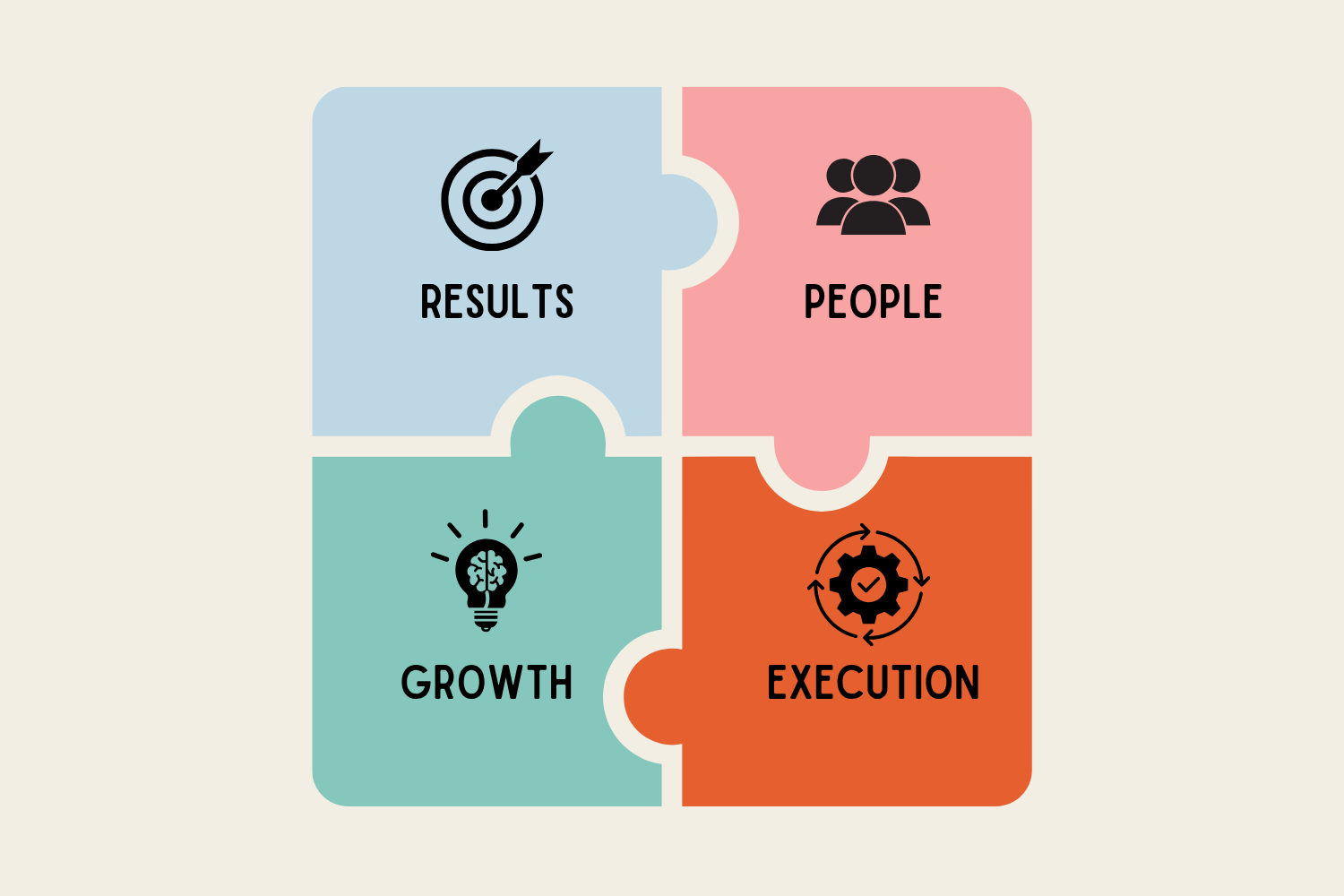
The Leadership Scorecard
A personal take on the Balanced Scorecard — Results, People, Execution, Growth — catching which one you're quietly neglecting.
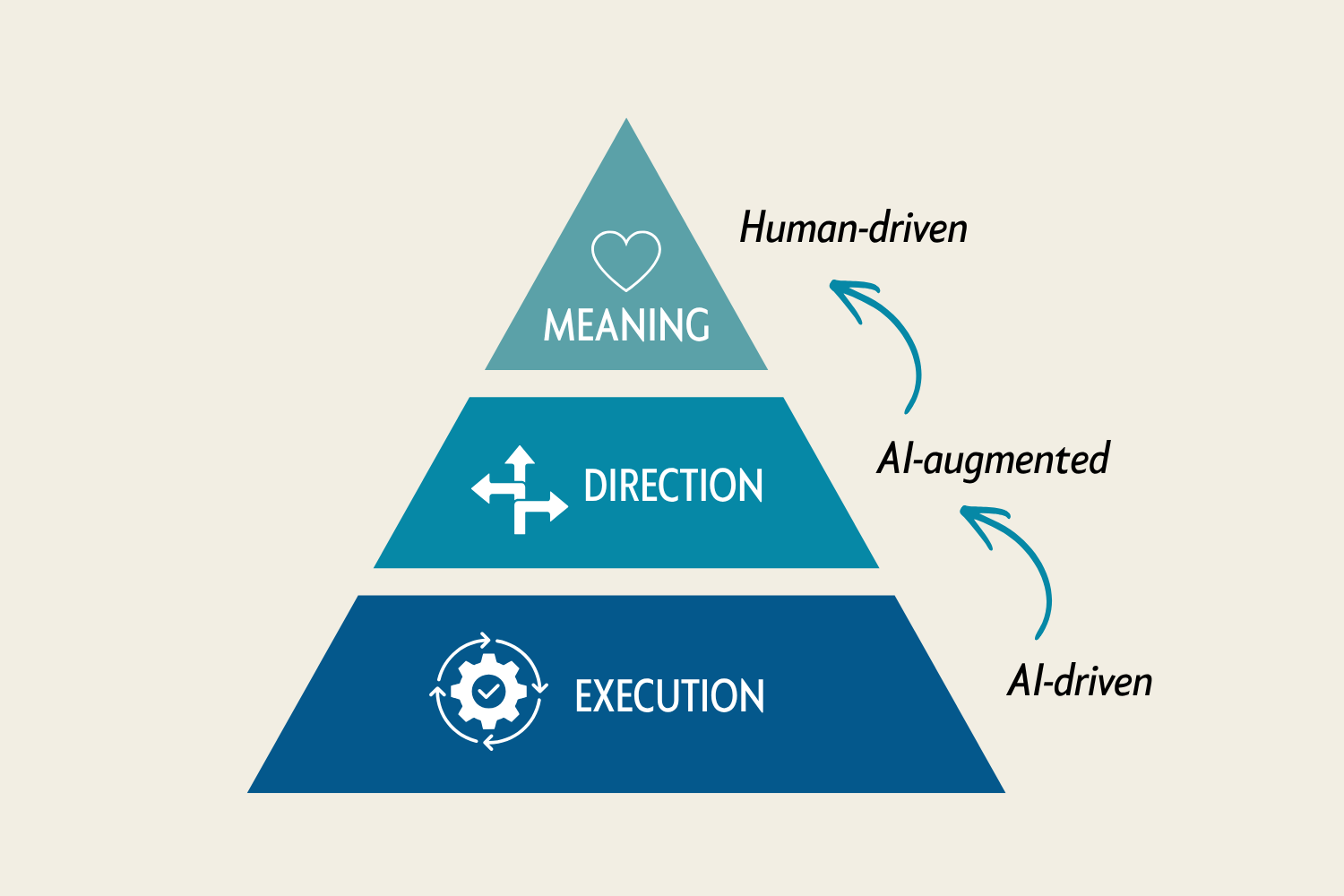
The Three Layers of Leadership
A pyramid — Execution, Direction, Meaning — where your value has to move up as AI automates execution.
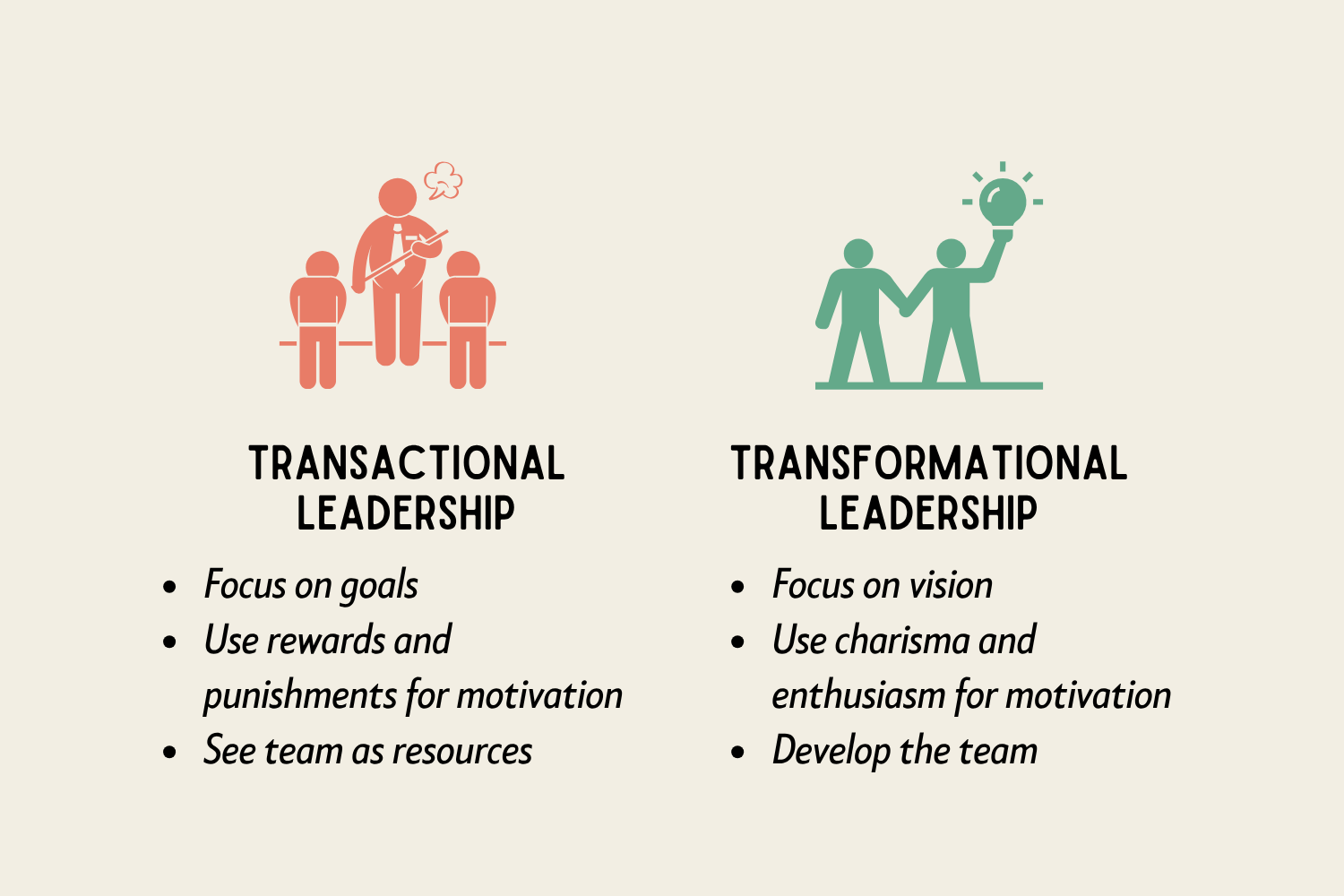
Transformational Leadership
Inspire people past self-interest and into a shared vision, raising what they aim for and what they're capable of.