Good to Great
Jim Collins' research into why some companies go from average to sustained market dominance, and others don't. Read less as a book about companies and more as a book about the kind of leader you have to become before a company (or a team) can get great.
 Find this on the mind-map
Introduction
Good to Great is not really a book about companies. Jim Collins and his research team studied companies that went from average performance to sustained market dominance, asking a simple question: what did the good-to-great companies do that others didn't? Underneath the business-strategy framing, the answer is mostly about what kind of leader has to be in the room before any of the rest is possible.
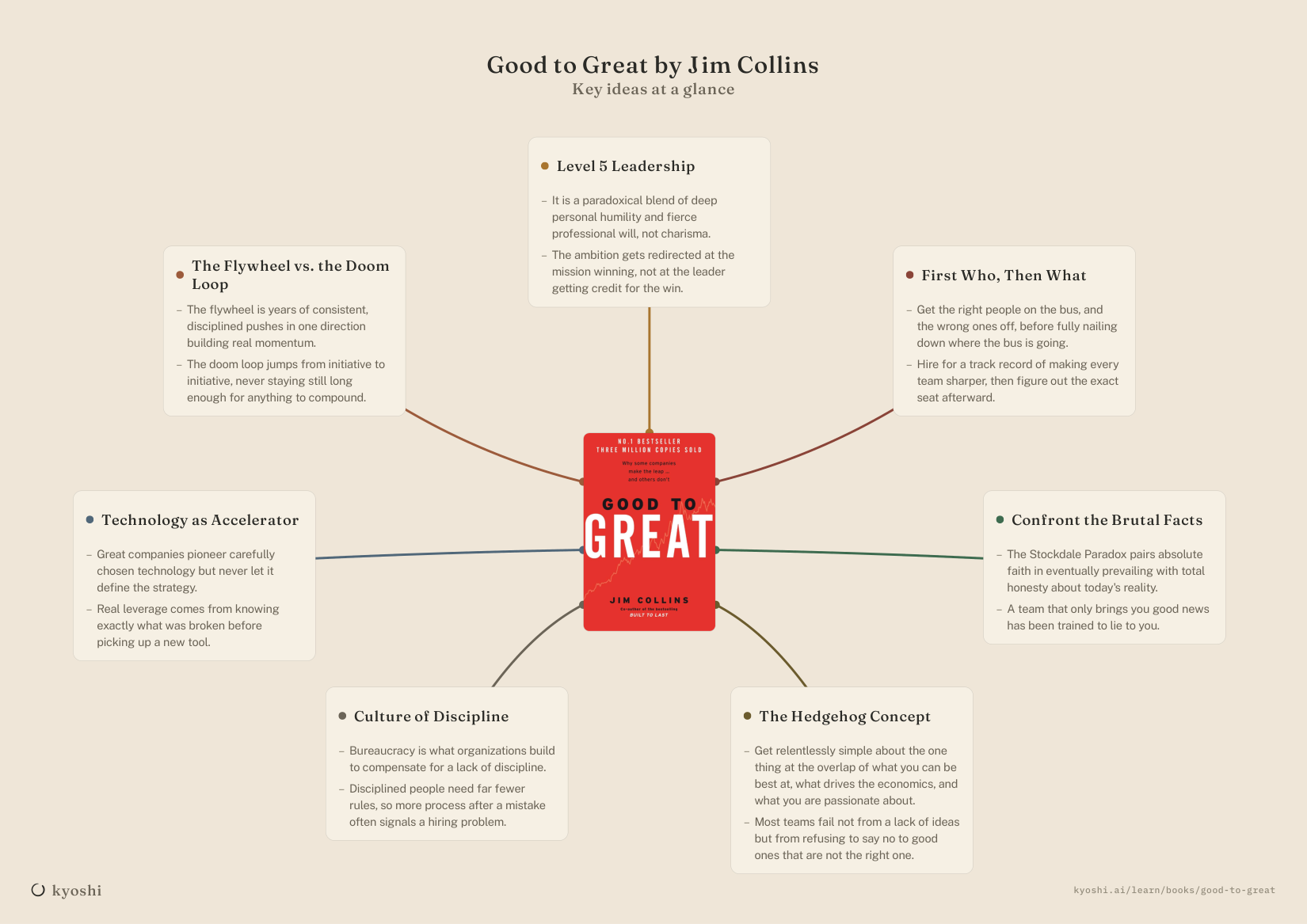
Level 5 Leadership
Collins calls this a paradoxical blend of deep personal humility and fierce professional will. It's not the loud, charismatic leader most people picture when they hear "great leader." It's someone who wants the company, or the team, to win more than they want credit for the win.
A common failure mode is confusing humility with softness: under-claiming decisions that are genuinely yours to own, which just makes you look unsure. Level 5 isn't about being modest. It's about redirecting ambition and drive at the mission, not at your own ego.
First Who, Then What
Getting the right people on the bus, the wrong people off it, and the right people in the right seats, before you've fully nailed down where the bus is going. Strategy and priorities change. The quality of the people next to you is what determines whether you survive the turn when it arrives.
This runs against the instinct to write a precise job description first and hire exactly to it. The better bet is hiring for a track record of making every team sharper, and figuring out the exact seat after.
Confront the Brutal Facts (Without Losing Faith)
Built around what Collins calls the Stockdale Paradox, named after Admiral Jim Stockdale, a prisoner of war who held two things at once: absolute faith that he would eventually prevail, and total honesty about the brutal facts of his present reality. Leaders who confront reality without losing faith outlast leaders who do only one or the other. Blind optimism has killed as many people as despair has.
In practice: create a climate where the truth is heard, not managed or softened. A team that only tells you good news has been trained to lie to you, and you'll find out the brutal facts exactly when it's too late to act on them.
The Hedgehog Concept
Named for the parable of the fox, who knows many things, and the hedgehog, who knows one big thing and does it supremely well. The Hedgehog Concept sits at the overlap of three questions:
- What can you be the best in the world at?
- What drives your economic engine?
- What are you deeply passionate about?
Great companies get relentlessly simple about the one thing that sits inside all three circles, instead of chasing every opportunity. Most teams don't fail from a lack of ideas. They fail from refusing to say no to good ideas that aren't the right idea.
Culture of Discipline
Collins draws a clean line: bureaucracy is what organizations build to compensate for incompetence and a lack of discipline. A culture of discipline doesn't need bureaucracy, because disciplined people need far fewer rules to stay aligned. Adding more process whenever something goes wrong is often actually a signal that the right people weren't hired, trained, or trusted to make the call without you.
Technology Accelerators, Not Saviors
Great companies are often pioneers in applying carefully chosen technologies, but they never let the technology itself define the strategy. The teams getting real leverage from a new tool (AI tools included) aren't the ones with the most tools enabled. They're the ones who knew exactly what was broken before they picked one up.
The Flywheel, Not the Doom Loop
The Flywheel: enough consistent, disciplined pushes in a single direction to build real momentum toward something bigger. From the outside this can look like a sudden breakthrough; from the inside there was no single defining moment, just a boring flywheel turned patiently for a long time.
The Doom Loop is the opposite: jumping from initiative to initiative, program to program, leader to leader, never staying still long enough for any one push to compound. If you're waiting for the one big swing that turns your team around, the bad news is it's probably not coming. The good news is you don't need it to.
Putting It Together
The seven ideas build on each other in roughly three layers:
- Level 5 Leadership and First Who, Then What are about who's in the room and who's steering.
- Confront the Brutal Facts and the Hedgehog Concept are about seeing clearly what matters, for you and the organization.
- Culture of Discipline, Technology Accelerators, and the Flywheel are about execution: turning clarity into years of compounding, boring momentum.
Why It Matters for Leaders
The leaders this book is actually warning are the capable, hard-working ones, not the obviously bad ones. A manager who's smart, driven, and visibly in charge can still be the reason a team never gets past good, because the drive is pointed at being seen as the answer instead of at building something that outlasts them.
The practical test is what happens in the room when something goes wrong. A Level 5 leader asks what broke and takes the responsibility for it personally. A leader running on ego asks who broke it, and the team learns fast to stop bringing them bad news early, which is exactly backward from what Collins found separated the companies that made the leap.
The Hedgehog Concept is also a day-to-day discipline, not a one-time offsite exercise. Every time your team adds a new initiative, it's worth asking whether it's genuinely inside the three circles, or whether it just looked exciting in the moment. Most teams don't need more ideas. They need the discipline to turn more of them down.
Picture Sarah, a newly promoted engineering director who inherits a team juggling six "strategic" projects, none of them clearly winning. Her first instinct is to add a seventh, a flashy AI initiative the board's been asking about. Instead she asks her team the Hedgehog question: which of these are we actually positioned to be the best at, which one the business actually depends on, and which one does the team still care about after a bad week. Two of the six survive the question. She kills the other four, including the one she was most excited about personally, and the team ships both survivors well within the quarter. The team didn't get smaller. The list of things it was allowed to say no to got longer.
What to do next
Reinforce your understanding of Good to Great
Books related to Good to Great

Built to Last
Collins and Porras' earlier, lesser-known study of visionary companies: the research that came before Good to Great, built around a single hard question: what actually survives past the founder, the product, and the current strategy?

Dare to Lead
Brené Brown's case that vulnerability isn't the opposite of strong leadership. It's the precondition for it, and the armor most leaders wear to look strong is usually what's actually holding their team back.

Developing the Leader Within You
John Maxwell's foundational case that leadership is influence, not title, and that the gap between "manager" and "leader" is a set of learnable habits, not a personality you were or weren't born with.

Drive
Daniel Pink's case that the carrot-and-stick playbook most managers inherited is actually the wrong tool for most of today's work, and what motivates people doing complex, creative work instead.

Extreme Ownership
Two Navy SEAL officers' blunt rule for leadership, forged in the Battle of Ramadi and translated straight into the business world: there are no bad teams, only bad leaders, and the leader owns every outcome, full stop, no exceptions, no shared blame.

Good Strategy Bad Strategy
Richard Rumelt's blunt case that most of what gets called "strategy" in a typical planning meeting is actually a wish list dressed up in strategic language, plus a concrete test for telling the two apart.

Leadership in Turbulent Times
Historian Doris Kearns Goodwin places Lincoln, Theodore Roosevelt, FDR, and LBJ side by side and asks the same question about each: what did their worst personal crisis actually build in them, and how did they spend it once real power and a real emergency arrived at the same time.

Lean In
Sheryl Sandberg's argument that the barriers keeping women out of leadership are real on both sides: structural bias in how organizations operate, and self-imposed caution in how women are taught to see their own ambition. Fixing only one side leaves the other fully intact.

Mindset
Carol Dweck's research on why some people treat ability as fixed and others treat it as something built, and why the belief you hold about yourself shapes how your whole team learns, fails, and improves, often without anyone noticing it happening.

Primal Leadership
The case that a leader's mood isn't a private matter. It's contagious through the whole team, which makes emotional intelligence the real infrastructure underneath every other leadership skill.

Start With Why
Simon Sinek's argument that people don't buy what you do, they buy why you do it, and that most organizations have never actually answered the question, even the ones that think they have.

Sun Tzu and The Art of Business
Mark McNeilly's translation of Sun Tzu's 2,500-year-old military strategy into six concrete business principles, built around a point most business books skip: the best wins are the ones nobody had to fight for.

The 21 Irrefutable Laws of Leadership
John Maxwell's attempt to turn leadership into something closer to a set of physical laws than a personality trait. Rules that hold regardless of your industry, your title, or how naturally charismatic you are.

The 5 Levels of Leadership
John Maxwell's map of how leadership actually gets earned, level by level, and why the title on your door only ever buys you the lowest, least durable form of it.

The Art of War
The original 2,500-year-old military treatise, read the way most modern leaders actually use it. Not as a manual for fighting better, but as a manual for needing to fight less.

The Diary of a CEO
Steven Bartlett's attempt to turn hundreds of founder and expert conversations into 33 numbered laws, organized into four pillars: the self, the story, the philosophy, and the team.

The Infinite Game
Simon Sinek's case that most leaders are playing the wrong game entirely: treating an endless competition as something you can win, when the only real goal is staying in it, strong enough to keep playing.

The Innovator's Dilemma
Clayton Christensen's answer to a puzzle that looks impossible: well-run companies, doing everything their best customers ask for, still lose to products that look worse on every spec sheet, right up until the moment they don't. The book every leader cites and few actually apply to their own team.

Walmart
A retail-industry case study of how Walmart built, and is now fighting to defend, the position it spent sixty years earning. Less a biography of Sam Walton and more a hard look at what scale economics can and can't protect you from in the age of Amazon.

Winning
Jack Welch's unapologetically blunt playbook for running a business and a team, built on the belief that most management dysfunction is really just a candor problem wearing a nicer name.

Your Next Five Moves
Patrick Bet-David's chess-inspired framework for strategic leadership, built around five "moves" every founder or executive has to master in order, from knowing yourself to running power plays against bigger competitors, instead of just reacting to whatever just happened.
Skills related to Good to Great

Business Strategy
Making the focused calls about where to compete, what to prioritize, and what to say no to, because a strategy is defined as much by what it rules out as by what it commits to.

Leadership Development
Deliberately growing the next generation of leaders on your team, because your legacy ends up measured by the leaders you develop, not by what you accomplish alone.
Frameworks referenced from this book

Frameworks related to Good to Great
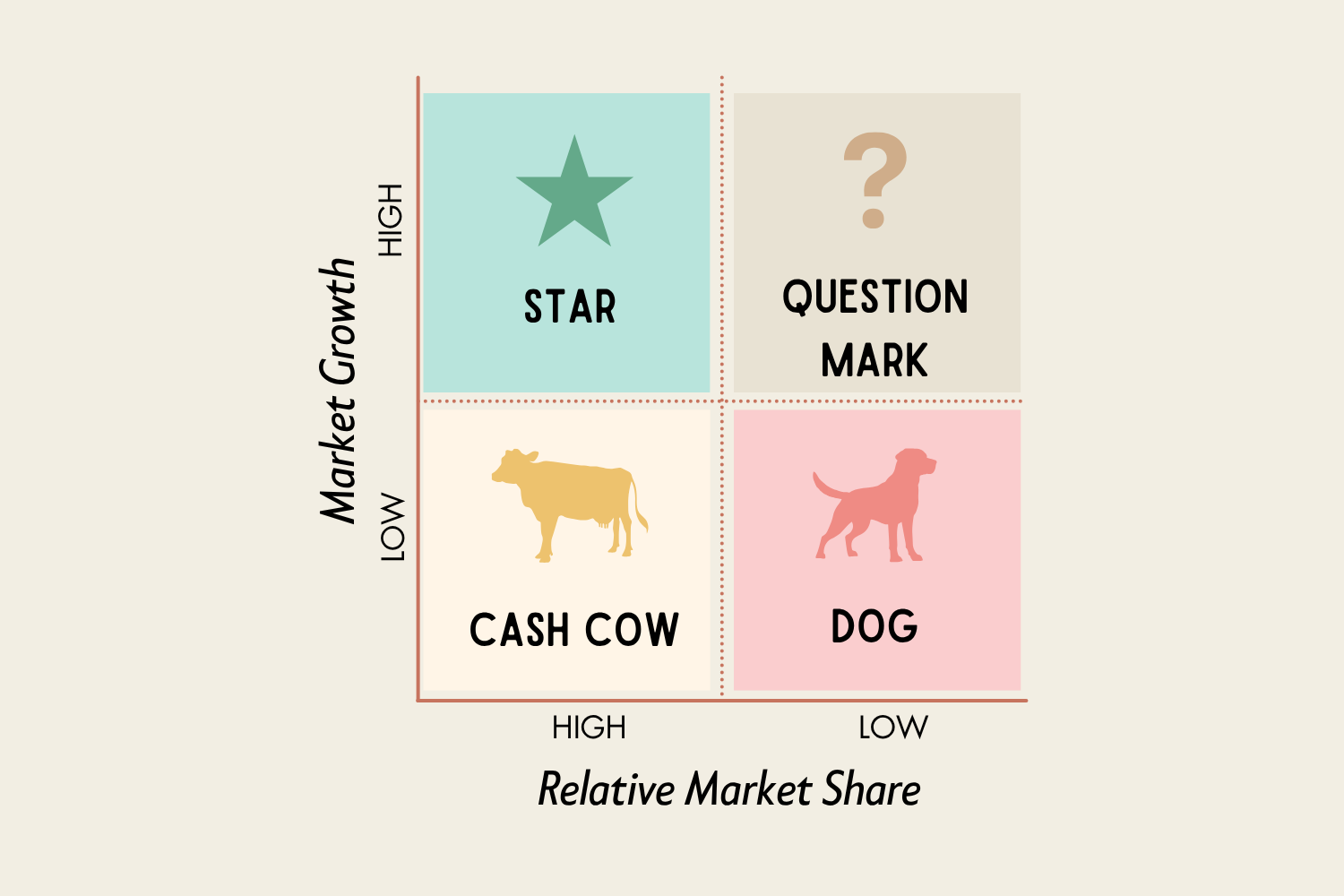
BCG Matrix
A 2x2 that sorts products or units by market growth and share — telling you what to fund, milk, or kill.
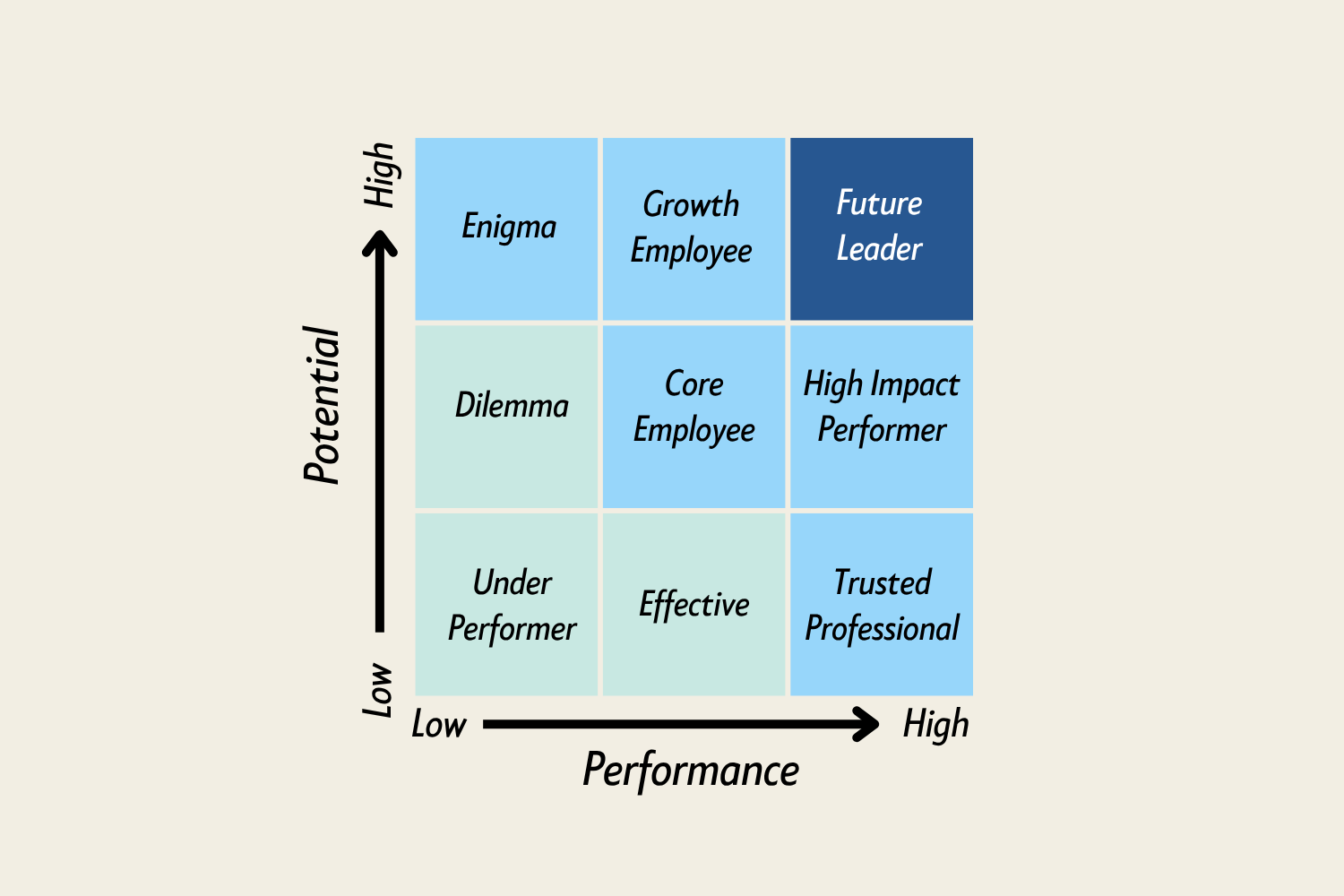
McKinsey 9-Box Model
A 3x3 grid that plots each person on performance against potential, giving nine distinct calls instead of one blurry verdict.

McKinsey's Three Horizons Model
Split your team's effort across three time frames — defend the core, grow what's emerging, seed future bets — without mortgaging tomorrow.

Peter Principle
In a hierarchy, everyone rises to their level of incompetence, because promotion rewards your current job, not tomorrow's.

Porter's Five Forces
Porter's answer to why some industries are brutal for profit — five forces shaping any market, telling you where to compete.
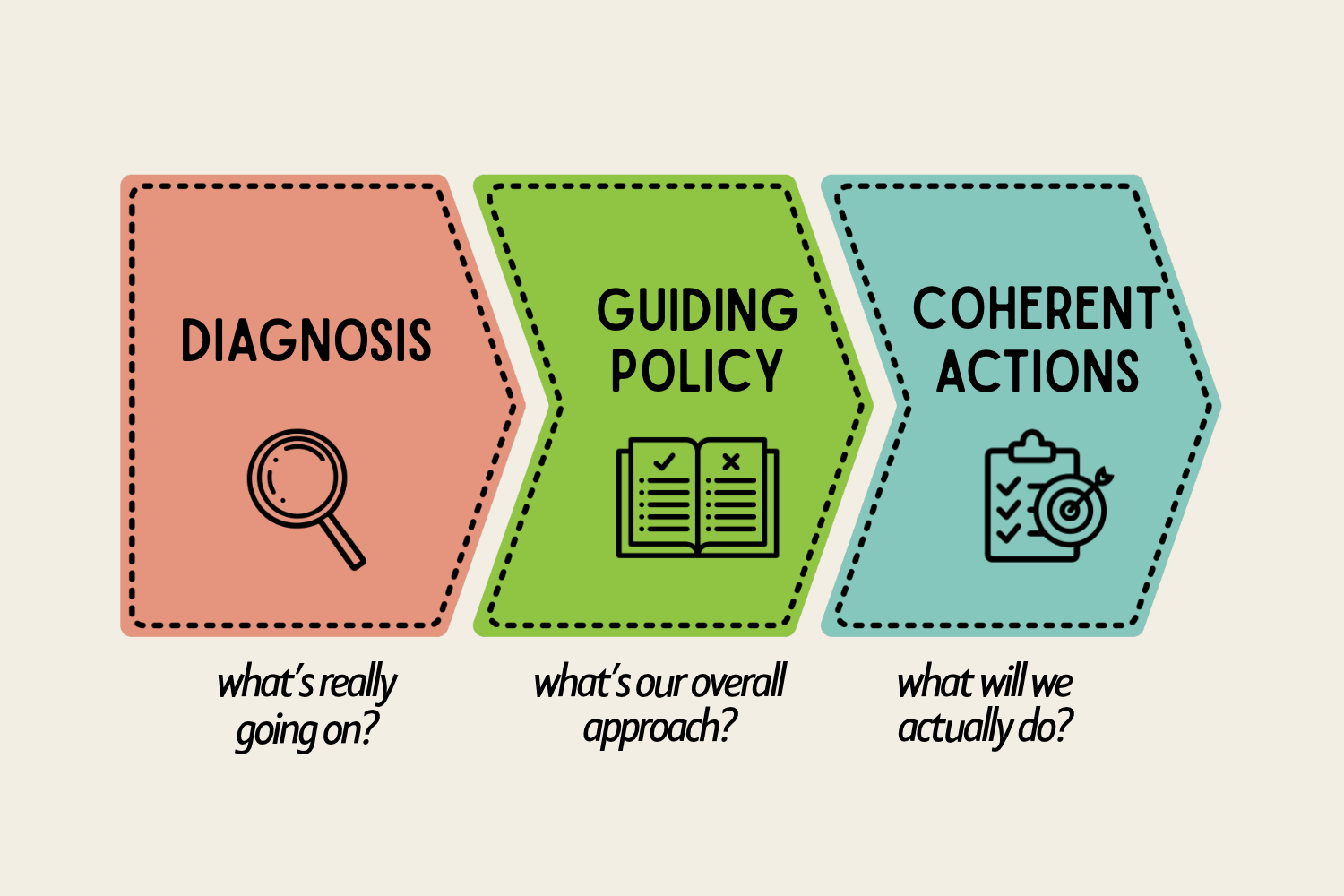
Rumelt's Kernel
Richard Rumelt's test for telling a real strategy from a list of goals — a diagnosis, a guiding policy, and coherent actions. Miss any one of the three and what you have is a wish, not a strategy.
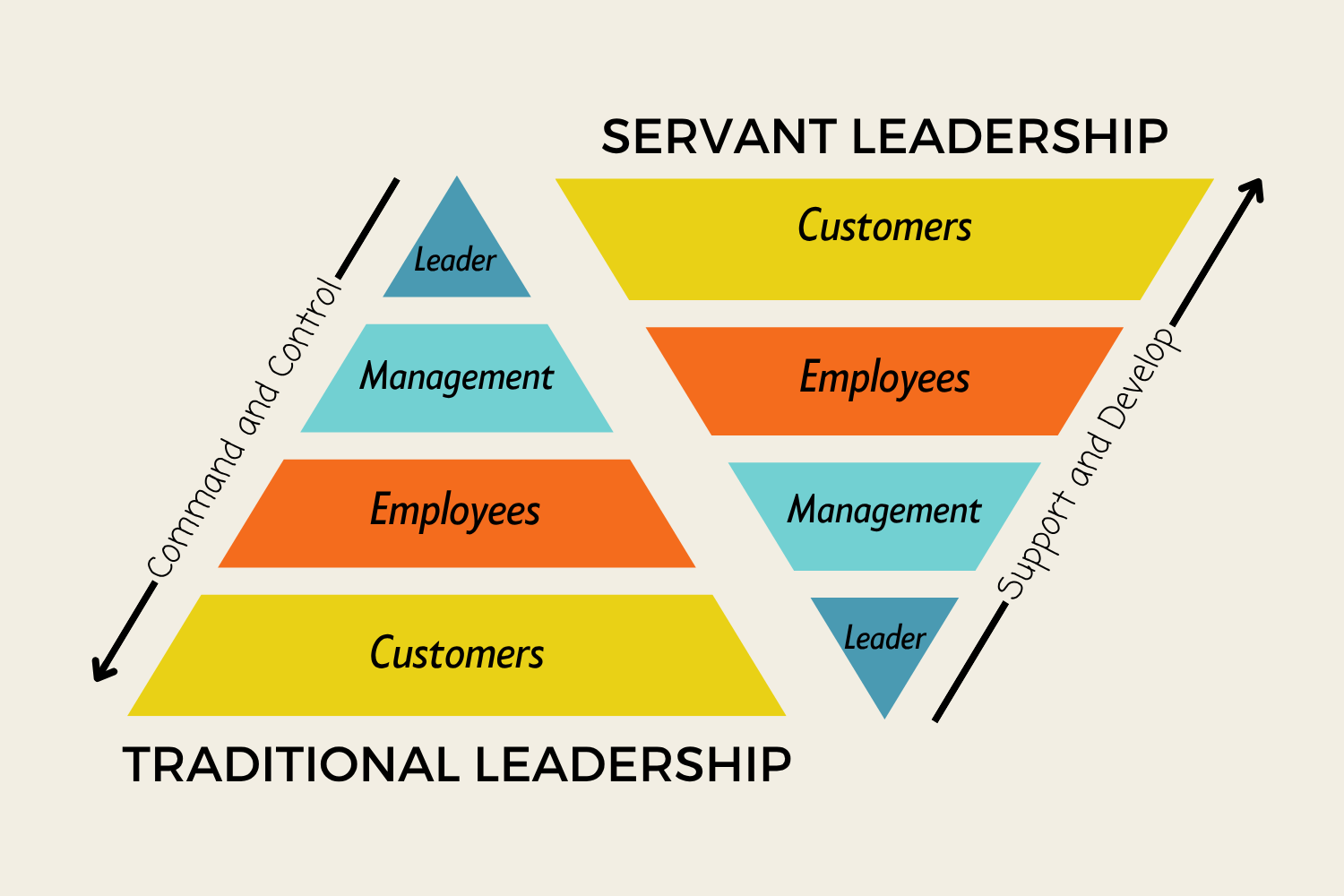
Servant Leadership
Flip "how can my team help me?" to "how can I help my team?" — job becomes removing obstacles, growing people.

The Innovator's Dilemma
Clayton Christensen's explanation for why great companies fail doing everything right — serving your best customers blinds you to cheap newcomers.

The Leadership Code
Leadership runs on three traits — head, gut, heart — each toxic alone: competence without character is arrogance, courage without it reckless.
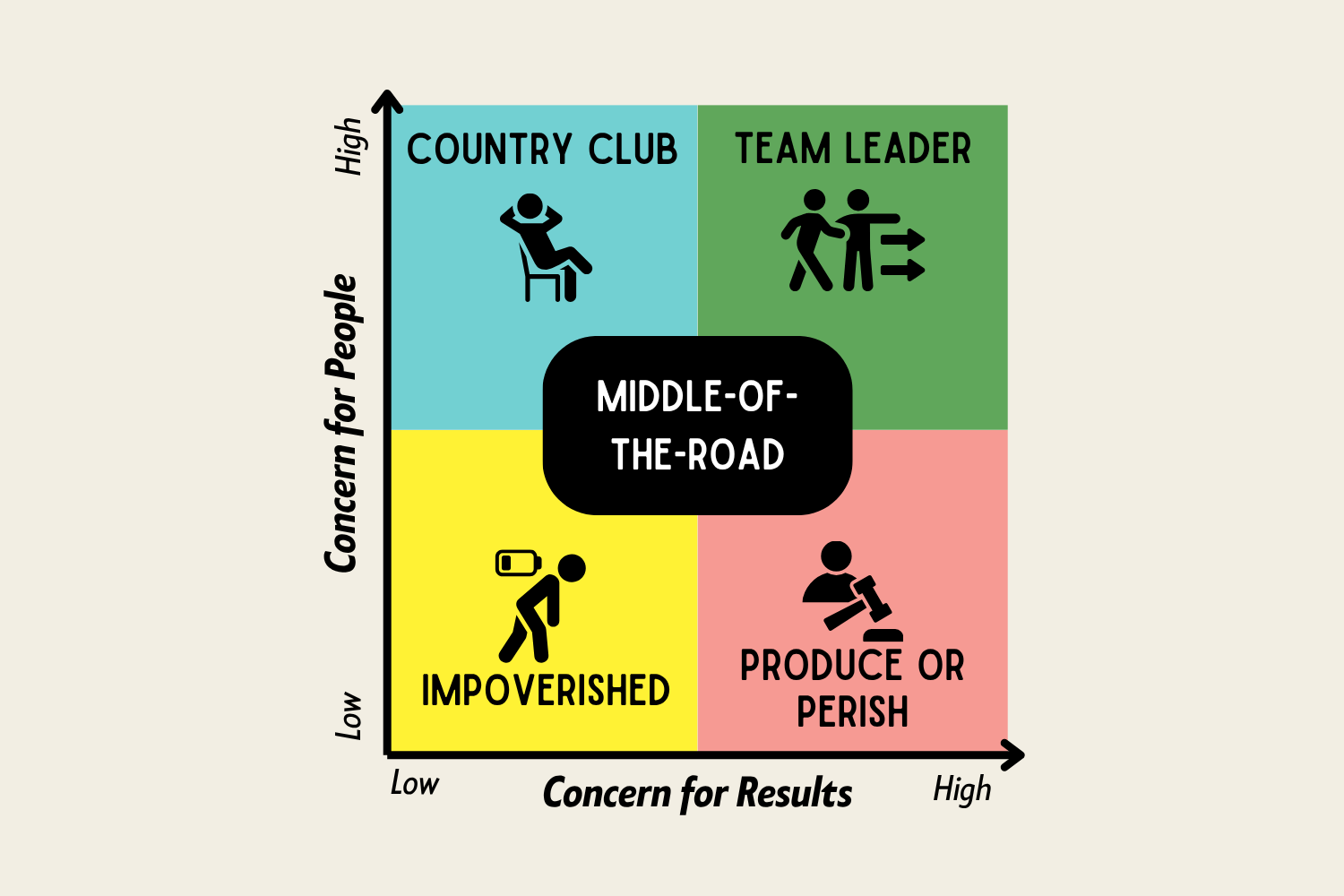
The Leadership Grid
Blake and Mouton mapped two axes — care for people, care for results — into five leadership styles you'll recognize instantly.
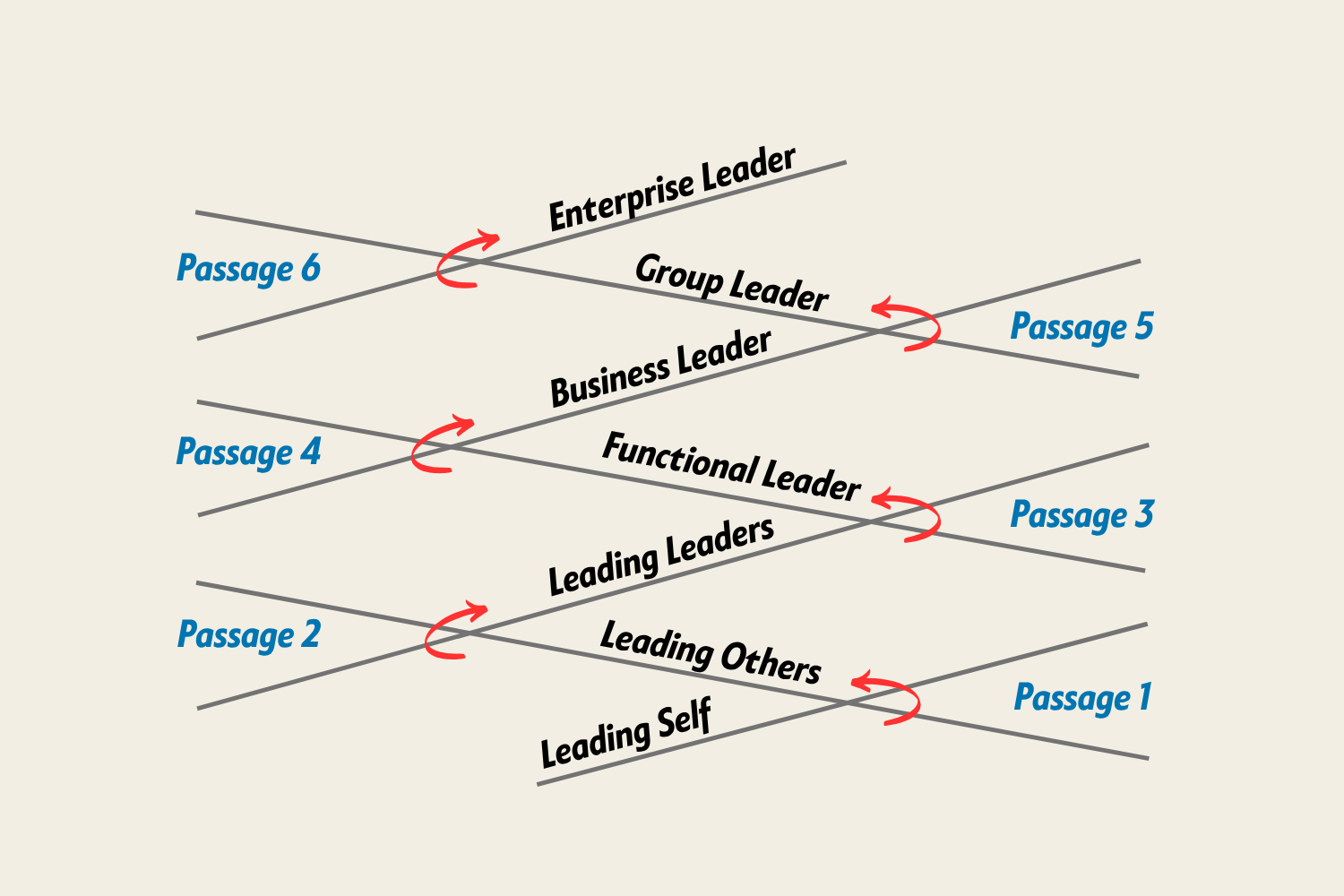
The Leadership Pipeline
Ram Charan mapped six passages into bigger leadership roles — at each one, old habits are exactly how you stall.
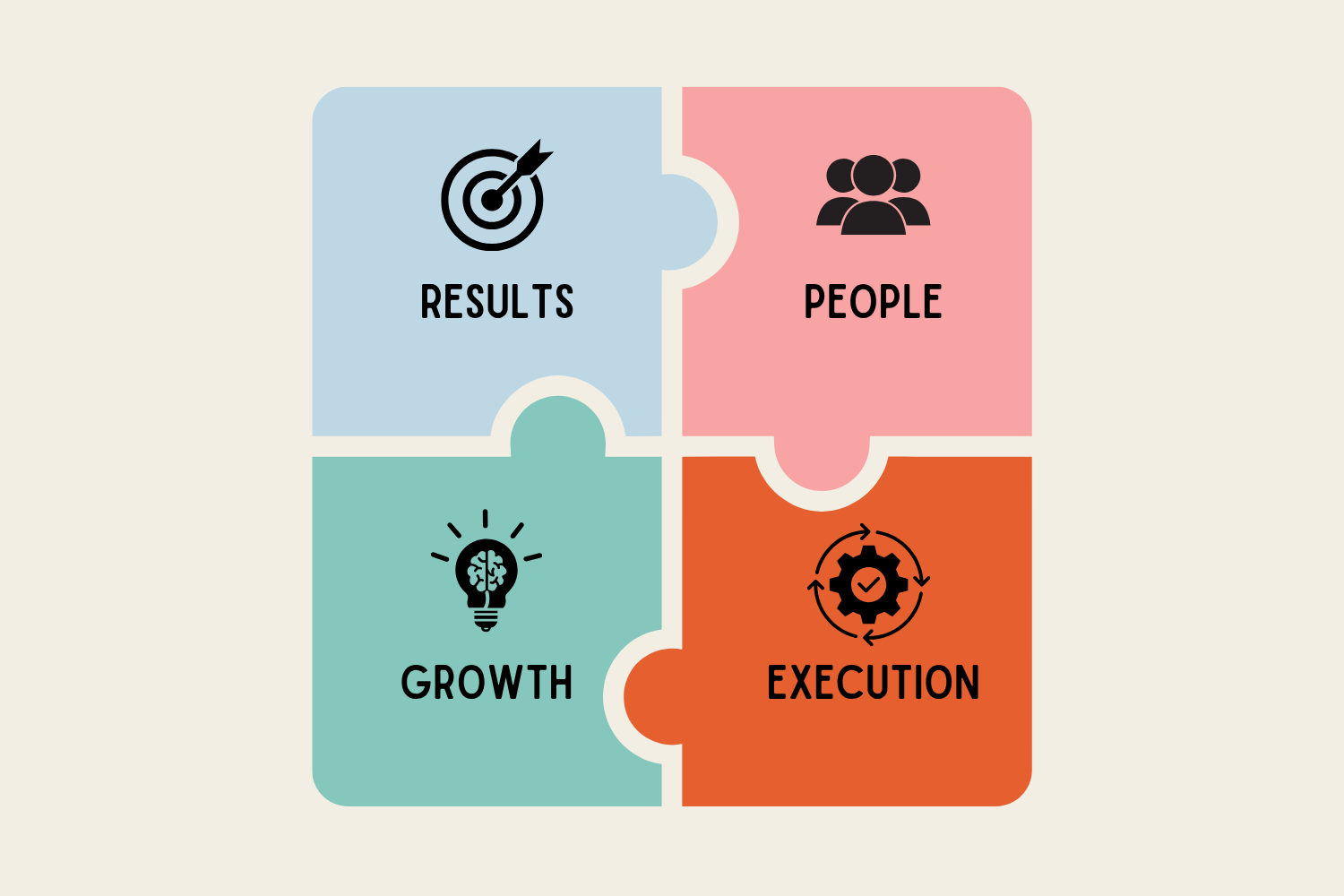
The Leadership Scorecard
A personal take on the Balanced Scorecard — Results, People, Execution, Growth — catching which one you're quietly neglecting.
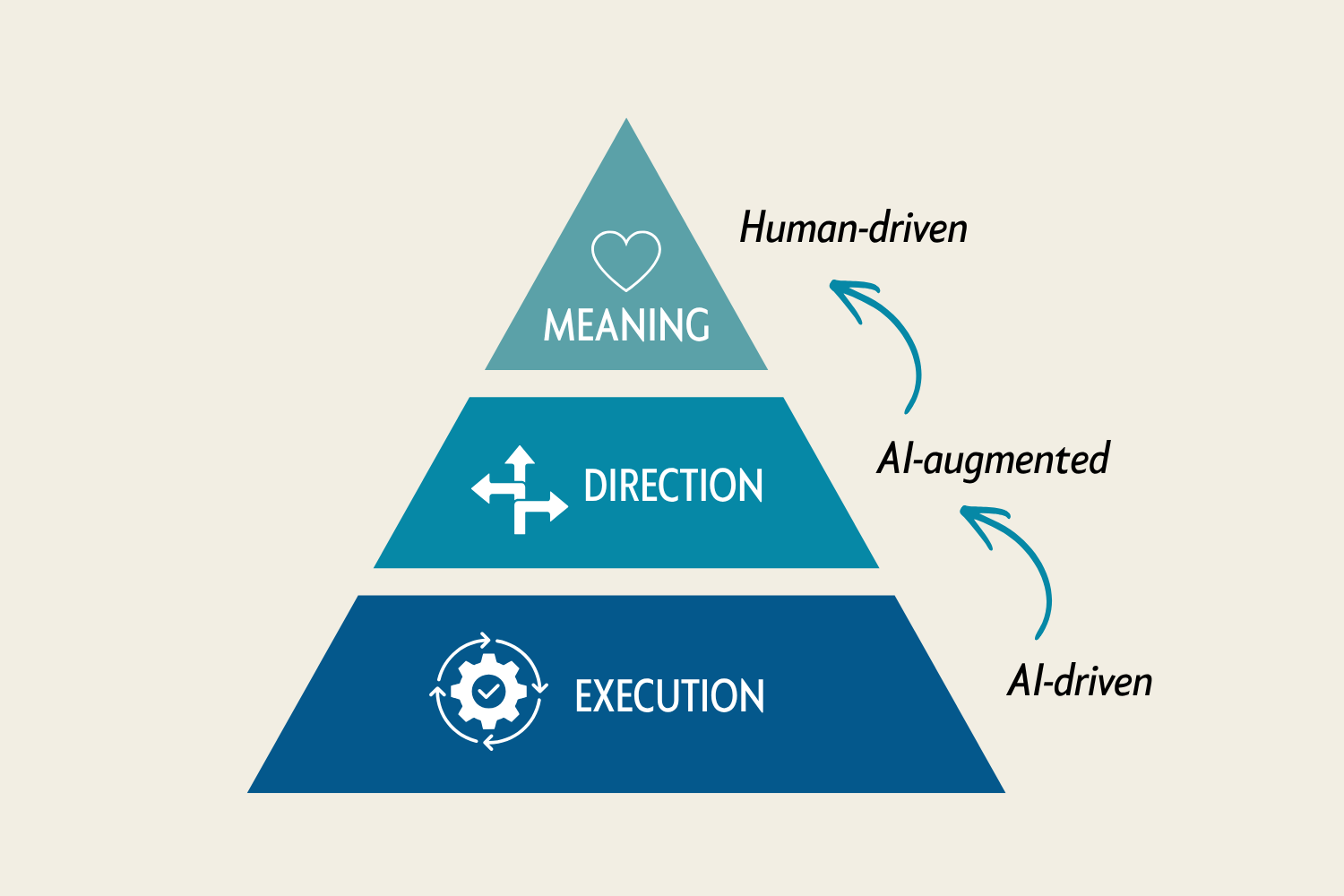
The Three Layers of Leadership
A pyramid — Execution, Direction, Meaning — where your value has to move up as AI automates execution.
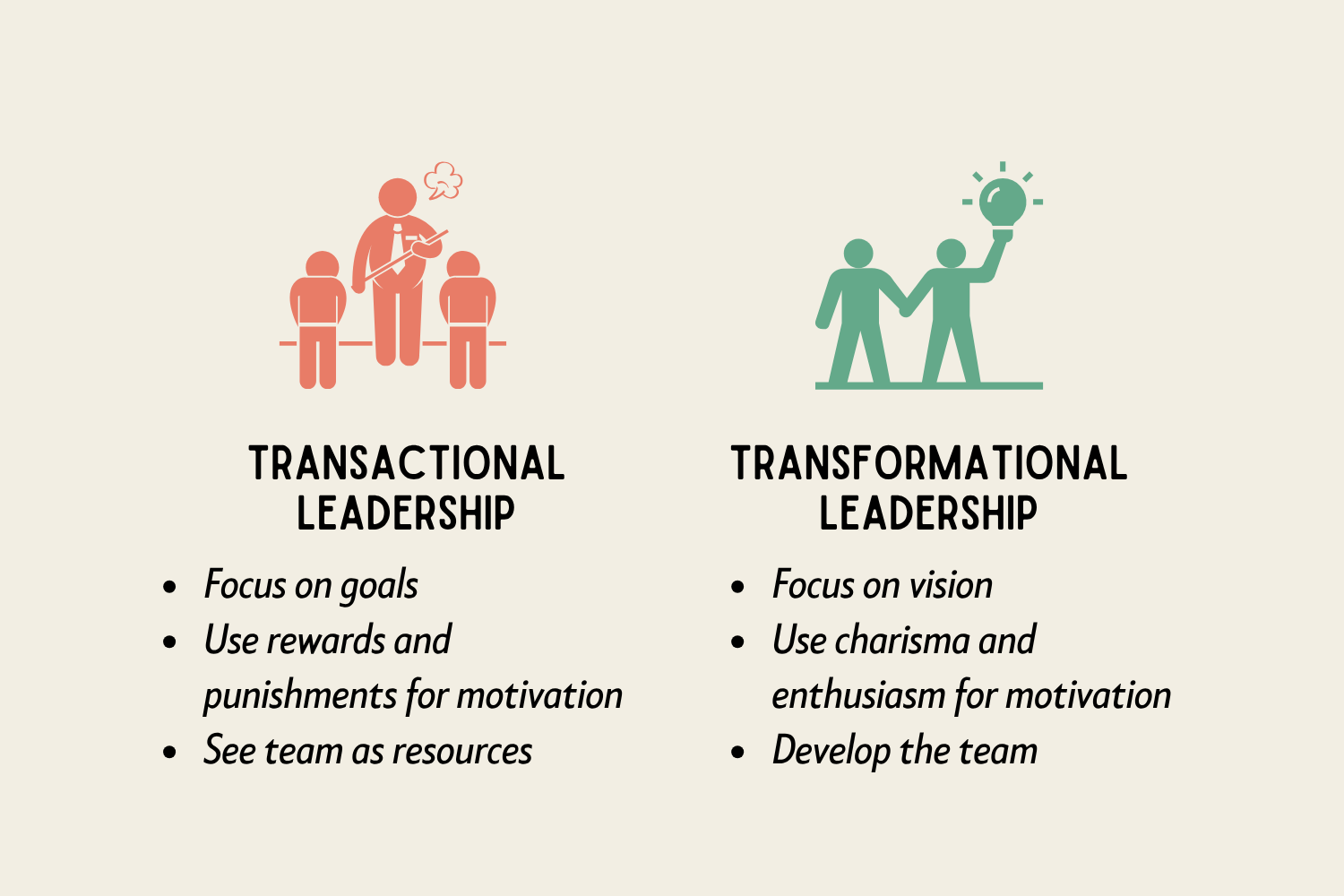
Transformational Leadership
Inspire people past self-interest and into a shared vision, raising what they aim for and what they're capable of.