The Art of War
The original 2,500-year-old military treatise, read the way most modern leaders actually use it. Not as a manual for fighting better, but as a manual for needing to fight less.
 Find this on the mind-map
Introduction
Sun Tzu wrote for generals, not managers, but the text has survived into business reading lists for a reason: its real subject isn't tactics for winning battles, it's a discipline of preparation, knowledge, and restraint that makes most battles unnecessary in the first place. The core thesis, repeated in different forms throughout, is that the general who wins is usually the one who assessed the situation correctly before the fighting started, not the one who fought the hardest once it did.
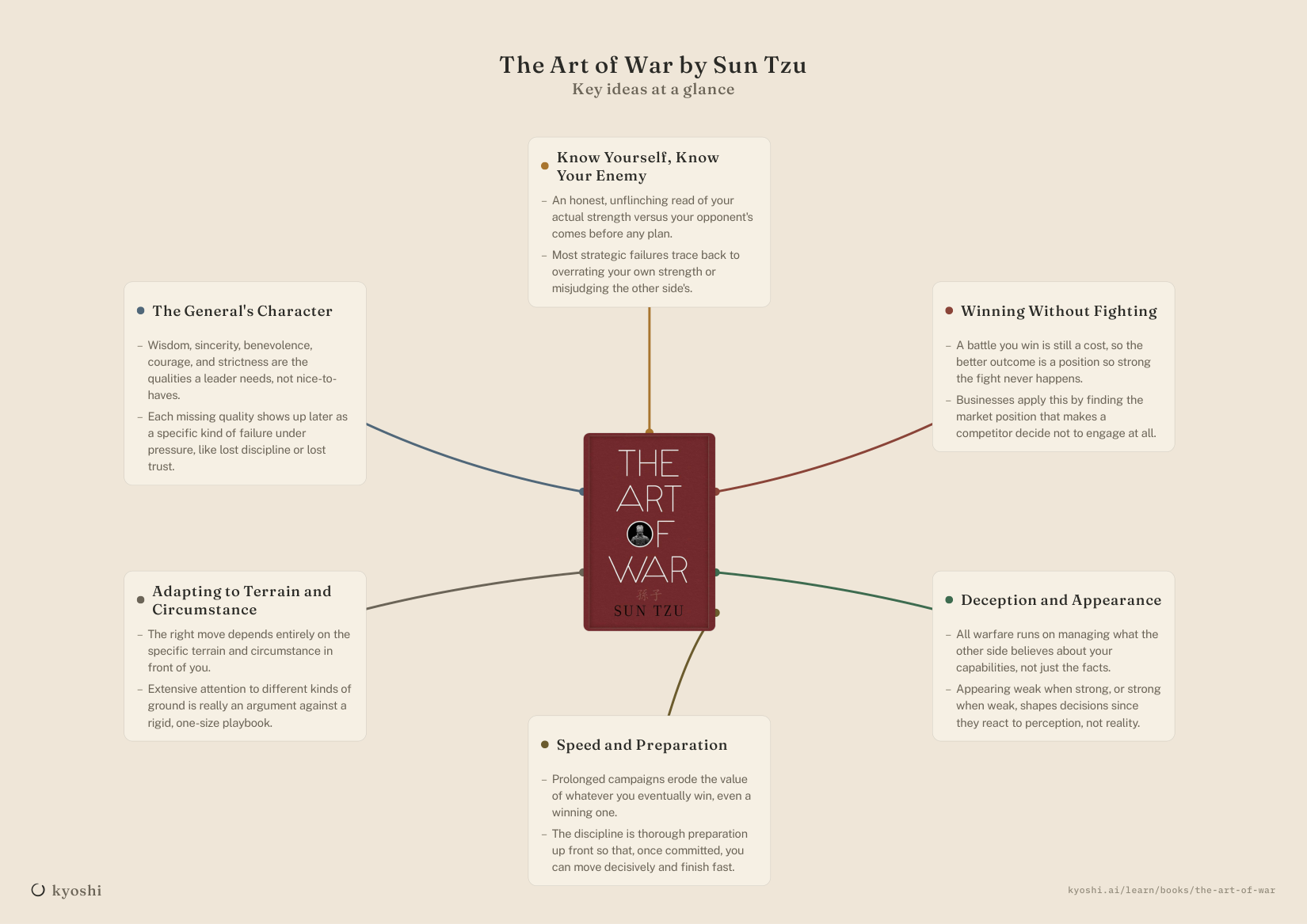
Know Yourself, Know Your Enemy
"If you know the enemy and know yourself, you need not fear the result of a hundred battles." Most strategic failures trace back to an inflated sense of your own strength, an inaccurate read on your opponent's, or both. The discipline here isn't collecting more information for its own sake. It's an honest, unflinching assessment of actual relative strength before committing to anything.
Supreme Excellence Is Winning Without Fighting
"The supreme art of war is to subdue the enemy without fighting." A battle you win is still a cost: resources spent, people lost, momentum consumed. The better outcome is a position so strong, or an opponent so clearly outmatched, that they concede or withdraw before real conflict starts. Businesses applying this look for the market position that makes a competitor decide not to engage at all.
Deception and the Appearance of Weakness
"All warfare is based on deception," Sun Tzu writes, and the chapters that follow spell out what that means in practice: appearing weak when you're genuinely strong, and strong when you're genuinely weak, among other examples. Sun Tzu treats the management of your opponent's perception as a legitimate weapon in its own right, not lying for its own sake, but deliberately controlling what the other side believes about your capabilities and intentions, because their decisions are based on their perception of you, not the reality of you.
Speed, Preparation, and the Protracted Campaign
"There is no instance of a country having benefited from prolonged warfare." Sun Tzu has little patience for drawn-out campaigns, even winning ones. The resources consumed by a long fight erode the value of whatever you eventually win. The implied discipline is to prepare thoroughly before committing, so that once committed, you can move decisively and end things quickly.
Adapting to Terrain and Circumstance
A good general doesn't apply one fixed strategy everywhere; the right move depends entirely on the terrain, the weather, the specific circumstance in front of you. Sun Tzu's extensive treatment of different kinds of ground is really an argument against rigid playbooks. The strategy has to flex to the actual conditions, not the other way around.
The General's Character
Sun Tzu lists the qualities a general needs: wisdom, sincerity, benevolence, courage, and strictness. A general who has courage but lacks strictness loses discipline in the ranks; one who has wisdom but lacks sincerity loses the trust needed to be followed into real risk. The qualities aren't a nice-to-have list. Each gap in them shows up later as a specific kind of failure under pressure.
Putting It Together
Honest self- and opponent-assessment comes first, because everything after it is calibrated against that read. Winning without fighting, deception, and speed are the tactics that follow once the assessment is honest. Adapting to circumstance keeps the tactics from calcifying into a rigid playbook, and the general's character is what makes the whole system trustworthy enough for people to actually follow into risk.
Why It Matters for Leaders
The leadership value in this book isn't in the battle metaphors, it's in the discipline of assessment before commitment. Most managers decide how hard to push on a plan based on how it feels in the room, not on an honest read of their own team's actual capacity versus the competitor's or the obstacle's. Sun Tzu's whole system starts one step earlier than most management advice: know the real shape of the situation before you decide how to act in it.
The idea that gets missed most often is that winning without fighting is the harder, more disciplined move, not the weaker one. A manager who can get a competing team, a skeptical executive, or a reluctant client to come around without a confrontation has usually done more work beforehand, not less. The instinct to prove it through a direct fight is often the less prepared path dressed up as the braver one.
The adaptability principle is the one that costs managers the most, and they rarely notice it happening. A leader who applies last year's winning playbook to this year's different team, market, or problem isn't being consistent, they're ignoring that the terrain changed. Sun Tzu's generals don't have one strategy, they have one discipline: read the ground in front of them before choosing a strategy to match it.
Picture a manager, Hana, whose team won a major account last year by moving fast and skipping the usual planning phase. This year, facing a bigger, better-prepared competitor on a different deal, she runs the same fast-and-loose playbook out of habit, and it falls apart halfway through. The lesson isn't that speed was wrong. It's that she never stopped to ask whether this terrain, a stronger opponent, higher stakes, less margin for error, called for the same approach at all.
What to do next
Reinforce your understanding of The Art of War
Books related to The Art of War

Built to Last
Collins and Porras' earlier, lesser-known study of visionary companies: the research that came before Good to Great, built around a single hard question: what actually survives past the founder, the product, and the current strategy?

Good Strategy Bad Strategy
Richard Rumelt's blunt case that most of what gets called "strategy" in a typical planning meeting is actually a wish list dressed up in strategic language, plus a concrete test for telling the two apart.

Good to Great
Jim Collins' research into why some companies go from average to sustained market dominance, and others don't. Read less as a book about companies and more as a book about the kind of leader you have to become before a company (or a team) can get great.

Start With Why
Simon Sinek's argument that people don't buy what you do, they buy why you do it, and that most organizations have never actually answered the question, even the ones that think they have.

Sun Tzu and The Art of Business
Mark McNeilly's translation of Sun Tzu's 2,500-year-old military strategy into six concrete business principles, built around a point most business books skip: the best wins are the ones nobody had to fight for.

The Infinite Game
Simon Sinek's case that most leaders are playing the wrong game entirely: treating an endless competition as something you can win, when the only real goal is staying in it, strong enough to keep playing.

The Innovator's Dilemma
Clayton Christensen's answer to a puzzle that looks impossible: well-run companies, doing everything their best customers ask for, still lose to products that look worse on every spec sheet, right up until the moment they don't. The book every leader cites and few actually apply to their own team.

Walmart
A retail-industry case study of how Walmart built, and is now fighting to defend, the position it spent sixty years earning. Less a biography of Sam Walton and more a hard look at what scale economics can and can't protect you from in the age of Amazon.

Your Next Five Moves
Patrick Bet-David's chess-inspired framework for strategic leadership, built around five "moves" every founder or executive has to master in order, from knowing yourself to running power plays against bigger competitors, instead of just reacting to whatever just happened.
Skills related to The Art of War

Frameworks related to The Art of War
BCG Matrix
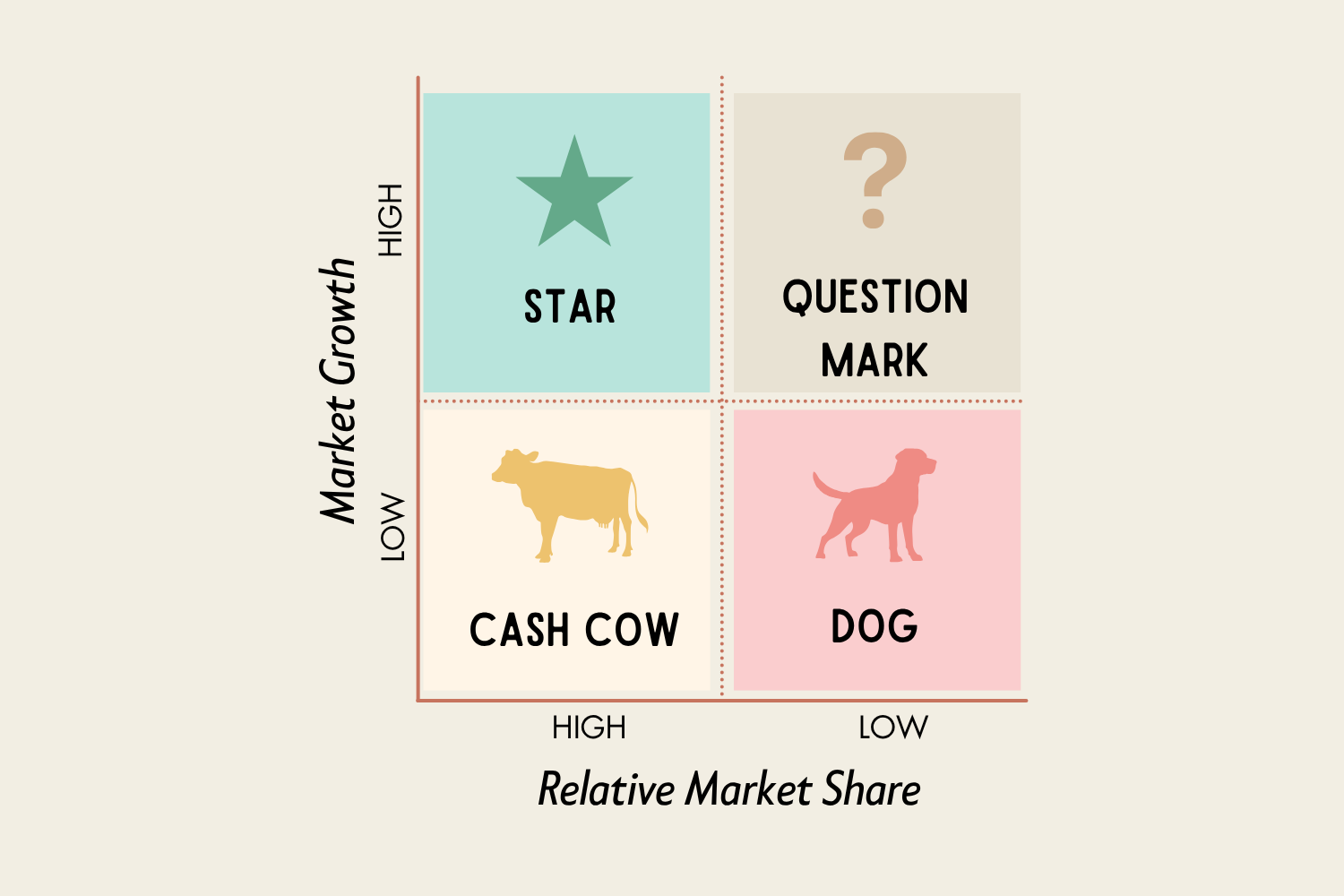
A 2x2 that sorts products or units by market growth and share — telling you what to fund, milk, or kill.

McKinsey's Three Horizons Model
Split your team's effort across three time frames — defend the core, grow what's emerging, seed future bets — without mortgaging tomorrow.

Porter's Five Forces
Porter's answer to why some industries are brutal for profit — five forces shaping any market, telling you where to compete.
Rumelt's Kernel
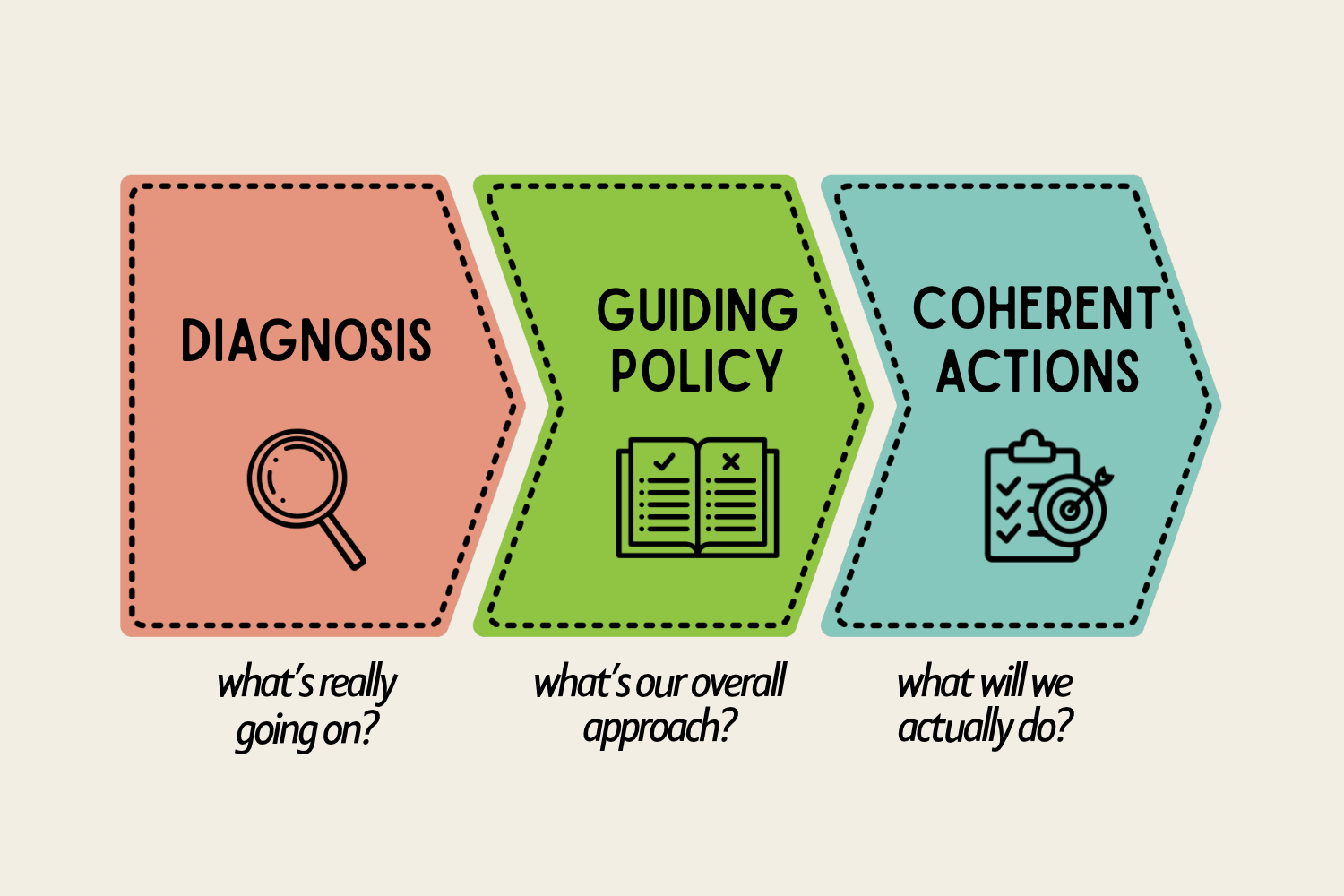
Richard Rumelt's test for telling a real strategy from a list of goals — a diagnosis, a guiding policy, and coherent actions. Miss any one of the three and what you have is a wish, not a strategy.

The Innovator's Dilemma
Clayton Christensen's explanation for why great companies fail doing everything right — serving your best customers blinds you to cheap newcomers.