Sun Tzu and The Art of Business
Mark McNeilly's translation of Sun Tzu's 2,500-year-old military strategy into six concrete business principles, built around a point most business books skip: the best wins are the ones nobody had to fight for.
 Find this on the mind-map
Introduction
McNeilly's project is narrower than "read the Art of War and apply it loosely." He distills Sun Tzu's text into six specific, named strategic principles aimed at business competition, and the throughline across all six is that direct, costly confrontation (price wars, head-on feature battles, drawn-out market fights) is usually a sign of poor strategy, not strong execution.
Win All Without Fighting
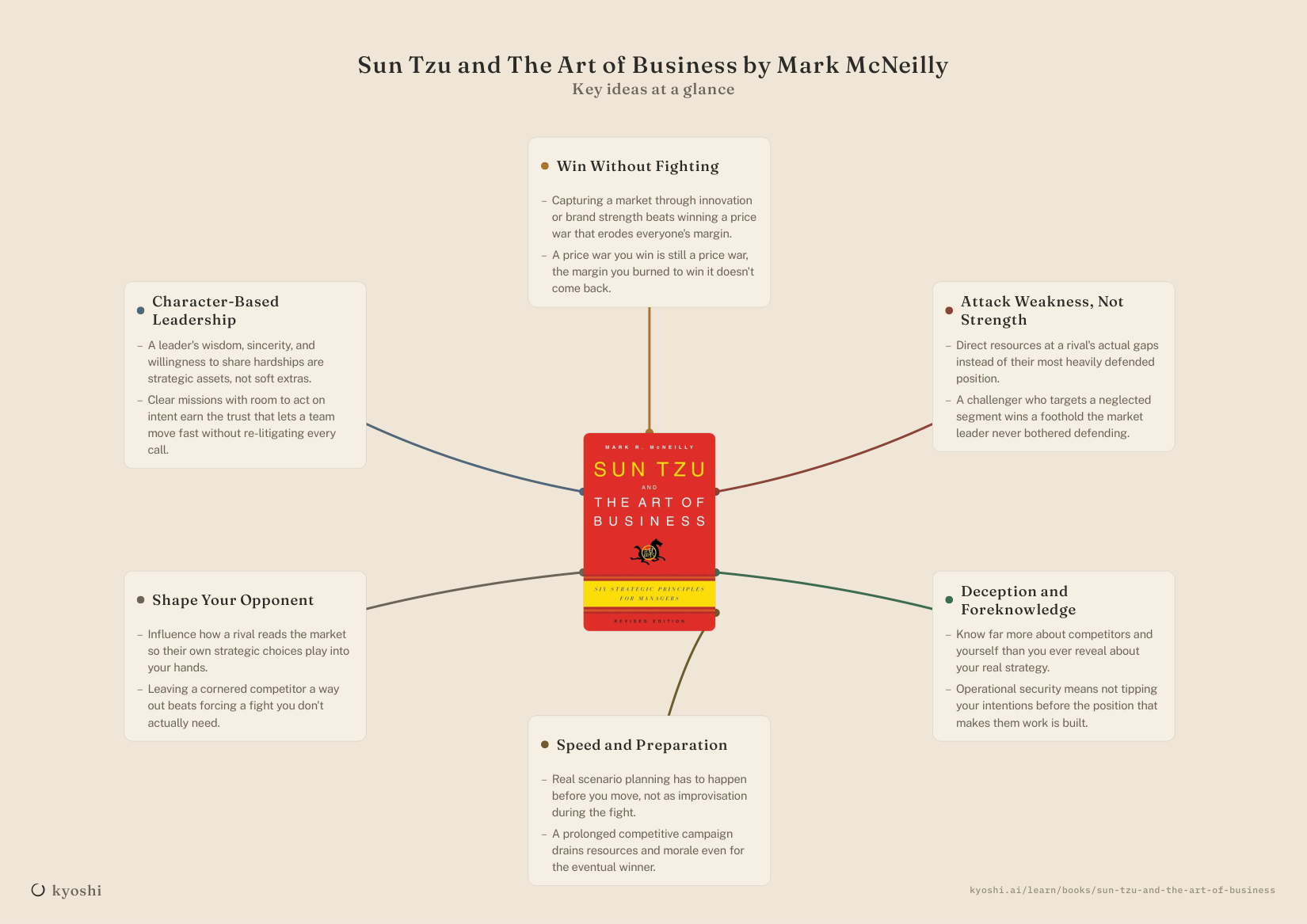
Sun Tzu's highest form of victory is winning without a battle at all. McNeilly's business translation is capturing a market without destroying it: pursuing leadership through innovation, brand strength, or a genuine cost advantage, rather than through a price war that erodes profit across the entire industry, winner included. A price war you win is still a price war; the margin you burned to win it doesn't come back.
Avoid Strength, Attack Weakness
Don't compete where a rival is strongest just because that's where the attention is. Direct resources at a competitor's actual vulnerabilities, a gap in their value chain, an underserved niche, a product line they've neglected, instead of their most heavily defended position. Manager A launches a product squarely against the market leader's flagship feature and loses on brand trust alone; manager B targets the leader's most neglected, underserved customer segment and wins a beachhead the leader never bothered defending.
Deception and Foreknowledge
Build detailed knowledge of your competitors and your own company, and control what you disclose so rivals misjudge your intentions. McNeilly's business reading of this is less about dishonesty and more about operational security: know far more than you reveal, and don't tip your real strategy in a press release before you've built the position that makes it work.
Speed and Preparation
Shorten your decision, production, and response cycles, supported by real scenario planning and wargaming before you move, not improvisation during it, because a prolonged competitive campaign drains resources and morale on both sides even for the eventual winner. Reinforce what's gaining traction quickly and cut what's failing just as quickly. Sun Tzu has no patience for armies that plan while marching; the preparation has to happen before the move.
Shape Your Opponent
Influence how a competitor perceives the market and you, so their own strategic choices play into your hands. Combine direct and indirect moves, use bait, and contest key positions (patents, shelf space, standards) before a rival realizes they matter. Part of shaping well is leaving a cornered rival a way out rather than forcing a fight to the death you don't need, and avoiding tactics predictable enough that a competitor can plan around them.
Character-Based Leadership
McNeilly closes on the leader's own character as a strategic asset: Sun Tzu's list of a general's virtues (wisdom, sincerity, benevolence, courage, strictness) translates into a business leader who leads by example, shares the team's hardships rather than staying above them, gives clear missions with room for people to act on the leader's intent rather than waiting for instructions, and earns through sound judgment the trust that lets a team execute fast, decisive moves without needing every decision re-litigated.
Putting It Together
The six principles chain together: know your position and the terrain well enough to win without fighting; when you must engage, hit weakness, not strength; use deception, speed, and shaping to make that engagement as lopsided as possible in your favor; and none of it works without a leader whose character earns the trust to execute fast.
Why It Matters for Leaders
The leaders who get the most out of this book aren't the ones who fight the hardest, they're the ones who pick fights they've already mostly won before the first move. If you find yourself proud of a brutal, hard-won competitive battle, that pride is worth questioning: a win that costs you most of your margin and half your team's energy is not the same as a good strategy.
The practical habit this book teaches is checking your target before you check your effort. Before committing real resources to compete against a rival, a budget line, another team, a market leader, ask where they're actually weak, not where the fight is most visible. Going after the biggest, most defended target because it's the obvious one is usually a sign you haven't looked hard enough for a better one.
The same discipline applies inside a company, not just against outside competitors. A manager who announces a reorg or a new initiative before the groundwork is actually done is giving every skeptic time to organize against it. Build the position first, without much notice, so it's mostly finished by the time anyone has reason to resist it, then announce it as something already working.
Speed matters too, but only after real preparation, not instead of it. Teams that move fast without having done the thinking first usually look decisive for about a week, right up until the plan meets a problem nobody scoped for.
Picture a manager named Lena whose team is losing deals to a much bigger competitor's flagship product. Instead of matching feature for feature, a fight she can't win on resources alone, she spends a month finding out which customer segment the competitor has stopped bothering to serve well. She builds a smaller, sharper offering for exactly that segment, says nothing publicly until the first few customers are already signed, and wins a foothold the bigger competitor never saw coming.
What to do next
Reinforce your understanding of Sun Tzu and The Art of Business
Books related to Sun Tzu and The Art of Business

Built to Last
Collins and Porras' earlier, lesser-known study of visionary companies: the research that came before Good to Great, built around a single hard question: what actually survives past the founder, the product, and the current strategy?

Good Strategy Bad Strategy
Richard Rumelt's blunt case that most of what gets called "strategy" in a typical planning meeting is actually a wish list dressed up in strategic language, plus a concrete test for telling the two apart.

Good to Great
Jim Collins' research into why some companies go from average to sustained market dominance, and others don't. Read less as a book about companies and more as a book about the kind of leader you have to become before a company (or a team) can get great.

Start With Why
Simon Sinek's argument that people don't buy what you do, they buy why you do it, and that most organizations have never actually answered the question, even the ones that think they have.

The Art of War
The original 2,500-year-old military treatise, read the way most modern leaders actually use it. Not as a manual for fighting better, but as a manual for needing to fight less.

The Infinite Game
Simon Sinek's case that most leaders are playing the wrong game entirely: treating an endless competition as something you can win, when the only real goal is staying in it, strong enough to keep playing.

The Innovator's Dilemma
Clayton Christensen's answer to a puzzle that looks impossible: well-run companies, doing everything their best customers ask for, still lose to products that look worse on every spec sheet, right up until the moment they don't. The book every leader cites and few actually apply to their own team.

Walmart
A retail-industry case study of how Walmart built, and is now fighting to defend, the position it spent sixty years earning. Less a biography of Sam Walton and more a hard look at what scale economics can and can't protect you from in the age of Amazon.

Your Next Five Moves
Patrick Bet-David's chess-inspired framework for strategic leadership, built around five "moves" every founder or executive has to master in order, from knowing yourself to running power plays against bigger competitors, instead of just reacting to whatever just happened.
Skills related to Sun Tzu and The Art of Business

Frameworks related to Sun Tzu and The Art of Business
BCG Matrix
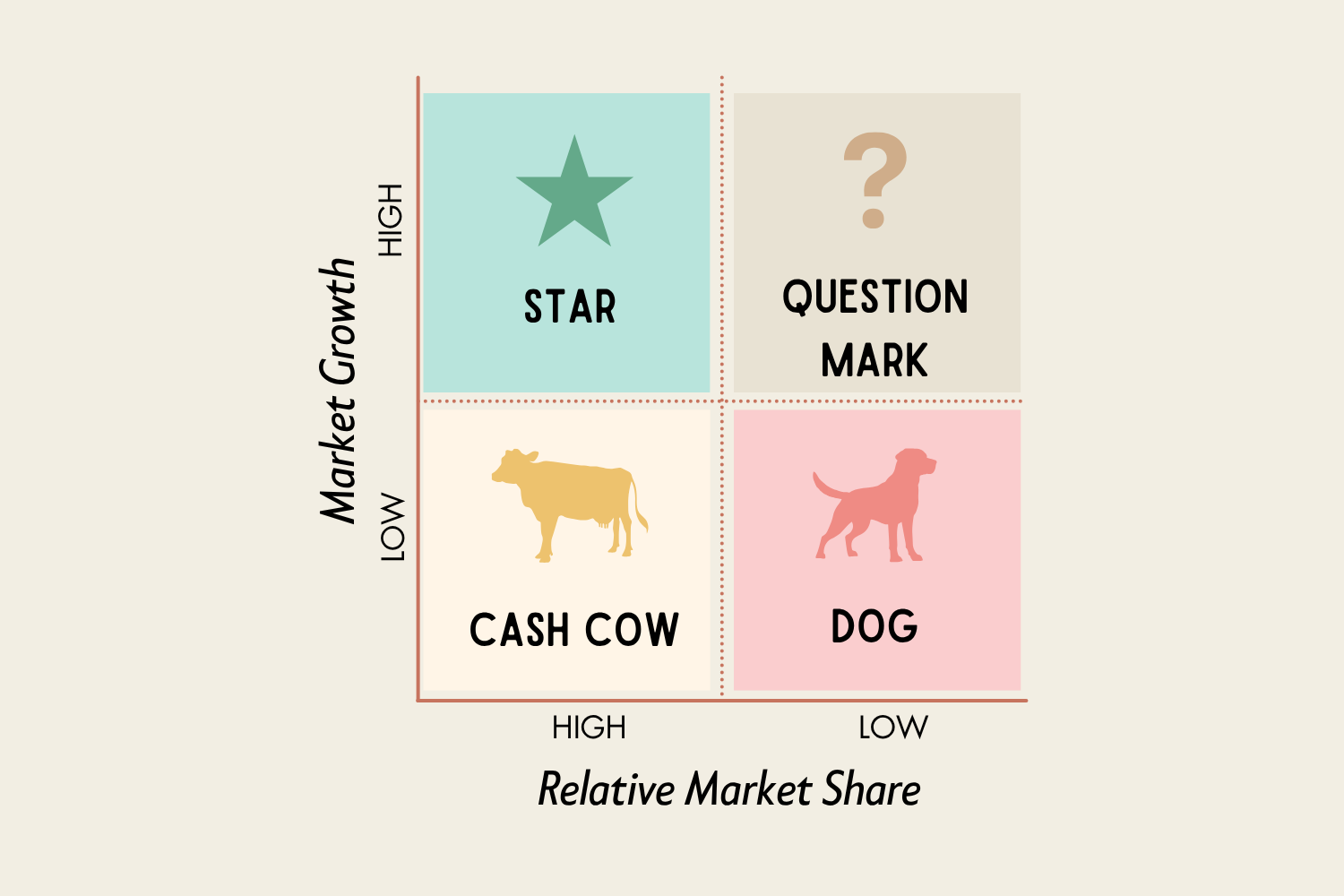
A 2x2 that sorts products or units by market growth and share — telling you what to fund, milk, or kill.

McKinsey's Three Horizons Model
Split your team's effort across three time frames — defend the core, grow what's emerging, seed future bets — without mortgaging tomorrow.

Porter's Five Forces
Porter's answer to why some industries are brutal for profit — five forces shaping any market, telling you where to compete.
Rumelt's Kernel
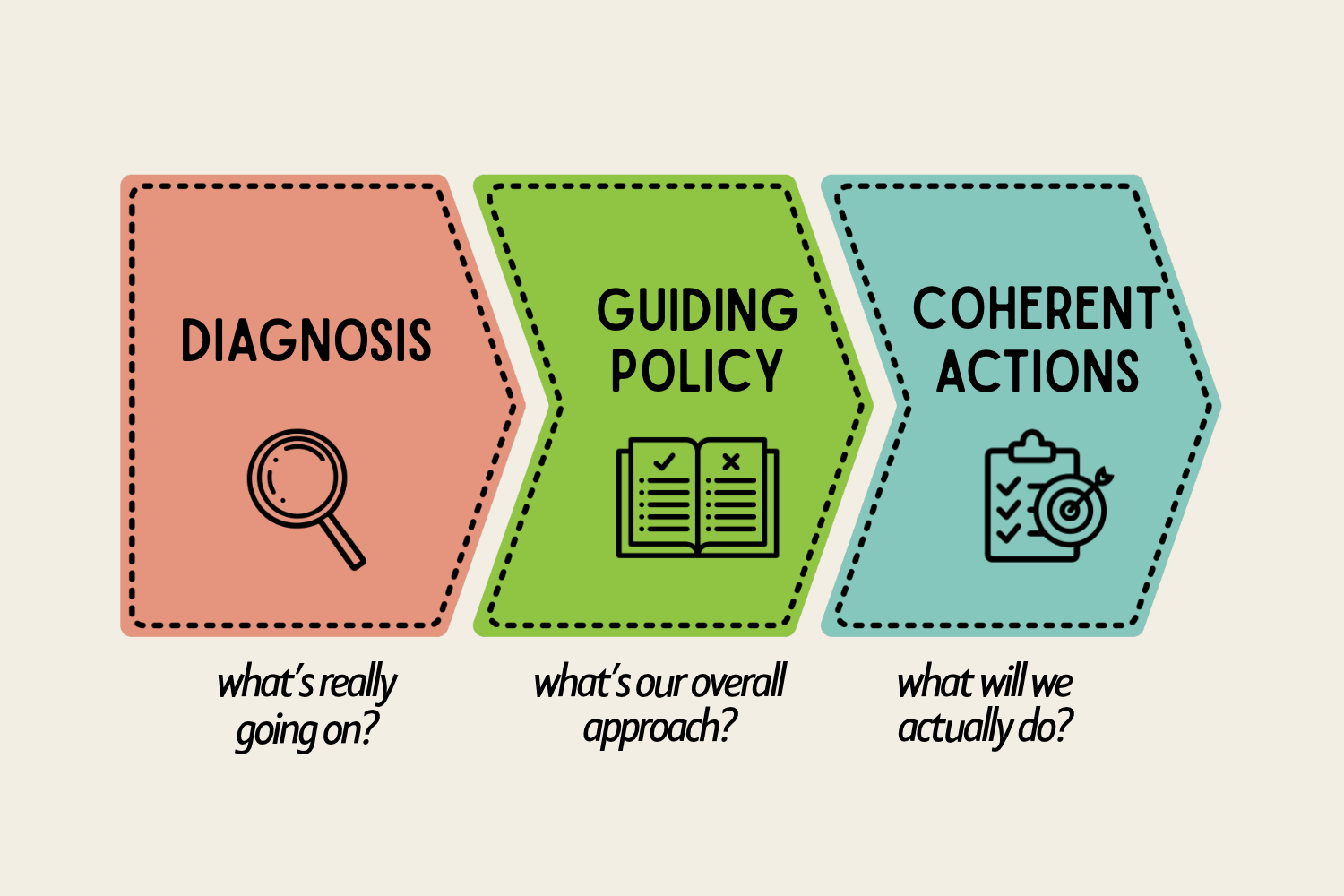
Richard Rumelt's test for telling a real strategy from a list of goals — a diagnosis, a guiding policy, and coherent actions. Miss any one of the three and what you have is a wish, not a strategy.

The Innovator's Dilemma
Clayton Christensen's explanation for why great companies fail doing everything right — serving your best customers blinds you to cheap newcomers.