Leadership in Turbulent Times
Historian Doris Kearns Goodwin places Lincoln, Theodore Roosevelt, FDR, and LBJ side by side and asks the same question about each: what did their worst personal crisis actually build in them, and how did they spend it once real power and a real emergency arrived at the same time.
 Find this on the mind-map
Introduction
Doris Kearns Goodwin studies four American presidents, Abraham Lincoln, Theodore Roosevelt, Franklin D. Roosevelt, and Lyndon B. Johnson, not as a ranked list of greatness, but as four different answers to the same question: what does a leader actually do with crisis, both the crisis inside them and the one they're handed to govern through. Each of the four, before their defining moment in office, went through a period of genuine personal collapse. Goodwin's case is that the collapse wasn't incidental to their later leadership. It built it.
Adversity Before Authority
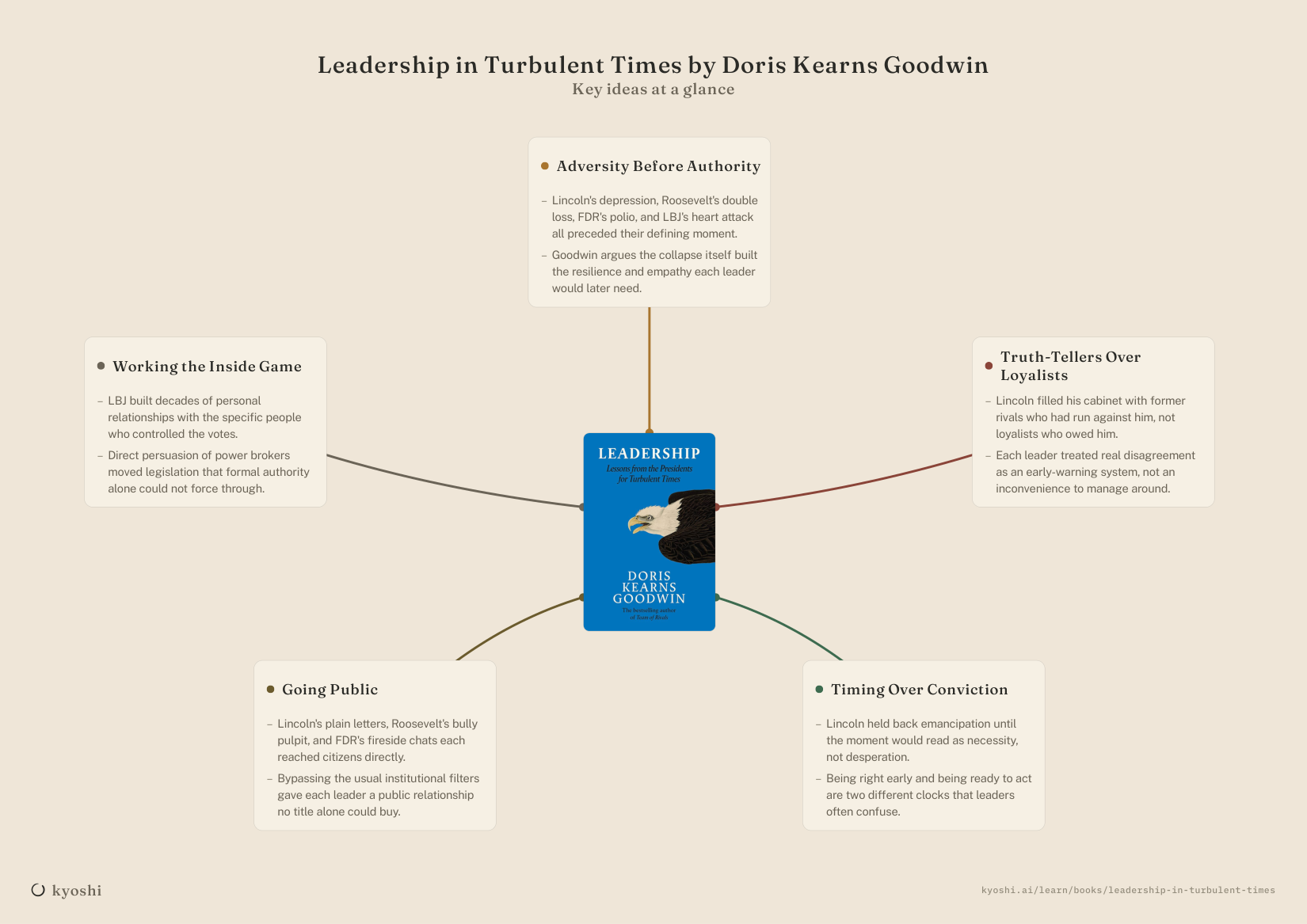
Lincoln suffered serious depressive episodes and a string of early political defeats before the presidency. Theodore Roosevelt lost his young wife and his mother on the same day, and rebuilt himself physically and emotionally in the Badlands before returning to public life. FDR was struck by polio and spent years relearning how to move through a world that hadn't been built for him, developing a kind of patience and empathy he hadn't needed before. LBJ survived a severe heart attack mid-career that forced a reckoning with mortality and purpose. None of these are decorative biographical footnotes. Goodwin treats each as the specific training ground where resilience, patience, and empathy for other people's suffering actually got built, well before any of them needed those qualities at scale.
Assembling People Who Will Tell You the Truth
Each leader, in his own way, surrounded himself with people strong enough to disagree with him. Lincoln's cabinet famously included rivals who had run against him, not loyalists who owed him. The pattern across all four isn't about tolerating dissent as a courtesy. It's a practical recognition that a leader isolated from real disagreement loses the single best early-warning system available to them.
Reading the Moment, Not Just the Mission
Each leader's defining action came at a specific moment they judged ready, not simply when their own conviction was strongest. Lincoln held back emancipation until a moment that would read as a moral and military necessity rather than desperation; LBJ moved on civil rights legislation at a moment of genuine national reckoning he was prepared to use rather than wait out. Having the right idea early isn't the same as having the standing to act on it yet, a distinction all four leaders tracked carefully, often to the frustration of allies who wanted faster action.
Speaking Past the Institutions, Directly to People
Each found a direct channel to the public that bypassed the usual filters of his era: Lincoln's plain-spoken letters and speeches, Theodore Roosevelt's bully pulpit, FDR's fireside chats arriving in people's own homes by radio, LBJ's command of legislative relationships built on decades of direct, personal persuasion. In each case, the formal title gave access to power, but the direct relationship with the public (or, for LBJ, with the people who controlled votes) is what actually moved things.
Putting It Together
Goodwin's four leaders didn't share a personality, an era, or even much of a political philosophy. What they shared was a sequence: real adversity that forced growth before the test arrived, a deliberate practice of surrounding themselves with honest dissent, patience about timing that didn't collapse into paralysis, and a direct line to the people whose support the formal institutions alone couldn't guarantee.
Why It Matters for Leaders
The useful move this book hands a manager isn't "go through hardship," since nobody needs to be told to want that. It's a question you can actually ask about your own past: what did my worst setback build in me that I'm not using right now? Most people carry the scar from a bad year, a failed project, a demotion, without ever cashing in the patience or the read on people it should have taught them. Goodwin's four leaders all did the work of turning the setback into a skill. That doesn't happen on its own. It's a choice made after the fact.
The second habit is about who's in the room telling you the truth. Lincoln filled his cabinet with people who had run against him, not people who owed him anything. Most leaders do the opposite without noticing: they promote agreement and call it alignment, then wonder why nobody flagged the problem that was obvious to everyone outside the room. The fix isn't a single skip-level survey once a year. It's making sure at least one person close to you has a track record of disagreeing with you and keeping their job anyway.
The timing lesson is the one leaders get wrong most often under pressure. Being right early and being ready to act are two different clocks, and confusing them either burns a good idea by forcing it too soon, or wastes it by sitting on it forever waiting for a permission that will never feel complete. The useful question before a big call isn't just "am I convinced." It's "is this the moment that will actually carry this, or am I just tired of waiting."
Picture a manager, Hana, who's been certain for six months that her team's reporting structure needs to change, and she's right. Each time she's raised it, the timing has been wrong: a reorg already underway, a key stakeholder on leave, a budget freeze. A less patient version of Hana forces the change anyway and watches it get undermined by circumstances she can't control. The version of Hana this book describes keeps the plan ready, keeps saying so to the two people who'll actually push back on it, and waits for the quarter when a leadership change finally opens the door. Then she moves immediately, instead of waiting for a cleaner moment that was never going to arrive.
What to do next
Reinforce your understanding of Leadership in Turbulent Times
Books related to Leadership in Turbulent Times

Dare to Lead
Brené Brown's case that vulnerability isn't the opposite of strong leadership. It's the precondition for it, and the armor most leaders wear to look strong is usually what's actually holding their team back.

Developing the Leader Within You
John Maxwell's foundational case that leadership is influence, not title, and that the gap between "manager" and "leader" is a set of learnable habits, not a personality you were or weren't born with.

Drive
Daniel Pink's case that the carrot-and-stick playbook most managers inherited is actually the wrong tool for most of today's work, and what motivates people doing complex, creative work instead.

Extreme Ownership
Two Navy SEAL officers' blunt rule for leadership, forged in the Battle of Ramadi and translated straight into the business world: there are no bad teams, only bad leaders, and the leader owns every outcome, full stop, no exceptions, no shared blame.

Good to Great
Jim Collins' research into why some companies go from average to sustained market dominance, and others don't. Read less as a book about companies and more as a book about the kind of leader you have to become before a company (or a team) can get great.

Lean In
Sheryl Sandberg's argument that the barriers keeping women out of leadership are real on both sides: structural bias in how organizations operate, and self-imposed caution in how women are taught to see their own ambition. Fixing only one side leaves the other fully intact.

Mindset
Carol Dweck's research on why some people treat ability as fixed and others treat it as something built, and why the belief you hold about yourself shapes how your whole team learns, fails, and improves, often without anyone noticing it happening.

Primal Leadership
The case that a leader's mood isn't a private matter. It's contagious through the whole team, which makes emotional intelligence the real infrastructure underneath every other leadership skill.

The 21 Irrefutable Laws of Leadership
John Maxwell's attempt to turn leadership into something closer to a set of physical laws than a personality trait. Rules that hold regardless of your industry, your title, or how naturally charismatic you are.

The 5 Levels of Leadership
John Maxwell's map of how leadership actually gets earned, level by level, and why the title on your door only ever buys you the lowest, least durable form of it.

The Diary of a CEO
Steven Bartlett's attempt to turn hundreds of founder and expert conversations into 33 numbered laws, organized into four pillars: the self, the story, the philosophy, and the team.

Winning
Jack Welch's unapologetically blunt playbook for running a business and a team, built on the belief that most management dysfunction is really just a candor problem wearing a nicer name.
Skills related to Leadership in Turbulent Times

Frameworks related to Leadership in Turbulent Times
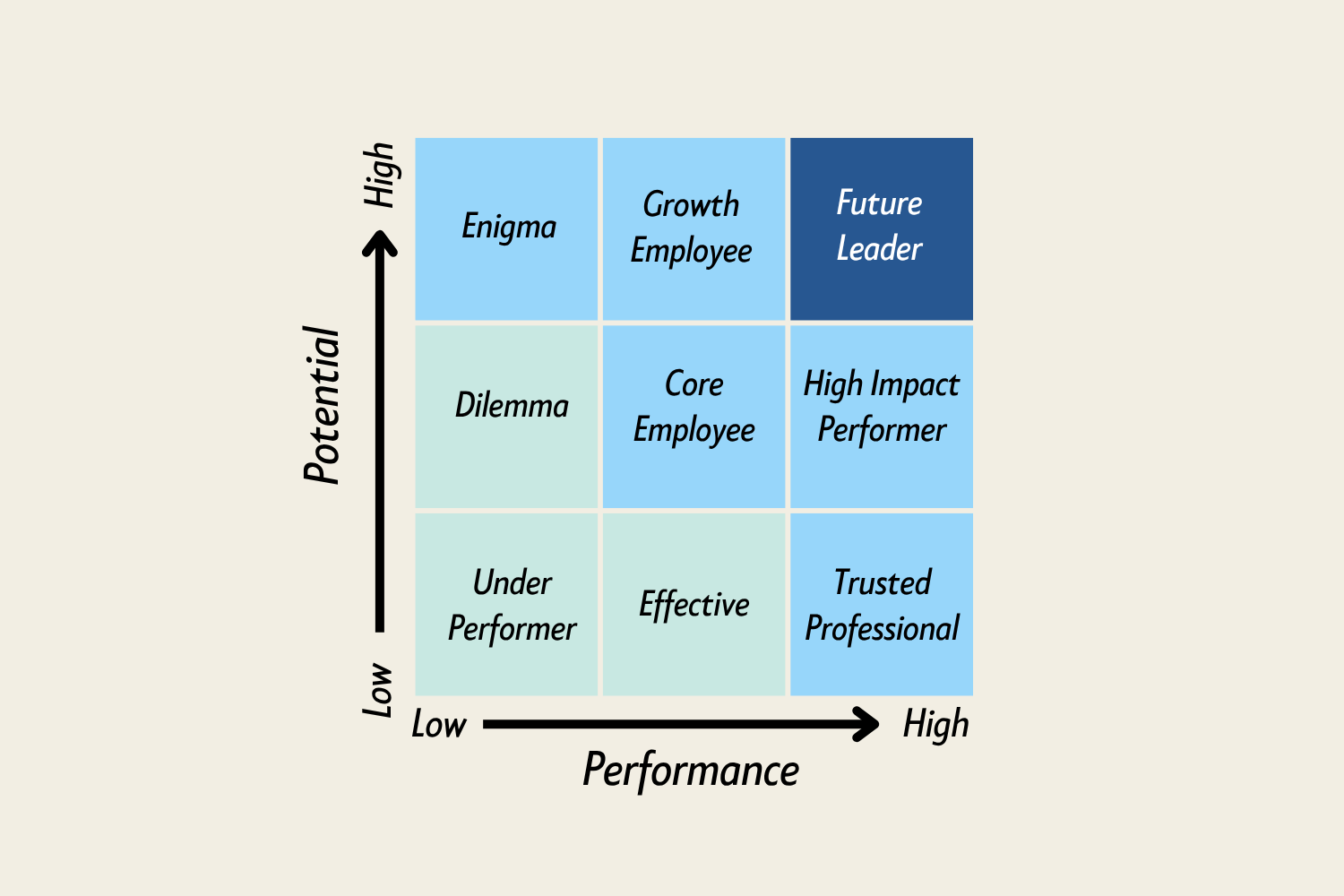
McKinsey 9-Box Model
A 3x3 grid that plots each person on performance against potential, giving nine distinct calls instead of one blurry verdict.

Peter Principle
In a hierarchy, everyone rises to their level of incompetence, because promotion rewards your current job, not tomorrow's.
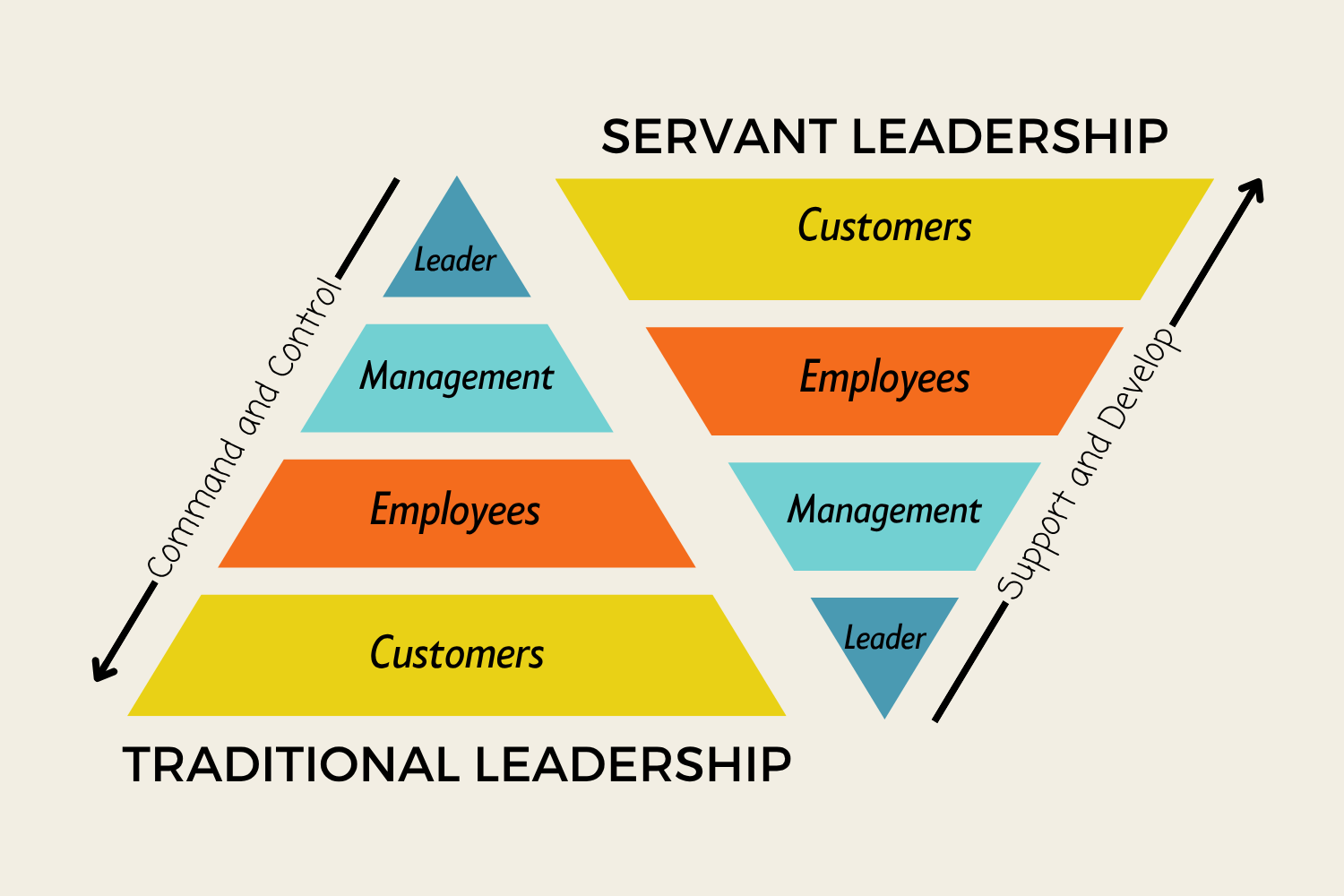
Servant Leadership
Flip "how can my team help me?" to "how can I help my team?" — job becomes removing obstacles, growing people.

The Leadership Code
Leadership runs on three traits — head, gut, heart — each toxic alone: competence without character is arrogance, courage without it reckless.
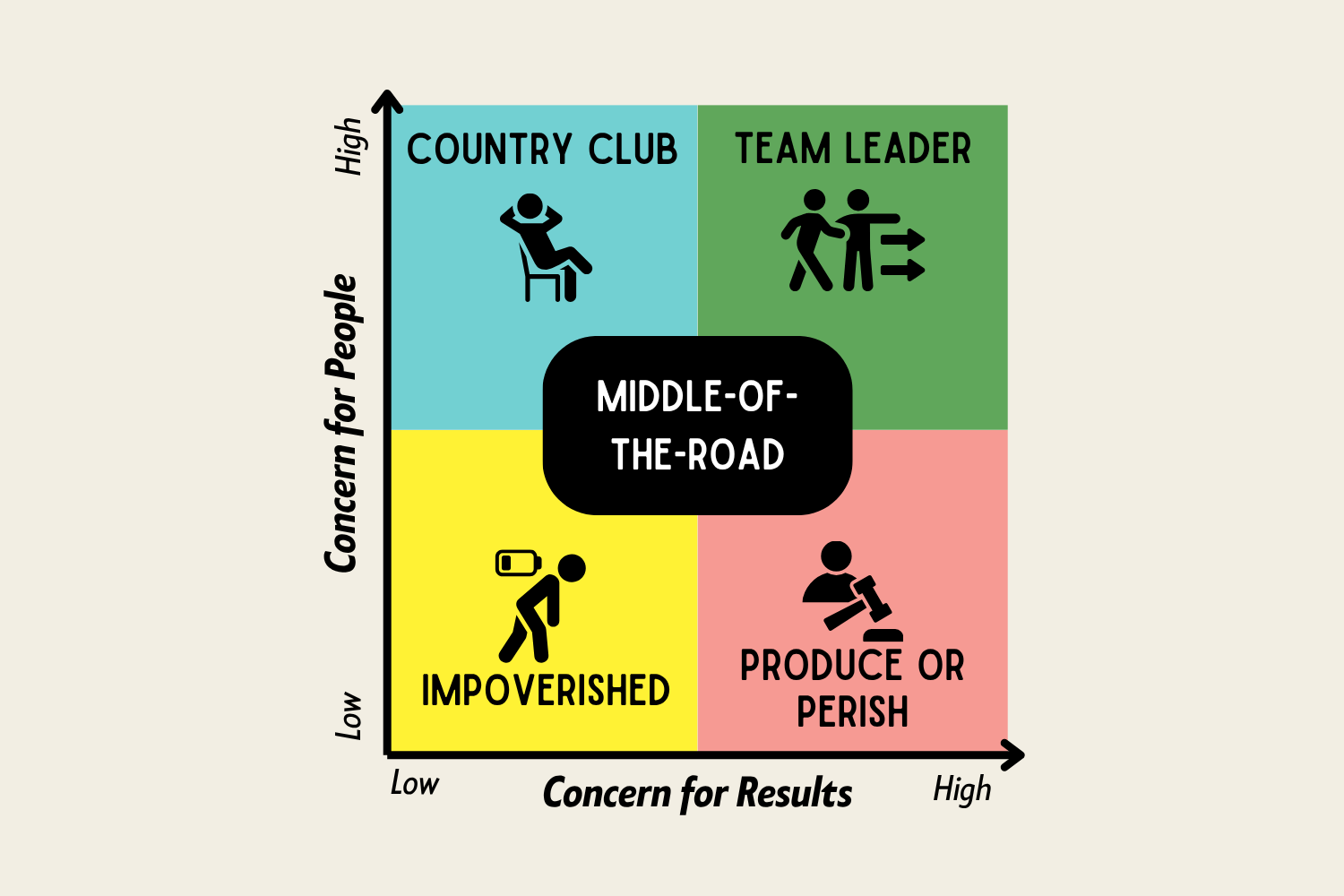
The Leadership Grid
Blake and Mouton mapped two axes — care for people, care for results — into five leadership styles you'll recognize instantly.
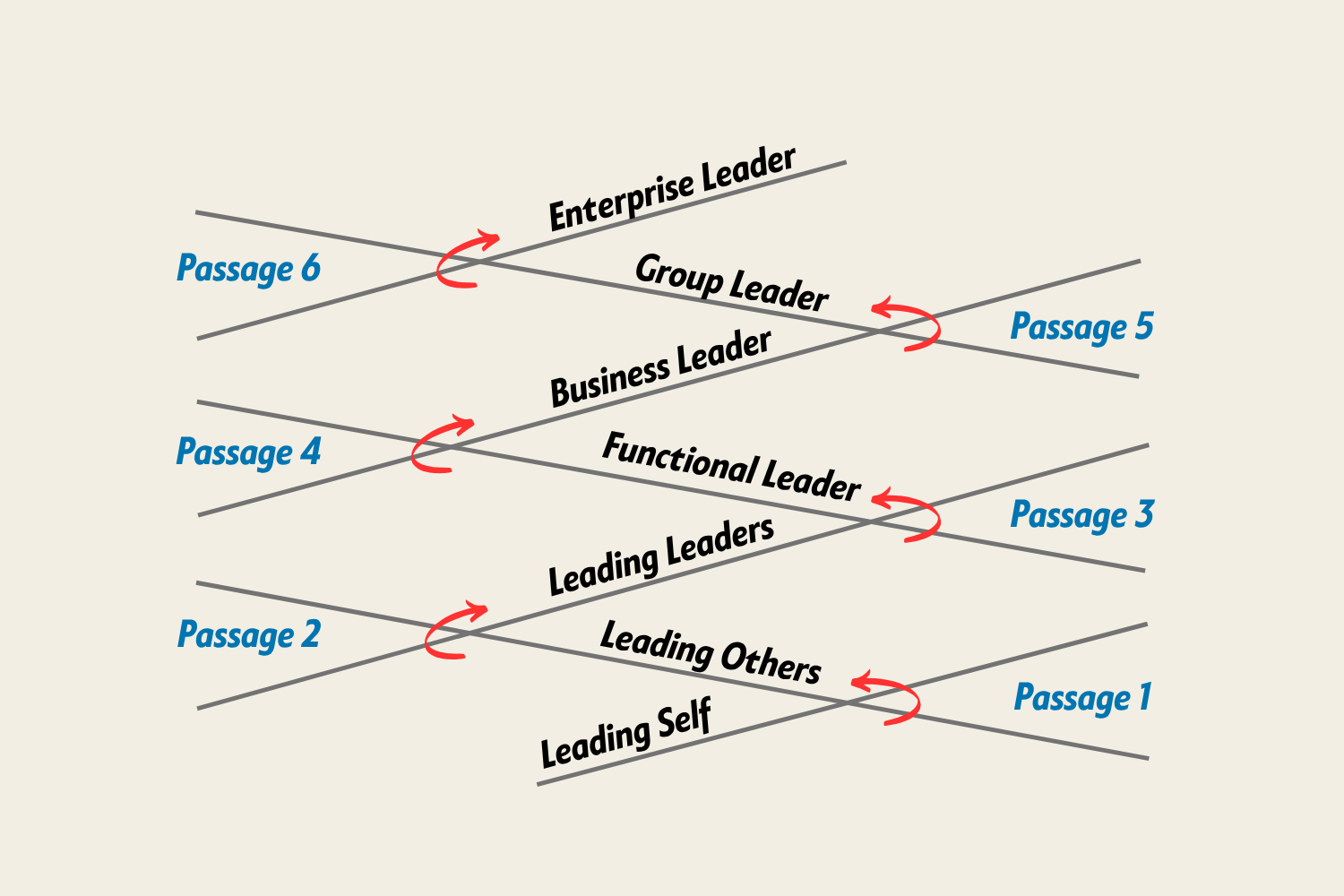
The Leadership Pipeline
Ram Charan mapped six passages into bigger leadership roles — at each one, old habits are exactly how you stall.
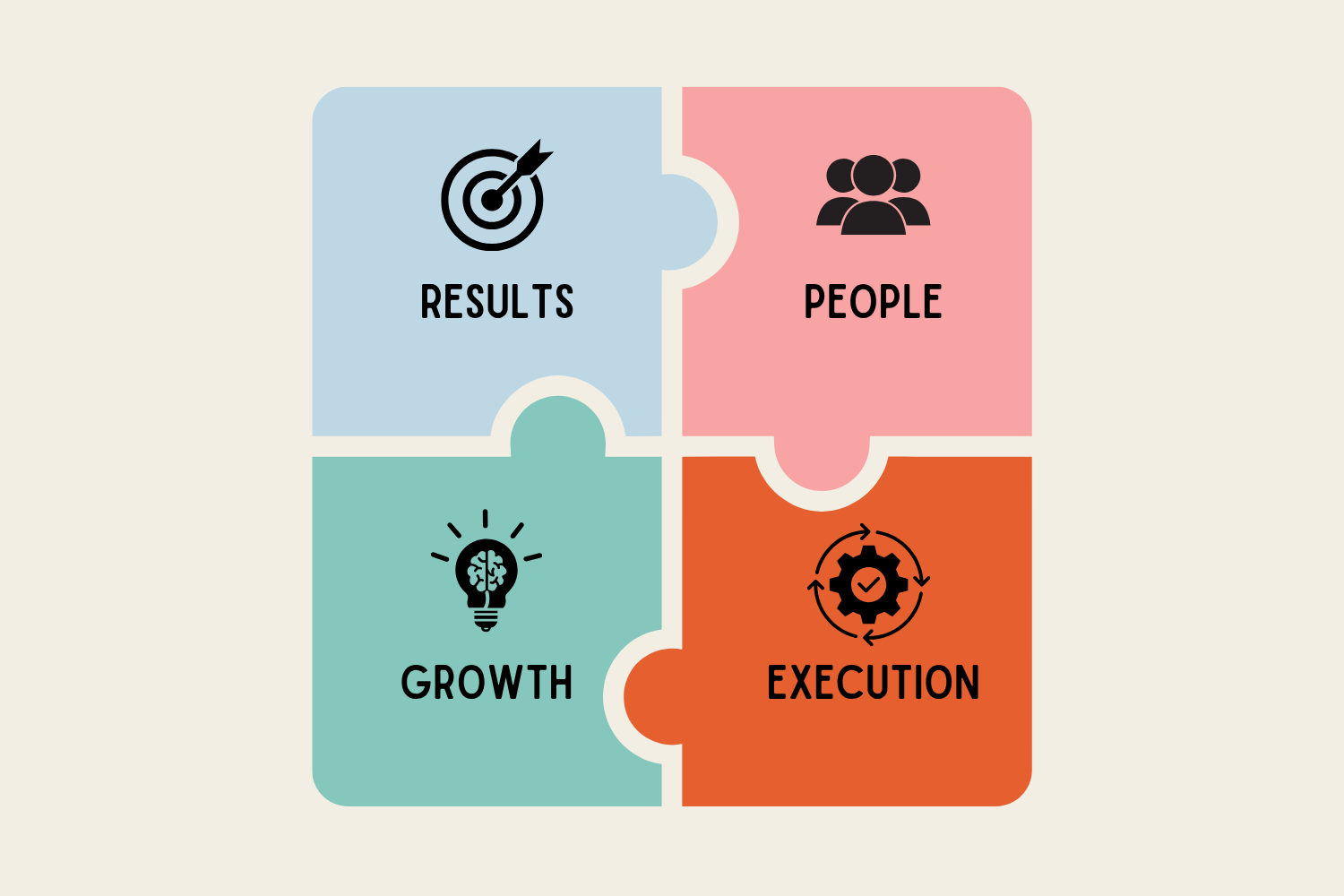
The Leadership Scorecard
A personal take on the Balanced Scorecard — Results, People, Execution, Growth — catching which one you're quietly neglecting.
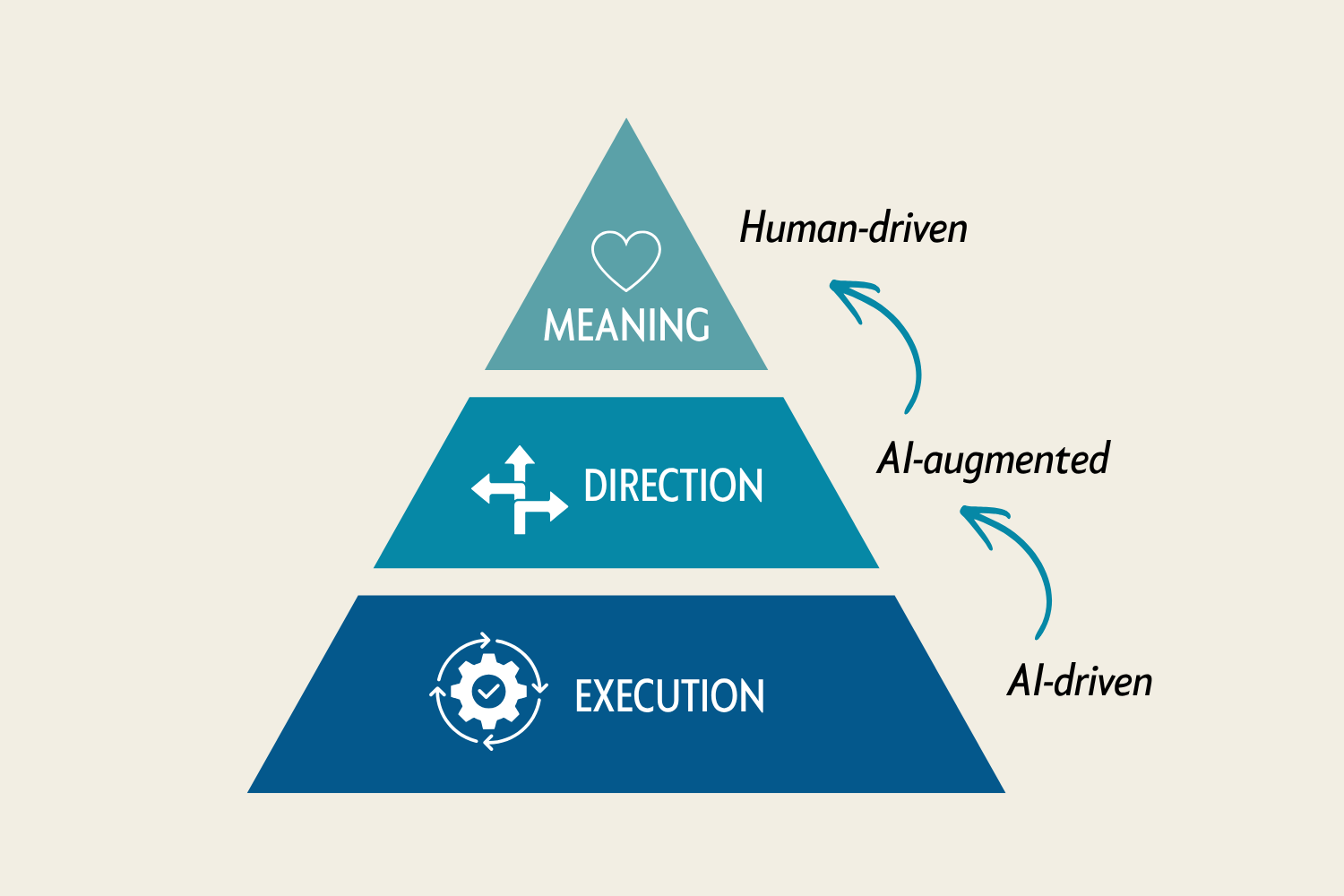
The Three Layers of Leadership
A pyramid — Execution, Direction, Meaning — where your value has to move up as AI automates execution.
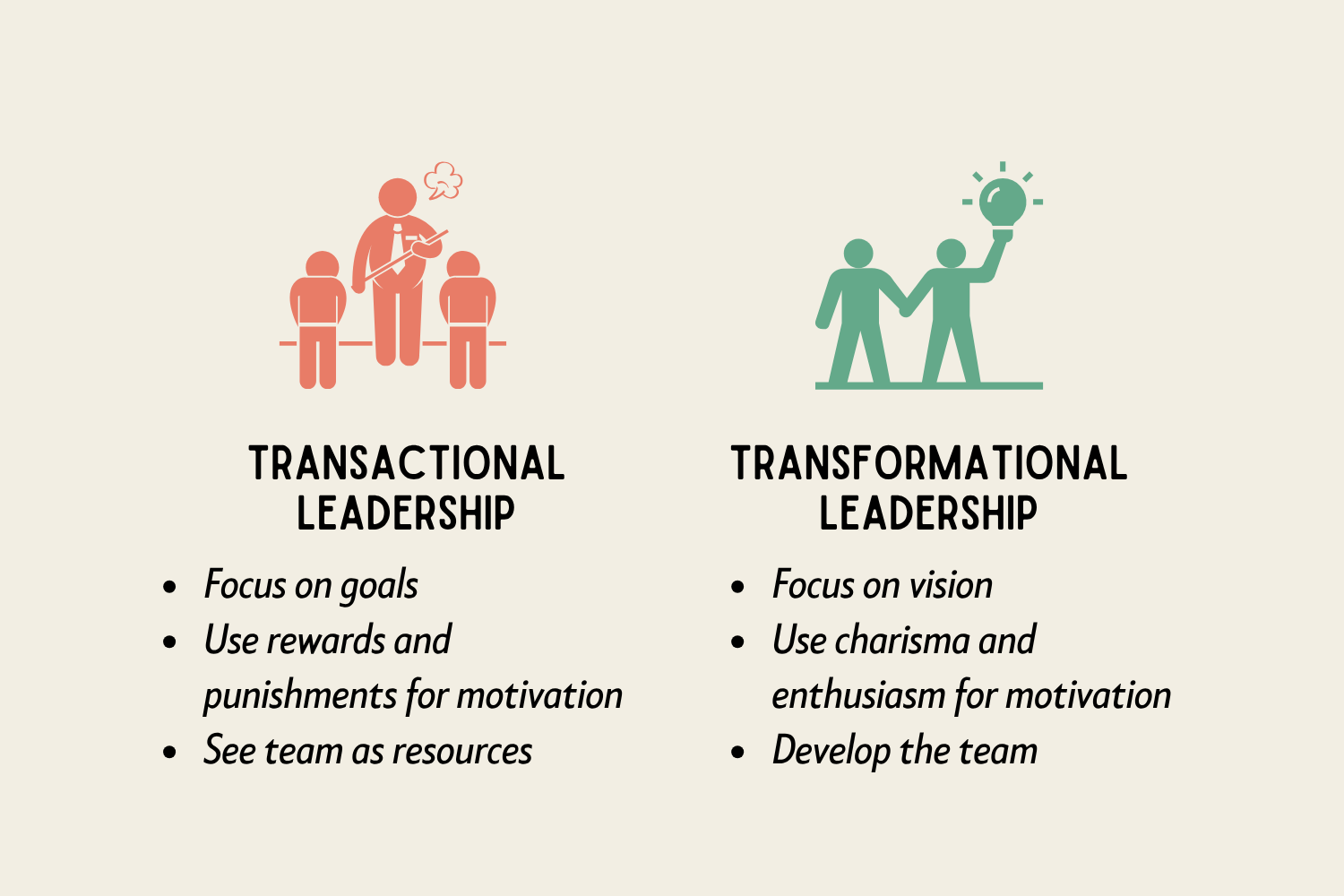
Transformational Leadership
Inspire people past self-interest and into a shared vision, raising what they aim for and what they're capable of.