The Leadership Scorecard
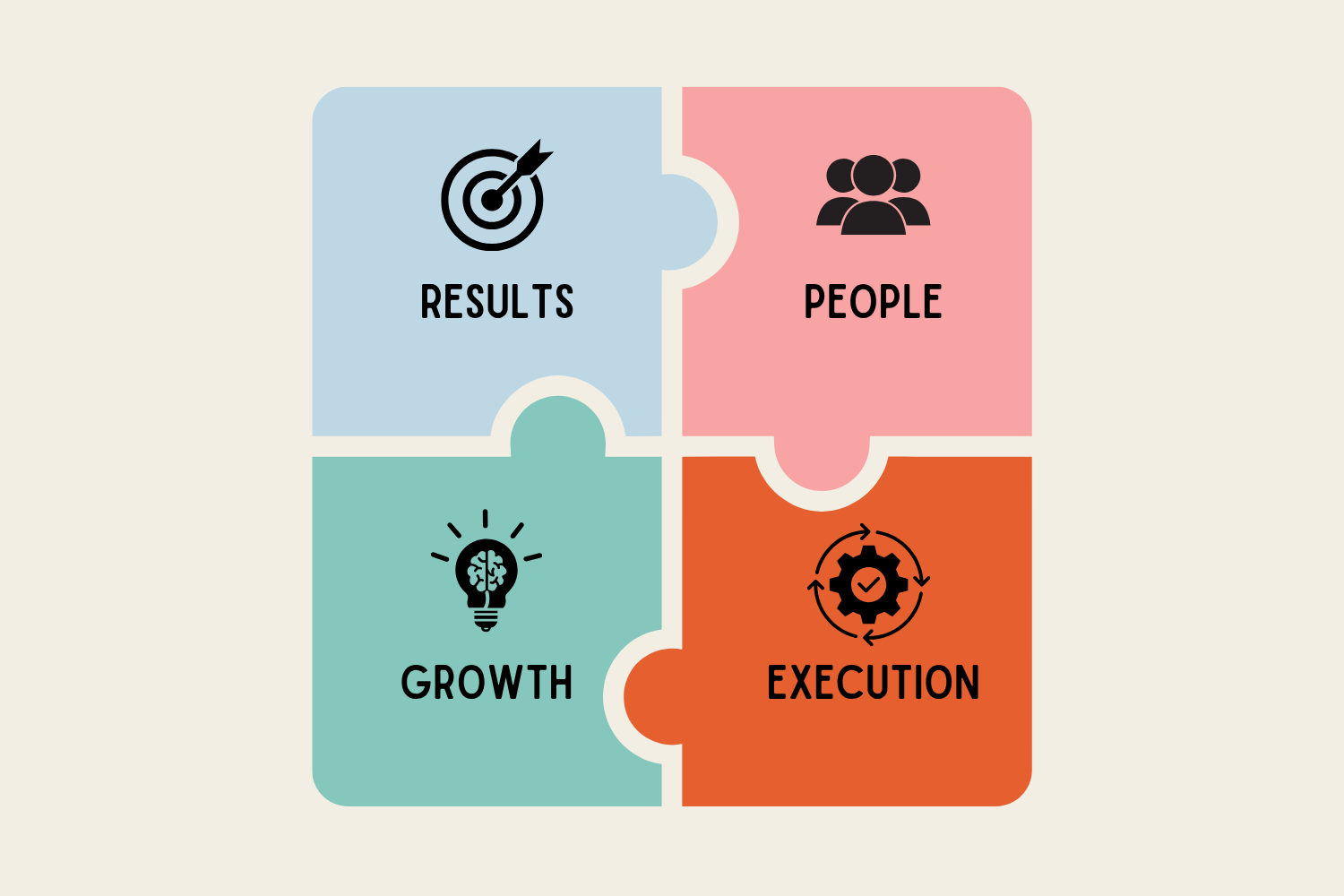
A personal take on the Balanced Scorecard — Results, People, Execution, Growth — catching which one you're quietly neglecting.
 Find this on the mind-map
Introduction
Harvard professors Robert Kaplan and David Norton built the original Balanced Scorecard in the early 1990s, at a moment when most companies measured themselves almost entirely on financial results. Their question was blunt: what if you're hitting every financial target and slowly killing the business at the same time? When they studied high performers, they found the best companies also tracked how well they served customers, how strong their internal processes were, and how much they invested in learning and growth — four perspectives instead of one.
Gaurav Jain took that same structure and pointed it at a single person instead of a company. The Leadership Scorecard translates your intent as a leader into actions and signals across four dimensions.
How It Works
| Dimension | The question | What it covers for you |
|---|---|---|
| Results | Am I delivering what is expected of me? | Did the team ship on time? Did we meet our OKRs? Is the business seeing the value? The traditional measure, and insufficient on its own. |
| People | Are the people around me thriving? | Your team, your stakeholders, sometimes your peers and your boss. Do people feel supported and engaged? Do stakeholders trust your input? |
| Execution | Are our systems and rituals helping or hurting? | Standups, reviews and one-on-ones that work. Decisions that are fast and clear rather than slow and messy. How your own time and energy are spent. |
| Growth | Are we learning, improving and preparing for what is next? | Your own development, your team's skills and confidence, and capability being built for the future rather than reaction to the present. |
Growth is the dimension you'll ignore first, especially under pressure — and it's the one that decides what the other three look like a year from now.
This isn't really a measurement system. It's a dashboard for your attention. Its whole job is making an imbalance visible before it turns into a resignation, a broken process, or a leader who's quietly stopped developing.
Why It Matters for Leaders
Under pressure, you'll collapse all four dimensions into one. Picture this: a high-visibility project is hitting every milestone, looking like unambiguous success, right up until a senior engineer resigns, then another one a week later, and you realize you've been cancelling one-on-ones and rescheduling team meetings for months. You lost touch with your team's voice, and nothing in the Results view ever showed it coming.
Each dimension fails in its own characteristic way when it's the only one you're watching. Focus on Results alone and you win short-term battles while losing the long game. Neglect People and you're leading through others who no longer feel heard. Ignore Execution and goals get missed inconsistently, with nobody able to say why. Skip Growth and you and your team end up steadily less prepared for what's next than you were for what just happened.
This framework earns its keep exactly when it's hardest to use. Under intense delivery pressure, your default reaction is to push harder — cancel one-on-ones, tell the team to just get it done. Run it through the scorecard instead, and the question changes from "how do I deliver?" to "how do I deliver without breaking the machine?" — which opens up moves the default response never reaches: redistribute the work, cut scope, remove a dependency, or use the moment to model composure.
The same logic applies when you're scaling something new, where your default is to control everything and dive into the weeds yourself. Run through the four quadrants instead and the actual moves get clear: define what success means even while it's still fuzzy, clarify roles, build lightweight rituals, and name the learning this creates. You get just enough structure without killing the energy.
Most leaders discover they lean too hard on Results and Execution while People and Growth quietly slip. Knowing your own default under stress is most of the value here — the correction tends to follow on its own, once you can actually see the imbalance.
What to do next
Test your knowledge of The Leadership Scorecard
Practice The Leadership Scorecard
Apply The Leadership Scorecard to a real situation
Skills related to The Leadership Scorecard

Frameworks related to The Leadership Scorecard
McKinsey 9-Box Model
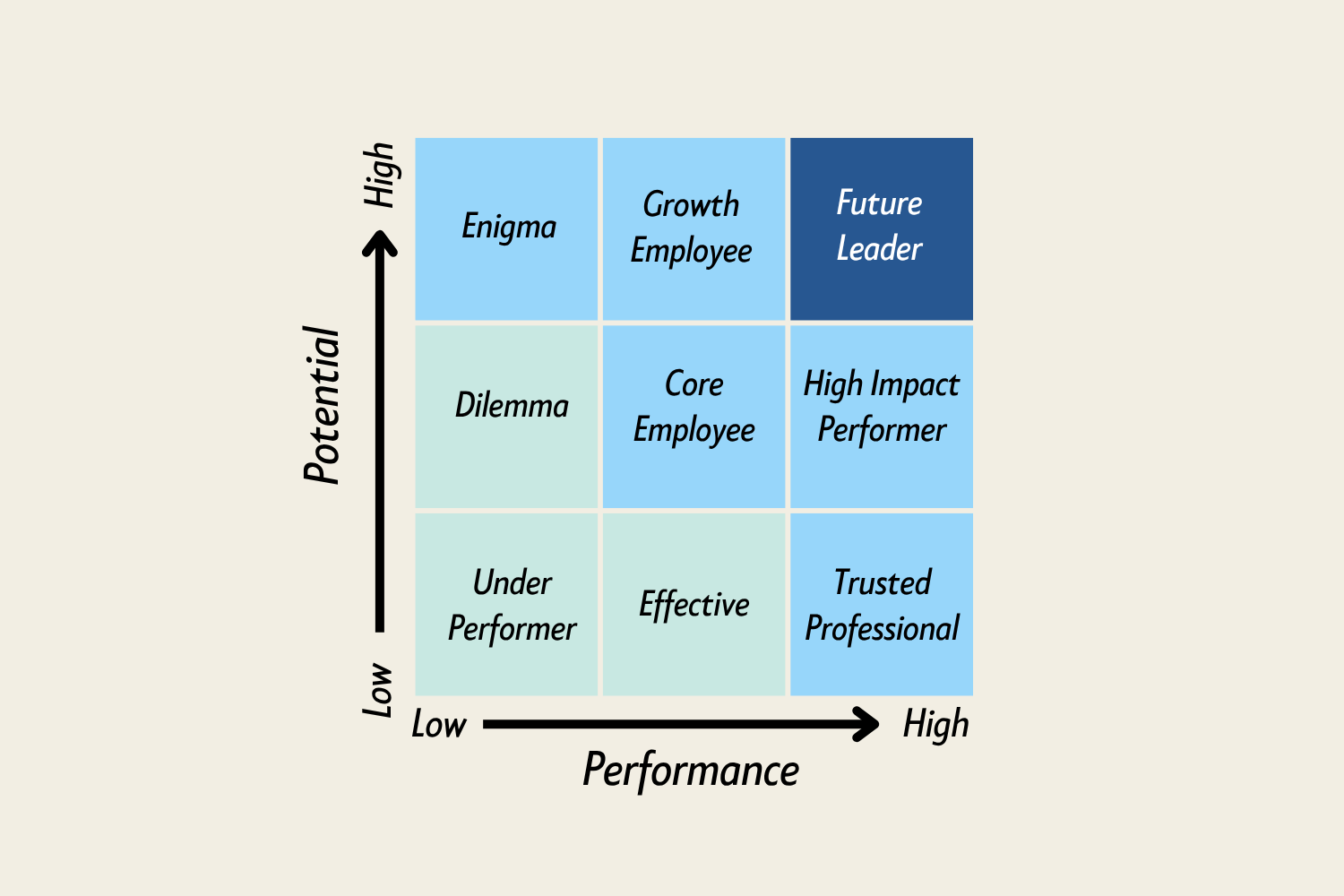
A 3x3 grid that plots each person on performance against potential, giving nine distinct calls instead of one blurry verdict.

Peter Principle
In a hierarchy, everyone rises to their level of incompetence, because promotion rewards your current job, not tomorrow's.
Servant Leadership
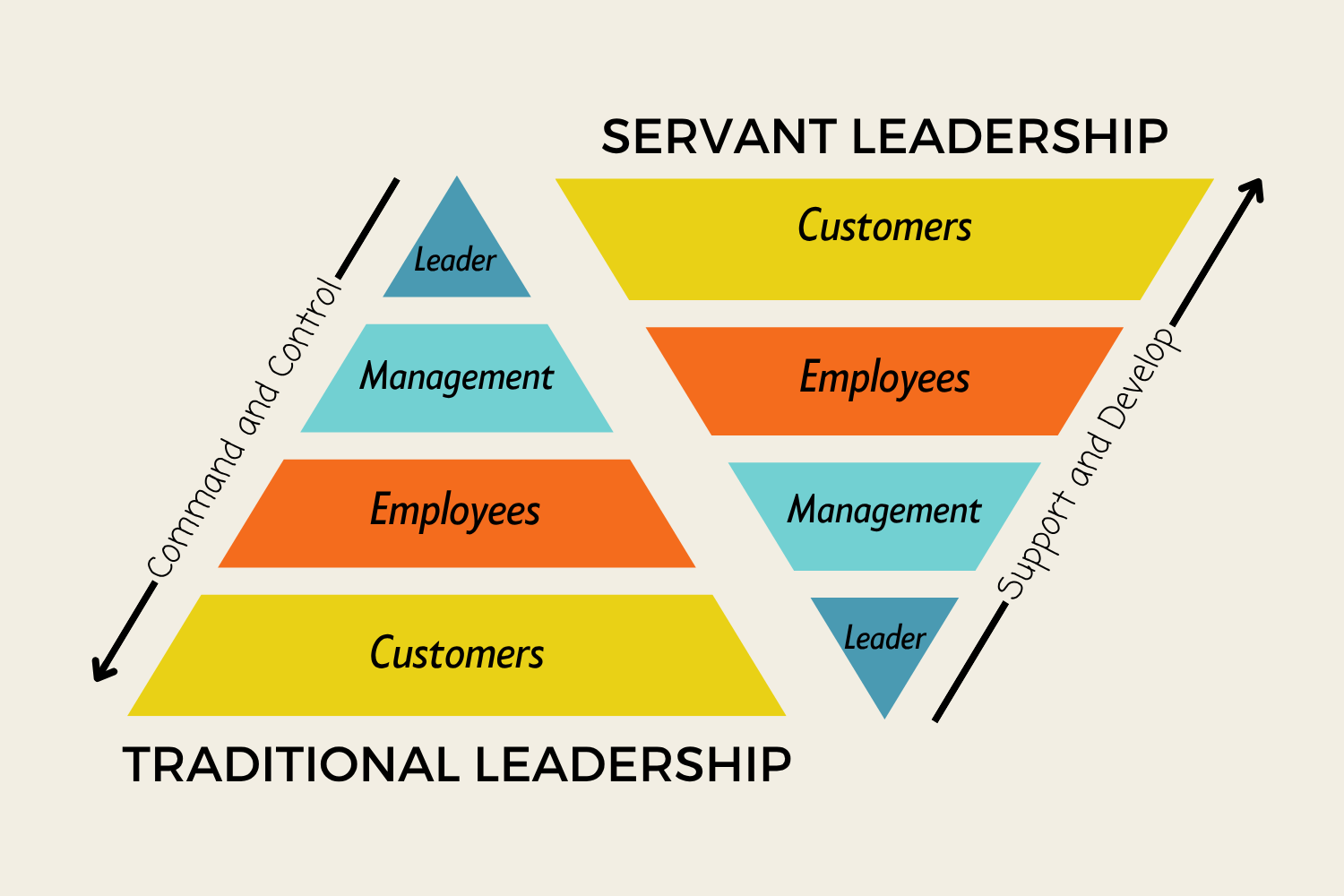
Flip "how can my team help me?" to "how can I help my team?" — job becomes removing obstacles, growing people.

The Leadership Code
Leadership runs on three traits — head, gut, heart — each toxic alone: competence without character is arrogance, courage without it reckless.
The Leadership Grid
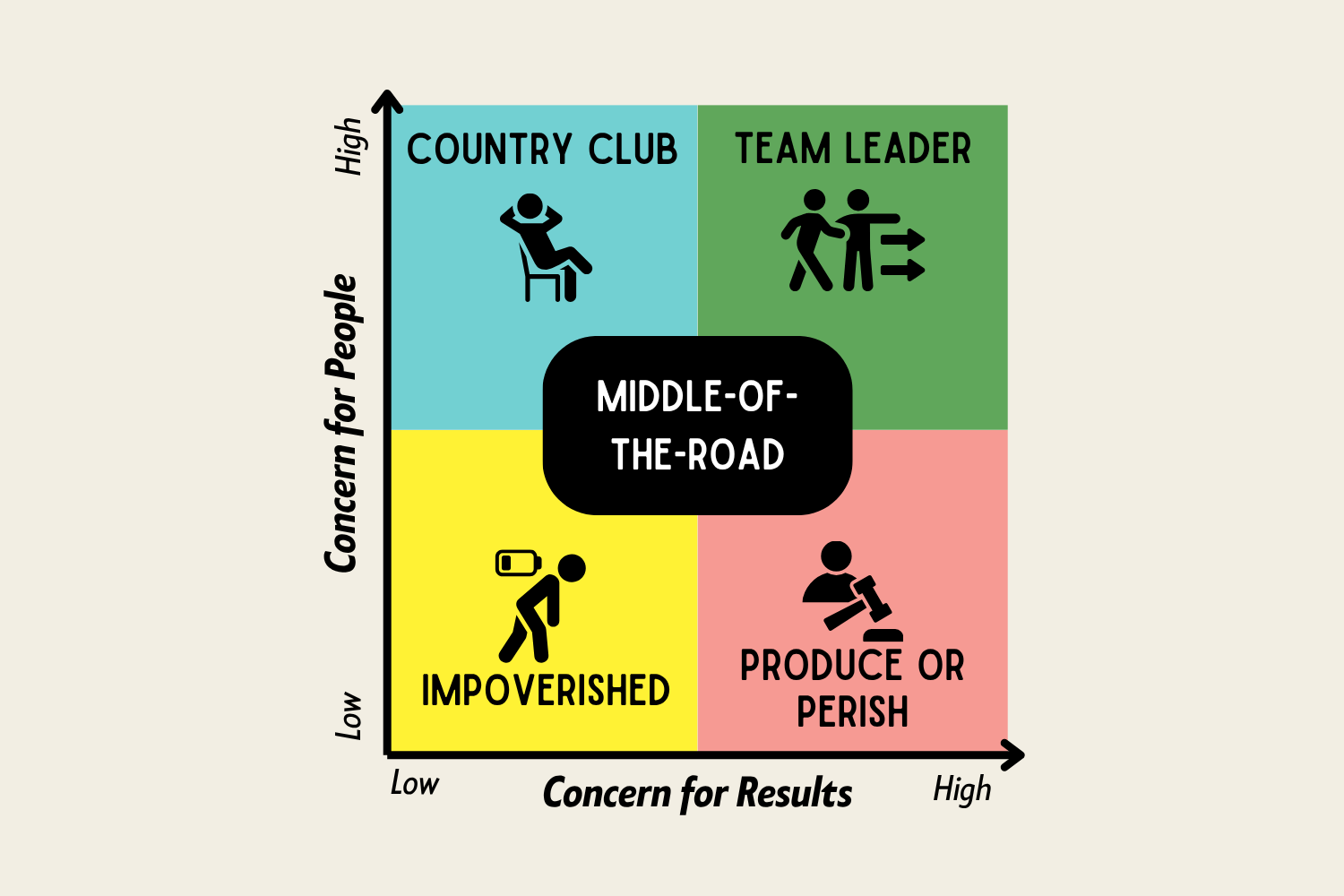
Blake and Mouton mapped two axes — care for people, care for results — into five leadership styles you'll recognize instantly.
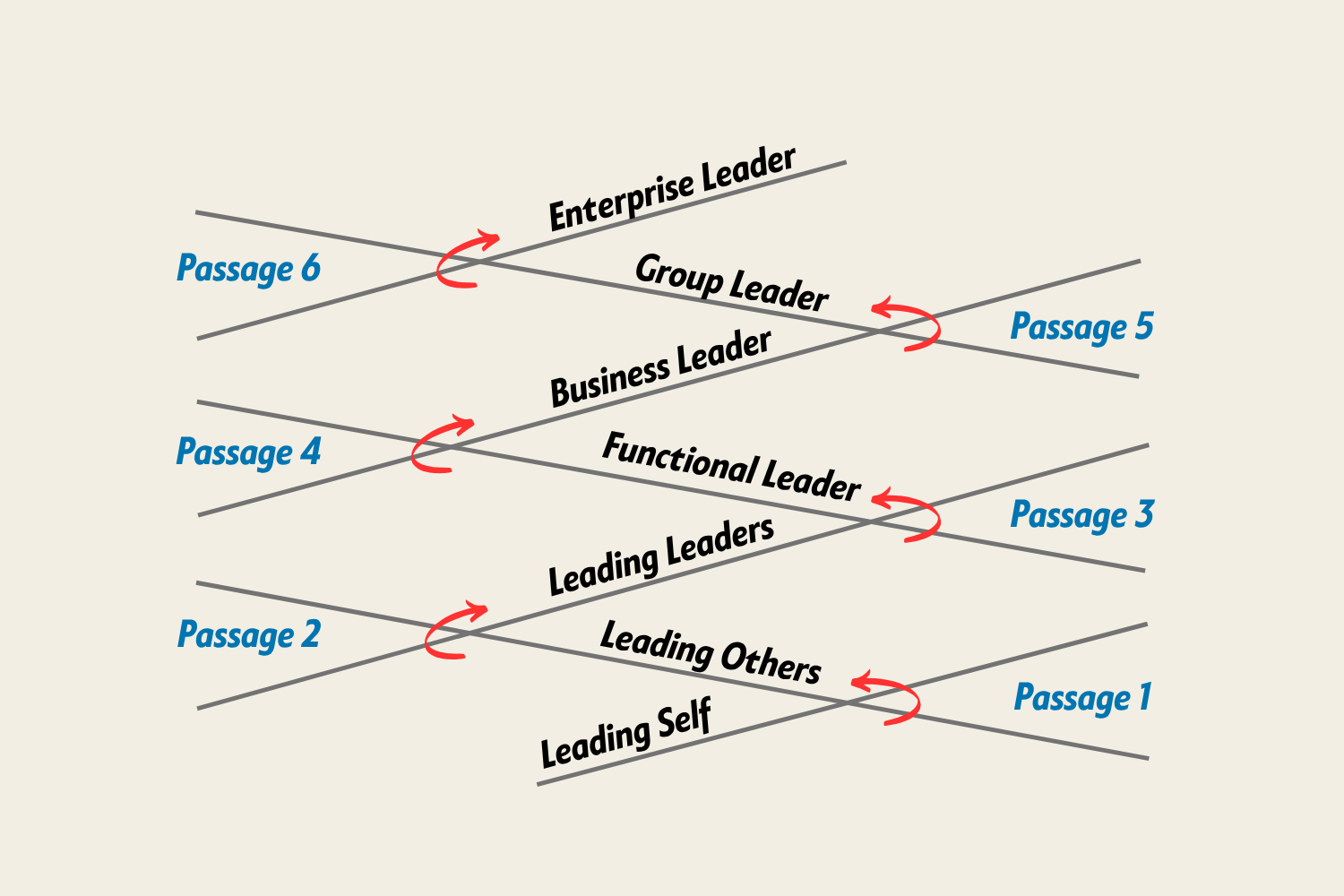
The Leadership Pipeline
Ram Charan mapped six passages into bigger leadership roles — at each one, old habits are exactly how you stall.
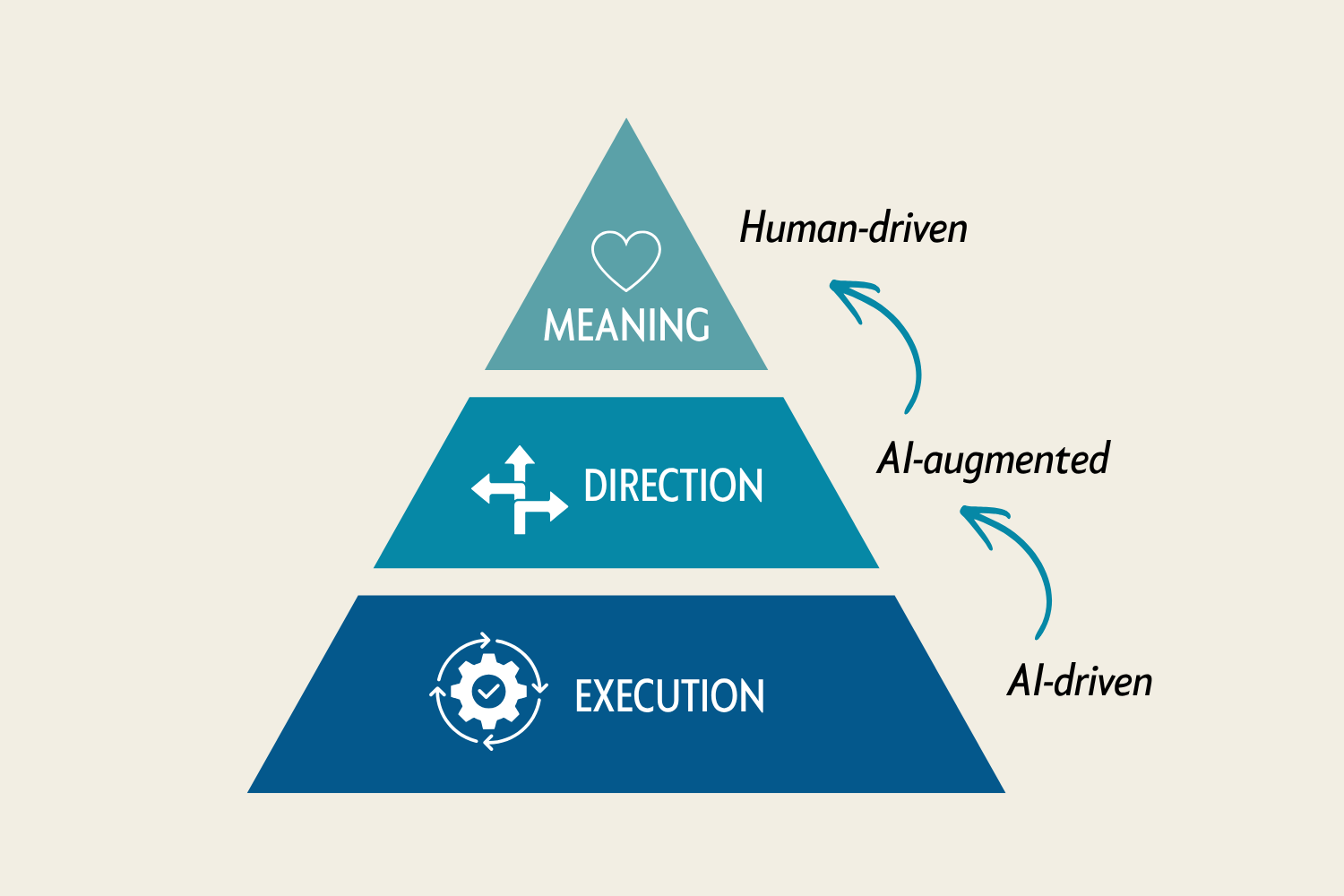
The Three Layers of Leadership
A pyramid — Execution, Direction, Meaning — where your value has to move up as AI automates execution.
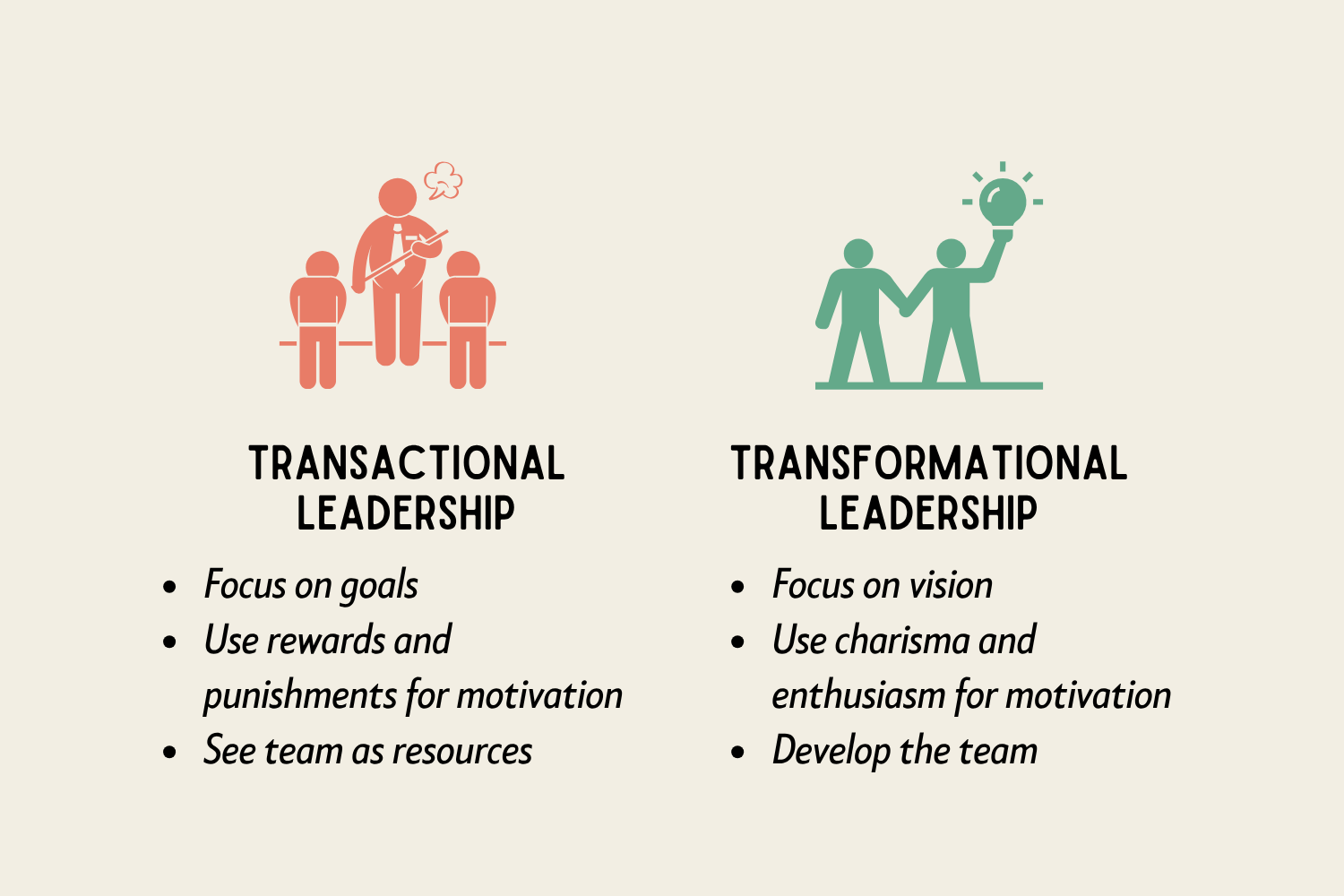
Transformational Leadership
Inspire people past self-interest and into a shared vision, raising what they aim for and what they're capable of.
Books related to The Leadership Scorecard

Dare to Lead
Brené Brown's case that vulnerability isn't the opposite of strong leadership. It's the precondition for it, and the armor most leaders wear to look strong is usually what's actually holding their team back.

Developing the Leader Within You
John Maxwell's foundational case that leadership is influence, not title, and that the gap between "manager" and "leader" is a set of learnable habits, not a personality you were or weren't born with.

Drive
Daniel Pink's case that the carrot-and-stick playbook most managers inherited is actually the wrong tool for most of today's work, and what motivates people doing complex, creative work instead.

Extreme Ownership
Two Navy SEAL officers' blunt rule for leadership, forged in the Battle of Ramadi and translated straight into the business world: there are no bad teams, only bad leaders, and the leader owns every outcome, full stop, no exceptions, no shared blame.

Good to Great
Jim Collins' research into why some companies go from average to sustained market dominance, and others don't. Read less as a book about companies and more as a book about the kind of leader you have to become before a company (or a team) can get great.

Leadership in Turbulent Times
Historian Doris Kearns Goodwin places Lincoln, Theodore Roosevelt, FDR, and LBJ side by side and asks the same question about each: what did their worst personal crisis actually build in them, and how did they spend it once real power and a real emergency arrived at the same time.

Lean In
Sheryl Sandberg's argument that the barriers keeping women out of leadership are real on both sides: structural bias in how organizations operate, and self-imposed caution in how women are taught to see their own ambition. Fixing only one side leaves the other fully intact.

Mindset
Carol Dweck's research on why some people treat ability as fixed and others treat it as something built, and why the belief you hold about yourself shapes how your whole team learns, fails, and improves, often without anyone noticing it happening.

Primal Leadership
The case that a leader's mood isn't a private matter. It's contagious through the whole team, which makes emotional intelligence the real infrastructure underneath every other leadership skill.

The 21 Irrefutable Laws of Leadership
John Maxwell's attempt to turn leadership into something closer to a set of physical laws than a personality trait. Rules that hold regardless of your industry, your title, or how naturally charismatic you are.

The 5 Levels of Leadership
John Maxwell's map of how leadership actually gets earned, level by level, and why the title on your door only ever buys you the lowest, least durable form of it.

The Diary of a CEO
Steven Bartlett's attempt to turn hundreds of founder and expert conversations into 33 numbered laws, organized into four pillars: the self, the story, the philosophy, and the team.

Winning
Jack Welch's unapologetically blunt playbook for running a business and a team, built on the belief that most management dysfunction is really just a candor problem wearing a nicer name.