The Pygmalion Effect
What you expect from someone leaks into how you treat them, which shapes what they become — for better or worse.
 Find this on the mind-map
Introduction
In the 1960s, psychologists Robert Rosenthal and Lenore Jacobson ran a study that later became the book Pygmalion in the Classroom. They told a group of teachers that certain students in their classes had been identified as "intellectual bloomers" with high potential. In reality, those students had been picked completely at random. Over the course of the school year, they went on to actually perform better anyway — not because they were secretly gifted, but because the teachers had unknowingly changed how they treated them. More encouragement. More attention. More time. Small shifts in tone, posture, and patience produced real, measurable changes in results.
How It Works
What Rosenthal and Jacobson uncovered is a four-stage loop.
| Stage | What happens |
|---|---|
| 1. Your beliefs | You form an expectation about someone: a top performer, or not ready yet |
| 2. Your actions | Your behavior shifts to match. More coaching, more space, more opportunity — or less |
| 3. Their beliefs | They notice. People read these cues accurately, even the small ones |
| 4. Their actions | They adapt, and start living up to — or down to — the expectation |
This loop runs in both directions. High expectations, communicated with genuine belief, tend to make people rise. Low expectations make them shrink. The negative version even has its own name: the Golem Effect.
The uncomfortable part is that this loop runs whether you notice it or not. Air time in meetings, positive reinforcement, and stretch assignments all get handed out based on belief rather than actual performance — and that belief isn't always rational. It's often shaped by an early impression, a bias, or something you heard secondhand.
Why It Matters for Leaders
One offhand sentence in a calibration meeting can redirect someone's whole career. "He just isn't leadership material," said casually about someone who recently led a cross-functional project through hard deadlines and difficult stakeholders, is enough on its own to close a door that his actual performance had already opened.
This happens on a bigger scale too, not just in one offhand sentence. Someone labeled high-potential gets the stretch assignments, the visibility, the coaching — and overdelivers. Someone labeled slow gets sidelined, and underperforms. Both end up living up to the label, which makes the label look like it was right all along. That's exactly what makes this so hard to catch from the inside.
Three situations show where it really bites. With an underperformer, your instinct is pressure — sharper feedback, a performance plan — but pressure rarely produces growth, and it mostly just confirms to both of you that this person isn't capable. With a star performer, funneling every important project to your one safe pair of hands quietly tells everyone else on the team that they're second tier. And with a whole team that's tired and slipping, your own expectations sink right along with them, and the team matches your lowered energy without either of you saying a word.
The practical takeaway is that your private assessment of someone was never actually private. It shows up in who you ask for input in meetings, how you phrase feedback, and whether you look at someone with belief or with doubt. Managing the expectation is part of managing the person.
This is the same lever the The Bannister Effect uses at the team level, and it's exactly why a talent grid like the McKinsey 9-Box Model turns dangerous the moment its labels get shared carelessly.
What to do next
Test your knowledge of The Pygmalion Effect
Practice The Pygmalion Effect
Apply The Pygmalion Effect to a real situation
Skills related to The Pygmalion Effect

Self-Management
Managing your own emotional reactions — especially fear and insecurity — so they stop quietly driving your behavior under pressure.

Team Development
Building a high-performing team on purpos, guiding people through the stages of a team's growth, building real trust between them, and handing over ownership as they earn it.
Frameworks related to The Pygmalion Effect
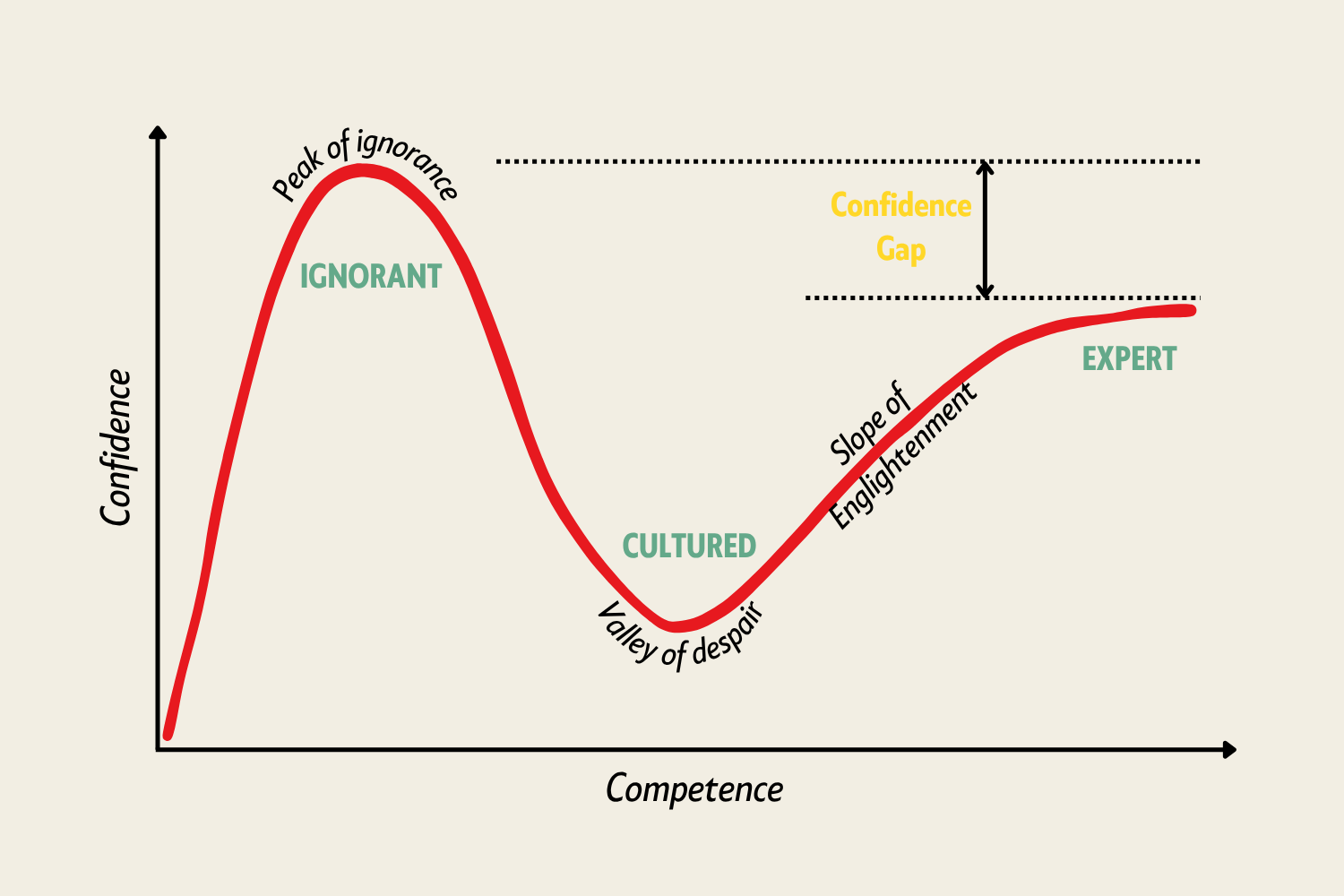
Dunning-Kruger Effect
Knowing little makes you feel unstoppable; knowing more makes you hesitate — the loudest voice is rarely the most reliable one.
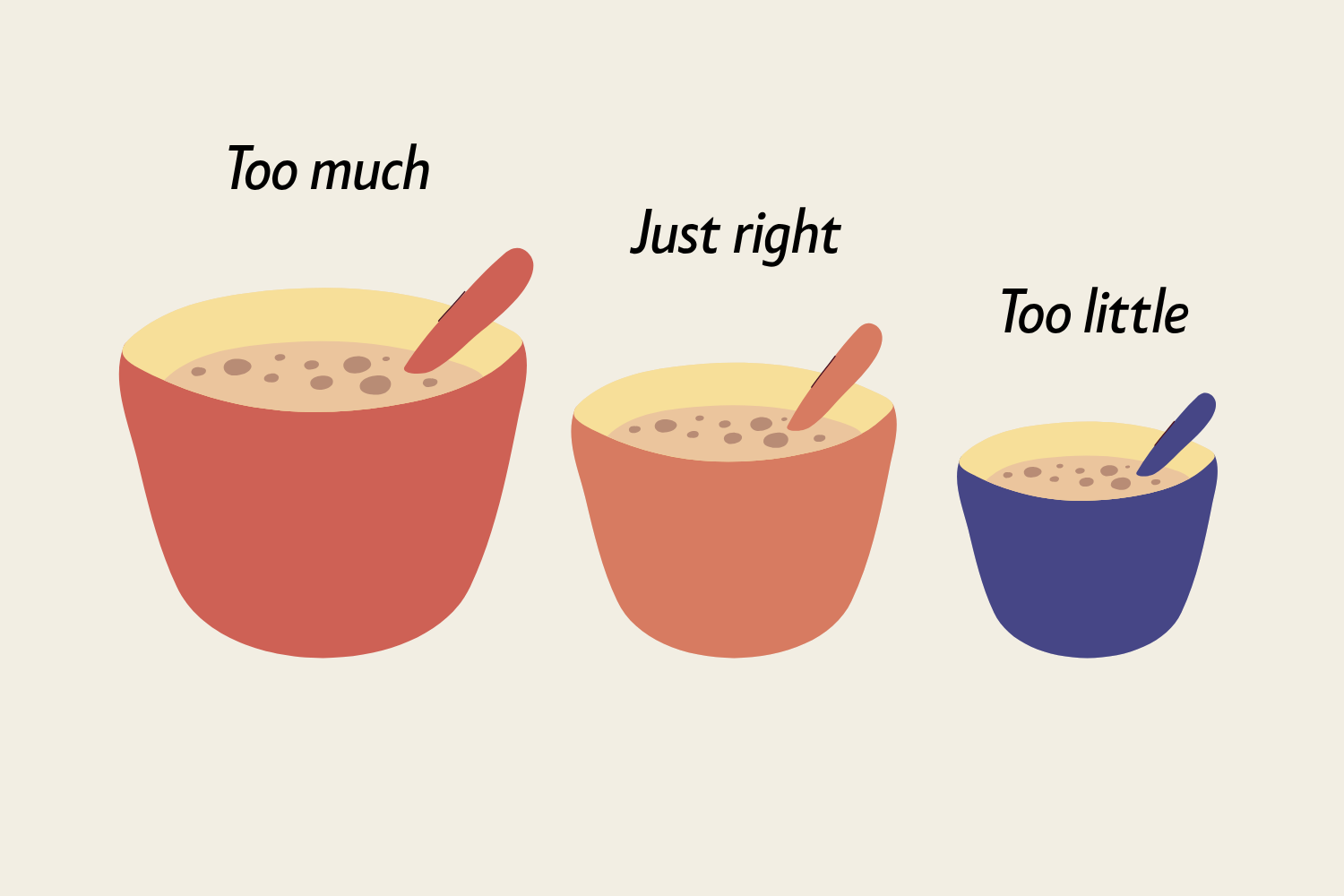
Goldilocks Principle
Support runs on a dial between micromanagement and abdication — enough direction for clarity, enough space for ownership, always moving.

Hawthorne Effect
People change how they behave when they know they're watched — your attention is an intervention that changes what you see.
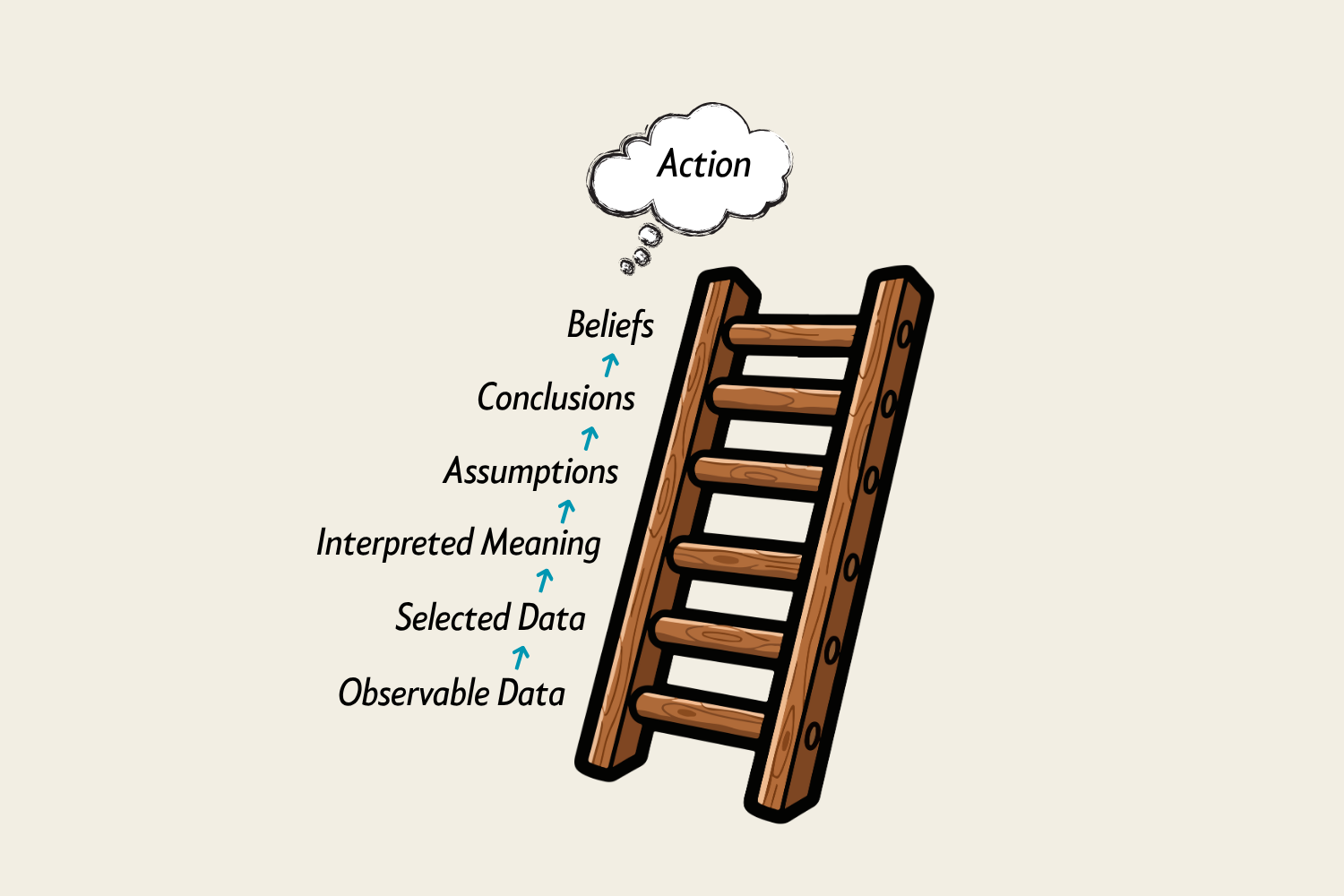
Ladder of Inference
Your mind turns a fact into belief through selection and assumption — you end up arguing with a story, not reality.
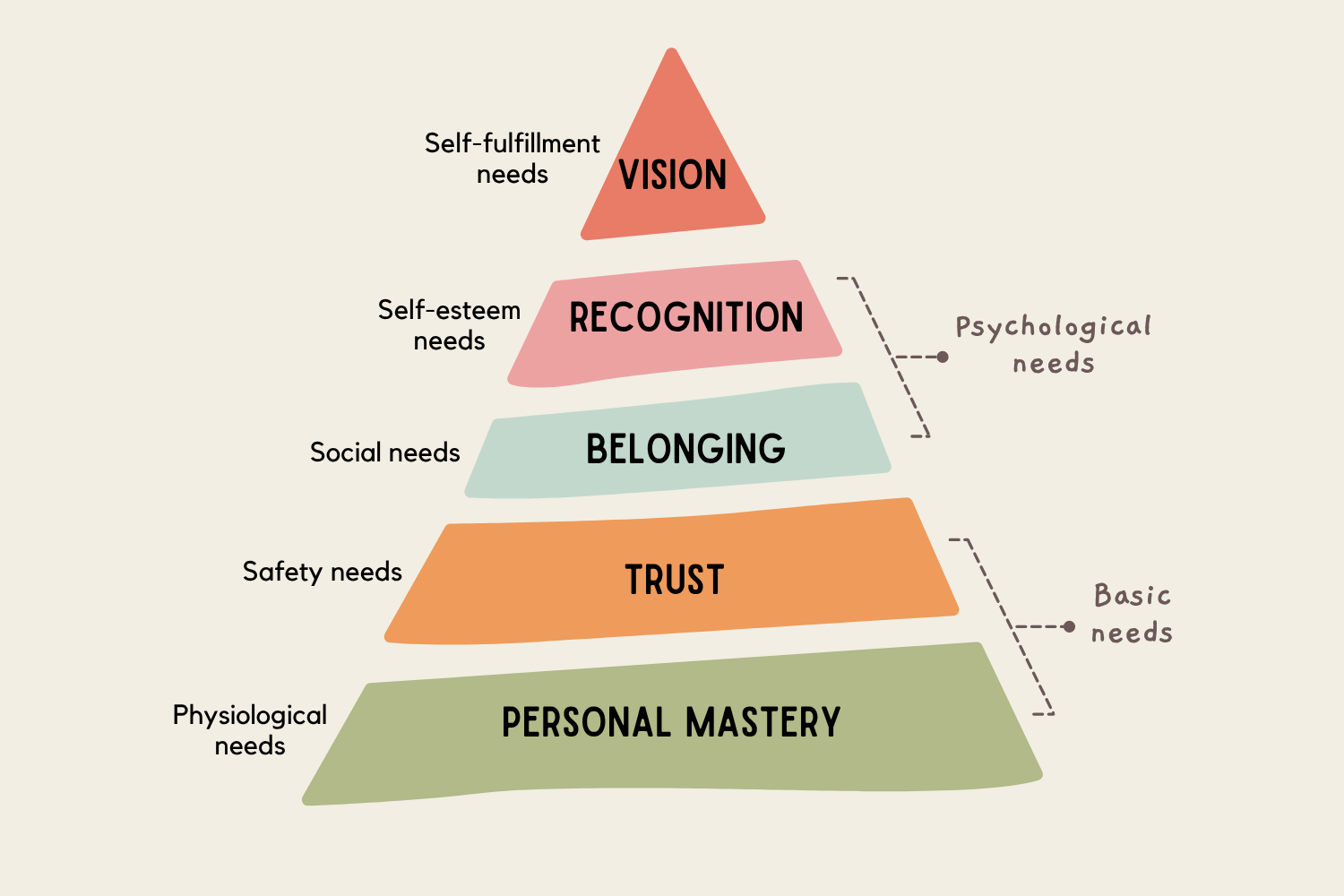
Maslow's Hierarchy of Needs
Abraham Maslow's five-level model of motivation, applied to leadership as a stack — mastery, trust, belonging, up through recognition and vision.
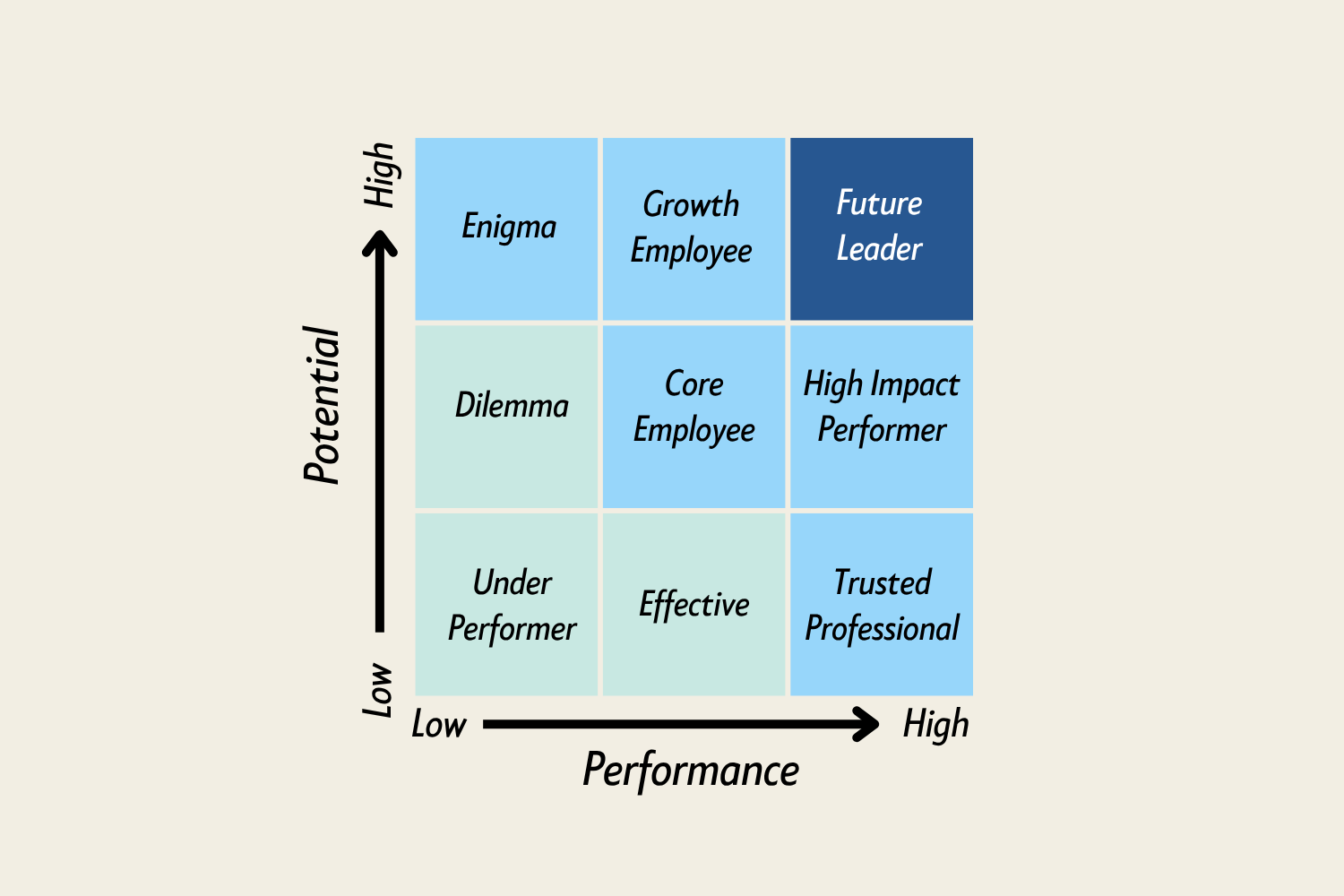
McKinsey 9-Box Model
A 3x3 grid that plots each person on performance against potential, giving nine distinct calls instead of one blurry verdict.

Multipliers and Diminishers
Liz Wiseman's split between leaders who bring out best thinking in people around them, and those who shut it down.
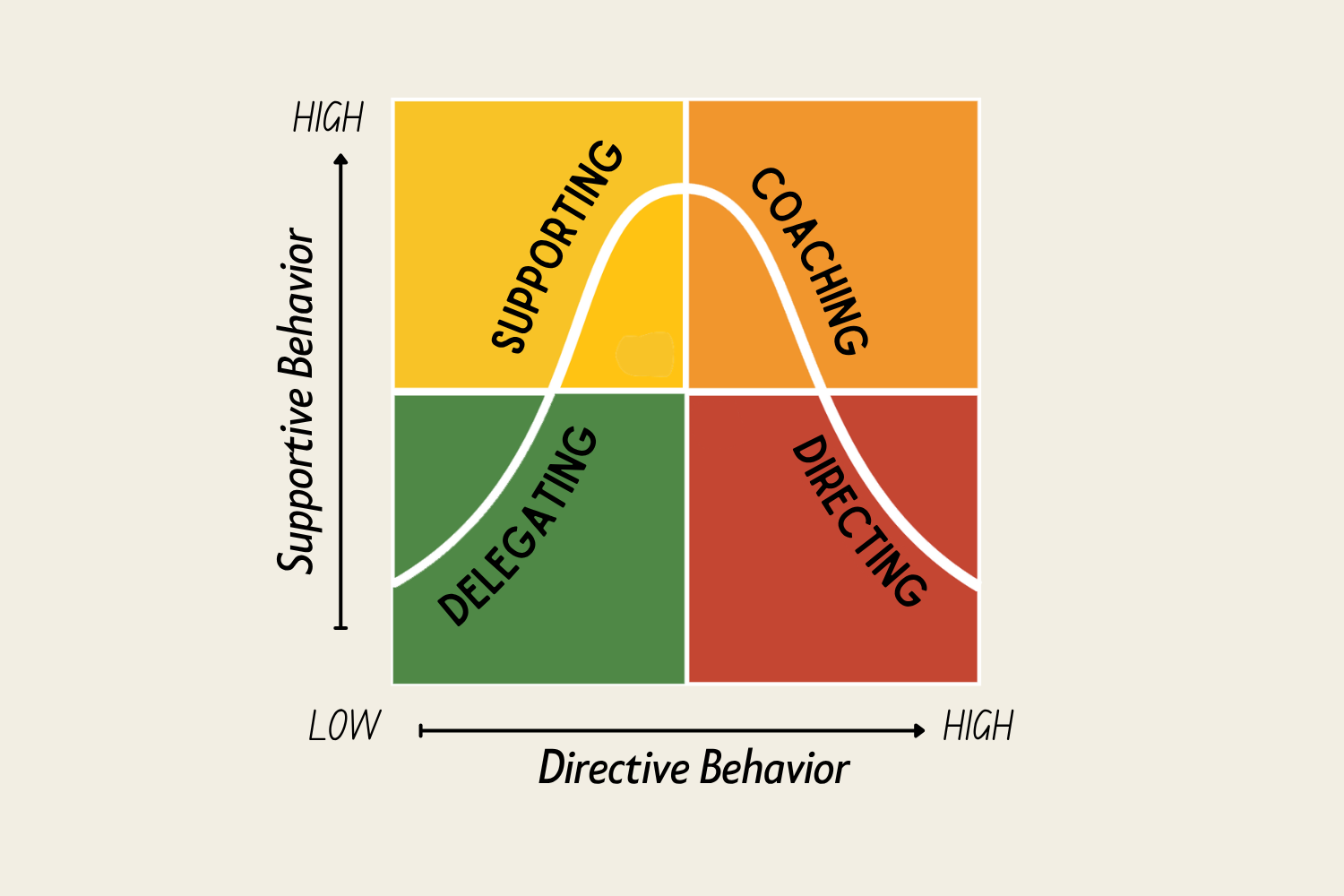
Situational Leadership
There's no right way to lead — only the right way for this person right now: direct, coach, support, or delegate.

The 6 Human Needs
Every behavior at work is really an unmet need in disguise — six needs, popularized by Tony Robbins, worth checking first.
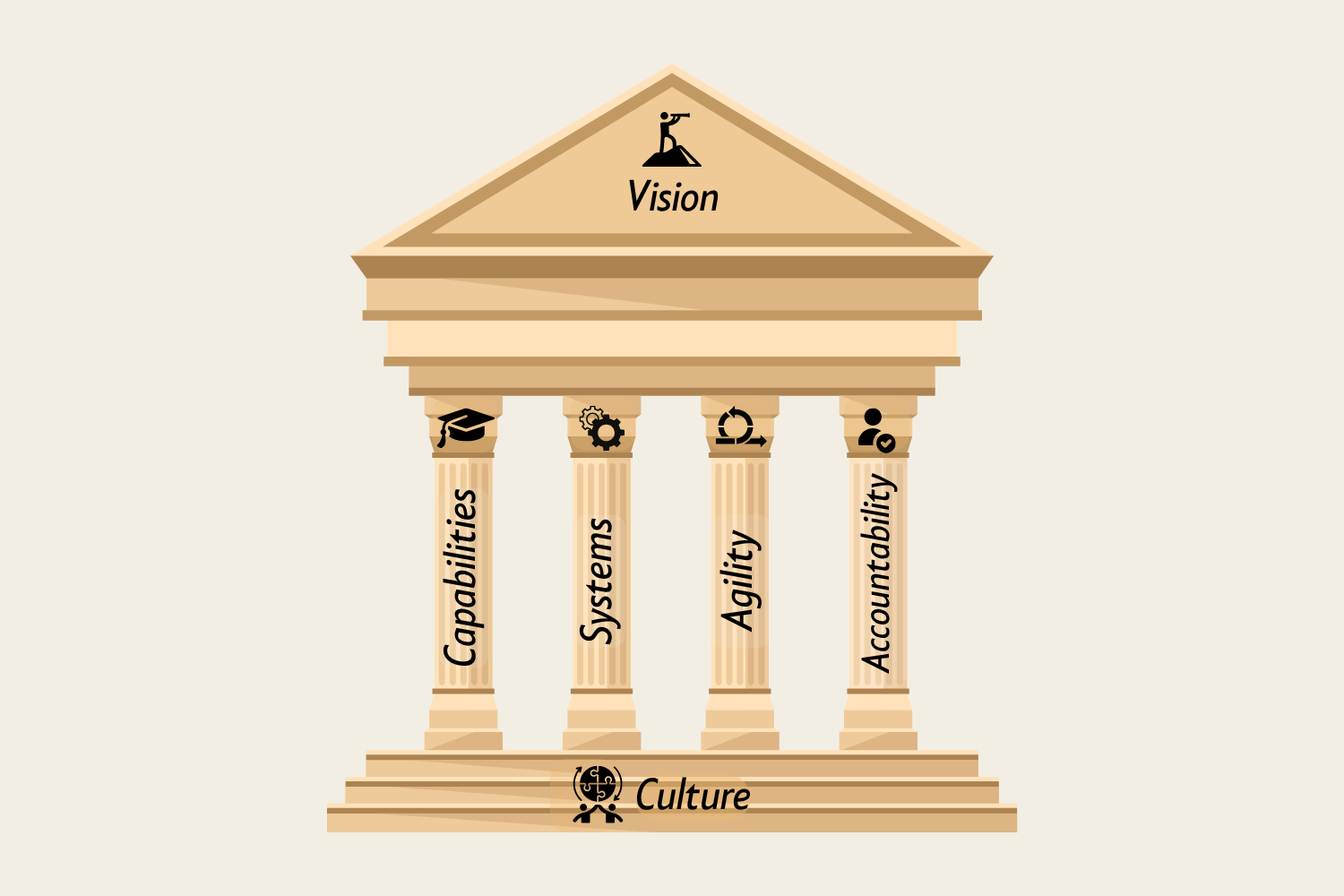
The Architecture of High-Performing Teams
Six elements, built like a temple — culture as the base, four pillars, vision as the roof — name the missing piece.

The Bannister Effect
One person breaking a barrier makes it stop being fixed for everyone else — break the unspoken belief in public first.

The Five Dysfunctions of a Team
Lencioni's pyramid of five team-killing behaviors — a lack of trust at the base drags everything above it down.

The Inner Drive
A leadership take on Daniel Pink's *Drive* that turns three conditions for motivation — autonomy, mastery, purpose — into habits for 1:1s.

The Insecurity Loop
A model of how insecurity, disguised as ego, shame, or control, drives a self-feeding cycle that pushes your team away.

The Leadership Code
Leadership runs on three traits — head, gut, heart — each toxic alone: competence without character is arrogance, courage without it reckless.

The Thomas-Kilmann (TKI) Model
Five conflict styles, two dials — how hard you push, how much room you give — chosen on purpose, not by default.

The Three Brains Framework
Three systems compete to drive your response — reactive, emotional, thinking. Pause, align, choose — that's how you decide which one leads.
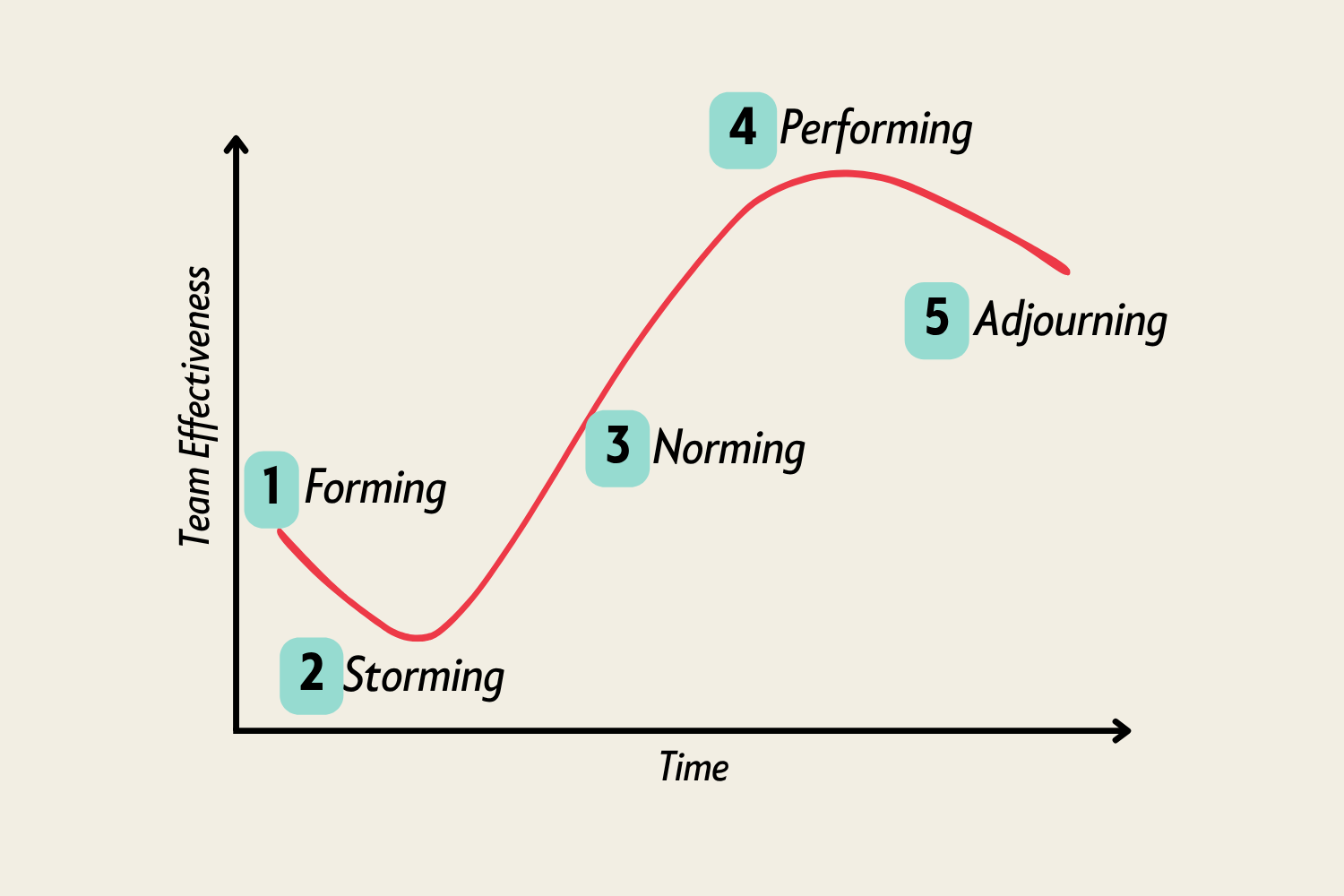
Tuckman's Stages of Team Development
Every team moves through five predictable stages — forming, storming, norming, performing, adjourning — each demanding a different move from you.
Books related to The Pygmalion Effect

Burnout
The Nagoski sisters' sharp distinction between a stressor and the stress itself, and why removing the stressor from your life doesn't automatically get the stress out of your body. A rethink for any manager who treats "just manage your workload better" as the fix.

Coaching for Performance
Sir John Whitmore's foundational case for coaching-style management over command-and-control, built on a single idea: performance is limited less by skill than by interference, and a manager's job is to remove the interference, not supply the answer.

Crucial Conversations
A manager's guide to the book about the story you make up before you open your mouth. It's not really a book about talking, but about the half-second before you talk that decides whether the conversation goes well or badly.

Elevate
Robert Glazer's case, from his book "Elevate: Push Beyond Your Limits and Unlock Success in Yourself and Others," that performance isn't a willpower problem. It's a capacity problem across four specific domains, built like a muscle, not willed into existence overnight.

First, Break All The Rules
A large-scale look at what the best managers actually do differently, and the uncomfortable finding that most of it runs against conventional management wisdom, starting with the idea that you shouldn't try to fix people's weaknesses.

Four Thousand Weeks
Oliver Burkeman's blunt reminder that the average human life is about four thousand weeks long, and that every productivity system built to escape that limit is making the anxiety worse, not better.

Grit
Angela Duckworth's research-backed case that sustained passion and perseverance beat raw talent, a useful gut-check for any manager who keeps betting on the "naturally gifted" hire over the stubborn one.

Hidden Potential
Adam Grant's argument that where you start matters far less than how far you're willing to grow, and that the character skills enabling that growth are learnable, not innate, no matter how your scorecard looks on day one.

Mindset
Carol Dweck's research on why some people treat ability as fixed and others treat it as something built, and why the belief you hold about yourself shapes how your whole team learns, fails, and improves, often without anyone noticing it happening.

Multipliers
Liz Wiseman's case that the biggest lever on a team's output isn't headcount or talent density, it's whether the leader in the room makes people smarter or slowly makes them smaller.

Rest
Alex Soojung-Kim Pang's argument that rest isn't the opposite of great work. It's part of how great work gets made. A useful corrective for any manager who treats recovery as what's left over after hustle.

Slow Productivity
Cal Newport's challenge to "busy equals productive": a case that most knowledge work rewards visible activity over actual output, and a different model built on doing less, at a sustainable pace, to a genuinely higher standard.

Stillness Is the Key
Ryan Holiday's case that the people who handle pressure, power, and chaos best aren't the busiest or the most driven, they're the ones who've built real stillness into their mind, body, and sense of purpose, usually against the current of everything around them.

Stolen Focus
Johann Hari's argument that your attention problem probably isn't a personal willpower failure, it's a predictable outcome of systems deliberately engineered to fragment it. Uncomfortable reading for any manager who's told a struggling employee to "just focus better."

Team Topologies
Skelton and Pais's case that most team structures are drawn to fit an org chart, not the actual flow of work, and a small set of team shapes and interaction rules for fixing that, built around a resource every leader habitually overspends: people's cognitive load.

The 5AM Club
Robin Sharma's parable-driven case for owning the first hour of your day before the world gets a vote. Less about waking up early for its own sake, and more about who's actually running your mornings.

The 7 Habits of Highly Effective People
Stephen Covey's classic, read through a modern-manager lens. Many of the ideas taught today as "new" leadership frameworks were already captured here decades ago.

The Coaching Habit
Michael Bungay Stanier's pitch that most managers have an "advice monster" problem, and a short list of deceptively simple questions designed to starve it, a little at a time, in conversations that already happen every day.

The Daily Stoic
A year of short, daily meditations drawn from Marcus Aurelius, Seneca, and Epictetus, organized into one practical claim: the ancient Stoics weren't writing philosophy for philosophers. They were writing a manual for getting through hard days without losing yourself.

The First-Time Manager
The unglamorous, practical handbook for the specific week your job title changed and nothing else came with instructions. Less a framework, more a set of answers to the questions new managers are usually too embarrassed to ask out loud.

The Five Dysfunctions of a Team
Patrick Lencioni's pyramid of the five behaviors that sink teams without much notice, stacked so that each one is actually caused by the dysfunction beneath it, which means fixing results or accountability first almost never works.

The Making of a Manager
Julie Zhuo's field notes from becoming a manager in her twenties with no idea what the job actually was. A clear-eyed answer to the question most new managers are too embarrassed to ask out loud: what am I actually supposed to be doing all day?

The Manager's Path
Camille Fournier's map of the actual career ladder from doing the work to leading an organization of leaders, written for engineering managers, but mostly a clear-eyed account of how the job itself changes at every rung, which almost nobody explains to you before you climb it.

The Obstacle Is the Way
Ryan Holiday's modern take on Stoic philosophy, built around a single claim: the obstacle in front of you isn't blocking the path, it is the path. A sharp antidote to managers who treat setbacks as proof the plan was wrong.

Triggers
Executive coach Marshall Goldsmith's case that you don't fail to become the leader you intend to be because of weak character. You fail because your environment is triggering the wrong behavior all day without much notice, and nobody built a structure to catch it.

Turn the Ship Around!
A submarine captain's account of giving up the one thing every leader is taught to protect, being the person who gives the orders, and turning the worst-performing submarine in the fleet into one of the best by making every sailor think like a captain instead.

When the Body Says No
Gabor Maté's case, drawn from decades of clinical practice, that chronically suppressing your own needs and emotions to keep the peace has a real physical cost. A hard look at the leader who's never once said no and wears it as a point of pride.

Wintering
Katherine May's case that the fallow, difficult stretches of life, a loss, a burnout, an illness, a plain bad year, aren't failures to snap out of, but seasons with their own logic. An uncommon lens for leaders who treat every low point as a problem to solve away fast.