The Bannister Effect
One person breaking a barrier makes it stop being fixed for everyone else — break the unspoken belief in public first.
 Find this on the mind-map
Introduction
For decades, experts were certain a sub-four-minute mile was physically impossible — the lungs would collapse, the heart would give out. Then in 1954, the British runner Roger Bannister ran it in 3 minutes 59.4 seconds. Forty-six days later, someone else did it too. By 2025, more than 2,000 athletes had officially run a mile under four minutes.
Nothing changed about training, equipment, or human physiology in those 46 days. What changed was belief. That flip point has a name now: the Bannister Moment.
How It Works
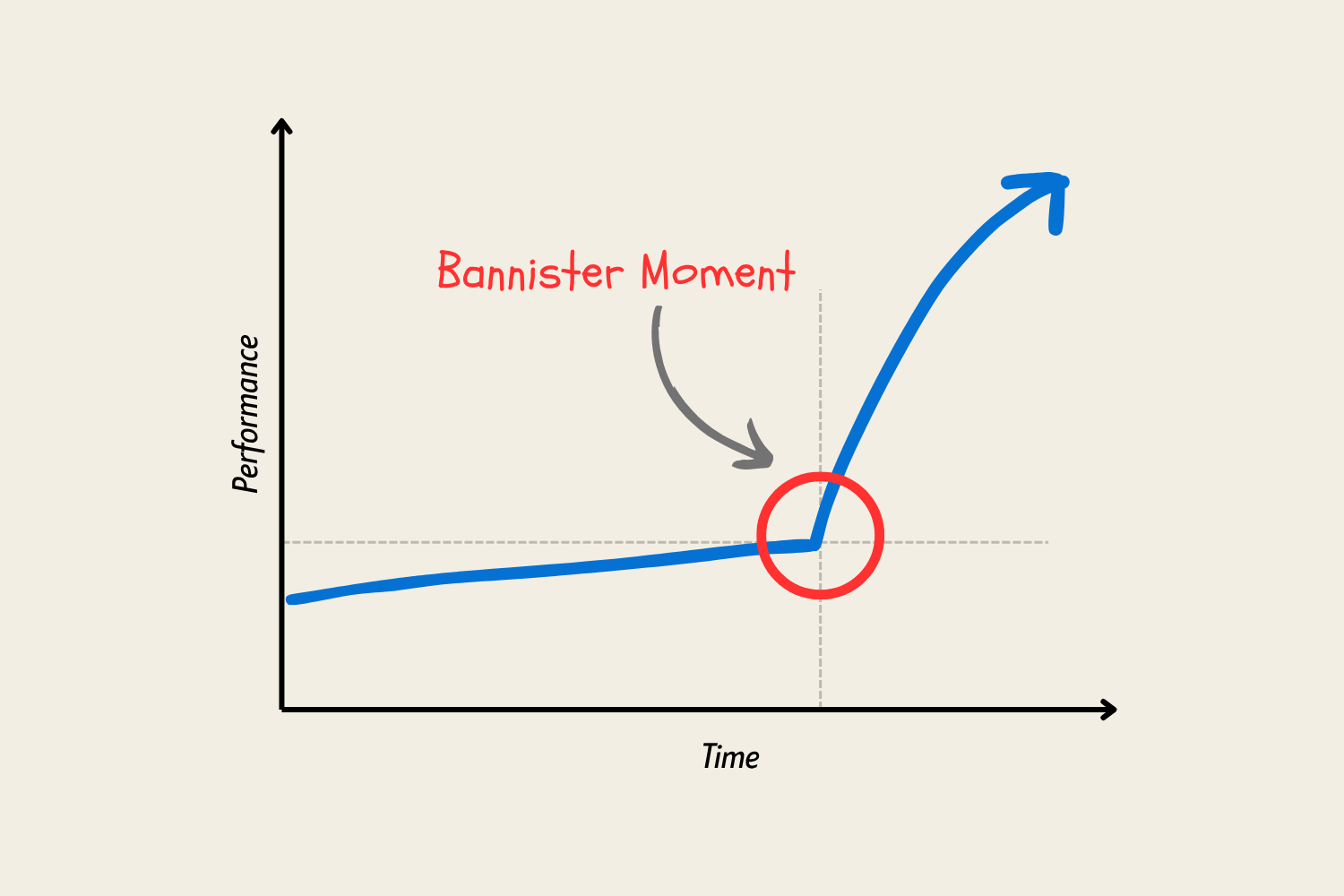
Here's the pattern in plain terms: when one person breaks a mental barrier, everyone else suddenly can too. On teams, this shows up as the first person to speak up in a silent room, the first junior teammate to challenge a senior idea, the first team to try something new while everyone else clings to the old way.
Teams don't run purely on skill and motivation. They run on belief — belief about what's acceptable, what gets rewarded, and what's even possible. Where those beliefs are limiting, performance gets capped by a ceiling that exists only inside people's heads. A Bannister Moment removes that ceiling, and performance steps up right along with it.
It runs on evidence, not instruction. Belief is shaped by what people actually see, not by what you tell them — and it stays fragile until somebody proves it.
Why It Matters for Leaders
Here's why just telling your team something never works: tell them to take more risks, and if nobody's ever taken one and gotten praised for it, they won't believe you mean it. Say "think big," and if bold ideas keep getting shot down in review, the words carry zero weight. Say "take ownership," and if every decision still routes through you, people will just keep waiting.
Belief ceilings are hard to attack precisely because nobody enforces them — they're only assumed. "We don't speak up here." "Only managers decide strategy." "We don't do bold experiments." Nobody wrote those rules down, and everybody obeys them anyway, which makes them invisible to you if you're out there looking for a process problem instead.
Three patterns show what breaking one actually looks like in practice. A manager whose senior engineers route every decision through him hands over one high-visibility decision end-to-end and says out loud that he won't be reviewing it — the team learns ownership is real. A marketing lead whose brainstorms only ever accept polished ideas deliberately pitches a half-baked one and names it as such — the team learns thinking out loud is safe. A cross-functional lead publicly thanks a new hire for flagging a flaw in a senior lead's rollout plan — the team learns voice matters more than title.
The lever is the same every time: you supply the evidence first, then you reinforce the first person who copies it. Teams change because they're shown what's possible — not because they're told.
What to do next
Test your knowledge of The Bannister Effect
Practice The Bannister Effect
Apply The Bannister Effect to a real situation
Skills related to The Bannister Effect

Culture Building
Culture isn't the perks or the values on the wall, but what you tolerate, reward, and let slide.

Team Development
Building a high-performing team on purpos, guiding people through the stages of a team's growth, building real trust between them, and handing over ownership as they earn it.
Frameworks related to The Bannister Effect
Dunning-Kruger Effect
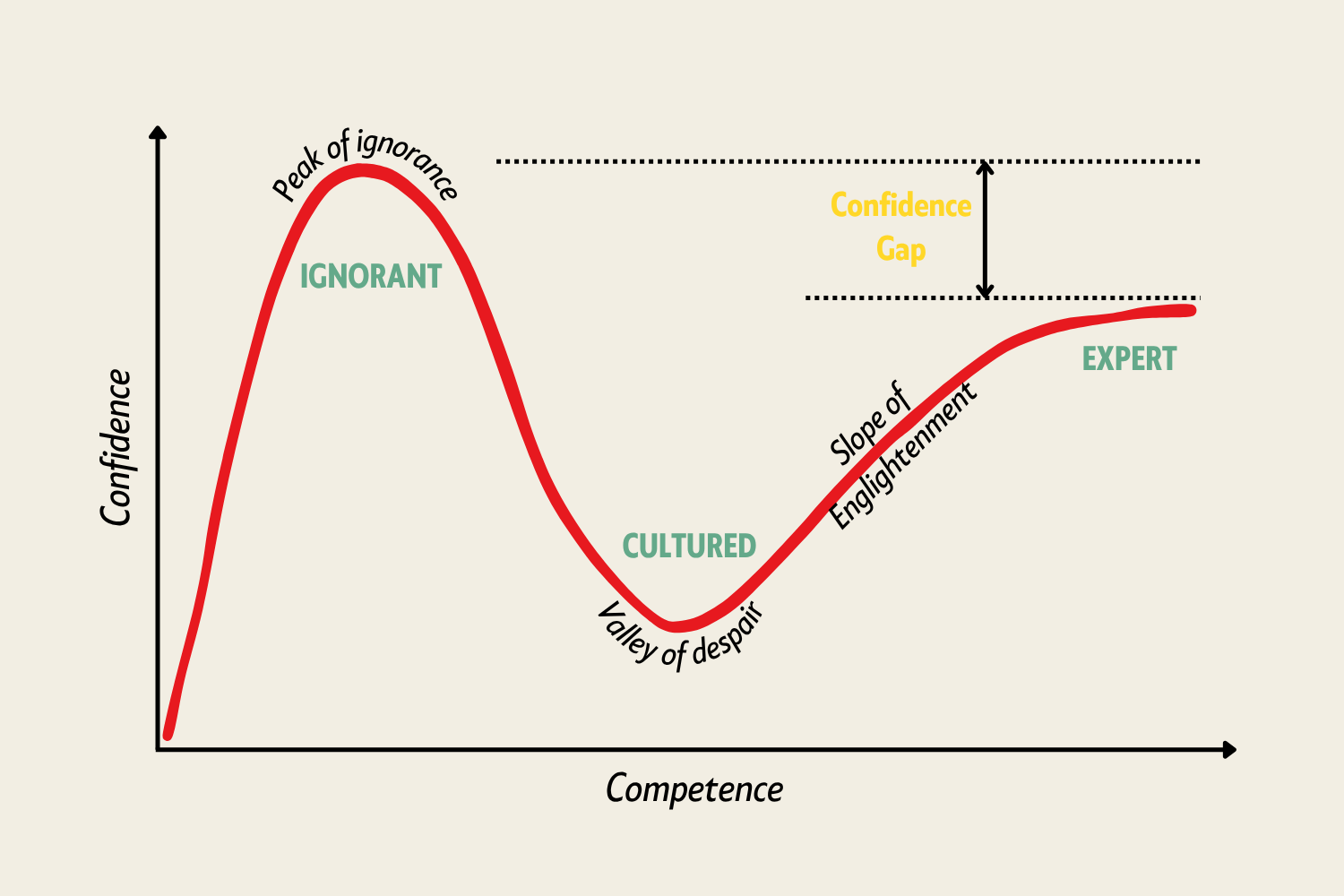
Knowing little makes you feel unstoppable; knowing more makes you hesitate — the loudest voice is rarely the most reliable one.
Goldilocks Principle
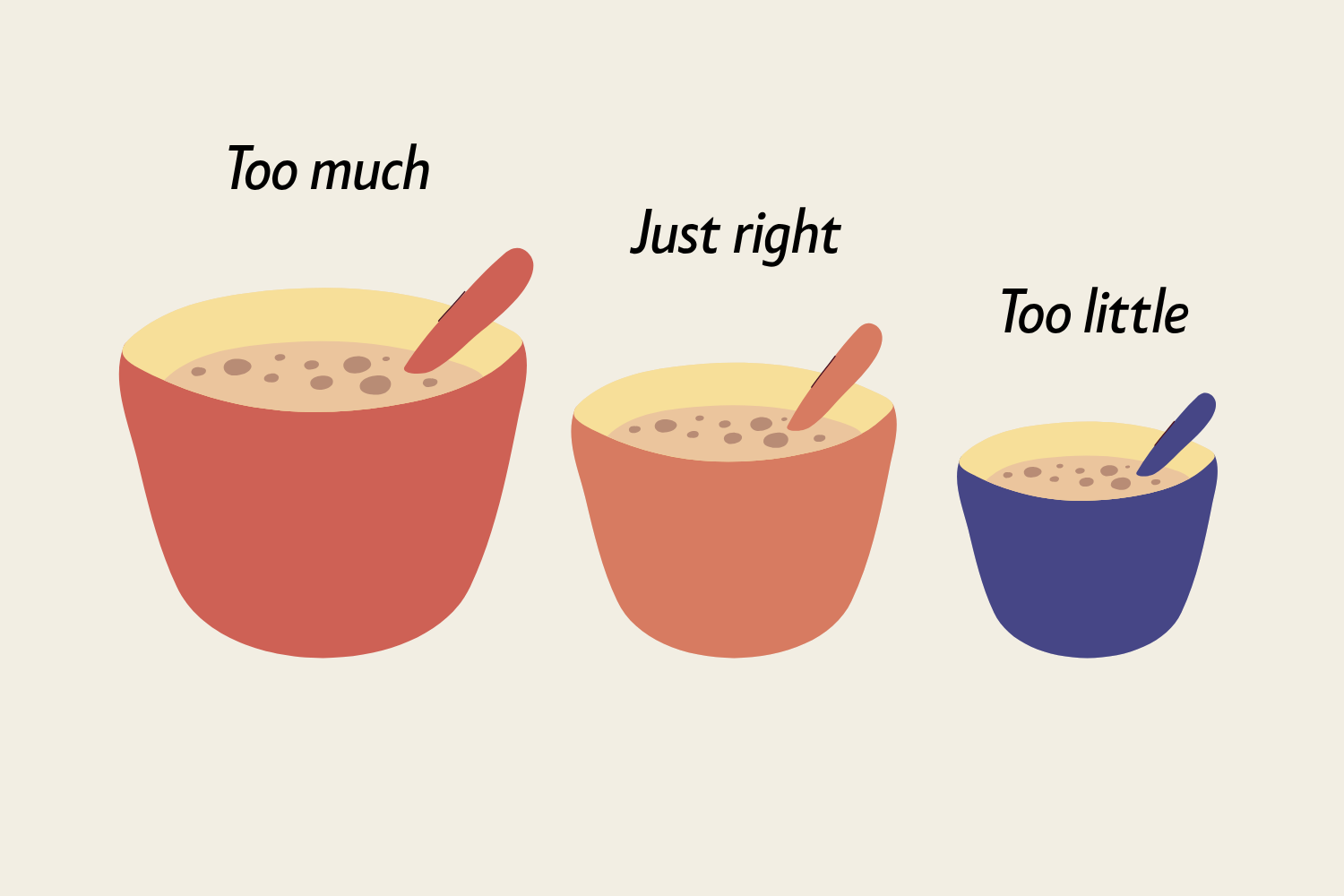
Support runs on a dial between micromanagement and abdication — enough direction for clarity, enough space for ownership, always moving.

Hawthorne Effect
People change how they behave when they know they're watched — your attention is an intervention that changes what you see.

IKEA Effect
You value things more when you helped build them — which is why a strategy handed to a team lands flat.
Maslow's Hierarchy of Needs
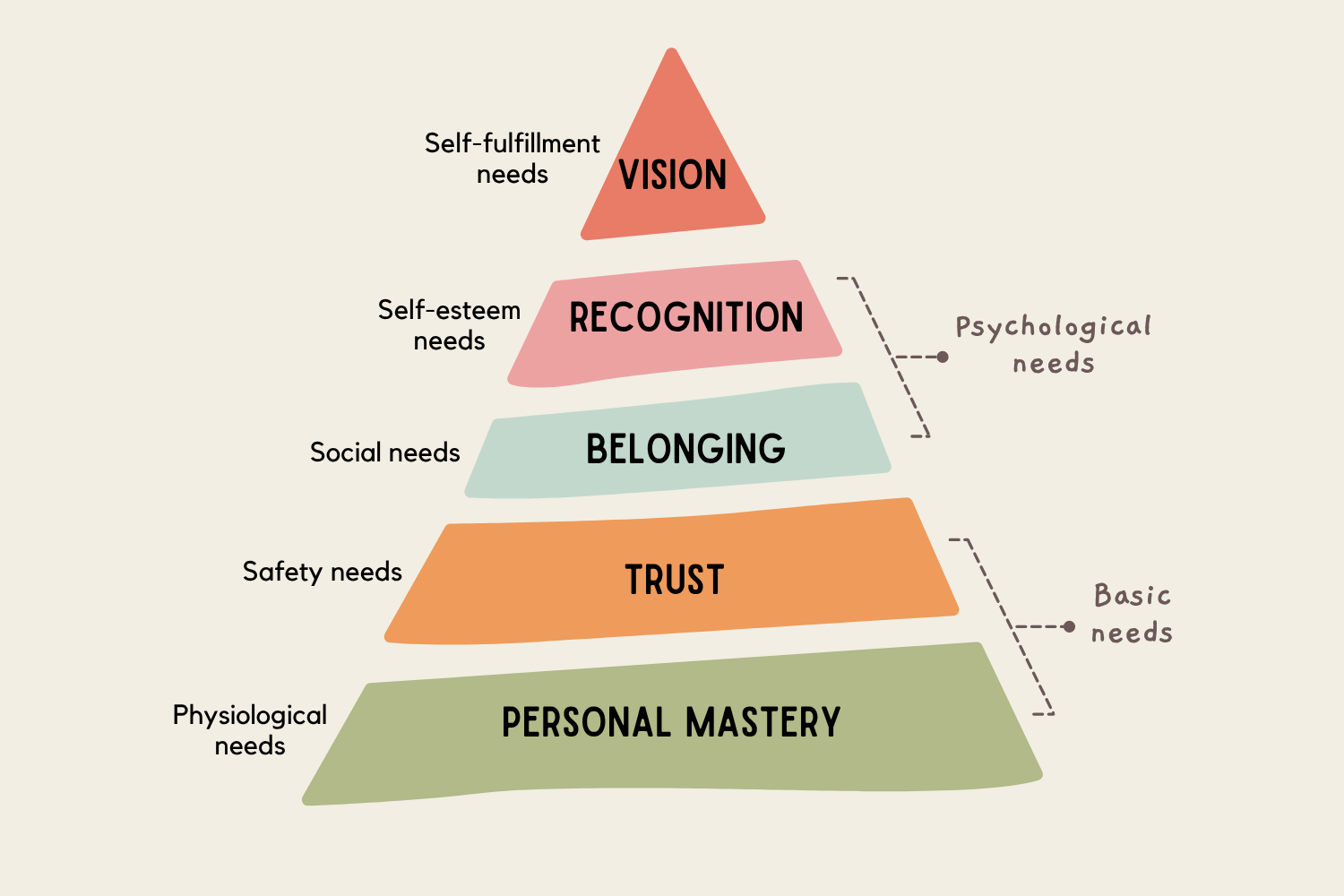
Abraham Maslow's five-level model of motivation, applied to leadership as a stack — mastery, trust, belonging, up through recognition and vision.
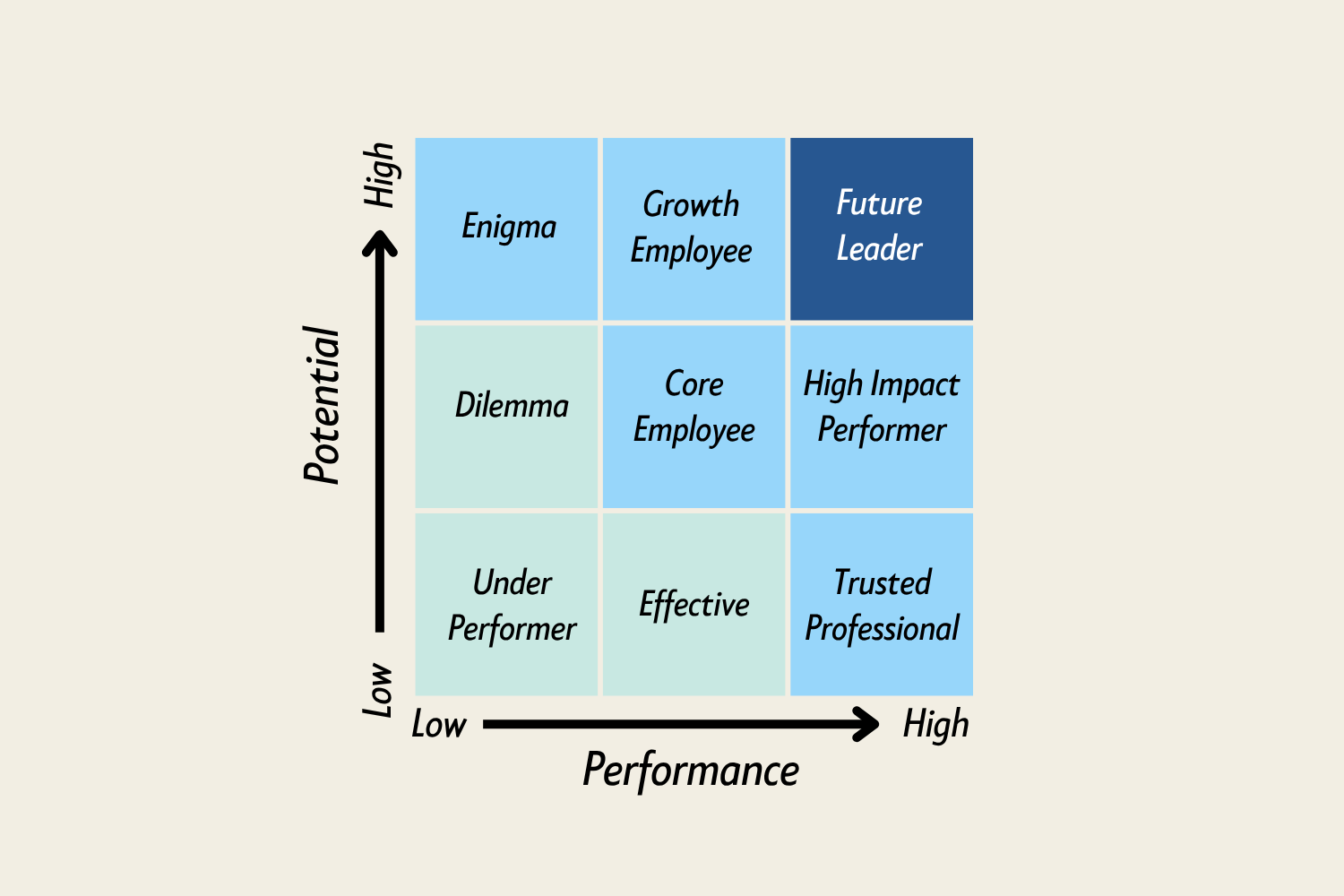
McKinsey 9-Box Model
A 3x3 grid that plots each person on performance against potential, giving nine distinct calls instead of one blurry verdict.

Multipliers and Diminishers
Liz Wiseman's split between leaders who bring out best thinking in people around them, and those who shut it down.
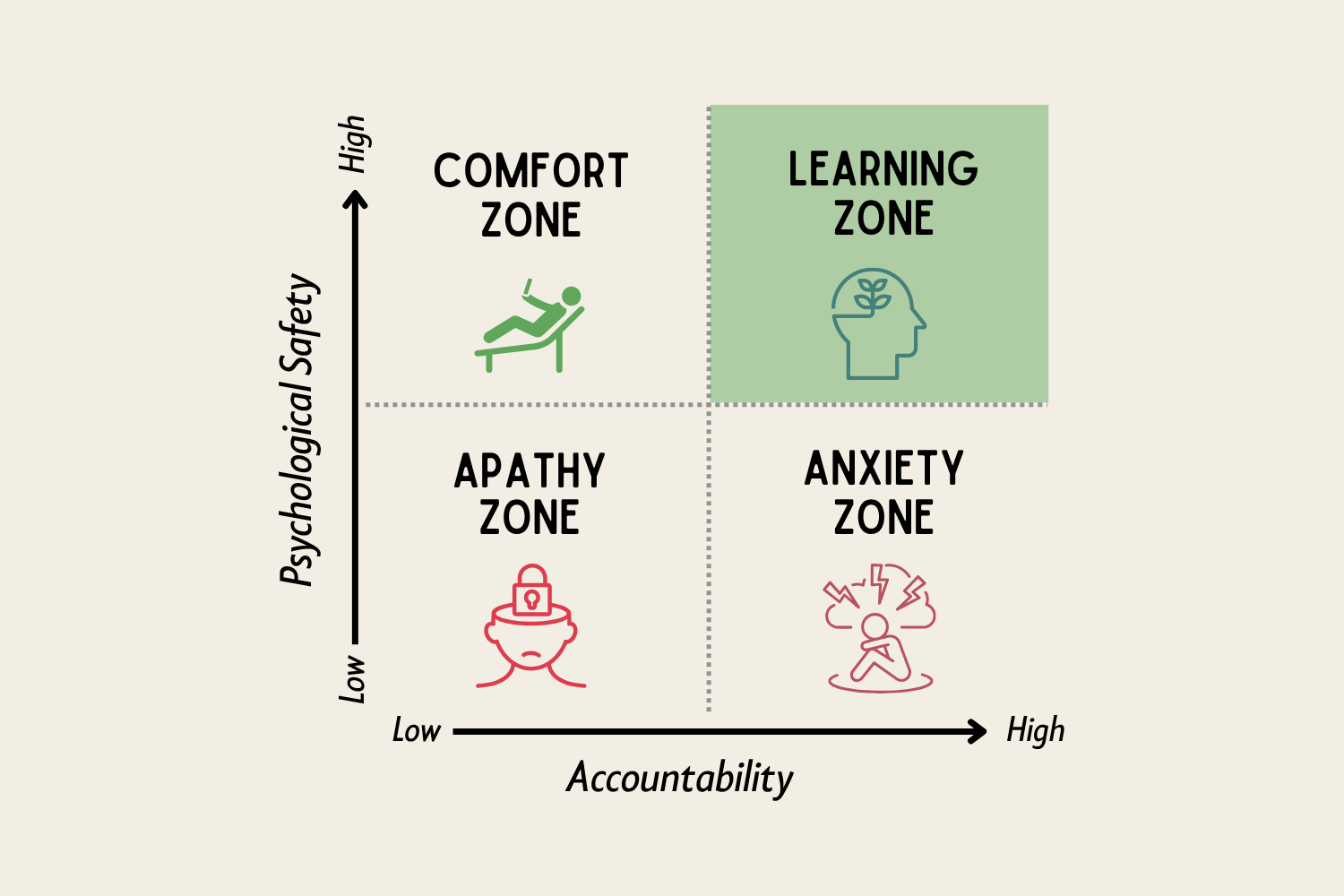
Psychological Safety
Amy Edmondson's finding that people must feel safe taking risks — a dumb question, a mistake — before a team can perform.
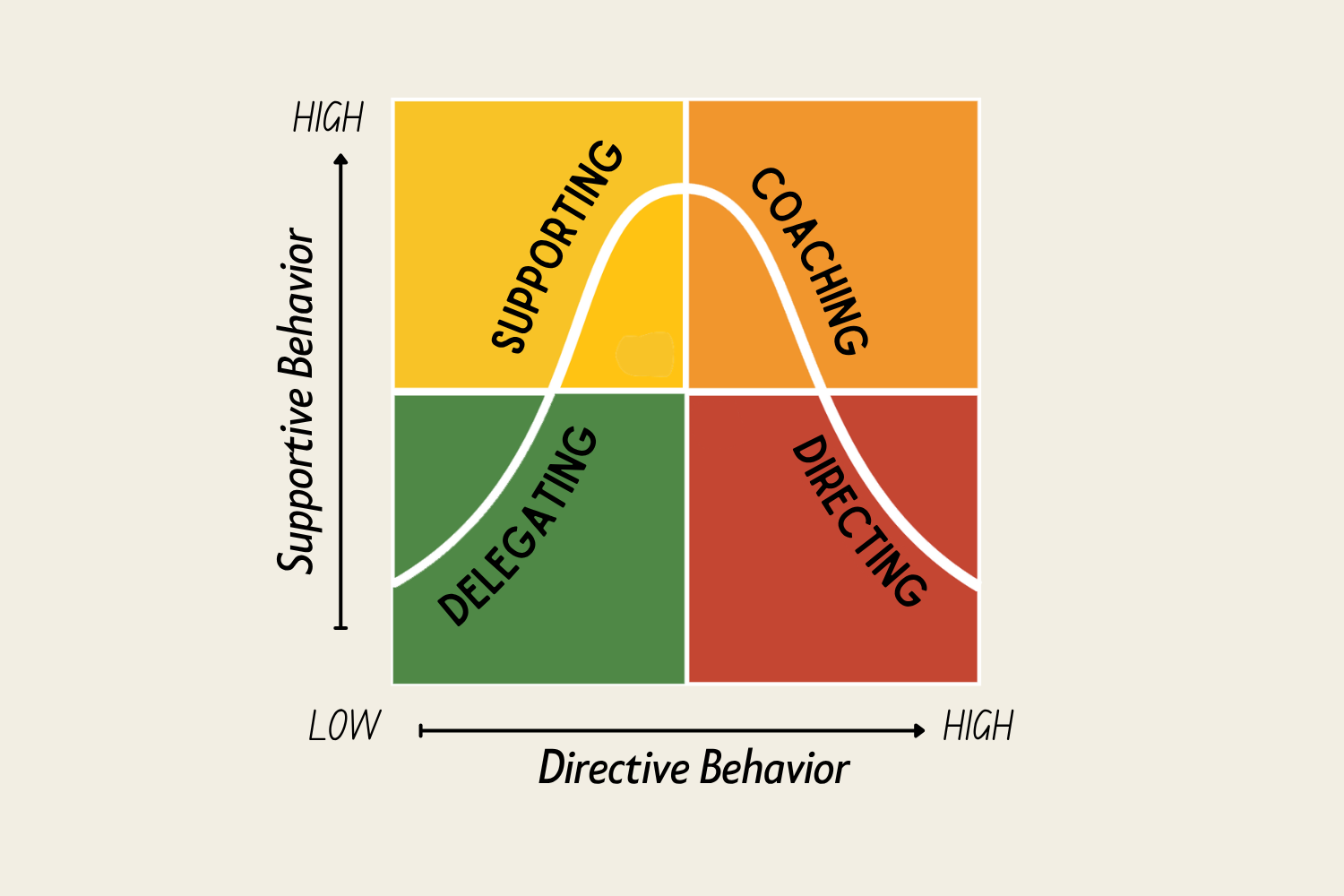
Situational Leadership
There's no right way to lead — only the right way for this person right now: direct, coach, support, or delegate.

Spiral Dynamics
Eight color-coded value systems shaping what people care about at work — success, purpose, relationships — matched to stop guessing motivation.

The 6 Human Needs
Every behavior at work is really an unmet need in disguise — six needs, popularized by Tony Robbins, worth checking first.

The AI Culture Stack
Same AI tools and budget, wildly different results — the gap isn't the technology, it's three layers underneath: permission, fluency, judgment.
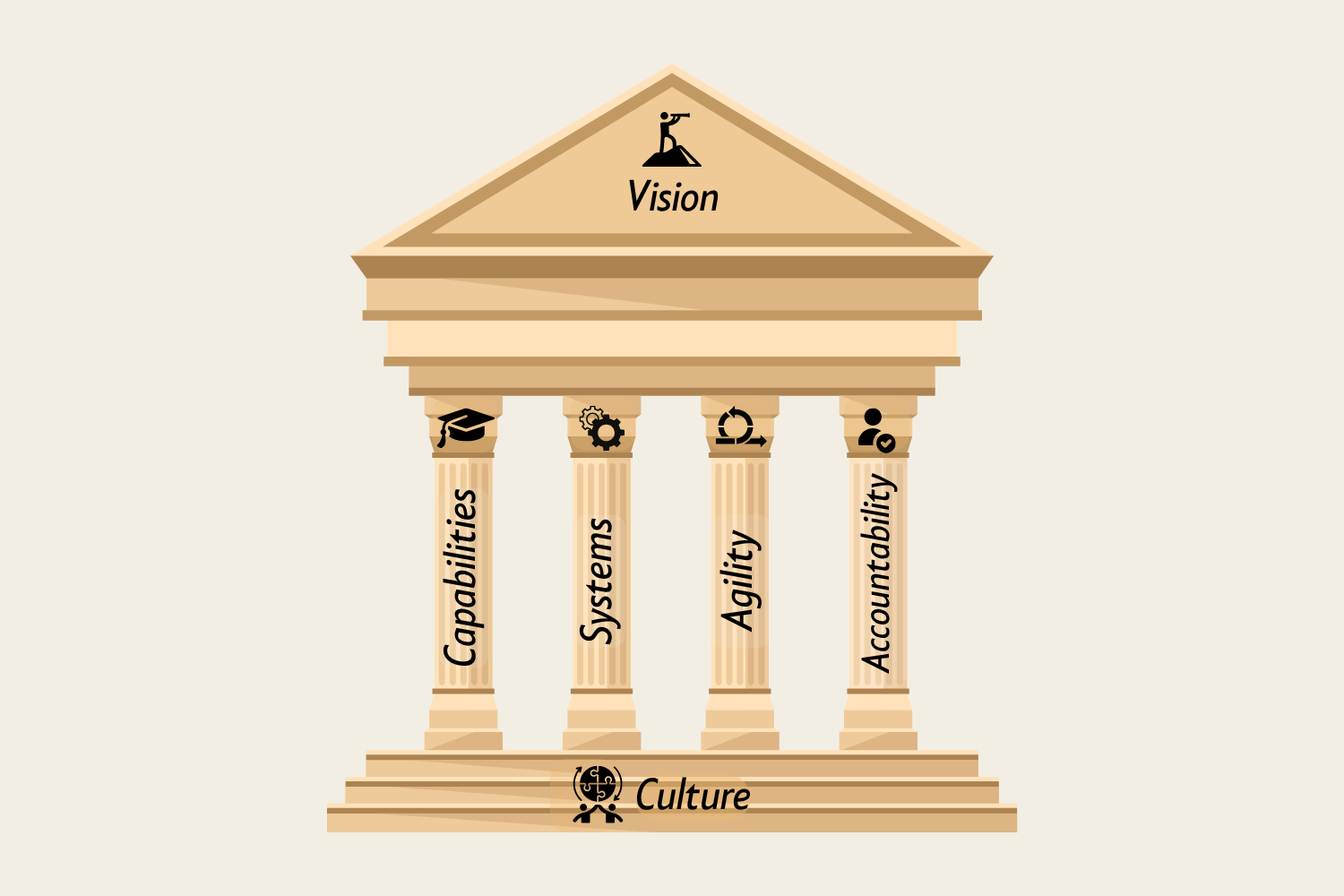
The Architecture of High-Performing Teams
Six elements, built like a temple — culture as the base, four pillars, vision as the roof — name the missing piece.

The Five Dysfunctions of a Team
Lencioni's pyramid of five team-killing behaviors — a lack of trust at the base drags everything above it down.
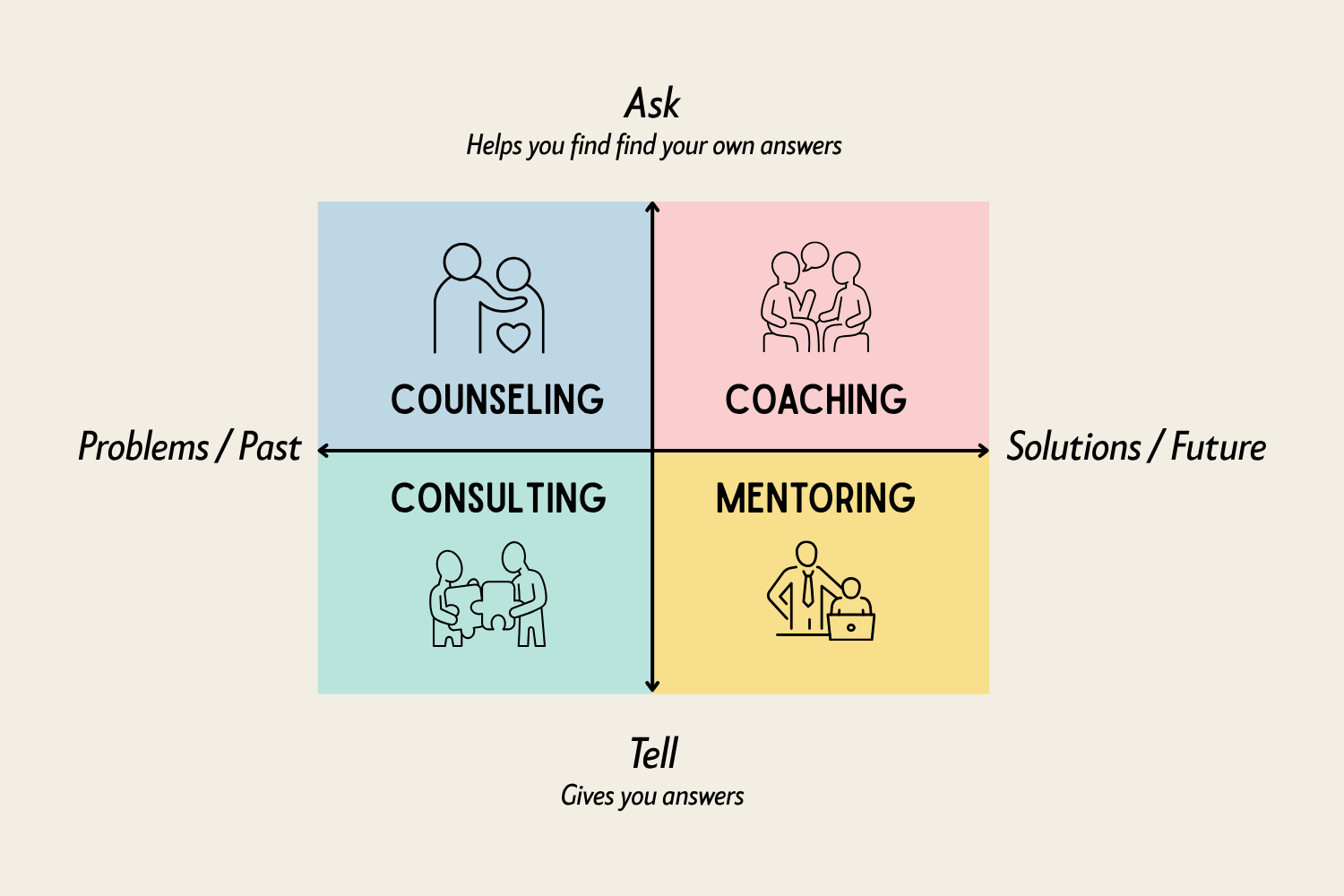
The Four Leadership Support Roles
A 2x2 separating four modes for helping someone — coaching, mentoring, counseling, consulting — plus a test for picking the right one.

The Inner Drive
A leadership take on Daniel Pink's *Drive* that turns three conditions for motivation — autonomy, mastery, purpose — into habits for 1:1s.

The Pygmalion Effect
What you expect from someone leaks into how you treat them, which shapes what they become — for better or worse.
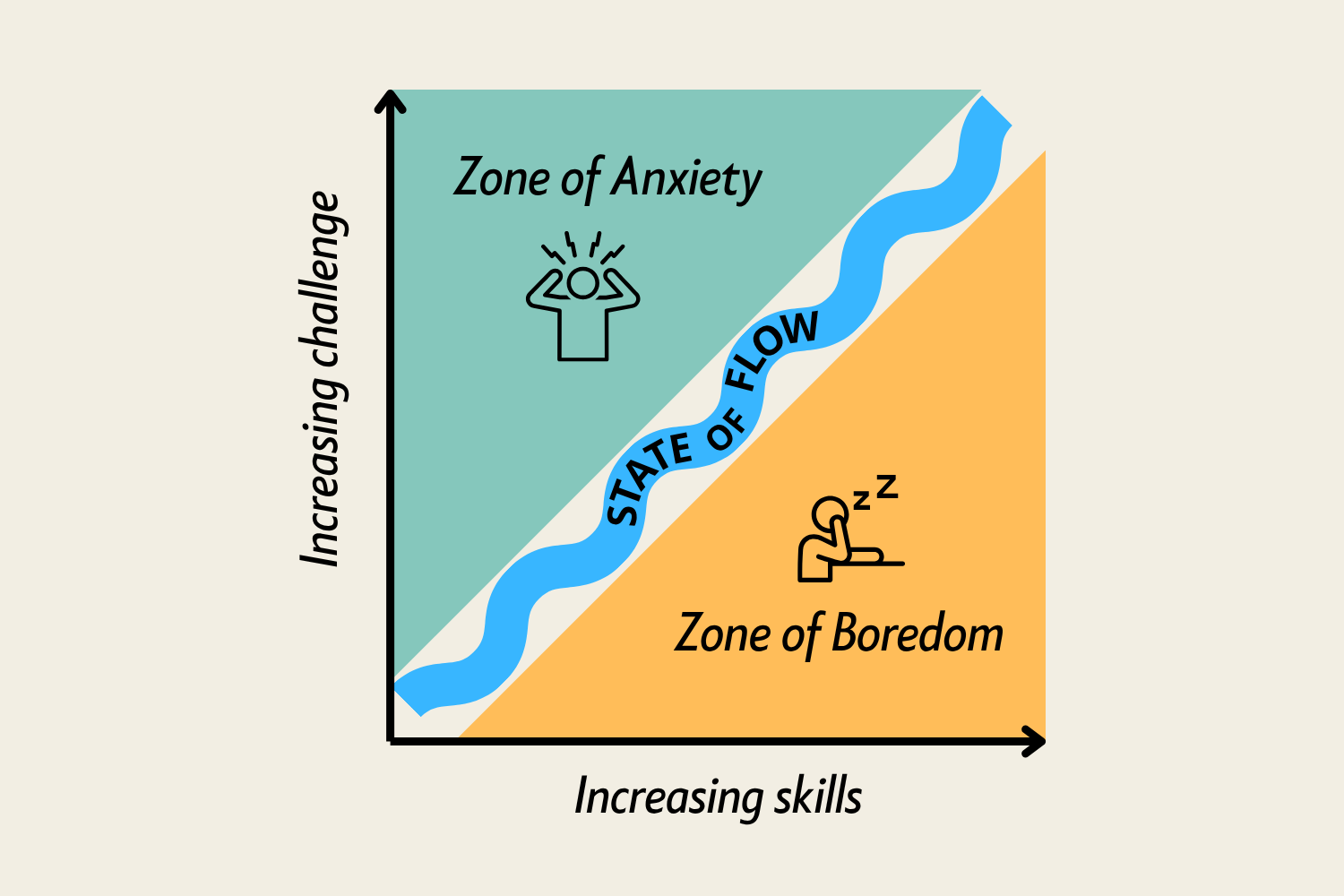
The State of Flow
The zone between anxiety and boredom, where challenge meets skill — your job is moving each person, with a different push.

The Thomas-Kilmann (TKI) Model
Five conflict styles, two dials — how hard you push, how much room you give — chosen on purpose, not by default.
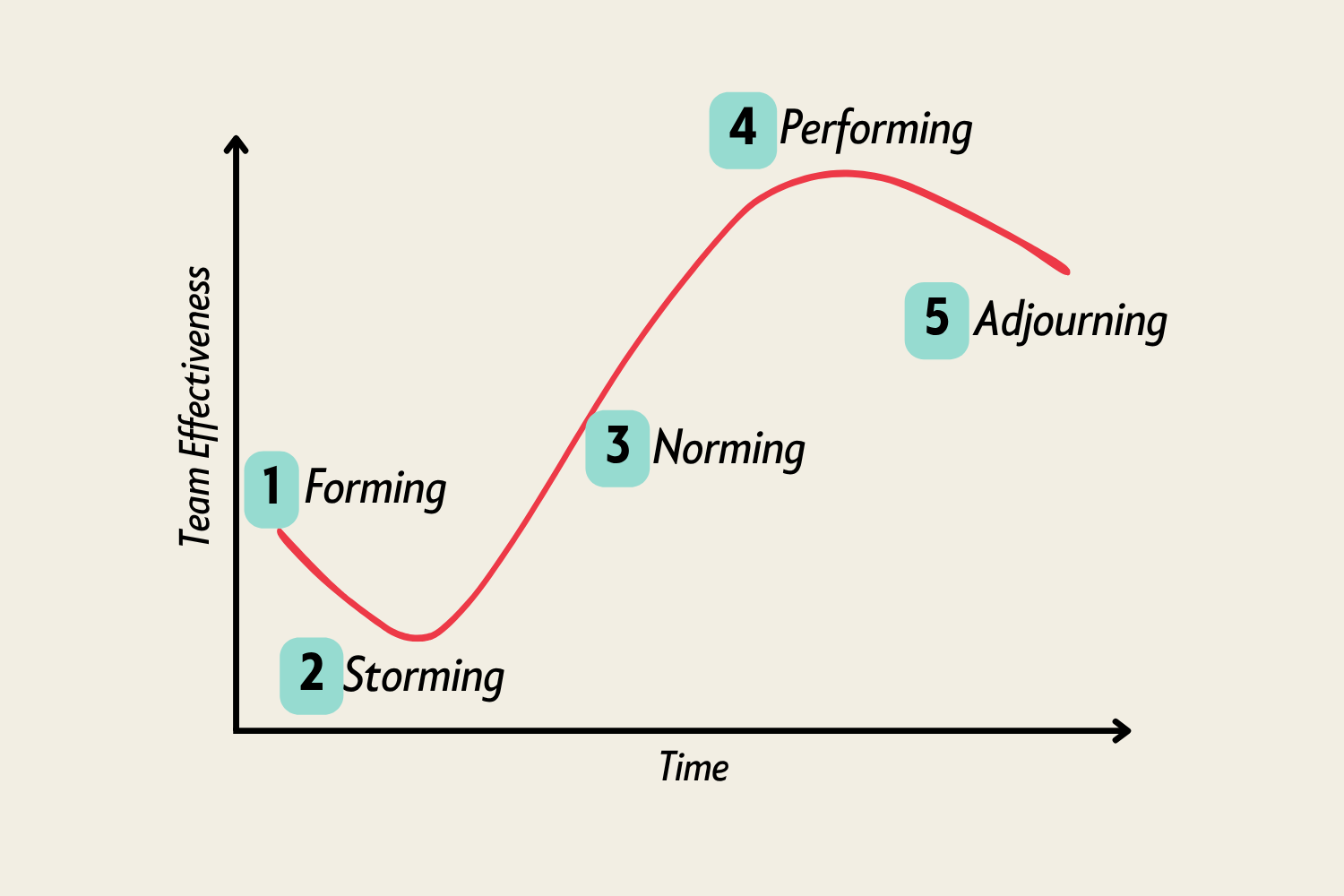
Tuckman's Stages of Team Development
Every team moves through five predictable stages — forming, storming, norming, performing, adjourning — each demanding a different move from you.
Books related to The Bannister Effect

Coaching for Performance
Sir John Whitmore's foundational case for coaching-style management over command-and-control, built on a single idea: performance is limited less by skill than by interference, and a manager's job is to remove the interference, not supply the answer.

Elevate
Robert Glazer's case, from his book "Elevate: Push Beyond Your Limits and Unlock Success in Yourself and Others," that performance isn't a willpower problem. It's a capacity problem across four specific domains, built like a muscle, not willed into existence overnight.

First, Break All The Rules
A large-scale look at what the best managers actually do differently, and the uncomfortable finding that most of it runs against conventional management wisdom, starting with the idea that you shouldn't try to fix people's weaknesses.

Inclusify
Stefanie Johnson's argument that most leaders miss inclusion by over-indexing on one of two basic human needs, belonging or uniqueness, and her six named archetypes for exactly how that imbalance shows up, from the "Meritocracy Manager" to the "White Knight."

Leaders Eat Last
Simon Sinek's case that leadership is a biological deal, not a rank. The people at the top give up safety and comfort first, so everyone below them doesn't have to spend their energy watching their back instead of doing the work.

Lean In
Sheryl Sandberg's argument that the barriers keeping women out of leadership are real on both sides: structural bias in how organizations operate, and self-imposed caution in how women are taught to see their own ambition. Fixing only one side leaves the other fully intact.

Multipliers
Liz Wiseman's case that the biggest lever on a team's output isn't headcount or talent density, it's whether the leader in the room makes people smarter or slowly makes them smaller.

No Rules Rules
Netflix co-founder Reed Hastings, with culture researcher Erin Meyer, on why Netflix removed vacation policies, expense approvals, and most of the rulebook most companies treat as non-negotiable, and the two things that have to be true first, or the whole thing backfires.

Rebel Ideas
Matthew Syed's case that the smartest team in the room is rarely the one stacked with the highest individual IQs, it's the one with the widest range of genuinely different ways of seeing the same problem. A pointed argument against hiring people who think like you, no matter how impressive they are.

Team Topologies
Skelton and Pais's case that most team structures are drawn to fit an org chart, not the actual flow of work, and a small set of team shapes and interaction rules for fixing that, built around a resource every leader habitually overspends: people's cognitive load.

The Coaching Habit
Michael Bungay Stanier's pitch that most managers have an "advice monster" problem, and a short list of deceptively simple questions designed to starve it, a little at a time, in conversations that already happen every day.

The Culture Code
Daniel Coyle's reverse-engineering of highly successful groups: not through their strategy or talent, but through small, repeated signals that most leaders never notice they're sending, or failing to send.

The Culture Map
Erin Meyer's field guide to why a management style that works perfectly in one country reads as either rude or weak in another, and why "just be yourself" is actually terrible advice for anyone leading across cultures.

The Fearless Organization
Amy Edmondson's case that psychological safety isn't a soft perk for making people feel nice. It's a hard performance requirement, because teams without it make worse decisions, catch fewer errors, and learn slower than teams that have it.

The First-Time Manager
The unglamorous, practical handbook for the specific week your job title changed and nothing else came with instructions. Less a framework, more a set of answers to the questions new managers are usually too embarrassed to ask out loud.

The Five Dysfunctions of a Team
Patrick Lencioni's pyramid of the five behaviors that sink teams without much notice, stacked so that each one is actually caused by the dysfunction beneath it, which means fixing results or accountability first almost never works.

The Making of a Manager
Julie Zhuo's field notes from becoming a manager in her twenties with no idea what the job actually was. A clear-eyed answer to the question most new managers are too embarrassed to ask out loud: what am I actually supposed to be doing all day?

The Manager's Path
Camille Fournier's map of the actual career ladder from doing the work to leading an organization of leaders, written for engineering managers, but mostly a clear-eyed account of how the job itself changes at every rung, which almost nobody explains to you before you climb it.

The Person You Mean to Be
Dolly Chugh's case for giving up on being a "good person" (a fixed, defensive identity) in favor of becoming a "good-ish person": someone actively building toward better, who treats their own blind spots as something to work on instead of something to deny.

Tribal Leadership
A model for diagnosing a team's culture by literally listening to how people talk: five stages of "tribal" language, from "life sucks" to "life is great," and a surprisingly specific playbook for moving a team up one stage at a time.

Turn the Ship Around!
A submarine captain's account of giving up the one thing every leader is taught to protect, being the person who gives the orders, and turning the worst-performing submarine in the fleet into one of the best by making every sailor think like a captain instead.