Culture Building
Culture isn't the perks or the values on the wall, but what you tolerate, reward, and let slide.
 Find this on the mind-map
Introduction
Forget the perks, the slide decks, and the values printed on the wall. Culture is how people actually feel on the ground: how they talk to each other, how decisions really get made, and whether someone can say the unwelcome thing out loud without paying a price for it.
Google ran a multi-year internal study, Project Aristotle, looking for what actually separated high-performing teams from the rest. The answer wasn't talent or process. It was psychological safety came out as the single biggest predictor of a team that performs. Where that safety exists, people collaborate more openly, take more creative risks, and catch problems while they're still small and cheap to fix.
You build this the same way you build any habit: through repetition, not announcement. What you tolerate, what you reward, and how you handle the hard situation everyone in the room is quietly watching - those are the real signals.
Remember: people calibrate to whatever keeps happening, not to whatever got said once in an all-hands.
Why It Matters for Leaders
The biggest mistake you can make here is assuming culture will take care of itself.
- Let one instance of toxic behavior slide, and your team will read it as the real culture norm.
- Let great work go unrecognized, and eventually the team adjusts to a new, lower quality bar.
When you've actually built this skill, it rubs positively in multiple ways.
- Bad news reaches you early, because people trust that raising it won't cost them anything.
- New hires learn the real rules in their first few weeks, not from an onboarding deck but from watching what gets rewarded and what gets ignored.
That's the test worth applying to your own team: if you stepped out for a month, would the standards hold, or would they only have ever been as strong as your presence in the room?
What to do next
Master Culture Building by taking the mini-course
Frameworks related to Culture Building

IKEA Effect
You value things more when you helped build them — which is why a strategy handed to a team lands flat.
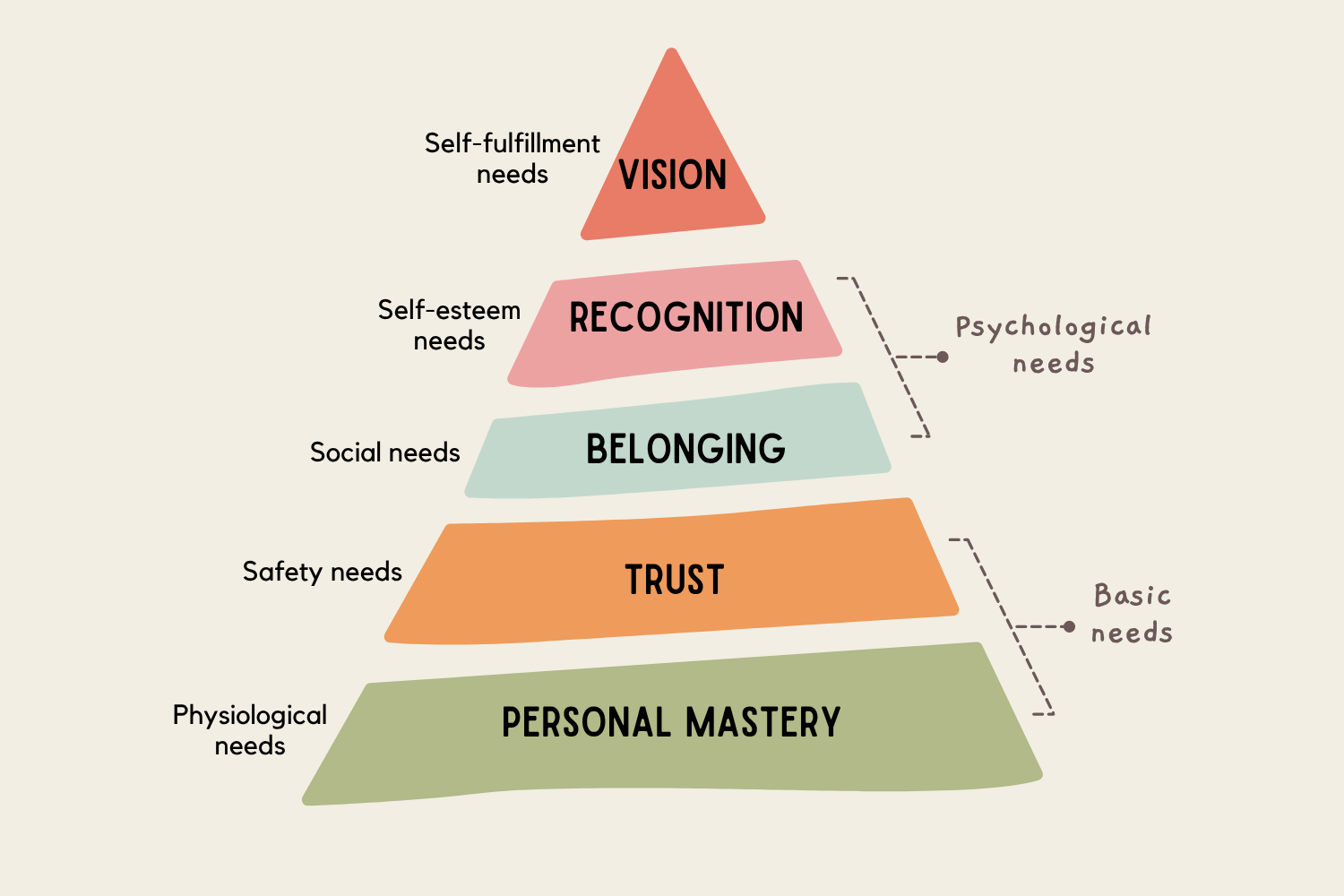
Maslow's Hierarchy of Needs
Abraham Maslow's five-level model of motivation, applied to leadership as a stack — mastery, trust, belonging, up through recognition and vision.
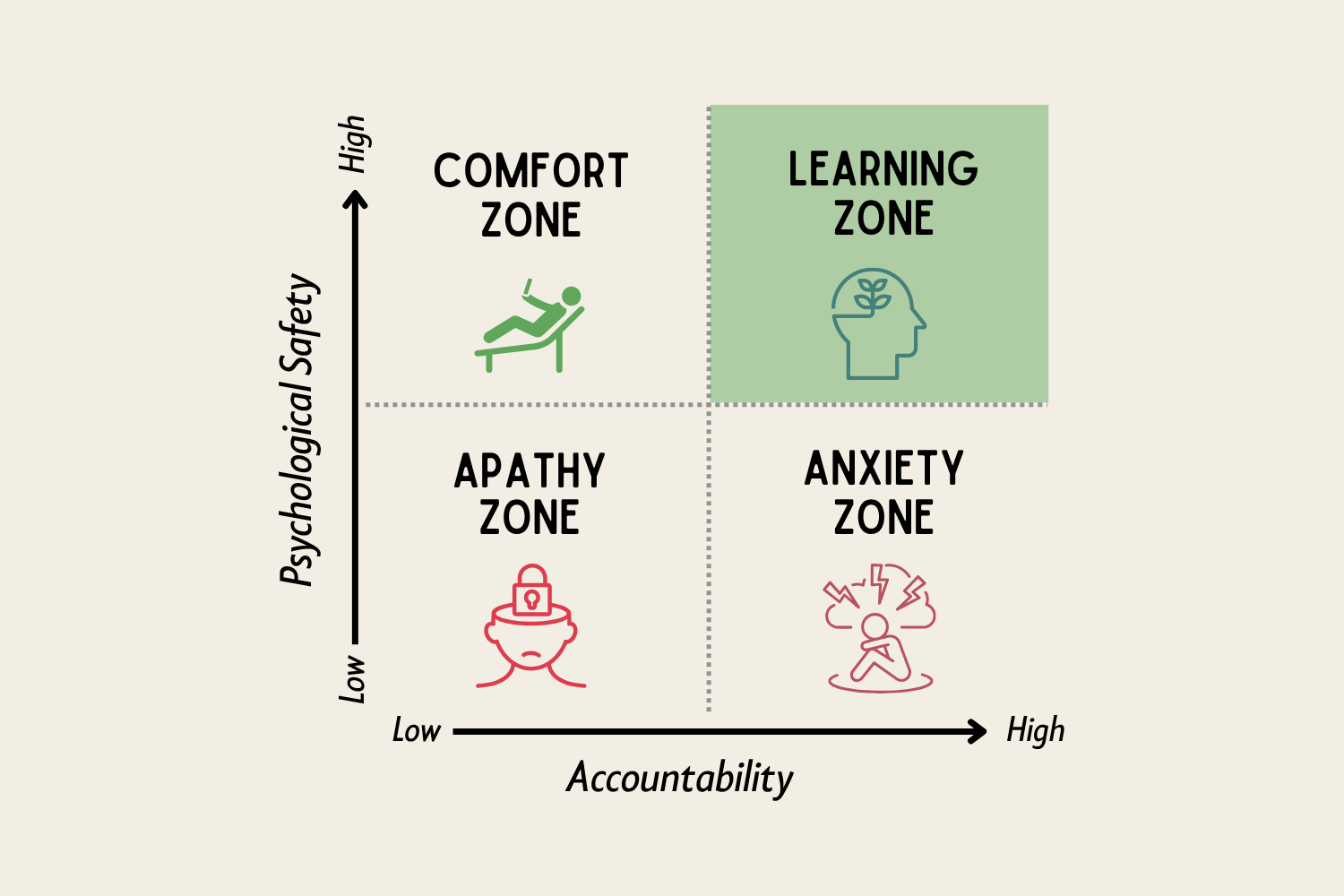
Psychological Safety
Amy Edmondson's finding that people must feel safe taking risks — a dumb question, a mistake — before a team can perform.

Spiral Dynamics
Eight color-coded value systems shaping what people care about at work — success, purpose, relationships — matched to stop guessing motivation.

The AI Culture Stack
Same AI tools and budget, wildly different results — the gap isn't the technology, it's three layers underneath: permission, fluency, judgment.

The Bannister Effect
One person breaking a barrier makes it stop being fixed for everyone else — break the unspoken belief in public first.
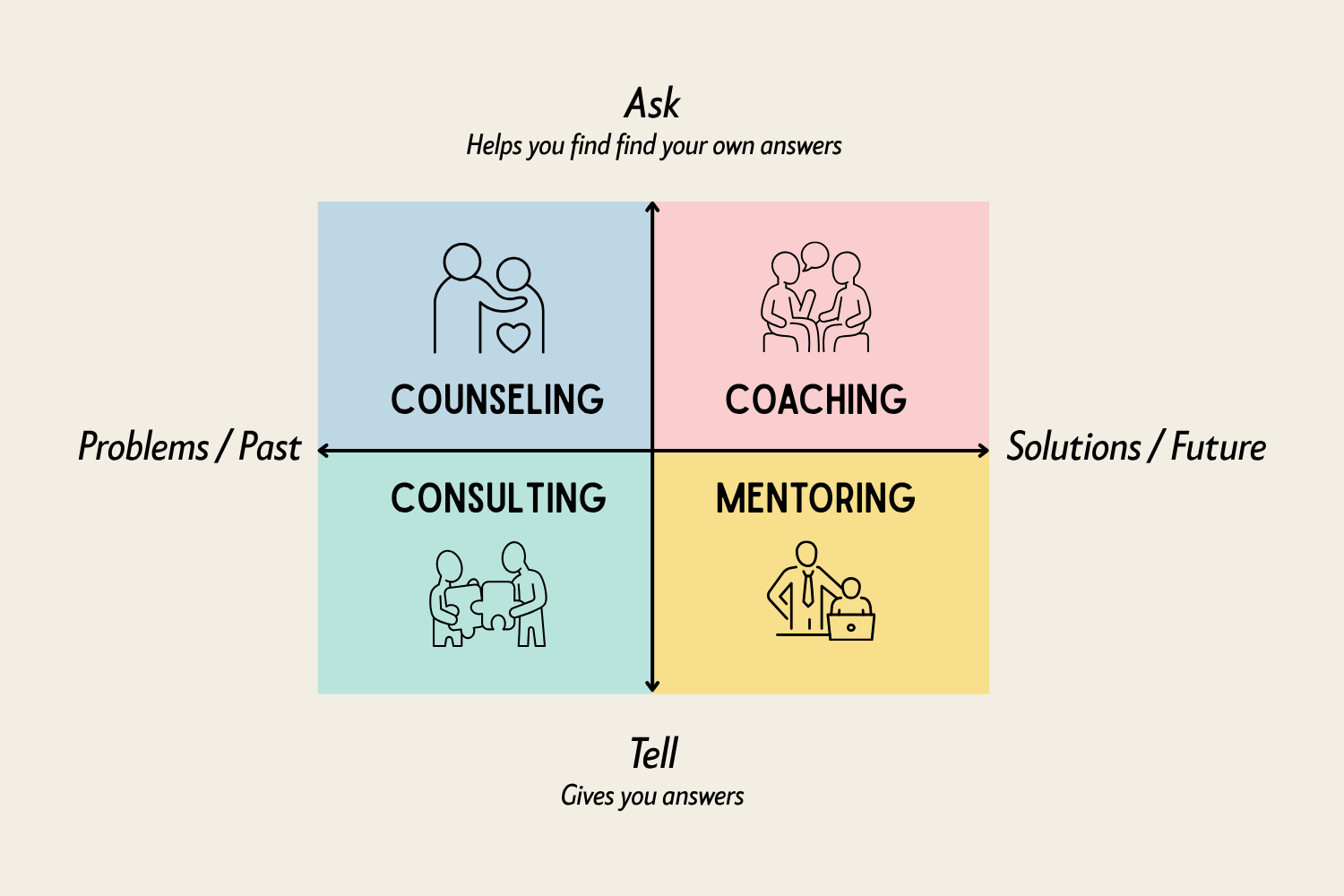
The Four Leadership Support Roles
A 2x2 separating four modes for helping someone — coaching, mentoring, counseling, consulting — plus a test for picking the right one.

The Inner Drive
A leadership take on Daniel Pink's *Drive* that turns three conditions for motivation — autonomy, mastery, purpose — into habits for 1:1s.
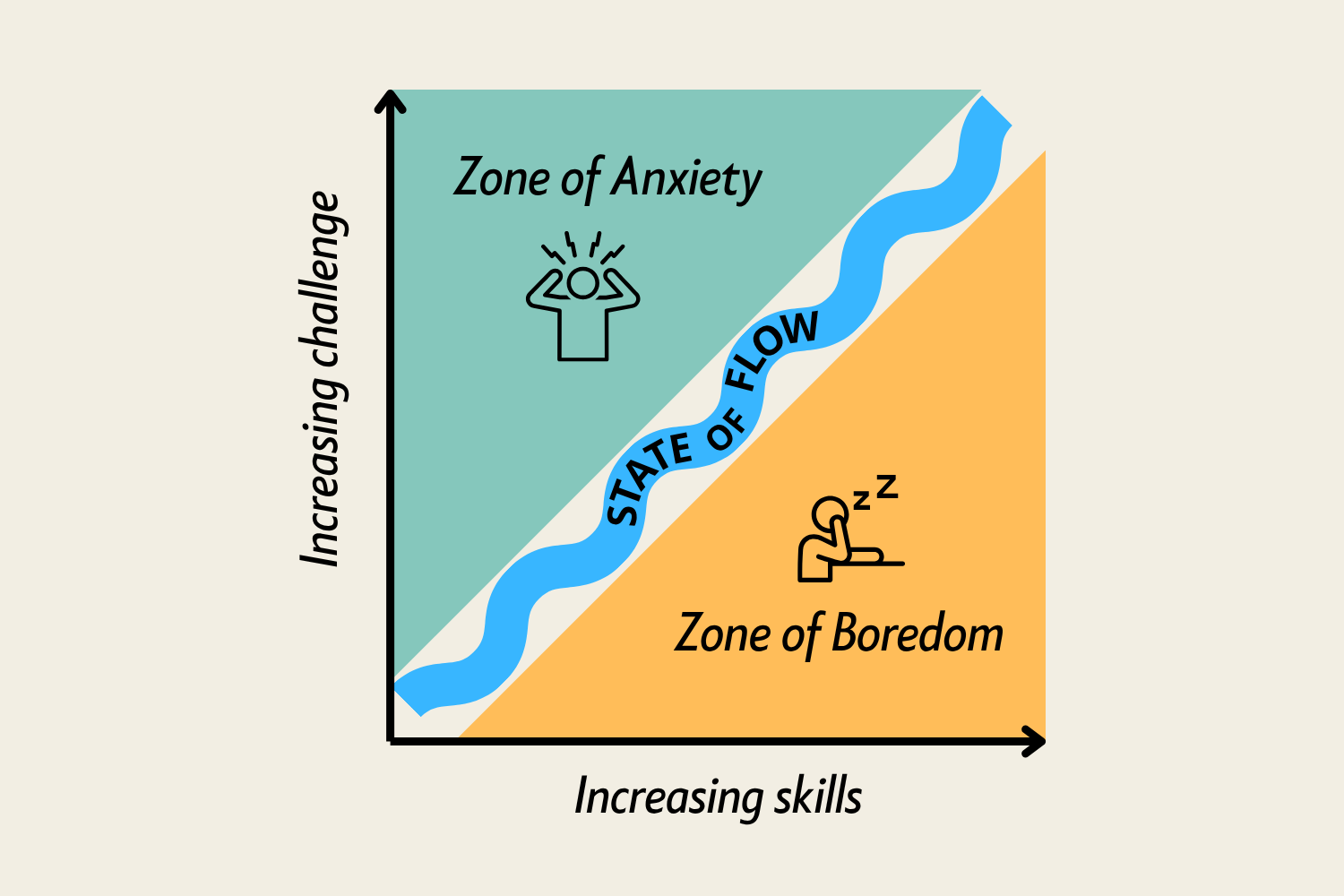
The State of Flow
The zone between anxiety and boredom, where challenge meets skill — your job is moving each person, with a different push.
Books related to Culture Building

Inclusify
Stefanie Johnson's argument that most leaders miss inclusion by over-indexing on one of two basic human needs, belonging or uniqueness, and her six named archetypes for exactly how that imbalance shows up, from the "Meritocracy Manager" to the "White Knight."

Leaders Eat Last
Simon Sinek's case that leadership is a biological deal, not a rank. The people at the top give up safety and comfort first, so everyone below them doesn't have to spend their energy watching their back instead of doing the work.

Lean In
Sheryl Sandberg's argument that the barriers keeping women out of leadership are real on both sides: structural bias in how organizations operate, and self-imposed caution in how women are taught to see their own ambition. Fixing only one side leaves the other fully intact.

No Rules Rules
Netflix co-founder Reed Hastings, with culture researcher Erin Meyer, on why Netflix removed vacation policies, expense approvals, and most of the rulebook most companies treat as non-negotiable, and the two things that have to be true first, or the whole thing backfires.

Rebel Ideas
Matthew Syed's case that the smartest team in the room is rarely the one stacked with the highest individual IQs, it's the one with the widest range of genuinely different ways of seeing the same problem. A pointed argument against hiring people who think like you, no matter how impressive they are.

The Culture Code
Daniel Coyle's reverse-engineering of highly successful groups: not through their strategy or talent, but through small, repeated signals that most leaders never notice they're sending, or failing to send.

The Culture Map
Erin Meyer's field guide to why a management style that works perfectly in one country reads as either rude or weak in another, and why "just be yourself" is actually terrible advice for anyone leading across cultures.

The Fearless Organization
Amy Edmondson's case that psychological safety isn't a soft perk for making people feel nice. It's a hard performance requirement, because teams without it make worse decisions, catch fewer errors, and learn slower than teams that have it.

The Person You Mean to Be
Dolly Chugh's case for giving up on being a "good person" (a fixed, defensive identity) in favor of becoming a "good-ish person": someone actively building toward better, who treats their own blind spots as something to work on instead of something to deny.

Tribal Leadership
A model for diagnosing a team's culture by literally listening to how people talk: five stages of "tribal" language, from "life sucks" to "life is great," and a surprisingly specific playbook for moving a team up one stage at a time.
Skills related to Culture Building

Coaching
Helping people think, and take ownership of their own problems

Communication & Influence
Using narrative, story, and structure to inspire, align, and actually move people, not just inform them.

Giving Feedback
Delivering honest, specific feedback often enough that people can actually act on it.

Goal Setting
Turning intentions into clear, measurable goals that give a team direction and a real sense of progress, and keeping those goals honest as conditions change.

Leadership Development
Deliberately growing the next generation of leaders on your team, because your legacy ends up measured by the leaders you develop, not by what you accomplish alone.

Team Development
Building a high-performing team on purpos, guiding people through the stages of a team's growth, building real trust between them, and handing over ownership as they earn it.