IKEA Effect
You value things more when you helped build them — which is why a strategy handed to a team lands flat.
 Find this on the mind-map
Introduction
Behavioral scientists Michael Norton, Daniel Mochon, and Dan Ariely identified this cognitive bias in 2011: people value what they helped build far more highly than an equivalent thing they received finished. The name comes from the familiar experience of assembling flat-pack furniture. Follow the instructions, tighten the screws, work out which piece goes where, and you end up genuinely proud of the bookshelf — more proud than it warrants — in a way you'd never feel about one that arrived pre-assembled.
How It Works

The research didn't stop at furniture. Norton and colleagues ran experiments with origami, LEGO sets, and other build tasks. In every case, the people who built something valued it far above what people who simply received the finished product valued it — even when independent observers rated both versions equally.
The bias isn't irrational. Three things are going on underneath it:
| Mechanism | What happens |
|---|---|
| Effort signals value | You instinctively associate hard work with worth. This is effort justification: if I labored over it, it must be worth the labor. |
| Creation builds identity | Helping shape something makes it yours in a way a handout never does. Your fingerprints are on it, so walking away from it feels like walking away from part of yourself. |
| Involvement creates understanding | Building something from scratch means knowing why it looks the way it does and which trade-offs were made. That understanding produces commitment, because you know what "making it work" actually requires. |
Point this at your own work and the picture flips. When you build a strategy alone and present it, your team receives a finished product. They didn't wrestle with the options, make the trade-offs, or choose what to leave out. They got the bookshelf pre-assembled, and they will never feel about it the way you do.
Why It Matters for Leaders
Here's the uncomfortable version: you can destroy buy-in through the act of being prepared. You think through the options, do the reps, and arrive with a polished answer — which removes the one thing that would make your team actually care: the chance to help build it.
Picture this: you spend three weeks researching how your team could become AI-native, study what best-in-class companies are doing, and present a well-argued deck. You get a few nods and a couple of clarifying questions. Over the following weeks, almost nothing changes on the ground. The logic was sound. The problem was who had built it.
The same failure repeats in recognizable forms: a strategy you spent months crafting that the team executes half-heartedly, a new process that makes sense on paper and nobody follows, a reorganization that was clearly explained and never accepted, a roadmap you're excited about that your engineers treat as a task list.
In each case the problem isn't the quality of the thinking. It's the absence of your team from the thinking. People who weren't in the room where a decision was made don't feel responsible for making it succeed.
This is why change programs fail at the adoption step rather than the design step, and it's the reinforcement behind the "desire" stage of the ADKAR Model and the coalition work in Kotter's 8-Step Change Model. It also explains resistance to reorganizations specifically: people lose control over something that directly shapes their working life, and what they're actually missing is agency, not information.
There's a cost side too. Ownership inflates how valuable something feels to the person who built it, which is why teams end up defending their own processes and designs well past the point of usefulness. Expect to work harder to retire something your team created than something they inherited.
What to do next
Test your knowledge of IKEA Effect
Apply IKEA Effect to a real situation
Skills related to IKEA Effect

Change Management
Carrying your team through a transition, from the moment you announce a change to the point where the new way of working has just become the ordinary one.

Culture Building
Culture isn't the perks or the values on the wall, but what you tolerate, reward, and let slide.
Frameworks related to IKEA Effect

ADKAR Model
Five building blocks — Awareness, Desire, Knowledge, Ability, Reinforcement — track change person by person, pinpointing exactly where it's stuck.
Amara's Law
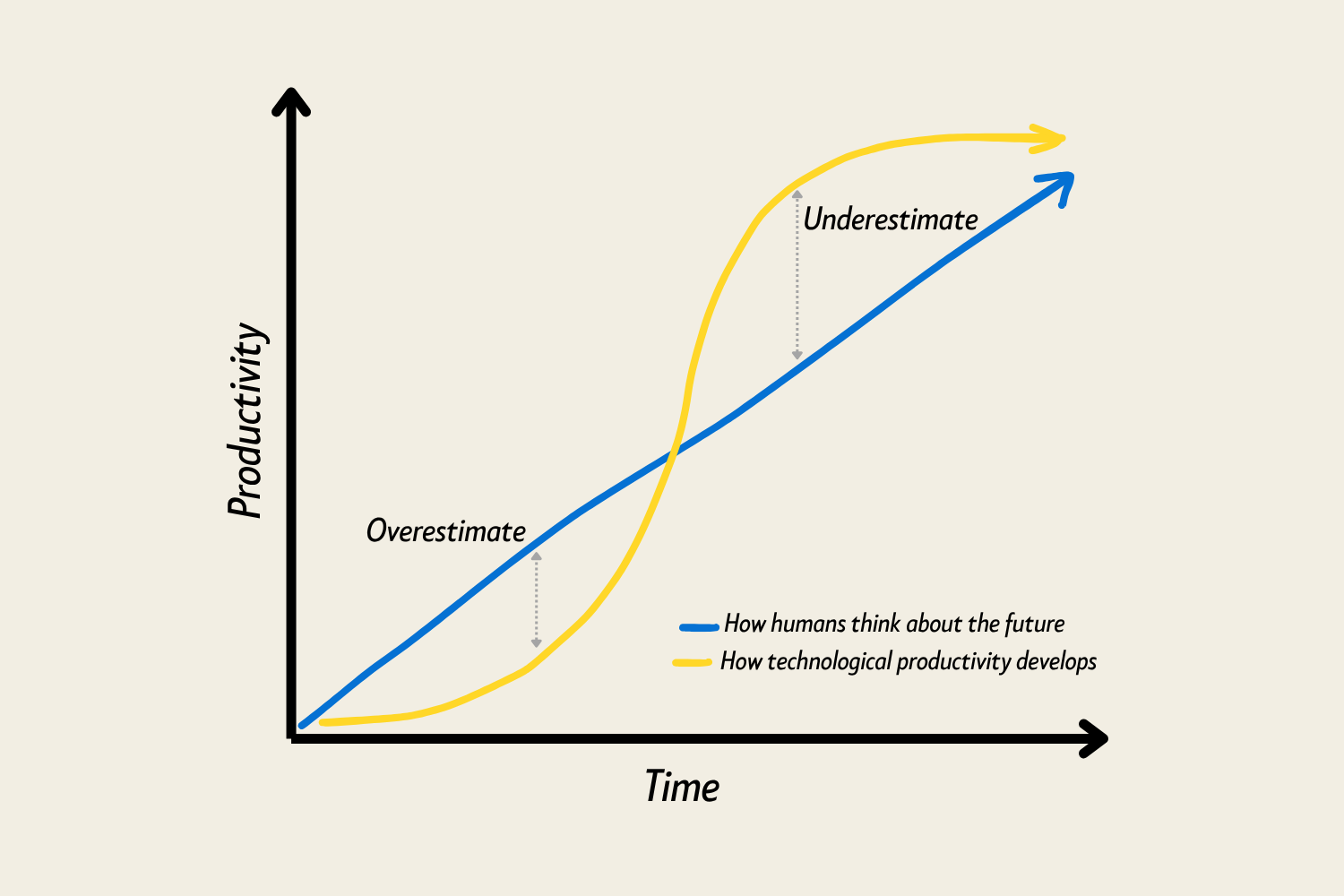
You overestimate new tech's short-run impact and underestimate its long-run impact — so ask if you're early, not whether it's working.
Kotter's 8-Step Change Model
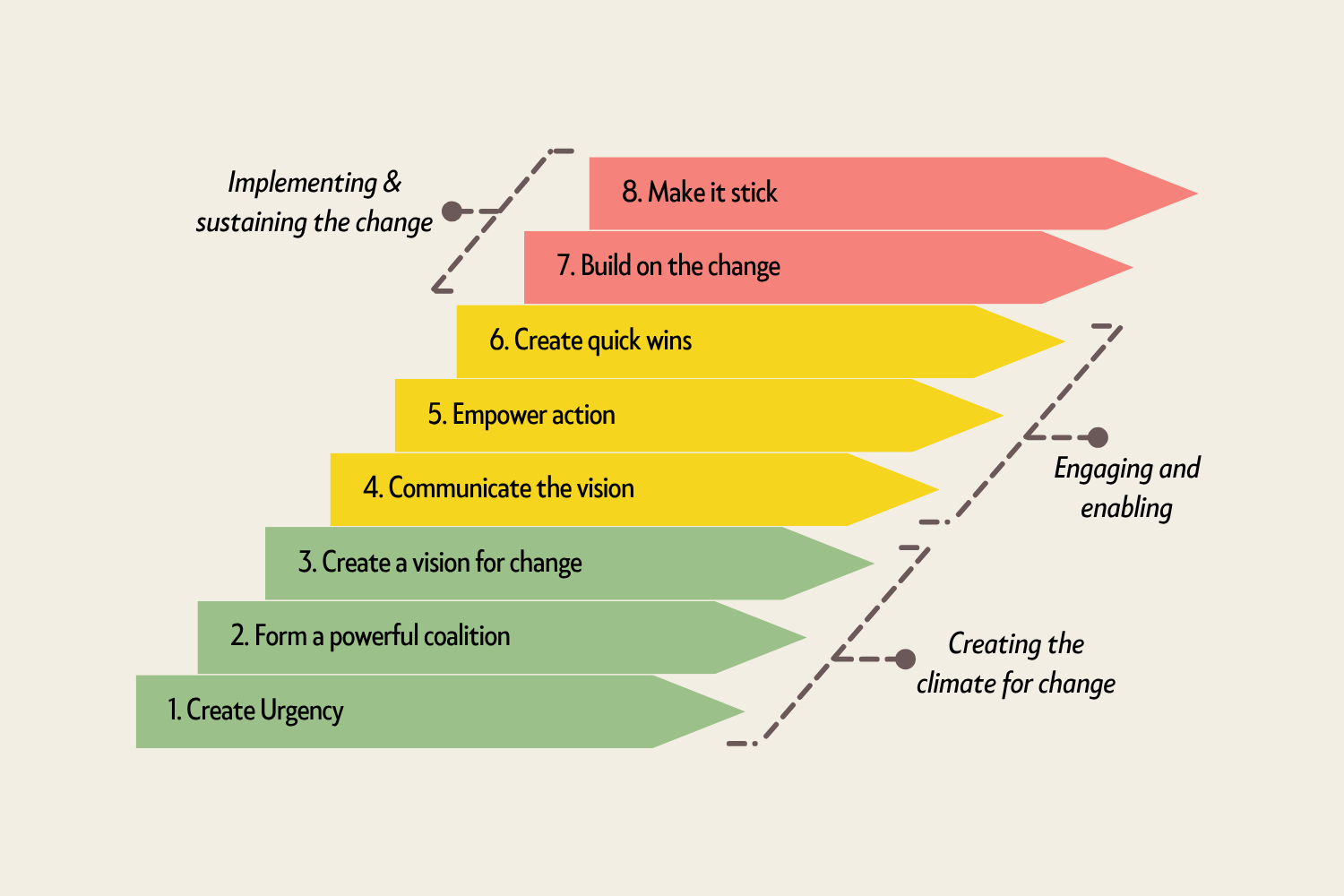
John Kotter's eight-step process for leading change, from creating urgency to anchoring new behavior in culture — keeping transformations from reversing.
Maslow's Hierarchy of Needs
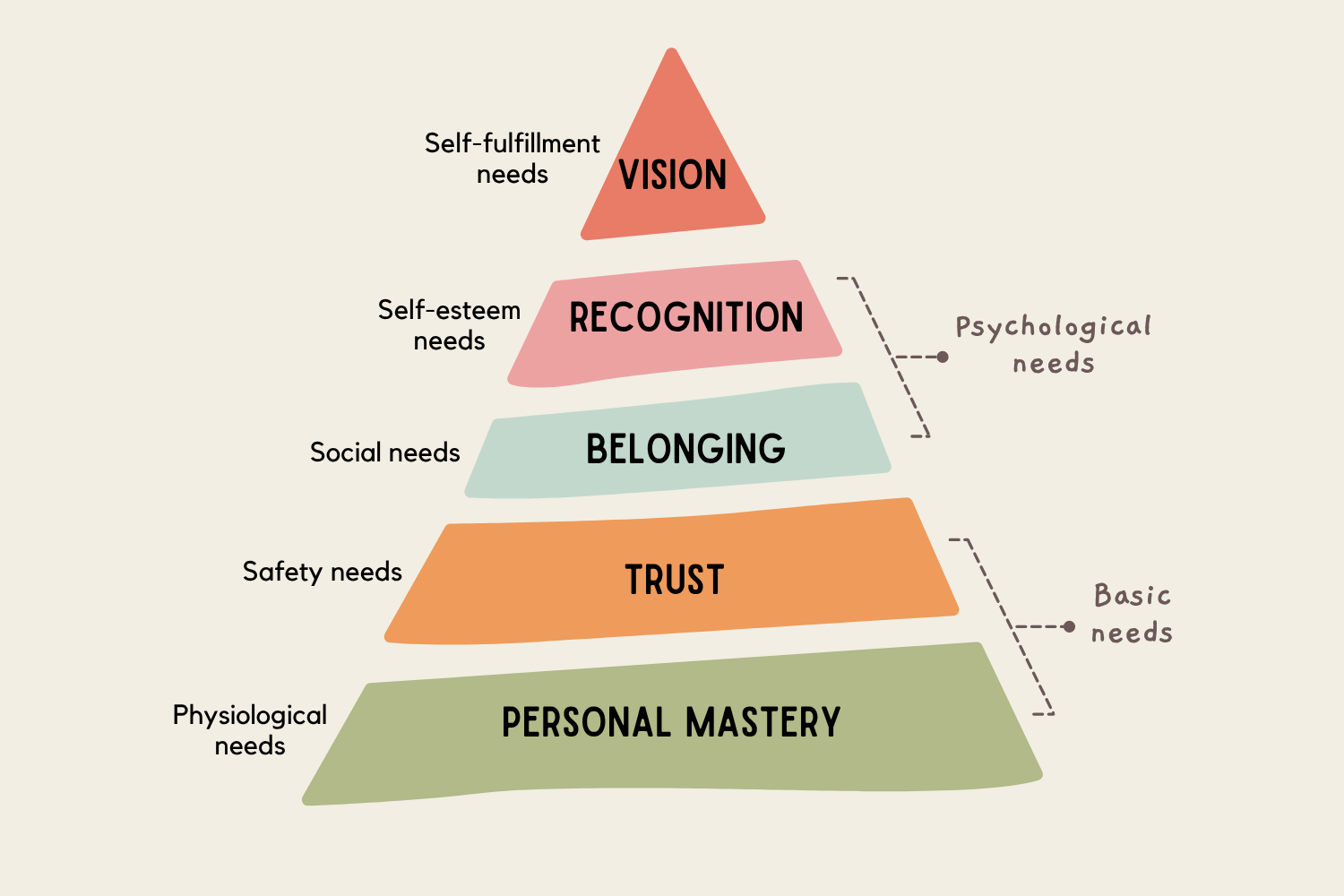
Abraham Maslow's five-level model of motivation, applied to leadership as a stack — mastery, trust, belonging, up through recognition and vision.
Psychological Safety
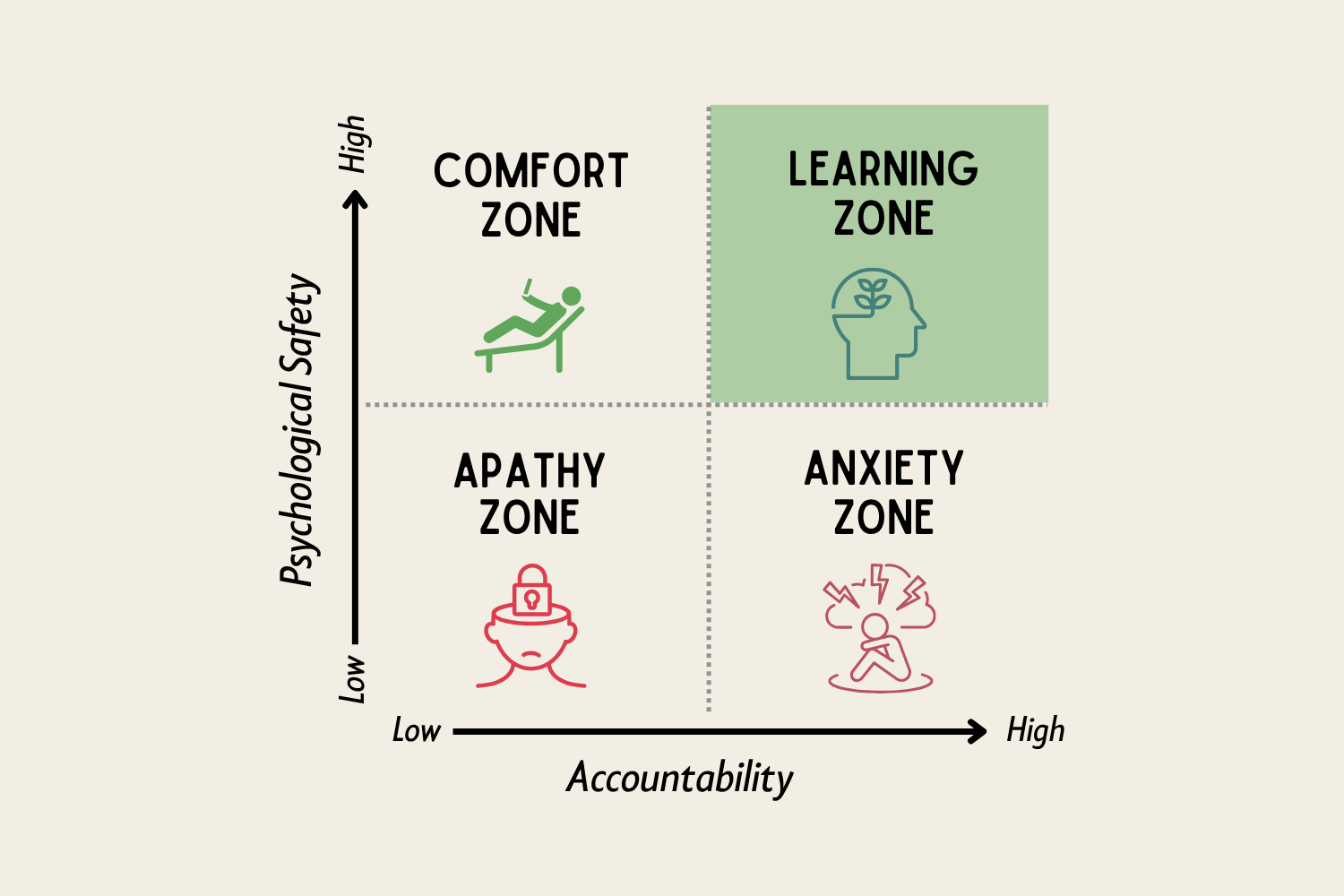
Amy Edmondson's finding that people must feel safe taking risks — a dumb question, a mistake — before a team can perform.

Spiral Dynamics
Eight color-coded value systems shaping what people care about at work — success, purpose, relationships — matched to stop guessing motivation.

The 3 Conditions for Change
A team can agree in the room and change nothing after — change needs three conditions at once: Willingness, Desire, Courage.

The AI Culture Stack
Same AI tools and budget, wildly different results — the gap isn't the technology, it's three layers underneath: permission, fluency, judgment.

The Bannister Effect
One person breaking a barrier makes it stop being fixed for everyone else — break the unspoken belief in public first.
The Four Leadership Support Roles
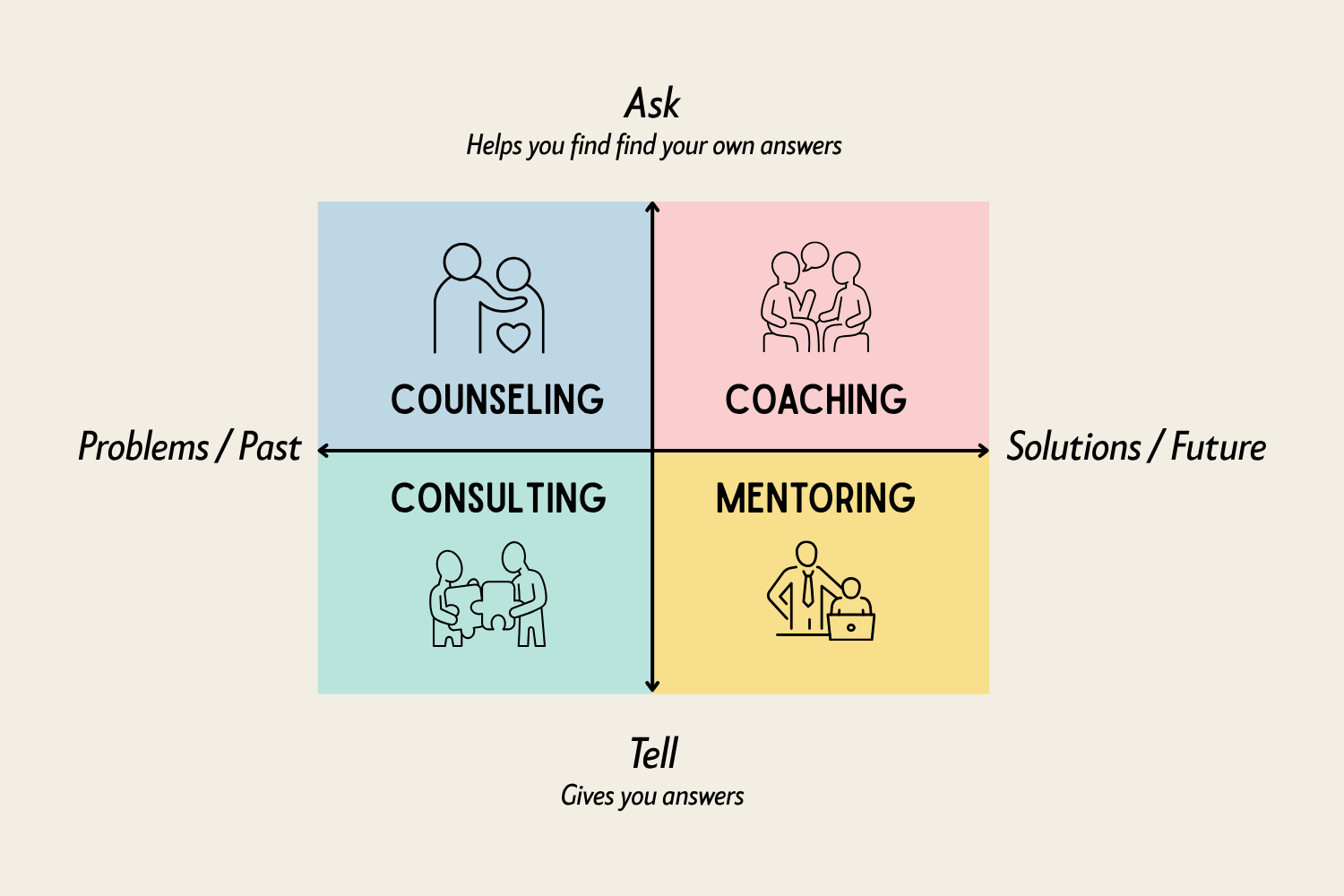
A 2x2 separating four modes for helping someone — coaching, mentoring, counseling, consulting — plus a test for picking the right one.

The Inner Drive
A leadership take on Daniel Pink's *Drive* that turns three conditions for motivation — autonomy, mastery, purpose — into habits for 1:1s.
The State of Flow
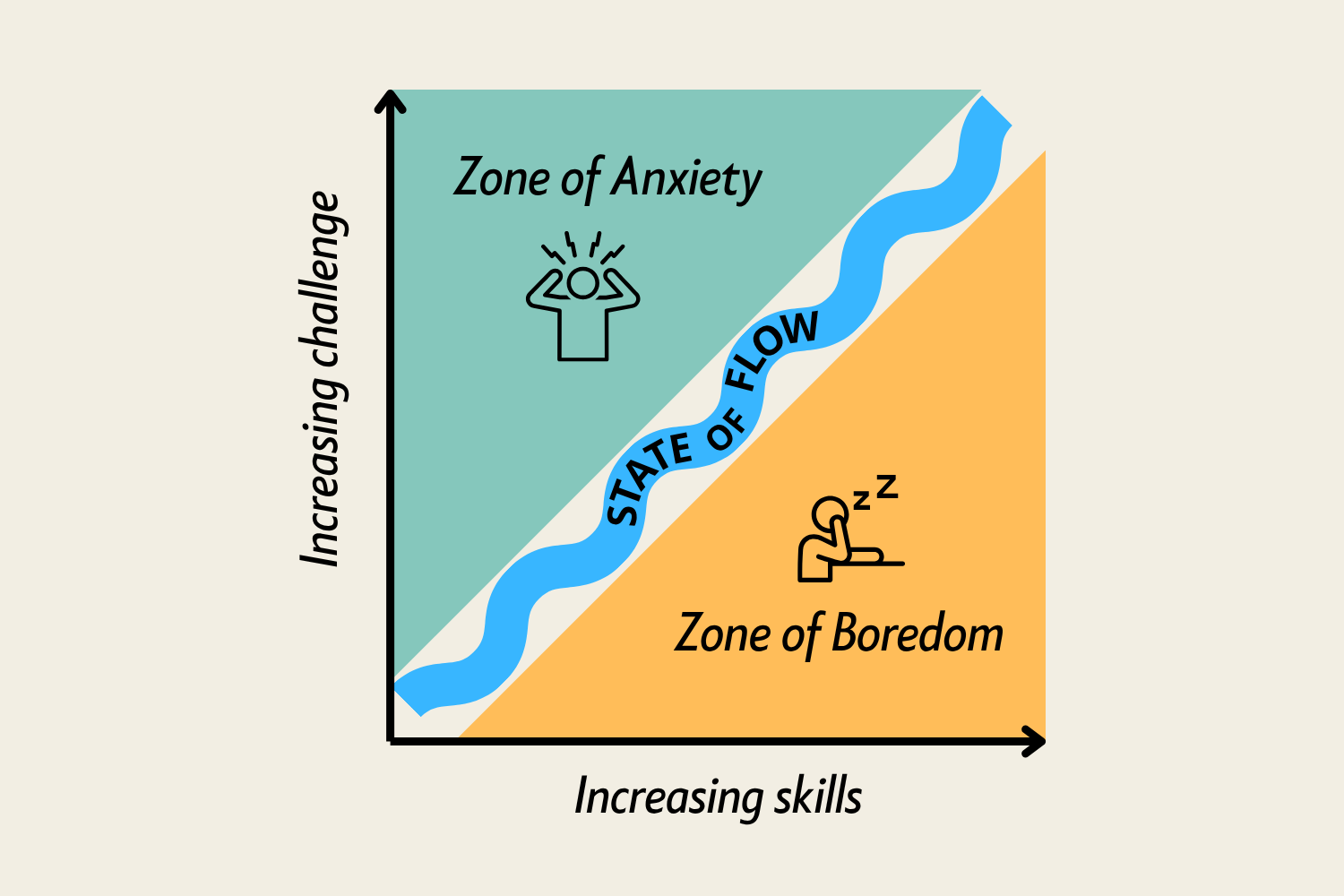
The zone between anxiety and boredom, where challenge meets skill — your job is moving each person, with a different push.
Books related to IKEA Effect

Inclusify
Stefanie Johnson's argument that most leaders miss inclusion by over-indexing on one of two basic human needs, belonging or uniqueness, and her six named archetypes for exactly how that imbalance shows up, from the "Meritocracy Manager" to the "White Knight."

Leaders Eat Last
Simon Sinek's case that leadership is a biological deal, not a rank. The people at the top give up safety and comfort first, so everyone below them doesn't have to spend their energy watching their back instead of doing the work.

Leading Change
John Kotter's eight-step anatomy of organizational change, built from studying why most change efforts fail, and a blunt diagnosis that most failures trace back to skipping step one, not step eight.

Lean In
Sheryl Sandberg's argument that the barriers keeping women out of leadership are real on both sides: structural bias in how organizations operate, and self-imposed caution in how women are taught to see their own ambition. Fixing only one side leaves the other fully intact.

No Rules Rules
Netflix co-founder Reed Hastings, with culture researcher Erin Meyer, on why Netflix removed vacation policies, expense approvals, and most of the rulebook most companies treat as non-negotiable, and the two things that have to be true first, or the whole thing backfires.

Rebel Ideas
Matthew Syed's case that the smartest team in the room is rarely the one stacked with the highest individual IQs, it's the one with the widest range of genuinely different ways of seeing the same problem. A pointed argument against hiring people who think like you, no matter how impressive they are.

Switch
Chip and Dan Heath's case that most change efforts fail from a basic misdiagnosis, treating a willpower problem as if it were an information problem, and a three-part framework for directing the rational mind, motivating the emotional one, and reshaping the environment around both.

The Culture Code
Daniel Coyle's reverse-engineering of highly successful groups: not through their strategy or talent, but through small, repeated signals that most leaders never notice they're sending, or failing to send.

The Culture Map
Erin Meyer's field guide to why a management style that works perfectly in one country reads as either rude or weak in another, and why "just be yourself" is actually terrible advice for anyone leading across cultures.

The Fearless Organization
Amy Edmondson's case that psychological safety isn't a soft perk for making people feel nice. It's a hard performance requirement, because teams without it make worse decisions, catch fewer errors, and learn slower than teams that have it.

The Heart of Change
Kotter's own follow-up to Leading Change, built on a single correction: people don't change their behavior because an analysis changed their thinking. They change because something made them actually feel differently first.

The Person You Mean to Be
Dolly Chugh's case for giving up on being a "good person" (a fixed, defensive identity) in favor of becoming a "good-ish person": someone actively building toward better, who treats their own blind spots as something to work on instead of something to deny.

The Ride of a Lifetime
Disney CEO Bob Iger's own account of betting the company three times, on Pixar, Marvel, and Lucasfilm, and then again on streaming, and the specific discipline of leaving what you just paid billions for alone long enough for it to actually work.

Tribal Leadership
A model for diagnosing a team's culture by literally listening to how people talk: five stages of "tribal" language, from "life sucks" to "life is great," and a surprisingly specific playbook for moving a team up one stage at a time.