Leading Others
Lead teams, create accountability, develop, inspire and coach your people.
 Find this on the mind-map
Introduction
A title gives you authority, but that's not enough to actually lead people effectively. Leading others is the layer that turns that authority into influence that people actually follow, willingly. This includes everything you get done through other people as a leader: building trust, setting real expectations, giving feedback, coaching, developing future leaders, and shaping the culture of your team.
Leading others comes down to working on relationships, building trust, and creating an environment that lifts everyone up.
Why It Matters for Leaders
When you don't develop the skills in this layer, the symptoms show up in different forms:
- Your team keeps 'redoing' the work because the standard was never actually said out loud.
- Problems reach you late, because raising them early has never felt safe.
- You team hesitates to disagree in the open, and it comes back later as missed handoffs and slow decisions.
- You start losing your strongest team members for a manager who actually noticed them.
- You become the bottleneck for every decision, because your team hasn't developed the skills to do that without you.
When you develop the skills in this layer, your team takes on problems you never expected them to, and what you can handle grows faster than your headcount does. A Gallup survey found that teams with strong leadership are 21% more productive and see 59% lower turnover. Without trust, clear expectations, and real communication, even a team full of talented people struggles.
The way you treat your team says everything about the depth of your leadership. Think about the best boss you've ever had - they probably gave you feedback you could actually use, backed your growth, coached you instead of just solving your problems for you, and held you accountable while still making it safe to speak up. That's what this layer is all about.
Skills related to Leading Others

Coaching
Helping people think, and take ownership of their own problems

Communication & Influence
Using narrative, story, and structure to inspire, align, and actually move people, not just inform them.

Culture Building
Culture isn't the perks or the values on the wall, but what you tolerate, reward, and let slide.

Giving Feedback
Delivering honest, specific feedback often enough that people can actually act on it.

Goal Setting
Turning intentions into clear, measurable goals that give a team direction and a real sense of progress, and keeping those goals honest as conditions change.

Leadership Development
Deliberately growing the next generation of leaders on your team, because your legacy ends up measured by the leaders you develop, not by what you accomplish alone.

Team Development
Building a high-performing team on purpos, guiding people through the stages of a team's growth, building real trust between them, and handing over ownership as they earn it.
Frameworks related to Leading Others
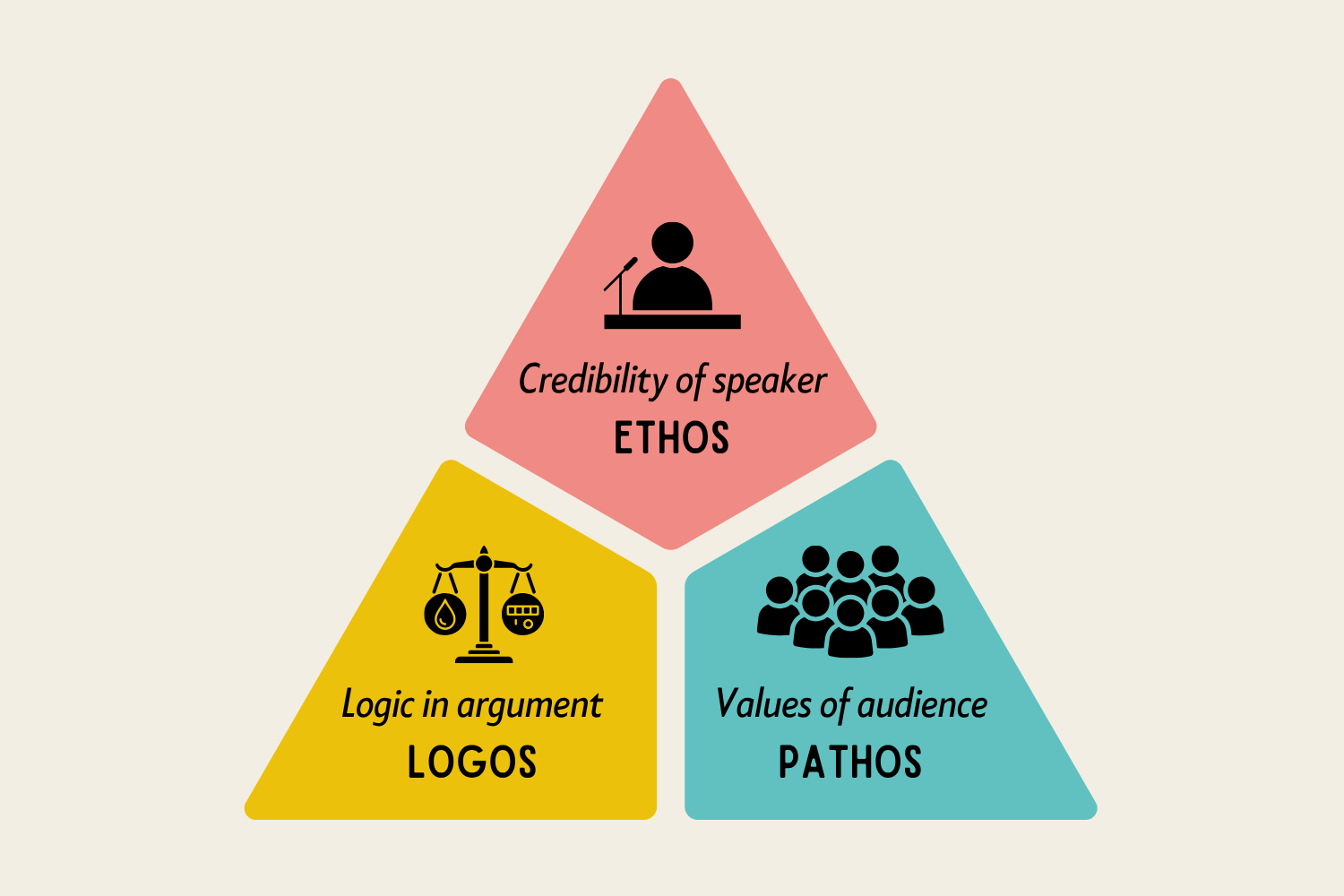
Aristotle's Rhetoric
Aristotle's persuasion rests on three appeals — ethos (credibility), pathos (emotion), logos (logic) — use all three or your message won't land.

CLEAR Model
A five-stage coaching structure — Contract, Listen, Explore, Action, Review — that centers real listening and reflection before rushing to a plan.
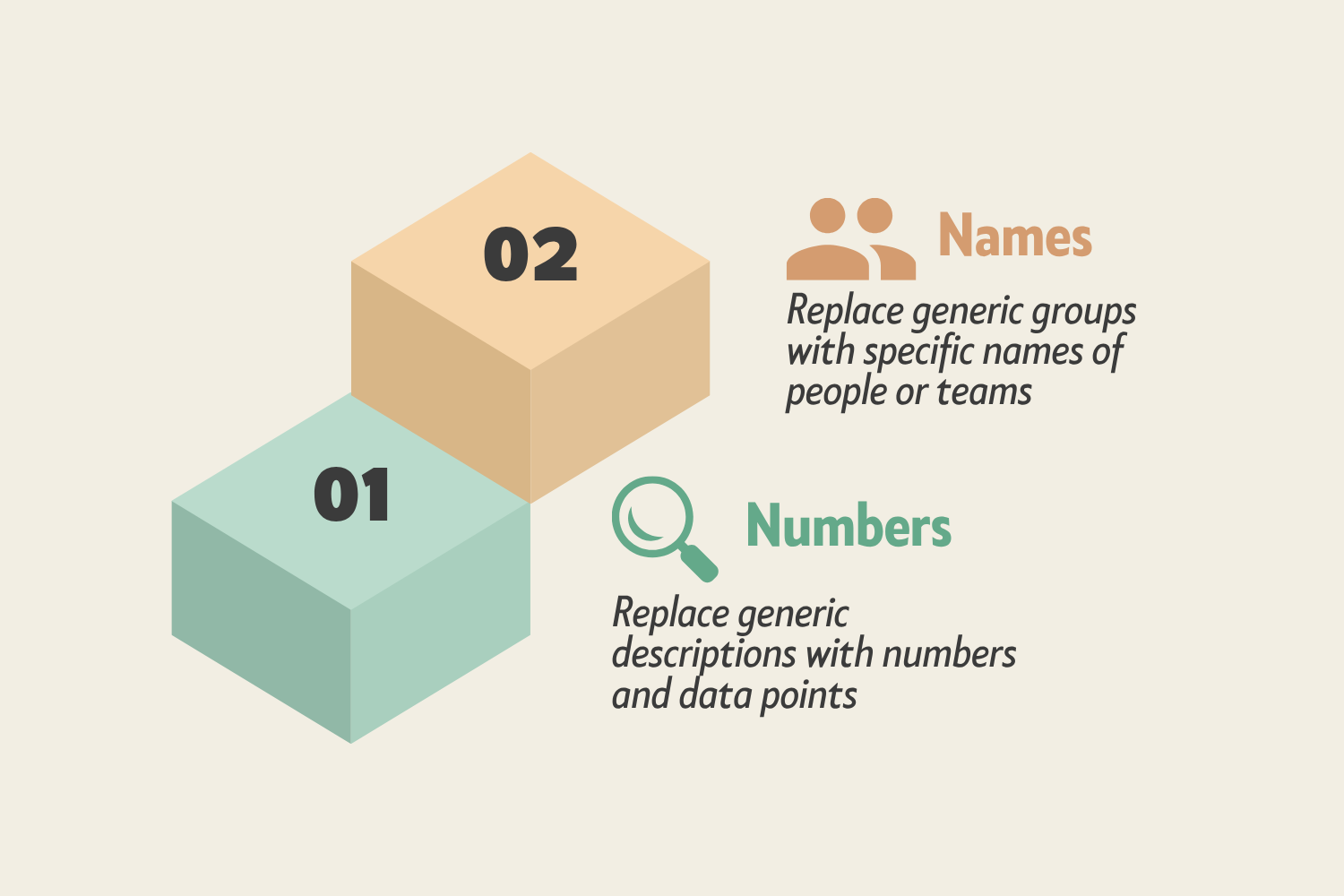
Cleverness to Clarity
Drop corporate jargon for clear, direct language — three reasons (trust, speed, growth) and the 2N Formula for doing it.
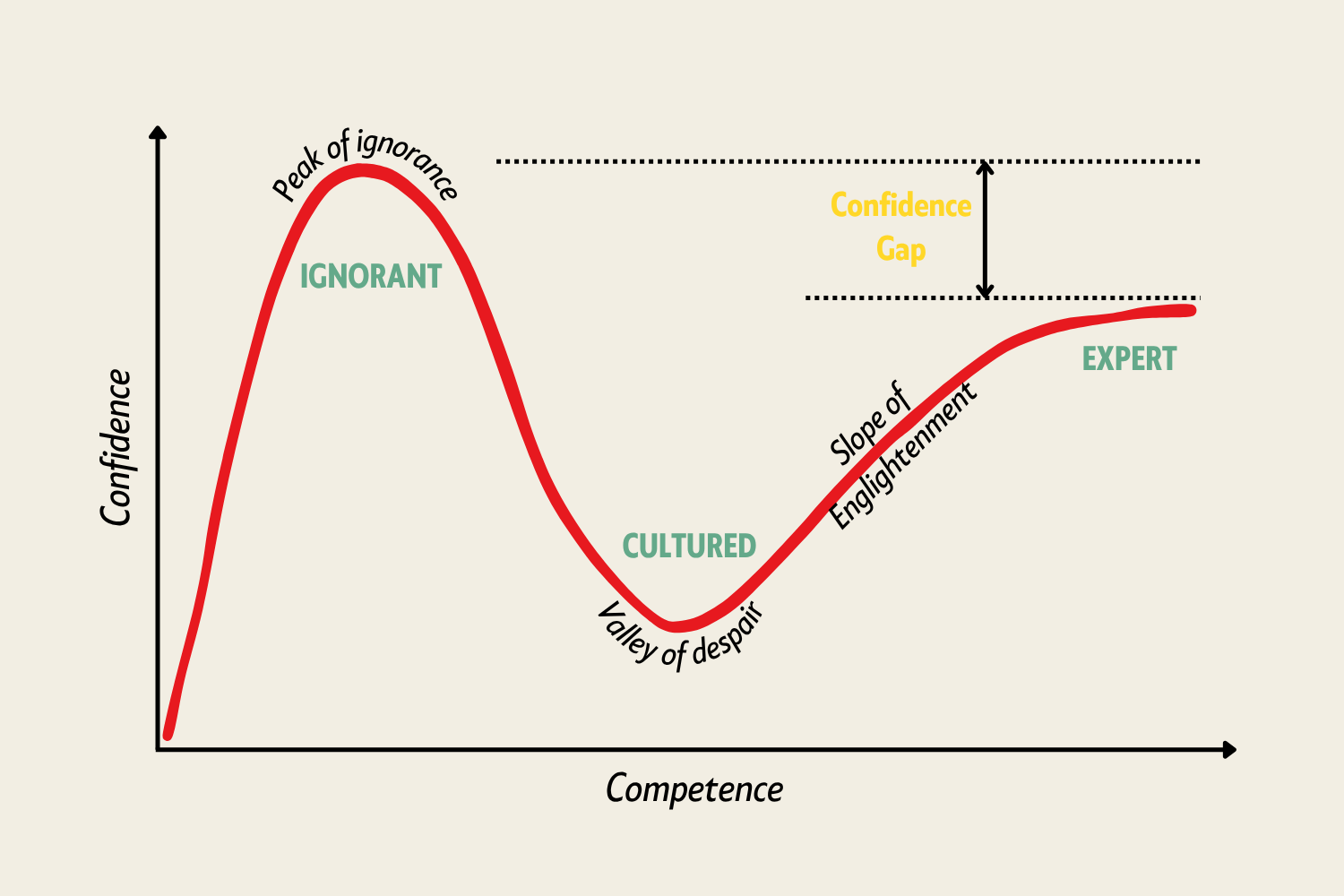
Dunning-Kruger Effect
Knowing little makes you feel unstoppable; knowing more makes you hesitate — the loudest voice is rarely the most reliable one.

Feedback Sandwich
A feedback pattern that wraps criticism between two compliments — widely taught and used, and criticized for burying the message.

FUEL Model
A four-stage coaching model — Frame, Understand, Explore, Lay out a plan — built for managers, ending in an actual plan.
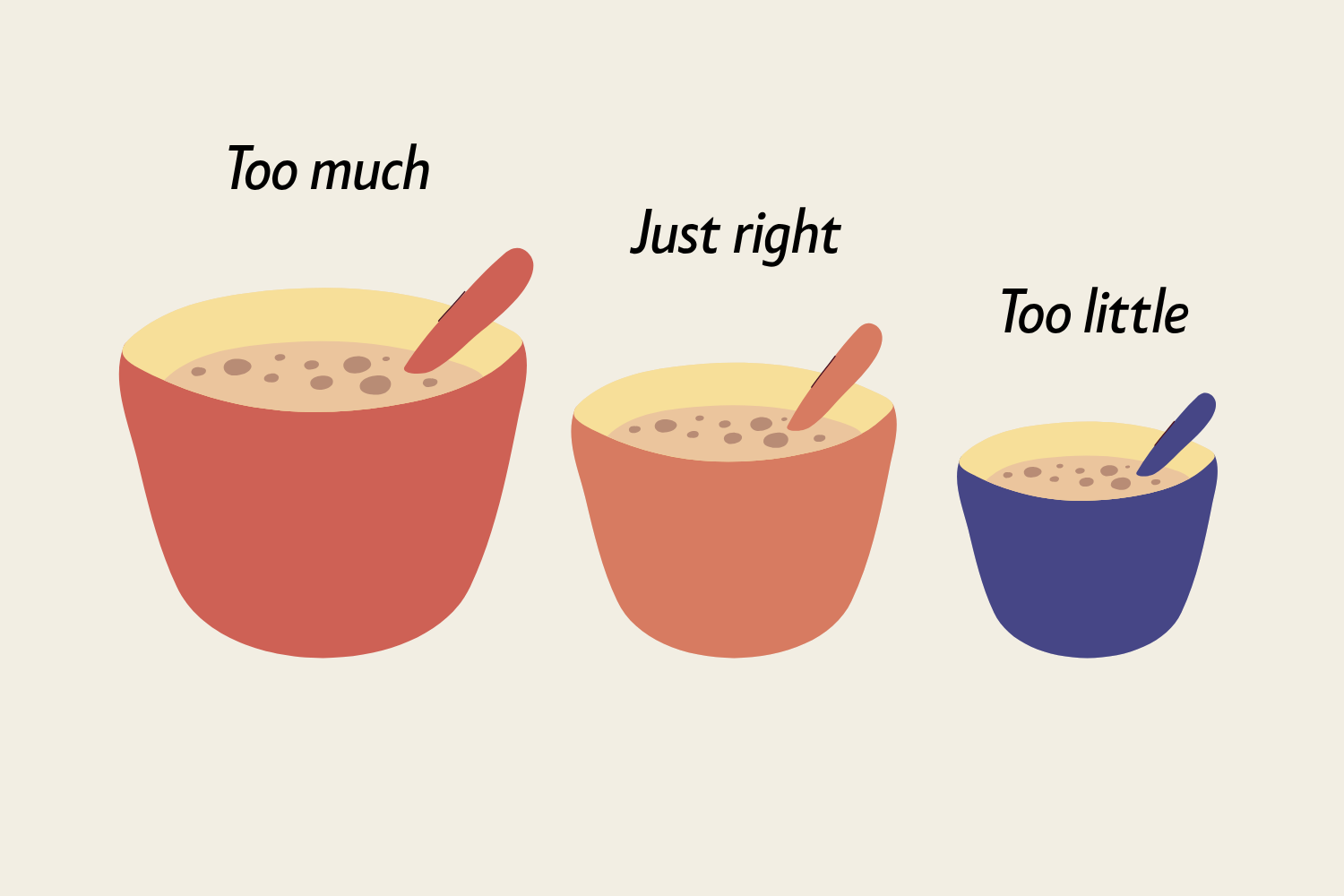
Goldilocks Principle
Support runs on a dial between micromanagement and abdication — enough direction for clarity, enough space for ownership, always moving.
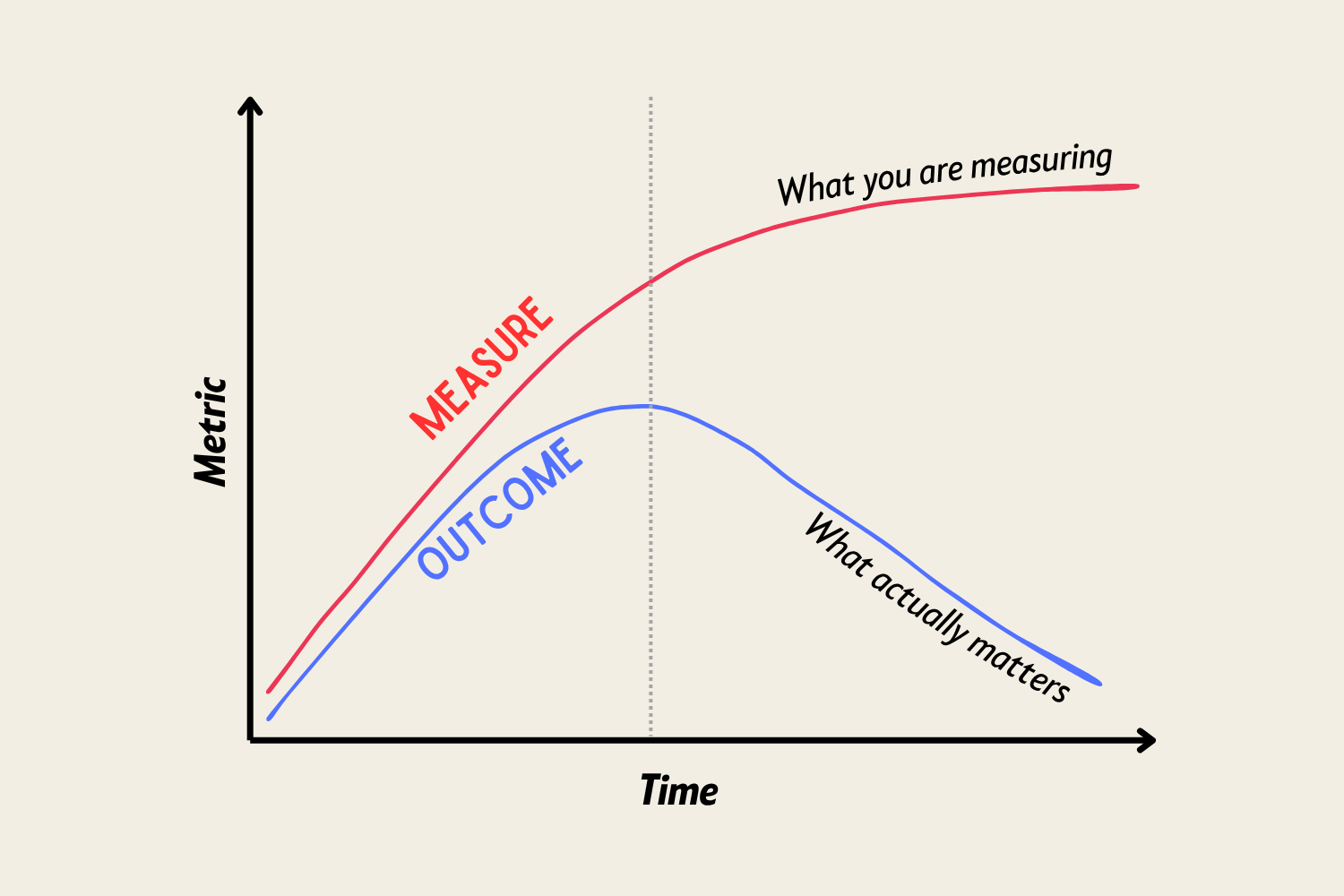
Goodhart's Law
"When a measure becomes a target, it stops being a good measure" — metrics with consequences get gamed.

Hawthorne Effect
People change how they behave when they know they're watched — your attention is an intervention that changes what you see.

IKEA Effect
You value things more when you helped build them — which is why a strategy handed to a team lands flat.
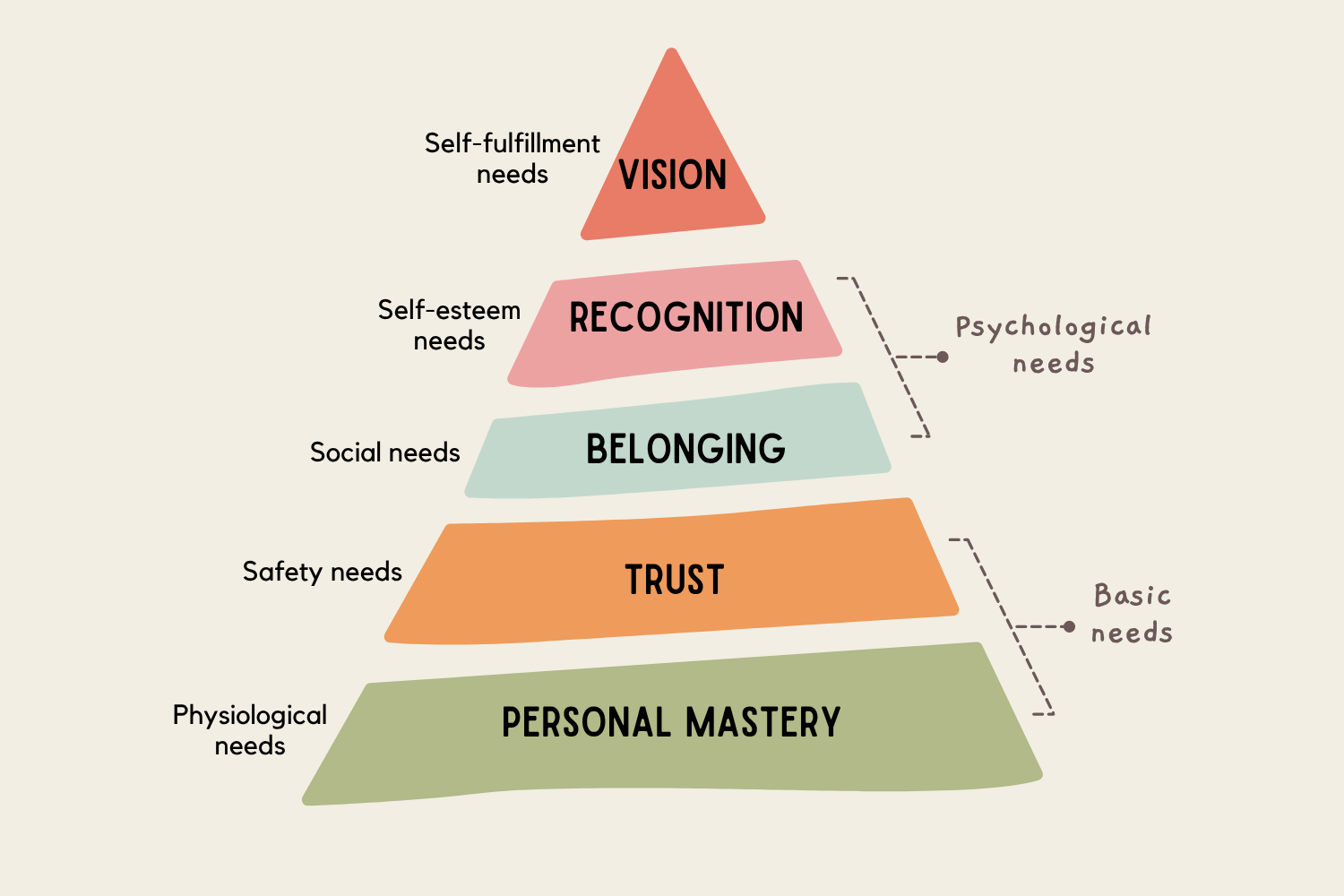
Maslow's Hierarchy of Needs
Abraham Maslow's five-level model of motivation, applied to leadership as a stack — mastery, trust, belonging, up through recognition and vision.
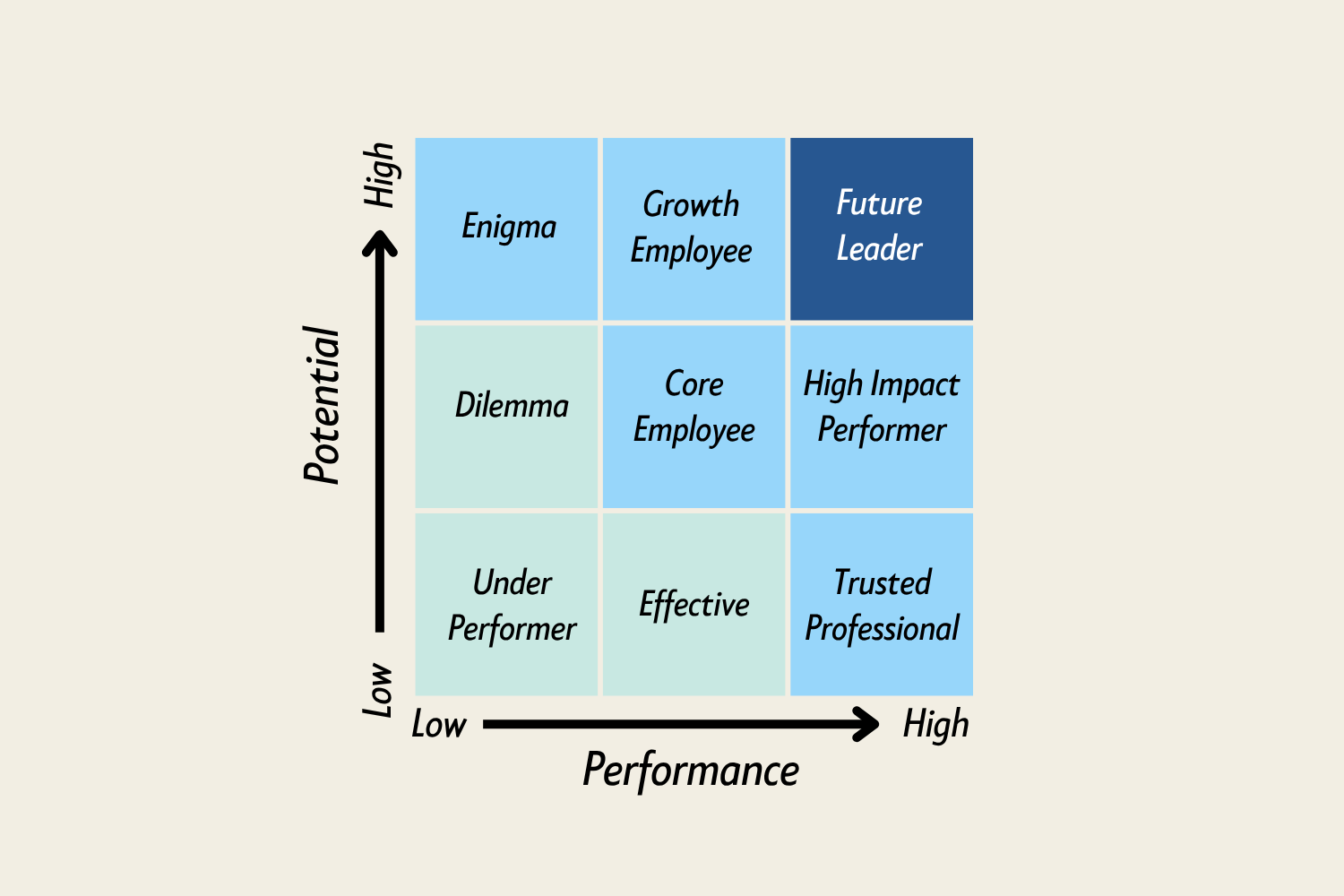
McKinsey 9-Box Model
A 3x3 grid that plots each person on performance against potential, giving nine distinct calls instead of one blurry verdict.

Multipliers and Diminishers
Liz Wiseman's split between leaders who bring out best thinking in people around them, and those who shut it down.

OKR Model
Objectives and Key Results: pair an ambitious objective with measurable key results and the initiatives that move them.

Peter Principle
In a hierarchy, everyone rises to their level of incompetence, because promotion rewards your current job, not tomorrow's.
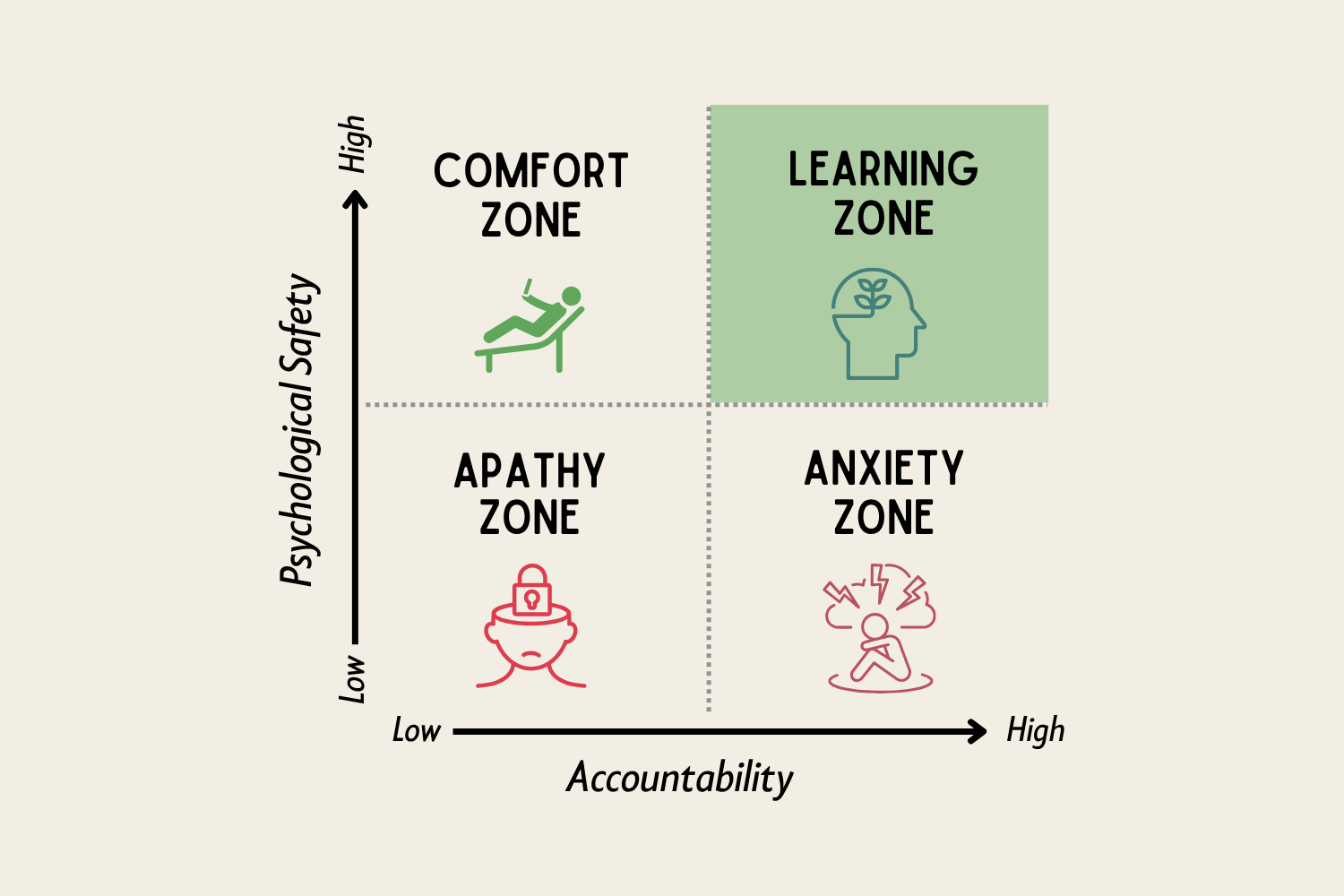
Psychological Safety
Amy Edmondson's finding that people must feel safe taking risks — a dumb question, a mistake — before a team can perform.
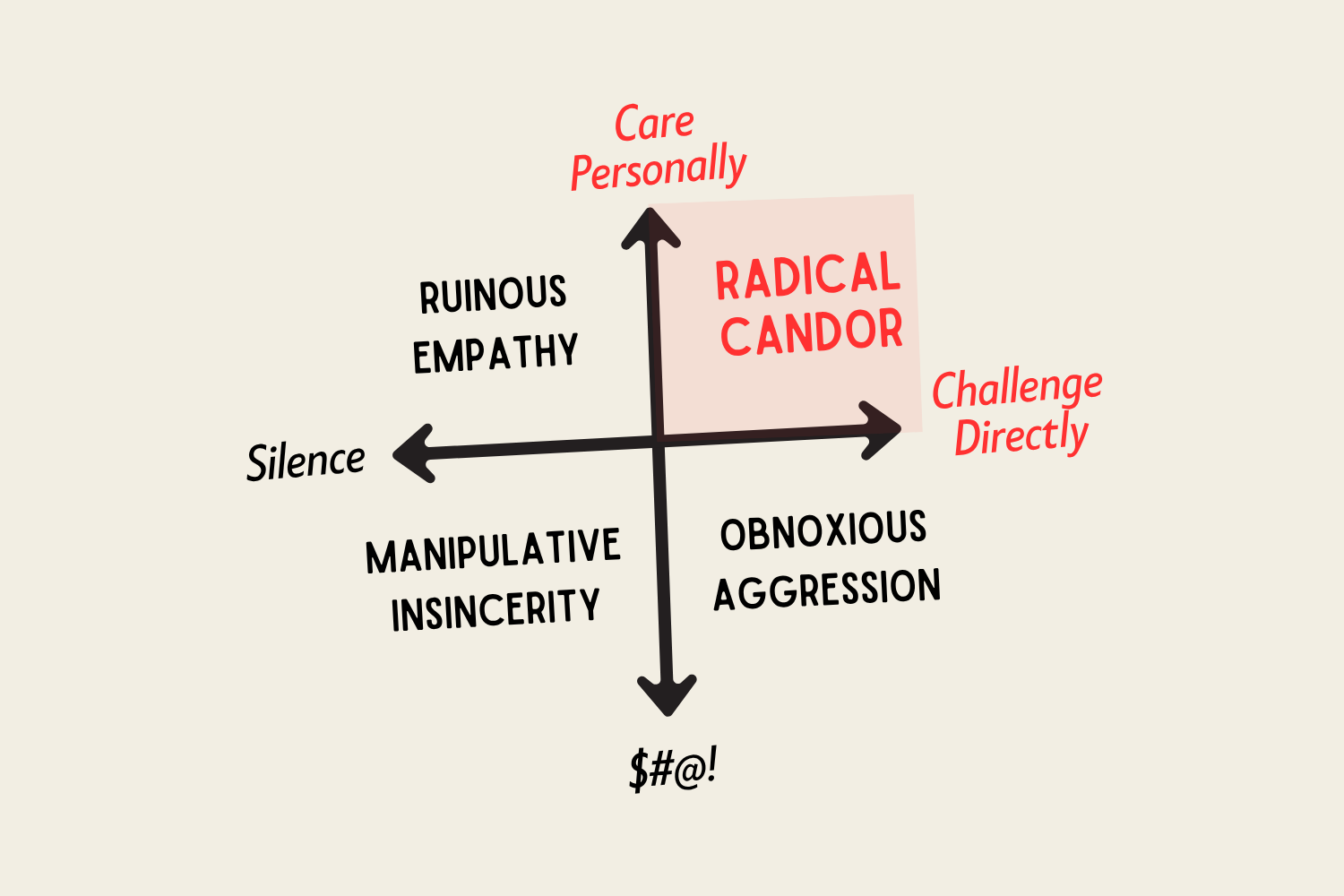
Radical Candor
Kim Scott's rule that good feedback means caring personally and challenging directly at once — a 2x2 for what goes wrong.

SBI Model
Situation, Behavior, Impact — a three-part way to give feedback that stays specific and observable instead of judging someone's character.
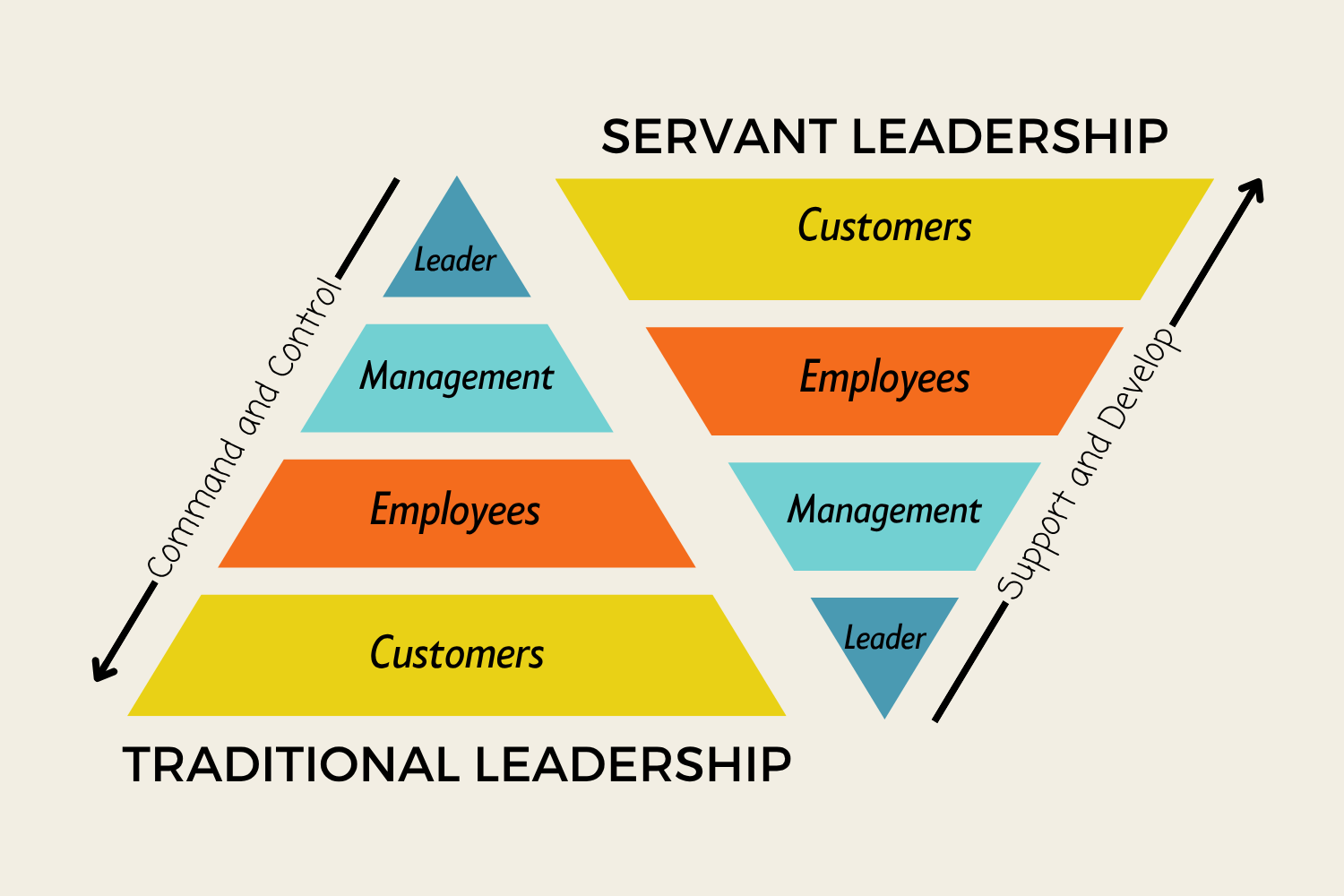
Servant Leadership
Flip "how can my team help me?" to "how can I help my team?" — job becomes removing obstacles, growing people.
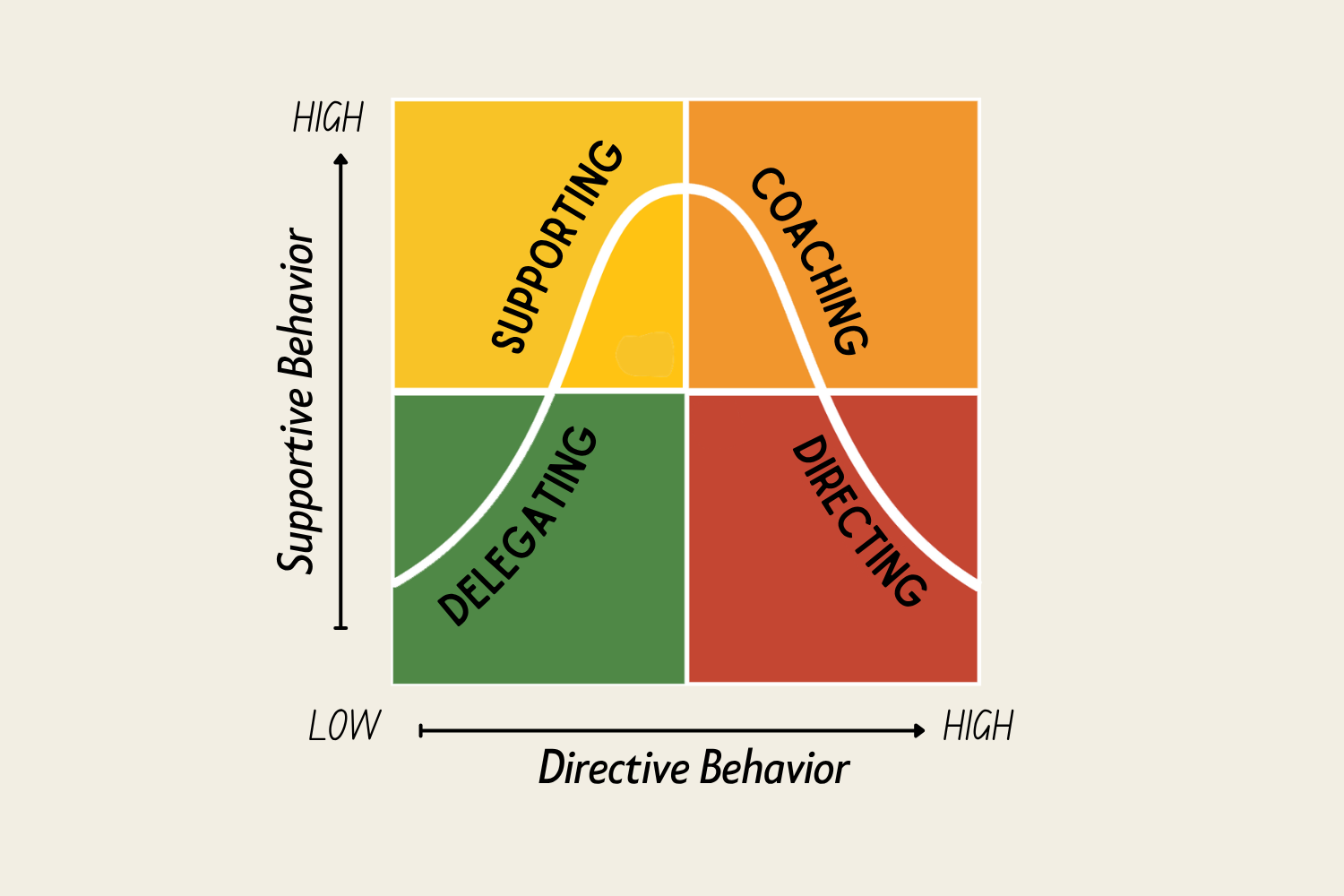
Situational Leadership
There's no right way to lead — only the right way for this person right now: direct, coach, support, or delegate.

SMART Goals
A five-letter test for turning an intention into an executable goal: Specific, Measurable, Achievable, Relevant, Time-bound — easy to get wrong.

Spiral Dynamics
Eight color-coded value systems shaping what people care about at work — success, purpose, relationships — matched to stop guessing motivation.

STAR Technique
Turn an experience into evidence in four parts — Situation, Task, Action, Result — to advocate for your people, make the case.
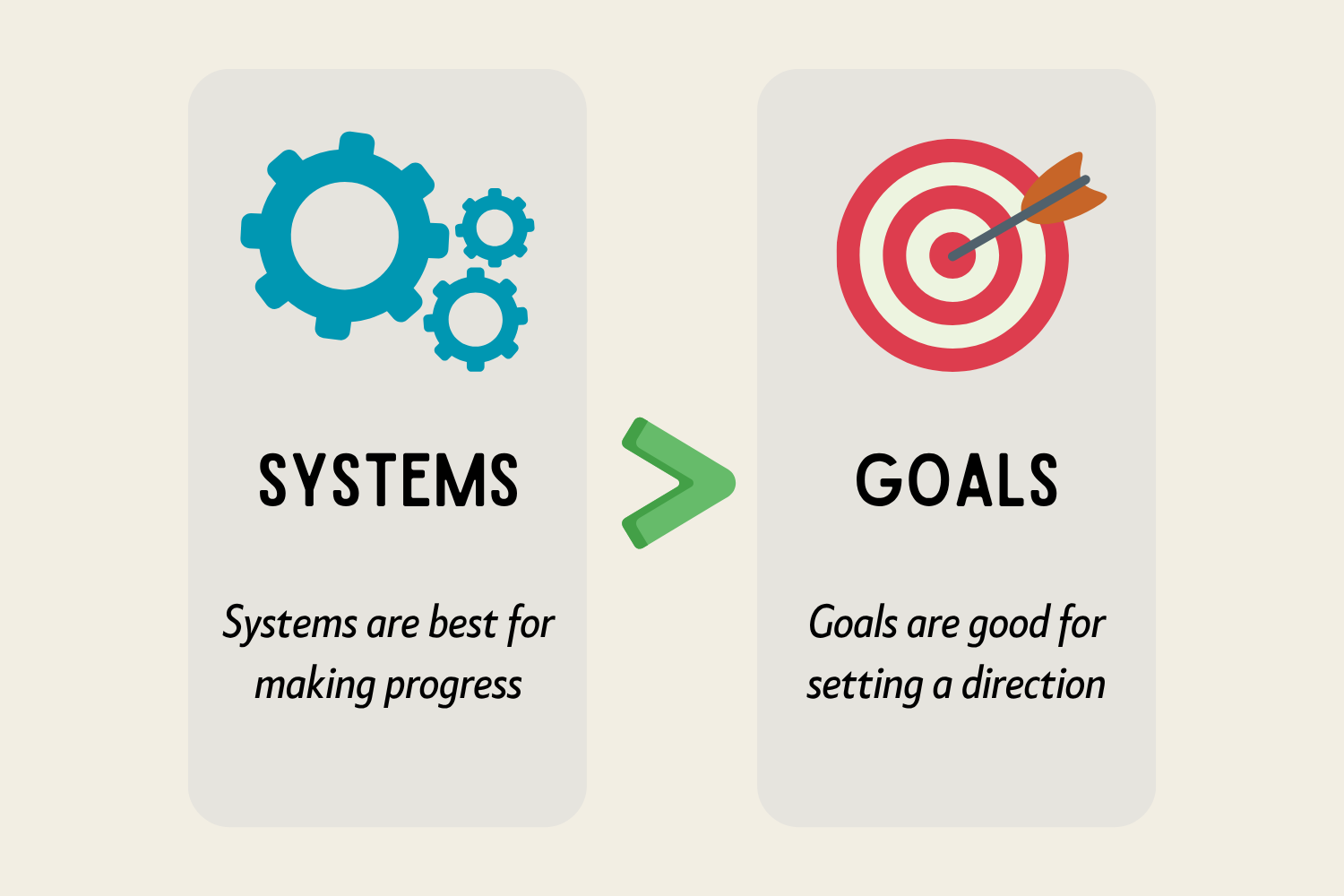
Systems > Goals
Results come from repeatable habits, not targets — turn every goal into a system of leading behaviors you design and track.

T-GROW
A five-stage coaching structure — Topic, Goal, Reality, Options, Way Forward — that names what's actually worth discussing before it moves you from where you are to where you want to be.

The 6 Human Needs
Every behavior at work is really an unmet need in disguise — six needs, popularized by Tony Robbins, worth checking first.

The AI Culture Stack
Same AI tools and budget, wildly different results — the gap isn't the technology, it's three layers underneath: permission, fluency, judgment.
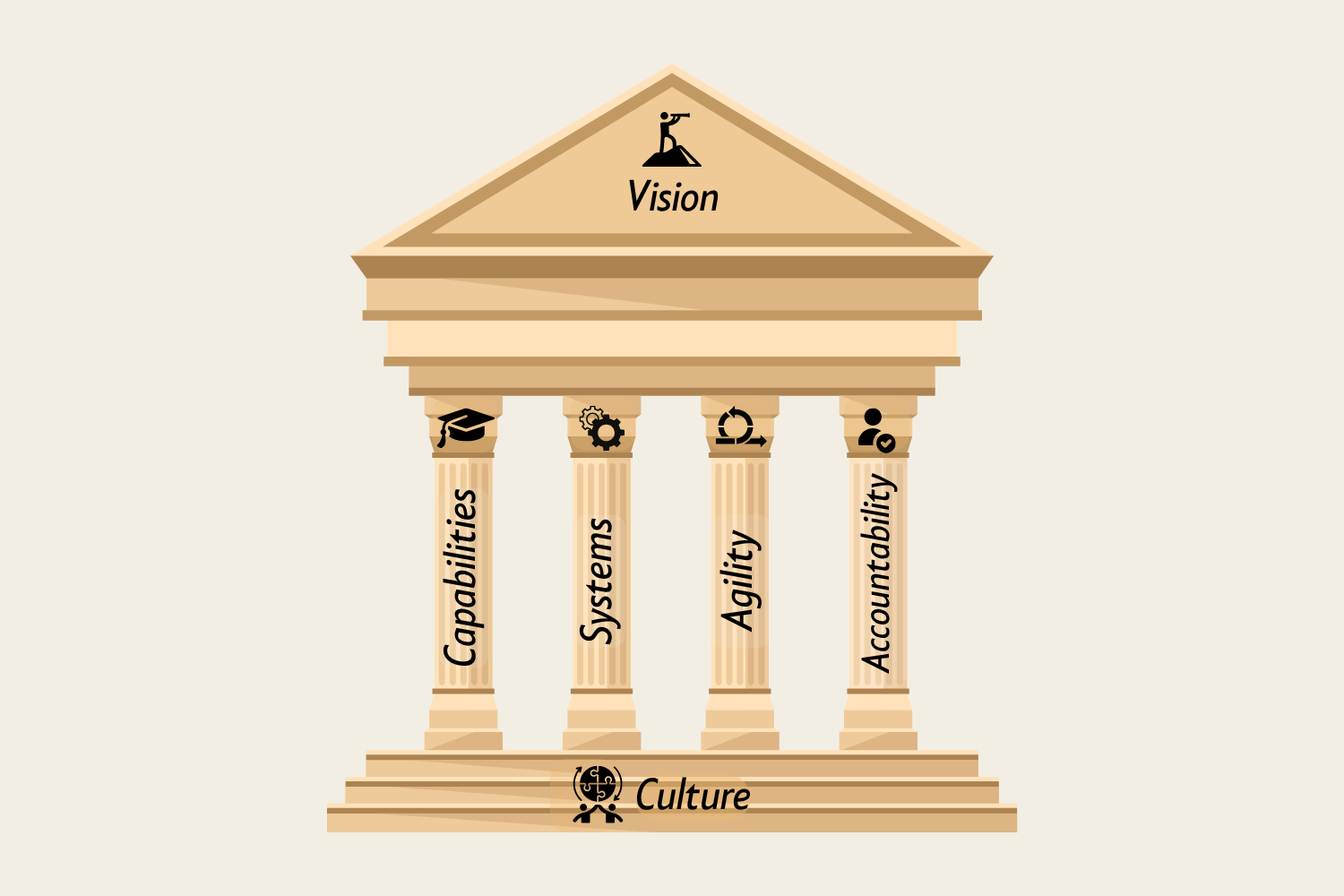
The Architecture of High-Performing Teams
Six elements, built like a temple — culture as the base, four pillars, vision as the roof — name the missing piece.

The Bannister Effect
One person breaking a barrier makes it stop being fixed for everyone else — break the unspoken belief in public first.

The Five Dysfunctions of a Team
Lencioni's pyramid of five team-killing behaviors — a lack of trust at the base drags everything above it down.
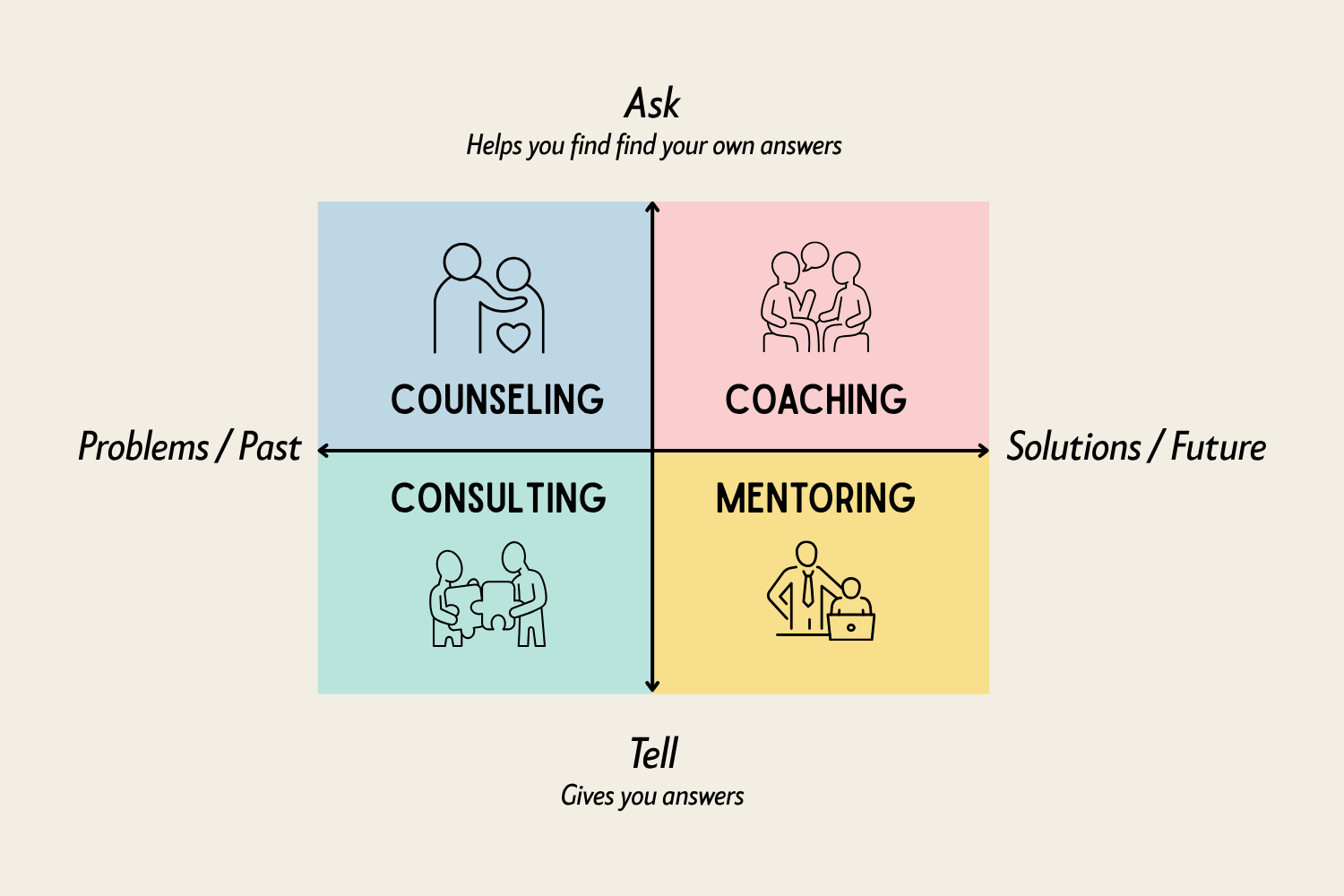
The Four Leadership Support Roles
A 2x2 separating four modes for helping someone — coaching, mentoring, counseling, consulting — plus a test for picking the right one.
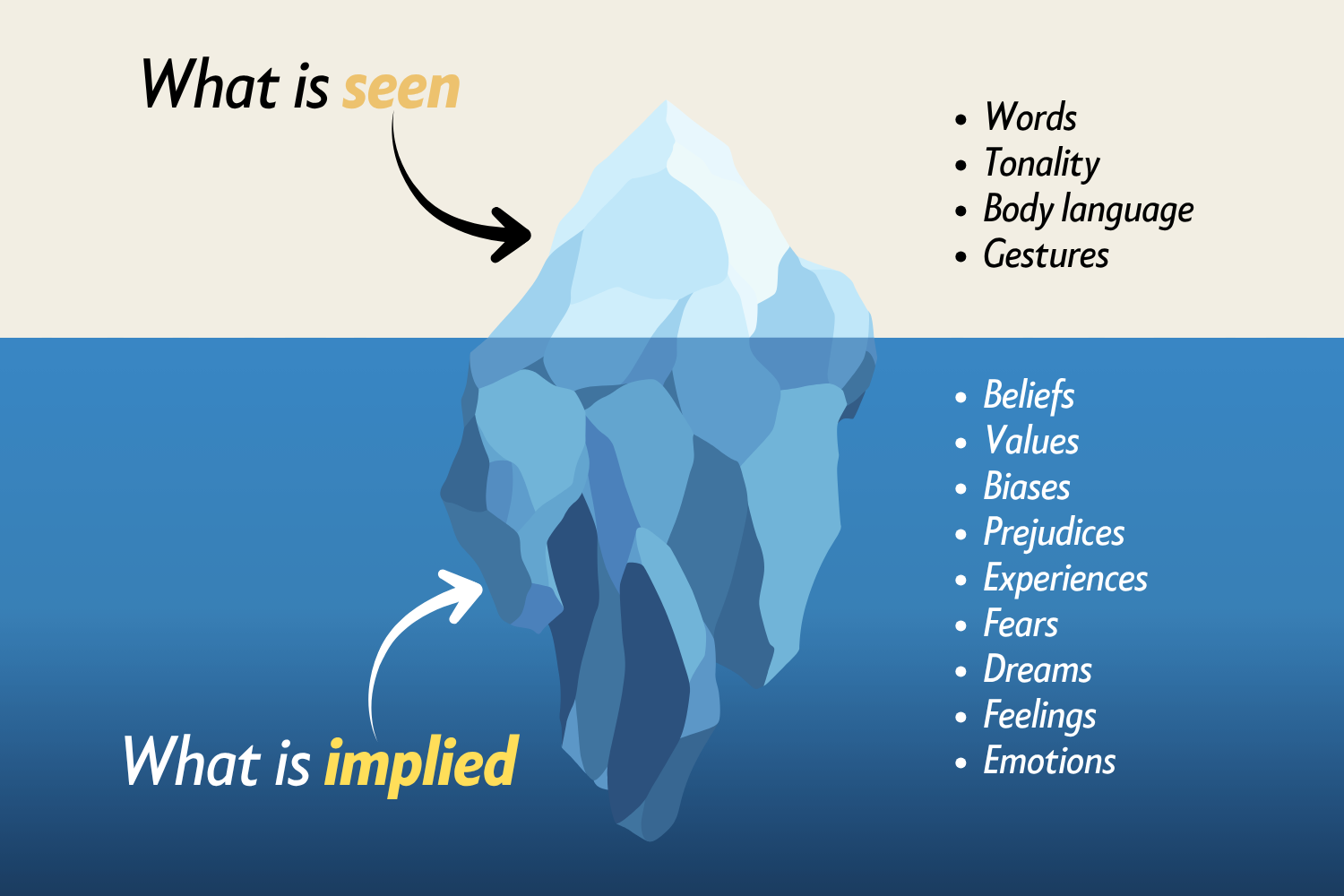
The Hemingway Iceberg Technique
A communication method from Hemingway's writing — say less, cut the padding, use specifics — letting what's unsaid carry the weight.
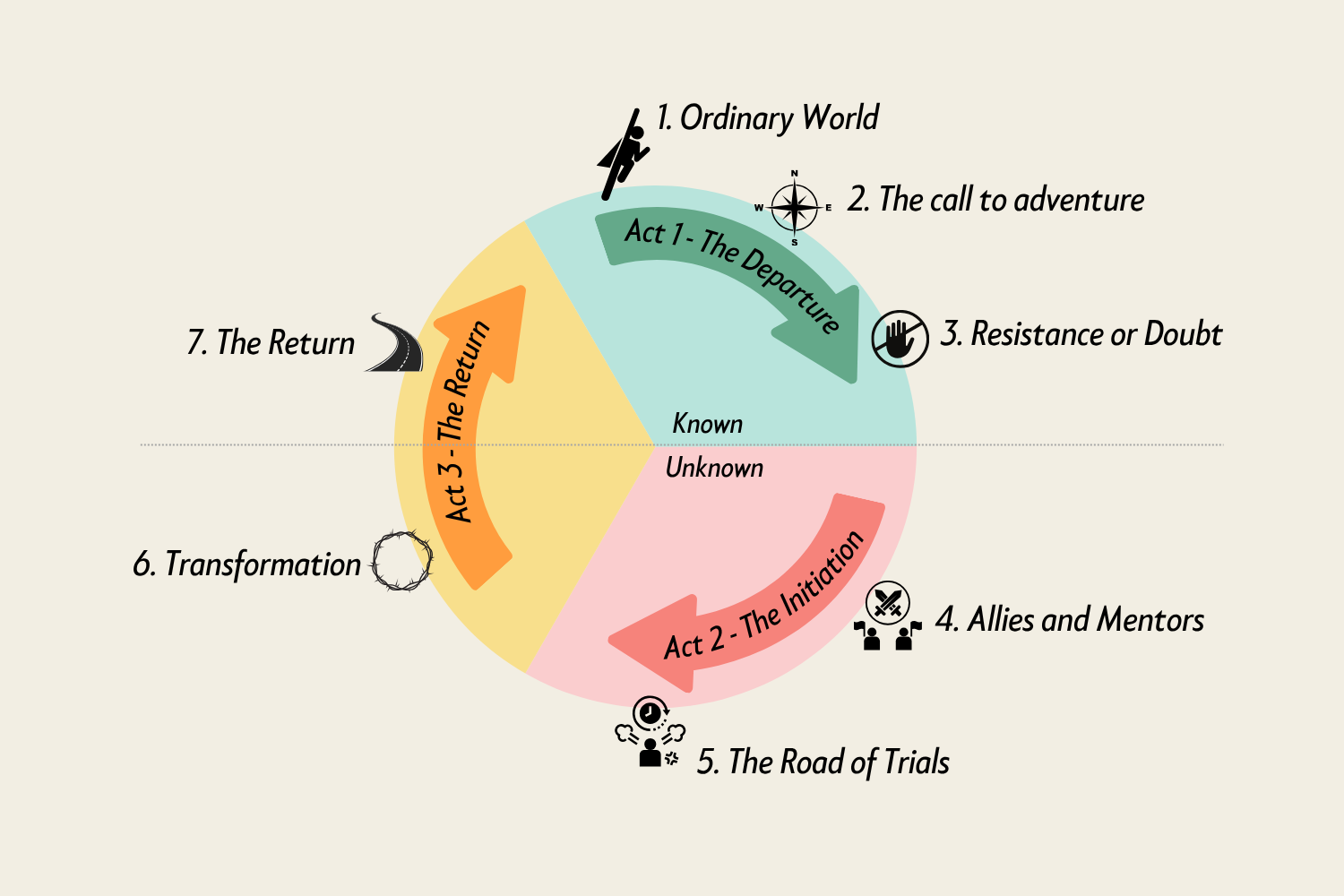
The Hero's Journey
Joseph Campbell's story arc — struggle, growth, return — turned into a structure for leadership storytelling people remember and act on.

The Influence Flywheel
A model for building influence without authority — five reinforcing spokes: Credibility, Connection, Clarity, Communication, Courage — building on each other.

The Inner Drive
A leadership take on Daniel Pink's *Drive* that turns three conditions for motivation — autonomy, mastery, purpose — into habits for 1:1s.

The Leadership Code
Leadership runs on three traits — head, gut, heart — each toxic alone: competence without character is arrogance, courage without it reckless.
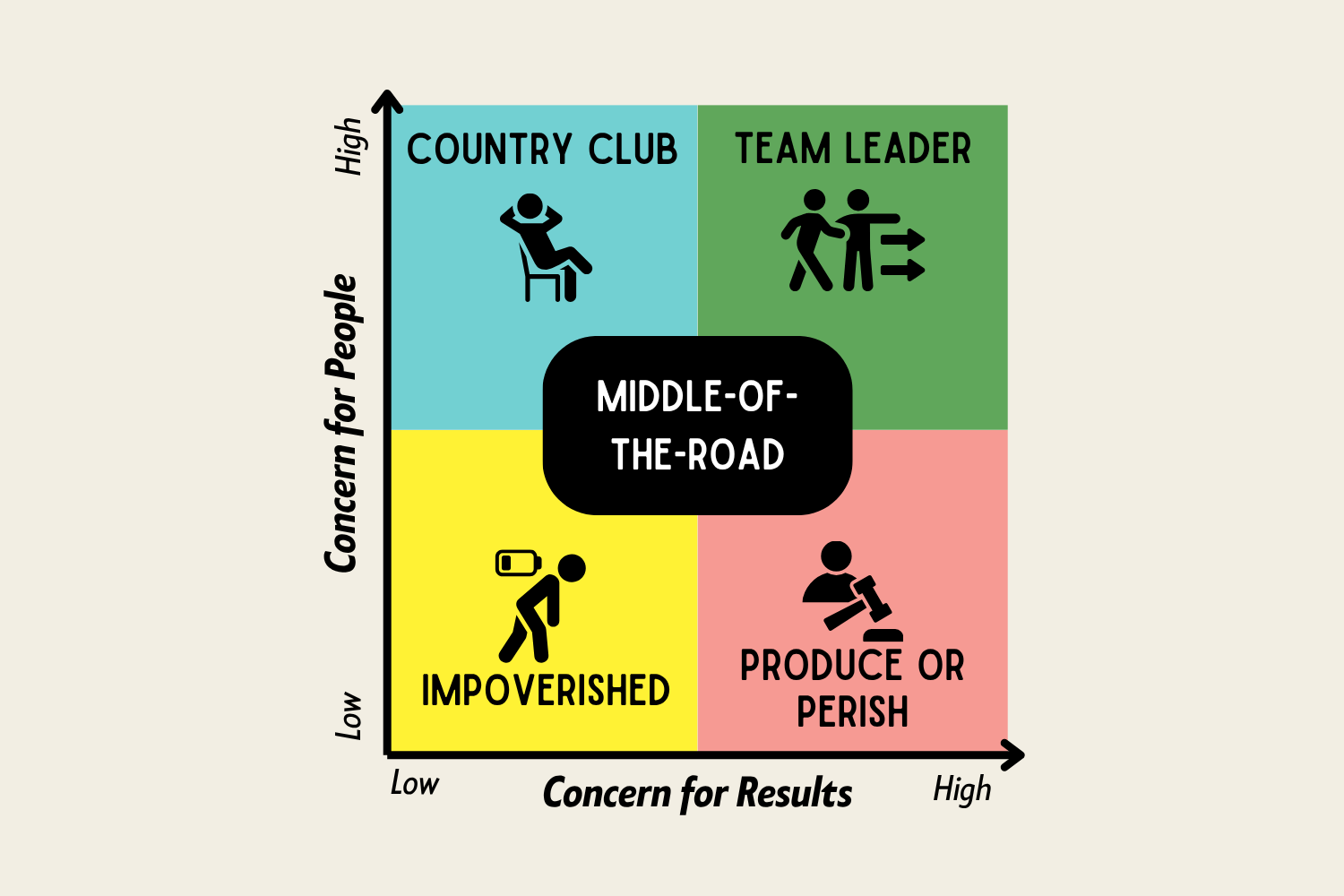
The Leadership Grid
Blake and Mouton mapped two axes — care for people, care for results — into five leadership styles you'll recognize instantly.
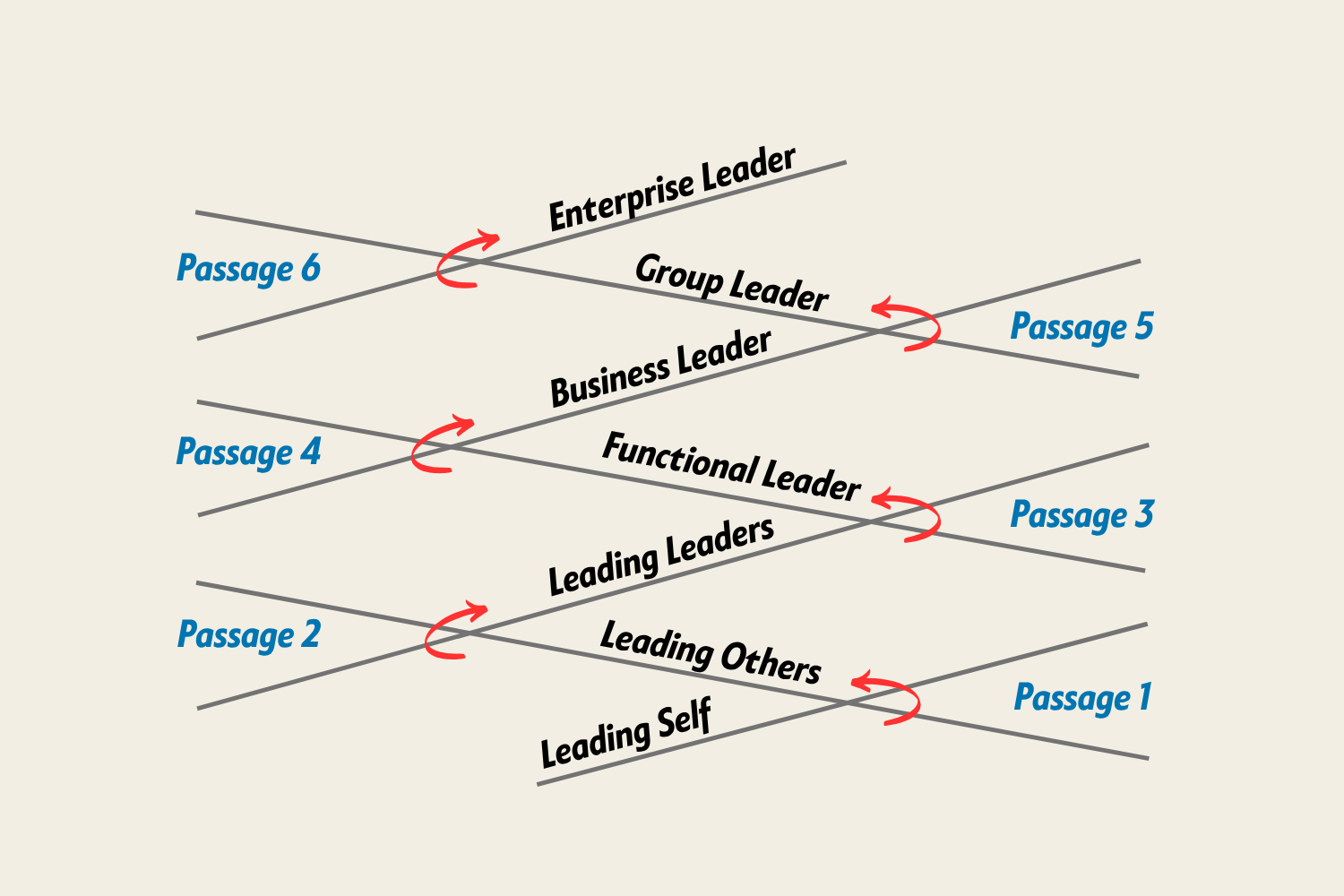
The Leadership Pipeline
Ram Charan mapped six passages into bigger leadership roles — at each one, old habits are exactly how you stall.
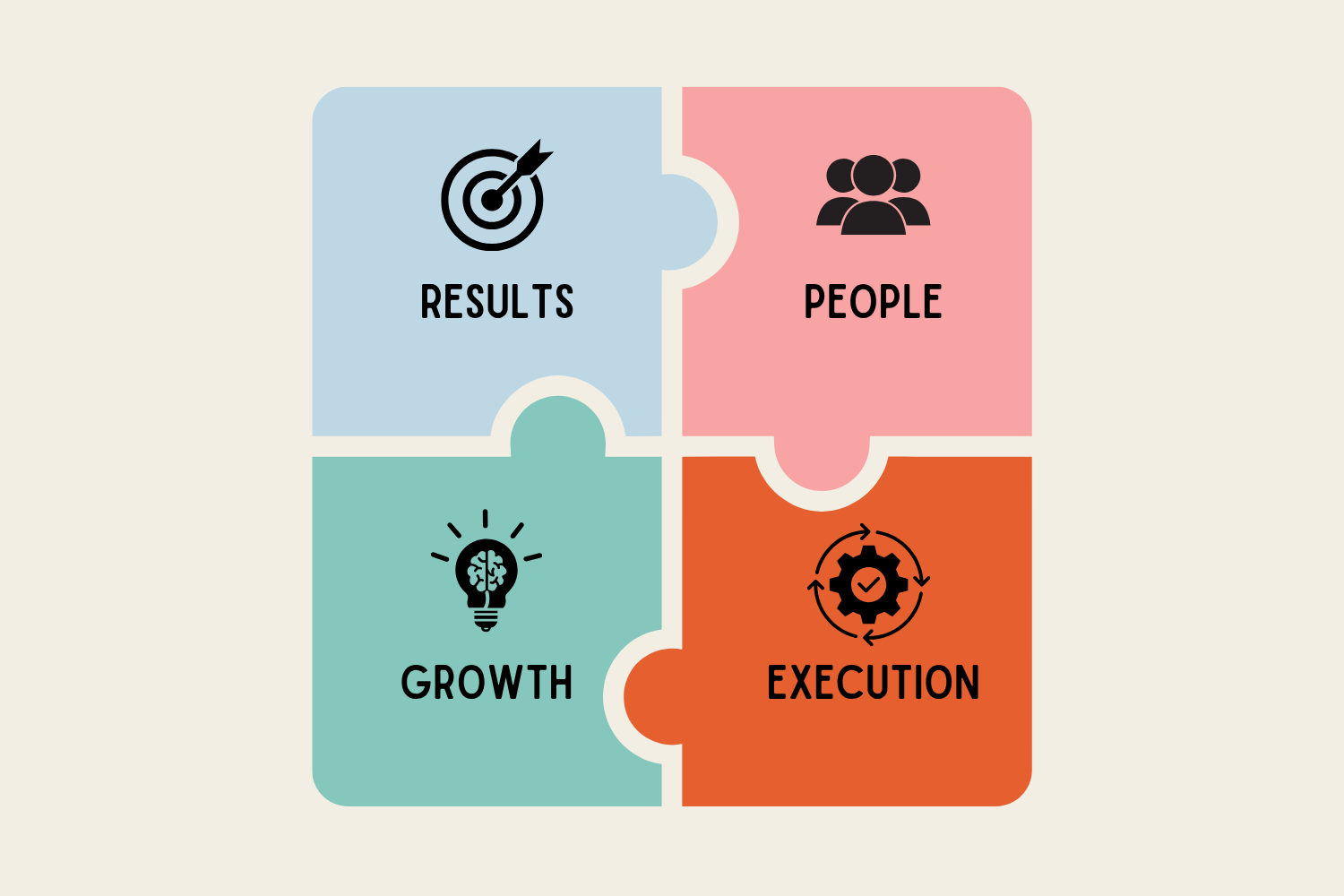
The Leadership Scorecard
A personal take on the Balanced Scorecard — Results, People, Execution, Growth — catching which one you're quietly neglecting.

The Pygmalion Effect
What you expect from someone leaks into how you treat them, which shapes what they become — for better or worse.
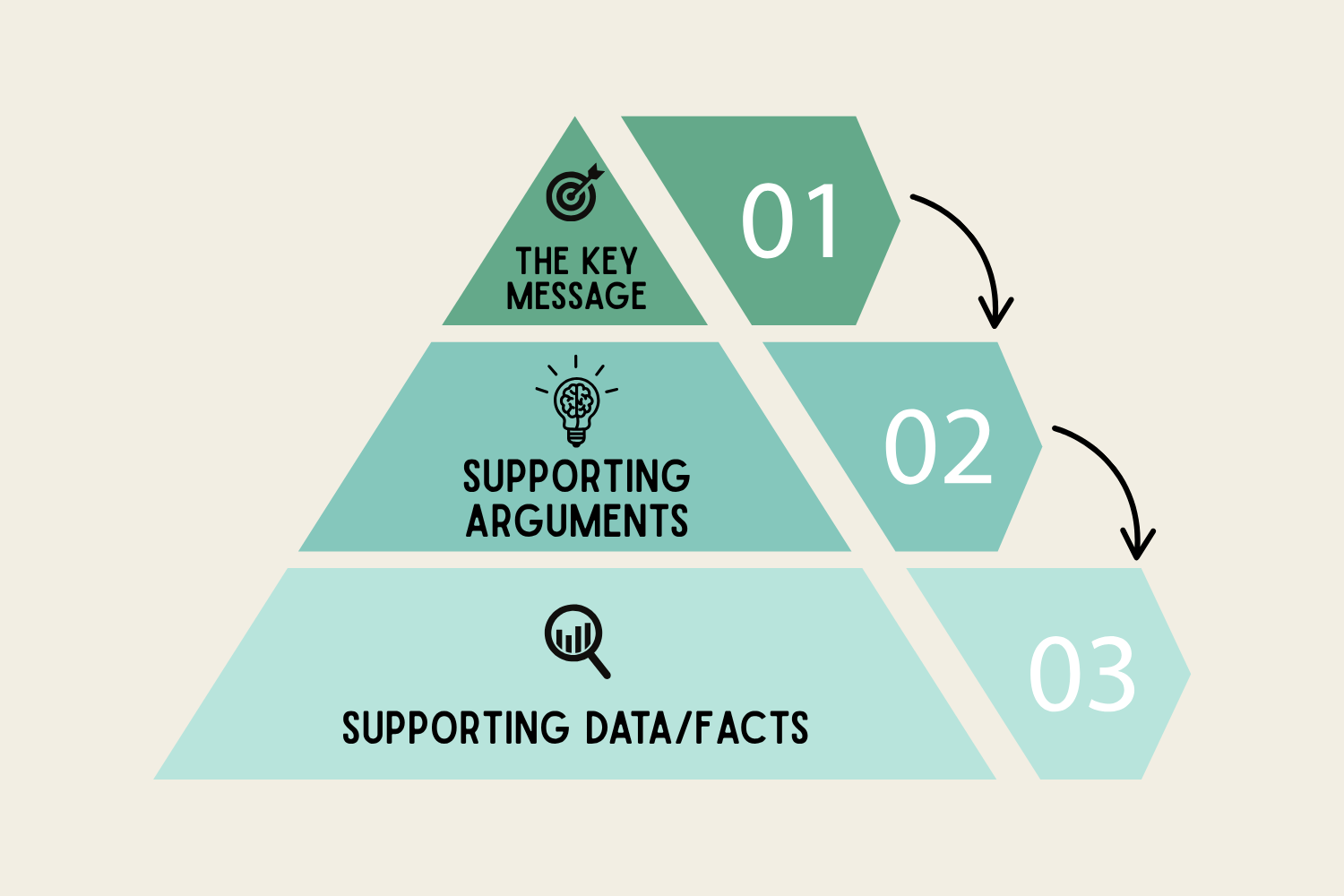
The Pyramid Principle
Barbara Minto's McKinsey-born rule: lead with your conclusion, back it with 2 to 4 grouped arguments, support each with evidence.
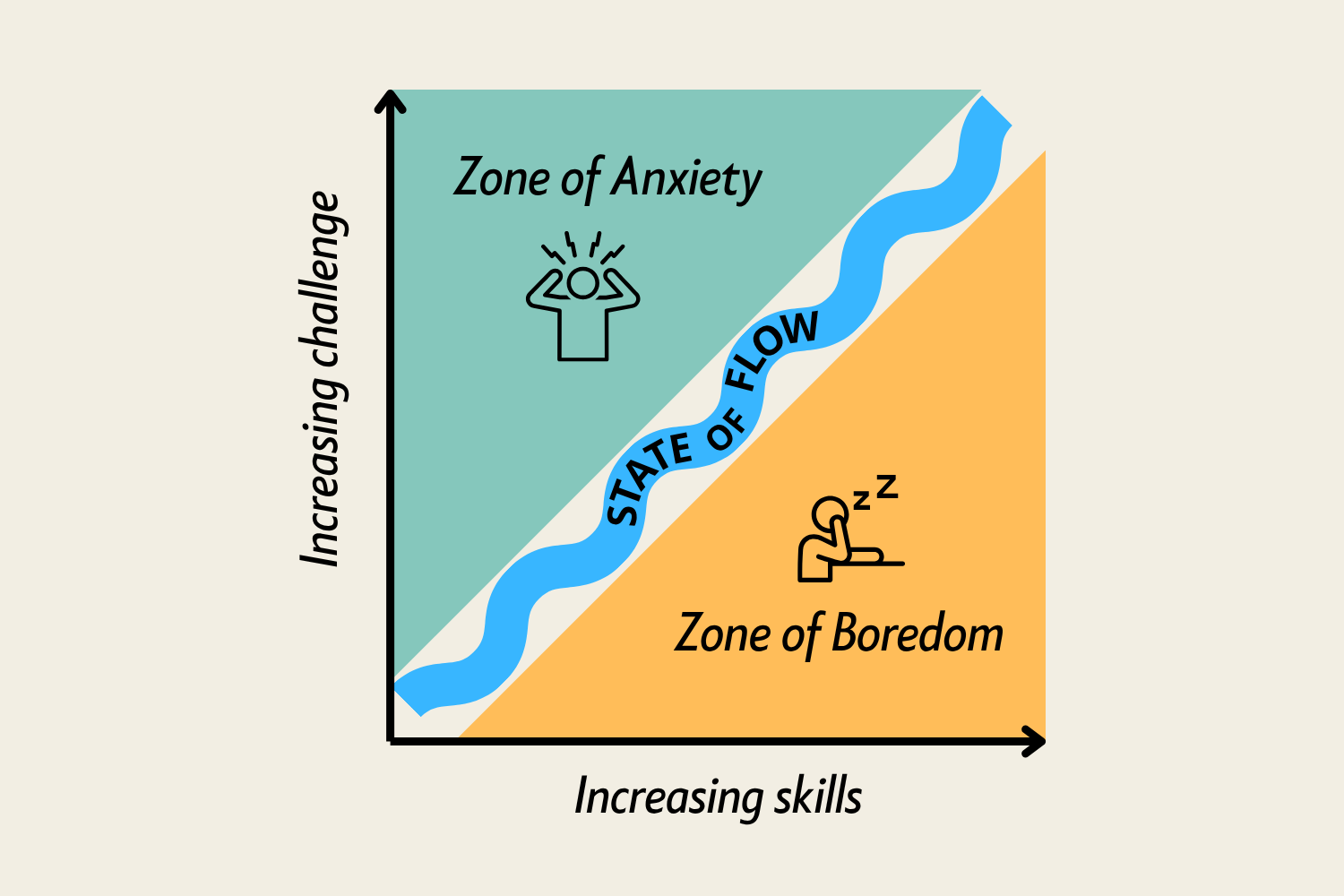
The State of Flow
The zone between anxiety and boredom, where challenge meets skill — your job is moving each person, with a different push.

The Thomas-Kilmann (TKI) Model
Five conflict styles, two dials — how hard you push, how much room you give — chosen on purpose, not by default.
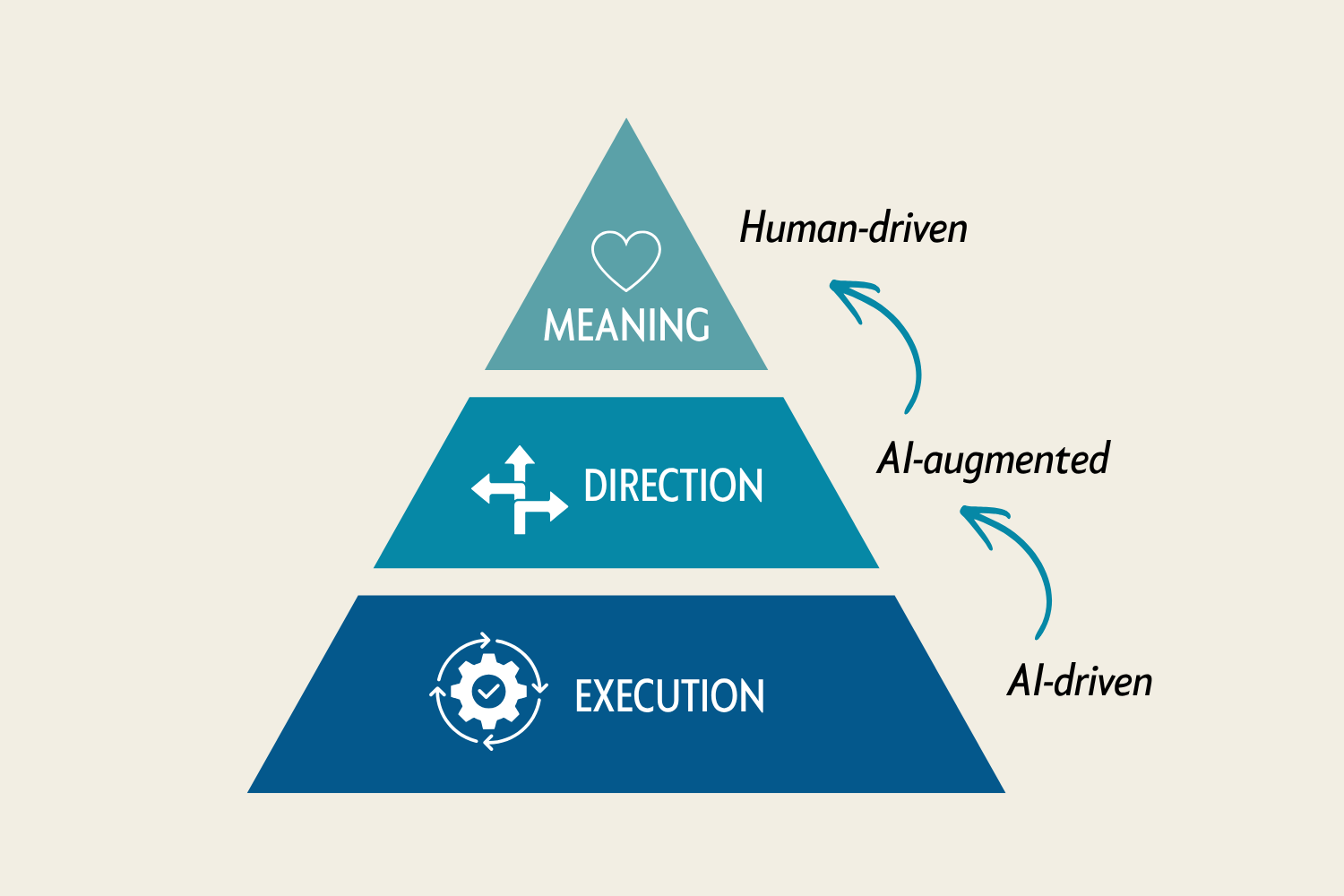
The Three Layers of Leadership
A pyramid — Execution, Direction, Meaning — where your value has to move up as AI automates execution.
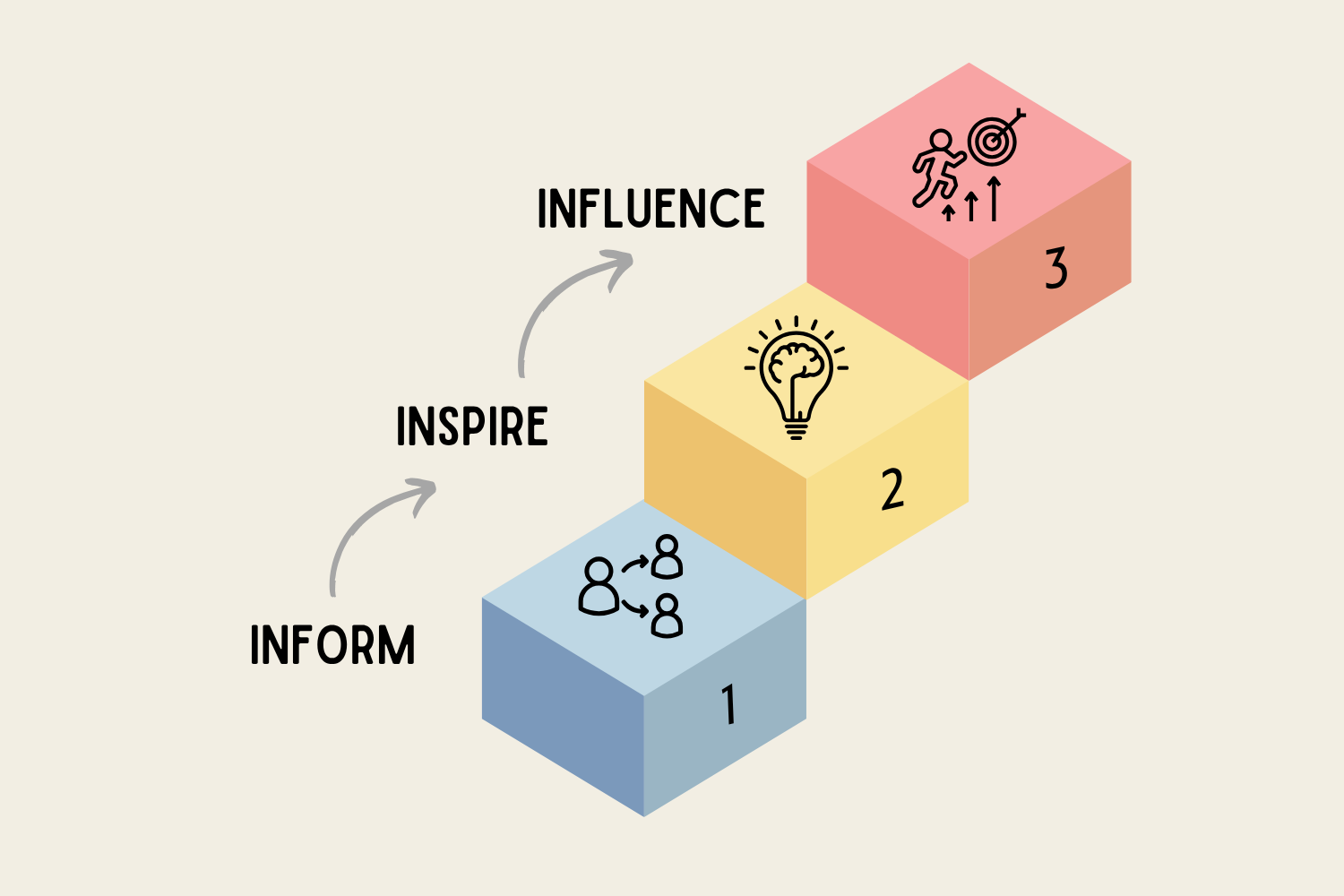
The Three Stages of Communication
Leadership communication runs in three stages — Inform (facts), Inspire (emotion), Influence (action) — the one you're stuck in reveals the problem.
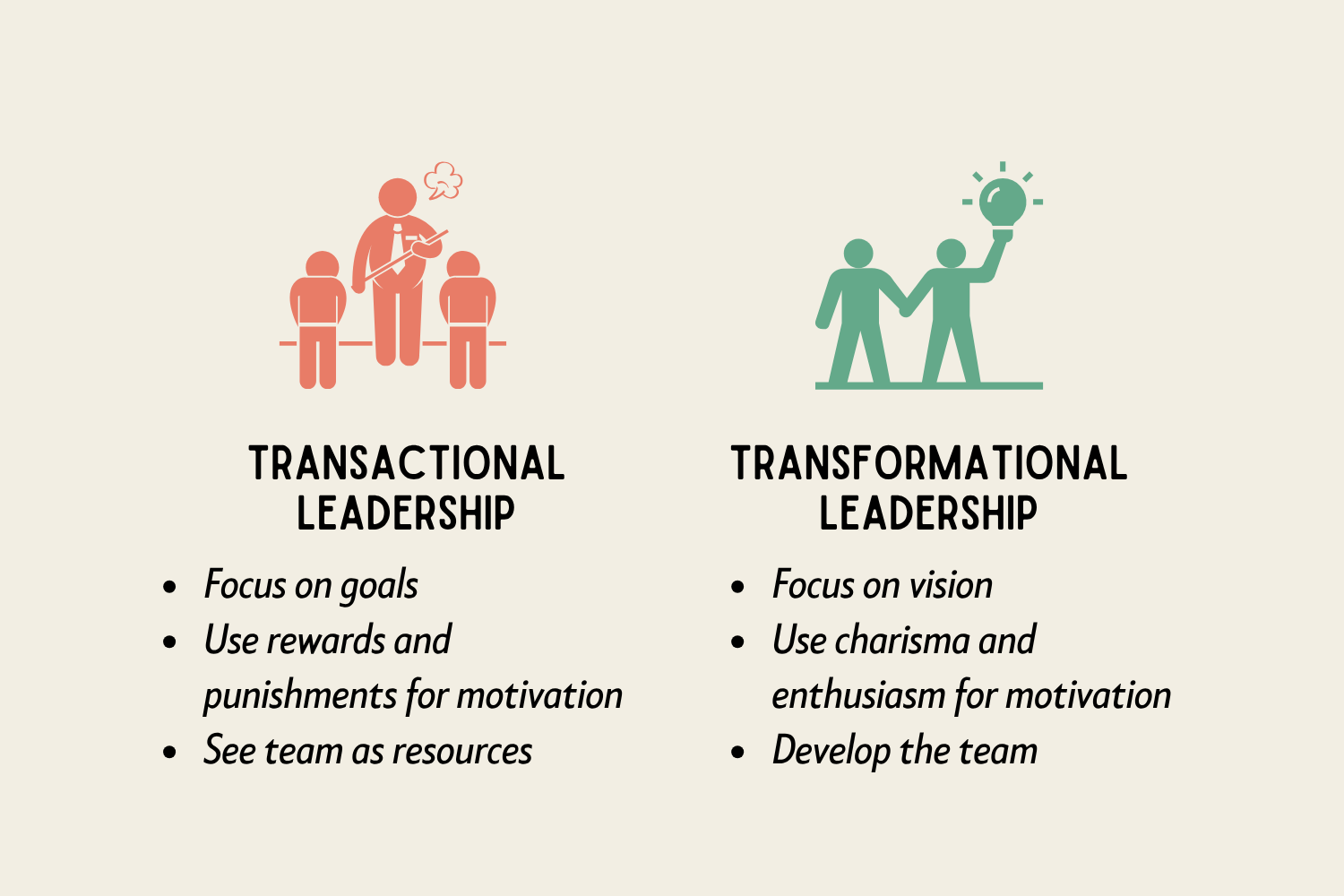
Transformational Leadership
Inspire people past self-interest and into a shared vision, raising what they aim for and what they're capable of.
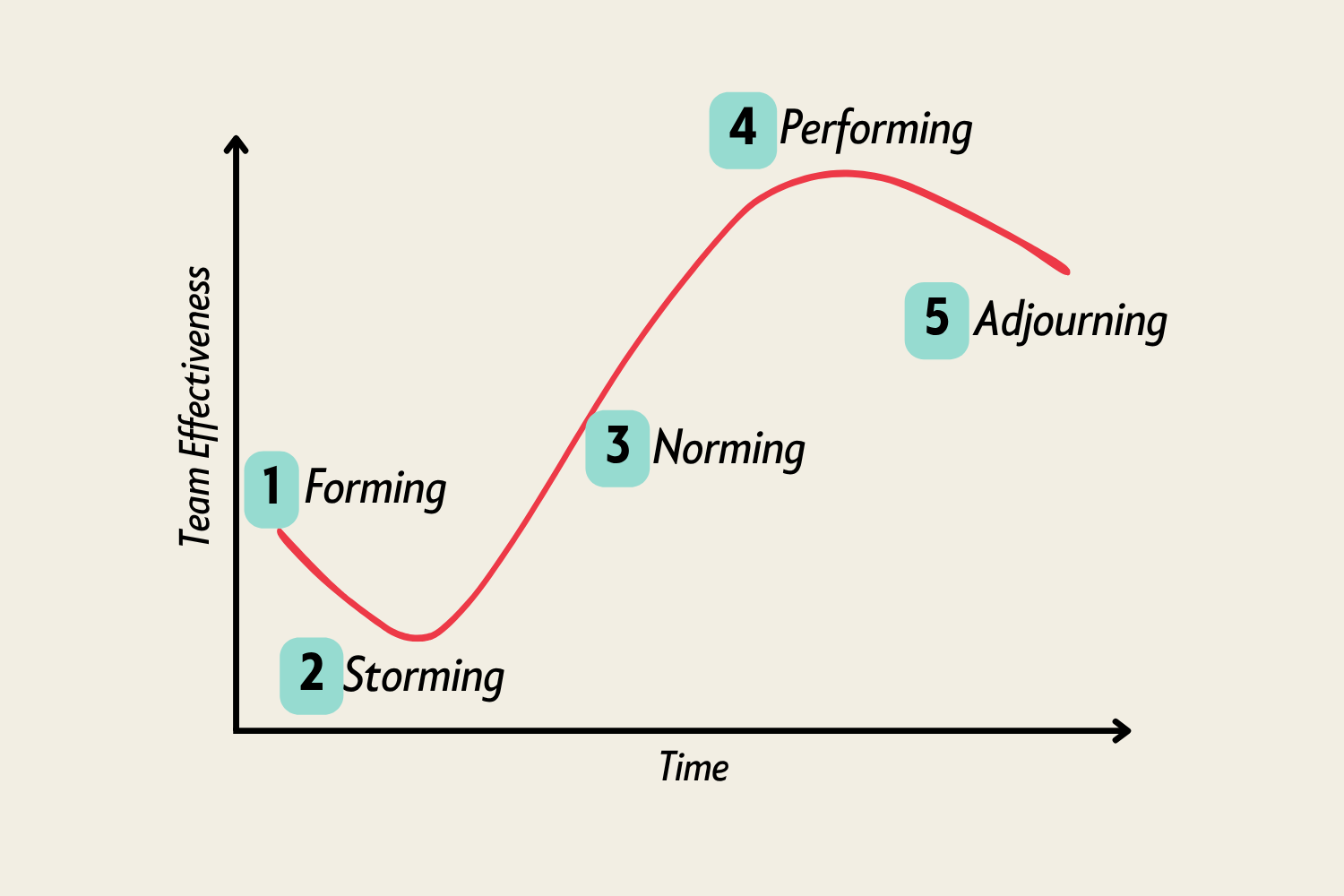
Tuckman's Stages of Team Development
Every team moves through five predictable stages — forming, storming, norming, performing, adjourning — each demanding a different move from you.