The 6 Human Needs
Every behavior at work is really an unmet need in disguise — six needs, popularized by Tony Robbins, worth checking first.
 Find this on the mind-map
Introduction
Tony Robbins popularised this idea, and its claim is simple to state and easy to underestimate: people aren't just reacting to the task in front of them. Usually without realizing it, they're trying to get, protect, or restore one of six core needs.
That reframe matters because it changes what you're looking at. A behaviour that looks like resistance, or ambition, or disengagement, is often just a need showing itself in the only language it has.
How It Works
| Need | What it is | How it shows up at work |
|---|---|---|
| Certainty | Stability, predictability, control | Wanting clarity, structure, process, low ambiguity |
| Variety | Novelty, change, challenge, stimulation | Hunger for fresh problems, experimentation, less routine |
| Significance | Feeling important, valued, respected, uniquely seen | Wanting ownership, recognition, influence, visible impact |
| Love and Connection | Trust, belonging, closeness | Wanting team bond, support, a sense of being cared for |
| Growth | Learning, improving, stretching | Hunger for challenge, development, feedback, progress |
| Contribution | Helping, serving, making a difference | Wanting purpose, impact, proof the work matters to others |
Two things make this usable instead of just a nice idea.
First, no need is good or bad by itself. What matters is how it gets met — by the person, or by the culture around them. A need for certainty can produce someone calm and reliable, or someone rigid and allergic to change. A need for significance can produce confident ownership, or defensiveness and performing for an audience. A need for connection can build trust and belonging, or curdle into toxic positivity. Context decides which way it goes.
Second, you use it as a three-step loop, not a personality test: Behaviour, Need, Response. Watch what's actually happening, ask yourself what need might be underneath it, then adjust how you lead. You don't need a psychology degree to run this loop — you just need to ask the question.
Why It Matters for Leaders
You work with smart, capable, well-intentioned people, and you'll still misread them constantly. One engineer needs total clarity before they'll act; another is frustrated by too much structure. One lead pushes hard for visibility; another is happiest doing meaningful work in the background. One manager resists every change; another gets bored the second things stop changing.
Faced with that, the easy move is to reach for a label — insecure, difficult, ambitious, disengaged. The labels aren't always wrong, but they're incomplete. They describe the surface. They don't touch the engine underneath.
Get it wrong and your response misses the target. Someone who pushes back on every change gets treated as negative, when really they're protecting a need for certainty — so pushing the change harder just makes it worse. A high performer who's gone restless gets read as ungrateful, when they're actually starving for growth — so reassurance does nothing for them.
You were trained to drive outcomes and manage performance, and that still matters. What this adds is that reading the real reason behind what people do makes those results even better, instead of working against them, because now what you do actually matches the problem.
Take two real patterns. A dependable senior engineer who still ships on time but has gone flat and quiet isn't burned out or bitter about a missed promotion — she's under-stretched. She's become the safe pair of hands, handed important work but not hard work, and the fix is giving her ownership of something harder and less defined. A respected senior engineer who slows down every planning meeting with reasonable-sounding questions probably isn't opposed to the change itself — they're reacting to a loss of predictability and control, and the fix is more clarity on what's staying the same, plus earlier involvement in shaping how the new process actually works.
What to do next
Test your knowledge of The 6 Human Needs
Practice The 6 Human Needs
Apply The 6 Human Needs to a real situation
Skills related to The 6 Human Needs

Frameworks related to The 6 Human Needs
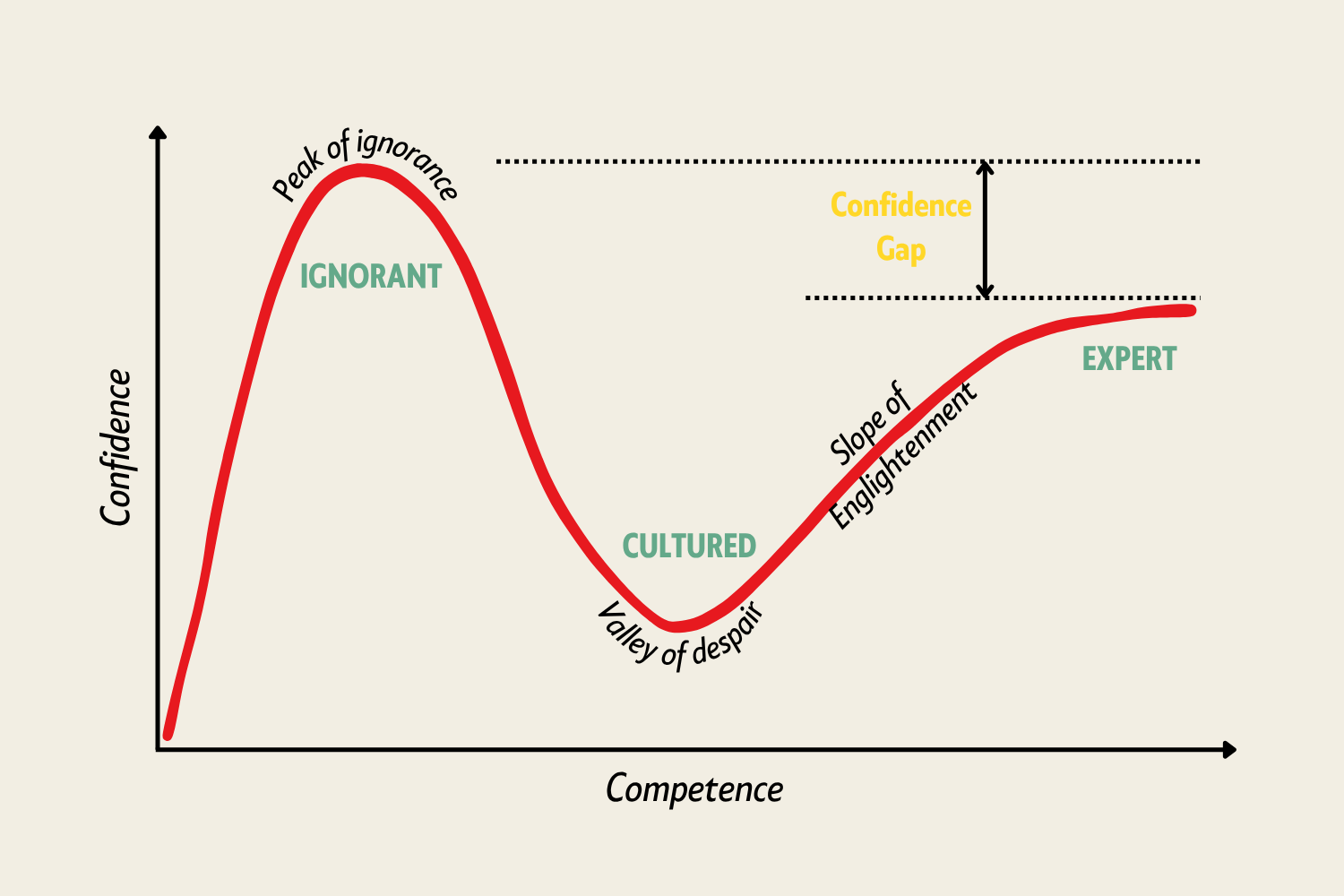
Dunning-Kruger Effect
Knowing little makes you feel unstoppable; knowing more makes you hesitate — the loudest voice is rarely the most reliable one.
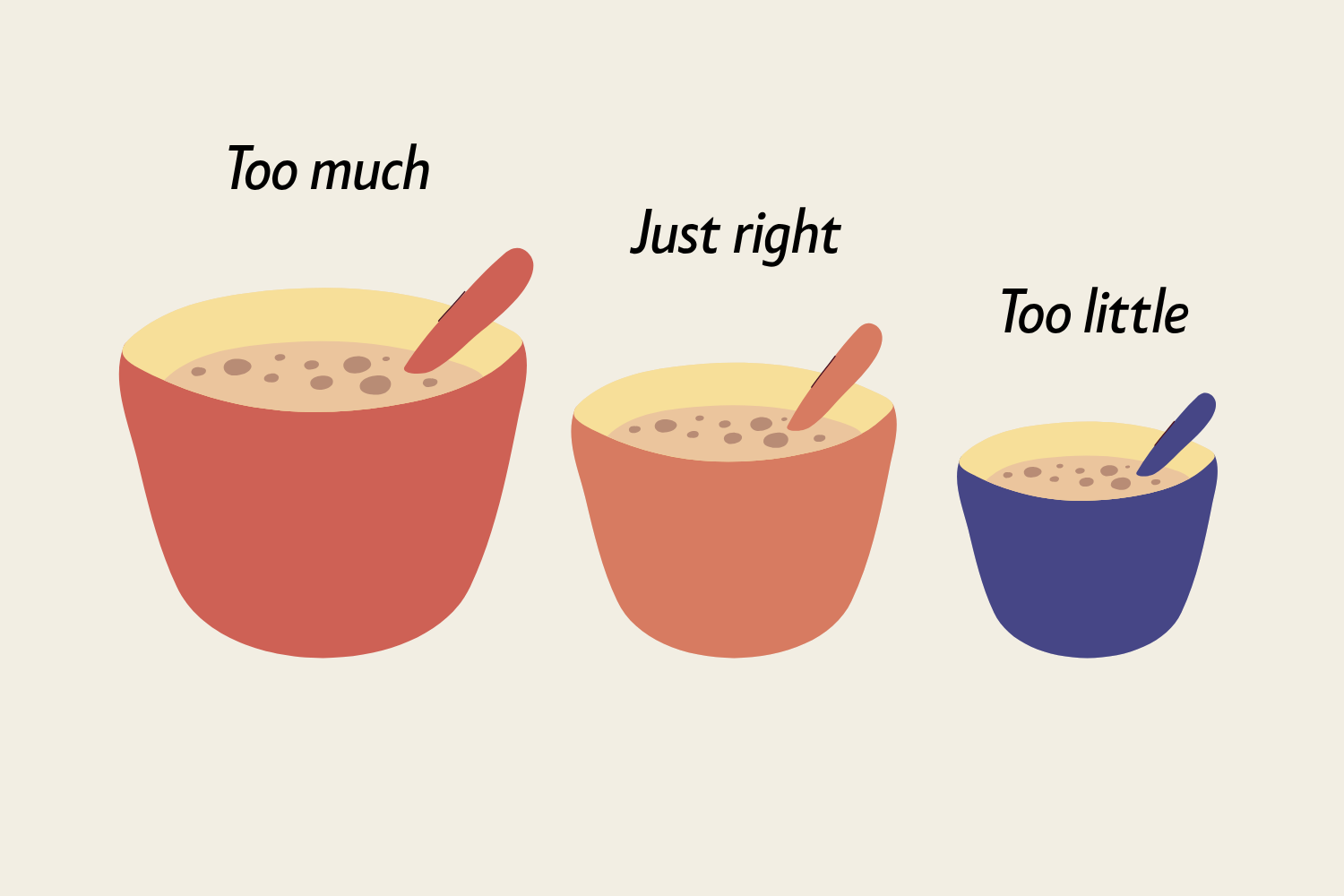
Goldilocks Principle
Support runs on a dial between micromanagement and abdication — enough direction for clarity, enough space for ownership, always moving.

Hawthorne Effect
People change how they behave when they know they're watched — your attention is an intervention that changes what you see.
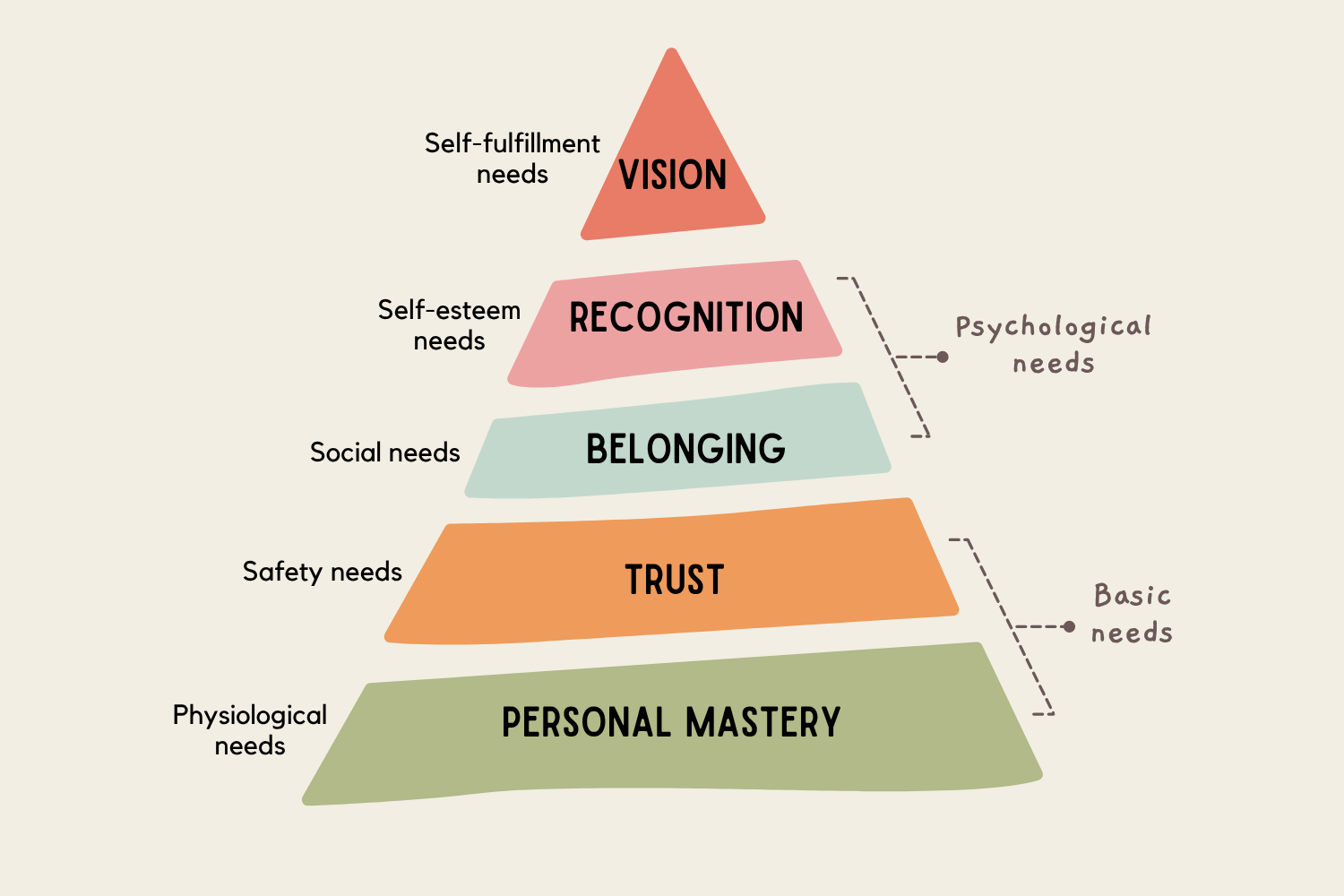
Maslow's Hierarchy of Needs
Abraham Maslow's five-level model of motivation, applied to leadership as a stack — mastery, trust, belonging, up through recognition and vision.
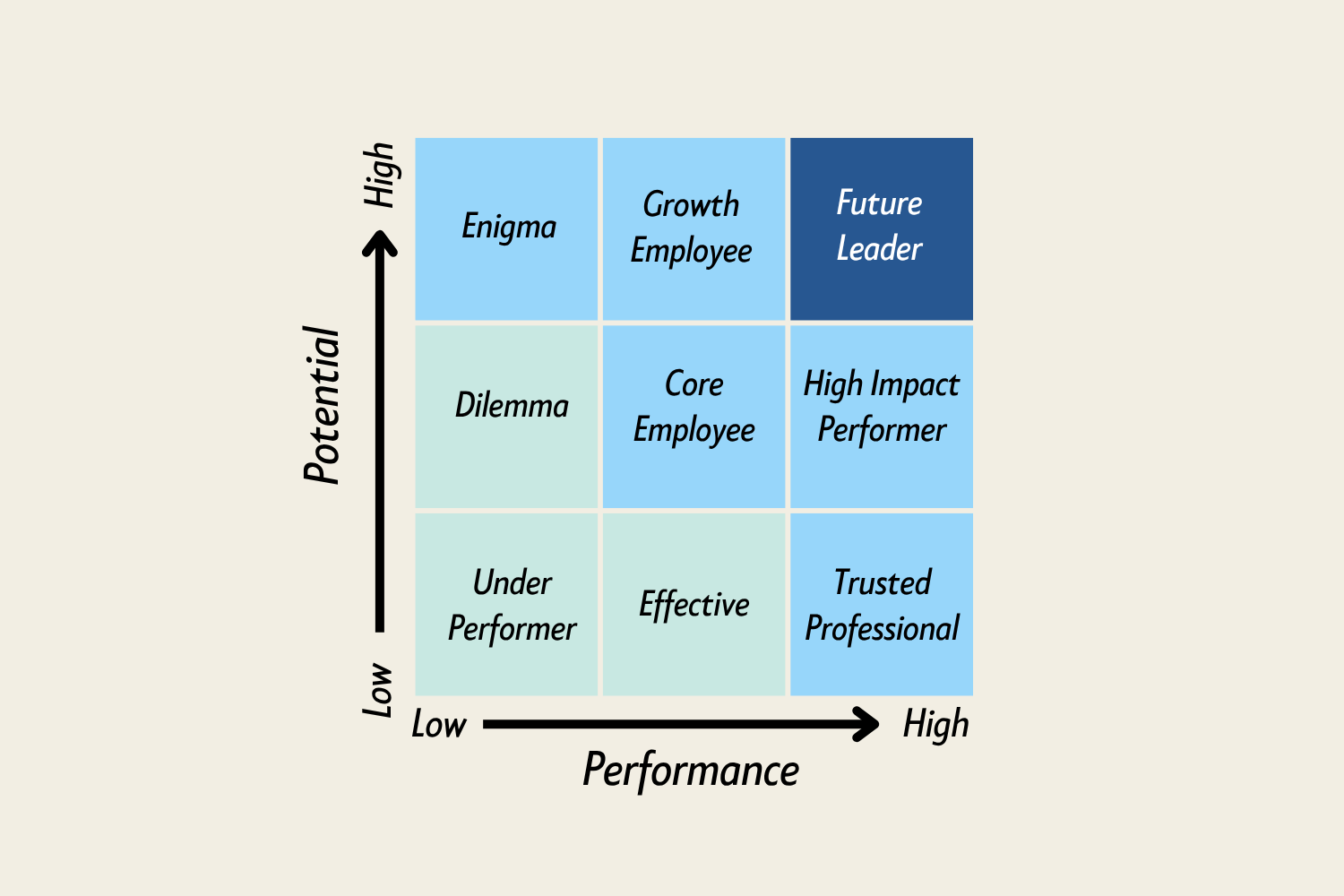
McKinsey 9-Box Model
A 3x3 grid that plots each person on performance against potential, giving nine distinct calls instead of one blurry verdict.

Multipliers and Diminishers
Liz Wiseman's split between leaders who bring out best thinking in people around them, and those who shut it down.
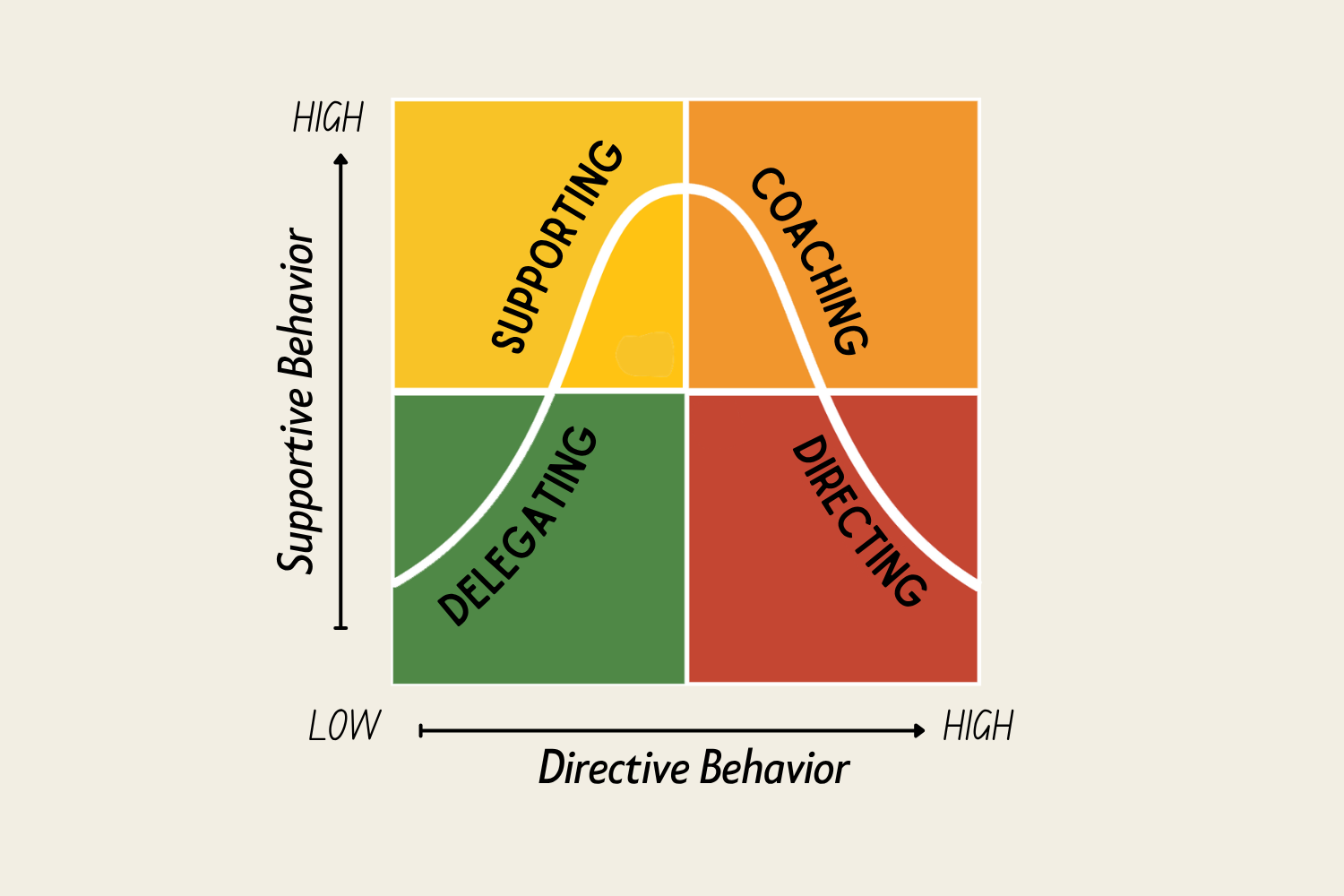
Situational Leadership
There's no right way to lead — only the right way for this person right now: direct, coach, support, or delegate.
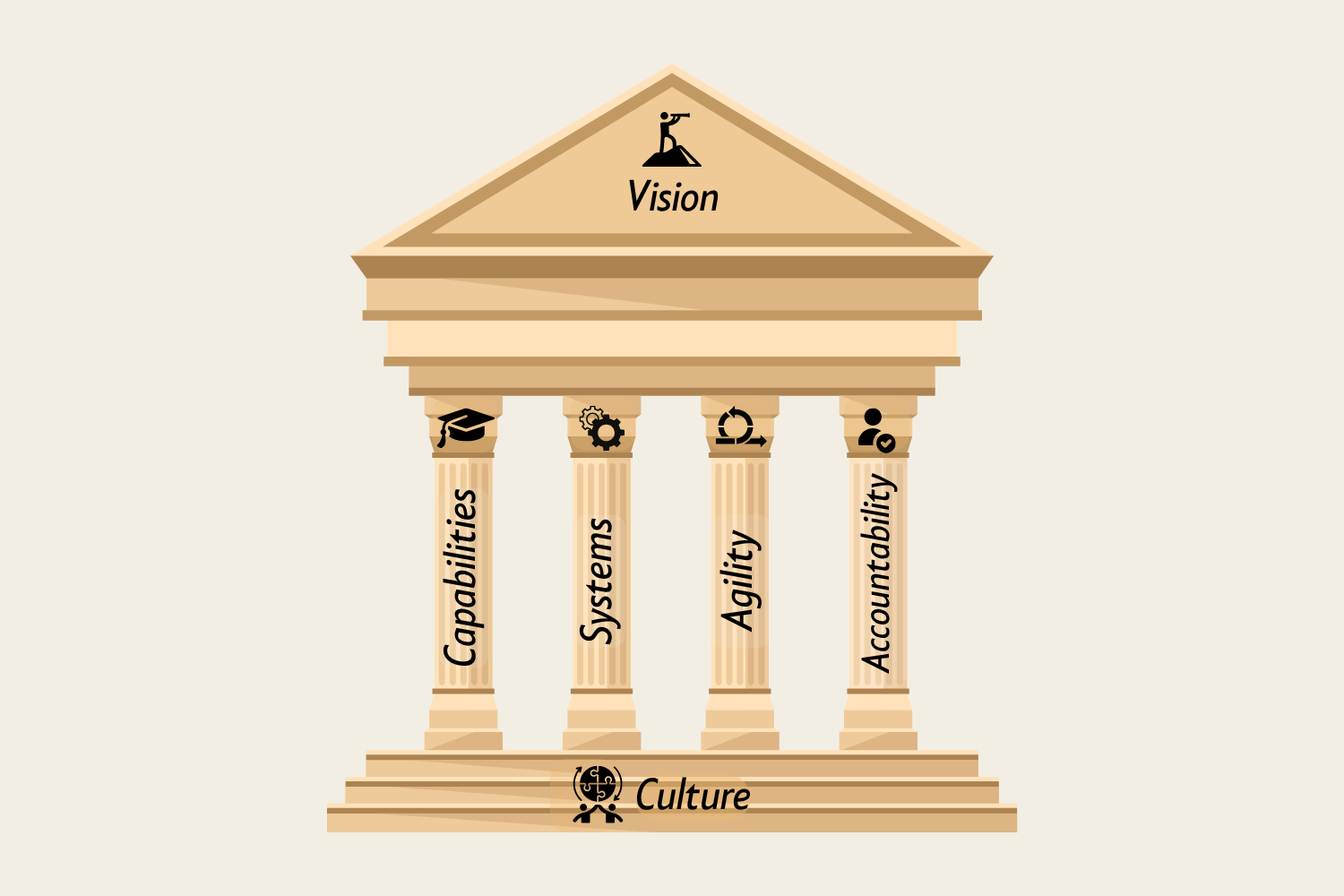
The Architecture of High-Performing Teams
Six elements, built like a temple — culture as the base, four pillars, vision as the roof — name the missing piece.

The Bannister Effect
One person breaking a barrier makes it stop being fixed for everyone else — break the unspoken belief in public first.

The Five Dysfunctions of a Team
Lencioni's pyramid of five team-killing behaviors — a lack of trust at the base drags everything above it down.

The Inner Drive
A leadership take on Daniel Pink's *Drive* that turns three conditions for motivation — autonomy, mastery, purpose — into habits for 1:1s.

The Pygmalion Effect
What you expect from someone leaks into how you treat them, which shapes what they become — for better or worse.

The Thomas-Kilmann (TKI) Model
Five conflict styles, two dials — how hard you push, how much room you give — chosen on purpose, not by default.
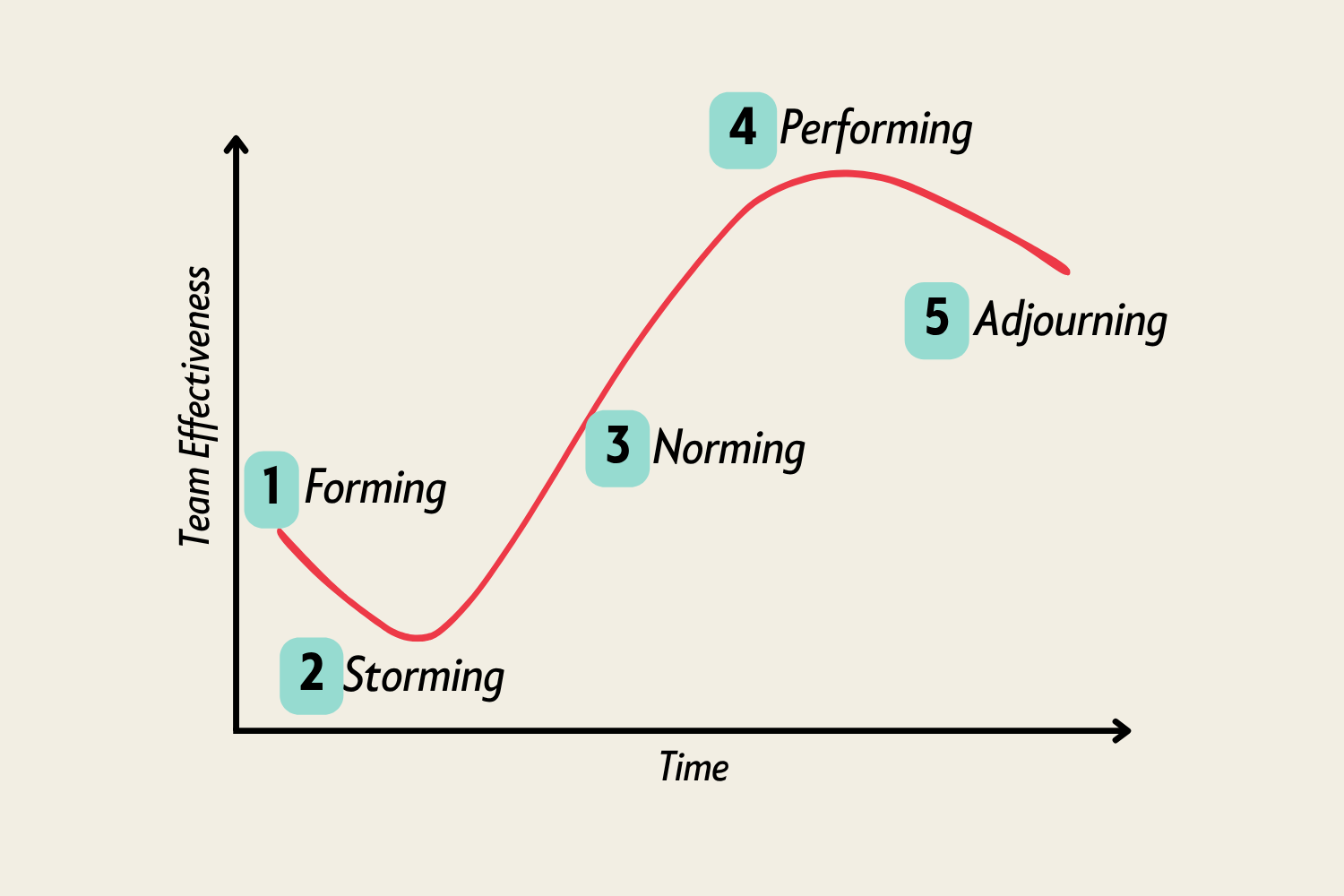
Tuckman's Stages of Team Development
Every team moves through five predictable stages — forming, storming, norming, performing, adjourning — each demanding a different move from you.
Books related to The 6 Human Needs

Coaching for Performance
Sir John Whitmore's foundational case for coaching-style management over command-and-control, built on a single idea: performance is limited less by skill than by interference, and a manager's job is to remove the interference, not supply the answer.

Elevate
Robert Glazer's case, from his book "Elevate: Push Beyond Your Limits and Unlock Success in Yourself and Others," that performance isn't a willpower problem. It's a capacity problem across four specific domains, built like a muscle, not willed into existence overnight.

First, Break All The Rules
A large-scale look at what the best managers actually do differently, and the uncomfortable finding that most of it runs against conventional management wisdom, starting with the idea that you shouldn't try to fix people's weaknesses.

Multipliers
Liz Wiseman's case that the biggest lever on a team's output isn't headcount or talent density, it's whether the leader in the room makes people smarter or slowly makes them smaller.

Team Topologies
Skelton and Pais's case that most team structures are drawn to fit an org chart, not the actual flow of work, and a small set of team shapes and interaction rules for fixing that, built around a resource every leader habitually overspends: people's cognitive load.

The Coaching Habit
Michael Bungay Stanier's pitch that most managers have an "advice monster" problem, and a short list of deceptively simple questions designed to starve it, a little at a time, in conversations that already happen every day.

The First-Time Manager
The unglamorous, practical handbook for the specific week your job title changed and nothing else came with instructions. Less a framework, more a set of answers to the questions new managers are usually too embarrassed to ask out loud.

The Five Dysfunctions of a Team
Patrick Lencioni's pyramid of the five behaviors that sink teams without much notice, stacked so that each one is actually caused by the dysfunction beneath it, which means fixing results or accountability first almost never works.

The Making of a Manager
Julie Zhuo's field notes from becoming a manager in her twenties with no idea what the job actually was. A clear-eyed answer to the question most new managers are too embarrassed to ask out loud: what am I actually supposed to be doing all day?

The Manager's Path
Camille Fournier's map of the actual career ladder from doing the work to leading an organization of leaders, written for engineering managers, but mostly a clear-eyed account of how the job itself changes at every rung, which almost nobody explains to you before you climb it.

Turn the Ship Around!
A submarine captain's account of giving up the one thing every leader is taught to protect, being the person who gives the orders, and turning the worst-performing submarine in the fleet into one of the best by making every sailor think like a captain instead.