The Four Temperaments
An ancient personality model — Sanguine, Choleric, Melancholic, Phlegmatic — a fast vocabulary for reading your style, your team, and your boss.
 Find this on the mind-map
Introduction
This one goes back to Hippocrates in ancient Greece, around 400 BCE. He believed behavior was driven by four bodily fluids — blood, phlegm, yellow bile, and black bile — and that an imbalance among them produced four personality types: sanguine, phlegmatic, choleric, and melancholic. The science behind it turned out to be completely wrong. But the idea stuck around anyway, and it's still a practical shorthand for personality differences at work today.
How It Works
| Temperament | Strengths | Risk | What they need |
|---|---|---|---|
| Sanguine, the Social Butterfly | High energy, expressive, optimistic. Rallies teams, networks well, leads lively brainstorming. Natural charisma. | Jumps between ideas, weak follow-through, struggles when structure is required. | Structure, a clear execution plan, and a detail-oriented partner. |
| Choleric, the Determined Achiever | Results-driven, decisive, competitive. Thrives on challenge, drives rapid progress and clear goals. | Comes across blunt and impatient. People who need support feel overwhelmed or undervalued. | Active listening, empathy, and visible acknowledgement of effort. |
| Melancholic, the Thoughtful Strategist | Analytical, detail-oriented, strategic. Sets a high quality bar and catches risks others miss. | Overanalyzes, chases perfection, slows decisions and misses passing opportunities. | Realistic deadlines and permission to accept that done beats perfect. |
| Phlegmatic, the Steady Diplomat | Calm, patient, reliable. Mediates conflict and holds team harmony under pressure. | Avoids necessary confrontation, which can create a culture where nobody names the real problem. | Assertiveness practice: raise issues early, with kindness and firmness. |
Most people are a blend, with one dominant temperament and often a clear secondary one. No temperament beats another, and each one's weakness is really just the flip side of its strength. You can use this in three directions at once: reading your own temperament, reading your team's, and reading your boss and stakeholders.
Why It Matters for Leaders
Most leadership friction isn't a competence problem. It's two people with different wiring, reading each other's behavior through their own defaults. Put a high-energy product manager who thinks out loud on the same team as a quiet, detail-focused developer who needs time to process, and they'll both end up frustrated: one feels overworked and unappreciated, the other feels overwhelmed and checks out. Neither one is doing anything wrong.
Each temperament also comes with its own likely way of going wrong. A Sanguine startup CEO attracts investors and energizes every town hall, then leaves a trail of half-finished projects because the structure never showed up. A Choleric sales director drives impressive numbers and burns out the people producing them. A Melancholic engineering manager raises product quality and slows releases until customers lose patience. A Phlegmatic project manager keeps the room calm and lets an underperformance issue sit until resentment sets in underneath it.
The most common mistake you can make is applying your own temperament's preferences to everyone around you. A Choleric leader gives blunt feedback to a Melancholic who actually needed context, or hands a Phlegmatic a fast decision with no time to think — then reads the hesitation as a performance issue.
Managing up is where this framework pays off fastest. Your boss's temperament tells you exactly how to package the same message: concise and action-focused for a Choleric, backed by analysis and data for a Melancholic, energetic and positive for a Sanguine, patient and trust-building for a Phlegmatic. Pair this with Situational Leadership to adjust how much support you're giving as well as your style, and with EQ Framework to double-check your read before you act on it.
Used well, temperament differences become a design tool rather than a source of friction. A Choleric who drives execution and a Melancholic who catches risk cover each other's gaps in a way two Cholerics on the same team never will.
What to do next
Test your knowledge of The Four Temperaments
Practice The Four Temperaments
Apply The Four Temperaments to a real situation
Skills related to The Four Temperaments

Frameworks related to The Four Temperaments
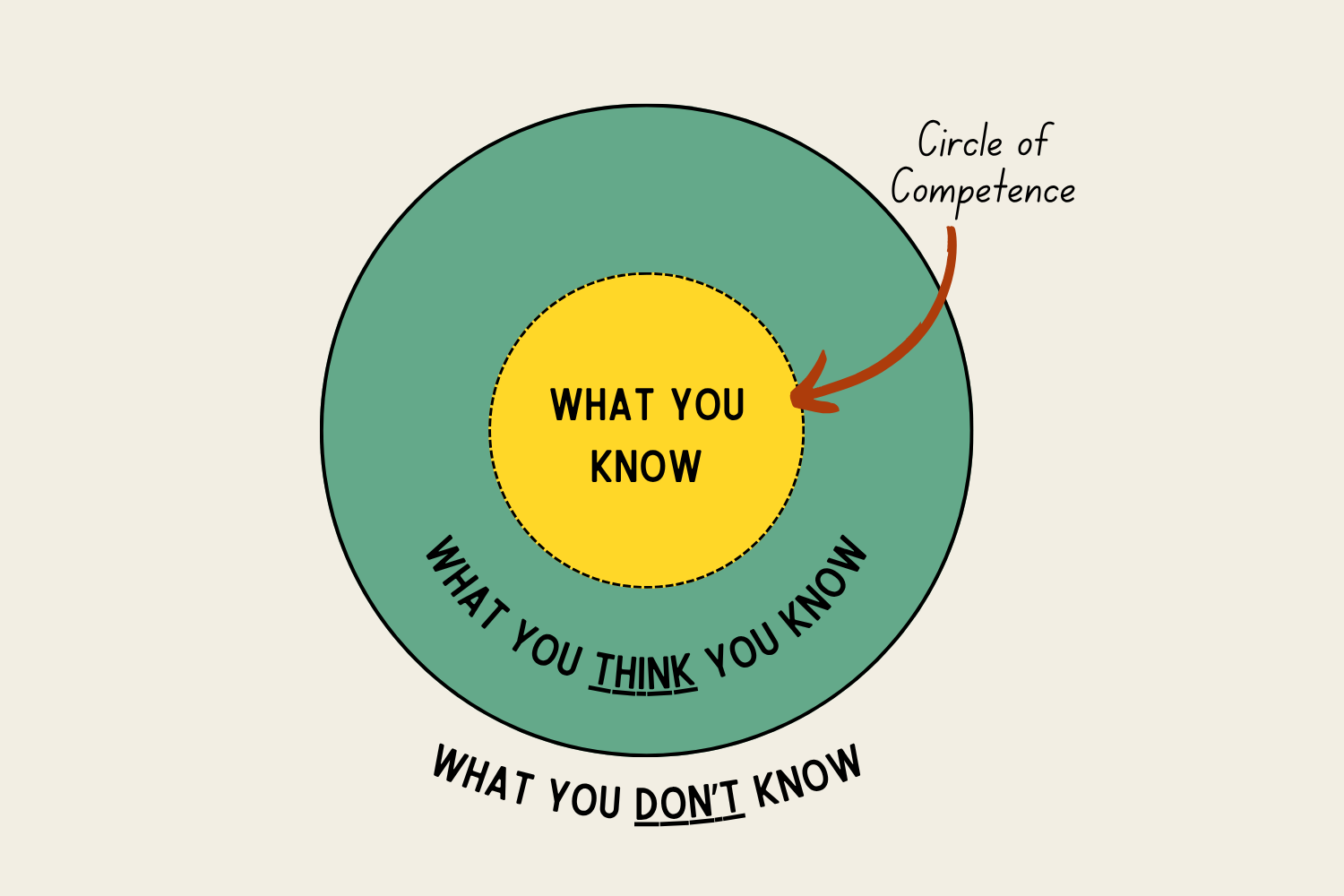
Circle of Competence
Buffett and Munger's model for knowing exactly where your understanding ends — size doesn't matter, honesty about the edge does.

EQ Framework
A 2x2 of emotional intelligence — self or social, noticing or acting — giving four skills: self-awareness, self-management, social awareness, relationship management.

Johari Window
A 2x2 mapping what you know about yourself against what others know — exposing blind spots, building trust through disclosure.
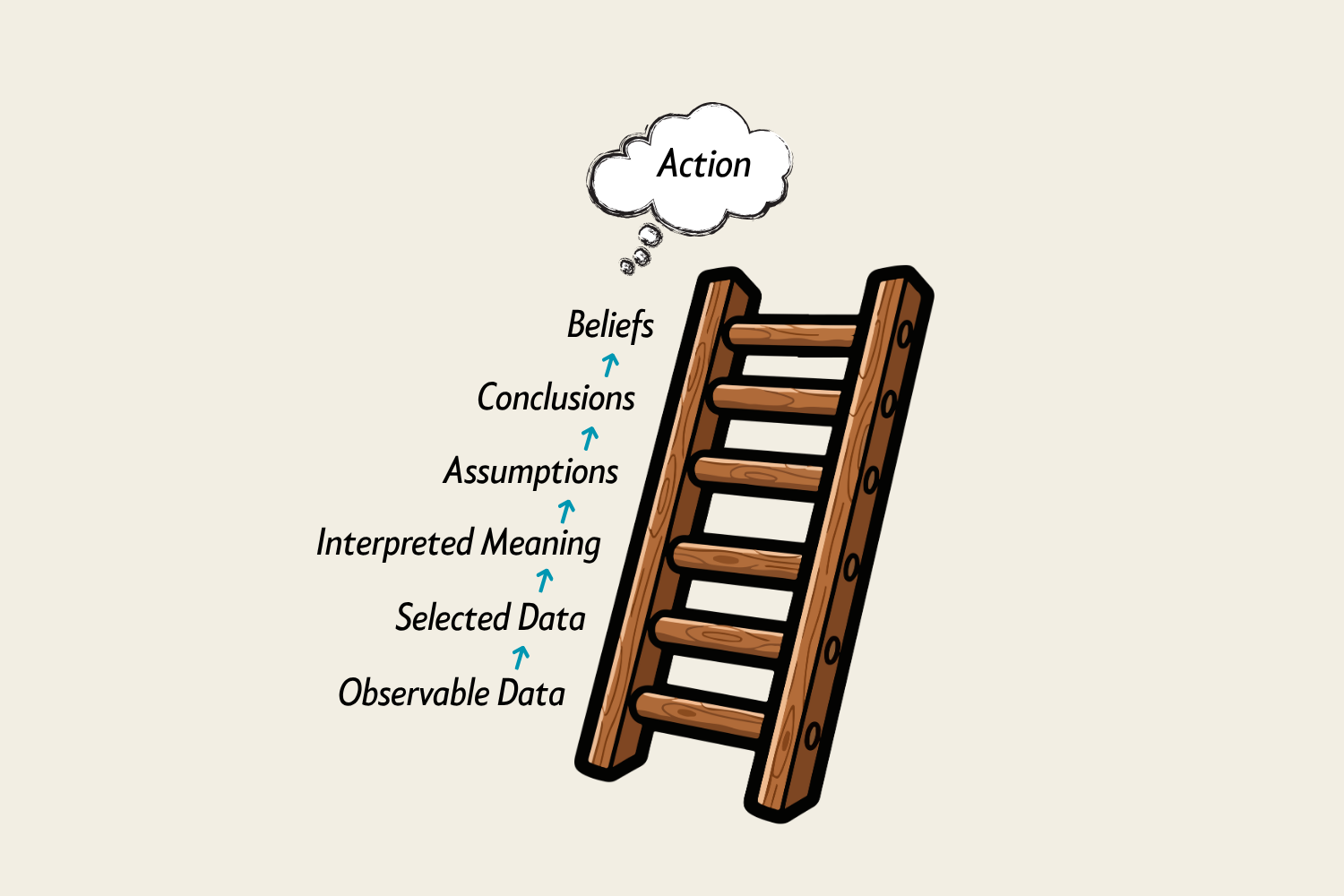
Ladder of Inference
Your mind turns a fact into belief through selection and assumption — you end up arguing with a story, not reality.
Books related to The Four Temperaments

Emotional Intelligence
Daniel Goleman's case that how you handle emotion, your own and everyone else's, predicts success better than raw intellect. The book that put "EQ" into every manager's vocabulary, for good reason.

Emotional Intelligence 2.0
The practical, test-and-strategies follow-up to the emotional intelligence conversation: less theory, more "here's exactly what to do on Tuesday," built around four skills you can actually practice and measure.

Primal Leadership
The case that a leader's mood isn't a private matter. It's contagious through the whole team, which makes emotional intelligence the real infrastructure underneath every other leadership skill.

Stillness Is the Key
Ryan Holiday's case that the people who handle pressure, power, and chaos best aren't the busiest or the most driven, they're the ones who've built real stillness into their mind, body, and sense of purpose, usually against the current of everything around them.

The Daily Stoic
A year of short, daily meditations drawn from Marcus Aurelius, Seneca, and Epictetus, organized into one practical claim: the ancient Stoics weren't writing philosophy for philosophers. They were writing a manual for getting through hard days without losing yourself.

Think Again
Adam Grant's case that rethinking, actually changing your mind when the facts say you should, is a skill most smart people are terrible at, and a direct challenge to any manager who treats changing position as a sign of weakness.