Parkinson's Law
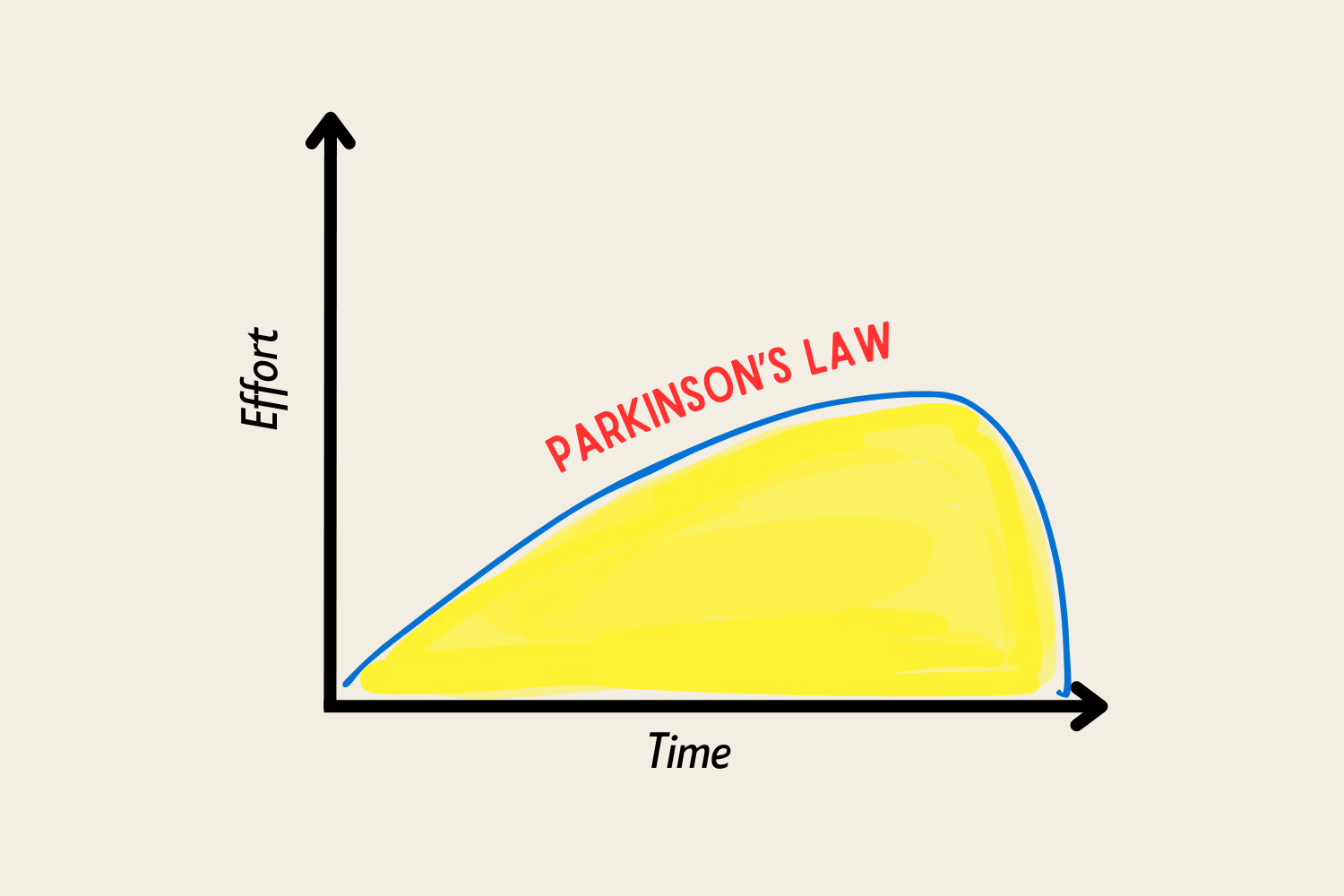
Work expands to fill the time you give it — deadlines shape effort more than the work itself, so tighten deadlines.
 Find this on the mind-map
Introduction
Cyril Northcote Parkinson, a British naval historian, put this into words in a 1955 essay for The Economist: "Work expands so as to fill the time available for its completion." He expanded on the idea in his 1957 book, Parkinson's Law.
How It Works
Here's what's really going on: the amount of work that gets done adjusts to the time you've given it, not to the work actually required. Flip it around and it's just as true — the longer the deadline, the more work gets done to hit it. This isn't a scientific law. It holds because it matches how people actually behave.
Three psychological drivers keep it running.
- The comfort of extra time. Plenty of time creates the illusion that a task can be done leisurely, so effort spreads into refining details and overanalyzing minor points instead of driving the parts that actually matter.
- Procrastination. When a deadline feels far off, urgency drops, and your brain's pull toward a reward now over a bigger payoff later pushes most of the real work toward the last possible window.
- Perfectionism. Given surplus time, perfectionists keep tweaking. There's always room for improvement, but the return on that extra effort drops sharply past a point — which is the Pareto Principle read as a warning about polish.
The pattern is easy to verify for yourself. Give students three weeks for an assignment and they submit in three weeks — give them two, and they'd have submitted in two. A meeting scheduled for an hour consumes the hour, and if the agenda wraps early, someone finds a topic to fill the gap. Six-month projects take six months and still end in a rush. Annual sales targets get met, with most deals closing in the final quarter, regardless of whether the target was conservative or ambitious.
There's a related cost, too: delay itself adds work. Once something slips, it feels heavier and demands more mental energy, and much of the extra time it then eats up goes to worrying about it rather than doing it.
Why It Matters for Leaders
Every estimate carries invisible padding, and you rarely see it until something forces it out. One platform team was given three weeks to migrate a legacy service, and delivered in exactly three weeks with no surprises. A security issue then forced the same migration onto a different team with four days' notice — and it shipped in four days. The work was never three weeks of work. It was roughly three or four days of real work, with three weeks of slack built in, because three weeks was what was available.
That doesn't make aggressive deadlines automatically right. It makes generous ones automatically suspect. A tight deadline is often more honest than it looks — the way to tell the difference is to estimate the work itself, not the calendar.
Meetings are where this gets expensive at scale. A one-hour meeting with ten people in the room consumes ten hours of collective working time, and a meeting that drifts off topic burns that entire budget.
Left unmanaged, this adds up across your whole team. Every project eats its full allotment, every meeting runs its full slot, and the organization concludes it needs more capacity — when what it actually needs is tighter containers.
The fix isn't overloading people. It's building the kind of structure that creates focus, urgency, and steady progress, so your team delivers the right things efficiently instead of just cramming more into less time.
What to do next
Test your knowledge of Parkinson's Law
Practice Parkinson's Law
Apply Parkinson's Law to a real situation
Skills related to Parkinson's Law

Frameworks related to Parkinson's Law

Mind Boxing
A six-box grid crossing People, Process, Product against Strategy and Tactics — deciding where your leadership time actually goes.
Systems > Goals
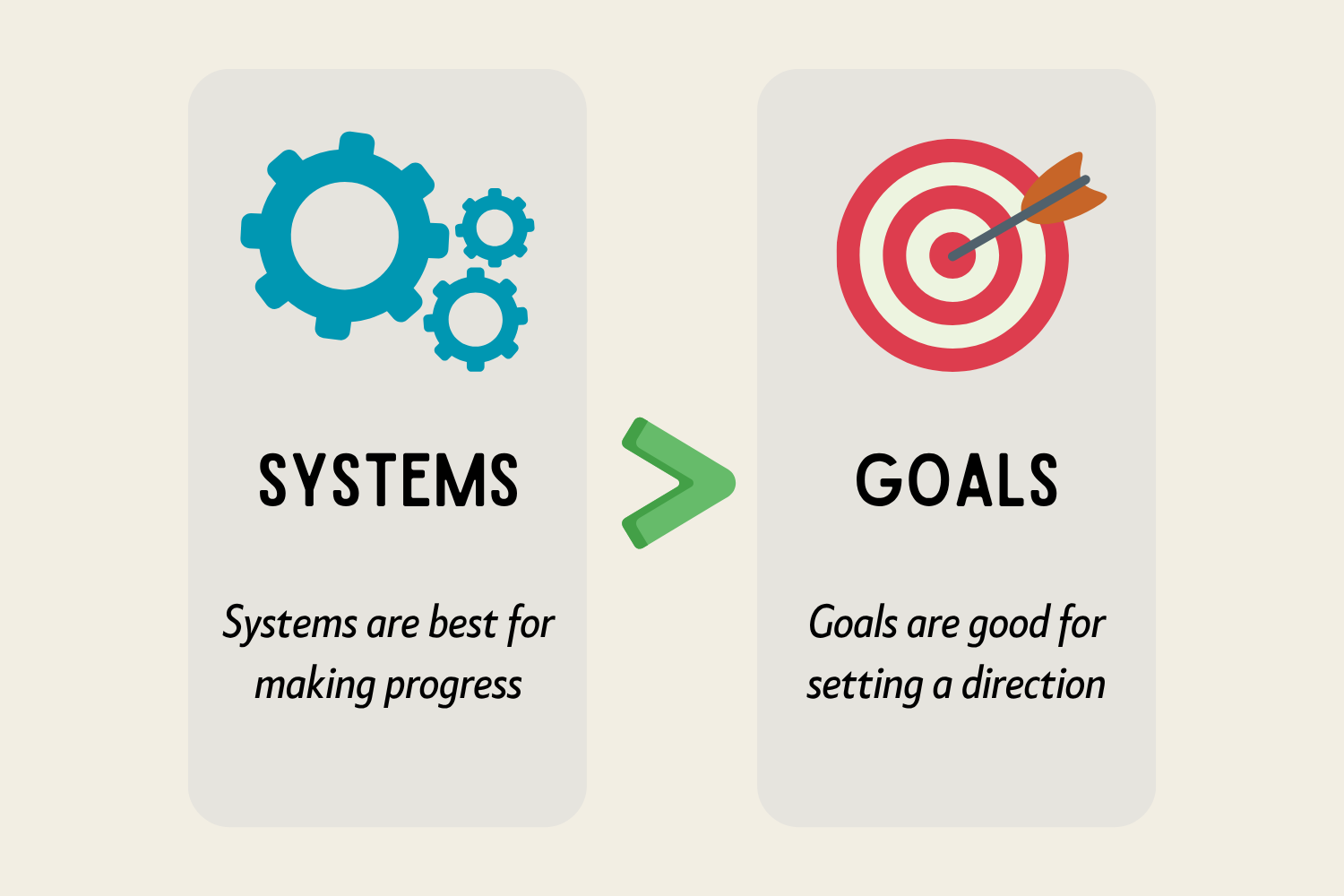
Results come from repeatable habits, not targets — turn every goal into a system of leading behaviors you design and track.

The 3 Pillars of Smart Work
Smart work isn't doing less — it's efficiency, creativity, and discipline together, not permission to coast on "work smart, not hard."
The State of Flow
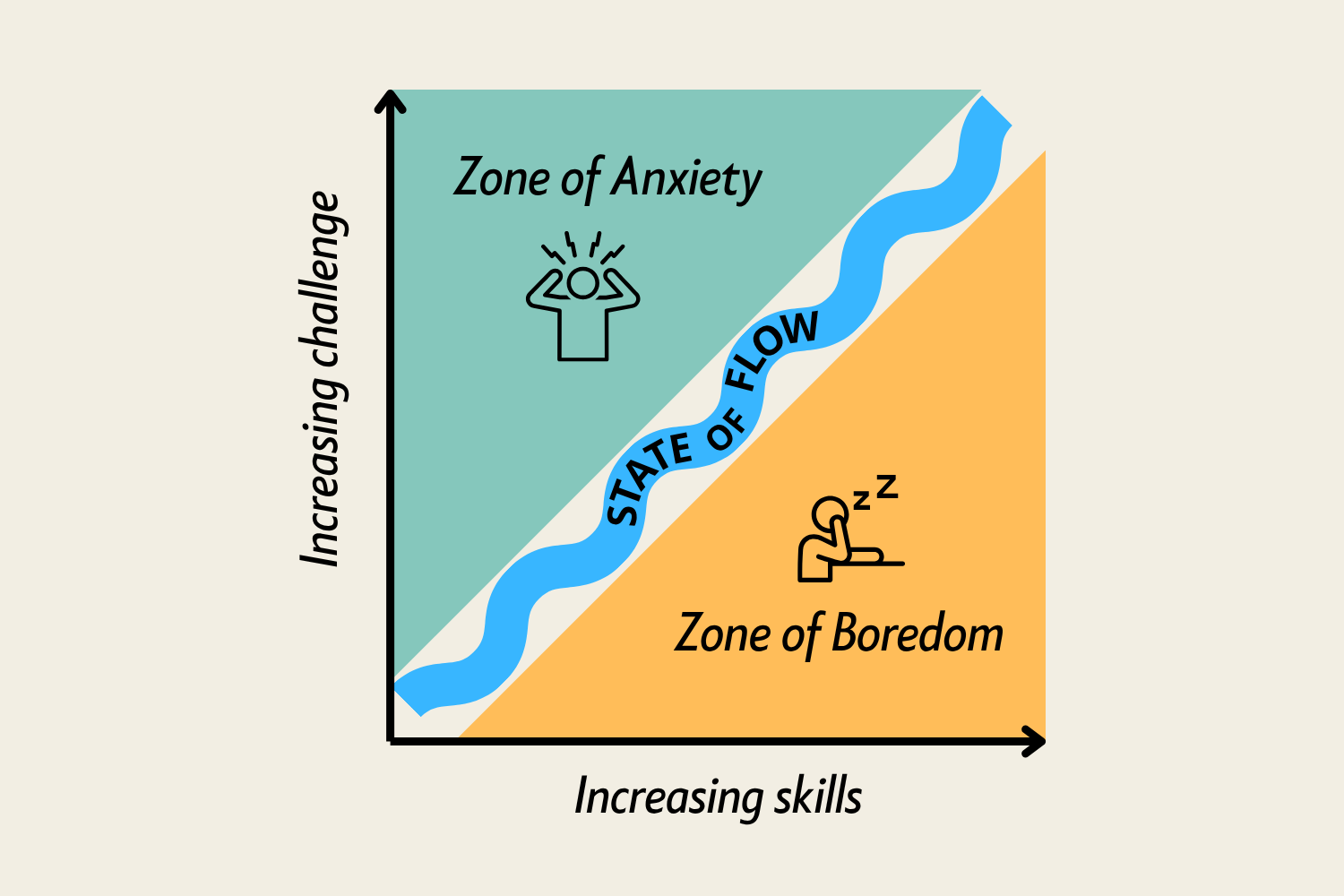
The zone between anxiety and boredom, where challenge meets skill — your job is moving each person, with a different push.
Books related to Parkinson's Law

Atomic Habits
James Clear's case that tiny, consistent changes compound into dramatic results, and that the system you build matters more than the goal you set, no matter how motivated you feel on day one.

Deep Work
Cal Newport's case that the ability to focus without distraction on a hard problem is becoming rare and valuable at the exact moment most of the modern workday (email, meetings, constant notifications) is organized to make it nearly impossible.

Focus
Daniel Goleman's case that attention, not raw intelligence or emotional intelligence alone, is the overlooked resource behind effective leadership, and that most leaders are depleting it faster than they realize.

The 4-Hour Workweek
Timothy Ferriss's provocation that most of what fills a workday isn't actually producing most of the value. A useful, if deliberately extreme, lens for any manager who's never actually audited where their hours go.

The Power of Habit
Charles Duhigg's deep dive into why habits form and how they change, and a practical mechanism for any manager who's tired of relying on willpower to fix behavior that structure should be fixing instead.