The Power of Habit
Charles Duhigg's deep dive into why habits form and how they change, and a practical mechanism for any manager who's tired of relying on willpower to fix behavior that structure should be fixing instead.
 Find this on the mind-map
Introduction
Charles Duhigg's starting point is that habits aren't a matter of willpower so much as a neurological loop, and that understanding the structure of that loop is far more useful than trying to white-knuckle your way through behavior change. The book's real argument is that you rarely eliminate a habit outright. You change what fills the middle of the loop while leaving the trigger and the reward largely intact. Most failed attempts at change skip straight to "just stop doing it" without ever identifying what the behavior was actually providing.
The Habit Loop: Cue, Routine, Reward
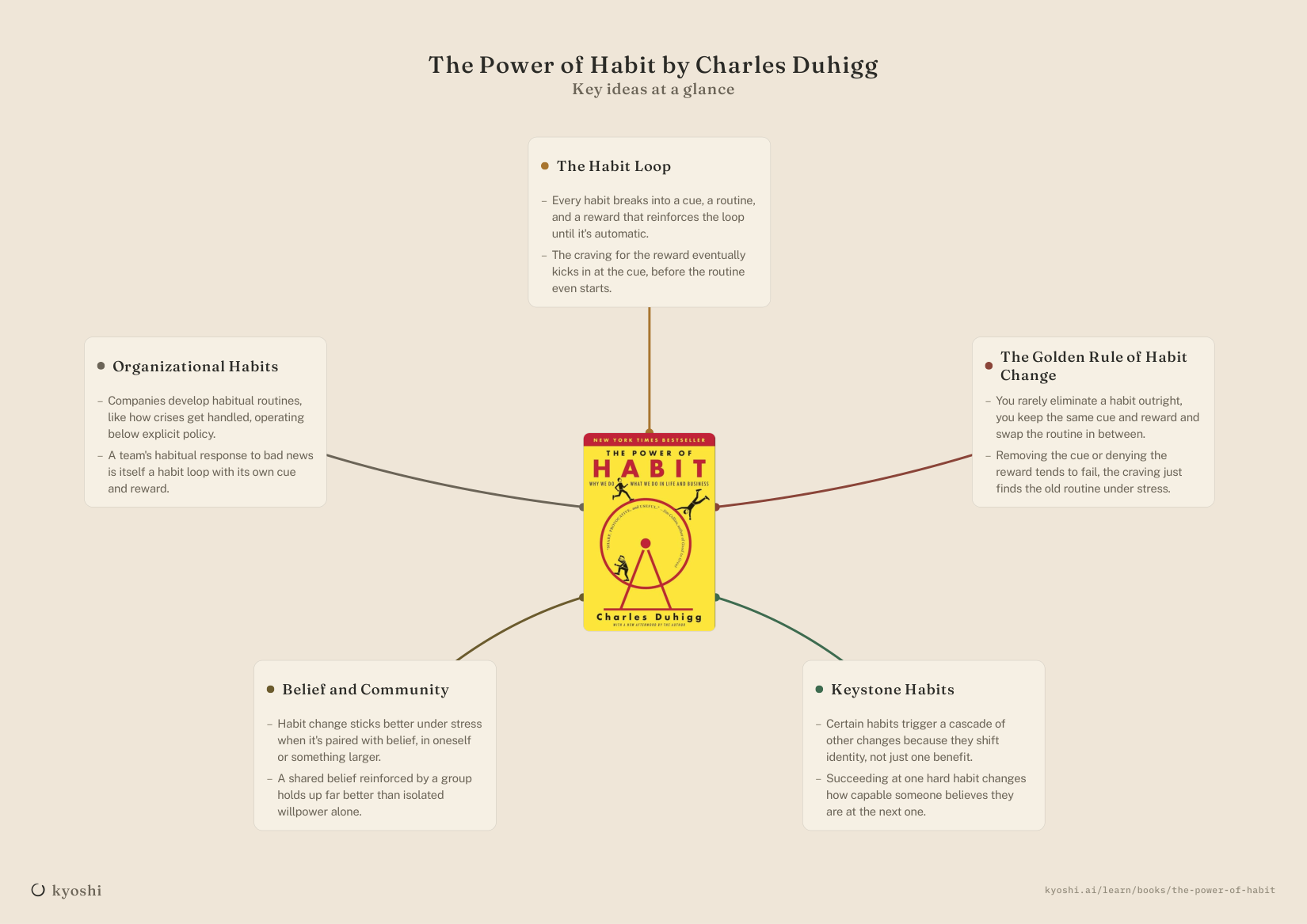
Duhigg's foundational model breaks every habit into three parts: a cue that triggers the behavior, a routine that is the behavior itself, and a reward that reinforces the loop enough that your brain starts craving it automatically. Over time, the craving for the reward kicks in at the cue, before the routine even starts. That's why habits feel involuntary even though they were built through ordinary repetition. A manager trying to break a team's habit of defaulting to an all-hands meeting for every minor decision needs to identify what cue triggers it and what reward it's actually providing (often: covering yourself, or avoiding a harder one-on-one conversation) before the habit will budge.
The Golden Rule of Habit Change
Duhigg's central practical tool: you can't easily extinguish a habit, but you can change it, by keeping the same cue and the same reward and swapping out the routine in between. Trying to remove the cue or deny the reward tends to fail, because the craving doesn't disappear. It just goes looking for the old routine again under stress. Consider two managers trying to fix a habit of a direct report escalating every disagreement straight to leadership instead of working it out with peers. One just tells them to stop escalating. The craving for visibility and reassurance doesn't go away, it just gets expressed some other unproductive way. The other identifies that the reward being sought is reassurance that their work is valued, and builds a different routine (a regular check-in that provides that reassurance directly) that satisfies the same craving through a better path.
Keystone Habits
Duhigg argues that certain habits have outsized effects, triggering a cascade of other positive changes largely because they shift identity or self-perception rather than just producing one isolated benefit. A single disciplined habit, like a consistent exercise routine or a reliable daily planning ritual, can spill over into unrelated areas. Not through magic, but because succeeding at one hard thing changes how capable someone believes they are at the next one. For a manager, the practical question is which single habit, if you helped a struggling team member build it, would have effects well beyond the habit itself.
Belief and the Role of Community
Duhigg points out that habit change, especially under real stress, tends to stick better when it's paired with belief: in oneself, or in something larger, often reinforced through a community going through the same change together. Isolated willpower is fragile under pressure; a shared belief and a group reinforcing the new routine holds up considerably better. This is part of why individual New Year's-resolution-style habit change fails so often compared to change embedded in a team or group context.
Organizational Habits
The book extends the loop beyond individuals to organizations: companies develop habitual routines, such as how decisions get made, how crises get handled, and which conflicts get avoided, that operate below the level of explicit policy and are often invisible to the people inside them. A leadership team's habitual way of responding to bad news (deflect, blame, or genuinely investigate) is itself a habit loop, with its own cues and rewards, and it shapes outcomes just as powerfully as any individual's habits do.
Putting It Together
The loop (cue, routine, reward) explains individual habits, the Golden Rule explains how to change them without fighting an unwinnable war against the craving itself, keystone habits explain why some changes cascade further than others, and organizational habits extend the same mechanism to teams and companies. The practical shift for a manager: stop asking people to just stop a bad habit, and start asking what reward it's actually providing, so you can build a better routine toward the same reward.
Why It Matters for Leaders
Most managers try to fix a bad habit on their team the same way: name the behavior, ask the person to stop, and hope it sticks. It rarely does, and the usual conclusion is that the person just doesn't have enough discipline. That's almost never the real problem. The behavior was serving a purpose, and telling someone to stop a behavior without replacing what it was providing just sends the same craving looking for a new outlet.
This changes what a manager actually does in the moment a bad pattern shows up. Instead of jumping straight to "stop doing that," the useful question is what's triggering it and what it's getting the person. Someone who escalates every disagreement to you instead of working it out with a peer might be chasing reassurance that their work is seen and valued, not trying to go around anyone. Someone who schedules an all-hands for a decision three people could make in a hallway might be covering themselves against blame, not actually unsure what to do. Once you know the reward being chased, you can build a routine that delivers it through a better path, which works a lot more often than asking for more willpower.
It also changes where a manager spends effort. Rather than trying to fix five things about someone's performance at once, this points you toward the one habit that, if it changed, would change how that person sees themselves and what else they believe they can do. That's a different kind of coaching conversation than a list of action items.
And it applies to the team as a whole, not just individuals. A team's default response to bad news, whether that's deflecting, finding someone to blame, or actually digging into what happened, is a habit loop with its own cue and reward, and it won't change just because a leader announces a new value around transparency. Picture a manager named Priya who keeps getting status updates that say "on track" right up until a deadline is missed. Telling the team to "just be more honest" doesn't work, because the real reward being protected is avoiding an uncomfortable conversation about being behind. What actually moves the needle is changing the routine itself: she starts asking "what's the one thing you're stuck on" in every check-in, which gives people a way to surface a problem early without it reading as an admission of failure. The habit doesn't disappear. It gets replaced with a better one, built around the same underlying need.
What to do next
Reinforce your understanding of The Power of Habit
Books related to The Power of Habit

Atomic Habits
James Clear's case that tiny, consistent changes compound into dramatic results, and that the system you build matters more than the goal you set, no matter how motivated you feel on day one.

Deep Work
Cal Newport's case that the ability to focus without distraction on a hard problem is becoming rare and valuable at the exact moment most of the modern workday (email, meetings, constant notifications) is organized to make it nearly impossible.

Focus
Daniel Goleman's case that attention, not raw intelligence or emotional intelligence alone, is the overlooked resource behind effective leadership, and that most leaders are depleting it faster than they realize.

The 4-Hour Workweek
Timothy Ferriss's provocation that most of what fills a workday isn't actually producing most of the value. A useful, if deliberately extreme, lens for any manager who's never actually audited where their hours go.
Skills related to The Power of Habit

Frameworks related to The Power of Habit

Mind Boxing
A six-box grid crossing People, Process, Product against Strategy and Tactics — deciding where your leadership time actually goes.
Parkinson's Law
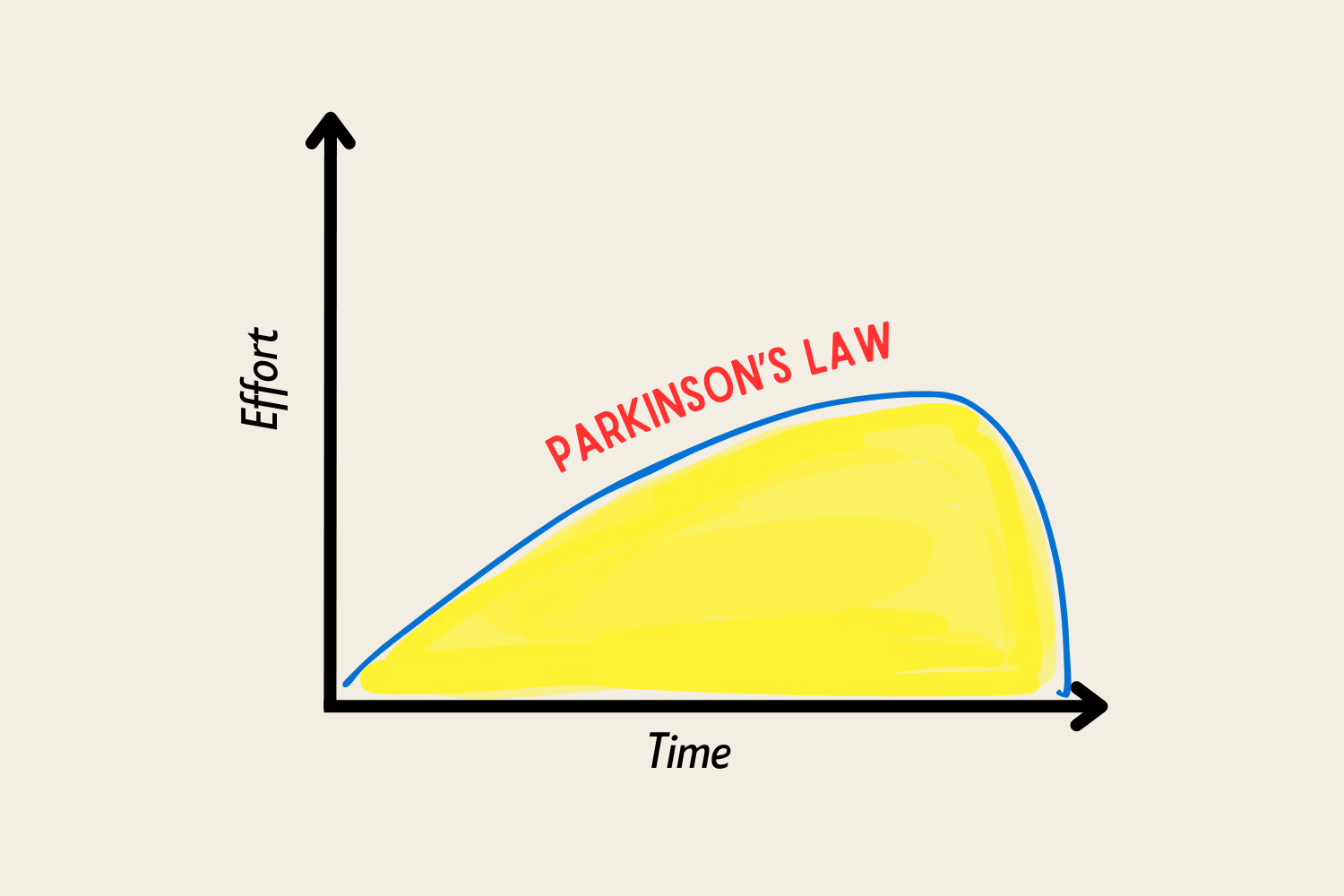
Work expands to fill the time you give it — deadlines shape effort more than the work itself, so tighten deadlines.
Systems > Goals
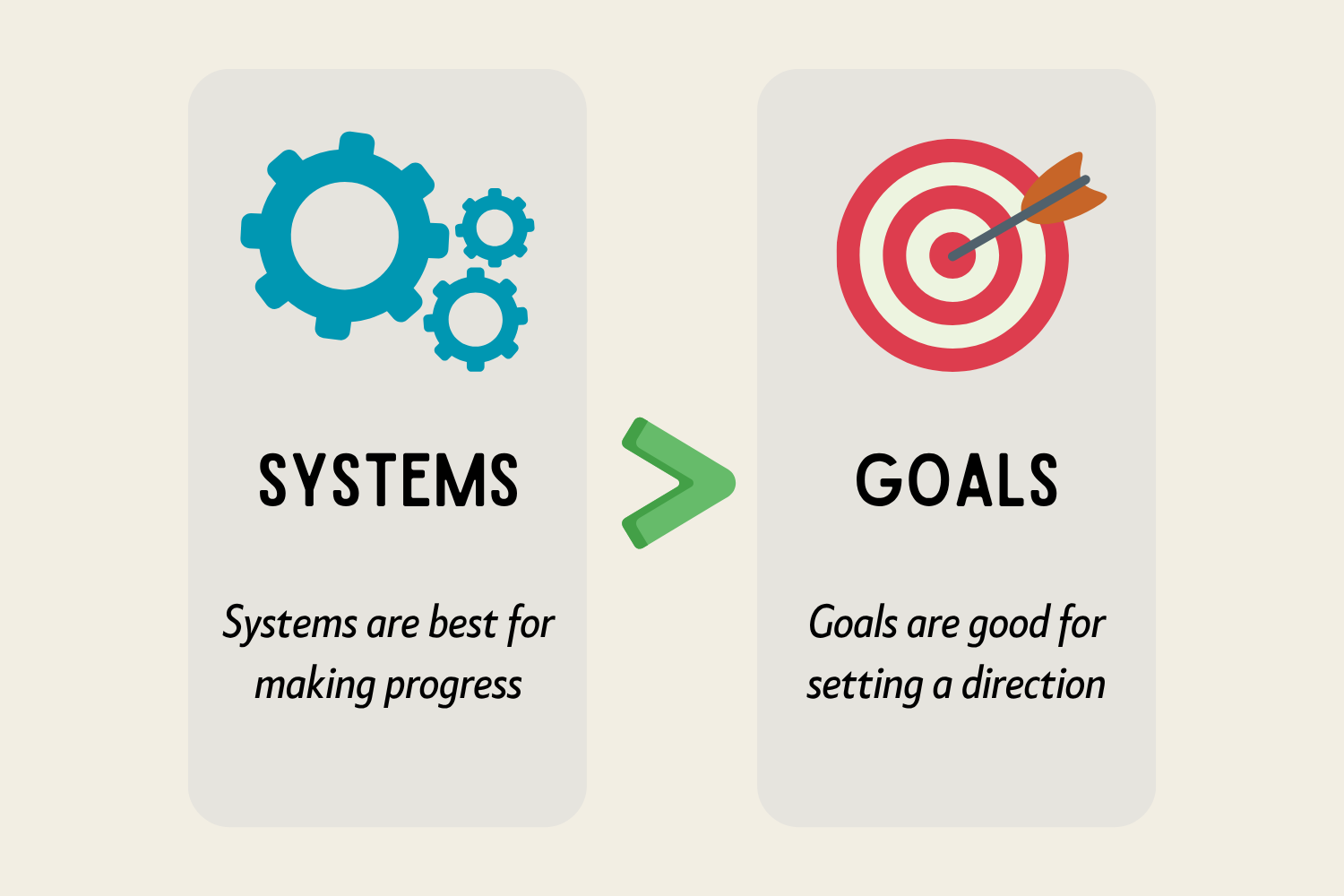
Results come from repeatable habits, not targets — turn every goal into a system of leading behaviors you design and track.

The 3 Pillars of Smart Work
Smart work isn't doing less — it's efficiency, creativity, and discipline together, not permission to coast on "work smart, not hard."
The State of Flow
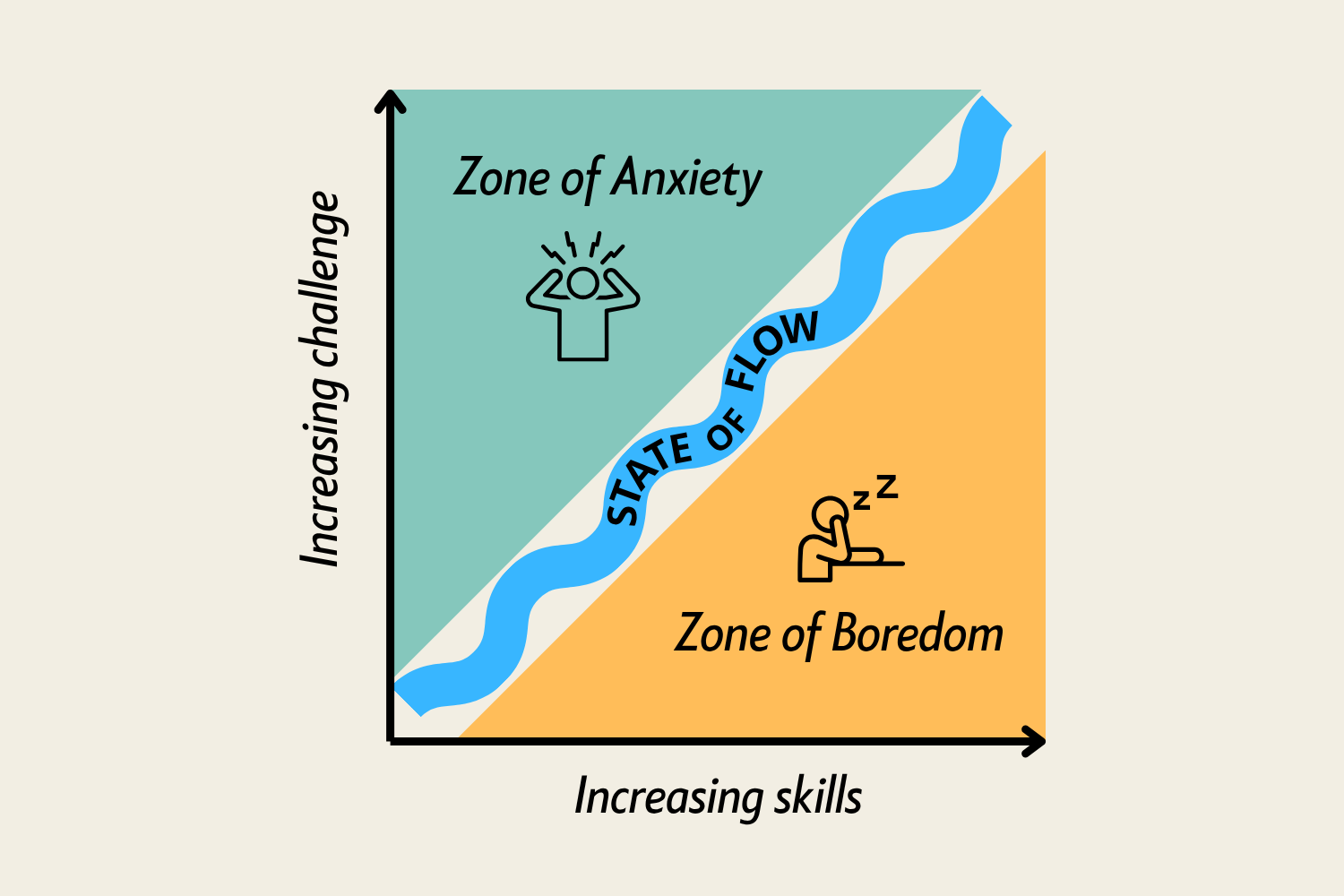
The zone between anxiety and boredom, where challenge meets skill — your job is moving each person, with a different push.