Atomic Habits
James Clear's case that tiny, consistent changes compound into dramatic results, and that the system you build matters more than the goal you set, no matter how motivated you feel on day one.
 Find this on the mind-map
Introduction
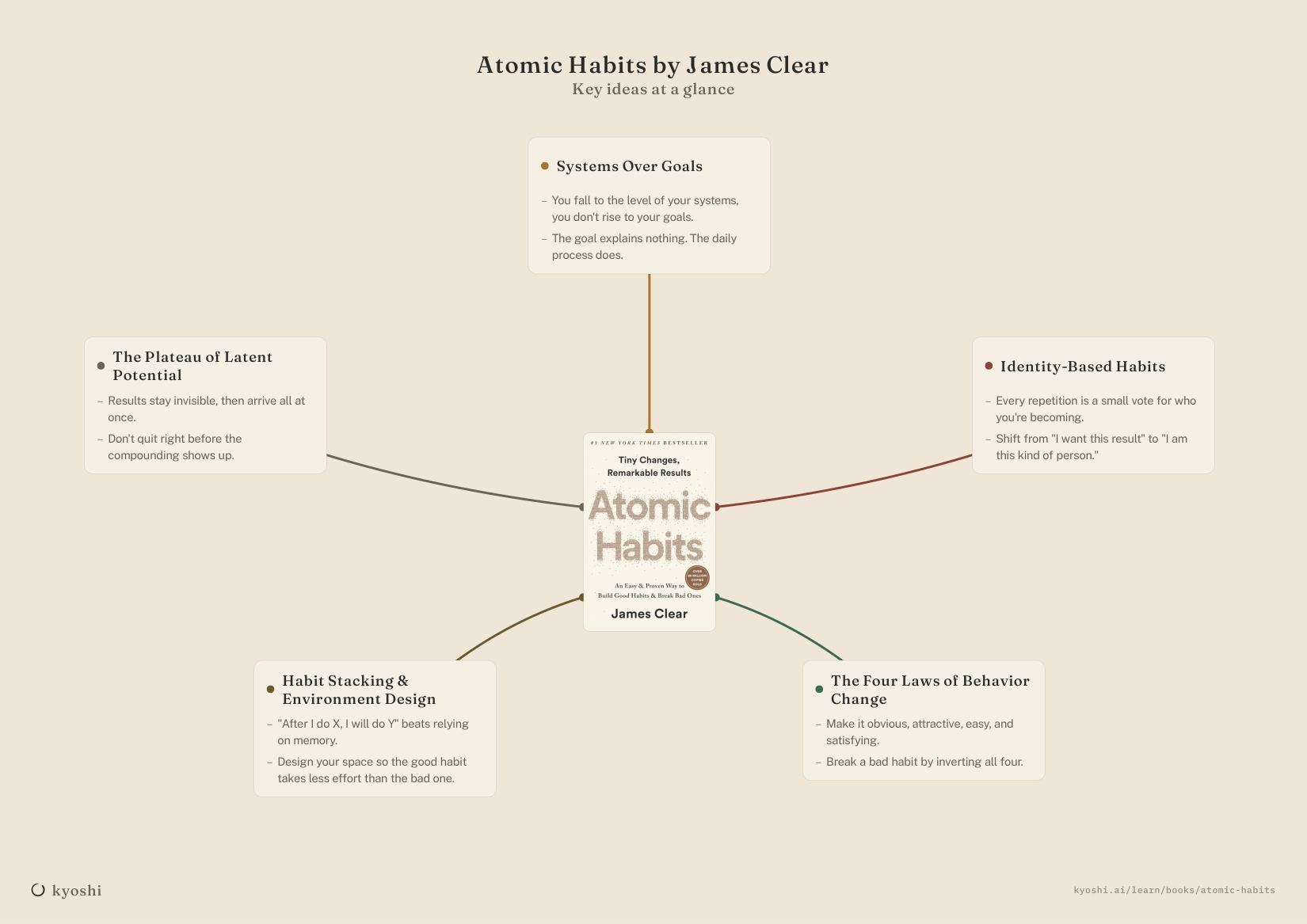
James Clear's central claim is deceptively simple: habits are the compound interest of self-improvement, and the gap between people who change their behavior successfully and people who don't is almost never motivation. It's system design. Goals set a direction, but goals are also where most people's effort stops; systems are the actual processes that produce results, and Clear's argument is that you fall to the level of your systems far more reliably than you rise to the level of your goals.
You Don't Rise to Goals, You Fall to Systems
Clear points out that winners and losers in a given domain often have the identical goal (every competitor wants to win), which means the goal itself explains almost nothing about the outcome. What actually differs is the daily system each person runs. A manager who sets an ambitious revenue target but never changes the team's actual weekly process is hoping the goal itself will produce the behavior; the behavior has to be built separately, on purpose.
Identity-Based Habits: Vote for Who You Want to Become
Clear's most structurally important idea is that lasting habit change works from the inside out: not outcome-based ("I want to hit this number") but identity-based ("I am the kind of person who does this consistently"). Every time you act on a habit, you cast a small vote for the type of person you believe yourself to be, and the habit becomes easier to sustain as you rack up more proof that the identity is real. Two managers both try to become more consistent with feedback. One tells herself "I need to give more feedback this quarter." The other tells herself "I'm someone who gives feedback in the moment, not later." She starts acting from that identity immediately, in small ways, rather than waiting for a quarterly target to force it.
The Four Laws of Behavior Change
Clear organizes habit formation around four laws, each targeting one stage of the cue-craving-response-reward cycle: make it obvious (design visible cues for the habit you want), make it attractive (pair it with something you genuinely want to do), make it easy (reduce the friction between you and the behavior), and make it satisfying (build in an immediate reward, since humans are bad at sustaining behavior for a reward that's purely long-term). Breaking a bad habit, in his framework, is simply the inversion of all four: make it invisible, unattractive, difficult, and unsatisfying.
Habit Stacking and Environment Design
Rather than relying on memory or motivation to trigger a new habit, Clear recommends habit stacking: attaching a new habit directly to an existing one ("after I do X, I will do Y"), and deliberately designing your physical or digital environment so the desired behavior is the path of least resistance. A manager who wants their team to actually read a weekly digest before a meeting, rather than skim it during the meeting, should attach the reading to an existing habit (right after the calendar invite goes out) and make it harder to skip than to do.
The Plateau of Latent Potential
Clear addresses one of the most common reasons people quit a good habit too early: results from small, consistent effort are often invisible for a long stretch before they cross a threshold and become obvious all at once, much like ice not melting visibly until the exact degree it finally does. People frequently abandon a habit during this invisible stretch, concluding it isn't working, right before it would have paid off.
Putting It Together
The chain runs: build systems instead of trusting goals alone, root the system in an identity you're voting for with each repetition, use the four laws to make the good habit easy and the bad habit hard, stack new habits onto existing ones and design your environment to support them, and expect a long invisible stretch before the compounding becomes obvious. The whole argument is that small is not the same as insignificant, it's just slow enough to be mistaken for insignificant.
Why It Matters for Leaders
Most management advice about building better habits on a team, meetings that start on time, documentation that actually gets written, feedback that happens weekly instead of once a quarter, leans on willpower and reminders. Clear's book is useful precisely because it argues the opposite: willpower is the least reliable lever you have, and the manager who keeps leaning on it is fighting the wrong battle.
The practical shift is to stop asking "how do I get people to remember to do this" and start asking "what would make this the easy, obvious choice." If you want your team to document decisions as they happen instead of scrambling to reconstruct them later, the fix usually isn't a reminder email. It's removing a step: a template that's already open, a shortcut that's already set up, a default that makes the right behavior take less effort than the wrong one.
This also changes how you read a team that looks stuck. A new process that hasn't produced visible results in six weeks might be failing, or it might be exactly on the plateau Clear describes, where the work is building up underneath the surface before it shows. The manager who pulls the plug at week six because "it's not working" and the manager who pushes through to week ten are often looking at the same data. The difference is whether you understand that small, consistent effort looks like nothing right up until it doesn't.
Picture a manager named Sofia rolling out a new habit for her team: a two-minute end-of-day note on what got done and what's blocked. After a month, nobody seems more organized, and a few people have stopped doing it without saying why. Instead of scrapping the idea, Sofia looks at the system, not the goal. She attaches the note to something that already happens every day, closing the laptop, cuts the format down to three bullet points, and puts a running tally on the team dashboard so the habit has a visible payoff right away, not just a theoretical one three months from now. Participation comes back within a week, not because people found more willpower, but because the system got easier to follow than to skip.
What to do next
Reinforce your understanding of Atomic Habits
Books related to Atomic Habits

Deep Work
Cal Newport's case that the ability to focus without distraction on a hard problem is becoming rare and valuable at the exact moment most of the modern workday (email, meetings, constant notifications) is organized to make it nearly impossible.

Focus
Daniel Goleman's case that attention, not raw intelligence or emotional intelligence alone, is the overlooked resource behind effective leadership, and that most leaders are depleting it faster than they realize.

The 4-Hour Workweek
Timothy Ferriss's provocation that most of what fills a workday isn't actually producing most of the value. A useful, if deliberately extreme, lens for any manager who's never actually audited where their hours go.

The Power of Habit
Charles Duhigg's deep dive into why habits form and how they change, and a practical mechanism for any manager who's tired of relying on willpower to fix behavior that structure should be fixing instead.
Skills related to Atomic Habits

Frameworks related to Atomic Habits

Mind Boxing
A six-box grid crossing People, Process, Product against Strategy and Tactics — deciding where your leadership time actually goes.
Parkinson's Law
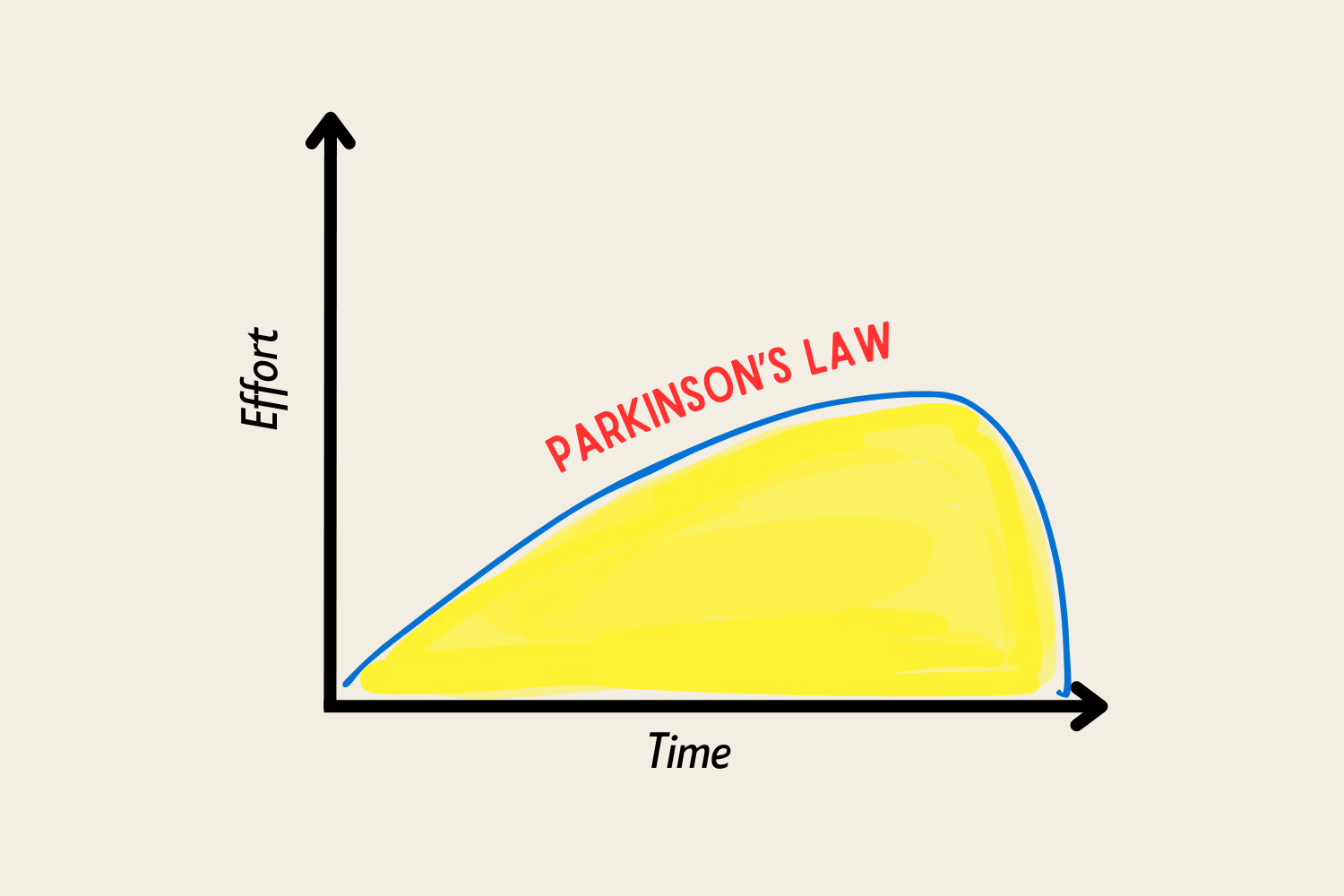
Work expands to fill the time you give it — deadlines shape effort more than the work itself, so tighten deadlines.
Systems > Goals
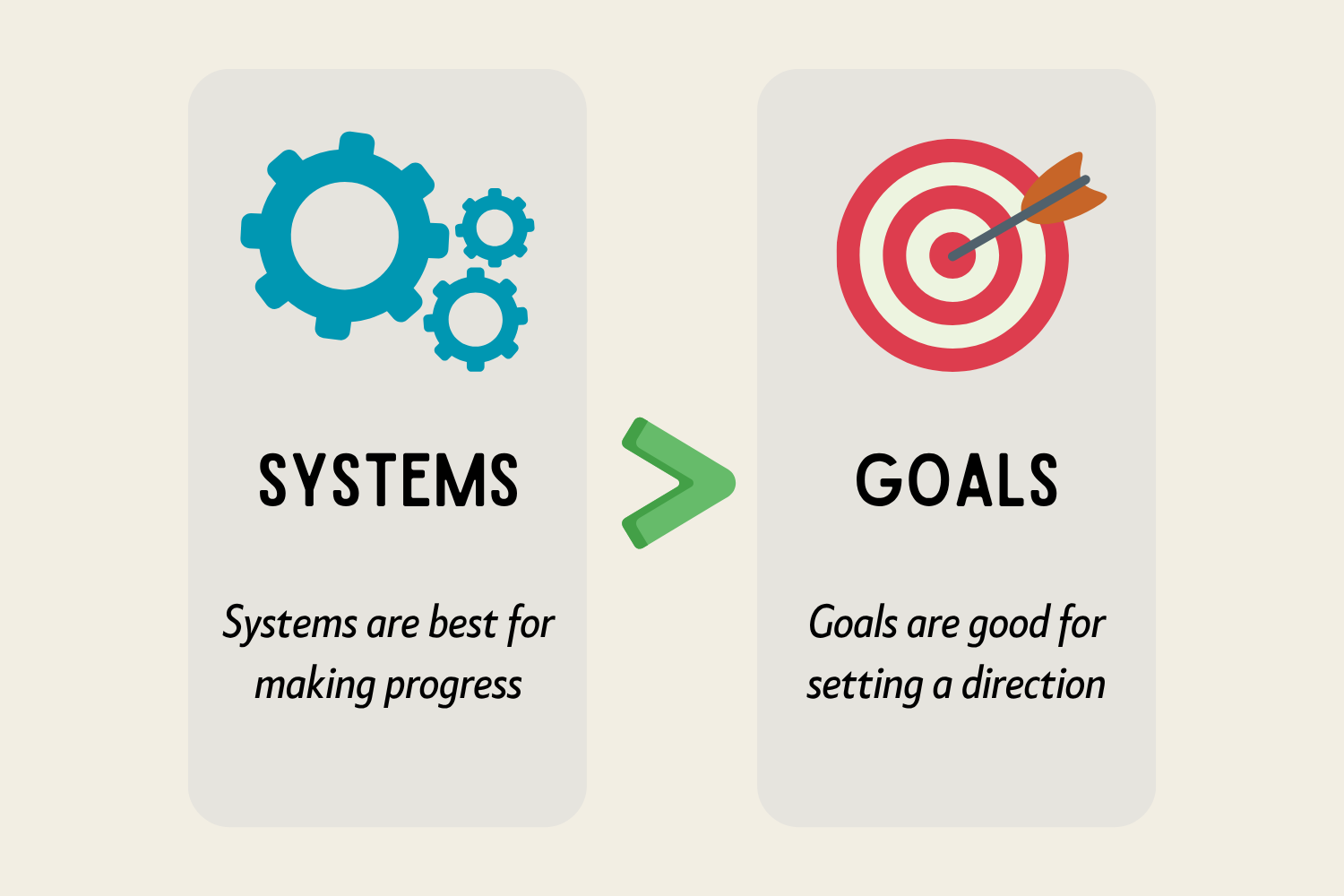
Results come from repeatable habits, not targets — turn every goal into a system of leading behaviors you design and track.

The 3 Pillars of Smart Work
Smart work isn't doing less — it's efficiency, creativity, and discipline together, not permission to coast on "work smart, not hard."
The State of Flow
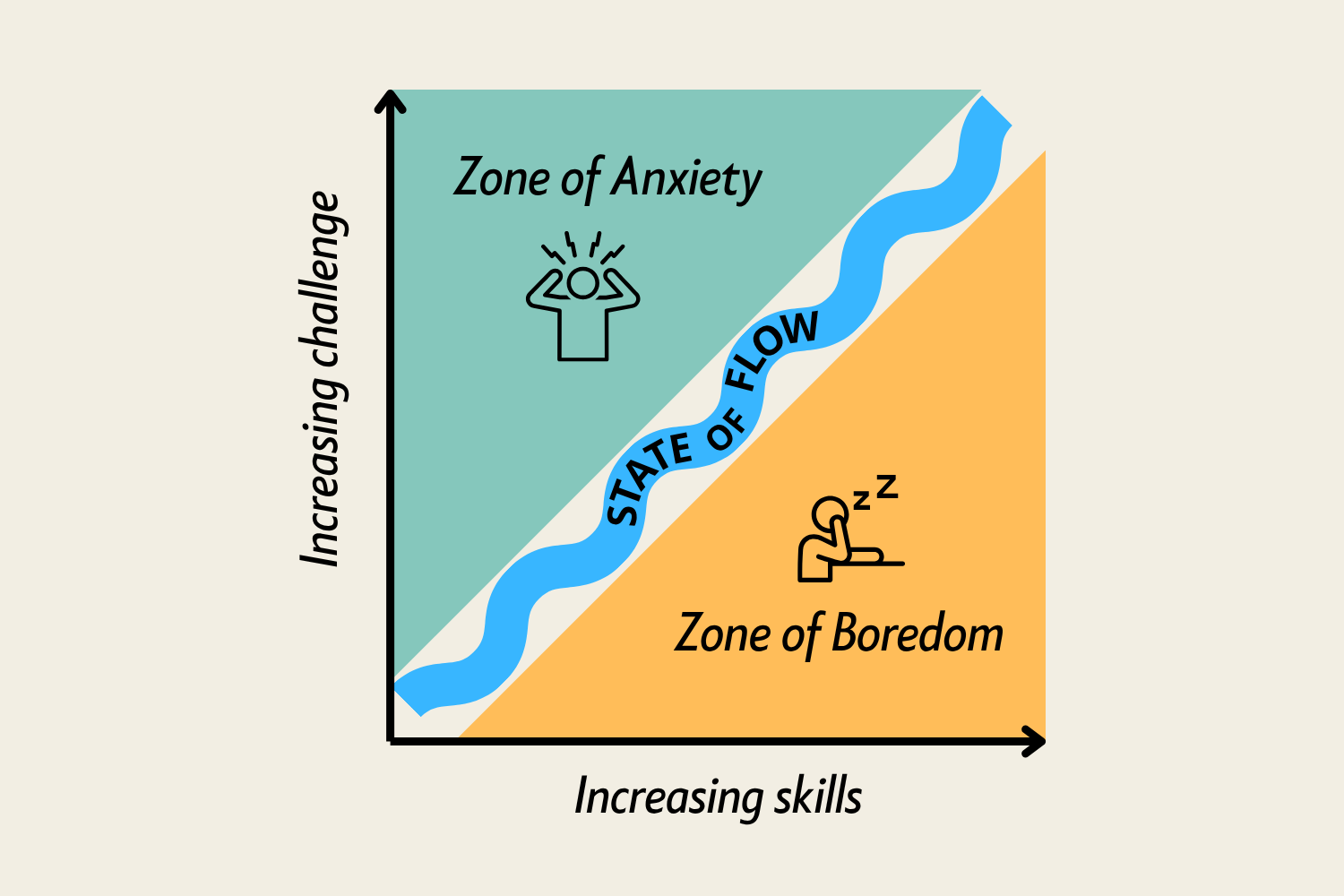
The zone between anxiety and boredom, where challenge meets skill — your job is moving each person, with a different push.