Focus
Daniel Goleman's case that attention, not raw intelligence or emotional intelligence alone, is the overlooked resource behind effective leadership, and that most leaders are depleting it faster than they realize.
 Find this on the mind-map
Introduction
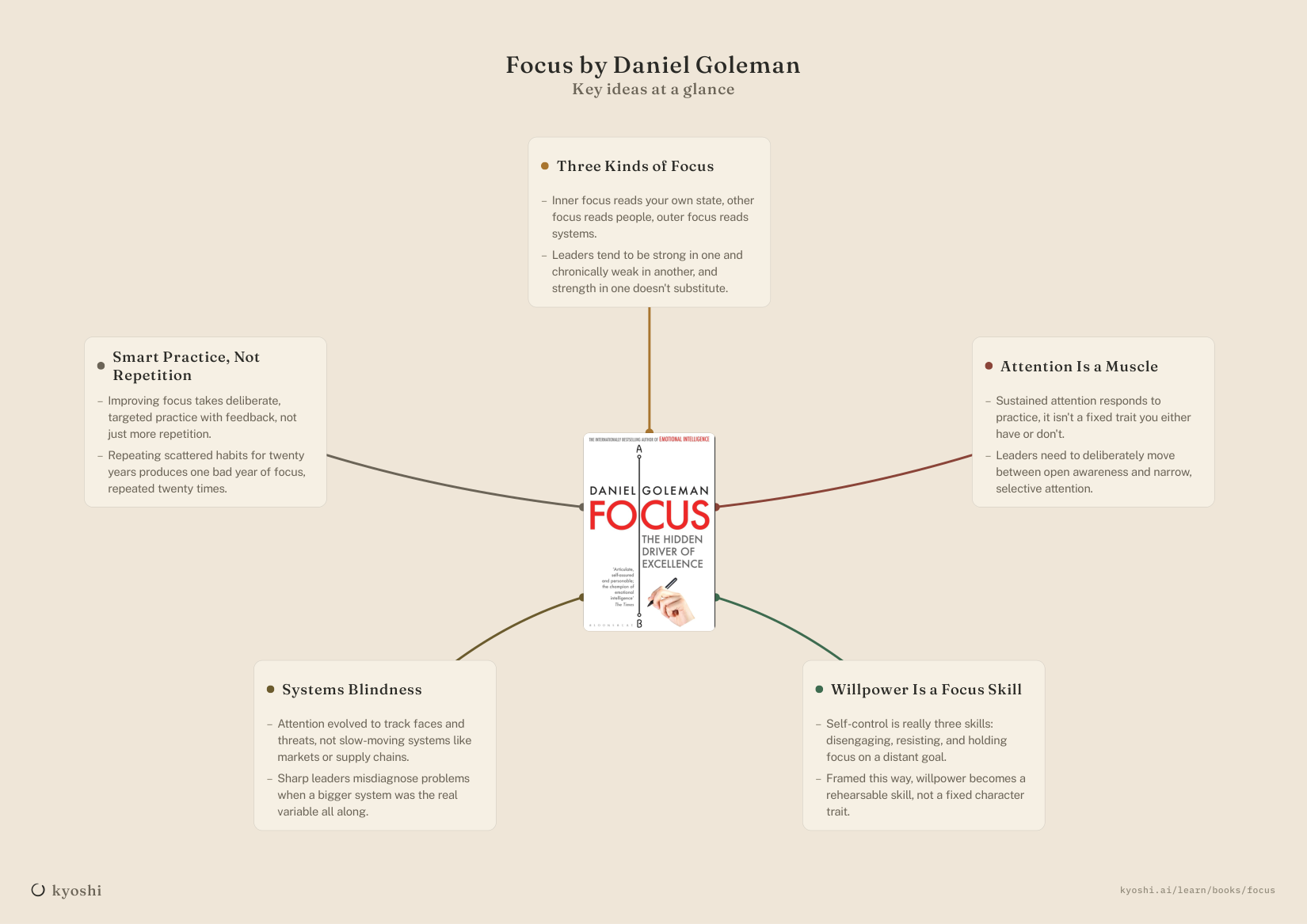
Daniel Goleman's argument in Focus is that attention, not raw intelligence, and not emotional intelligence by itself, is the overlooked resource behind effective leadership. He builds the book around three directions a leader's attention has to cover: inward, toward others, and outward toward the wider systems a decision sits inside. Most leadership failures, in his telling, trace back to whichever of the three has been neglected, not a complete absence of all three.
Three Kinds of Focus
Goleman organizes attention into inner focus, other focus, and outer focus. Inner focus is self-awareness: reading your own internal state, strengths, and weaknesses clearly enough to trust your intuition on a hard call instead of being blindsided by your own reaction. Other focus is empathy and attunement: the ability to zoom in on one person's feelings in a difficult conversation, or zoom out to read the energy of an entire room, rather than only hearing someone's words. Outer focus is systems awareness: grasping the larger patterns, markets, and structures a decision sits inside, which Goleman argues most people are not naturally wired for at all. Leaders tend to be strong in one of the three and chronically weak in another, and being strong in one doesn't substitute for the one you're neglecting.
Attention Is a Muscle, Not a Trait
Goleman's case is that sustained attention responds to practice much like a muscle responds to exercise. It isn't a fixed trait you either have or don't. He distinguishes between fast, habitual processing and slower, deliberate processing, and between open awareness (the loose, mind-wandering state where creative connections tend to surface) and selective attention (the narrow, directed state a hard task requires), arguing that leaders need to deliberately move between the two rather than living permanently in one. Carlos considers himself someone who's "just not a detail person" and treats his scattered attention as fixed. Noor, managing a comparably chaotic workload, treats her ability to concentrate as trainable, through things as ordinary as mindfulness practice or simply noticing when her attention has drifted during a difficult conversation and deliberately pulling it back.
Willpower Is a Focus Skill, Not a Character Trait
Goleman leans on Walter Mischel's marshmallow research to make a specific claim: self-control is really three attention skills working together: disengaging from a tempting distraction, resisting the pull of it once you've noticed it, and holding your focus on a goal that's further away than the thing in front of you. Framed this way, "willpower" stops being a fixed character trait some leaders have and others don't, and becomes a rehearsable skill, like noticing your phone buzz mid-conversation and choosing, deliberately, not to look.
Systems Blindness
Of the three, Goleman treats outer focus as the one people are most naturally bad at. He argues our attention evolved to track faces and immediate threats, not the slow-moving, large-scale systems (supply chains, markets, ecosystems) that most consequential decisions actually sit inside, which is why otherwise sharp leaders can misdiagnose a problem or chase a short-term win that causes long-term damage without ever realizing a bigger system was the real variable. Outer focus isn't raw analytical horsepower. It's a specific, learnable habit of zooming out to look for the pattern a decision is embedded in before zooming back in to act on it.
Smart Practice, Not Just Repetition
Improving focus, like improving any skill, isn't just about doing more of it. It's about deliberate, targeted practice aimed at the specific place your attention breaks down, with real feedback along the way. Repeating the same scattered habits for twenty years doesn't produce twenty years of improvement; it produces one bad year of focus, repeated twenty times.
Putting It Together
Inner, other, and outer focus aren't competing priorities. They're three different directions the same underlying attentional muscle has to point, built on the same trainable foundation: noticing distraction, disengaging from it, and deliberately redirecting attention toward whichever direction you've been neglecting, rather than spreading more raw effort thin across all three at once.
Why It Matters for Leaders
A manager who's sharp on strategy but misses what's happening with their own team, or a manager who's great with people but blindsided by a market shift nobody on the team saw coming, are failing for the same underlying reason even though the symptoms look completely different. Goleman's model gives you a way to name which direction is actually weak, instead of treating every miss as a generic "leadership gap."
The useful habit here is a quick self-check before a high-stakes moment, not after. Before a hard conversation: thirty seconds on your own internal state, so it doesn't leak into the room. During a 1:1: put the phone away and actually zoom in on the other person, then zoom out to read the rest of the room. Before a strategy review: a deliberate pause to ask what larger system this decision actually sits inside, because that question doesn't occur to most people on its own.
This also means being honest about which of the three you lean on by default, and which one you skip without noticing. A manager who's naturally strong on empathy will keep reaching for conversations and relationship moves even when the real problem is a market shift they haven't looked up to see. Strength in one doesn't substitute for the one you're avoiding.
Picture a manager, Theo, who's excellent in the room: he reads tension immediately, adjusts his tone, knows exactly how to land hard feedback with each person on his team. But his team keeps getting blindsided by competitor moves and shifting customer needs that, in hindsight, had been visible for months. Theo's inner and other focus are strong. His outer focus, the habit of zooming out to ask what's changing in the wider system before it hits his team, has never been built. The fix isn't more 1:1s. It's a standing fifteen minutes a week where he deliberately looks outward instead of inward.
What to do next
Reinforce your understanding of Focus
Books related to Focus

Atomic Habits
James Clear's case that tiny, consistent changes compound into dramatic results, and that the system you build matters more than the goal you set, no matter how motivated you feel on day one.

Deep Work
Cal Newport's case that the ability to focus without distraction on a hard problem is becoming rare and valuable at the exact moment most of the modern workday (email, meetings, constant notifications) is organized to make it nearly impossible.

The 4-Hour Workweek
Timothy Ferriss's provocation that most of what fills a workday isn't actually producing most of the value. A useful, if deliberately extreme, lens for any manager who's never actually audited where their hours go.

The Power of Habit
Charles Duhigg's deep dive into why habits form and how they change, and a practical mechanism for any manager who's tired of relying on willpower to fix behavior that structure should be fixing instead.
Skills related to Focus

Frameworks related to Focus

Mind Boxing
A six-box grid crossing People, Process, Product against Strategy and Tactics — deciding where your leadership time actually goes.
Parkinson's Law
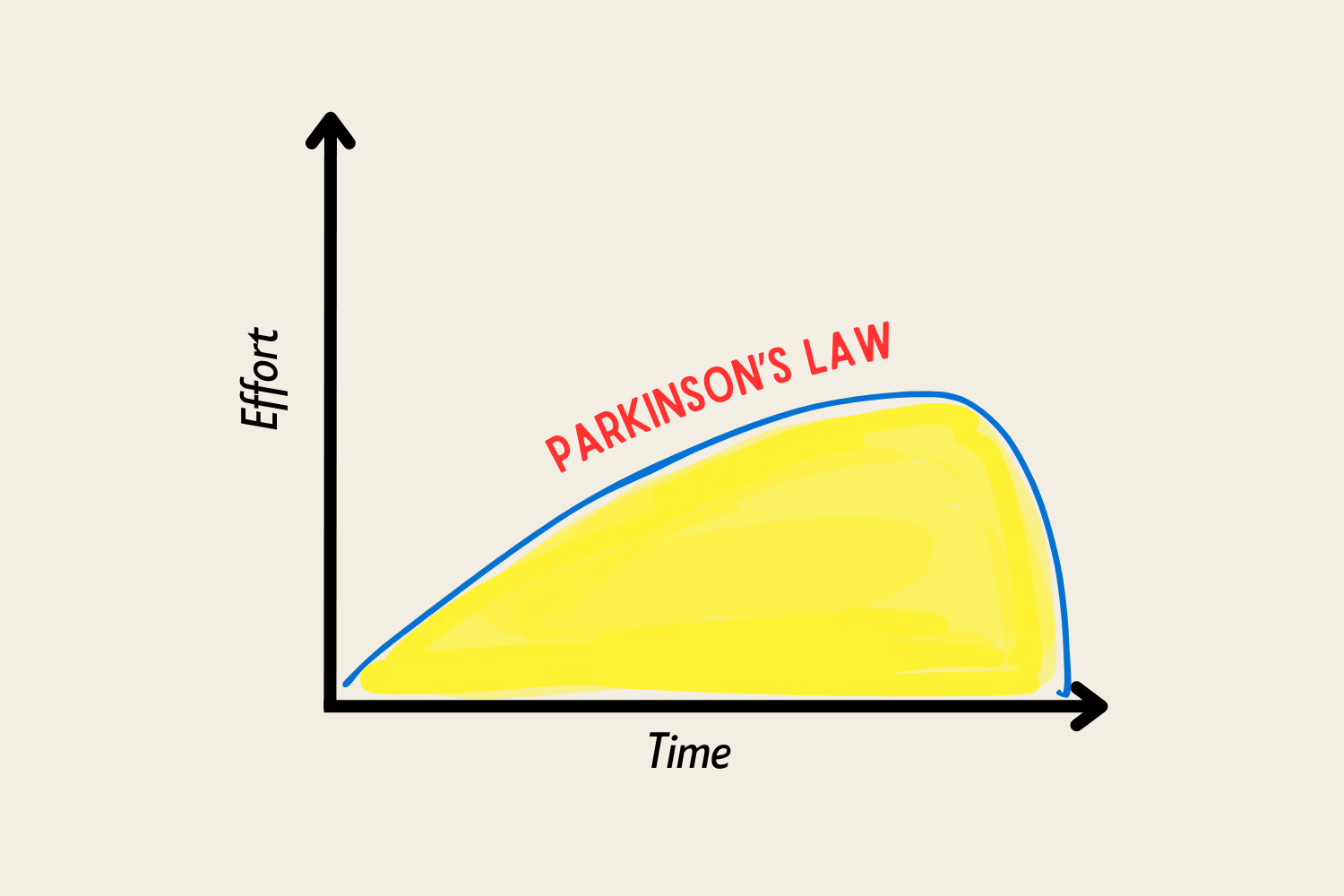
Work expands to fill the time you give it — deadlines shape effort more than the work itself, so tighten deadlines.
Systems > Goals
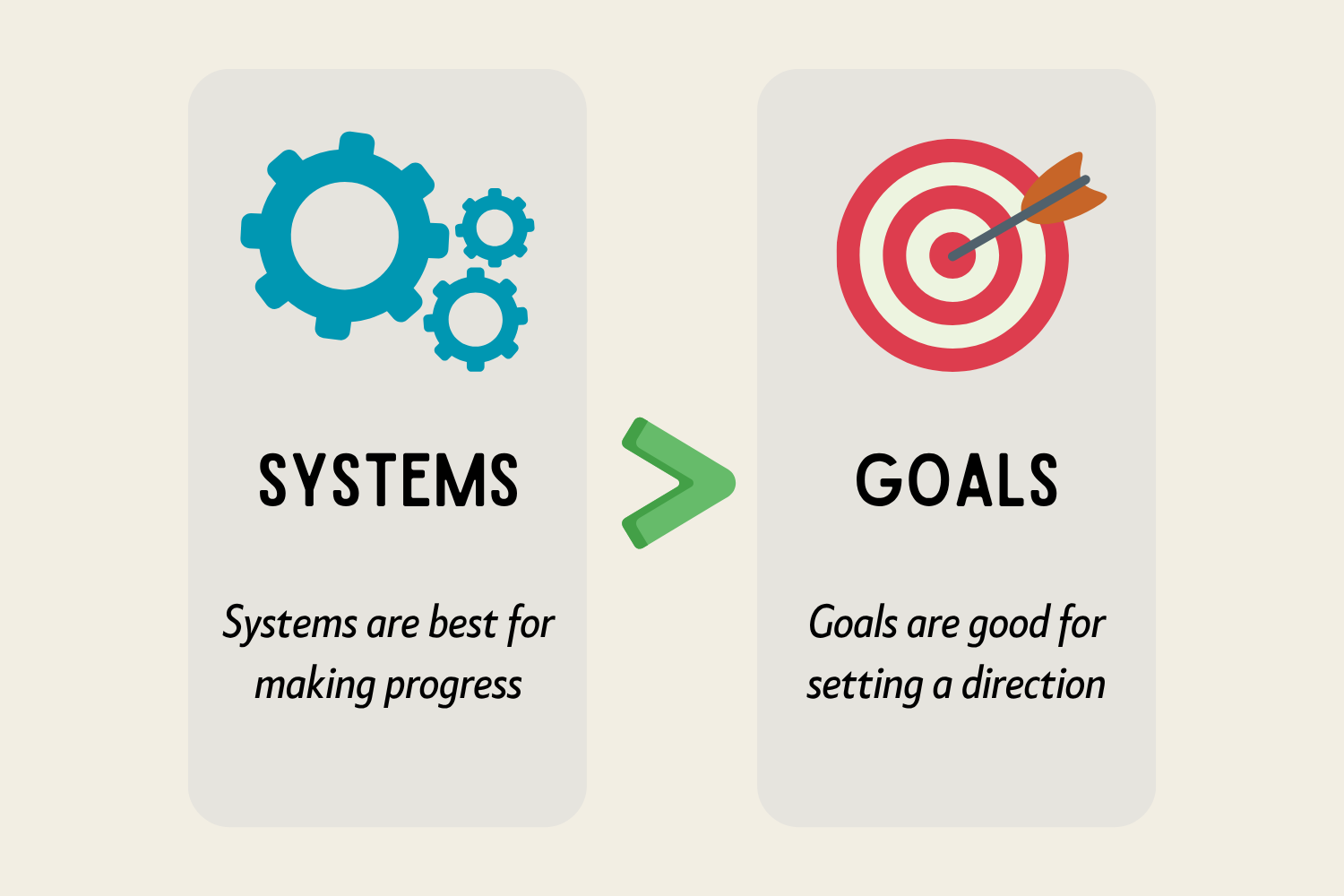
Results come from repeatable habits, not targets — turn every goal into a system of leading behaviors you design and track.

The 3 Pillars of Smart Work
Smart work isn't doing less — it's efficiency, creativity, and discipline together, not permission to coast on "work smart, not hard."
The State of Flow
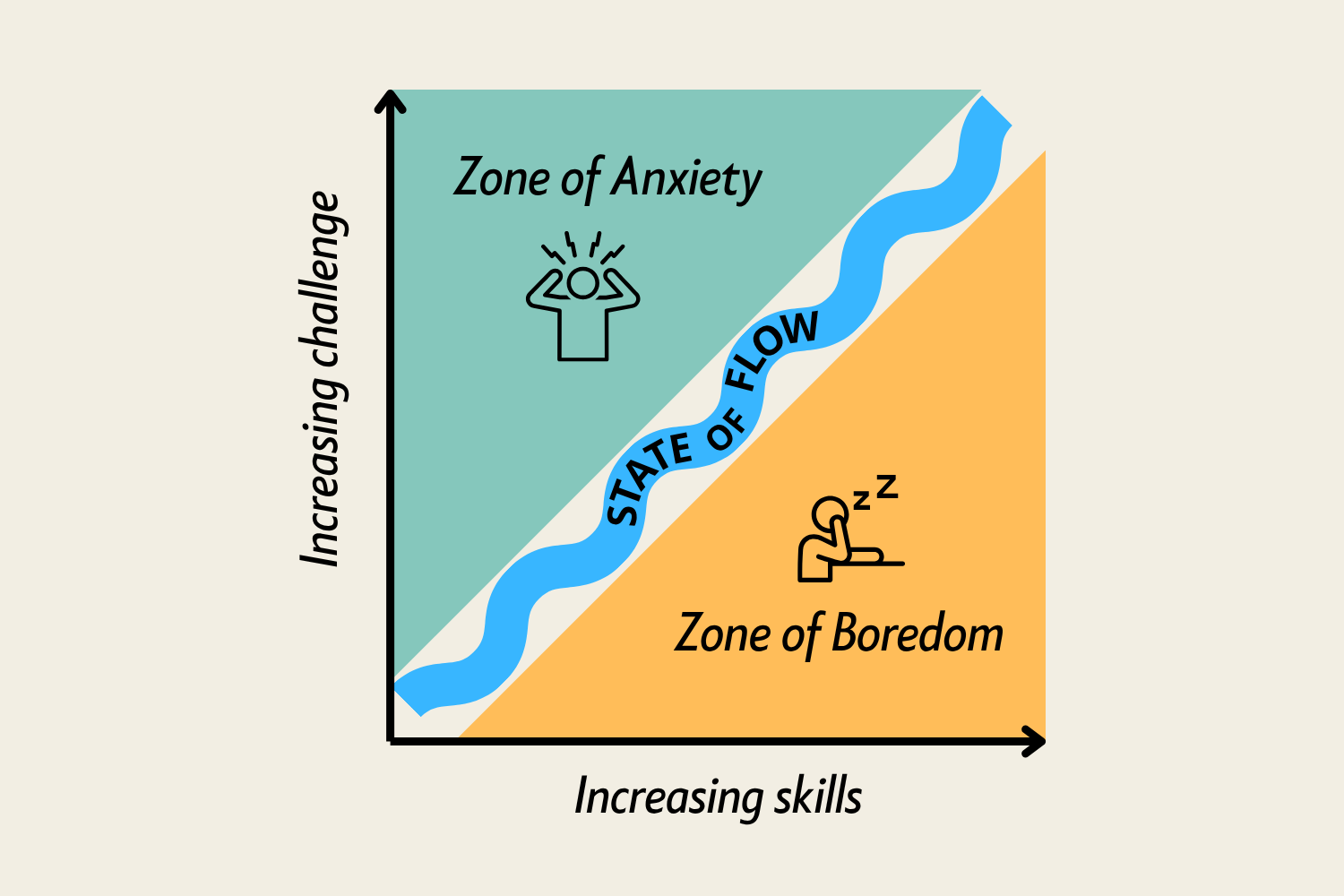
The zone between anxiety and boredom, where challenge meets skill — your job is moving each person, with a different push.